

Lapu Medical: China's First Registered Ischemic Preconditioning Device Manufacturer Files IPO Prospectus
In 1986, Dr. Murry published the world’s first study on ischemic preconditioning in the journal *Circulation*. As an economical, practical, simple, safe, convenient, and effective new therapy and technology, ischemic preconditioning training has now become a novel approach for the prevention, treatment, and rehabilitation of cardiovascular and cerebrovascular diseases, gaining recognition and endorsement from many experts and medical researchers.
In June 2019, the latest research findings from Professor Yang Ge’s team at the First Hospital of Jilin University were published in Neurology, a premier global journal in neurology. The study elaborates on the effects of remote ischemic preconditioning on cerebral autoregulation and 30 blood biomarkers in healthy individuals, laying a new theoretical foundation for the clinical translation of remote ischemic preconditioning.
Notably, in this study, Professor Yang Ge’s team utilized the “Bangbang” Ischemic Preconditioning Trainer developed by Lapu Medical Devices (Beijing) Co., Ltd. (hereinafter referred to as “Lapu Medical”).
Lap Medical is dedicated to the development and application of technologies for the prevention and treatment of cardiovascular and cerebrovascular diseases,It is the first Class II medical device manufacturer in China to have passed clinical trials approved by the national drug regulatory authorities and to have been officially issued a production license for preconditioning training devices.. Based on 30 years of scientific research theories both domestically and internationally, as well as the company’s five years of dedicated research, the company has become one of the leaders in the preconditioning industry.
Cardiovascular and cerebrovascular diseases are characterized by the "four highs and four lows":High incidence, high disability rate, high mortality, and high recurrence rate; low awareness, low medication adherence, low treatment rate, and low cure rateMs. Du Qingjing, co-founder of Lapu Medical, stated, “On average, at least one person dies from cardiovascular and cerebrovascular diseases every 30 seconds.”
From the perspective of brain diseases, China is one of the countries with the highest incidence of stroke. There are currently 20 million stroke patients in China, with approximately 1.5 million new cases occurring each year. Stroke has become the leading cause of disability and rising medical costs.
From the perspective of cardiovascular disease, the challenges facing China are even more formidable.
The "Report on Cardiovascular Diseases in China 2018," compiled and published by the National Center for Cardiovascular Diseases, indicates that the prevalence and mortality rates of cardiovascular diseases in China are still on the rise. As of 2018, there were 290 million patients with cardiovascular diseases in China, with the mortality rate ranking first among all types of diseases, accounting for more than 40% of the causes of death among residents.
The greatest challenge of cardiovascular and cerebrovascular diseases lies in their unpredictable and irreversible nature. Ms. Du stated, “Once an episode occurs, even with timely treatment, patients will inevitably suffer some degree of irreversible damage. In mild cases, it affects quality of life; in severe cases, it leads to loss of self-care ability or even becomes life-threatening.”
According to Ms. Du, “Currently, devices for the prevention and adjunctive rehabilitation of cardiovascular and cerebrovascular diseases are scarce, with pharmacotherapy and surgical intervention being the two primary treatment modalities.” Given that pharmacotherapy entails side effects and surgical procedures carry inherent risks, ischemic preconditioning training—characterized by its safety, efficacy, and simplicity—has undoubtedly emerged as a novel therapeutic approach for the prevention, treatment, and rehabilitation of cardiovascular and cerebrovascular diseases.
Ischemic Preconditioning Training refers to the application of pressure to a specific limb segment, inducing non-invasive, physical, transient, and reversible ischemic-hypoxic stress. This process triggers the release of protective factors and mobilizes the body’s endogenous anti-ischemic and anti-hypoxic capacities, thereby providing protection against subsequent severe ischemic-hypoxic events.
Clinical studies have demonstrated that ischemic preconditioning training can unlock human potential and activate the emergency response mechanisms of the immune system. Subsequent clinical research has revealed that this stress-induced protective effect is not limited to the ischemic organ itself; ischemic preconditioning applied to limbs and other tissues can also mitigate the consequences of severe ischemia in vital organs such as the heart, brain, kidneys, lungs, and liver. This phenomenon is known as remote ischemic preconditioning (RIPC).
RIPC protects the cerebrovascular and cardiovascular systems, activates the stress response mechanisms of the human immune system, regulates blood pressure, and increases the levels of endogenous protective substances in the blood, such as adenosine, bradykinin, and nitric oxide. It helps prevent cerebrovascular and cardiovascular events, including cerebral infarction and sudden cardiac death, and provides safe and effective protection against myocardial ischemia-reperfusion injury.
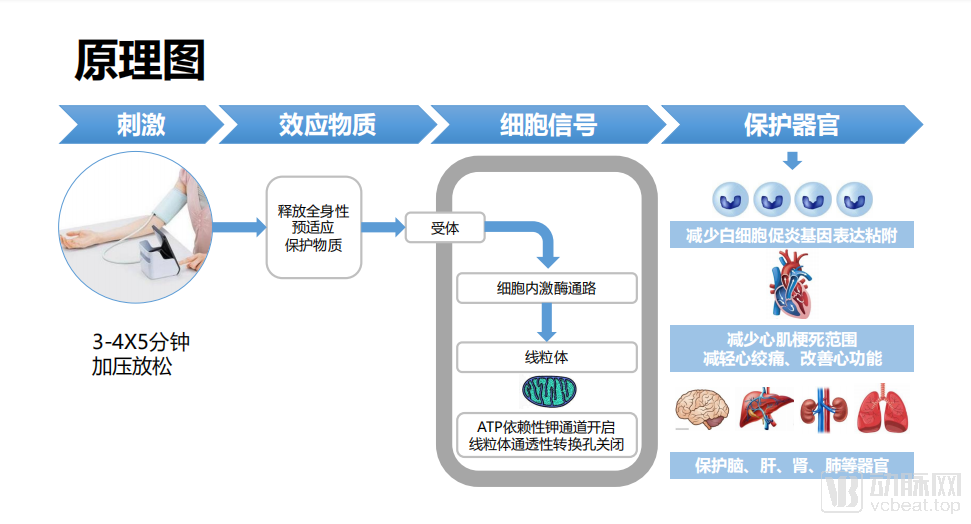
Schematic Diagram of RIPC (Image Provided by the Company)
RIPC is the most effective endogenous protective strategy discovered to date. It has long been a focal point in research on ischemic heart and brain diseases, regarded by the medical community as the safest endogenous physical therapy, offering irreplaceable protective effects for the cardiovascular and cerebrovascular systems.
Lapu Medical was established in December 2011. Ms. Du stated, “To enhance public recognition of ischemic preconditioning training and provide patients with cardiovascular and cerebrovascular diseases a simple, effective solution for prevention and treatment, Lapu Medical began developing the ‘Bangbang’ Ischemic Preconditioning Training Device.”
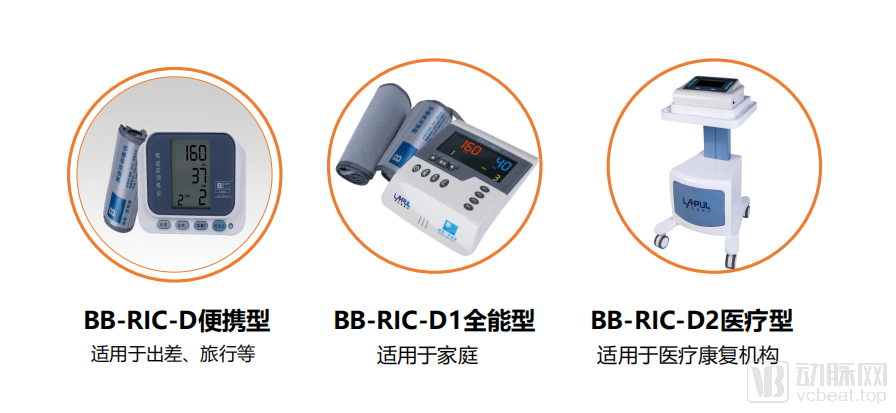
“Bangbang” Series of Ischemic Preconditioning Training Devices (Images Provided by the Company)
“Bangbang” Ischemic Preconditioning Trainer adopts the exclusive patented intelligent stepwise slow-release technology, andIndustry-first dual-site training mode for arms and legs. The company’s self-developed smart chip can issue command signals based on the user’s current blood pressure, blood flow velocity, and other parameters, enabling controlled release under varying pressure conditions to ensure user safety. Additionally, the dual-arm and leg training mode allows for pre-conditioning training of the arms and thighs with customizable modes and intensities according to user needs.
“Bangbang” Ischemic Preconditioning Trainer is primarily used on the upper arms and thighs, with each session lasting between 35 and 45 minutes. The “Bangbang” Ischemic Preconditioning Trainer can effectively reduce the area of myocardial infarction, relax vascular smooth muscle, promote vasodilation, and improve conditions such as arterial occlusion.
Clinical data show that after 30 minutes of ischemic preconditioning training on the left arm using the “Bangbang” ischemic preconditioning device, the measured diameter of blood vessels in the right arm increased from 3.74 mm to 3.93 mm. With long-term use, blood flow in the obstructed segments of users’ arteries has improved to a certain extent.
Additionally, 85% of hypertensive individuals experience a blood pressure reduction of 5 to 25 mmHg within 25 to 35 minutes after using this product. Consistent use helps patients regulate their blood pressure and gradually adapt to reducing medication dosage until discontinuation.
Ms. Du stated, “The ischemic preconditioning training device is a broad-spectrum product. In addition to demonstrating significant therapeutic effects for patients with coronary heart disease, myocardial infarction, hypertension, the ‘three highs’ (hyperglycemia, hyperlipidemia, and hypertension), those undergoing post-operative rehabilitation after coronary artery bypass grafting (CABG), individuals suffering from sequelae of stroke-induced hemiplegia, and people with a family history of cardiovascular and cerebrovascular diseases, it also provides effective prevention against chronic cardiovascular and cerebrovascular conditions in healthy individuals. Furthermore, it offers preventive and adjunctive therapeutic benefits for sub-healthy populations characterized by sedentary lifestyles, limited physical activity, and frequent symptoms such as chest tightness, shortness of breath, fatigue, and weakness during daily activities.”
It is understood that the "Bangbang" ischemic preconditioning training deviceIt is the first preconditioning training device in China to be formally integrated into the hospital system and aligned with the national medical insurance framework. Having obtained CFDA and CE certifications, it has been adopted by more than 100 Grade II and Grade III hospitals across China, and is widely used in the treatment of various chronic cardiovascular and cerebrovascular diseases as well as in postoperative rehabilitation.。
Lap MedicalIt is the first Class II medical device manufacturer in China to have passed clinical trials conducted by the national drug regulatory authorities and to have been officially issued a production license for preconditioning training devices., after years of development, the company has become a leader in the industry.
Ms. Du stated, “In the early stages, Lapu Medical focused primarily on equipment sales, mainly distributing through traditional regional dealerships across cities and districts at various levels. Its primary channels included hospitals, pharmacies, and offline experience stores.” Through continuous exploration, in 2019, Lapu Medical added an equipment leasing model to its equipment sales business. It has since made significant progress in multiple channels, including community and hospital rehabilitation systems and corporate clients, and has received strong support from the government.
In terms of marketing, Lapu Medical will focus on promoting its products in the home care market. The company will continue to adopt a dual sales and rental model, leveraging channels such as communities, family doctors, and corporate clients to strengthen its presence in the home care sector.
In terms of products, Lapu Medical will focus on compact, portable, and integrated designs, while enhancing the comfort and durability of accessories such as straps. This will enable users to utilize pre-conditioning training products more easily and conveniently across various scenarios. Additionally, the R&D team is actively exploring clinical applications and product development for pre-conditioning in a variety of medical conditions, with the aim of expanding its product line into multiple niche areas of rehabilitation and treatment.
Finally, Ms. Du stated, “The market for ischemic preconditioning training devices is a sunrise industry with promising prospects and immense potential. Currently, this sector is in a incubation phase on the verge of rapid expansion, necessitating greater participation from high-quality products, talent, and social capital.”