

National Healthcare Service and Quality Safety Report 2018: Data Insights on China's Medical Service Volume, Quality, and Technological Advancement
On October 9, 2019, the National Health Commission released the 2018 “National Report on Medical Services and Quality Safety,” which systematically presented information on the enhancement of medical technical capabilities and the level of medical quality in China.
The press conference was moderated by Song Shuli, Spokesperson for the National Health Commission and Director of the Department of Publicity. Guo Yanhong, Inspector-General of the Bureau of Medical Administration and Hospital Management under the National Health Commission; He Jie, Director of the National Quality Control Center for Oncology; Zheng Zhe, Deputy Director of the National Quality Control Center for Cardiovascular Diseases; and Qiao Jie, Director of the National Quality Control Center for Obstetrics, participated in the conference and delivered remarks. They addressed, respectively, medical technical capabilities and healthcare quality standards overall; improvements in medical technical capabilities and healthcare quality in oncology; advancements in medical technical capabilities and healthcare quality in cardiovascular diseases; and enhancements in medical technical capabilities and quality standards in obstetrics.
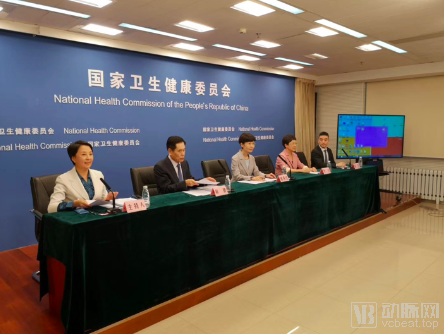
Image sourced from the WeChat Moments of the Director of the News Division, Publicity Department, National Health Commission
Based on the speech content, VCBeat (WeChat ID: vcbeat) has compiled the conference remarks, as detailed below.
Guo Yanhong, Inspector Commissioner of the Bureau of Medical Administration and Hospital Management under the National Health Commission, kicked off the conference by presenting an overview of the overall progress in enhancing medical technical capabilities and healthcare quality.
In the early days of the People’s Republic of China, there were only slightly more than 610,000 healthcare personnel and fewer than 10,000 medical and health institutions, resulting in a very weak foundation for healthcare services. After 70 years of construction and development, by 2018, the total number of healthcare personnel in China had reached over 12.3 million, and the number of medical institutions approached one million. The number of outpatient and emergency visits at medical institutions increased from 4.097 billion in 2005 to 8.308 billion in 2018; hospital admissions rose from 72 million in 2005 to 255 million in 2018; and the number of surgical procedures grew from 36.8 million in 2005 to 61.72 million in 2018.
The surge in overall service volume is underpinned by the combined support of healthcare service efficiency, quality of care, and medical technical capabilities.
In terms of healthcare service efficiency, the average length of hospital stay nationwide in China was 9.3 days in 2018, a decrease of 6.9 days from the 1992 peak of 16.2 days, representing a 42.6% reduction. Notably, tertiary hospitals have achieved five consecutive years of decline in average length of stay.
In terms of healthcare quality, the overall in-hospital mortality rate in China has gradually declined and stabilized at a low level, decreasing from 1.1% in 2005 to 0.44% in 2018. Specifically, the in-hospital mortality rate for patients with acute myocardial infarction dropped from 6.12% in 2014 to 5.02% in 2017; the mortality rate for patients with gastrointestinal bleeding fell from 3.59% in 2014 to 1.72% in 2017, representing a decline of over 50%. Meanwhile, the mortality rate associated with craniocerebral surgeries, which are technically challenging and high-risk, has continued to decrease over the past five years. The level of rational clinical drug use has also improved significantly. The outpatient prescription rate for antibiotics in China decreased from 17.2% in 2011 to 8.9% in 2018, while the antibiotic usage rate among inpatients dropped from 61.4% in 2011 to 40.4% in 2018, marking a substantial reduction.
In terms of medical technological capabilities. After the founding of the People's Republic of China, the state leveraged its institutional advantages to vigorously develop medical technologies, achieving a series of breakthroughs in medical technology and innovation. These include the world’s first isolation of Chlamydia trachomatis, the performance of the first replantation surgery for severed limbs, and significant advances in the treatment of extensive burns, chemotherapy for choriocarcinoma, development of the novel antimalarial drug artemisinin, early diagnosis and treatment of liver cancer, and differentiation induction therapy for leukemia. Since the reform and opening-up, the development of medical technology in China has entered a fast track, with a continuous emergence of numerous achievements. In recent years, modern medical technologies characterized by minimally invasive procedures and personalized care have been widely applied in clinical practice, demonstrating a trend toward “minimally invasive surgical treatments, surgical approaches in internal medicine, and routine interventional therapies.” In the field of surgery, minimally invasive procedures represented by endoscopic surgery are gradually replacing traditional open surgeries.
In some Grade A tertiary hospitals, the proportion of endoscopic surgeries has exceeded 80%. Among these, robotic surgical systems have developed rapidly. Since the success of China’s first robot-assisted surgery in 1997, more than 70,000 robotic procedures of various types had been cumulatively performed in China by 2017. In internal medicine, natural orifice endoscopic techniques have achieved breakthroughs from diagnosis to therapy and from intraluminal to extraluminal applications. These techniques are widely used in specialties such as respiratory medicine, gastroenterology, otolaryngology, and gynecology, and have been commonly adopted in primary care hospitals. Diseases that previously required traditional open surgery can now be treated with minimally invasive or even non-invasive approaches using endoscopic technologies. Interventional therapy, characterized by minimal trauma and rapid recovery, can replace certain surgical procedures and enable targeted drug delivery directly to lesions, representing one of the hallmark modern medical technologies that has seen rapid development in recent years.
Taking the cardiovascular field as an example, the number of patients undergoing interventional diagnosis and treatment has been growing at an annual rate of 5%–15%. In 2018, over 910,000 percutaneous coronary intervention (PCI) procedures were performed, placing China among the top countries worldwide in terms of procedural volume. Furthermore, emerging technologies such as artificial intelligence, 3D printing, and targeted therapy are progressively being introduced into clinical practice, further advancing medical technology.
Although China’s healthcare services have reached a mature stage of development, there remains significant room for improvement. From a macro perspective, the future development of healthcare in China will align closely with the following four objectives.
First, improve the institutional framework to promote standardized medical management. To enhance the legal and standardized levels of medical management, the state has successively promulgated and implemented laws, regulations, and rules covering various elements related to medical quality and safety, including medical institutions, medical personnel, and medical technologies. This has achieved comprehensive management of all elements of medical services, with industry norms and technical standards developed to regulate medical service practices. Additionally, the "Measures for Medical Quality Management" and the "Measures for the Clinical Application Management of Medical Technologies" have been specifically issued and implemented to establish systems and frameworks for managing medical quality and medical technologies, thereby improving the institutionalization and standardization of management.
Second, optimize management mechanisms to promote refined quality management. To ensure the effective implementation of various management systems, strengthen the construction of the medical quality management organizational system, improve the organizational framework of the quality control system, and formulate quality control indicators covering major clinical specialties, diseases, and technologies. Promote the application of medical quality management tools such as Total Quality Management (TQM), the Plan-Do-Check-Act (PDCA) cycle, and Diagnosis-Related Groups (DRGs)-based performance evaluation. Leverage information technology throughout the entire process of medical quality management to enhance the refinement and scientific rigor of medical quality management in healthcare institutions.
Third, innovate service models to promote the integration of diagnosis and treatment services. By integrating the core components of medical services, we will encourage medical institutions to establish Chest Pain Centers, Stroke Centers, Trauma Centers, Centers for the Treatment of Critically Ill Pregnant and Postpartum Women, and Centers for the Treatment of Critically Ill Children and Neonates. We will streamline green channels to provide patients with holistic and continuous care. To enhance the comprehensiveness of diagnosis and treatment, we will promote a patient-centered Multidisciplinary Team (MDT) model, delivering more comprehensive, scientific, and personalized care. To improve the efficiency of diagnosis and treatment, we will optimize service processes by implementing day surgery, day chemotherapy, day wards, enhanced recovery after surgery (ERAS), and early rehabilitation programs, thereby reducing the average length of hospital stay. To increase the accessibility of diagnosis and treatment services, we will establish telemedicine platforms and deliver telemedicine services, facilitating the decentralization of high-quality medical resources and expanding their accessibility and coverage.
Fourth, enhance technical capabilities to achieve modernization of medical technology. As a crucial vehicle for healthcare delivery, medical technology directly impacts the public’s sense of gain. The state attaches great importance to the development of medical technology, ensuring the safety of its clinical application and improving diagnostic and therapeutic outcomes for patients. On one hand, we are actively promoting the clinical application of modern medical technologies aligned with international standards, such as minimally invasive therapy, interventional therapy, molecular targeted therapy, and AI-assisted diagnosis and treatment. On the other hand, we are continuously strengthening the capacity building of clinical specialties. Through measures such as paired assistance, we are focusing on enhancing the technical capabilities of medical institutions in central and western regions and at the county-level hospitals and grassroots level, thereby extending the benefits of modern medical technology to a broader population.
Under the overarching policy framework, diseases with high incidence and mortality rates, such as cancer and cardiovascular disorders, remain the central focus of the healthcare sector.
He Jie, Director of the National Center for Quality Control in Oncology, stated that in 2015, there were 3.929 million new cases of malignant tumors in China, with an incidence rate of 285.8 per 100,000 population; there were 2.338 million deaths, with a mortality rate of 170.1 per 100,000 population. Although the situation in prevention and control remains severe, significant progress has been achieved in prevention and treatment.
So, how should cancer diagnosis and treatment be carried out in China in the future? Director He Jie proposed three key points.
Continued Deepening of Standardized Diagnosis and Treatment and Quality Control in Oncology
Standardized diagnosis and treatment of malignant tumors is one of the important measures to improve the survival rate of cancer patients, and the standardized diagnosis and treatment process relies on quality control. Under the leadership of the National Health Commission, the National Cancer Center has established the National Quality Control Center for Tumor Diagnosis and Treatment, and has initially formed a quality control system that interacts with provincial and prefecture-level tumor quality control centers. Quality control centers at all levels have made positive contributions to the construction of the tumor professional quality control network, the promotion and application of tumor diagnosis and treatment norms and guidelines, the revision and monitoring of tumor quality control indicators, standardizing diagnosis and treatment behaviors, improving medical quality, and ensuring medical safety. The National Tumor Quality Control Center has begun to establish a single-disease quality control platform for tumors through the national anti-tumor drug clinical application monitoring network, and has carried out pilot work on quality control of the diagnosis and treatment process of single diseases of malignant tumors. At present, pilot work on quality control of single diseases such as breast cancer is being actively promoted.
New Technologies in Tumor Treatment and Multidisciplinary Diagnosis and Treatment Models Have Been Promoted and Applied
In recent years, the widespread adoption of novel technologies for tumor diagnosis and treatment, along with multidisciplinary treatment models, has significantly improved survival rates and quality of life for cancer patients.
In terms of surgical treatment, the widespread adoption of minimally invasive techniques such as thoracoscopy and laparoscopy has significantly reduced trauma, improved therapeutic outcomes, and accelerated recovery. Taking esophageal cancer as an example, surveys indicate that the proportion of hospitals in China performing minimally invasive esophageal surgery far exceeds that in European and American countries. The incidence of anastomotic leakage, a major complication, is substantially lower than international levels (1–10% vs. 5–30%). Meanwhile, the average postoperative hospital stay for esophageal cancer patients has decreased markedly.
In the field of radiation therapy, the application of technologies such as three-dimensional conformal radiation therapy (3D-CRT), intensity-modulated radiation therapy (IMRT), image-guided radiation therapy (IGRT), and stereotactic techniques has significantly improved the accuracy of treatment positioning and delivery. Taking breast cancer as an example, the 3-week hypofractionated radiation therapy regimen implemented in China has proven to be safe and effective. This approach not only shortens the treatment course and reduces hospital stays but also lowers medical costs and conserves healthcare resources. It provides a category of clinical evidence for the implementation of hypofractionated radiation therapy following mastectomy for breast cancer worldwide.
In terms of pharmacotherapy, the continuous emergence of novel targeted therapies and immunotherapies has effectively improved the quality of life for patients with intermediate to advanced-stage cancer. For instance, the use of targeted drugs against the most common mutation sites in lung cancer treatment can extend survival by 3–5 times for patients with advanced lung cancer. For patients who are not eligible for targeted therapy, immunotherapy serves as an important treatment option. Immune checkpoint inhibitors, such as anti-PD-1 or anti-PD-L1 monoclonal antibodies, can induce remission and even offer the potential for cure in approximately 15% of patients with advanced cancer.
Meanwhile, the multidisciplinary team (MDT) model for cancer diagnosis and treatment has been vigorously promoted and applied in recent years. Particularly for complex and challenging cases, it leverages the strengths of various specialties to formulate optimal treatment plans, ensure the best therapeutic outcomes, prevent overtreatment as well as misdiagnosis and mistreatment, effectively avoid waste of social resources, and improve the quality of life for cancer patients.
Next Key Priorities
With the improvement of medical quality and diagnostic and treatment capabilities in China, the five-year survival rate for malignant tumors has increased from 30.9% ten years ago to the current 40.5%. However, there is still room for improvement compared with developed countries such as the United States. In accordance with the requirements of the Healthy China Action (2019–2030), the five-year cancer survival rate is targeted to reach 43.3% by 2022 and 46.6% by 2030.
In the future, the National Cancer Center and the National Oncology Quality Control Center will further strengthen oncology quality control and standardize diagnosis and treatment practices. They will continue to enhance the construction of oncology diagnosis and treatment quality control platforms and networks, improve the clinical application monitoring of antineoplastic drugs, steadily promote the multidisciplinary team (MDT) model for single-disease management, and focus on improving the diagnostic and therapeutic capabilities of primary healthcare institutions.
Regarding the current status of cardiovascular disease in China, Zheng Zhe, Deputy Director of the National Center for Cardiovascular Disease Quality Control, stated that with the acceleration of population aging and urbanization, the incidence and prevalence of cardiovascular diseases in China are on the rise. It is estimated that the number of patients with cardiovascular diseases in China has reached 290 million. The prevention and control of cardiovascular diseases are crucial to avoiding premature death among residents and improving public health.
In fact, over the past decade, China has achieved significant progress in the prevention and control of cardiovascular diseases, primarily reflected in the following three aspects:
Continued Expansion in the Scale of Cardiovascular Disease Prevention, Control, Diagnosis, and Treatment
Hypertension is a major risk factor for cardiovascular disease. In 2018, survey results indicated that the prevalence of hypertension among residents aged 18 and above in China was 27.9%, affecting approximately 300 million people, presenting a challenging situation for prevention and control. To strengthen hypertension prevention, control, diagnosis, and treatment, we have adopted a combined online and offline training approach to standardize the training of primary healthcare workers. This initiative currently covers 31 provinces, providing significant support for hypertension management at the grassroots level. Data show that from 2002 to 2018, the awareness, treatment, and control rates of hypertension increased by 66%, 82%, and 146%, respectively, with the control rate increasing two- to three-fold.
In terms of percutaneous coronary intervention (PCI) for coronary heart disease, the total number of PCI procedures performed in mainland China exceeded 750,000 in 2017, representing a 13% increase from 2016. Meanwhile, the volume of catheter ablation procedures for atrial fibrillation has grown at an annual rate of 20% over the past decade, reaching nearly 40,000 cases in 2018. Furthermore, from 2004 to 2018, the number of heart transplant surgeries increased steadily at an annual growth rate of nearly 20%, with a total of 490 procedures completed in 2018.
Continuous Breakthroughs in Cardiovascular Disease Diagnosis and Treatment Technologies
Surgical Approach-Based Interventional Techniques for Structural Heart Disease: A Novel Technology with Distinctive Features of Chinese Cardiovascular Surgery. The transapical aortic valve implantation and transapical mitral valve repair systems, independently developed in China to suit the anatomical characteristics of the Chinese population, have been applied in clinical practice. Furthermore, Chinese physicians have pioneered percutaneous interventional therapies guided solely by ultrasound, achieving the treatment of common structural heart diseases without surgical incision, radiation exposure, or general anesthesia. Many of these related novel technologies are world-first innovations.
In the field of congenital heart disease (CHD) treatment, Chinese physicians have pioneered the double-root translocation procedure for the anatomical correction of complex CHD. This surgical technique has demonstrated significantly superior outcomes compared to previous approaches and has gained widespread recognition from international peers. Left ventricular assist devices (LVADs) represent the most complex and sophisticated medical devices currently available. China has independently developed a third-generation fully magnetically levitated artificial heart with independent intellectual property rights. Featuring contactless magnetic levitation bearings, this device is compact and exhibits excellent biocompatibility, ranking it among the most advanced artificial hearts in the world.
Significant Improvement in the Quality of Cardiovascular Care
Data from the National Medical Service and Quality Safety Report indicate that the in-hospital mortality rate for cardiovascular diseases in China has shown a year-on-year decline. The in-hospital mortality rate was 1.7% in 2013 and decreased to 0.9% in 2018, representing a 47% reduction over six years. Specifically, for coronary artery bypass grafting (CABG), the primary surgical intervention for coronary heart disease, the procedural mortality rate declined from 2.8% to 2.0%, and the incidence of major complications decreased from 7.8% to 3.8% between 2004 and 2017, while the annual surgical volume maintained a 5–10% growth rate. Additionally, the average length of hospital stay was reduced by two days, bringing China’s current standards on par with those of the United States. For percutaneous coronary intervention (PCI), another major treatment modality for coronary heart disease, the mortality rate has remained stable at a low level of 0.23%.
Going forward, we will continue to uphold “quality and innovation” as our core objectives, accelerate technological innovation and clinical translation, strengthen quality oversight, enhance the standardization of cardiovascular disease diagnosis and treatment, and make greater contributions to China’s healthcare sector.
Each year, over 15 million newborns are born in China. The national maternal mortality ratio has declined from 1,500 per 100,000 live births at the founding of the People’s Republic of China to 18.3 per 100,000 live births in 2018. However, the rising trend in advanced maternal age poses challenges to obstetric safety.
Qiao Jie, Director of the National Center for Quality Control in Obstetrics, stated that addressing current challenges requires simultaneous innovation in both models and technologies, while building upon previously achieved results to foster better synergy between technological and operational models.
Continuous Deepening of Quality Control in Obstetrics
Currently, China is progressively establishing and improving a three-tier obstetric quality control system at the national, provincial, and municipal levels, which has covered 29 provinces, municipalities, and autonomous regions. Some provinces have established quality control centers at the county and district levels. Baseline surveys have been conducted on risk indicators that are common in obstetrics and pose serious threats to maternal and fetal safety. Based on the survey results, targeted supervision has been implemented in regions and hospitals failing to meet standards, promoting the homogenization of diagnosis and treatment for common obstetric diseases across different regions. In view of the high incidence of high-risk events in delivery rooms, China’s “Delivery Room Safety Checklist” has been developed and promoted for use in sentinel hospitals.
Obstetric Emergency Care Capacity Effectively Enhanced
The enhancement of obstetric care capabilities is mainly reflected in two aspects: the routine implementation of cesarean sections and multidisciplinary diagnosis and treatment models.
Cesarean section rate is an important process indicator for quality control in obstetrics. The National Report on Medical Services and Quality Safety shows that the cesarean section rate decreased from 45.35% in 2013 to 40.23% in 2016. In the past two years, despite a sharp increase in the number of advanced maternal age pregnancies, the cesarean section rate in 1,000 tertiary hospitals managing critically ill patients was still controlled at 41.32% in 2017.
The implementation of multidisciplinary team (MDT) diagnosis and treatment has enhanced the capacity for managing critically ill pregnant and postpartum women, thereby reducing maternal mortality and disability rates associated with severe complications. Meanwhile, the mature application of various critical care monitoring and therapeutic techniques provides technical assurance for the management of such cases. The provision of these services in China is also steadily improving.
Obstetric Medical Technology Continues to Improve
Advancements in Obstetric Technology Primarily Encompass Three Aspects.
1. Advancements in Hemostatic Techniques for Severe Postpartum Hemorrhage. Following adjustments to fertility policies, the proportion of women with a scarred uterus becoming pregnant again has increased, leading to a higher risk of severe postpartum hemorrhage and hysterectomy among women of childbearing age. In response, a prediction scoring system for the severity of placenta accreta spectrum disorders was developed, along with an innovative nine-step surgical hemostasis technique. These have been applied in clinical practice, effectively reducing the incidence of severe postpartum hemorrhage and the rate of hysterectomies.
2. Actively promote new technologies in prenatal diagnosis. Emerging molecular biology techniques have been applied to prenatal and preimplantation genetic diagnosis, with a rapid enhancement in non-invasive prenatal testing capabilities for genetic disorders. Currently, prenatal and preimplantation genetic diagnoses can be essentially completed for monogenic diseases caused by known pathogenic genes that lead to severe birth defects. Furthermore, simultaneous diagnosis of complex monogenic diseases in embryos and HLA matching analysis has been achieved, fulfilling the dual objectives of enabling the birth of healthy offspring and providing treatment for affected children. This has reduced the incidence of births involving severe genetic defects, placing our therapeutic capabilities at the forefront internationally.
3. Intrauterine fetal therapy techniques are continuously evolving. Building upon the widespread implementation of traditional prenatal screening and diagnostic technologies, fetal medicine in China has developed rapidly. China has introduced intrauterine diagnostic and therapeutic techniques for certain fetal conditions, providing robust support for secondary and tertiary prevention of fetal diseases.
Director Qiao Jie stated that, in accordance with the requirements of the Healthy China Action Plan, the National Center for Quality Control in Obstetrics will focus on achieving the following targets: by 2022 and 2030, the infant mortality rate will be controlled at or below 7.5‰ and 5‰, respectively; the maternal mortality ratio will be reduced to 18 per 100,000 live births or lower and 12 per 100,000 live births or lower, respectively; and the prenatal screening rate will reach over 70% and over 80%, respectively.
To achieve this goal, the National Center for Quality Control in Obstetrics will further strengthen professional medical technical capabilities in obstetrics, improve the quality management system for obstetric care, enhance the capacity for managing critically ill pregnant and postpartum women as well as midwifery services at the primary care level, continuously improve medical quality, ensure maternal and infant safety, and make greater contributions to safeguarding health from the very origin of life.