

From Empty Buildings to Over 90% Occupancy: The Mastermind Behind Shengtang Incubator and Its IPO Filing
Y Combinator, the renowned U.S. startup incubator that has created an “industry myth,” has become a model and mentor for incubators worldwide. As the wave of entrepreneurship continues to rise, China’s incubators are also developing rapidly, with a surge of innovative enterprises emerging like bamboo shoots after a spring rain…
Can Y Combinator’s Success Be “Replicated” in China? How Do Incubators Support Startups in Their Early Stages? Recently, VCBeat had the privilege of interviewingShengtang Incubator: Focused on the Biomedical Sector, this incubator, founded in 2013 and located in the Zhangjiang Hi-Tech Park in Shanghai, has incubated more than 150 companies and nurtured over 10 star enterprises within just a few years, becoming a leading biomedical incubator in China.
“We place great emphasis on the early-stage development of enterprises. Helping companies grow healthily from zero to one during their incubation phase is the mission we are committed to fulfilling,” said Xia Shangming, founder of Shengtang Incubator, in an interview.
Subtle Clues, Far-Reaching Implications: What Unique Strengths Lie Behind Shengtang’s Remarkable Achievements? What Elements Are Essential for an Incubator’s Success?
In my conversations with Xia Shangming, founder of Shengtang Incubator, I was constantly struck by his composure, confidence, and uniquely unconventional way of thinking.
Xia Shangming told VCBeat that prior to establishing the incubator, he had held positions at investment firms and government agencies. “I worked at an investment firm for about six or seven years, and then spent five years at a state-owned incubator under the government system. During these two periods,”I have found that early-stage startups find it extremely difficult to achieve the leap from 0 to 1 without the support of entrepreneurial service institutions.“Xia Shangming said.
In 2012, Xia Shangming resigned from his civil service position and was determined to establish a “specialized” incubator.
Why choose to be “specialized” rather than “comprehensive”? Xia Shangming explained,Since the early 21st century, business incubators have been shifting from a comprehensive model toward specialization. In his view, incubators can only create value by focusing on a specific sector, achieving deep expertise and thorough understanding, and providing tangible support to entrepreneurs.
Furthermore, the decision to establish an incubator in the biopharmaceutical sector was driven by considerations at two levels:I. Regionality.Shengtang Incubator is located in Pudong New Area, where the two pillar industries are electronic information and biomedicine. Choosing biomedicine ensures a clear positioning;II. Industry Development Prospects.There is a significant gap between China’s biopharmaceutical industry and that of developed countries, which implies substantial room for growth. Moreover, the biopharmaceutical sector exhibits a longer resistance to economic cycles, making it more conducive to incubating early-stage projects.
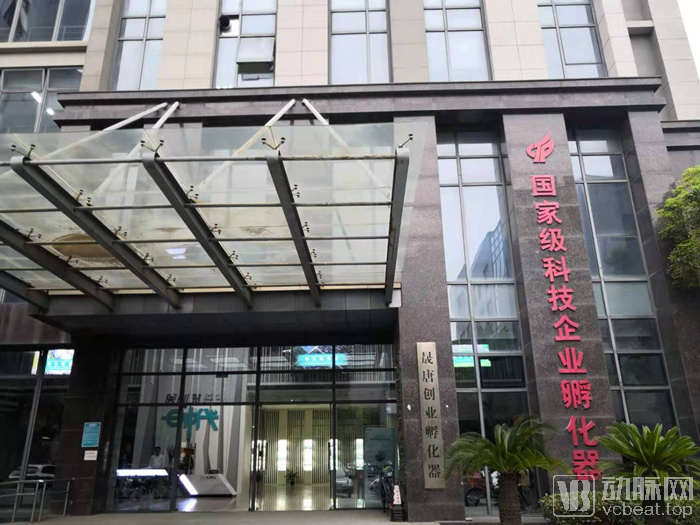
(Figure caption: Exterior view of Shengtang Incubator)
Based on the above points,In January 2013, Shengtang Incubator was officially established in Shanghai Zhangjiang Hi-Tech Park, with a total incubation space of over 40,000 square meters.
Everything is difficult at the beginning. Even Shengtang, now a prominent name in Zhangjiang, was once shrouded in gloom during its early days. “In the beginning, our entire building was empty, with an occupancy rate of less than 10%.”Attracting enterprises to incubators has become the biggest challenge.“Xia Shangming told VCBeat.
Shengtang Incubator is located in the Zhangjiang Hi-Tech Park, a late-development zone that is relatively remote and distant from the core area of Pudong New Area. Due to its comparatively underdeveloped surrounding infrastructure, both enterprise clustering and the concentration of service institutions in the area are relatively weak.
“Even the finest wine fears a deep alley.” How can one break through such a predicament? With the unyielding spirit characteristic of Hunan men, Xia Shangming reframed these disadvantages from a different perspective, positioning them as the “advantages” that distinguish Shengtang from other incubation parks.
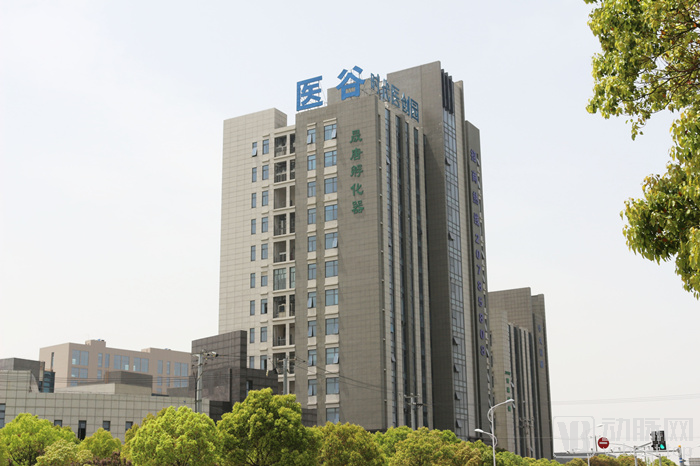
(Figure caption: Exterior view of Shengtang Incubator)
“Although it is difficult, if we look at it from a different perspective, we”We happened to seize the opportunity of Zhangjiang’s north-to-south expansion, during which its infrastructure is being rapidly improved. Secondly, “remoteness” also means a sufficiently “quiet” environment, which is highly suitable for R&D activities in biopharmaceutical companies. Finally, our service quality stands out among nearby incubators. We have created an excellent investment environment for enterprises and provided them with customized, personalized services, all of which can accelerate their growth.“Xia Shangming said.”
Through three years of efforts,Shengtang Incubator increased its occupancy rate from less than 10% initially to over 90%, successfully incubating more than 150 enterprises.The quantitative increase in the figures is highly encouraging, Xia Shangming pointed out,This outcome is also attributable to Shengtang Incubator’s distinctive approach: innovatively drawing on the “YC” model while exploring new paradigms.
Y Combinator (hereinafter referred to as “YC”) is the largest incubator in Silicon Valley, United States. Since its establishment in 2005,YC has incubated more than 1,900 companies, with a combined market capitalization exceeding $100 billion.YC, which has created a myth in the incubator industry, also astounds people with its remarkable feat of transforming startups such as Airbnb, Dropbox, Stripe, and Twitch from mere prototypes into companies valued at tens or even hundreds of billions of dollars.
“Although YC is an incubator focused on the internet sector, which differs from Shengtang’s area of focus, Xia Shangming believes that its model still holds significant value for learning.”I believe its success lies in providing the services most needed by early-stage enterprises and identifying a viable profit model.“This is an area where Shengtang can draw lessons and learn from, and it was also the original motivation behind my founding of Shengtang,” said Xia Shangming.
He pointed out,Drawing on the distinctive Y Combinator (YC) model, Shengtang Incubator innovatively established a comprehensive service chain comprising “nursery + incubator + accelerator” and an equity-based incubation operational model featuring “incubation base + value-added services + angel investment” from its inception., serving startups in the biopharmaceutical sector.
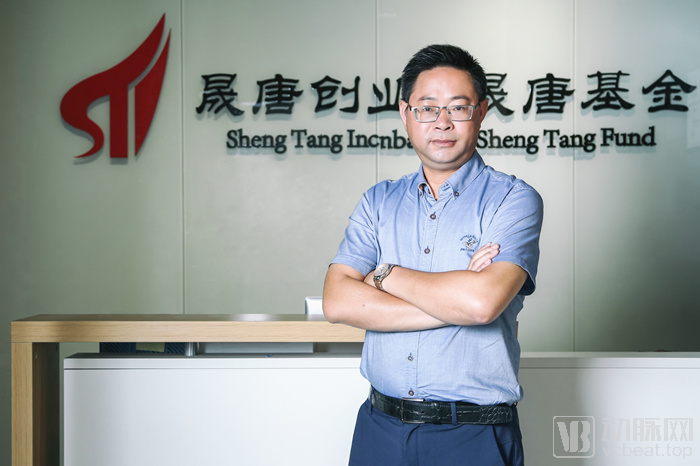
(Caption: Xia Shangming, Chairman of Shanghai Shengtang Entrepreneurship Incubator Management Co., Ltd.))
“Funding shortages are undoubtedly a major obstacle on the path of startup development. Relieving startups from financial concerns is a hallmark attraction for recruiting high-quality enterprises. ‘YC is a typical investment-oriented incubator; its model effectively addresses funding challenges for resident companies. We at Shengtang have drawn lessons from this approach, and practice has proven it highly successful,’ said Xia Shangming.”
In June 2015, Shengtang, acting as the General Partner (GP), jointly established the Shengtang Angel Fund with Zhangjiang Torch Park Venture Capital (a government guidance fund). The fund’s initial close amounted to RMB 30 million, with the second closing reaching approximately RMB 200 million.Investment Stage: Primarily seed and angel rounds. Investment Amount: RMB 1.5–5 million. Target Sectors: Digital health, in vitro diagnostics (IVD), and medical devices. Geographic Focus: Primarily Shanghai, with priority given to Pudong New Area and a particular emphasis on the Zhangjiang Core Zone.
Xia Shangming pointed out,The establishment of the fund has refined the business model, effectively addressing the challenge of integrating the incubator’s public-interest services with sustainable revenue generation.
“Our fund only invests in companies within the Shengtang Incubator and serves exclusively them.”Currently, investments have been made in 9 companies, with a total investment amount exceeding RMB 20 million.“Xia Shangming stated that enterprises incubated in the park, after receiving fund support and investment, subsequently secured substantial financing and demonstrated excellent growth trends.”
“For example, Shanghai OPM Biotech Co., Ltd. is a company focused on the research, development, and production of cell culture media, the most critical raw material in biopharmaceuticals. After it joined Shengtang Incubator, we invested RMB 6 million in the company. Its valuation was only RMB 50 million in the first round; after three rounds of financing, its current valuation has reached approximately RMB 1 billion,” said Xia Shangming.
Xia Shangming introduced that Shengtang Incubator is home to many outstanding enterprises like Aupaimed. Last year, Shengtang Venture Capital invested in a novel enterprise within the incubator—Xinzhi Medical. Within just one year of investment, the value of the direct investment portion increased fifteenfold. In addition to its own investments, Shengtang Incubator has partnered with more than 20 renowned investment institutions to help resident companies address their funding challenges.
“Through meticulous screening of early-stage projects, the investments have been almost universally successful.”Next, Shengtang Incubator will partner with U.S.-based Plug and Play to build a value-added incubation service system that integrates domestic and international venture capital and professional service institutions."Xia Shangming stated.
The financing environment, free from worries, has been established. The next step is: how can the flowers in the “greenhouse” grow to become vibrant and eye-catching?
“We are either in our clients’ offices or on our way there every day,” Xia Shangming said with a smile. He introduced,To provide high-quality services to enterprises, in addition to offering over 40,000 square meters of incubation space, Shengtang Incubator also provides free access to its multi-million-yuan R&D platform, “Shengtang Lab.” This initiative helps reduce companies’ R&D costs, enabling them to move in and start operations immediately.
“Shengtang Lab” is the public R&D service platform of Shengtang Incubator, an integrated biotechnology public R&D service platform. ItsAreaSpanning nearly 1,000 square meters and equipped with high-end instruments and equipment valued at tens of millions of yuan,It can meet the needs of startups for laboratory space, instruments and equipment, environmental impact assessment filing, hazardous waste disposal, and experimental services.
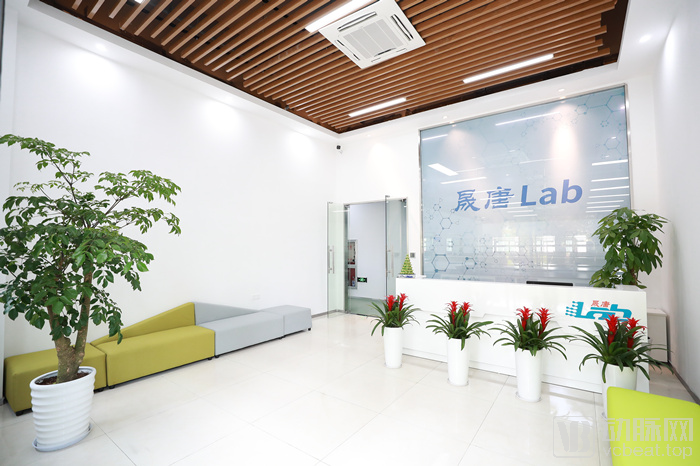
(Figure caption: Shengtang Lab))
In addition, Shengtang currently manages three incubation bases, located respectively in Phase I of the Times Med-Innovation Park within Zhangjiang International Medical Park, Phase II of the Times Med-Innovation Park within Zhangjiang International Medical Park, and Block B, Building 1, No. 800 Qingdai Road. The Phase I base can be used for R&D and office purposes related to medical devices and certain biotechnologies, while the Phase II base can be used for R&D and production in the fields of healthcare and certain biotechnologies.
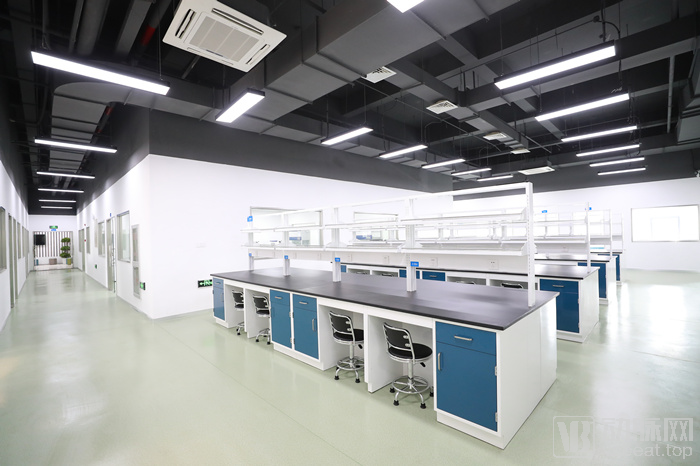
(Figure caption: Interior view of the laboratory)
“The establishment of the laboratory enables entrepreneurs to concentrate on R&D and market expansion, thereby increasing the success rate of product development and market penetration for startups,” said Xia Shangming.
From initiatives such as establishing funds, providing R&D platforms, and reducing corporate costs, Shengtang Incubator has laid a solid foundation for enterprise development. So, what qualifications must companies meet to join Shengtang?
Xia Shangming told reporters that they are extremely cautious in the early-stage screening of projects. Companies entering the incubator generally need to meet the following three criteria1. Core Technology: Resident enterprises must hold patents, preferably international patents. 2. Team Advantage: Core members must be seasoned industry professionals. 3. Industrialization Potential: The technology must be capable of product conversion and market launch.
“Making entrepreneurship easier. Since its establishment in 2013, Shengtang Incubator has lived up to this mission,” said Xia Shangming, who stated thatRecently, Shengtang has been expanding its bases in Ningbo, Hefei, and other cities, with a total area exceeding 100,000 square meters. In addition, new bases are expected to be established in Silicon Valley, Boston, and other locations next year.