

BioNTech Goes Public on Nasdaq with $150M IPO, Backed by Over $100M in Collaboration Revenue and a Robust mRNA Pipeline

BioNTech
Developer of Novel Biologics
VCBeat (WeChat ID: vcbeat) has learned that BioNTech listed on the Nasdaq in the early hours of today, becoming another mRNA therapy giant to go public after Moderna. Prior to its IPO, BioNTech reduced its offering size, ultimately issuing 10 million shares at $15 per share, raising a total of $150 million. BioNTech’s market capitalization at issuance reached $3.4 billion. Although this valuation is lower than that of its previous funding round, it ranks as the third-largest biotechnology company to list in the United States over the past decade.
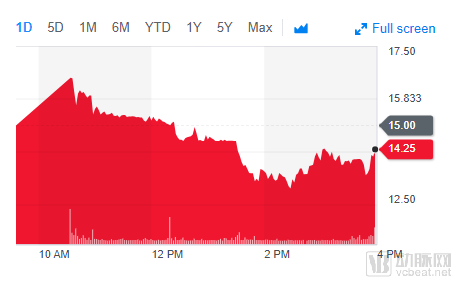
After opening 10% higher, BioNTech’s stock price closed at $14.24 on its first day of trading.
In recent years, mRNA therapeutics has emerged as a hot spot in drug development. Moderna, another prominent mRNA company, holds the record for the largest IPO in the history of the biotechnology sector. More than half of the top ten pharmaceutical companies are injecting substantial capital into this field through collaborations. As delivery technologies mature and research on tumor neoantigens deepens, mRNA therapies are gradually demonstrating efficacy in oncology. The effectiveness of mRNA in the prevention and treatment of infectious diseases is also gaining recognition from regulatory authorities and clinical trials. With foreign companies becoming increasingly mature and domestic candidates gradually emerging, mRNA therapeutics is poised to open a new chapter in disease treatment.
Until its initial public offering, BioNTech had completed three rounds of financing totaling approximately $686.2 million. Although the company was incorporated as early as 2008, it did not close its $270 million Series A financing round until January 2018. Subsequently, in January 2019, pharmaceutical giant Sanofi invested €80 million in BioNTech. In July 2019, prior to its IPO, BioNTech secured an additional $325 million in Series B financing.
The proceeds from this initial public offering will be primarily used for the research and development of oncology-related pipelines, with the remainder allocated to advancing other candidate products, promoting the development of core technologies, and expanding laboratory facilities and infrastructure.
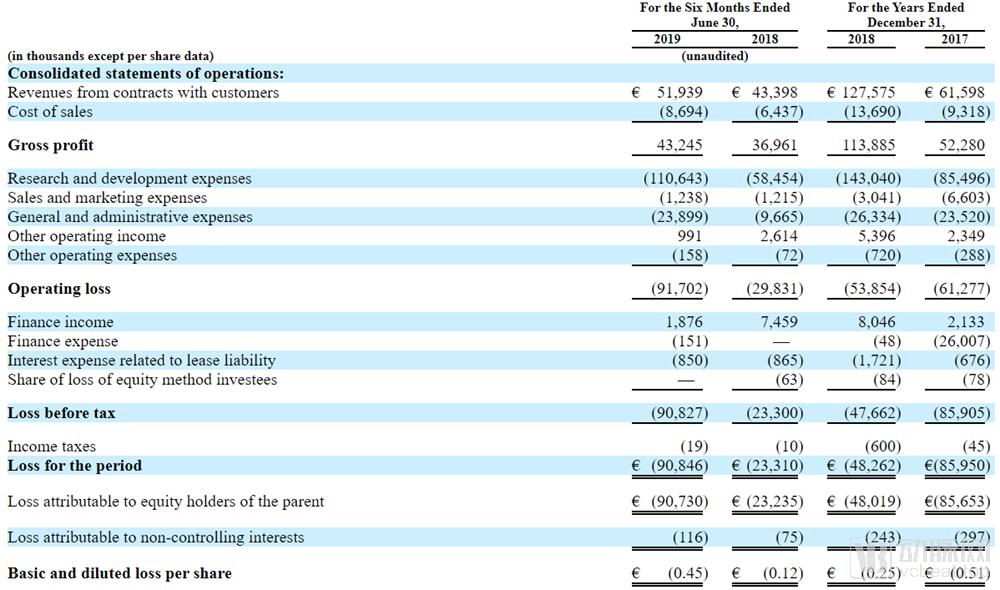
BioNTech's Revenue Performance
Like most early-stage biotechnology companies, BioNTech is currently operating at a loss, with the deficit expanding in tandem with rising R&D expenditures. In the first half of 2019 alone, R&D spending reached $111 million, an 89% increase from the same period in 2018 and approaching the total R&D investment for the entire year of 2018. However, unlike other early-stage enterprises, BioNTech generated €128 million in revenue in 2018, primarily driven by its collaborations with pharmaceutical giants.
BioNTech has shone brightly in the field of mRNA cancer vaccines, largely thanks to its series of external collaborations. Based on different development directions, BioNTech has established partnerships with seven companies, including five pharmaceutical giants: Eli Lilly, Sanofi, Bayer, Roche (Genentech), Pfizer, Genmab, and Genevant. These collaborations have not only enhanced BioNTech’s international visibility but also provided it with a stable source of revenue. The ability to forge partnerships with five major pharmaceutical companies also demonstrates BioNTech’s high level of technical capability.
Eli Lilly was the first pharmaceutical giant to establish a partnership with BioNTech. In May 2015, Eli Lilly and BioNTech entered into a collaboration to develop novel oncology targets and their corresponding TCRs (T-cell receptors). Under this agreement, BioNTech received a $30 million signing fee, a $30 million equity investment, and up to $300 million in milestone payments for each pipeline program.
Sanofi followed closely behind. In November 2015, Sanofi partnered with BioNTech to discover and develop five potential mRNA-based cancer immunotherapies. BioNTech received $60 million in upfront and early milestone payments from Sanofi, and was eligible to receive up to $300 million in milestone payments for each product’s development. In January 2019, Sanofi further strengthened its collaboration with BioNTech by making an $80 million strategic investment in the company.
In May 2016, Bayer partnered with BioNTech to develop next-generation mRNA vaccines and therapeutics for animal health.
In September 2016, Genentech, a member of the Roche Group, entered into a collaboration with BioNTech to jointly develop personalized mRNA cancer vaccines targeting specific neoepitopes. Genentech made an upfront payment of $310 million for this partnership and will share equally with BioNTech in the profits potentially generated from specific projects.
In August 2018, Pfizer and BioNTech entered into a collaboration to jointly develop an mRNA-based influenza vaccine. Following the completion of the first-in-human study by BioNTech, Pfizer will assume full responsibility for the further clinical development of the product. Under this partnership, BioNTech received an upfront payment of $120 million and is eligible for milestone payments totaling up to $305 million.
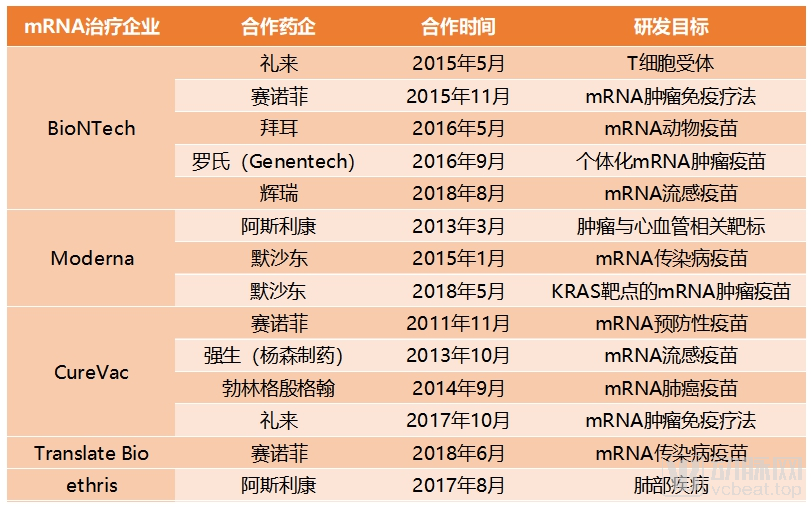
Collaboration Between Pharmaceutical Giants and mRNA Therapeutics Companies
Major global pharmaceutical giants are closely monitoring the mRNA therapeutics sector, particularly in the realm of mRNA vaccines. BioNTech has secured numerous partnership opportunities, and several other mRNA therapeutic companies, including Moderna and CureVac, have received lucrative offers from these industry leaders. Even pharmaceutical giants that have not established direct collaborations with other enterprises are engaging in this field through in-house research and development or partnerships with institutions. For instance, Novartis collaborated with the University of North Carolina to conduct pharmacological studies related to mRNA.
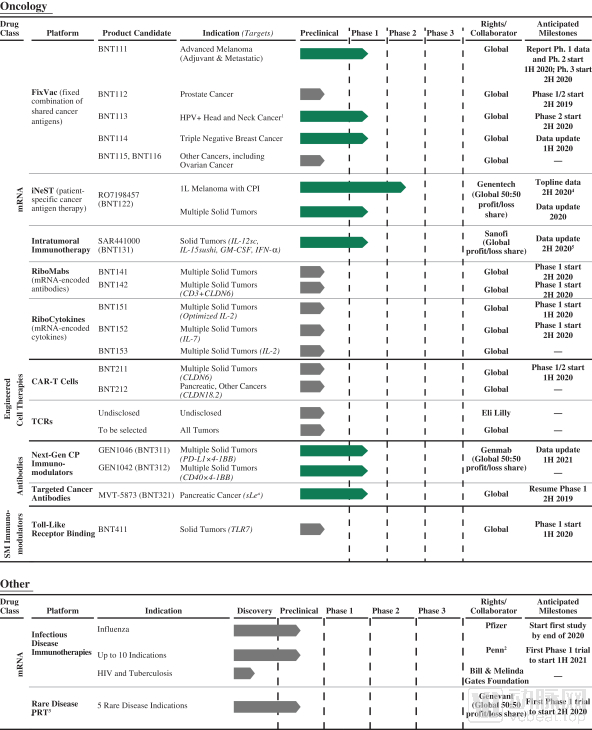
BioNTech's Product Pipeline
BioNTech’s clinical pipeline is primarily focused on oncology. Its personalized mRNA cancer vaccine, iNest (BNT122), co-developed with Genentech, represents the most advanced product in its pipeline. The indication for melanoma has entered Phase II clinical trials, while clinical studies are also underway for multiple myeloma. In the Phase I clinical trial of this product, 9 out of 13 patients achieved progression-free survival for up to 41 months, demonstrating significant efficacy.
BNT131, co-developed by BioNTech and Sanofi, is also progressing smoothly and is currently undergoing Phase I clinical trials in combination with Sanofi’s PD-1 monoclonal antibody, cemiplimab. BioNTech expects that the drug will enhance immune recognition and inhibit tumor metastasis by modulating the tumor microenvironment.
Multiple products from BioNTech’s proprietary FixVac platform have also entered clinical development. FixVac utilizes pharmacologically optimized uridine mRNA to encode known cancer-specific antigens. BNT111, BNT113, and BNT114 are currently undergoing Phase I clinical trials in advanced melanoma, HPV-positive head and neck cancer, and triple-negative breast cancer, respectively. Additionally, a bispecific antibody targeting PD-L1/CD40 and 4-1BB, co-developed by BioNTech and Genmab, has also entered clinical trials. All other drug candidates in the pipeline remain in the preclinical stage.
Overall, BioNTech’s clinical pipeline is currently focused primarily on mRNA-based oncology therapies, with limited investments in infectious diseases and rare diseases. The majority of its drug candidates are in early-stage clinical development, with only one agent having advanced to Phase II clinical trials. Nevertheless, among companies specializing in mRNA therapeutics, BioNTech’s pipeline progress is relatively advanced.
The primary development direction of mRNA therapeutics currently lies in therapeutic vaccines, including tumor mRNA vaccines, infectious disease mRNA vaccines, and mRNA vaccines for other diseases. Based on the mechanism of action, these can be further categorized into approaches such as gene transcription, cell therapy, and monoclonal antibodies. mRNA itself does not possess therapeutic activity. Exogenous mRNA must traverse the cell membrane, which is composed of a phospholipid bilayer, and enter the intracellular space to be translated into proteins that ultimately exert therapeutic effects.
Unlike conventional prophylactic vaccines, mRNA vaccines are increasingly being applied in therapeutic settings. After entering cells, mRNA is translated into specific antigens that are released into the human body’s internal environment. These antigens share the same antigenic determinants (epitopes) as the surface antigens of disease-causing pathogens or tumors. The human immune system recognizes these specific antigens, thereby eliciting an immune response against the pathogens or tumors.
In addition to immunotherapy, mRNA can also be used to directly express functional proteins for disease treatment, monoclonal antibodies targeting specific antigens, and serve as a gene-editing tool in cell therapy processes.
The susceptibility of mRNA to degradation presents both challenges in application and unique advantages. If mRNA is directly injected into the body, it is rapidly degraded by RNases present in the bloodstream. Therefore, the key challenge for mRNA therapy lies in the delivery process. Currently, lipid nanoparticle (LNP) formulations are the most widely used method for RNA delivery. The lipid shell protects mRNA during transit and facilitates its entry into cells via endocytosis upon reaching the target site. Most companies engaged in mRNA therapeutic research have developed their own proprietary mRNA delivery technologies.
On the other hand, the translation process and susceptibility to degradation of mRNA allow mRNA therapies to initiate smoothly and conclude without leaving any trace. Injectable drugs typically exhibit a peak plasma concentration after administration in the human body. In contrast, proteins synthesized through mRNA translation are released gradually into the bloodstream following a smooth curve, which more closely aligns with normal physiological conditions. After reaching peak levels, the mRNA is progressively degraded by cells, ultimately leaving no residue.
In recent years, research on neoantigens has identified the most suitable development direction for mRNA cancer vaccines. Neoantigens are abnormal proteins generated by gene mutations in cancer cells that can be recognized by the immune system, and they have become one of the key focuses in the field of tumor immunology. Each cancer patient exhibits subtle differences in their mutation profiles, resulting in patient-specific neoantigens.
In addition to the mRNA approach, the development of therapeutic vaccines targeting neoantigens also includes a peptide-based strategy, which involves directly producing peptide products resembling neoantigens to elicit an immune response. However, mRNA vaccines actually offer greater advantages over peptide vaccines in terms of efficacy, safety, coverage, and cost. Consequently, leading global companies in mRNA therapeutics, such as Moderna, CureVac, and BioNTech, are strategically positioning themselves toward the development of personalized mRNA cancer vaccines.
The key challenge in the therapeutic application of neoantigens lies in the fact that each patient’s neoantigen profile is unique, necessitating the development of personalized treatments. Peptide vaccines face several significant application hurdles in this regard. First, the manufacturing process for patient-specific peptide antigens involves costs and production timelines that are often prohibitive for cancer patients. Second, since each patient may harbor dozens of neoantigens, it is difficult for peptide vaccines to simultaneously induce immune responses against multiple antigens. Third, exogenously expressed antigen proteins are highly likely to trigger nonspecific immune responses in patients.
The challenges associated with the application of peptide vaccines to neoantigens can all be addressed by mRNA vaccines. First, after analyzing neoantigens, corresponding mRNA sequences can be rapidly designed based on their amino acid sequences, and drug production can be completed using standardized mRNA synthesis and liposome encapsulation technologies; Moderna has already reduced this turnaround time to 4–6 weeks. Second, mRNA vaccines can simultaneously express 20–50 antigens, which is entirely sufficient to cover the number of neoantigens in an individual patient. Third, the antigen production process for mRNA vaccines occurs entirely within the patient’s body, and the antigenic proteins produced by the patient’s own cells are unlikely to trigger nonspecific tumor immune responses.
Moderna presented interim Phase I clinical data for its personalized mRNA cancer vaccine at the 2019 ASCO Annual Meeting. The vaccine demonstrated favorable tolerability across all dose levels, both as a monotherapy and in combination with Keytruda, and was able to elicit neoantigen-specific T-cell responses. No vaccine-related serious adverse events were observed in the monotherapy arm. Therefore, from the current perspective, personalized mRNA cancer vaccines targeting neoantigens hold significant promise for cancer treatment.
In the field of mRNA therapeutics, BioNTech, Moderna Therapeutics, and CureVac AG are recognized as the three major mRNA therapy companies. Two of these three companies are now publicly listed, and their combined pre-IPO financing alone has approached $3 billion.
Moderna Therapeutics
Moderna Therapeutics was the last of the three companies to be established. Founded in 2010, Moderna has already pulled far ahead of its two predecessors in terms of valuation. Prior to its public listing, Moderna’s fundraising journey progressed through Series H, raising a total of $1.8 billion from prominent investors and pharmaceutical companies such as Sequoia Capital China, AstraZeneca, and Merck & Co. In December 2018, Moderna went public on the Nasdaq, raising $604 million and achieving an IPO valuation of $7.6 billion. Its stock price once peaked at $29.79, bringing its total market capitalization close to $10 billion.
Major pharmaceutical companies have also shown strong interest in Moderna. As early as 2013, AstraZeneca entered into a collaboration with Moderna to secure priority option rights for targets in oncology and cardiovascular diseases. The deal included an upfront payment of $240 million, plus additional milestone payments totaling $180 million.
Merck & Co. initiated a collaboration with Moderna in January 2015 on mRNA vaccines for infectious diseases, paying a $50 million upfront fee and making a $50 million equity investment in exchange for commercialization rights to five candidate products. In May 2018, Merck & Co. also entered into a partnership with Moderna to co-develop the KRAS-targeting mRNA vaccine mRNA-5671, under which both parties would share equally in the costs and profits of mRNA-5671. Additionally, Merck & Co. invested $125 million in Moderna’s Series H financing round.
Moderna’s Product Pipeline
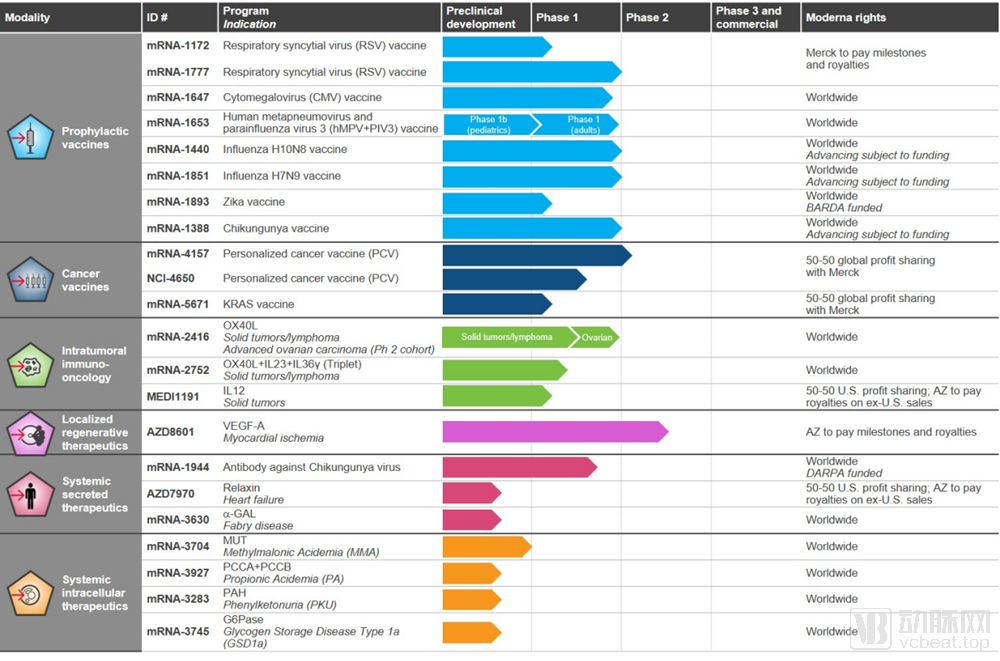
Moderna has a broad product portfolio; in addition to oncology, infectious diseases and cardiovascular diseases are also key components of its pipeline. Moderna similarly has only one asset in Phase II clinical development: AZD8601, a locally administered mRNA therapy encoding VEGF-α (vascular endothelial growth factor alpha), developed in collaboration with AstraZeneca for the treatment of heart failure patients who have undergone coronary artery bypass grafting (CABG) surgery.
In August of this year, Moderna announced that its personalized mRNA cancer vaccine, mRNA-4157, is poised to enter Phase II clinical trials. This product is positioned similarly to BioNTech’s BNT122, as both work by expressing patient-specific tumor neoantigens to activate the immune system. The performance of mRNA-4157 in Phase I clinical trials was comparable to that of BNT122: among 13 patients who received mRNA-4157 monotherapy after surgical tumor resection, 11 remained recurrence-free, with some achieving a progression-free duration of up to 72 weeks.
Moderna has established a more in-depth pipeline in infectious diseases, with vaccine candidates targeting respiratory syncytial virus (RSV), cytomegalovirus (CMV), influenza virus, Zika virus, and chikungunya virus all having entered clinical development. Several of the faster-moving programs have completed Phase I clinical trials and are preparing to advance into Phase II. In August 2019, the U.S. FDA granted Fast Track designation to Moderna’s Zika virus mRNA-1893 vaccine candidate.
CureVac AG
Among the three companies, CureVac is the only one that has not gone public. It was the earliest to be established but has made the slowest progress. Founded in 2000, this German company has reached Series F in its financing journey, raising a total of $382 million. The rabies vaccine developed by CureVac using its proprietary RNActive technology platform underwent Phase I clinical trials in 2017, marking the world’s first proof-of-concept clinical trial for an mRNA-based preventive vaccine in humans.
Sanofi has maintained a close partnership with CureVac. The two companies first established their collaboration in November 2011, signing a vaccine development option agreement valued at up to €150 million. In July 2014, they announced that CureVac had met the milestones outlined in the initial agreement and executed a further extension agreement.
In October 2013, CureVac partnered with Janssen Pharmaceuticals, a subsidiary of Johnson & Johnson, to jointly develop mRNA-based influenza vaccines.
In September 2014, Boehringer Ingelheim entered into a collaboration with CureVac to conduct clinical trials on CureVac’s therapeutic mRNA vaccine for lung cancer. Under this agreement, CureVac received an upfront payment of €35 million and is eligible for up to €430 million in milestone payments and sales royalties.
Eli Lilly, which has partnered with BioNTech, has also established a collaboration with CureVac. In October 2017, Eli Lilly and CureVac entered into a global strategic partnership in immuno-oncology, focusing on the development and commercialization of five of CureVac’s oncology vaccine candidates. Through this agreement, CureVac received a $50 million upfront payment, a €45 million equity investment, and up to $1.7 billion in development and commercialization milestones.
CureVac's Product Pipeline
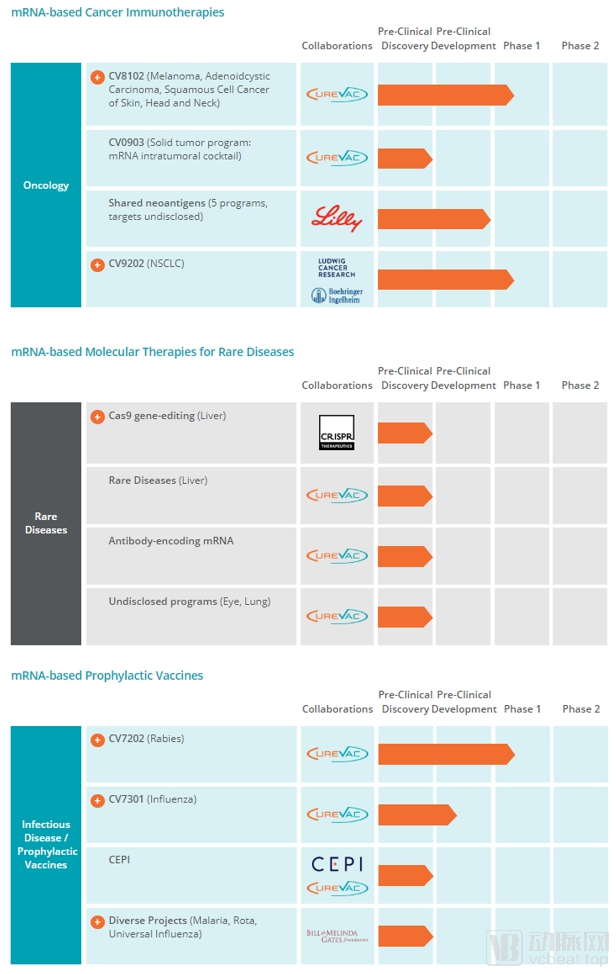
CureVac did have products that entered Phase II clinical trials; in fact, it was the earliest among the three to reach this stage. However, its cancer vaccine candidate CV9104 was discontinued in January 2017 after failing to meet the primary endpoint, which directly resulted in a relative lag in the development status of other products in its pipeline.
CureVac has only three product pipelines that have entered the clinical stage, namely its self-developed solid tumor candidate drug CV8102, the lung cancer drug CV9202 developed in collaboration with Boehringer Ingelheim, and the rabies vaccine CV7202.
Translate Bio and Inc.
Translate Bio, founded in 2011, is currently listed on the NASDAQ, having raised a total of $180 million in financing prior to its IPO. In June 2018, Translate Bio entered into a collaboration with AstraZeneca to jointly develop mRNA-based vaccines for infectious diseases. Although it has a small portfolio of vaccine products, Translate Bio’s primary product strategy focuses not on immunotherapy but on delivering mRNA directly to diseased tissues to produce corresponding therapeutic proteins, thereby achieving disease treatment. Its investigational therapy for cystic fibrosis has already entered clinical development.
eTheRNA Immunotherapies,
eTheRNA is a Belgian biotechnology company focused on the application of mRNA immunotherapy in oncology and infectious diseases, having raised a total of €25 million in financing. eTheRNA’s TriMix technology comprises three mRNA fragments that encode caTLR4, CD40L, and CD70, respectively. TriMix enhances the activation and maturation of antigen-presenting cells by expressing these components within them, thereby stimulating and facilitating T-cell activation and promoting cytotoxic T-cell responses, which yields therapeutic effects against tumors. Currently, its product pipeline for melanoma has advanced to Phase II clinical trials, while its breast cancer candidate has entered Phase I clinical trials.
ethris GmbH
Ethris, founded in 2009, is an mRNA therapeutics company focused on respiratory diseases. Similar to Translate Bio’s mechanism of action, Ethris directly delivers mRNA to the site of disease to produce corresponding functional proteins, thereby achieving therapeutic effects. The company has not disclosed its financing status, and all products in its pipeline are currently in the preclinical stage.
In August 2017, AstraZeneca announced a collaboration with ethris to develop respiratory therapeutics for the treatment of asthma, chronic obstructive pulmonary disease (COPD), and idiopathic pulmonary fibrosis. AstraZeneca made an upfront payment of €25 million for this partnership.
Argos Therapeutics, Inc
Argos is a biotechnology company founded in 1997, even earlier than CureVac. Its core technology platform, Arcelis, utilizes mRNA isolated from patients’ tumors to genetically edit antigen-presenting cells (APCs), enabling these APCs to produce tumor-specific antibodies and thereby activate the body’s immune response against the tumor. Prior to its public offering, Argos had raised over $100 million in financing. In April 2018, it was listed on the OTCQB market of the NASDAQ, with its stock performance remaining lackluster.
In-Cell-Art
Compared with innovative drug companies, In-Cell-Art appears more like a contract research organization. Its core technology, Nanotaxi, is a biosynthetic delivery system that helps drugs stably reach designated sites in the human body. Its product pipeline is entirely based on collaborations with other companies. In-Cell-Art has also participated in the collaboration between CureVac and Sanofi.
Tiba Biotech
Tiba Biotech is an mRNA vaccine company founded in 2018, stemming from a research collaboration between the Massachusetts Institute of Technology (MIT) and Boston Children’s Hospital. Tiba has established its own RNA vaccine platform and applied it to the development of mRNA vaccine products. Its candidates under development have demonstrated protective efficacy against Ebola virus, H1N1 influenza virus, and other lethal infections in animal models.
Stemirna Therapeutics
Stemirna (Shanghai) Biotechnology Co., Ltd. was founded in 2016 and recently completed its Series A financing round of nearly RMB 100 million this August. Prior to founding the company, the three founders of Stemirna had already advanced their R&D work to the animal testing stage within research institutions. Its proprietary Core-Shell mRNA delivery system upgrades the commonly used single-layer liposome membrane to a bilayer structure, better ensuring the safety of mRNA before it exerts its therapeutic effect. The first product pipeline, SM-Neo-Vac-1, is a neoantigen-based personalized mRNA vaccine designed for patients with advanced digestive system tumors.
StemiRNA has established collaborative partnerships with multiple top-tier tertiary hospitals in China, including Shanghai Changhai Hospital, Shanghai East Hospital, the First Affiliated Hospital of Zhengzhou University, and Ruijin Hospital, and has initiated several scientific and clinical studies. The clinical trials at Shanghai Changhai Hospital, Shanghai East Hospital, and the First Affiliated Hospital of Zhengzhou University have passed ethical review and enrolled patients. Preliminary clinical data to date indicate that treated patients have demonstrated favorable safety profiles and immune responses.
Menohengkang
Taicang Meinuo Hengkang Biotechnology Co., Ltd. (hereinafter referred to as “Meinuo Hengkang”) was founded in 2013, initially focusing on outsourcing services. As tumor vaccines have emerged as a new favorite in the biotechnology sector, Meinuo Hengkang has shifted its focus to the field of tumor vaccines and embarked on the research and development of mRNA tumor vaccines. Within just over a year, Meinuo Hengkang’s mRNA tumor vaccine completed proof of concept. In preclinical animal pharmacodynamic studies, the company’s mRNA tumor vaccine demonstrated significant tumor growth inhibition effects in pancreatic cancer, rectal cancer, and liver cancer.
Unlike the personalized vaccines developed by Moderna and BioNTech, Meinuo Hengkang identifies targets from tumor-associated antigens (TAA) to develop universal therapeutic vaccines. In a rectal cancer animal model, 13 out of 19 mice exhibited complete tumor regression, representing a 68% response rate. Upon rechallenge with cancer cells, these mice that had achieved complete tumor regression did not develop new tumors without any additional treatment, demonstrating robust anti-tumor efficacy.