

Medieco Launches Cardiovascular Data Sharing Platform (CDS) to Pioneer a New Model for Medical Big Data Collaboration
We aim to help participants gain a deeper understanding of clinical research, refine their perspectives, and substantially enhance the quality of clinical studies. We welcome like-minded researchers to join the platform, share research data, and unlock greater value from their studies.
——Professor Du Xin, Beijing Anzhen Hospital
On October 10, 2019, the Heart Health Research Center (HHRC) of Xinlian George and Yikaihui jointly hosted the “HHRC-Yikaihui Clinical Research Training Forum,” aiming to enhance participants’ proficiency in clinical research through training in clinical research methodology and the dissemination of data-sharing concepts, thereby facilitating the advancement of cardiovascular clinical research.
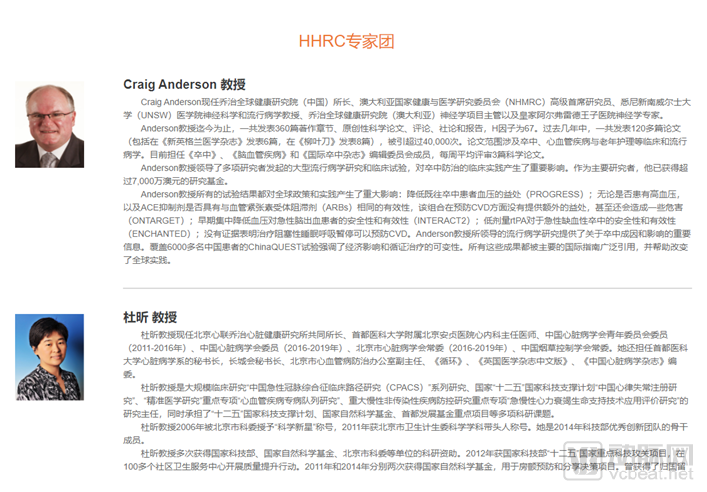
Professor Du Xin, Director of the HHRC and affiliated with Beijing Anzhen Hospital, drew upon his extensive experience in clinical research to deliver an in-depth lecture on multiple aspects of clinical study methodology. Using practical examples, he elaborated on six key areas: ensuring comparability among patients in treatment groups in randomized controlled trials (RCTs), endpoint selection, interpretation of results (including RRR, ARR, NNT, and subgroup analysis), non-inferiority trials, sample size calculation methods, and the interpretation of clinical research findings. This training aims to provide attendees with tangible takeaways, foster a deeper understanding of clinical research, refine their conceptual approach, and effectively enhance their proficiency in conducting clinical studies.
The Cardiovascular Research Collaboration Network and Data Sharing Platform (Cardiovascular Data Sharing, CDS) was officially launched at this forum. The platform is a collaborative service initiative by HHRC and MedCoffee Club, aiming to promote clinical research data sharing, enhance physician participation, and improve the quality of research. Mr. Zhang Yaowen from MedCoffee Club provided a detailed overview of the process for applying to access data through the platform, as well as the academic support services offered.
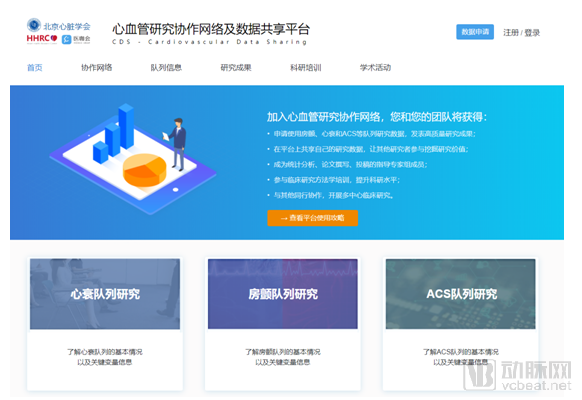
The website for the Cardiovascular Data Sharing Platform is cds.mediecogroup.com. Currently, data sharing is available for the China Atrial Fibrillation Registry (CHINA-AF) study, with data from cohort studies on heart failure, acute coronary syndrome (ACS), and other conditions to be released in phases in the future.
Upon becoming a member of the cardiovascular data sharing platform, researchers can access the following support:
① Apply to use data from the Chinese Atrial Fibrillation Registry Study for publication;
② Receive expert guidance on statistical analysis, manuscript preparation, and journal submission;
③ Share your research data on the platform to enable more researchers to participate in uncovering its research value;
④ Serve as a member of the expert panel providing guidance on statistical analysis, manuscript preparation, and journal submission;
⑤ Participate in methodological training for clinical research to enhance scientific research capabilities;
⑥ Collaborate with peers to conduct multicenter clinical studies.
The launch of the Cardiovascular Data Sharing Platform promotes the secondary use of existing data by establishing a model for research data sharing. It integrates legacy data to uncover new findings, enables cross-validation and replication of results across different datasets, and further facilitates collaborative research initiatives, thereby advancing the development of clinical cardiovascular research. We welcome like-minded researchers to join the platform, share their research data, and unlock greater value from their studies!
About the China Atrial Fibrillation Registry Study (CHINA-AF)
CHINA-AF is one of the three founding organizations from Europe, America, and Asia in the International Atrial Fibrillation Cohort Study Consortium (Inter-AF). The project was launched on August 1, 2011, and enrolled a total of 31 hospitals in the Beijing area, including 20 tertiary hospitals, 8 secondary hospitals, and 3 community hospitals.
As of December 31, 2018, the database included a total of 25,512 patients, among whom more than 10,000 had retained blood samples. The one-year and three-year follow-up rates for all patients were 94% and 86%, respectively. This study involved re-adjudication of endpoint events, particularly stroke, and its quality control and management have been highly recognized by international experts. Multiple articles from this study have been published in prestigious academic journals such as *Stroke*, *JAHA*, and *IJC*.
Baseline characteristics of atrial fibrillation patients enrolled in CHINA-AF included: demographic characteristics, atrial fibrillation-related symptoms, quality of life scores, medical history, vital signs, laboratory tests, imaging studies, prior medications/treatments, and current medications/treatments.
The follow-up data for atrial fibrillation patients included in CHINA-AF encompass: demographic characteristics; mortality, hospitalizations, or outpatient visits; atrial fibrillation-related symptoms; laboratory tests; imaging studies; treatments received since the last follow-up; medications used since the last follow-up; and events occurring since the last follow-up, such as stroke, bleeding, and embolism.