

Real-World Studies Emerge as a Key Trend in Precision Medicine: OrigiMed and Professor Zhao Haitao Unveil Insights into Hepatobiliary Tumors
In May 2019, the Center for Drug Evaluation (CDE) released the Basic Considerations on Using Real-World Evidence to Support Drug Development (Draft for Comments) (hereinafter referred to as the “Basic Considerations”). This marked a key policy signal in China, indicating that the CDE had provided clear definitions for concepts related to real-world studies. In fact, both China and the rest of the world had already taken significant steps forward in the field of real-world research. As of September 2019, according to incomplete statistics, more than 1,700 studies registered on ClinicalTrials.gov included keywords related to “Real World,” with over 180 registrations originating from China. These studies covered multiple fields, including oncology, cardiovascular diseases, endocrinology, liver diseases, and adverse drug events.
As a leading enterprise in China’s oncology testing sector, OrigiMed has launched five prospective real-world study projects since 2017. Notably, against the backdrop of China’s high burden of liver cancer, the prospective real-world study on 2,000 cases of hepatobiliary tumors, initiated in collaboration with Professor Zhao Haitao from Peking Union Medical College Hospital, has drawn significant attention from the industry.
What Is Real-World Study?
According to Professor Zhao Haitao, the definition of Real-World Study (RWS) is quite straightforward: any study that is not a Randomized Controlled Trial (RCT) should be considered part of RWS. The concept of evidence-based medicine was formally introduced in 1992. RWS is conducted on the basis of large sample sizes that cover a broader and more representative population. Its value lies in addressing questions that clinical trials cannot answer, such as population differences in the actual application of diagnostic and therapeutic products and clinical adherence. In contrast, RCTs involve randomly assigning subjects into different groups and implementing different interventions for each group to compare their effects. Over the past 70 years, RCTs have reshaped medical knowledge and clinical practice. With their control over confounding variables, highly standardized outcome generation, and continuous monitoring by specialized personnel, RCTs hold significant advantages in generating scientific evidence.
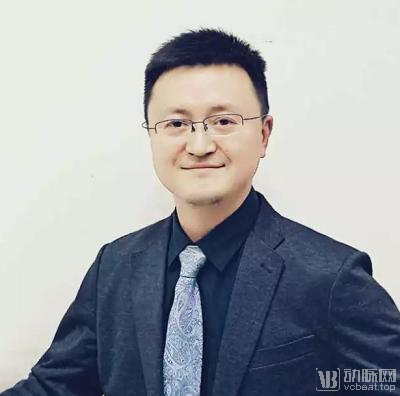
Professor Zhao Haitao, Peking Union Medical College Hospital
“The greatest value of real-world studies lies in effectively addressing the limitations of randomized controlled trials (RCTs),” stated Professor Zhao Haitao. RCTs primarily focus on pharmaceutical interventions and employ stringent criteria for selecting indications and study populations. However, significant variations exist between drug usage in clinical practice and that observed in RCTs, whether in terms of patient conditions or adherence, highlighting certain inherent limitations of RCTs. In an era marked by explosive growth in the oncology drug market, identifying suitable patient populations is essential for maximizing the therapeutic value of these medications.
“Observing therapeutic efficacy during drug use, or validating the actual role of biomarkers in companion diagnostic products, is mostly accomplished through real-world studies,” explained Professor Zhao Haitao. Real-world studies are largely observational or experimental in nature, with the primary objective of assessing therapeutic efficacy. In the design of such studies, greater emphasis is placed on evaluating patient outcomes.
Real-world studies are a shared imperative for clinical institutions, pharmaceutical companies, and diagnostic firms.
For clinical investigators, the purpose of conducting a study is always patient-benefit oriented; they aim to summarize patterns in diagnosis and treatment during the research process and improve existing diagnostic and therapeutic approaches.
Similarly, enthusiasm for real-world studies is not limited to hospitals; pharmaceutical companies and companion diagnostic enterprises are equally keen. Pharmaceutical companies are required to submit drug safety monitoring data within five years of a drug’s market launch. Therefore, real-world studies represent a critical necessity for pharmaceutical companies. For genetic testing companies, they also aim to leverage real-world studies to build a closed-loop ecosystem connecting hospitals, testing services, and pharmaceutical companies, while validating their products in the process.
“It not only supports clinical diagnosis and treatment but also facilitates post-marketing studies of new drugs,” said Liu Zhenzhen, Medical Marketing Director at OrigiMed INC. As one of the earliest genetic testing companies in China to initiate real-world studies, OrigiMed INC is committed to establishing gene profiles and clinical practice data for cancer populations with distinct characteristics in China, in addition to conducting real-world study projects across various specific cancer types.
How Clinical Institutions and Enterprises Collaborate
Real-world studies are typically led by hospitals, and a single project may involve multiple centers participating simultaneously, making communication and coordination among these centers particularly crucial. During the follow-up period, the greatest challenges lie in tracking patients’ treatment status, ensuring patient adherence, coordinating follow-up care across multiple hospitals, and obtaining other critical follow-up data, such as imaging records.
“This process requires a high level of trust from patients in their physicians, as well as cooperation from both the patients and their families, along with support from follow-up coordinators, which constitutes a significant workload for doctors. As clinical researchers, we must conduct explorations of new treatments within the bounds of laws and regulations, while simultaneously ensuring the collection of robust clinical data. In addition to benefiting current patients, these data represent a valuable asset for future clinical research,” added Zhao Haitao.
As the technology provider, the company also plays a crucial role in this project. “The stability and reliability of the technology are of paramount importance,” stated Zhao Haitao. He believes that the selection of companion diagnostic products should balance cutting-edge design with consistent quality. During the trial, the project team employed OrigiMed’s “WES + Whole Exome Sequencing” assay or the Yuansu IO Immune Panel (a 500+ gene panel including TMB, MSI, and PD-L1 testing), followed by tracking subsequent treatments and patient follow-ups.
In terms of multi-center collaboration, OrigiMed’s independently developed Dr. Marmot platform provides significant support for data processing and entry across various centers, as well as for inter-center collaboration. The Dr. Marmot APP, also independently developed by OrigiMed, serves as a data collection tool that offers a unified portal for multi-center data entry. It establishes a comprehensive system covering data acquisition, centralized entry, data structuring, quality control, and storage. Furthermore, physicians can perform personalized, one-click data analysis and integrate genomic data with clinical data through the Dr. Marmot web interface.
At this year’s CSCO conference, Professor Zhao Haitao presented, on behalf of his research team, preliminary findings from a real-world study for the first time. The study has currently analyzed the molecular alteration characteristics of the DNA damage repair (DDR) pathway in 357 Chinese patients with primary liver cancer. It also included clinical treatment data and follow-up results from eight patients with BRCA mutations who were treated with the PARP inhibitor olaparib, representing real-world cases of clinical benefit derived from targeted therapy guided by molecular profiling. The data revealed that liver cancer patients with DDR mutations had significantly higher tumor mutational burden (TMB) than those with wild-type DDR. Furthermore, DDR gene mutations were present in nearly 20% of hepatobiliary tumors. This article was published in Clinical Cancer Research (IF=10.199) in May 2019.
In the interview, Professor Zhao Haitao candidly acknowledged that most current studies remain in the early exploratory phase, and that humanity is still far from conquering cancer. He believes that, while adhering to clinical guidelines and complying with laws and regulations, clinicians should endeavor to explore novel treatment regimens and meticulously retain all data generated during this process, as such data constitute a valuable asset for future clinical research. In this context, genetic testing will play a pivotal role.
“Although the clinical value of genetic testing remains controversial, I am very optimistic about its prospects,” added Professor Zhao Haitao. Of course, this requires clinical researchers to conduct larger-scale data studies to further elucidate its significance; in the process, genetic testing technology is bound to drive the development of clinical research, steering it toward greater precision and depth.