World's First Human Trial of Ventricular Pacing via Koch Triangle Provides Critical Validation for Leadless DDD Technology

Medtronic
Medical Device Manufacturer

Heart Future
Leadless Pacemaker TechnologyDue to its significant advantage in reducing lead-related complications and pocket complications, it has become one of the mainstreams of pacemaker therapy and has been widely carried out in hospitals at all levels in China.
Currently, the innovation in leadless pacemaker technology continues, with ongoing iterations and breakthroughs:On the one handWith a longer lifespanLeadless Pacemaker(Micra AV2/VR2)Launched, meeting the long-term treatment needs of patients;On the other hand,MedtronicIn overcoming the single-device dual-chamber leadless technology, aiming to bring comprehensive leadless benefits to pacemaker patients.
A single-device dual-chamber leadless pacing solution can avoid some of the drawbacks associated with dual devices:For example, the success rate of surgery, higher risk of complications, shorter pacemaker life and mismatch. Currently, this technology is gradually moving from animal experiments to clinical practice.。


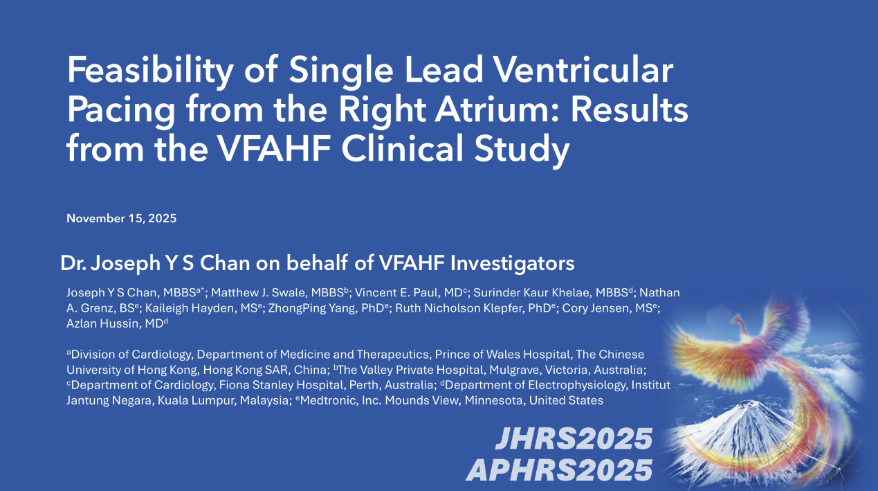
During the 2025 APHRS, Professor Chen Rixin from Prince of Wales Hospital in Hong Kong, China, presented a Late-Breaking Clinical Trial (LBCT) report: "Feasibility of Single Lead Ventricular Pacing from the Right Atrium: Results from the VFAHF Clinical Study," which is a...ThroughKoch Triangle through Right Atrium to Ventricle(VFA, Ventricular from Atrium)Implant ventricular electrodes to verify this surgical procedure (VFA)Feasibility and Effectiveness Study of Ventricular Pacing.


Research Background
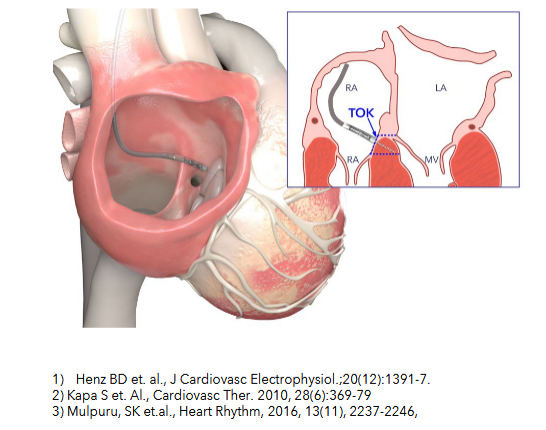
Through the Koch triangle area of the right atrium can be reachedAtrioventricular septal region;
Atrioventricular Interval Pacing Shows Promise ThroughSingle pacing leadAchieveDual-chamber pacing and sensing; Animal experiments show that implantation through the Koch triangle canWithout crossing the tricuspid valveTo achieve synchronized pacing of the ventricles; Ventricular pacing through the Koch triangleFirst-in-Human Trial。

Research Purpose
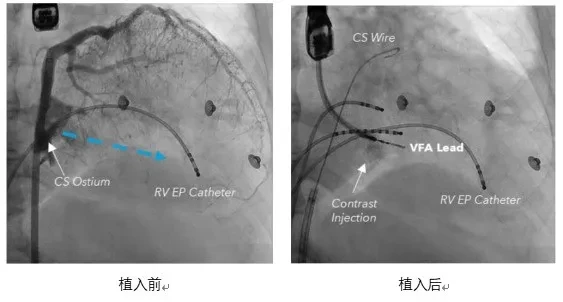
To evaluate the feasibility of achieving ventricular pacing via the right atrium using a research pacemaker lead (a specially designed lead with an 8mm helix). The Two Feasibility Objectives of the Clinical Trial: 1) Ventricular pacing; 2) Whether it can achieve electrical effects similar to BiV pacing.

Enrolled Population
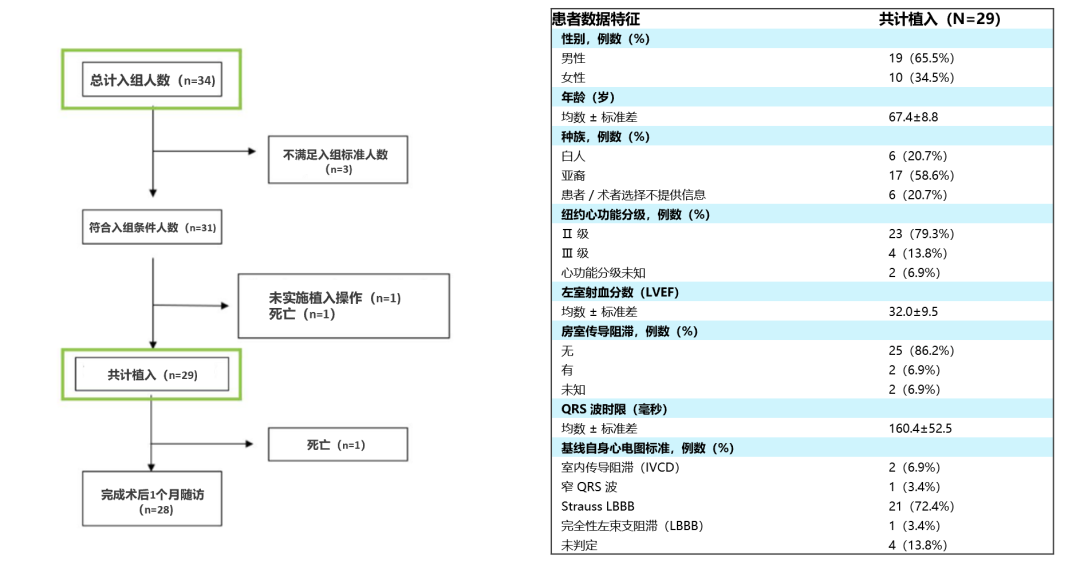
According to relevant guidelines, initial implantation is required.Cardiac Resynchronization Therapy Pacemaker / Defibrillator (CRT-P/D)Patients; Enrollment of up to 60 patients in total across 3 countries/regions in the Asia-Pacific area.

Implantation Process
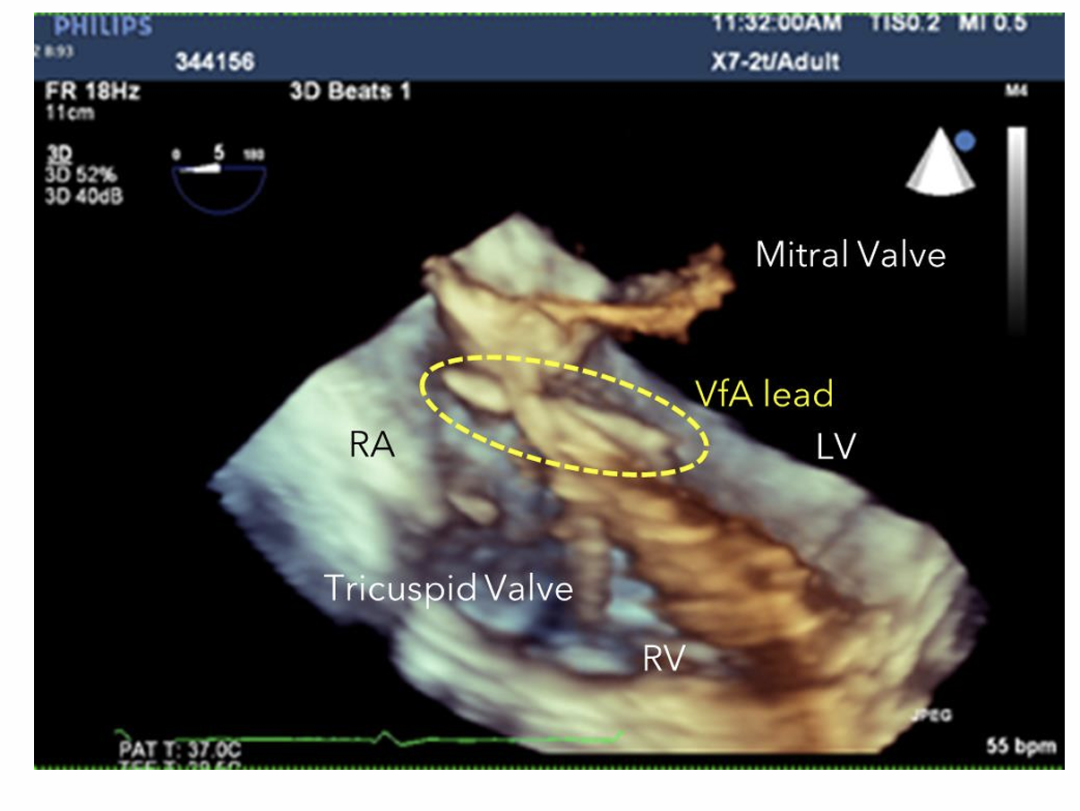

Main Conclusions
Of the 29 patients, 25 (86.2%) achieved ventricular capture; Electrical Parameters
Pacing Threshold: 1.9 ± 1.6 V, Pulse Width 0.4 or 0.5 ms; Pacing Impedance: 936 ± 551 Ω; Ventricular Sensing: 7.9 ± 5.2 mV.
No major complications during the implantation process; At the 30-day follow-up after implantation, 10 adverse events (AEs) occurred, of which 3/10 AEs were possibly related to acute VFA implantation, CRT, or heart failure.
Hypotension, Ventricular Tachycardia, Sudden Death
The complication-free rate within 42 days was 89.52% (95% CI: 70.92% to 96.50%).

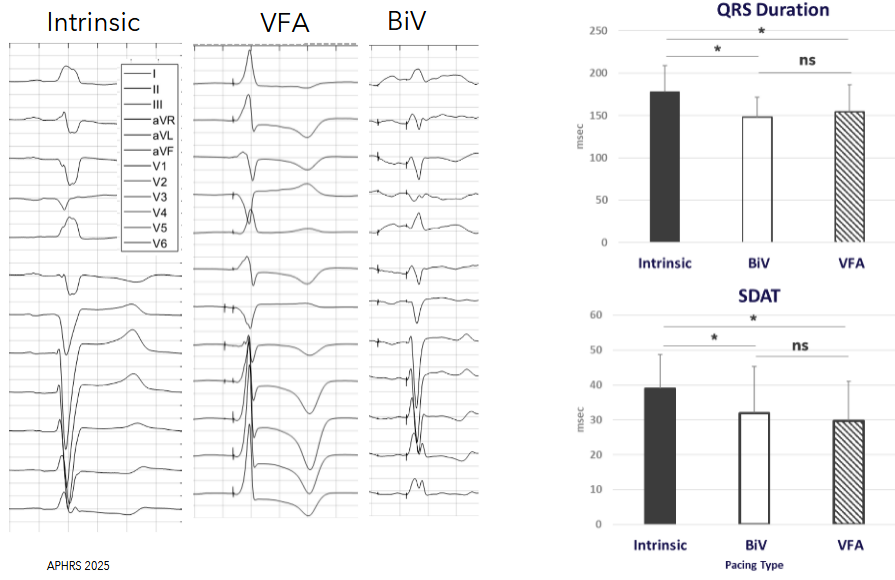
Electrophysiological Manifestations
Conclusion
In the right atriumKoch Triangle AreaAcute Phase ImplantationVFA leads to achieve ventricular captureYesFeasible and Safe; VFA pacing achieves ventricular synchronized pacing, in the acute phase withBiventricular (BiV) pacing is equally effective; These results, combined with recent animal studies, suggest that in the Koch triangle region,Single instrument for DDD treatmentHas potential.



This is the world's first human trial to achieve ventricular pacing through the Koch triangle. Previously, Medtronic had validated this through animal experiments.Single-device Leadless Dual-chamber Pacing TechnologyThe effectiveness of this clinical trial further confirms that dual-chamber pacing can be successfully achieved by relying on a novel implantation site (Koch's triangle) and a new surgical approach (VFA approach). The feasibility and effectiveness have been fully verified, providing strong support for the ongoing research of its company.Leadless DDD Pacing System(Single-device leadless dual-chamber pacing) provides strong clinical evidence.
Preliminary results show that the VFA electrode can achieve a capture success rate of nearly 90%. Notably, the sheath tool used in conjunction at this stage is onlyImproved Design, not a dedicated tool. In subsequent clinical studies, it was paired withNewly Developed Dedicated Sheath, which will more accurately assist the surgeon in locating the ideal pacing site, thereby significantlyImprove the Overall Success Rate of Surgery and Capture Efficiency。
The enrolled population in this study were allPatients with CRT indicationsAccording to the trial protocol, patients enrolled in the study routinely underwent implantation of biventricular pacing leads, and the VFA lead was removed after completing the acute phase follow-up. This trial design provided researchers with...Direct Comparison of VFA Pacing and Biventricular (BiV) Pacing EfficacyThe final study yielded exciting results — the improvement effect of VfA pacing on QRS duration was comparable to the clinical benefits of biventricular pacing.
With this research achievement as the core supportLeadless DDD Pacing Product Enters Final Stage of Development. In addition to the core advantage of "single-device dual-chamber pacing," this technologyImplantation SiteLocated above the tricuspid valve, it can effectively avoid the impact of long-term implanted devices on tricuspid valve function from the source, reducing the risk of tricuspid regurgitation.



The above results bring new hope to clinicians for leadless dual-chamber pacing, and even leadless physiological pacing!
One Device for Leadless DDD Technology Breakthrough: Innovatively Proposes a New Approach Beyond the Conventional Leadless Dual-Chamber Paradigm—Transforming Two Electrodes into Two Leadless PacemakersBreakthrough Solution for Single-Instrument Leadless Dual-Chamber。
This innovation not only requires overcoming multiple technical barriers in product development but also finding a feasible and highly efficient new surgical approach and pacing site to provide solid support for the implementation of the innovative concept.
From the perspective of current multiple research achievements, Medtronic's exploration path has initially shown results, and the dawn is imminent!
We look forward to the early launch of large-scale clinical trials and the approval for market entry of this leadless pacemaker product, which defies traditional understanding, benefiting more patients with arrhythmia worldwide.


Statement

Content Declaration:"Future of the Heart" tracks global medical technology advancements, aiming to disseminate technical and industry knowledge. All content is intended for professional exchange and academic discussion only, and does not constitute medical advice or commercial promotion. Information regarding companies, products, and registration mentioned in the text is sourced from publicly available materials or verified channels. If there are any errors or omissions, please contact us for corrections. Email: jacky@suribot.com
Copyright Statement:The original article "Heart Future" is copyrighted by Beijing Siyu Bot Technology Co., Ltd. Without authorization, it is prohibited to reproduce, excerpt, or mirror the content on other websites, official accounts, or commercial platforms. For reproduction requests, please contact the backend for authorization. This platform reserves the right to pursue legal responsibility for unauthorized full-text reproduction, rewriting, or paraphrasing.