

Digital Therapeutics in 2019: 24 Breakthrough Advances and Over 20 FDA-Cleared Products

Happify
Mental Health Service Platform

Cara Care
Digital Health Technology Researcher

Omada Health
Digital Health Management Platform

Gaia Agora
Digital Therapeutics Developer

Akili
Digital Medicine Therapy Developer

Propeller Health
Developer of Digital Health Platforms for Chronic Respiratory Diseases

Pear Therapeutics
Developer of Digital Healthcare Solutions

Proteus Digital Health
Digital Mobile Medical Service Provider

Neurotrack
Cognitive Health Platform Developer

Kaia Health
Digital Therapeutics Developer
Recently, the Digital Therapeutics Alliance, the largest coalition in the field of digital therapeutics, convened its latest DTx East Annual Meeting. Themed “Defining How Digital Therapeutics Will Be Integrated into the Healthcare Industry,” the conference provided a more specific definition of digital therapeutics and offered an outlook on their future development. Meanwhile, in its report titled *Global Medicines Usage in 2019 and Outlook to 2023: Predictions and Areas to Watch*, the IQVIA Institute for Human Data Science ranked the emergence of prescription digital therapeutics second among the “Ten Areas to Watch,” underscoring the significant potential of this sector. VCBeat (WeChat ID: vcbeat) has also compiled a summary of recent advancements in the field of digital therapeutics.
What Exactly Are Digital Therapeutics?
In the past, digital therapeutics lacked a clear definition. As the largest industry alliance in the field of digital therapeutics, the Digital Therapeutics Alliance provided a definitive definition in its report. Digital therapeutics (DTx) are software-based interventions that deliver evidence-based therapeutic treatments to patients for the prevention, management, or treatment of medical conditions.
Digital therapeutics can be used independently or in combination with medications, devices, or other therapies. These products integrate the latest advancements in design, clinical validation, usability, and data security, and are subject to regulatory review and approval as required. Digital therapeutics must provide intelligent and accessible tools for patients, healthcare providers, and payers to address a variety of clinical scenarios.
Simply put, in the traditional system, patients obtain medications from pharmacies based on prescriptions issued by physicians. Digital therapeutics merely replace the medication with a specific app—though it may also involve a combined hardware and software product.
Clinical trials conducted over the past several years have demonstrated that digital therapeutics exhibit significant efficacy in addressing behavior-mediated conditions that are not adequately managed by conventional pharmacotherapy, such as depression, post-traumatic stress disorder (PTSD), smoking cessation, type 2 diabetes, and insomnia. For these conditions, traditional medication offers limited benefit and carries a high risk of drug dependence. The opioid addiction crisis plaguing the United States exemplifies one of the major drawbacks of pharmacological treatment.
Opioid analgesics whose primary ingredient is poppy extract are the main drivers of the most severe drug abuse crisis in the United States, with the number of deaths due to opioid misuse rising year by year at an extremely rapid pace. According to data released by the U.S. Centers for Disease Control and Prevention (CDC), there were 63,600 drug overdose deaths in the United States in 2016, of which 19,400 were attributed to the use of synthetic opioids other than methadone (including fentanyl analogs, pethidine, tramadol, etc., but primarily fentanyl analogs). In 2017, there were 70,200 drug overdose deaths, with 28,500 caused by synthetic opioids other than methadone. In 2018, there were 68,000 drug overdose deaths, and the number of deaths from synthetic opioids other than methadone exceeded 30,000 for the first time, accounting for nearly half of the total.
Meanwhile, approximately 20 million patients in the United States suffer from substance use disorders (SUD) related to alcohol or other non-pharmaceutical substances, resulting in annual losses exceeding $700 billion in medical costs, crime, and lost productivity, while also inflicting immense suffering on families and society.
Digital therapeutics, including mobile applications, enable patients to access treatment conveniently, effectively enhance patient engagement, and strengthen quality control of therapeutic interventions. Admittedly, digital therapeutics cannot directly replace pharmacological interventions, nor do they exert a placebo effect; rather, they serve as a beneficial complement to conventional therapies. However, for patients whose conditions are behavior-mediated, behavioral modifications may yield more significant efficacy and fewer side effects than antidepressant medications. Meanwhile, digital therapeutics can also effectively improve patients’ medication adherence.
For example, existing digital therapeutics can treat pediatric attention-deficit/hyperactivity disorder (ADHD) through gamified interventions. In the video interface, patients use mobile devices to navigate an alien character and must tap the screen to respond to targets during navigation. The application tracks user actions while algorithms adapt to individual patient conditions, thereby activating cognitive systems impaired by the disease.
Meanwhile, digital therapeutics that integrate software and hardware can track medication adherence in patients with depression or psychosis. Through real-time monitoring and feedback from sensors, healthcare institutions or caregivers can determine whether patients are taking their medications on schedule. Such patients often exhibit low medication adherence, making it difficult for healthcare institutions or caregivers to effectively monitor and track their medication-taking behavior.
Why Digital Therapeutics Are Gaining Favor
FDA clinical trial results for digital therapeutics indicate that 40% of individuals receiving combined digital therapy achieved abstinence from alcohol and cannabis addiction or dependence within three months, whereas only 17.6% of patients receiving traditional standard therapy alone achieved abstinence.
Compared with traditional therapies, digital therapeutics offer clear advantages in at least three aspects. First, they make treatment more accessible to patients. Patients requiring behavioral interventions often face significant barriers to accessing traditional healthcare services, whereas digital therapeutics provide a certain degree of accessibility. As software-based solutions, they are generally more cost-effective and more convenient than visiting healthcare facilities. Patients with chronic conditions can receive treatment entirely from the comfort of their homes.
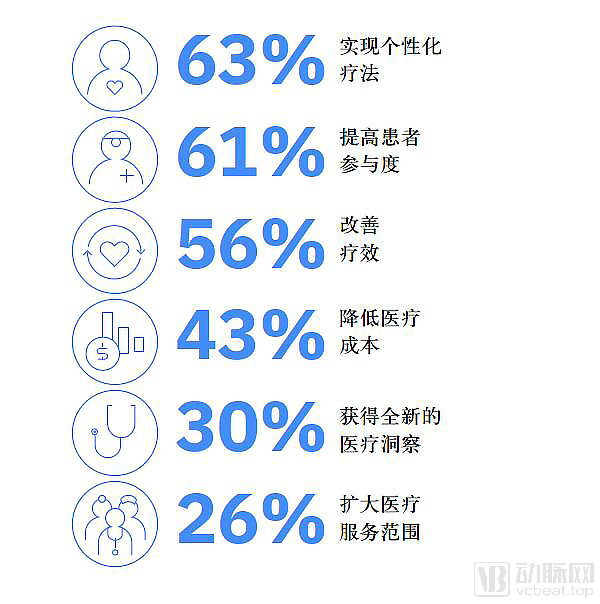
For patients with mental and cognitive health conditions, stigma may deter them from seeking treatment. Digital therapeutics can offer enhanced privacy protection, thereby increasing the likelihood that these patients will seek medical care. Meanwhile, due to the ease of software distribution, the growing patient base enables pharmaceutical companies and physicians to generate diversified revenue streams at lower costs.
Secondly, digital therapeutics can improve treatment outcomes through real-time feedback. Digital therapeutics can provide pharmaceutical companies with unprecedented data that goes far beyond what is available from randomized controlled trials. By delivering real-time patient outcomes to pharmaceutical companies and physicians, and leveraging accurate, standardized big data, digital therapeutics can continuously offer powerful supportive capabilities that can be used to optimize treatments and even facilitate the development of entirely new products.
Data collected through digital therapeutics influences the management of side effects, facilitates R&D efforts, and improves patient adherence to treatment (i.e., by tracking usage and providing necessary reminders). Furthermore, the real-time feedback loop of digital therapeutics enables patients to receive care more quickly and effectively, owing to regular symptom updates and more personalized treatment plans.
Take digital therapeutics that combine digital sensors with respiratory medications as an example. In patients with chronic obstructive pulmonary disease (COPD), a small sensor attached to the top of the inhaler automatically records data during use. The collected data is transmitted to a mobile application to track medication adherence (patients can choose whether to share the data with their physicians) and provide personalized feedback and insights on how to prevent long-term complications. Clinical trials have demonstrated significant efficacy, with a 58% increase in medication adherence, a 48% increase in symptom-free time, and a 53% reduction in emergency department visits.
Finally, digital therapeutics can also help pharmaceutical companies secure patent term extensions for their drugs, which is highly attractive to the industry. Typically, drug patents last for 20 years; however, when accounting for the time required for clinical trials, new drugs ultimately have only about 10 years of market exclusivity before their patents expire. As patents expire and generic drugs enter the market, sales of originator drugs typically plummet to less than 20% of their previous levels.
Patent term extensions can help pharmaceutical companies prolong the patent life of their drugs, thereby increasing revenue streams. Taking the U.S. FDA’s 505(b)(2) pathway as an example, pharmaceutical companies can secure patent term extensions by redeveloping existing drugs, which incentivizes them to invest in research and development and improve their products. The FDA has approved the combination of drugs with digital therapeutics to supplement and enhance traditional treatments as a means of obtaining patent term extensions. Consequently, major industry players have shown strong interest in digital therapeutics.
Foreign government regulatory agencies have also adjusted their approval processes to address the burgeoning rise of digital therapeutics. In September 2017, the FDA approved Pear Therapeutics’ ReSET, making it the first prescription digital therapeutic—indeed, several similar products had been approved prior to this, but Pear Therapeutics was the first to be certified under the specific definition of a digital therapeutic. Subsequently, the FDA adjusted its policies to pave the way for more prescription digital products.
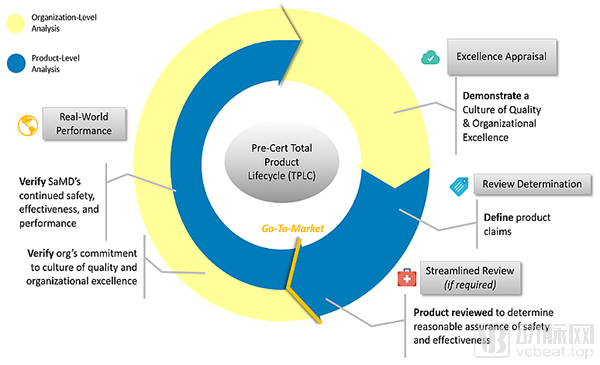
In January 2019, the FDA announced the launch of the Pre-Cert for Software Pilot Program. This program was adjusted to address the rapid pace of software updates, allowing selected companies to make minor changes to their devices without having to submit a review application each time. Furthermore, the FDA will ensure that other aspects of the regulatory framework (such as new software validation tools) possess sufficient flexibility to align with the unique characteristics of this rapidly evolving field, while guaranteeing that these new technologies meet standards for safety and effectiveness. The first nine companies selected were Apple, Fitbit, Johnson & Johnson, Pear Therapeutics, Phosphorus, Roche, Samsung, Tidepool, and Verily.
Beyond the United States, other countries are also following suit. In May, the German Ministry of Health proposed a new draft law on digitalization. The draft stipulates that patients using digital therapeutics can be included in the scope of medical insurance coverage—prior to this, patients using digital therapeutics, such as those with diabetes, hypertension, and mental health disorders, had to pay out-of-pocket. Although this is currently only a draft and still requires approval from the Federal Court and Parliament, with the earliest effective date being 2020, it is undoubtedly a milestone event for the public recognition of digital therapeutics.
In July, South Korea’s Ministry of Food and Drug Safety approved the clinical trial for Nunap Vision, a digital therapeutic developed by Nunaps to improve visual impairments following brain injury. This marks the first approval of a clinical trial for digital therapeutics in South Korea.
Relatively speaking, China has adopted a more conservative stance toward digital therapeutics. The "Guiding Principles for Technical Review of Mobile Medical Device Registration," issued by the China Food and Drug Administration in December 2017, clarified that all standalone mobile medical software or software-hardware combinations used for patient management are classified as medical devices, necessitating clear definition of their regulatory scope and requirements. Regardless of whether they are software or hardware manufacturers, entities must submit corresponding registration application materials based on the product characteristics of their mobile medical devices, assess the applicability of the specific contents outlined in the Guiding Principles, and provide detailed justifications for any provisions deemed not applicable. Manufacturers may also adopt alternative methods that meet regulatory requirements, provided they supply comprehensive research and validation data.
24 Breakthrough Advances in Digital Therapeutics in 2019
In 2019, the field of digital therapeutics witnessed numerous breakthrough advancements. VCBeat has compiled the following list of the 24 most significant breakthroughs in this sector:
1
In January, Otsuka Pharmaceutical of Japan entered into a collaboration agreement with Click Therapeutics to develop commercially viable digital therapeutics for major depressive disorder. This partnership demonstrates that digital therapeutics companies can collaborate with large pharmaceutical firms rather than attempting to disrupt the industry. This represents a significant opportunity for both the digital therapeutics sector and the pharmaceutical industry.
2
In January, Pear Therapeutics, a leading company in the digital therapeutics sector, successfully completed its Series C financing round, raising $64 million. The funds will be primarily used for international expansion and further strengthening its core competencies. Two of Pear Therapeutics’ digital therapeutic products, ReSET and ReSET-O, have both received FDA clearance.
3
In January, Kaia Health also announced the completion of its Series A financing round. Led by Balderton Capital, the round raised $10 million. The funds will be used to support clinical trials and promote its digital therapeutics for pain management in the United States.
4
In February, Cognoa’s digital therapeutic product for treating pediatric autism received designation under the FDA’s Breakthrough Devices Program, becoming the first certified digital therapeutic for treating pediatric autism.
5
In February, Big Health launched its new digital therapeutic product, Daylight. Based on cognitive behavioral therapy, this product is primarily designed to alleviate anxiety. Previously, Big Health’s other digital therapeutic product, Sleepio, had already demonstrated effectiveness in improving sleep quality.
6
Propeller Health and Orion of Finland have entered into a strategic partnership to deliver new digital therapeutic products for patients with asthma and chronic obstructive pulmonary disease (COPD). Orion will integrate its existing Easyhaler inhaler with Propeller’s sensor-based digital therapeutic solution to enhance treatment efficacy. Leveraging Orion’s strong market presence in Europe, this collaboration is expected to rapidly boost Propeller Health’s brand awareness across the region.
7
In March, Akili Interactive Labs entered into a collaboration agreement with Japanese pharmaceutical giant Shionogi & Co., Ltd. Under the deal, Shionogi acquired the rights to develop, commercialize, and market Akili’s AKL-T01 and AKL-T02 in Japan and China’s Taiwan Province for up to $125 million. These two products are also set to become the first prescription digital therapeutics (PDTs) used in the Asian region.
8
In May, Kaia Health announced the results of its first randomized controlled trial (RCT) on a digital therapeutic for patients with non-specific back pain. The detailed findings, published in NPJ Digital Medicine, indicated that patients using Kaia’s digital therapeutic reported significantly lower pain levels than the control group receiving physical therapy and online education, making it one of the most effective treatments for low back pain within three months.
9
In May, Happify Health partnered with pharmaceutical giant Sanofi to explore the application of digital therapeutics in depression and multiple sclerosis. This collaboration indicates a growing trend of large pharmaceutical companies partnering with digital therapeutics firms to improve the quality of life for patients who are difficult to treat with standard therapies.
10
In May, the German Ministry of Health proposed a new draft law on digitalization. The draft stipulates that patients using digital therapeutics can be included in the scope of medical insurance coverage—prior to this, patients using digital therapeutics, such as those with diabetes, hypertension, and mental disorders, could only access these treatments at their own expense.
11
In May, Express Scripts, one of the largest pharmacy benefit management (PBM) companies in the United States, announced that it would launch a digital therapeutics formulary in 2020. At that time, patients will be able to search for various digital therapeutics products within this formulary, much like they do with existing drug formularies. This tool will also prove highly valuable to healthcare payers and providers.
12
In May, NightWare’s digital therapeutic for post-traumatic stress disorder (PTSD) received the FDA Breakthrough Device Designation. The app, which runs on the Apple Watch, provides adjunctive treatment for nightmares associated with PTSD.
13
In June, MedRhythms reached an agreement with Health Catalyst to enable stroke patients to undergo rehabilitation using MedRhythms’ music-based digital therapeutic. This collaboration will also facilitate better integration of MedRhythms’ digital therapeutic into standard treatment protocols.
14
In June, Big Health reached a partnership agreement with CVS to introduce Big Health’s digital therapeutic, Sleepio, onto CVS’s PBM platform. This will be the first such service offered on CVS’s PBM platform, helping millions of Americans improve their sleep quality.
15
In June, Neurotrack announced the completion of its Series C financing round. The round raised $21 million, led by Khosla Ventures, with participation from Dai-ichi Life, Sompo Holdings, and existing investors Sozo Ventures, Rethink Impact, and AME Cloud Ventures. Neurotrack will use the funds to advance its memory health program aimed at combating Alzheimer’s disease, transform how people manage cognitive health, and continue expanding and building partnerships in the global market.
16
In June, IQVIA partnered with EMIS Health to enable general practitioners in England to prescribe NHS-certified digital therapeutics to patients via electronic prescriptions. Through this collaboration, IQVIA will integrate its AppScript digital health prescription and monitoring platform with the EMIS Web clinical system, leveraging the EMIS app library. Currently, this app library includes nine digital therapeutic apps.
17
In June, Omada Health completed its Series D financing round. The round raised $73 million, led by Wellington Management, with participation from Cigna Ventures, Andreessen Horowitz, Norwest Venture Partners, Sanofi Ventures, and others. The proceeds will be used to support the company in expanding its digital therapeutics to address chronic conditions such as type 2 diabetes, hypertension, and depression.
18
In June, Cara Care completed a $7 million Series A financing round. The round was led by Johnson & Johnson and Asabys Partners, with participation from Atlantic Labs, and the funds will be used to promote Cara Care’s digital therapeutic in the U.S. market. This digital therapeutic helps patients with digestive disorders monitor their symptoms at any time and provides guidance on gastrointestinal health management.
19
In July, Pear Therapeutics’ Somryst received FDA clearance as a Software as a Medical Device (SaMD). This digital therapeutic, indicated for the treatment of adult depression and chronic insomnia, is the first product to obtain such certification following the FDA’s update to its Software Pre-Certification Pilot Program.
20
In July, South Korea’s Ministry of Food and Drug Safety approved the clinical trial for Nunap Vision, a digital therapeutic developed by Nunaps that aims to improve visual impairments following brain injury. This marks the first approval of a clinical trial for a digital therapeutic in South Korea.
21
In July, Propeller Health reached an agreement with Walgreens. Propeller Health’s digital therapeutic for chronic obstructive pulmonary disease (COPD) will be integrated into Walgreens’ Find Care platform.
22
In July, Voluntis’s Oleena received FDA Class II medical device clearance. This software, designed for managing oncology-related symptoms and remotely monitoring patients, is the first Class II medical device software approved for all cancer indications.
23
In August, Gaia partnered with the Swedish pharmaceutical company Orexo to jointly develop a commercially viable digital therapeutic for opioid use disorder. Upon completion of development, Orexo will hold exclusive global commercialization rights. Additionally, Orexo plans to submit a marketing application for the digital therapeutic to U.S. regulatory authorities in 2022.
24
In August, Kaia Health completed a new round of financing. Led by Optum Ventures, the round raised $8 million. The proceeds will be used to support clinical trials for Kaia’s AI-powered digital therapeutic for back pain and to expand the technology to other chronic indications.
Statistically, among the 24 major events in the digital health sector up to August 2019, collaborations between digital therapeutics companies and other industries, including pharmaceutical firms, occurred nine times, accounting for more than one-third. This trend underscores the growing industry recognition of the clinical value of digital therapeutics as these products mature. Meanwhile, because digital therapeutics serve more to augment than to disrupt existing treatment modalities, it is becoming increasingly common for traditional pharmaceutical companies to integrate digital therapeutics to optimize their product portfolios.
Meanwhile, digital therapeutics companies completed six rounds of financing in the first eight months of 2019. This fully reflects the broad expectations for the future of digital therapeutics—after all, capital is not engaged in charity. Additionally, four digital therapeutics products have received regulatory approval from 2019 to the present, indicating that the digital therapeutics field is gradually bearing fruit after several years of development.
More than 20 digital therapeutics products have received FDA clearance
The fervor surrounding digital therapeutics did not begin this year. According to statistics from the VCBeat knowledge base, there have been dozens of financing rounds and business collaborations in this field since 2016, with cumulative investments exceeding $600 million. For a sector that has only emerged in the past two years, such intense interest underscores its remarkable momentum.


In 2017, key practitioners in the field of digital therapeutics founded the Digital Therapeutics Alliance. This non-profit organization brings together leading companies in the sector, with the mission of expanding the healthcare industry’s understanding of clinically validated digital therapeutics through education, advocacy, and research, thereby promoting the adoption and integration of this emerging therapeutic modality within healthcare systems. In addition to pioneers in the digital therapeutics space, major pharmaceutical companies that recognize the potential of digital therapeutics—such as Bayer, Novartis, Boehringer Ingelheim, Merck & Co., Sanofi, and Otsuka—are also involved. Even consumer electronics giants like Bose are participants, highlighting the cross-industry and interdisciplinary nature of digital therapeutics.
In September 2017, Pear Therapeutics’ ReSET became the first prescription digital therapeutic approved by the FDA, marking a milestone. This digital therapeutic is indicated for the treatment of substance use disorder, helping patients regain control over addiction. It can serve as an adjunctive treatment for dependencies on stimulants, cannabis, cocaine, or alcohol.
In December 2018, ReSET-O, another digital therapeutic from Pear Therapeutics for the treatment of opioid use disorder, received FDA clearance as a Class II medical device.
Subsequently, the ABILIFY MYCITE system, co-developed by Proteus Digital Health and Otsuka Pharmaceutical, received FDA approval for its New Drug Application (NDA), becoming the first approved drug-sensor combination product. This digital therapeutic product can help physicians track medication ingestion to determine whether patients are taking their medication on schedule, thereby serving as an adjunctive therapy for patients with schizophrenia and major depressive disorder who have low medication adherence.
To date, the industry has developed as many as ten types of digital therapeutics. VCBeat has compiled the major therapeutic categories and representative companies as follows:

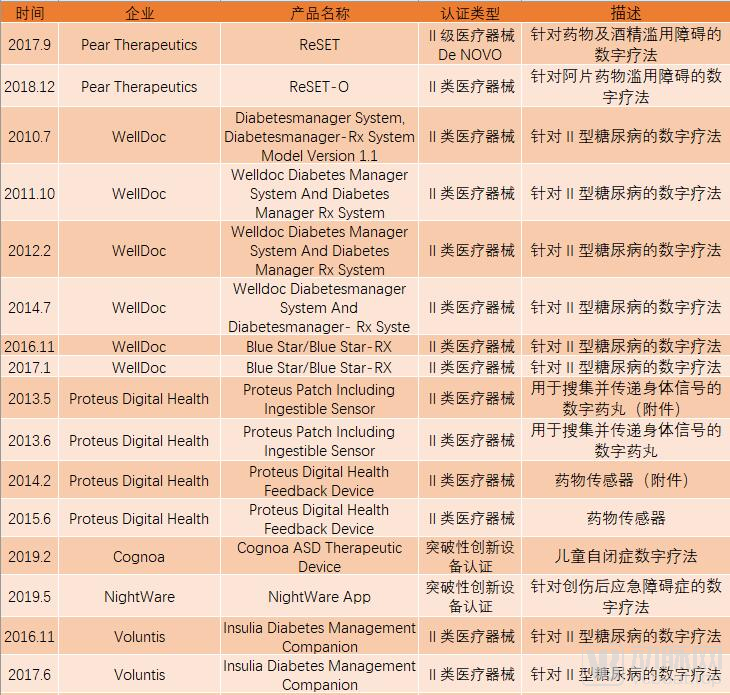
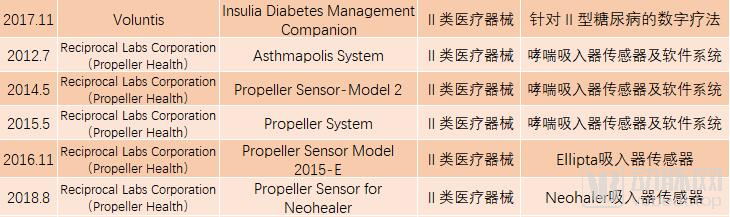
According to incomplete statistics, there are currently more than 20 digital therapeutic products that have received FDA clearance. The majority of these fall into two categories: those that leverage sensors to enhance the efficacy of existing therapies, and those specifically designed for type 2 diabetes. However, the scope of applications for FDA-approved digital therapeutics has recently broadened significantly. In the first half of 2019 alone, two digital therapeutics were granted FDA Breakthrough Device designation, and it is expected that more diverse types of digital therapeutic products will gain approval in the future. This trend indicates that digital therapeutics are gradually gaining recognition and support from regulatory agencies, becoming an important segment of the digital health market.
Final Thoughts
Rapid technological advancements have increasingly positioned software-based interventions as a form of medicine. By combining with traditional pharmaceuticals, they enable more efficient and widely accessible treatment modalities. Consequently, a growing number of pharmaceutical companies are collaborating with digital therapeutics experts to develop new products or enhance existing therapies, thereby establishing a more robust value-based healthcare network for patients.
Although there is still a long way to go before digital therapeutics become mainstream treatments for addressing critical health issues, digital innovators are accelerating collaborations with payers, providers, and pharmaceutical companies and seeking faster regulatory approval, as awareness grows of the need to establish safety and efficacy standards.
Government regulation is a major challenge hindering the rapid rise and development of digital therapeutics. Technology is evolving much faster than the necessary clinical approval laws can be enacted. Clinical trials lasting months or even years are commonplace in the pharmaceutical industry, but in the software sector, such timelines can span several generations of technological advancement—major updates to the mainstream Windows 10 operating system, for instance, are released nearly every six months.
Certainly, regulations are a key prerequisite for the successful application of digital therapeutics. We must drive the modernization of the regulatory environment to keep pace with digital innovation. After all, the regulatory approach for digital therapeutics differs significantly from that for pharmaceuticals.
Currently, the FDA maintains an open and embracing stance toward digital therapeutics, actively refining existing regulatory processes to better align with the unique characteristics of digital therapeutic development. This has positioned the United States as a global hub for digital therapeutics, with the vast majority of companies in this sector originating from the U.S.
Relatively speaking, China’s regulatory authorities have adopted a conservative stance in this regard. To date, no digital therapeutic has received certification under the strict definition within the country. However, this is entirely understandable. After all, digital therapeutics represent a nascent field. Regulators, the industry, and the public alike require time to become acquainted with this novel concept. Indeed, patients in China are currently unlikely to accept a prescription for a mobile app rather than traditional pharmaceuticals, let alone the notion of treating diseases through gaming.
Of course, we also hope that domestic regulatory authorities will make timely adjustments to existing regulations to encourage Chinese enterprises to make strides in this new field. We believe that the day when domestically produced digital therapeutics come into their own will eventually arrive. VCBeat will continue to closely follow this sector and bring you the latest reports.
References:
IQVIA Institute for Human Data Science: The Global Use of Medicines in 2019 and Outlook to 2023: Forecasts and Focus Areas
DTA:Digital Therapeutics:Combining Technology and Evidence-based Medicine to Transform Personalized Patient Care
DTA:Top 20 Digital Therapeutic Highlights of 2019 So Far
IBM Institute for Business Value: How Digital Therapeutics Benefit Patients, Healthcare Institutions, and the Healthcare Ecosystem
Lieyunwang: With Heavy Investment from Pharmaceutical Companies, Digital Therapeutics Are Poised for Takeoff