

Exploring the Path of Independent Innovation in China's Pharmaceutical Industry: 2019 Yangtze River Delta Innovative Medicine Science Forum Successfully Held in Shanghai
On October 17, the 2019 Yangtze River Delta Innovative Pharmaceutical Science Forum was held at the Four Seasons Hotel in Jing’an District, Shanghai. The forum was guided by the Yangtze River Delta Regional Cooperation Office and the People’s Government of Jing’an District, Shanghai; hosted by the Yangtze River Delta Collaborative Advantage Industry Fund; supported by Hui Capital and Pharmaron; sponsored by ACROBiosystems; and organized by VCBeat.
This forum is built upon the strong industrial foundation of the biopharmaceutical sector in the Yangtze River Delta region, aiming to facilitate the integrated development of the health industry in the region, enhance independent innovation in biopharmaceuticals, and accelerate the commercialization of innovative achievements.
The forum invited nearly 300 attendees, including Ruan Qing, Executive Deputy Director of the Yangtze River Delta Regional Cooperation Office; Zhang Jun, Deputy District Mayor of Jing’an District, Shanghai; Academician Wang Longde from the Chinese Academy of Engineering; Academician Ding Jian, a tumor pharmacologist; Chen Shaoyu, former Chief Counsel to the U.S. Food and Drug Administration; as well as representatives from leading domestic research institutions, healthcare enterprises, and investment firms. The event focused on emerging R&D directions, new products, and innovative concepts in the field of oncology and other major diseases, sharing the latest scientific achievements and industry trends, and jointly exploring new pathways for the healthy development of the pharmaceutical innovation sector.
At the conference, Ruan Qing, Executive Deputy Director of the Yangtze River Delta Regional Cooperation Office, and Zhang Jun, Deputy District Mayor of Jing’an District People’s Government in Shanghai, delivered opening remarks, fully affirming the forum’s role in promoting the development of the health industry in the Yangtze River Delta region and enhancing independent innovation in biopharmaceuticals.
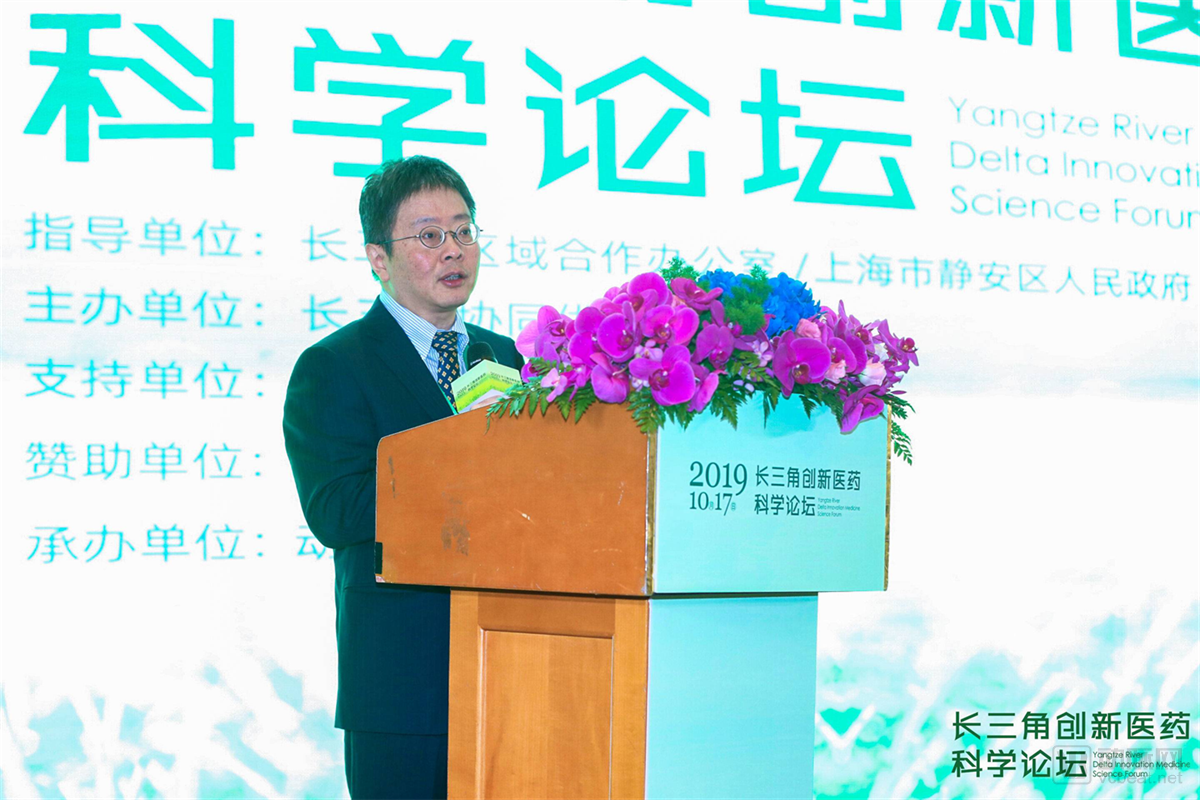
Ruan Qing, Executive Deputy Director of the Yangtze River Delta Regional Cooperation Office
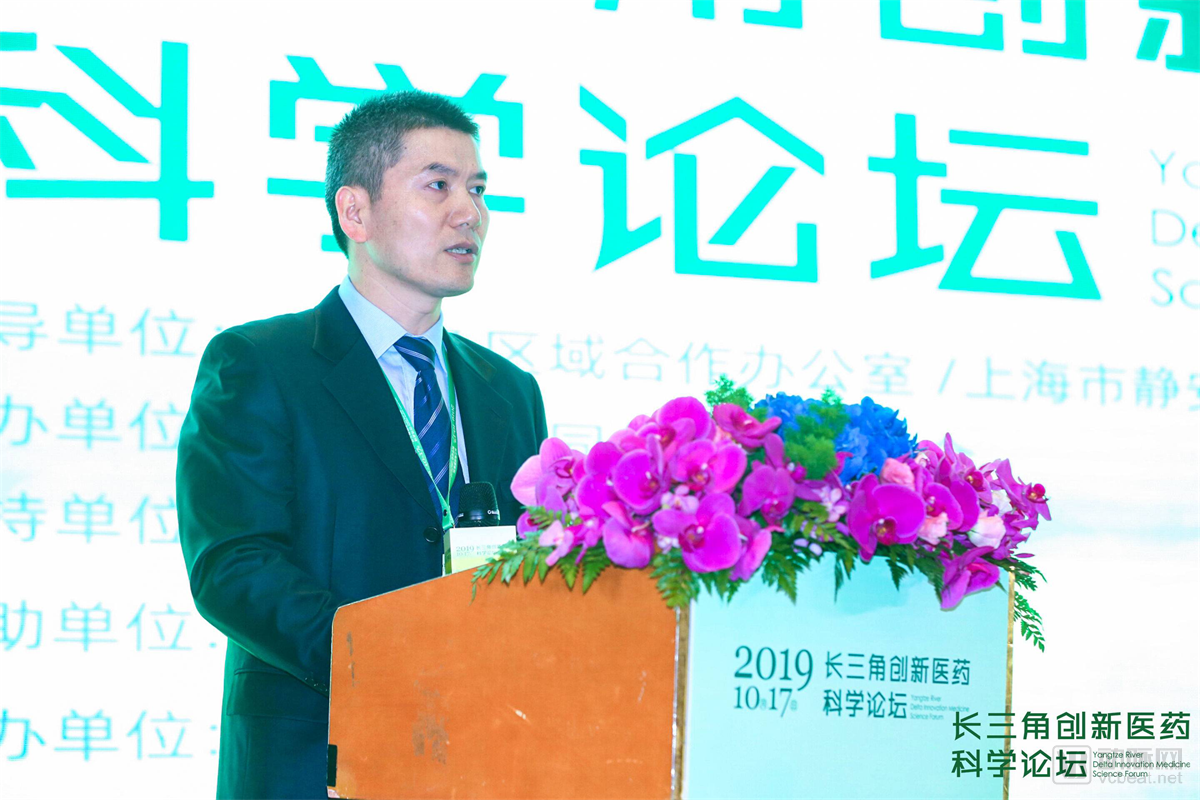
Zhang Jun, Deputy District Mayor of the Jing'an District People's Government, Shanghai
Academician Wang Longde delivered a keynote speech on “Opportunities and Challenges for Healthy China 2030.” He emphasized that several major challenges remain in achieving the goals of Healthy China 2030. First, a working mechanism featuring government leadership, multi-sectoral collaboration, and whole-society participation has not yet been established. Second, targeted intervention and treatment measures have not been widely implemented. Third, the disease prevention and control network system requires further improvement. Fourth, the development of the healthcare workforce urgently needs strengthening. Fifth, fragmentation exists in industry division of labor, with insufficient interdisciplinary collaboration. Sixth, the development of the health service industry lags behind.
To address these issues, it is necessary to establish a working mechanism characterized by government leadership, multi-sectoral collaboration, and whole-society participation. It is hoped that the health sector will propose specific tasks for other departments, such as having the education sector help children develop healthy lifestyles, having the civil affairs sector organize newlywed couples to learn about eugenics and scientific child-rearing, and having trade unions and women’s federations organize housewives for training on healthy eating.
Furthermore, improving residents’ health literacy is of paramount importance. Research by the World Health Organization indicates that lifestyle and behaviors account for up to 60% of the determinants of human health. Therefore, it is essential to widely disseminate health knowledge and effectively implement key directives aimed at enhancing health literacy.
Controlling risk factors is also a critical component. While the incidence and mortality rates of stroke are declining rapidly in developed countries, they are rising swiftly in China. Fifty years of successful experience in the United States demonstrate that controlling blood pressure, blood glucose, and blood lipids; smoking cessation; establishing a stroke management system; and administering thrombolytic agents are key measures to reduce the incidence and mortality of stroke.
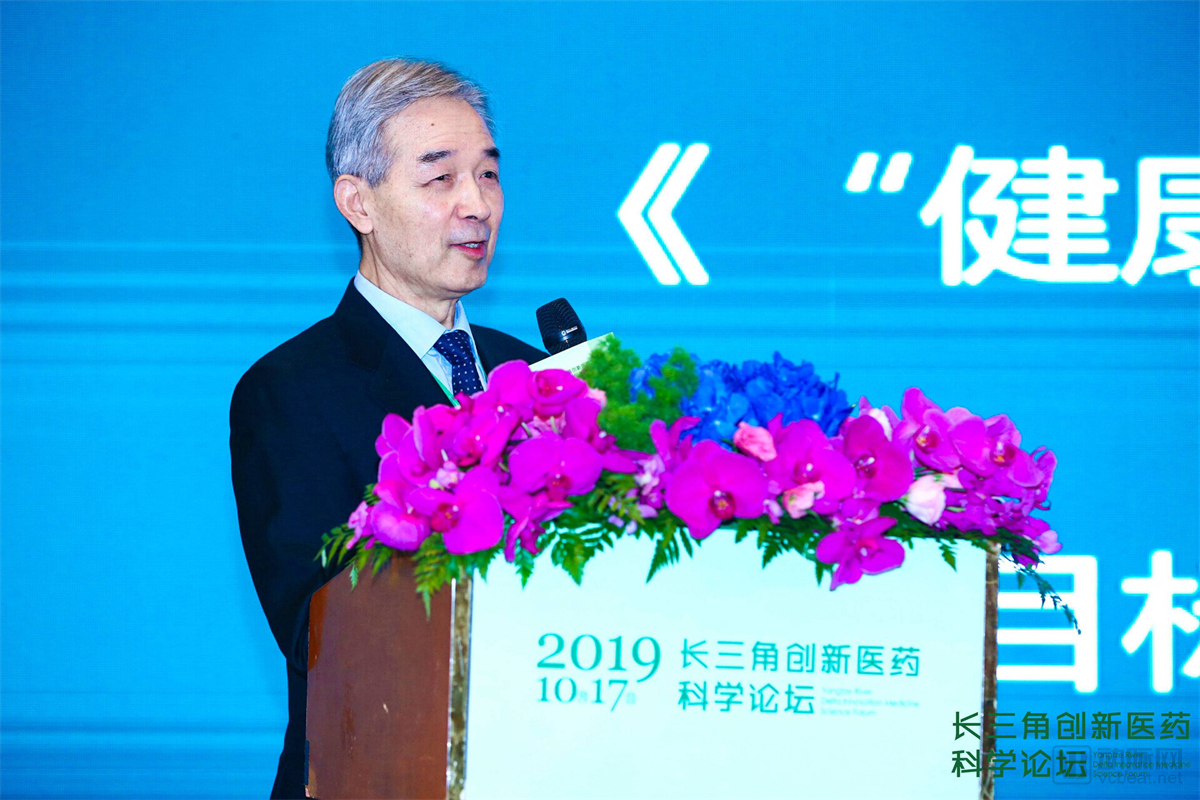
Academician Wang Longde of the Chinese Academy of Engineering
Academician Ding Jian delivered a keynote address titled “Precision and Challenges in Cancer Therapy.” He asserted that combination therapy is undoubtedly the major future trend in cancer treatment. The primary priority in cancer therapy is to identify the correct therapeutic targets, thereby enabling the matching of appropriate small-molecule drugs. Academician Ding stated, “I believe that, through our collective efforts, cancer will, in the future, be managed as a chronic disease—similar to diabetes—with long-term stability.”
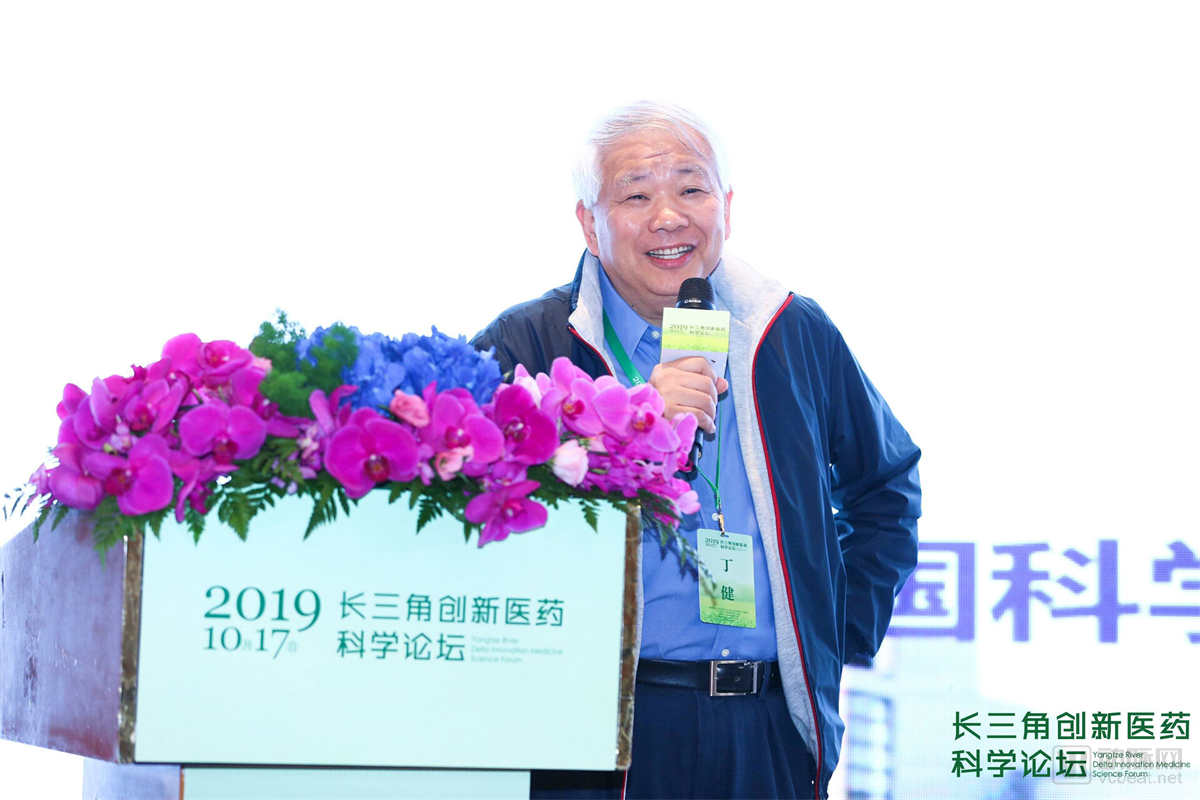
Academician Ding Jian, Chinese Academy of Engineering
Attorney Chen Shaoyu delivered a presentation on the theme of “Drug Regulatory Reform: Accelerating New Drug Development in China.” He pointed out that the current landscape for drug approval in China is highly favorable, presenting several major opportunities. First, the clinical trial approval process has been accelerated. Instead of waiting one to two years in a queue, clinical trial approvals now take only 60 days. Second, there has been an increase in the accreditation of clinical trial institutions and hospitals. Previously, China had only 800 to 900 accredited institutions; this number has now grown to over 2,000, significantly speeding up patient recruitment and the identification of investigators. Third, ethical review processes have been reformed. Currently, once approval is obtained from the lead ethics committee, it is recognized by ethics committees across China, substantially reducing review time. Furthermore, while ethics committees previously required prior approval from the National Medical Products Administration (NMPA) before commencing their reviews, parallel approval is now permitted.
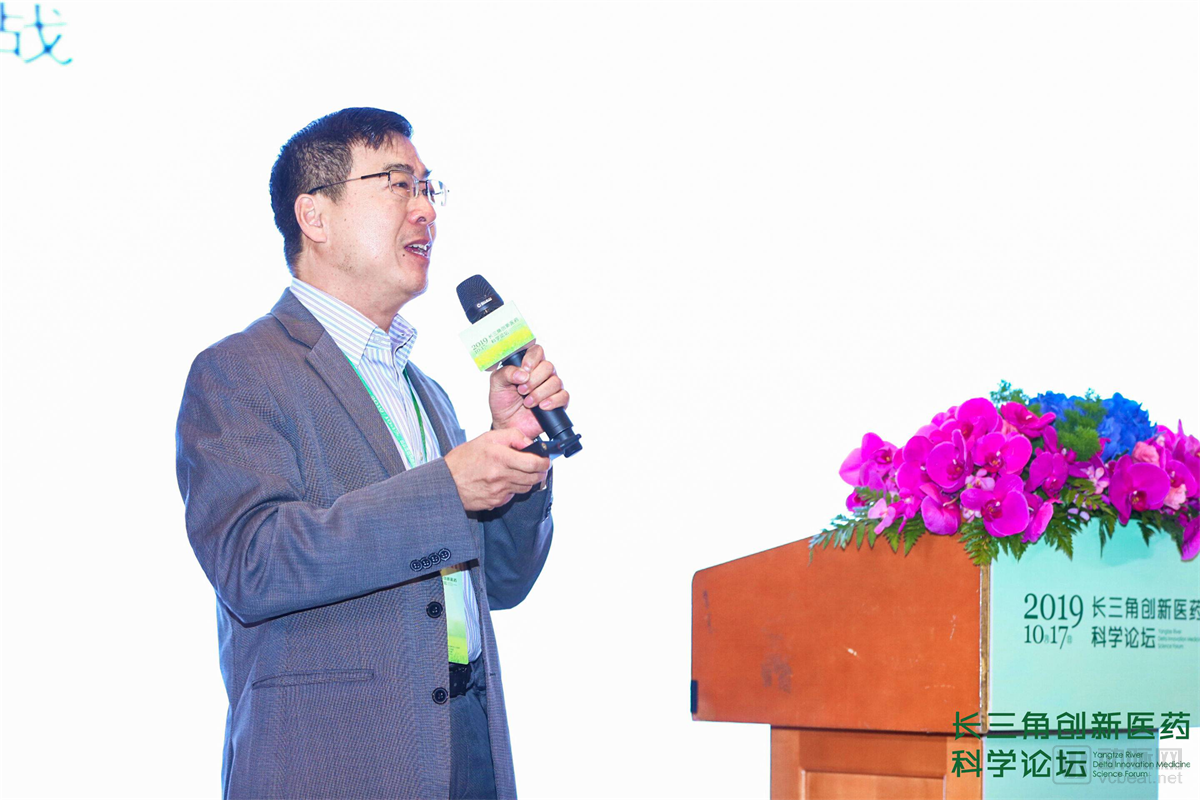
Chen Shaoyu, Esq., Former Chief Counsel of the U.S. Food and Drug Administration
In addition, Dr. Tong Youzhi, Founder and Chairman of Kintor Pharmaceutical; Dr. Wen Danyi, Founder and Chairman of Lead Biology; Dr. Yang Hua, Chief Scientist at Pharmaron; Dr. Zheng Biao, Chief Scientific Officer at GenFleet Therapeutics; Dr. Shou Jianyong, Founder and Chief Scientific Officer at InnoCare Pharma; and Dr. Tu Shichun, CEO of Huidu Shanghai, among other scientists and pharmaceutical executives, delivered insightful presentations on topics including drug regulatory reform, drug R&D services, and the research, development, and commercialization of therapeutics for cancer and other serious diseases.
At the conclusion of the forum, Dr. Hua Yang, Chief Scientist at Pharmaron; Dr. Youzhi Tong, Founder and Chairman of Kintor Pharmaceutical; Dr. Jianyong Shou, Founder and Chief Scientist of Yinuopharm; Mr. Bing Chen, Partner at Honghui Capital; and Mr. Min Sun, Representative of the Executive Partner for the Yangtze River Delta Collaborative Advantage Industry Fund, participated in a roundtable discussion themed “Innovation Synergy in the Yangtze River Delta.” They jointly explored the future development and strategic layout of the innovative pharmaceutical industry in the Yangtze River Delta region.
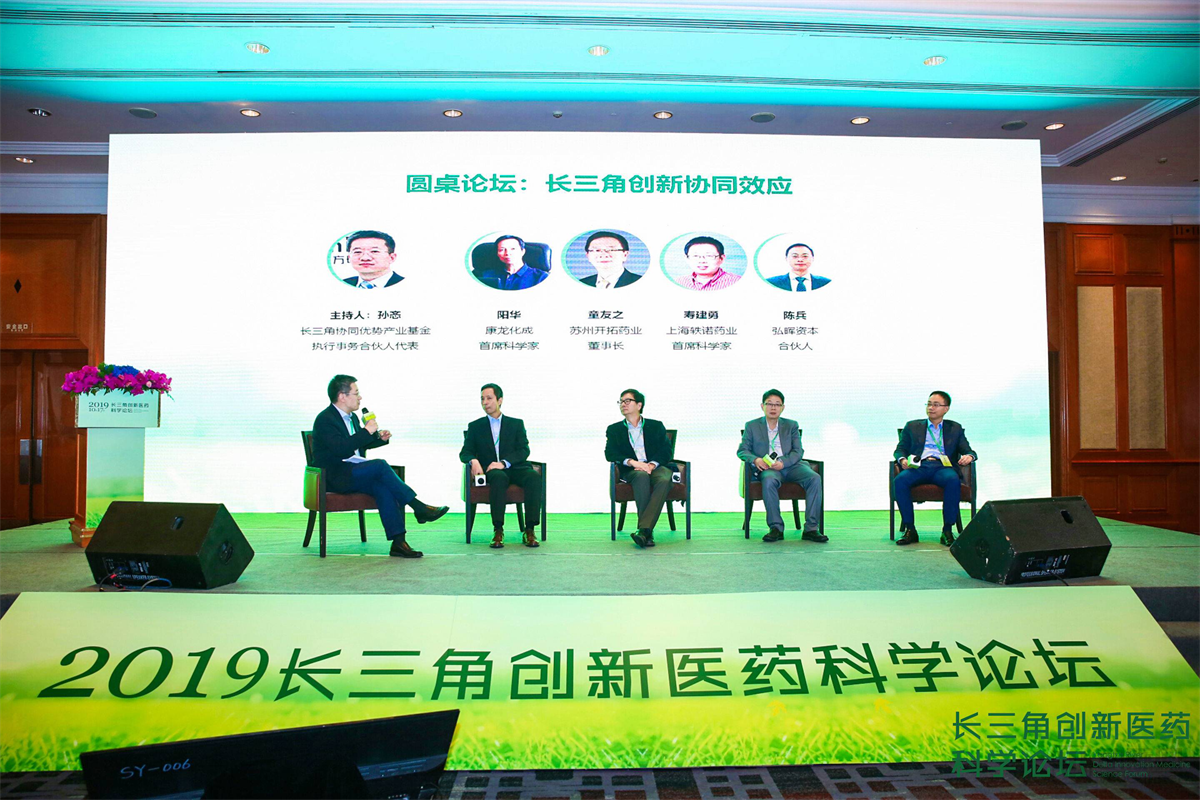
From left to right: Sun Min, Yang Hua, Tong Youzhi, Shou Jianyong, Chen Bing
As one of the most important engines of China’s economic growth, the Yangtze River Delta boasts unique advantages in pursuing high-quality integrated development. The pharmaceutical and healthcare sectors are pillar industries in this region, holding a pivotal position nationwide. Several panelists reviewed the history and experience of the pharmaceutical industry’s development in the Yangtze River Delta from industrial and investment perspectives, offering recommendations and expectations for future integration efforts.