

Nuocheng Medical Submits IPO Prospectus for Liwen RF™ Ablation System, the World’s First Dedicated Device for Hypertrophic Cardiomyopathy
“The product is expected to be launched within three years,” said the head of Nuocheng Medical in a recent exclusive interview with VCBeat.
After two years of development, Nuocheng Medical has launched Liwen RF, the world’s first radiofrequency ablation device specifically designed for myocardial ablation.TMThe radiofrequency ablation system officially entered the phase of clinical human trials in August this year.
To date, 17 patients with hypertrophic cardiomyopathy have undergone Liwen RF.TMClinical Application of Radiofrequency Ablation System in Surgical Treatment: The intraoperative course was smooth and uneventful, with an immediate reduction in left ventricular outflow tract pressure gradient. Postoperatively, the patient’s symptoms improved significantly, and recovery was unremarkable.This is also the first time that the “Liwen procedure” has employed dedicated myocardial equipment and integrated two novel technologies—adjustable radiofrequency ablation needles and myocardial biopsy—in the treatment of hypertrophic cardiomyopathy. The application of specialized ablation devices and these new technologies makes the Liwen procedure more precise, safer, and simpler.
Hypertrophic Cardiomyopathy (HCM) is the most common hereditary heart disease, characterized by myocardial hypertrophy, reduced ventricular cavity size, impaired ventricular filling, and decreased diastolic compliance. HCM can onset at any age and is the leading cause of sudden cardiac death in young people, as well as one of the major causes of heart failure. The prevalence of HCM in the general population is approximately 1:500, with an estimated 2.6 million patients in China.
Currently, the treatment options for hypertrophic obstructive cardiomyopathy (HOCM) primarily include pharmacological therapy, alcohol septal ablation, and surgical intervention. However, each of these therapeutic modalities has limitations in clinical application, may lead to various complications, and carries a risk of disease recurrence.
Liwen RFTMThe clinical application of radiofrequency ablation systems differs from traditional treatment methods,It is an innovative therapeutic strategy that integrates safety, efficacy, and minimal invasiveness.Characterized by being non-thoracotomy, minimally invasive, highly effective, low-risk, and enabling rapid recovery.Its successful development has undoubtedly brought new hope to the vast number of patients with hypertrophic cardiomyopathy.
Hypertrophic cardiomyopathy is the most common primary cardiomyopathy and is mostly inherited in an autosomal dominant pattern. Among outpatients undergoing echocardiographic examination, 0.5% are found to have hypertrophic cardiomyopathy. In first-degree relatives of patients with hypertrophic cardiomyopathy, approximately 25% show morphological evidence of the disease on echocardiography.
The pathophysiological features of hypertrophic cardiomyopathy include myocardial hypertrophy, reduced ventricular cavity size, impaired ventricular filling, and decreased diastolic compliance. The most common symptoms in patients are dyspnea, angina pectoris, arrhythmias, dizziness, or syncope; in advanced stages, heart failure and even sudden cardiac death may occur.
It can be said that the hereditary nature of hypertrophic cardiomyopathy, coupled with the limitations of current treatment modalities, constitutes a “formidable mountain” standing in the way of patients, making it exceedingly difficult for them to reach the endpoint of “cure.”
There are three mainstream treatment modalities for hypertrophic cardiomyopathy: pharmacological therapy, surgical intervention, and alcohol ablation.Among these, pharmacological therapy is a traditional and widely adopted treatment modality; however, it is associated with significant side effects, cannot provide a cure, and serves only to alleviate patient symptoms. Surgical intervention is currently the standard of care for hypertrophic cardiomyopathy (HCM). Nevertheless, open-heart surgery requires thoracotomy, cardiopulmonary bypass, and cardiac arrest, resulting in substantial trauma, high risk, and prolonged recovery. Additionally, it carries the risk of various surgical complications, including hemorrhage, infection, ventricular septal perforation, and conduction system injury.
Alcohol ablation, also known as transcoronary chemical ablation, is associated with suboptimal clinical outcomes due to its poor technical controllability. With this therapeutic approach, the uncontrollable extent of ablation leads to intolerance in some patients and readily precipitates severe complications, such as complete heart block, extensive myocardial infarction, and ventricular fibrillation.
“Thus, it can be seen thatThere is an urgent clinical need for a safe and effective treatment for hypertrophic cardiomyopathy.“said the person in charge of Nuocheng Medical.”
Unmet medical needs signify a vast market potential in this therapeutic area. Therefore, developing a safer and more effective treatment system that truly benefits patients with hypertrophic cardiomyopathy represents both a formidable technical challenge and a strategic opportunity to capture market share.
In 2017, Hangzhou Nuocheng Medical Device Co., Ltd. was established.As an innovative medical device R&D enterprise incubated by Deno Medical Group, Nuocheng Medical’s core objective is to provide safe and effective treatment options for patients with hypertrophic cardiomyopathy who lack access to adequate therapeutic interventions.
“Integration of Medicine and Engineering for More Precise Treatment.” The R&D team at Nuocheng Medical advocates a research and development model based on the integration of medicine and engineering. According to the head of Nuocheng Medical, the company’s flagship Liwen RF™ Radiofrequency Ablation System was co-developed with Professor Liu Liwen from Xijing Hospital. This product introduces a safe, effective, precise, and minimally invasive innovative therapeutic strategy for hypertrophic cardiomyopathy through the world’s first ultrasound-guided percutaneous transapical intramyocardial septal radiofrequency ablation procedure. It has already gained widespread recognition at major international academic conferences, including TCT, CSI, and CIT.
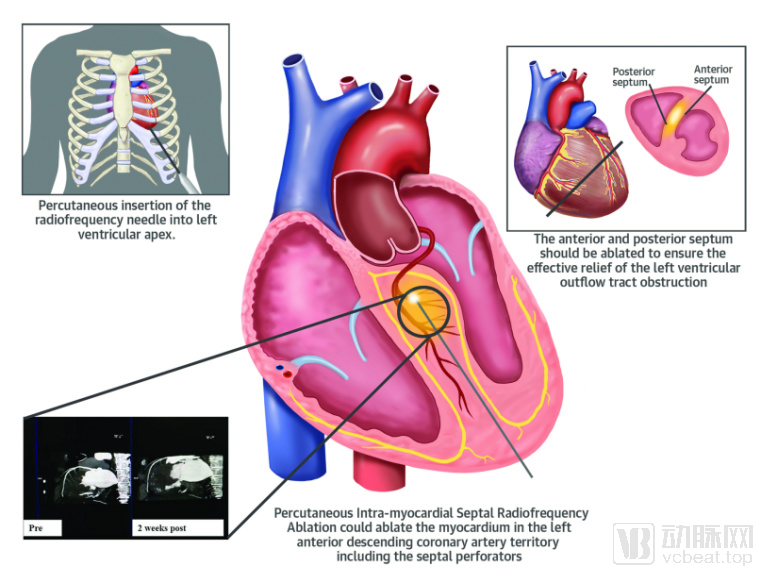
(Liwen Procedure)
“Our core team comprises physicians and engineers, and we maintain close collaboration with clinicians throughout the early, middle, and late stages of device research and development.“To develop products that truly meet market needs, our R&D team has spent extended periods observing surgeries in operating rooms to gain a deep understanding of the needs of both patients and physicians. Furthermore, we hold frequent meetings with doctors to discuss challenges and new ideas, allowing us to promptly provide feedback and evaluate design concepts and prototypes,” said the head of Nuocheng Medical.
The integration of medicine and engineering has ensured that every step of the product development process is more scientific and robust. For a product with no existing references either domestically or internationally, the launch of the Liwen RF™ Radiofrequency Ablation System is of profound significance, marking a breakthrough from “0” to “1.”
What kind of product is the Liwen RF™ Radiofrequency Ablation System?
The person in charge of Nuocheng Medical introduced that the Liwen RF™ Radiofrequency Ablation System is based on the invention of Professor Liu Liwen from the Department of Ultrasound at Xijing Hospital, Air Force Medical University.“The Liwen Procedure”—The World’s First Ultrasound-Guided Percutaneous Transapical Intramyocardial Radiofrequency Ablation for Obstructive Hypertrophic Cardiomyopathyon the basis of, adopt a completelyUltrasound Guidance,The ablation needle is inserted via an intercostal approach through the cardiac apex, entering the septal myocardium from the epicardium to perform radiofrequency ablation.
“Under this radiofrequency energy ablation, heat is generated in the myocardium, causing dehydration and necrosis of the myocardial tissue, which is then absorbed by the body. Ultimately, the hypertrophied myocardium thins out, returning to normal levels,” said the head of Nuocheng Medical. He pointed out thatCurrently, Nuocheng Medical's minimally invasive interventional therapy device is suitable for the vast majority of patients with hypertrophic cardiomyopathy.
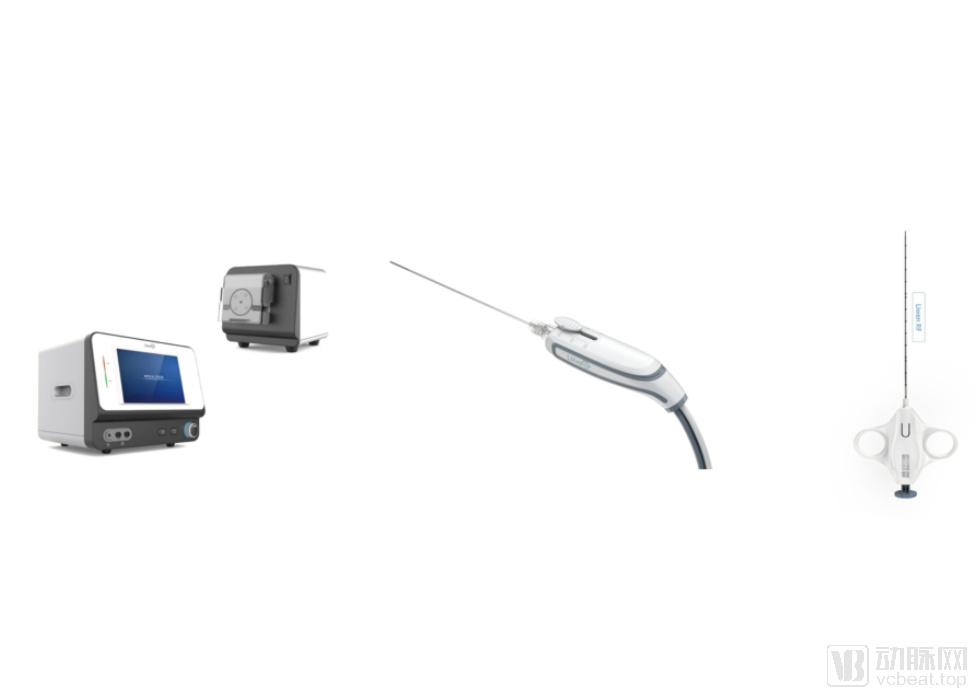
(Product Image)
The Liwen RF™ Radiofrequency Ablation System offers the advantages of being minimally invasive, involving percutaneous puncture of the myocardium with minimal trauma, superior efficacy, low risk, and rapid recovery. The adjustable ablation needle can real-time adjust the ablation zone size according to lesion thickness, making the procedure more flexible, maneuverable, and safe, thereby maximizing conformal ablation. In current clinical trials, all treated patients have achieved clinical benefits, including minimal trauma, rapid recovery, definitive efficacy, and significant improvement in cardiac function.
“The Liwen procedure is a safe and effective surgical technique for hypertrophic cardiomyopathy, first invented by Chinese doctors. The Liwen RF™ radiofrequency ablation system, with its outstanding performance in clinical treatment, is set to become a novel therapeutic device for hypertrophic cardiomyopathy that will attract global attention,” said the head of Nuocheng Medical.
Regarding future development, the head of Nuocheng Medical revealed that,In early 2020, Nuocheng Medical will leverage artificial intelligence (AI) technology to developPost Liwensurgical navigation system for the procedure, and launched global multicenter clinical trials; the product is expected to obtain CFDA and CE registration certificates in 2022.
“The increased integration of AI technology will make surgeries simpler and safer,” said the head of Nuocheng Medical, expressing full confidence in the product’s future.