

WeDoctor Launches Specialized Disease Health Community with Multiple Pharma Partners at World Internet Conference

Novo Nordisk China
Biopharmaceutical Manufacturer
On October 20, at the 6th World Internet Conference, the Disease-Specific Health Community jointly initiated by the digital health platform WeDoctor Group and the China Health Promotion Foundation was officially launched, with nearly 20 domestic and international pharmaceutical companies witnessing the event. At the ceremony, WeDoctor signed strategic cooperation agreements for the Disease-Specific Health Community with renowned pharmaceutical companies including BeiGene, Conba, Harbin Pharmaceutical Group, Qilu Pharmaceutical, Chia Tai Tianqing, and Ascletis Bio, to jointly establish a digital chronic disease prevention and control system for chronic disease patients that integrates “online and offline services” and ensures interoperability among medical care, pharmaceuticals, and insurance.

Amid the new healthcare reform backdrop of intensifying competition in centralized procurement, how to seize digital opportunities for upgrading and transformation, leverage them to create an efficient, low-cost pharmaceutical marketing model, and establish absolute market competitiveness has become a critical challenge that most pharmaceutical companies must confront.
As Wu Xiaobin, President of BeiGene China, mentioned at the conference forum: “Pharmaceutical companies need a comprehensive solution that connects all stakeholders, including doctors, patients, the government, and insurers.”
After years of exploration, WeDoctor has developed a Digital Health Community model that integrates medical institutions at the municipal, county, township, and village levels, while coordinating healthcare services, pharmaceuticals, medical insurance, and elderly care. This model ultimately aims to enhance regional medical capabilities, improve public health indices, and reduce the growth rate of medical insurance expenditures.
It is understood that the specialized disease healthcare consortium will center on patient health, supported by a digital platform that integrates supply-side resources such as chronic disease management services. By leveraging standardized diagnosis and treatment systems and specialized disease management tools, it aims to establish a health-centered prevention, control, and management service system for specific diseases, thereby assisting users in managing their health.
Ding Haihuan, Senior Vice President of WeDoctor, stated that the company’s mature digital platform enables pharmaceutical enterprises to focus on their dominant product categories and maximize market share in these areas, thereby achieving absolute leadership through economies of scale and efficiency. By collaboratively establishing disease-specific healthcare communities that directly connect hospitals, physicians, and patients, WeDoctor can efficiently assist doctors and patients in precisely combating diseases and maintaining health.
“Blue Link” Initiative: A Model of Digital Chronic Disease ManagementLaunched by the China Medical Education Association and jointly developed by Novo Nordisk and WeDoctor, the “Blue Link” initiative is a representative example of how specialized disease management consortia leverage digital tools to safeguard patient health. Patients can easily monitor their blood glucose levels using their smartphones and complimentary smart glucometers provided by the program. They receive regular reminders for medication adherence and glucose monitoring, and can access features such as blood glucose trend charts, monthly health reports, medication logs, dietary and exercise records, and lectures from renowned experts. This integrated approach also facilitates more convenient access to professional medical guidance. Through the Blue Link platform, physicians can provide personalized recommendations to patients with diabetes and deliver professional knowledge on glycemic control. Currently, Phase I of the “Blue Link” initiative has onboarded over 400 specialist physicians and is expected to serve more than 20,000 patients.
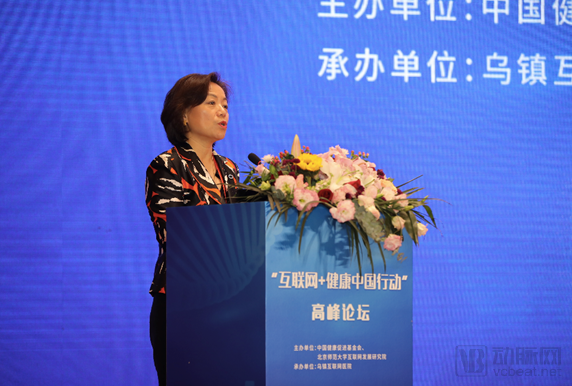
Zhou Xiaping, Senior Vice President and President of Greater China at Novo Nordisk, pointed out that the standardized and regulated management of diabetes requires joint efforts from all sectors of society. By fully leveraging technologies such as the internet, big data, and artificial intelligence, we can promote early diagnosis, early treatment, and effective control of diabetes, thereby establishing an integrated “online + offline” chronic disease management model for diabetes and optimizing the quality of life for patients with diabetes.
In the future, in addition to establishing online specialized disease zones and closing the loop on internet-based diagnosis and treatment services, Specialized Disease Healthcare Consortia will integrate with regional healthcare consortia across various localities. This integration aims to provide medical insurance-covered specialized disease services (including chronic disease management) to residents at the municipal, county, township, and village levels. These efforts will effectively enhance regional disease management, improve disease awareness and treatment rates, reduce complications, and substantially alleviate the financial burden on local medical insurance funds as well as patients’ out-of-pocket costs for medical care and medications.