

How to Advance MedTech Convergence? The Inaugural Zhongguancun 'Med-Engineering Valley' Innovation Forum Sparks Expert Dialogue
AI-assisted image recognition and diagnosis, AI-powered health management platforms, precision minimally invasive surgical robots, intelligent prosthetics with neural interface control, and companion robots capable of natural emotion recognition and interaction... In recent years, the convergence of medicine and engineering has gained sustained momentum, with a surge of high-quality innovative projects propelling China’s healthcare sector to new heights.
At this critical historical juncture, marked by national efforts to advance medicine and public health alongside rapid breakthroughs in intelligent technologies, deepening the interdisciplinary integration of medicine and engineering is both a historic mission aligned with the era’s demands and the people’s aspiration for a better life, as well as an imperative requirement for fostering endogenous growth in the field of medical-engineering convergence.
So, how should one navigate the path of interdisciplinary integration between medicine and engineering? What are the opportunities and advantages, and what are the pain points and challenges?
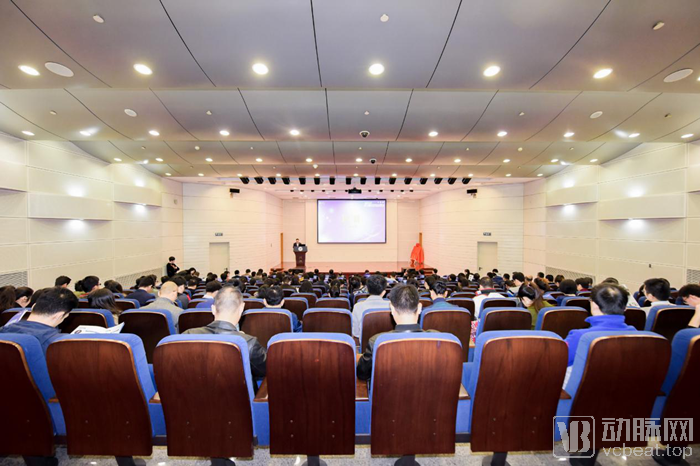
(Figure caption: Conference venue)
On October 26, under the leadership and support of the Zhongguancun Administrative Committee and the People’s Government of Haidian District, the Beijing Advanced Innovation Center for Biomedical Engineering (Beihang University), the Innovation and Translation Center of Peking University Third Hospital, and the Zhongguancun Zhiyou Angel Research Institute jointly hostedThe First Zhongguancun "Medical-Engineering Valley" Innovation and Entrepreneurship SummitKicked off at Beihang University. Dozens of experts in the medical field and leading figures from industry gathered together to discuss the future of “medical-engineering intersection” through sessions including strategic trend analysis, expert presentations, and roundtable forums.
At the Zhongguancun “Medical-Engineering Valley” Innovation and Entrepreneurship Summit,Wang Tianmiao, Honorary Director of the Robotics Institute at Beihang University and Dean of the Zhongguancun Zhiyou Angel Research Institute, shared his insights on the topic of “medical-engineering interdisciplinary integration.”
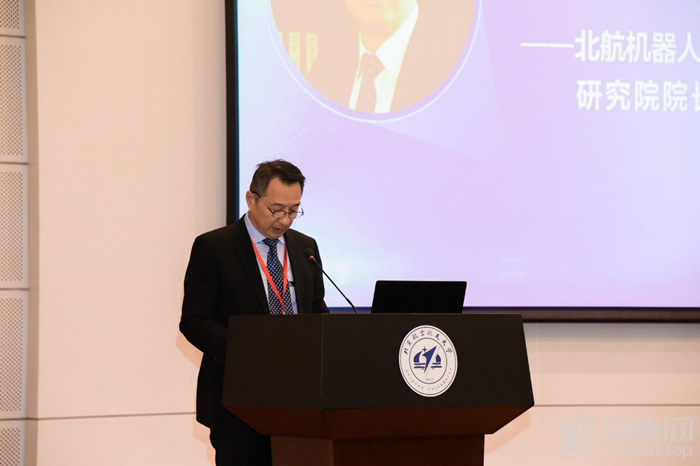
(Figure caption: Wang Tianmiao, Honorary Director of the Robotics Institute at Beihang University and Dean of Zhongguancun Zhiyou Angel Research Institute)
Reporter’s question: How do you view the interdisciplinary integration of medicine and engineering?
Wang Tianmiao: First, healthcare is a highly significant sector with substantial demand. Health is a major concern; while people now enjoy great convenience in their daily lives—such as eating, housing, and transportation—the need for medical care remains inadequately met.
Secondly, the integration of medicine and engineering has been a long-standing fusion abroad, where some physicians are also engineers. In China, however, medical education and engineering education remain separate. A historical review reveals the profound impact of engineering on driving medical transformation, as evidenced by the emergence of electrocardiography around the 1930s, the development of CT and MRI in the 1970s, and recent advancements such as AI-based image recognition, minimally invasive robotic systems, and surgical robots.
Reporter's question: Which aspect do you consider to be the weakest link in the development of interdisciplinary medicine and engineering in China?
Wang Tianmiao: To summarize, there are three key points. First, collaboration between engineering professionals and physicians must be long-term. It takes at least five years for a software or device achievement to be implemented, with some requiring eight to ten years to obtain regulatory approval. Often, collaborations between universities and hospitals end merely with the publication of papers and the completion of technical research.
II. In the process of integrating medicine and engineering, the ultimate goal is to develop an applicable product. At this stage, a scientist’s mindset alone is insufficient; it must be complemented by engineering and market-oriented thinking, with a firm grasp of the product’s key pain points. Some projects achieve breakthroughs in key technologies from an academic perspective but fail to translate into viable products.
III. Human life is of paramount importance. The efficacy, safety, and indications of medical devices and medical technologies are particularly critical.
Reporter’s question: What is the current trend of interdisciplinary collaboration between medicine and engineering in China, and how is capital investing in this area?
Wang Tianmiao: From my observations, the top ten listed medical device companies in China are currently focusing on several key areas, including in vitro diagnostics, biomaterials, medical consumables, 3D printing, and medical robotics. These represent visible trends. Furthermore, taking medical robotics as an example, capital investment in this sector is accelerating.
Reporter’s question: Taking medical robots as an example, what stage has the interdisciplinary integration of medicine and engineering currently reached? Is it highly mature?
Wang Tianmiao: Currently, it is in a pre-dawn explosive growth phase. Medical robots have been developing in China for over five years, with 110,000 successful procedures performed to date. There are currently more than a hundred universities and research institutions engaged in medical robot research. However, only about four or five companies have obtained medical robot licensing approvals, which is far from sufficient to meet demand. It is reported that the government may accelerate the issuance of “licenses” for the application of AI-powered robots in the medical field.
Reporter’s question: What are the respective advantages and gaps of medical-engineering interdisciplinary collaboration in China compared with those abroad?
Wang Tianmiao: China has two particularly distinct advantages. The first is its large population, which translates into a high number of patients and, consequently, a vast volume of clinical cases. Chinese surgeons possess highly advanced surgical skills that are on par with their international counterparts in terms of technical proficiency and other aspects.
The second advantage is that China is currently undergoing a disruptive process of reshuffling and repositioning. Fields such as biomaterials, artificial intelligence, and robotics have only begun to emerge globally in the past five years, presenting a new opportunity for China. Furthermore, at this summit, I was pleasantly surprised to discover that many physicians possess strong passion for scientific research, along with numerous valuable ideas and creative insights.
Key Gaps:The first gap lies in the investment and outcomes of foundational original research, which have not yet achieved true originality. As we have mentioned, there are still no breakthroughs in areas such as precise nanocapsule drug delivery, biodegradable and bio-integrable biomaterials, or naturally diagnostic medical robots. However, I am aware that many research institutes at universities such as Harbin Institute of Technology, Tianjin University, and Shanghai Jiao Tong University are conducting research in these fields, but none have yet obtained clinical trial approval. In summary, this constitutes the first gap.
The second gap, in my view, lies in the relative weakness of innovative companies. Only such innovative firms can translate basic research and findings into commercial products. A shortage of these companies would, conversely, hinder development in this area.
The third gap is that the scale of China’s leading medical device companies remains relatively weak. The combined market size of the top ten listed medical device companies in China amounts to approximately RMB 30 billion, whereas Medtronic, a foreign company, alone achieves USD 30 billion.
Certainly, the country is increasingly prioritizing interdisciplinary collaboration between medicine and engineering, as well as investing in policy formulation to support this convergence. It is believed that with the gradual opening and improvement of various approval processes and commercial insurance coverage, the integration of medicine and engineering will develop more robustly in the future.
At the forum held that day, leaders from the Zhongguancun Administrative Committee and the Haidian District Government unveiled the plaque to mark the establishment of the Zhongguancun Zhiyou Angel Research Institute.
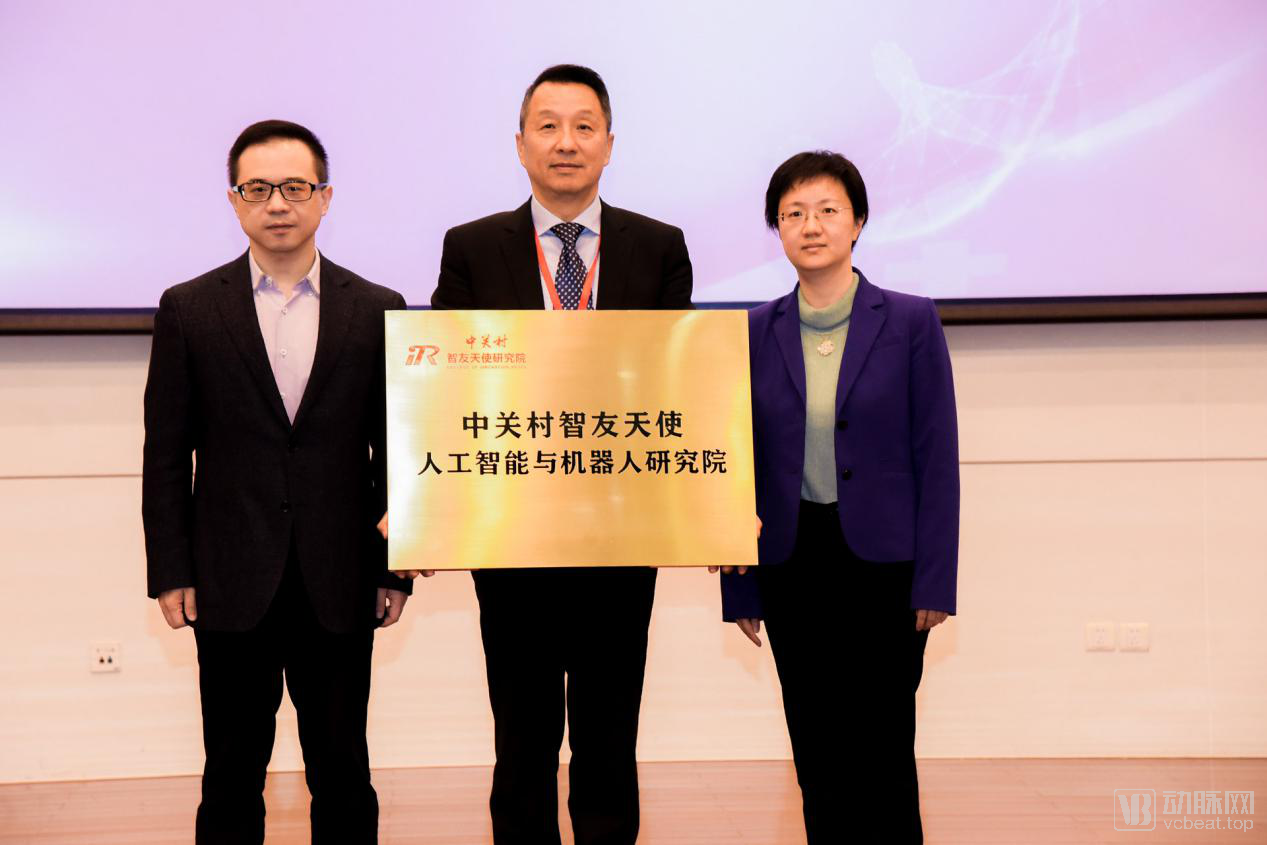
(Figure caption: Unveiling ceremony)
Co-Chairs of the Forum: Wang Tianmiao, Honorary Director of the Robotics Institute at Beihang University and Dean of the Zhongguancun Zhiyou Angel Research Institute; Fan Yubo, Dean of the Interdisciplinary Innovation Research Institute for Medicine and Engineering at Beihang University and Director of the Beijing Advanced Innovation Center for Biomedical Engineering (Beihang University); and Jiang Xue, Director of the Innovation and Translation Center and the Office of Scientific and Technological Achievement Translation at Peking University Third Hospital, together with the attending guestsAward certificates to the 10 outstanding innovation and entrepreneurship projects selected for the roadshow on the 25th。
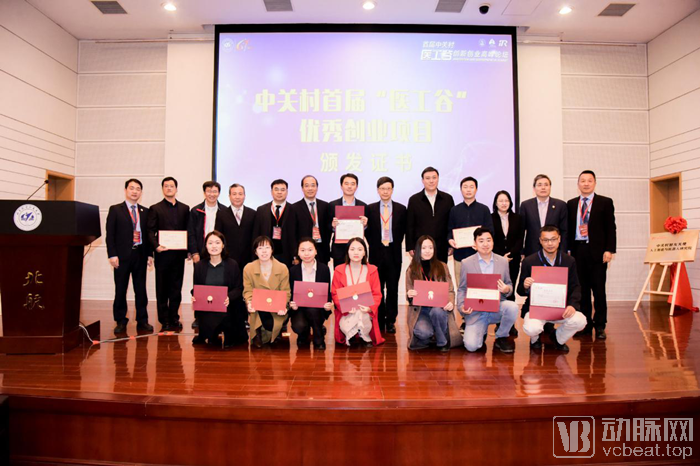
(Figure caption: Award Ceremony)
As the highlight of this high-level summit, ten experts and industry leaders from the medical field delivered ten presentations on topics centered around the intersection of medicine and engineering.
Specifically: 1. Wang Baoting, Deputy Secretary-General of the China Association for Drug Administration Research, presented “Encouragement Policies and Practices for Innovative Medical Devices in China”; 2. Fan Yubo, Dean of the Beihang University Institute of Interdisciplinary Innovation in Medicine and Engineering, Director of the Beijing Advanced Innovation Center for Biomedical Engineering (Beihang University), and Director of the National Research Center for Rehabilitation Technical Aids, presented “Rehabilitation Technology Innovation to Support Elderly Care”;
3. Wu Xinbao, Vice President of Jishuitan Hospital, “Development Trends and Progress in Orthopedic Robotics”; 4. Wang Junjie, Director of the Department of Radiation Oncology at Peking University Third Hospital, “3D Printing Technology and Precise Minimally Invasive Brachytherapy Ablation”; 5. Liu Rong, Director of the Second Department of Hepatobiliary Surgery at the First Medical Center of the Chinese PLA General Hospital and Director of the Institute of Hepatobiliary Surgery of the PLA, “Robotic Systems for Minimally Invasive Hepatobiliary and Pancreatic Tumor Surgeries: Developments and Challenges in China and Abroad”;
6. Yizhao Zhang, Deputy Director of Microsoft Research Asia, “Present and Future of Medical AI”; 7. Yonghui Shi, Managing Director and Head of Corporate Venture Capital and Innovation Incubation at Medtronic China, “Frontier Trends in Global Medical Devices and Medtronic’s Investment Strategy”; 8. Xiang Li, Deputy Chief Engineer and Head of Intelligent Public Health at Ping An Smart Healthcare, “AI-Driven Transformation of Smart Healthcare: Explorations and Practices”;
9. Sun Jingsheng, Executive Vice Chairman of the Clinical Trial Branch of the China Association for Medical Device Industry, “Key Considerations for Licensing Applications Involving AI, Robotics, 3D Printing, and In Vitro Diagnostics”; 10. Sun Lining, President of the Medical Robotics Association and Dean and Professor at the School of Mechanical and Electrical Engineering, Soochow University, “Hotspots in Medical Robotics Innovation”.
The reports shared by experts and leading industry figures were packed with valuable insights.
Example,Wang Baoting, Deputy Secretary-General of the China Association for Drug Administration Research, delivered a report titled “Incentive Policies and Practices for Innovative Medical Devices in China.”, interpreted from six major perspectives: 1. What policies does China have to encourage innovative medical devices? 2. How is the practice of innovative medical devices in China? 3. Where should one start with innovative medical devices? 4. Steps for applying for special review of innovative medical devices; 5. Preparation of materials for applying for special review of innovative medical devices; 6. Examples of innovative medical devices approved by the state this year, etc.
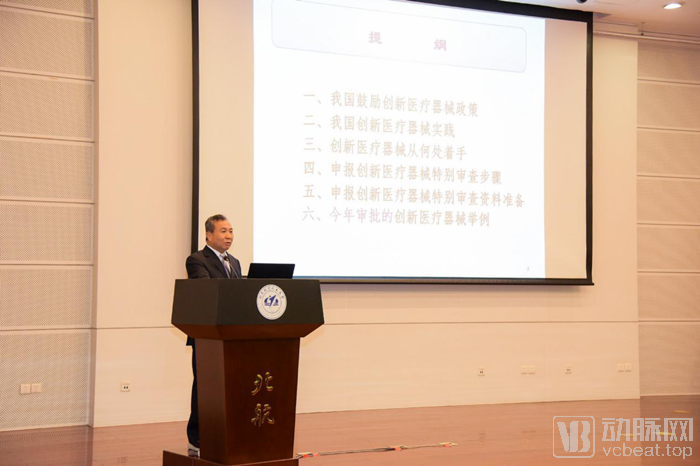
(Figure caption: Wang Baoting, Deputy Secretary-General of the China Association for Drug Supervision and Administration Research)
He concluded: In recent years, the state has made substantial efforts to encourage innovation; domestic innovation is highly vibrant. Innovative enterprises need to pay close attention to policy changes, align with these policies, and identify their own strategic positioning for development.。
Co-Chair, Professor Fan YuboDelivered an insightful presentation on “Innovations in Rehabilitation Technology to Support Elderly Care”, he pointed out:“"Internet + Elderly Care" has become a key focus in the development of China's medical device industryTo,We must prioritize both the R&D and innovation of high-end medical devices and the development of rehabilitation aids and health-related products. The industry should transition from a labor-intensive model to a high-tech, precision-driven approach, comprehensively applying advanced technologies across hospitals, personal health, home healthcare, and community-based elderly care.
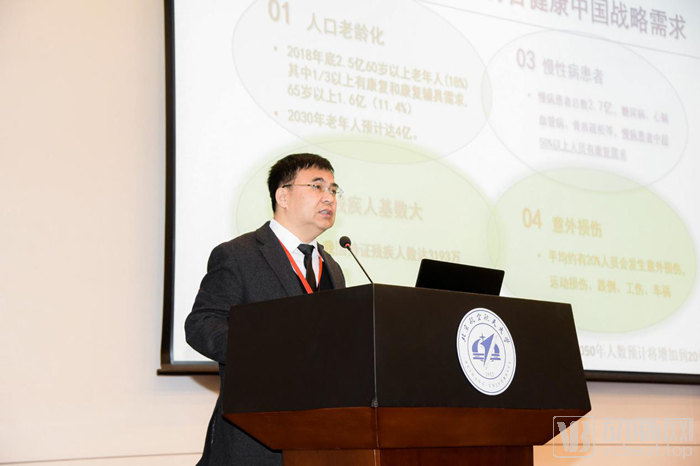
(Figure caption: Fan Yubo, Director of the Beijing Advanced Innovation Center for Biomedical Engineering at Beihang University)
Jiang Xue, Director of the Innovation and Translation Center and the Office of Scientific and Technological Achievement Transformation at Peking University Third Hospital, on behalf of the organizer, released the “Top Ten Hotspots in Frontier Technologies for Medical-Engineering Interdisciplinary Innovation in Beijing.”An introduction and analysis of cutting-edge technologies and development trends in fields such as AI-driven healthcare, precision minimally invasive surgical robotics, intelligent elderly care, biomaterials and 3D printing, and hospital automation services.
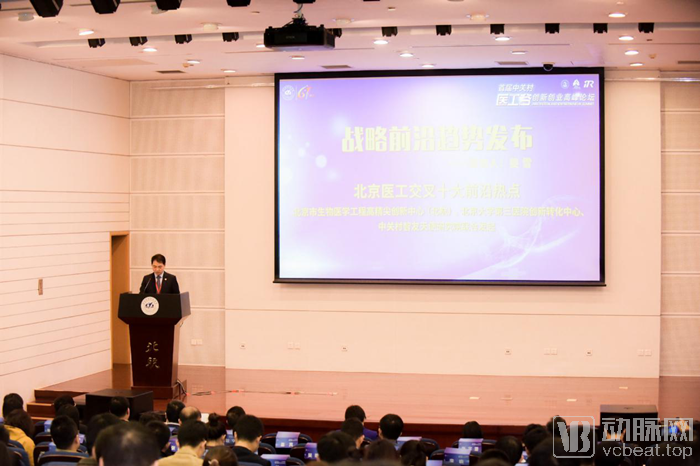
(Figure caption: Jiang Xue, Director of the Innovation and Translation Center and the Office of Scientific and Technological Achievement Transformation at Peking University Third Hospital)
In an interview with VCBeat, Dr. Jiang Xue, Director of the Innovation and Translation Center and Office of Scientific and Technological Achievement Translation at Peking University Third Hospital, stated thatTo date, Peking University Third Hospital has secured 43 patents, completed 16 technology transfers, and generated a total revenue of nearly RMB 90 million.
“Physicians have the deepest understanding of clinical needs, coupled with their strong enthusiasm for scientific research. The integration of medicine and engineering will inject new vitality into the innovative development of healthcare,” said Jiang Xue.
Additionally, during the roundtable session,Multiple guests discussed the challenges in technological innovation and talent development in "medical-engineering interdisciplinary" fields, as well as the difficulties and trends in the industrialization of "medical-engineering interdisciplinary" technologies.Sparked a lively discussion.
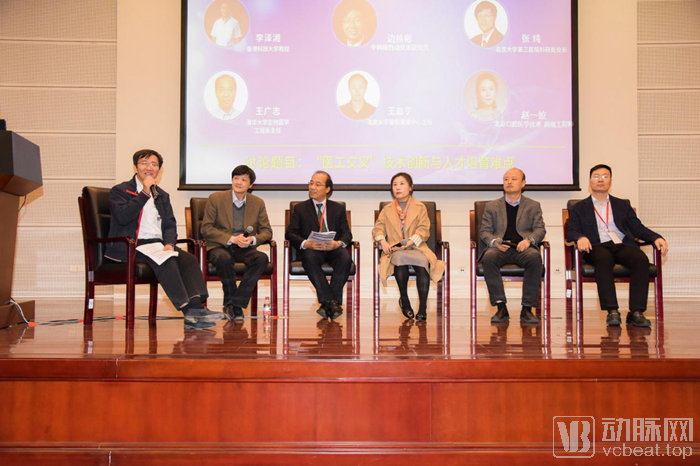
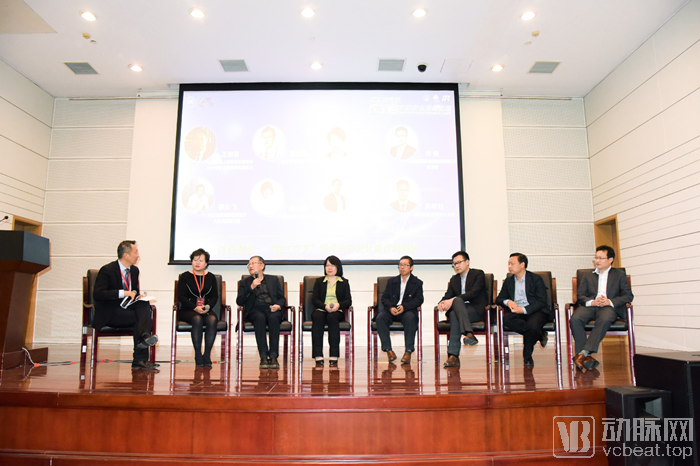
(Figure caption: Roundtable Discussion)
Finally, Wang Tianmiao, Co-Chair of the conference, Honorary Director of the Robotics Institute at Beihang University, and Dean of the Zhongguancun Zhiyou Angel Research Institute, stated: “We aim to use this high-level forum as a starting point to integrate the resource advantages of Beijing, Zhongguancun, and Haidian District; gather international talent; and make forward-looking arrangements in frontier exploration, the construction of large-scale scientific platforms, and application translation. We invite more universities, hospitals, and enterprises to join us in jointly building China’s ‘Medical-Engineering Silicon Valley’ and advancing the health cause of our nation.”