

Baidu and Neusoft Launch Smart Hospital Solutions at Shengjing Hospital, Featuring Smart Clinical, Management, and Service Systems
On November 1, at the Neusoft Solutions Forum 2019, Baidu and Neusoft jointly launched a comprehensive smart city solution, with both parties agreeing to deepen their cooperation in areas such as urban construction and governance, as well as healthcare.
As a key component of the two parties’ collaboration on industrial intelligence, the achievements of Baidu and Neusoft in the healthcare sector have drawn significant attention. This signifies that Baidu is leveraging its core technological strengths and partnering with industry allies to accelerate the deep integration and practical implementation of AI technologies within the healthcare industry.
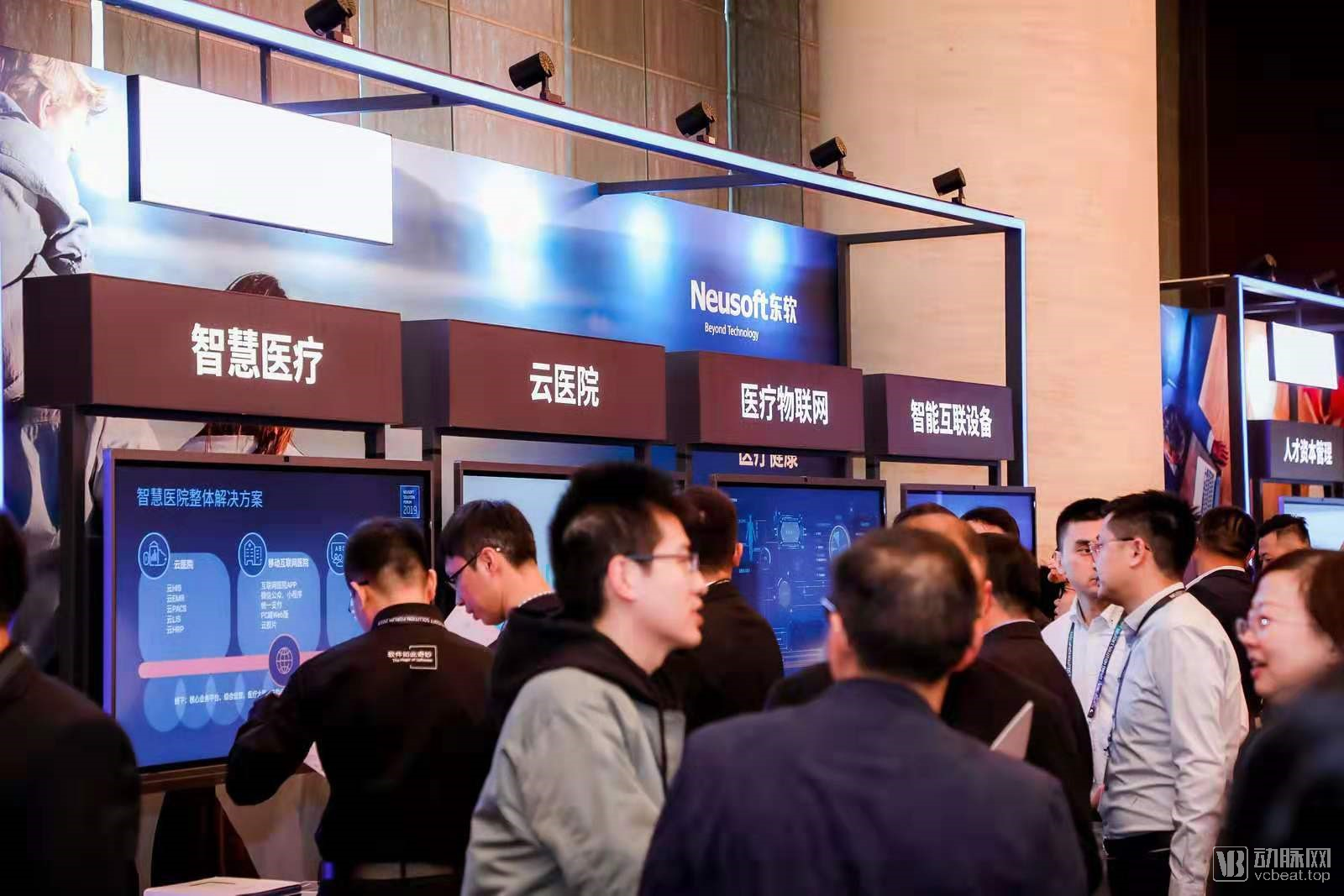
The collaboration between the two parties in the healthcare sector is built upon Lingyi Zhihui, an AI-driven medical brand powered by Baidu Brain technology. By integrating their respective technological and medical resource advantages, Lingyi Zhihui and Neusoft have jointly developed smart hospital solutions, featuring a suite of products including Clinical Decision Support Systems (CDSS), Rational Drug Use Systems, Medical Record Quality Control Systems, and Chronic Disease Management Platforms.
The solution has already been piloted and implemented at institutions such as Shengjing Hospital of China Medical University, empowering hospitals in a comprehensive, end-to-end manner across three dimensions: smart healthcare, smart management, and smart services. At the Smart City Summit sub-forum held that day, Quan Yu, Director of the Information Center at Shengjing Hospital of China Medical University, delivered a speech introducing the implementation status of this solution.
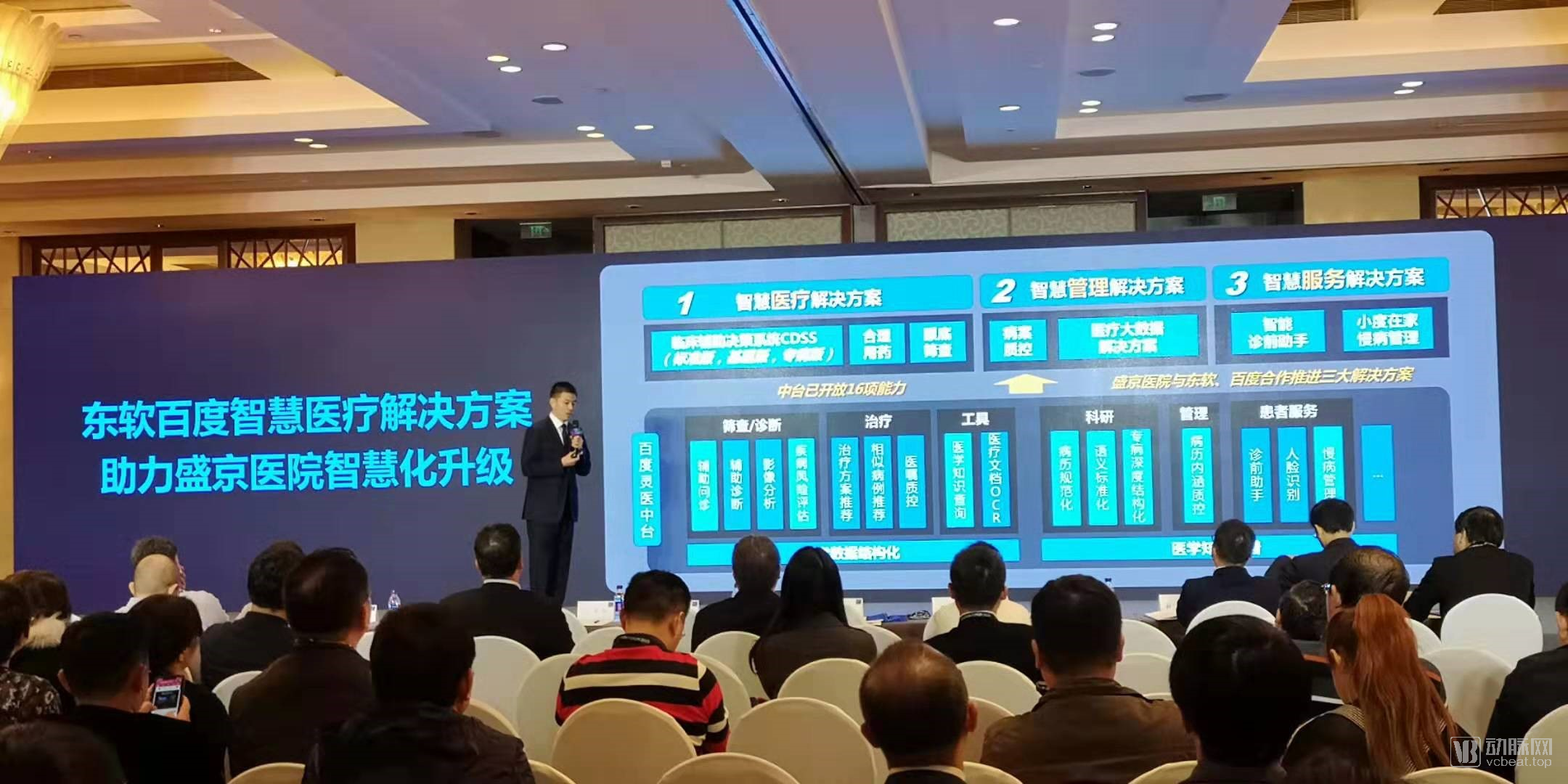
In the realm of smart clinical care, the rational drug use system jointly developed by both parties covers all 15 major categories of common medication quality control dimensions, including compatibility review of injectable drugs, medication review for patients with allergy histories, and drug interaction reviews. Functioning like an “intelligent clinical pharmacist,” the system alerts physicians to potential risks and issues during the prescribing process, such as incompatibilities and allergic reactions, thereby making physicians’ prescribing practices “more scientific.”
The system performs medication quality control based on medical record interpretation. After acquiring information such as outpatient records, examination and test reports, historical medication records, and diagnosis lists, it conducts medication reviews on structured “patient medication data” through data cleaning and processing by a computational engine. Currently, the system covers drug label knowledge for 19,000 categories of drugs approved by the National Medical Products Administration (NMPA) and incorporates extensive authoritative clinical pharmacology references, thereby constructing a deeper and more refined knowledge graph. By leveraging artificial intelligence to interpret patient medical records, the system helps hospitals identify a greater number of problematic prescriptions.
Furthermore, the system discloses in-hospital medication knowledge rules to hospitals, transitioning medication quality control from a “black box” to a “white box” model. This enables hospitals to freely edit, add, or modify medication knowledge rules in accordance with their internal prescribing practices, thereby meeting their requirements for autonomous medication management and control.
According to statistics, after the system was launched in the pilot departments of Shengjing Hospital of China Medical University in September, it increased the recall rate of problematic prescriptions by 18 percentage points and improved accuracy by 8 percentage points compared with traditional companies' rational drug use software. This data is expected to continue improving as both parties further refine the product.
In addition, Lingyi Zhihui and Neusoft launched the AI-driven Lingyi Zhihui Clinical Decision Support System (CDSS) in August at facilities including the Ningbo Eastern New Town Community Health Service Center. The system covers modules for assisted diagnosis, similar case retrieval, and knowledge queries. It comprehensively addresses over 4,000 common diseases encountered in primary care settings, with a focus on optimizing the management of more than 300 high-prevalence conditions. This helps enhance the standardization, normalization, and homogenization of diagnosis and treatment processes for common diseases in primary care, thereby reducing rates of missed and misdiagnoses.
It is reported that Lingyi Zhihui’s Clinical Decision Support System (CDSS) now covers 16 provinces, municipalities, and autonomous regions in China, serving nearly 1,000 medical institutions and tens of thousands of physicians. The system has also expanded internationally, having been deployed at the CNOOC Iraq oilfield to enhance the clinical capabilities of physicians at the oilfield’s medical center. Looking ahead, both parties will leverage Lingyi Zhihui’s AI healthcare technology strengths and Neusoft’s nationwide medical resource network to accelerate the promotion and adoption of the CDSS.
In the realm of smart management, Lingyi Zhihui and Neusoft have jointly launched a medical record quality control system. The front sheet of inpatient medical records serves as the primary basis for hospitals to register inpatient cases, classify diseases, and conduct audits. It typically includes information such as the patient’s basic demographics, details of inpatient treatment and diagnoses, and inpatient medical expenses. High-quality medical records constitute a critical line of defense for hospitals in managing healthcare quality and controlling medical risks, and they also represent valuable digital assets for future scientific research and teaching.
Lingyi Zhihui has developed an intrinsic quality control computational engine for comprehensive analysis and interpretation of medical records and multidimensional medical information. This engine is built upon professional medical natural language understanding and medical knowledge graph technologies, integrating deep learning, multi-layer Bayesian network inference, feature representation learning, learning-to-rank models, semantic understanding, and clinical expert knowledge. It is designed in accordance with the "Inpatient Medical Record Quality Inspection Checklist" and the actual status of medical record documentation in hospitals.
The system supports both process-based quality control and final quality control. For instance, in the final quality control stage, it upgrades the manual random sampling model to 100% automated machine self-inspection of medical records, comprehensively improving the work efficiency of professional quality control personnel, significantly enhancing medical record quality, and advancing the level of healthcare management and control.
Intelligent capability is the core competitiveness of the next-generation healthcare industry. It has become an industry consensus to promote the intelligent upgrade of healthcare by leveraging emerging technologies such as artificial intelligence and cloud computing. Transformations in healthcare models, involving medical service quality, hospital management efficiency, and out-of-hospital health services, are accelerating. Leveraging Lingyi Zhihui’s accumulated expertise in AI-driven healthcare, the strategic partnership between Baidu and Neusoft is poised to inject powerful momentum into the healthcare sector, further driving its intelligent transformation.