

4th China Forum on Prevention and Treatment of Respiratory Diseases at the Primary Care Level: Advancing Standardized Diagnosis and Management
On November 2, 2019, the 4th China Academic Forum on Prevention and Control of Respiratory Diseases in Primary Care convened in Xi’an. Experts from multidisciplinary fields across China—including pulmonology, general practice, pediatrics, traditional Chinese medicine, and nursing—gathered alongside healthcare professionals working on the front lines of primary care.
The conference venue was packed to capacity, with nearly 2,000 grassroots physicians specializing in respiratory medicine, general practice, and pediatrics, along with other relevant stakeholders from more than 30 provinces, municipalities, and autonomous regions across China, gathering together. Attendees listened attentively to the insightful academic presentations delivered by distinguished experts, hoping to enhance their professional competencies and skills through participation in this diverse and enriching academic exchange event.
This conference is jointly hosted by the Collaborative Medical Health Foundation and the China Health Promotion and Education Association, and co-organized by the Respiratory Physicians Branch of the Chinese Medical Doctor Association, the Respiratory Disease Branch of the Chinese Medical Association, the China Primary Care Respiratory Disease Prevention and Treatment Alliance, the First Affiliated Hospital of Xi’an Jiaotong University, the Professional Committee on Respiratory Disease Prevention and Control of the Chinese Preventive Medicine Association, the General Practitioners Branch of the Chinese Medical Doctor Association, the Shaanxi Province Primary Care Respiratory Disease Prevention and Treatment Alliance, and the Primary Healthcare Professional Committee of the Shaanxi Health Care Association.
Themed “Promoting Standardized Diagnosis and Treatment of Respiratory Diseases at the Primary Care Level under New Conditions,” the conference focused on the “new healthcare conditions,” primarily encompassing China’s current medical insurance system, essential medicines, the development of standardized diagnosis and treatment systems for respiratory diseases in primary care institutions, and national policies on tiered diagnosis and treatment. Closely aligned with the practical needs of primary care physicians and primary healthcare institutions, the conference featured multiple forums for exchange and learning, including a special session of invited keynote reports, sub-forums on prevention and control of respiratory diseases, hands-on procedural training, traditional Chinese medicine diagnosis and treatment of respiratory diseases at the primary care level, research training in primary care respiratory medicine, pediatric respiratory medicine, and general practice.
At the opening ceremony of the conference, the following distinguished guests were invited to attend: leaders from the Department of Primary Healthcare, National Health Commission; Mr. Li Yanming, Deputy Inspector of the Shaanxi Provincial Health Commission; Professor Chi Chunhua, President-Elect of the General Practice Branch of the Chinese Medical Association and Executive Chairman of the China Alliance for Prevention and Control of Respiratory Diseases in Primary Care; Professor Shi Bingyin, President of the First Affiliated Hospital of Xi’an Jiaotong University; Professor Li Yajun, President of Northwest Women’s and Children’s Hospital; Professor Yang Ting, Vice Chairman and Secretary-General of the China Alliance for Prevention and Control of Respiratory Diseases in Primary Care; Professor Hang Jingqing, Vice Chairman of the China Alliance for Prevention and Control of Respiratory Diseases in Primary Care; Professor Huang Kewu, Vice Chairman of the China Alliance for Prevention and Control of Respiratory Diseases in Primary Care; Professor Fang Lizheng, Vice Chairman of the China Alliance for Prevention and Control of Respiratory Diseases in Primary Care; Mr. Du Qinglin, Deputy Secretary-General of the Collaborative Medical Health Foundation; and two international experts from the International Primary Care Respiratory Alliance, Catalina Panaitescu and Hilary Pinnock.
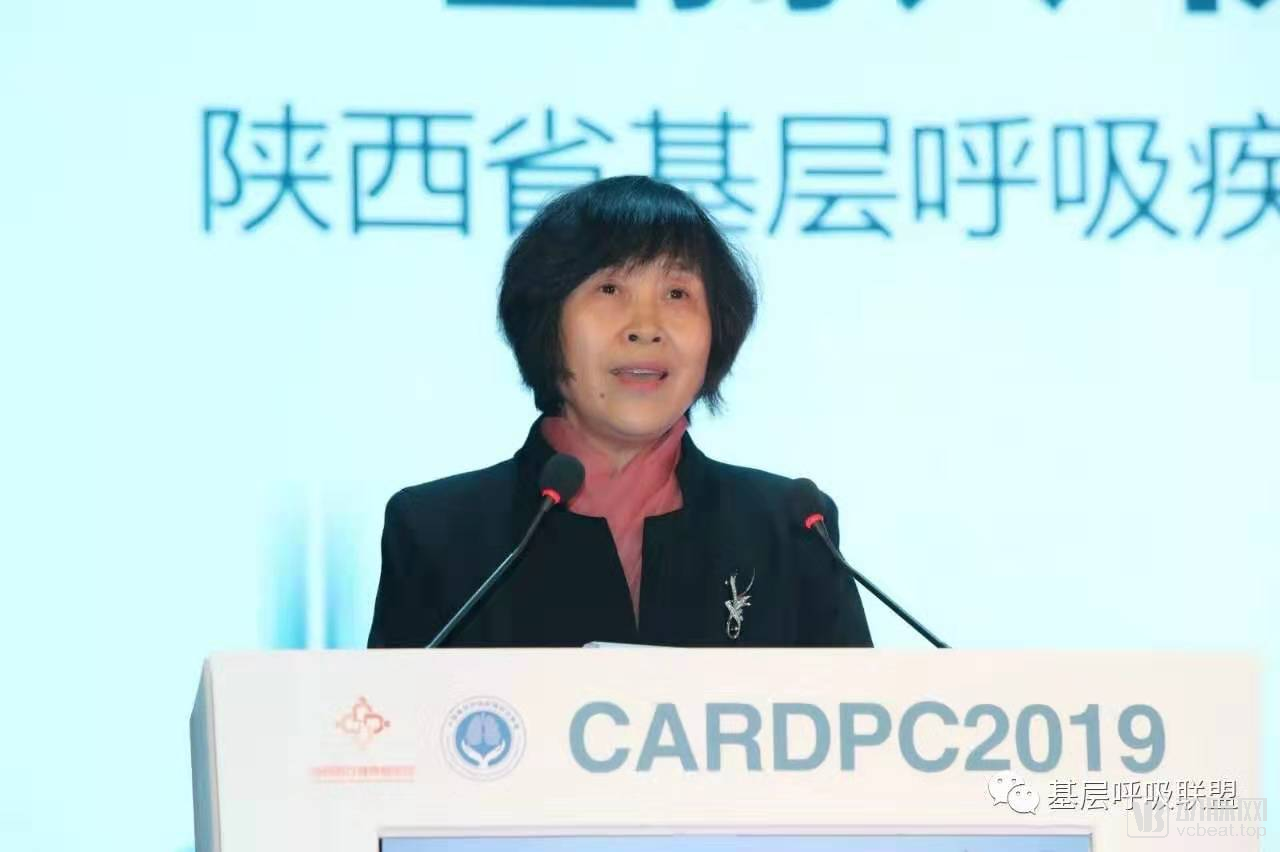
Chairman of the Shaanxi Provincial Alliance for Prevention and Control of Respiratory Diseases at the Primary Care Level
Address by Professor Yang Lan, The First Affiliated Hospital of Xi’an Jiaotong University
At the opening ceremony, Professor Yang Lan introduced the attending leaders and guests, extending her sincerest greetings and warmest welcome to all representatives participating in the Academic Forum of the Chinese Primary Care Alliance for Respiratory Disease Prevention and Control. She stated that this grand event was convened to directly address the current challenges and shortcomings in respiratory disease prevention and control, to develop and strengthen the national primary healthcare system for respiratory diseases, to serve a broader population, and to jointly advance the cause of respiratory disease prevention and control in China.
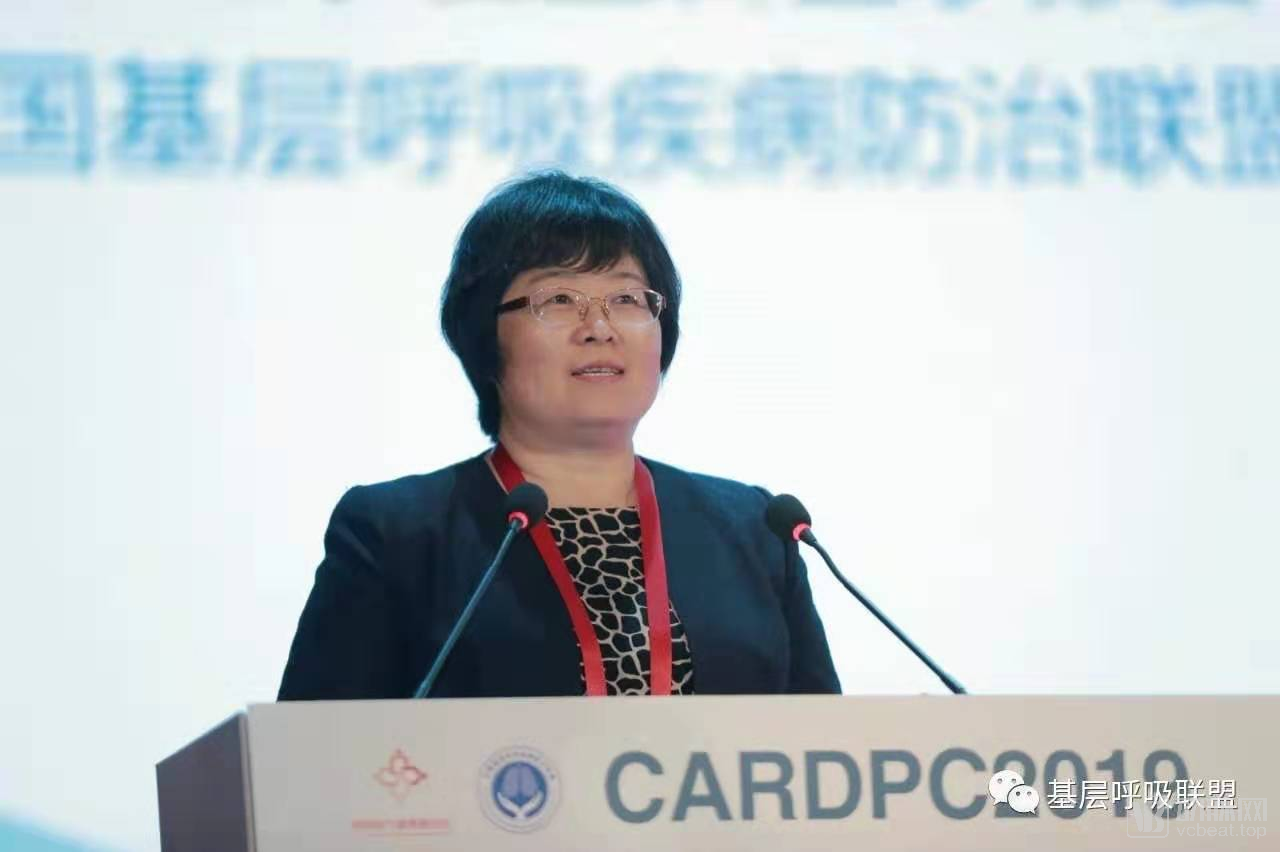
Executive Chairman of the Chinese Primary Care Alliance for Respiratory Disease Prevention and Control
Address by Professor Chi Chunhua of Peking University First Hospital
Professor Chi Chunhua extended a warm welcome to the physician representatives attending the conference. Subsequently, Professor Chi provided a detailed overview of the achievements and progress made by the China Primary Care Respiratory Disease Prevention and Treatment Alliance over the four years since its establishment. Initiatives such as the Project for Standardized Prevention, Diagnosis, and Treatment Systems and Capacity Building for Respiratory Diseases in Primary Care Institutions, the “Strengthening Primary Care, Working Together” National Tour on Respiratory Disease Prevention and Treatment in Primary Care, and the Elite Group of Young Physicians of the China Primary Care Respiratory Alliance have played a positive role in enhancing the standardized diagnosis and treatment capabilities of primary care physicians regarding respiratory diseases. Through measures including talent development and technical training, these efforts have comprehensively improved the capacity for respiratory disease prevention and control among primary healthcare institutions and medical personnel, thereby providing strong support and assurance for the advancement of respiratory disease prevention and treatment work at the primary care level.
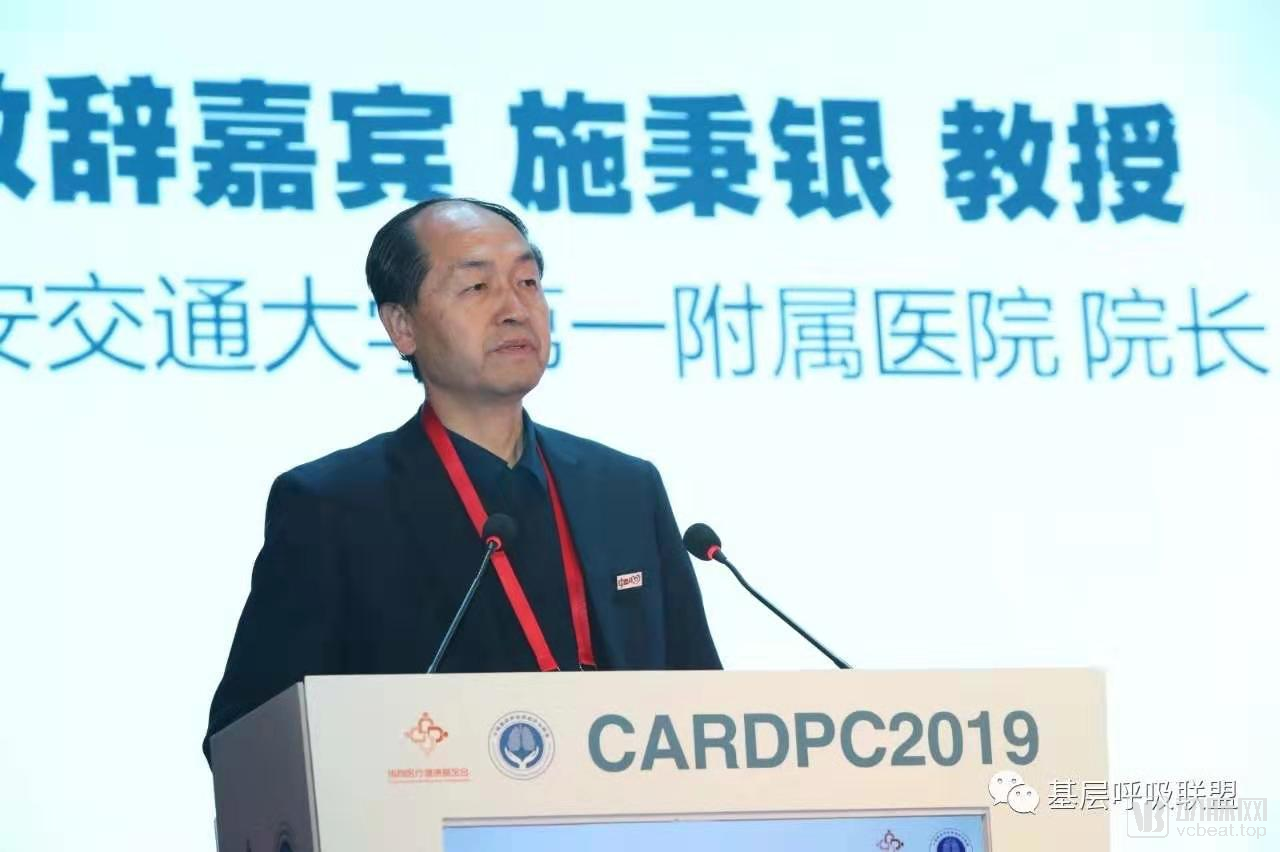
President of the First Affiliated Hospital of Xi’an Jiaotong UniversityAddress by Professor Shi Bingyin
Professor Shi Bingyin, President of the First Affiliated Hospital of Xi’an Jiaotong University, expressed his sincere gratitude to all attendees for traveling to Xi’an to participate in this academic forum. Professor Shi pointed out that chronic respiratory diseases, as one of the four major chronic diseases in China, severely impact the health and well-being of the Chinese population. Under the guidance of Academician Wang Chen, the First Affiliated Hospital of Xi’an Jiaotong University has undertaken extensive work related to the prevention and control of respiratory diseases, achieving notable results. Significant progress has been made in promoting the standardized construction of Pulmonary and Critical Care Medicine (PCCM) departments and in talent development.Upholding its century-old traditions and sense of social responsibility, the hospital has long assumed the mission of leading and driving the development of healthcare within the region. It is committed to building a model for regional collaborative development and has established a network covering numerous primary healthcare institutions across Northwest China. These efforts represent bold attempts in China’s healthcare reform and have provided valuable experience. In recent years, the First Affiliated Hospital of Xi’an Jiaotong University has also actively deepened international cooperation, conducting clinical trials on refractory malignant tumors and achieving certain positive clinical outcomes.
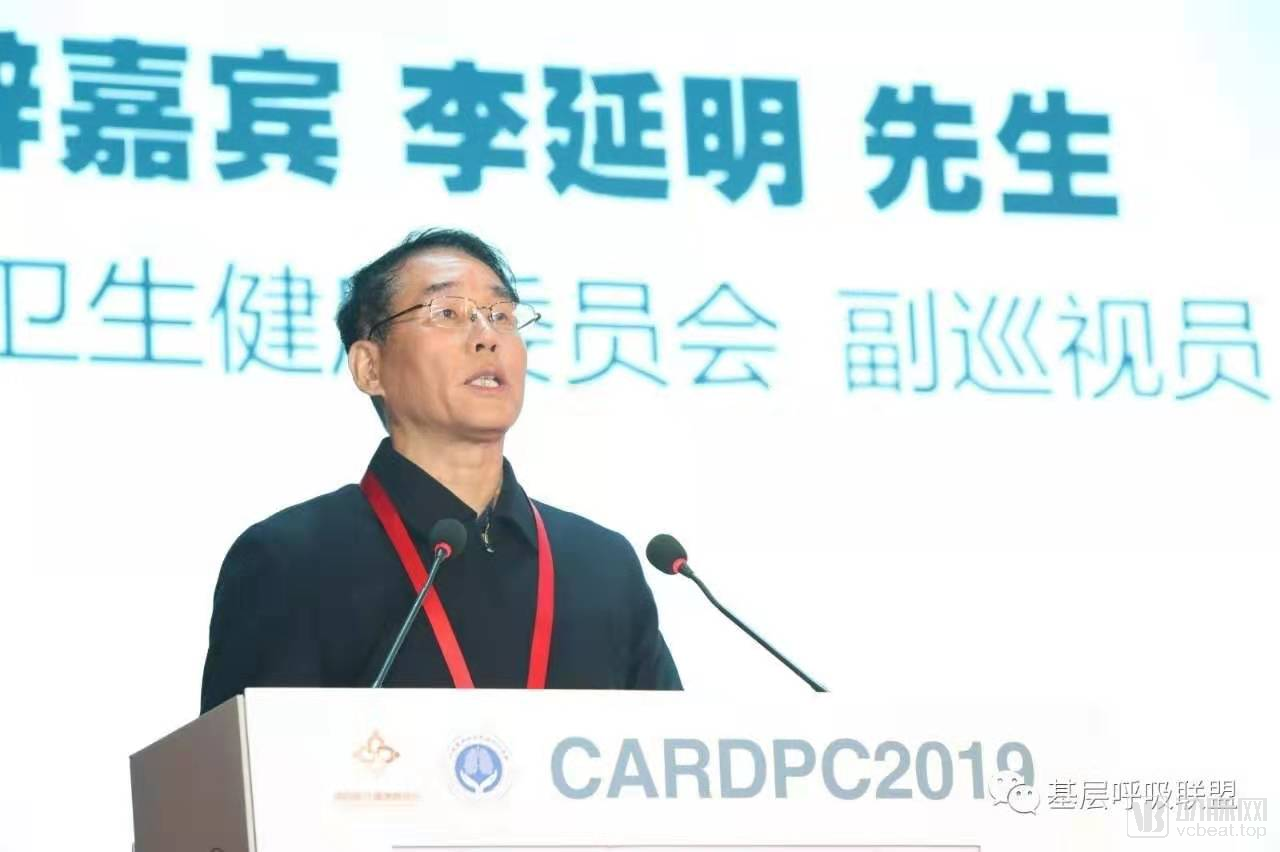
Address by Mr. Li Yanming, Deputy Inspector of the Shaanxi Provincial Health Commission
Mr. Li Yanming, Deputy Inspector of the Shaanxi Provincial Health Commission, expressed his heartfelt gratitude to all those who have long supported and cared for the development of respiratory medicine in Shaanxi. Located in northwest China, Shaanxi’s development was once constrained, but it has since regained vitality following the Reform and Opening-Up policy and the Western Development Strategy. Nevertheless, medical and health resources remain severely scarce in Shaanxi and other vast remote, rural, and mountainous areas of western China. In particular, prevention and control efforts for various chronic respiratory diseases lag significantly behind, reflecting the current state of primary healthcare across China. Shaanxi Province has been continuously increasing investment in the field of respiratory medicine, standardizing the diagnosis, treatment, and management of chronic diseases at the grassroots level, strengthening the technical capabilities of primary medical institutions, and improving the professional skills of grassroots healthcare workers. These efforts have yielded certain achievements in the prevention, diagnosis, and treatment of respiratory diseases. However, a gap still exists between our current capabilities and both national requirements and public needs. Therefore, we hope that grassroots physicians, experts, and scholars will join forces to provide strong momentum and support for the cause of respiratory disease prevention and control in Shaanxi Province and throughout China.
Professor Chi Chunhua: “Drawing on International Experience: How to Conduct High-Quality Clinical Research at the Primary Care Level”
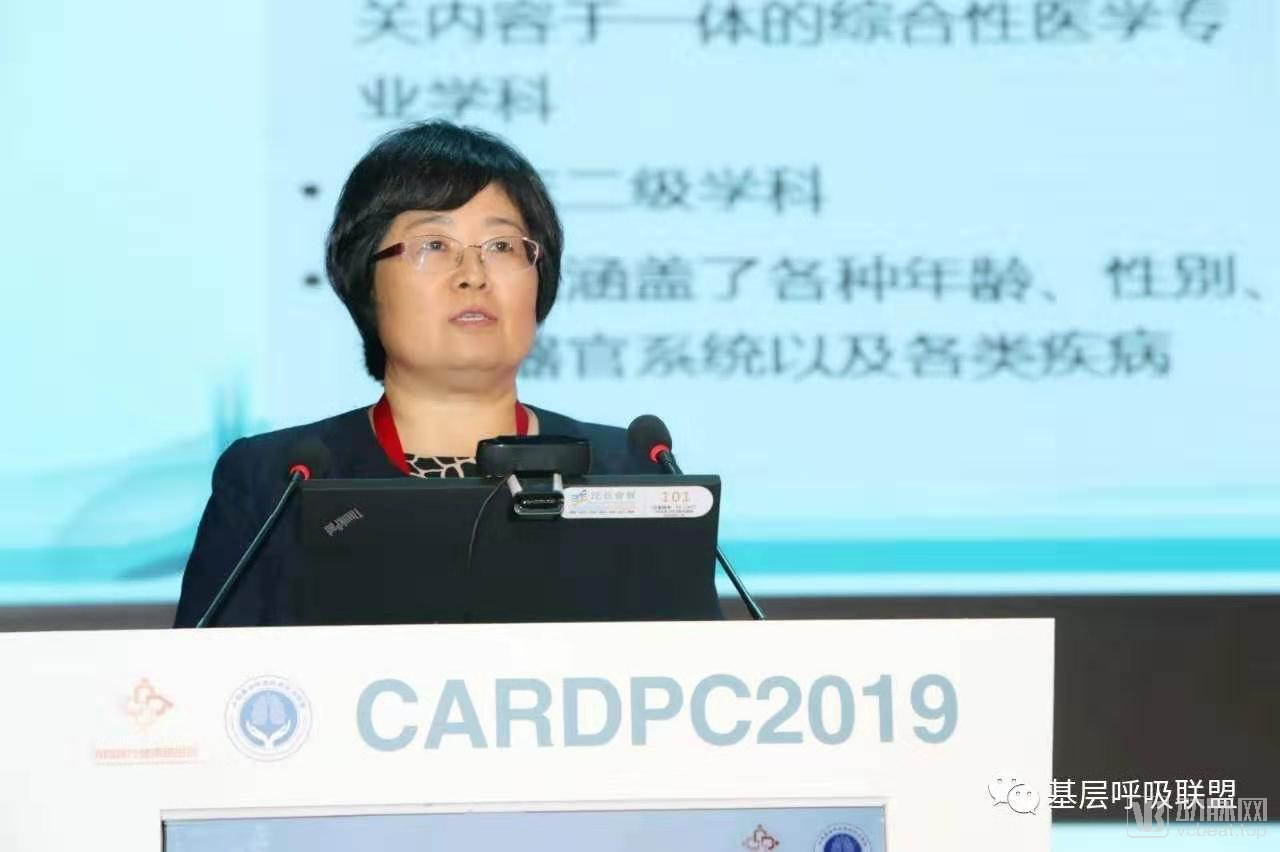
Professor Chi Chunhua from Peking University First Hospital delivered a lecture titled “Drawing on International Experience: How to Conduct High-Quality Clinical Research at the Primary Care Level.” First, Professor Chi introduced the development history of general practice and the important role of general practitioners in the construction of a tiered diagnosis and treatment system. Second, she noted that the objective requirement for discipline construction in general practice is that, as a secondary clinical discipline, it should also adhere to the “trinity” model, wherein medical care serves as the foundation, research acts as the guide, and scientific research supports and leads the reform and development of community health services. Research at the primary care level helps improve the professional competence, comprehensive qualities, and self-confidence of general practitioners. Then, Professor Chi systematically introduced advanced international experiences in general practice research, including the North American Primary Care Research Group (NAPCRG) networks, European General Practice Research Networks, and examples of general practice research in the UK, aiming to share foreign advanced experiences and technologies for reference and learning. Finally, Professor Chi provided a detailed introduction to the “IPCRG Investigators Academy China Clinical Research Training Camp” project. This initiative aims to cultivate young and middle-aged experts in clinical research on respiratory diseases, strengthen the clinical research workforce, enhance the clinical research capabilities of young and middle-aged physicians in respiratory diseases, support clinical research and translation of achievements in the field of respiratory diseases, thereby improving diagnostic and therapeutic capabilities for respiratory diseases and promoting the development of respiratory medicine.
Catalina Panaitescu: "Comprehensive Prevention, Control, and Assessment of Chronic Airway Diseases at the Primary Care Level"
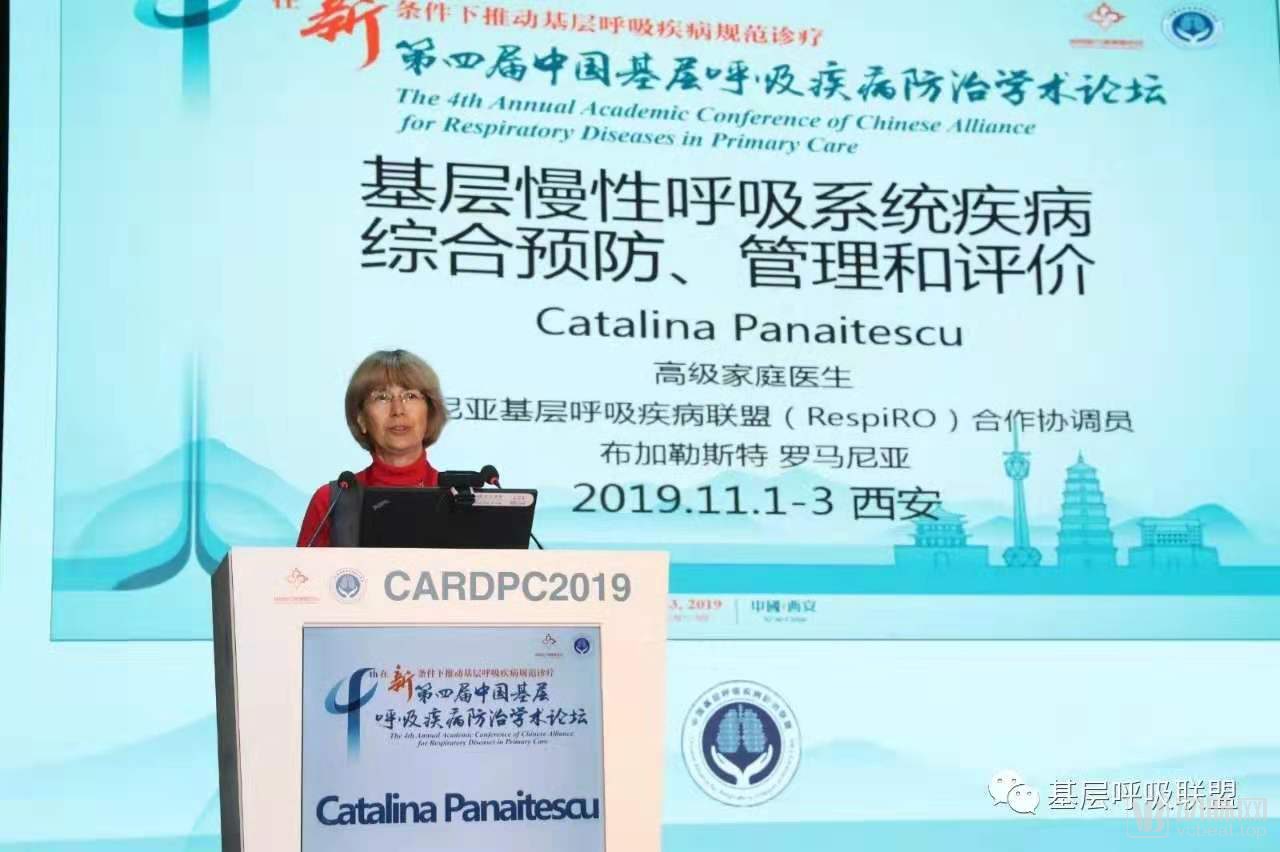
Professor Catalina Panaitescu, an international speaker from the Romanian International Primary Care Respiratory Alliance, shared Romania’s experience in establishing a high-quality collaborative network of family physicians and presented a problem-solving framework for primary care asthma management in Romania. Professor Panaitescu further noted that both China and other countries worldwide are focusing on how to deliver appropriate healthcare at the primary care level. Using asthma, a chronic respiratory disease, as an example, she provided an in-depth explanation, emphasizing that structured asthma management should adhere to the “SIMPLES” principles: effectively inquiring about patients’ smoking status; providing repeated training on inhaler techniques; continuously monitoring and recording patient data; enhancing medication adherence; advising patients on various strategies to control their asthma; strengthening patient education; and seeking support from relevant organizations or programs. In the final segment, Professor Panaitescu introduced the specific activities of the Romanian International Primary Care Respiratory Alliance and its ongoing physician training programs, and extended a warm invitation to attend the international conference to be held in Ireland next year.
Professor Fang Lizheng: "Safety Management of Pharmacotherapy for Multimorbidity in the Elderly"
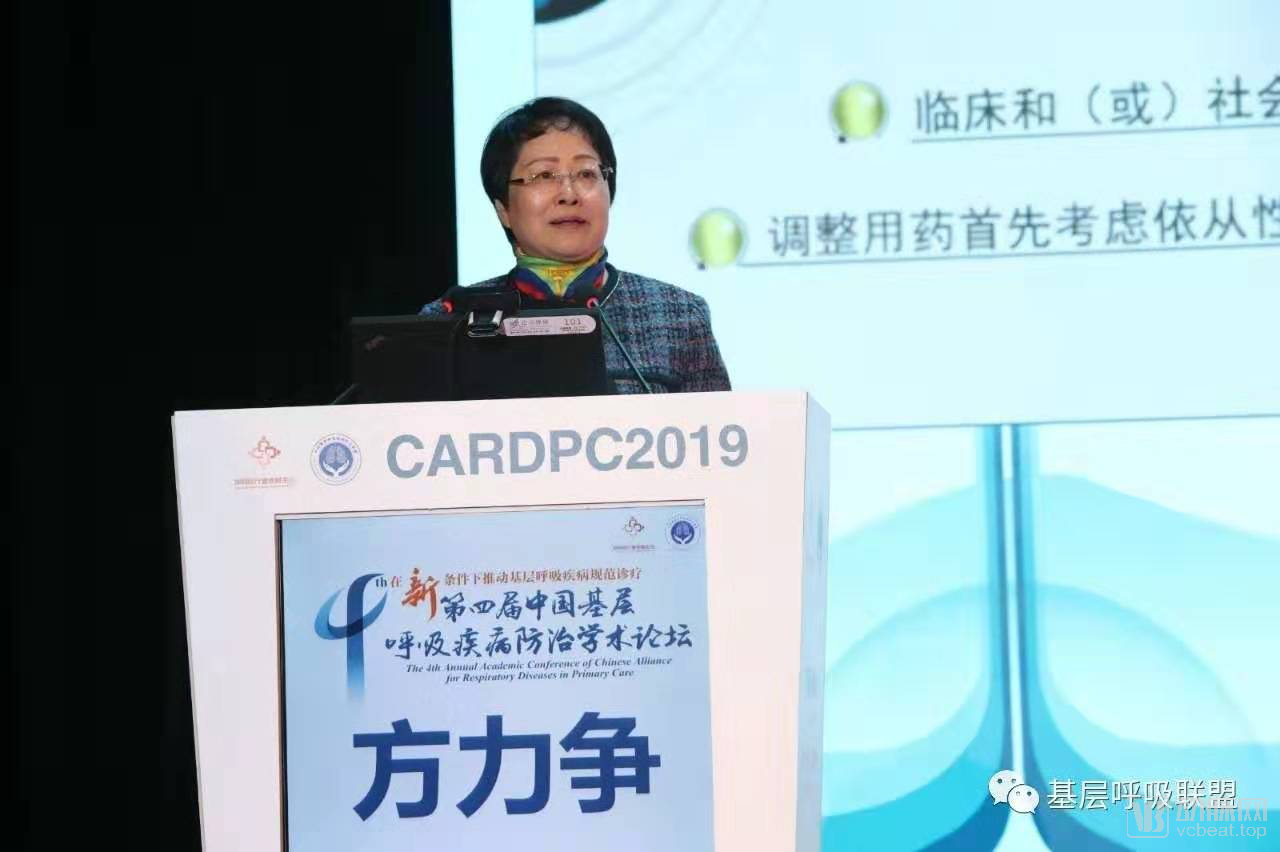
Professor Fang Lizheng from Sir Run Run Shaw Hospital, Zhejiang University School of Medicine, delivered a presentation titled “Safe Medication Management for Older Adults with Multimorbidity.” He began the academic report by analyzing a case of a 76-year-old patient with chronic and complex conditions. Professor Fang pointed out that the challenges in prescribing for older adults include slowed pharmacokinetics due to age-related decline in physiological function and the prevalence of polypharmacy among those with multiple comorbidities. The adverse consequences of inappropriate medication use in the elderly include increased adverse drug reactions, reduced medication adherence, and heightened medical burden. What medical ethical principles should guide prescribing for older adults? Professor Fang recommended adhering to four core principles: beneficence, autonomy, non-maleficence, and justice. Specifically, improving prescription quality for older adults should be patient-centered, ensuring fully informed consent, close therapeutic monitoring, and shared decision-making between physicians and patients. The aim of enhancing prescription quality is to improve patient satisfaction and quality of life while reducing healthcare expenditures.
Professor Shi Zhihong: “How to Improve the Diagnosis and Treatment of Respiratory Diseases at the Primary Care Level—Experience Sharing from Shaanxi”
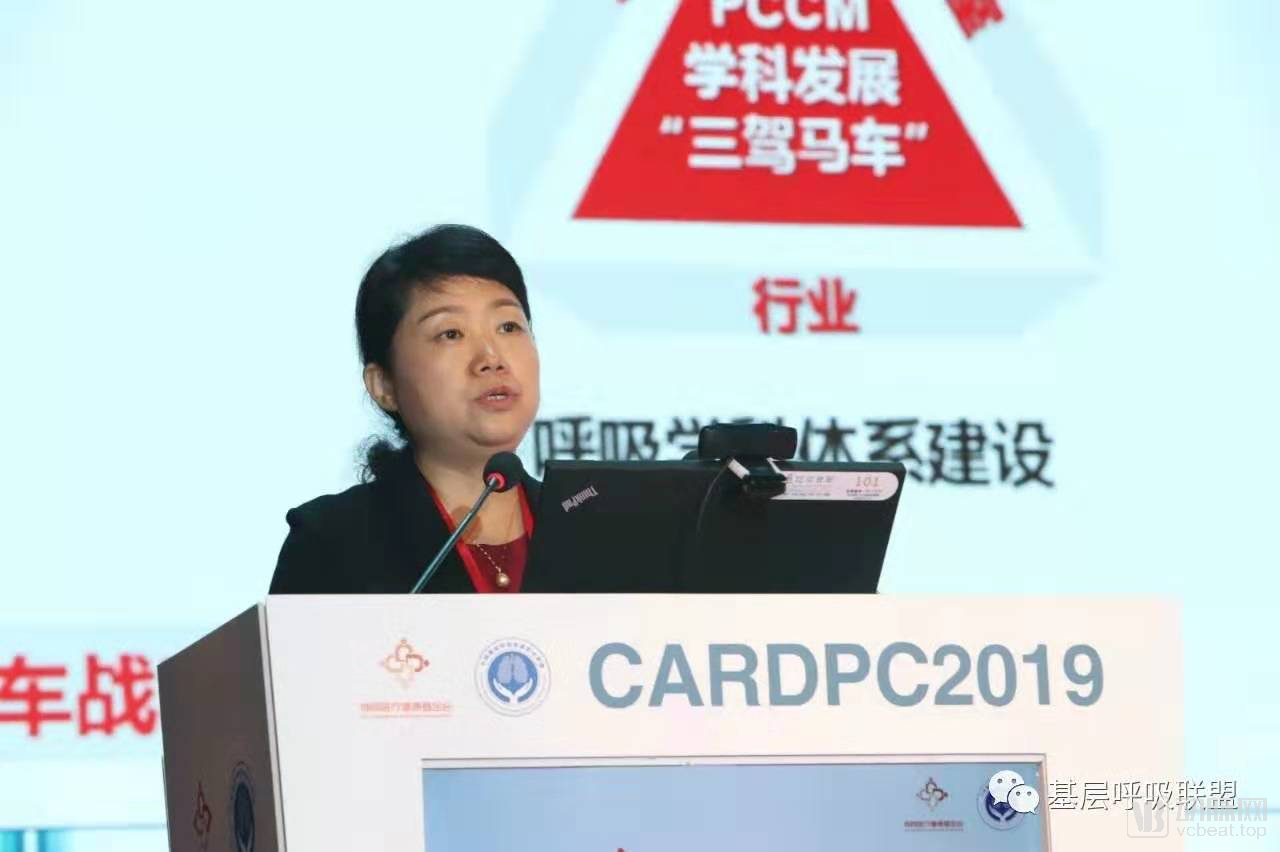
Professor Shi Zhihong from the First Affiliated Hospital of Xi’an Jiaotong University provided a detailed introduction on how the Shaanxi Provincial Primary Care Respiratory Disease Prevention and Treatment Alliance enhances the diagnosis and treatment capabilities for respiratory diseases at the primary care level. He elaborated on this topic from four perspectives: “Mission,” “Initiation,” “Progression,” and “Summary.” Professor Shi presented and listed the relevant activities carried out by the Alliance and shared its operational experiences. He stated that the Alliance has always prioritized discipline development and talent cultivation, will continue to establish demonstration zones to strengthen its influence, and will make every effort to extend all activities to the most grassroots levels. Furthermore, in the current year, the Alliance has designated the training and capacity building of primary hospitals as a key focus, aiming to significantly improve medical facilities for respiratory diseases at the primary care level and continue promoting the construction of Pulmonary and Critical Care Medicine (PCCM) specialties across hospitals at all levels in Shaanxi Province.
Hilary Pinnock: “How Scientific Research Changes Clinical Practice”
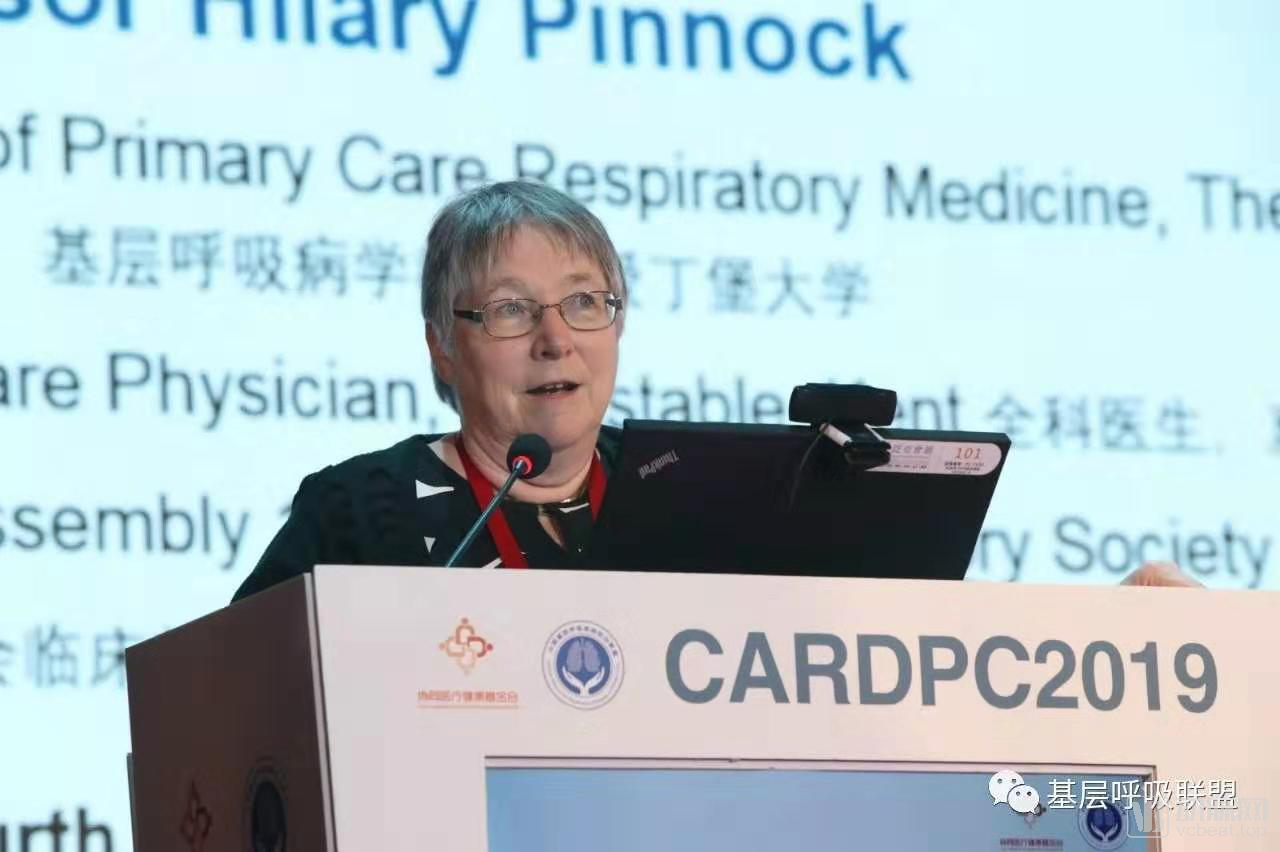
Professor Hilary Pinnock from the International Primary Care Respiratory Group delivered a lecture titled “How Scientific Research Changes Clinical Practice.” Professor Pinnock raised two key questions: Are interventions truly effective? And are they effective in my specific work environment? Starting from these two questions, she provided a detailed introduction to the relationship between scientific research and clinical practice. She noted that they conducted a meta-analysis of 270 randomized controlled trials. The results showed that guided self-management for asthma significantly reduces asthma-related disability, hospitalizations, emergency department visits, and unscheduled outpatient consultations. Furthermore, this approach was found to be effective across older adults, children, and adults.Translating these research findings back to clinical practice, she pointed out that 30% of patients in the UK have an Asthma Action Plan, with similar data observed in other countries. However, do patients in China also have Asthma Action Plans? She suggested that this question could serve as a valuable research topic. The focus of implementation research lies in how to integrate interventions into clinical workflows. Drawing on experience from Finland, she emphasized the need to actively engage patients, train and mobilize healthcare professionals, and prioritize the implementation of facilitative and supportive organizational structures for self-management strategies. Based on these experiences, they designed the IMPART project, which aims to incorporate improved asthma self-management plans into routine clinical practice.