

Inaugural Tencent Medical ME Conference Held Under Theme 'Questions of Life', Illuminating Authoritative Medical Science Communication
On November 4, 2019, the inaugural Tencent Medical ME Conference (hereinafter referred to as the “ME Conference”) was held in Beijing. Leading medical scientists from around the world convened to showcase the latest frontier advances in medical fields such as cancer and AIDS, foster connections between pioneering medicine and public health, and promote a grounded understanding of authentic medical science.
This ME Conference was jointly organized by Tencent and its subsidiary, Tencent Medical Dictionary, in collaboration with NEJM Frontiers of Medicine (a journal under the New England Journal of Medicine [NEJM] Group, a leading global general medical journal).
On the eve of the ME Conference, Ma Huateng, Chairman and CEO of Tencent, delivered a message expressing his hope that the conference would “guide more people to value life and understand themselves, improve public health through authoritative medical science popularization, and alleviate the suffering caused by disease.” He further stated, “We hope ‘Tech for Good’ will become part of our corporate mission and vision, guiding us to use technology responsibly, avoid misuse, and prevent malicious use, so that rapid technological innovations can better benefit humanity.”
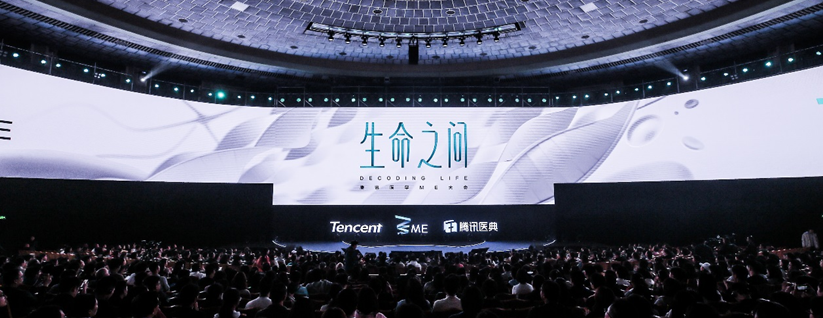 Figure: The Tencent Medicine ME Conference Officially Opens on November 4, Raising the Question of Life
The theme of the inaugural ME Conference is “The Question of Life,” aiming to illuminate public understanding of medicine through rational inquiry by exploring the microscopic world of the human body and tracing the path of human evolution. Distinguished attendees included Zhu Xiuxuan, Director of Liver Cancer Research at Massachusetts General Hospital (MGH); Li Taisheng, Director of the Department of Infectious Diseases at Peking Union Medical College Hospital, Chinese Academy of Medical Sciences; Fei Lipeng, Director of the Crisis Intervention Research Office at the Shanghai Mental Health Center; Xiao Ruiping, Executive Editor-in-Chief of NEJM Frontiers of Medicine and Director of the Institute of Molecular Medicine at Peking University; Tibor Kovacs, President of the European Society of Surgical Oncology; David P. Ryan, Clinical Director of the Cancer Center at Massachusetts General Hospital; special guest speaker Qiu Chen; and Zhang Meng, Vice President of Tencent Healthcare.
At this year’s ME Conference, leading global medical experts and distinguished guest speakers shared breakthrough advances and research findings in pioneering fields such as oncology, HIV/AIDS, and translational medicine. By delivering authoritative and accurate knowledge, they built a bridge between cutting-edge medical science and public health, tackling the challenges of extending average life expectancy, enabling more accessible treatments, and expanding therapeutic options for diseases.
Opening speaker Professor Zhu Xiuxuan is an internationally recognized authority in the fields of liver cancer and cholangiocarcinoma. He has led multiple pivotal, breakthrough clinical studies, bringing new therapeutic hope to patients with hepatobiliary cancers. In his speech, he stated, “Chinese patients account for half of the global burden of liver cancer. Precision medicine and targeted therapies have been implemented, and immune checkpoint inhibitors have become the standard of care for liver cancer treatment. The combination of immune checkpoint inhibitors and anti-angiogenic agents has achieved significant breakthroughs in liver cancer management. Recent advances in cholangiocarcinoma research are grounded in its genetic characteristics and newly identified actionable targets, leading to the development of novel targeted drugs. These advancements will offer greater survival hope to patients worldwide.”
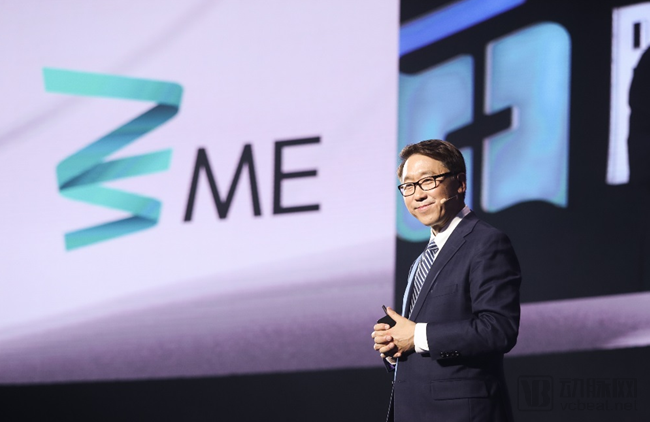
Figure: Zhu Xiuxuan believes that early diagnosis improves the cure rate of liver cancer
Li Taisheng has been dedicated to the diagnosis, treatment, and research of infectious diseases for many years. Over the past two decades, supported by the National Major Science and Technology Project on Infectious Diseases, he has made substantial contributions to the clinical diagnosis, treatment, and immunological research of HIV/AIDS, a major infectious disease in China. Through arduous efforts, Li and his team have pioneered a path for HIV/AIDS clinical research tailored to China’s specific conditions, steering the direction of clinical HIV/AIDS treatment in the country and significantly advancing the standard of HIV/AIDS care in China. The “Chinese Protocol” for further optimizing antiretroviral therapy for HIV/AIDS, developed under his leadership, has been incorporated into the Chinese Guidelines for Diagnosis and Treatment of HIV/AIDS (2018 Edition).
Thanks to the efforts of Professor Li Taisheng’s team, China’s antiretroviral therapy regimen has become the most cost-effective option available globally to date, offering a valuable model for other developing countries. “Our goal is to make HIV/AIDS a preventable and treatable chronic condition, much like diabetes and hypertension, so that patients who adhere to proper treatment can fully achieve a life with dignity and quality.” This is his vision for HIV/AIDS treatment.
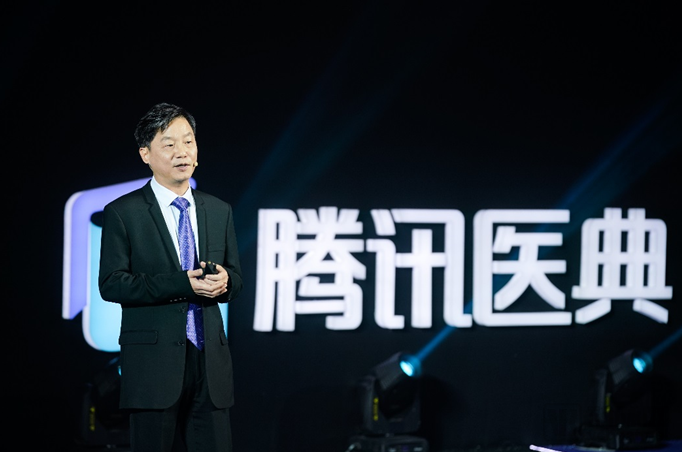
Figure: Li Taisheng Initiates “AIDS Questions” to Promote the Development of China’s HIV/AIDS Control Strategy
Michael Phillips, a Canadian scholar hailed as the “Norman Bethune of the contemporary era,” has dedicated decades to advancing China’s integrated clinical psychiatry and public health research on suicide. He led the establishment of China’s first systematic assistance and intervention institution for individuals at risk of suicide. He stated, “Suicide is not unpreventable. Suicide prevention requires concerted efforts from all sectors of society and is the responsibility of every individual. I hope more people will learn and understand the basics of suicide prevention, thereby strengthening the mental health literacy of the entire population.”
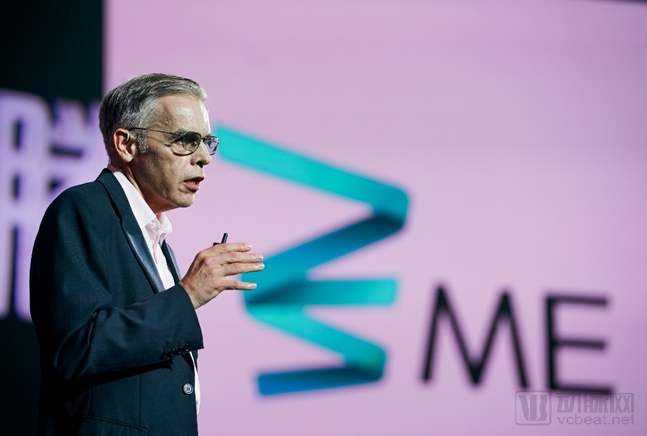
Figure: Fei Lipeng hopes to improve suicide intervention and prevention programs
Xiao Ruiping, the first Chinese Deputy Editor of The New England Journal of Medicine (NEJM), Executive Editor-in-Chief of NEJM Frontier in Medicine, and Director of the Institute of Molecular Medicine at Peking University, has built a two-way bridge for communication between China and the international community. She stated, “Chronic diseases such as cardiovascular disease and stroke have become the primary threat to public health in China. In recent years, the level of clinical research in China has improved significantly. We aim to introduce the most advanced international medical research and clinical practices into China, not only disseminating them to medical professionals but also ‘translating’ specialized information for the general public through reliable science popularization platforms.”
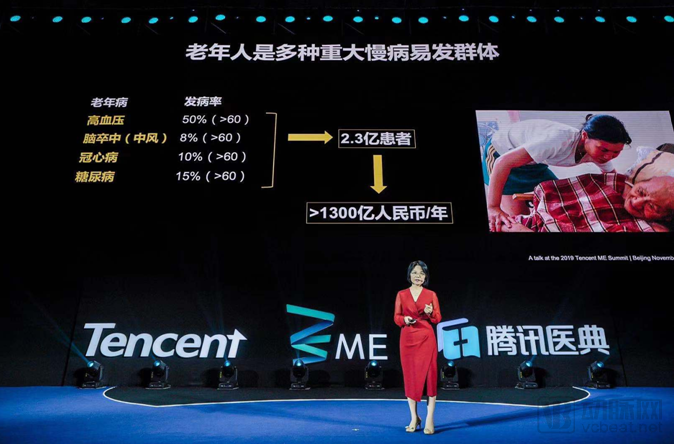
Figure: Xiao Ruiping hopes that advances in science and technology will drive the development of human medicine
Tibor Kovacs, who has driven innovations in breast cancer treatment technologies such as dermal flap-based breast reconstruction, shared his new perspective: “Surgery will undergo profound changes over the next 20 years. It will not only treat but also prevent diseases, becoming more minimally invasive, precise, and predictable. Technology is the most powerful force driving these changes.”
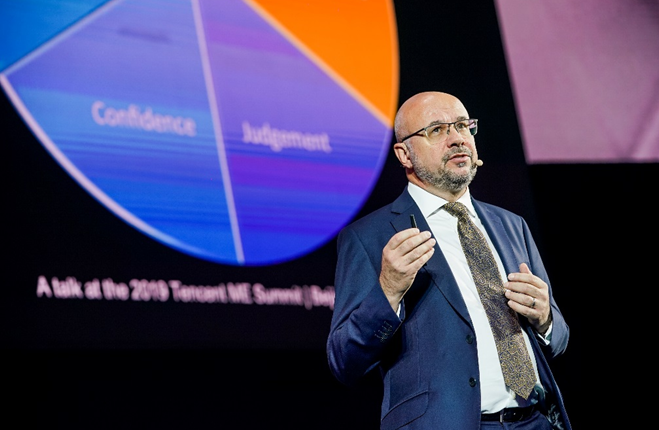
Figure: Tibor believes that surgeons should not merely perform technical procedures but should also become scientists.
David P. Ryan, Clinical Director of the Cancer Center at Massachusetts General Hospital and Tenured Professor at Harvard Medical School, has long been dedicated to research on gastrointestinal cancers as well as cancer research and public education in general. He remarked at the conference, “Targeted therapies, immunotherapies, liquid biopsies… various cancer treatments have emerged and are being continuously optimized. More importantly, cancer literacy can empower patients to comprehensively confront the disease by guiding them on how to make treatment choices, what preparations to make, how to collaborate with their physicians, and how to understand critical information related to their care.”
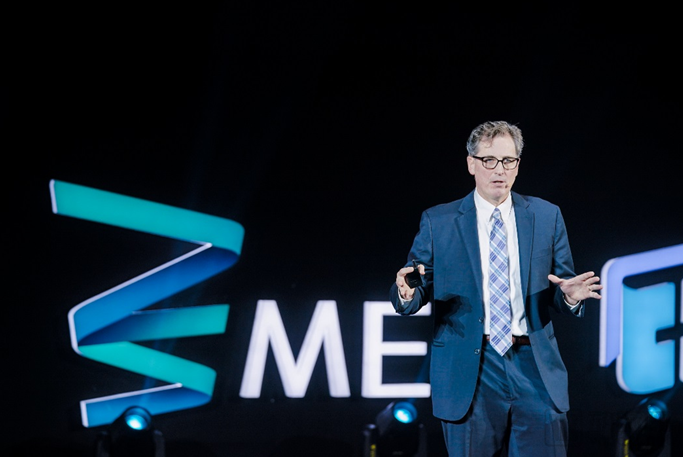
Figure: David shares the pathogenesis of cancer and new treatment methods
The ME Conference also invited renowned debater Qiu Chen as a special guest speaker for the “Questions of Life” segment. Qiu Chen believes that science popularization is not far removed from the lives of ordinary people: “We may all fear illness and death, but I think this fear largely stems from imagination of the unknown. Understanding is the first step toward overcoming fear, and effective science communication should be valued by every individual.”
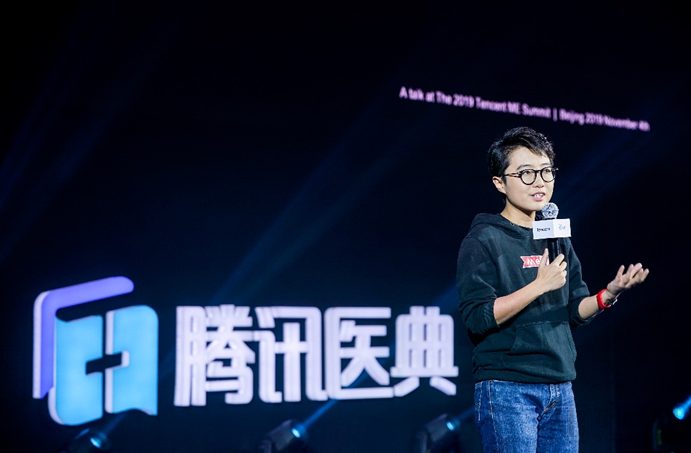
Figure: Qiu Chen, as a special guest speaker for "The Question of Life," shares stories on effective science communication
Explorations in frontier medicine are advancing humanity’s self-understanding and fundamentally enhancing the experience of health and life. Equally important is how these pioneering advances and medical knowledge are delivered into the hands of the general public.
In fact, many medical breakthroughs with the potential to transform countless lives remain unknown even to patients and primary care physicians. For instance, leukemia, once a source of widespread fear, now offers hope for certain types thanks to CAR-T cell immunotherapy; systemic lupus erythematosus, formerly dubbed the “undying cancer,” is becoming a chronic, manageable condition...
“Bridging the gap between clinical medicine and public perception, the internet, as the primary tool for information access, has become a pivotal force in medical science popularization.” However, Zhang Meng, Vice President of Tencent Healthcare, pointed out that false medical advertisements and pseudoscientific rumors lacking authoritative sources not only harm public health but also exacerbate doctor-patient tensions. He emphasized that online medical science popularization needs to be reshaped and move toward “deeper waters.”
“New internet-based medical science popularization should feature authoritative physicians as authors, incorporate cutting-edge knowledge as its core, uphold professionalism as its guiding principle, and be grounded in rational thinking, thereby making genuine medical knowledge accessible to the public, enhancing individuals’ ability to manage their own health, and reducing panic when facing disease,” said Zhang Meng.
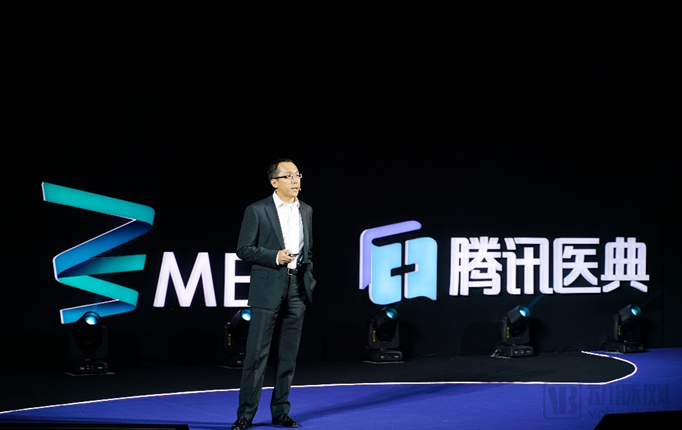
Figure: Zhang Meng, Vice President of Tencent Medical, Shares at the ME Conference How New Popular Science in Medicine Will Illuminate the Lighthouse of Health
To this end, Tencent has also created a professional medical science popularization platform—Tencent Medical Encyclopedia—centered on the principles of “professionalism, systematicity, ease of use, and openness,” to build a trustworthy new model of internet-based medical education.
In terms of specialization, Tencent Medical Dictionary has replaced the internet’s “editor-style content spinning” with content authored and reviewed by medical experts, establishing a new mainstay for popular science communication. In terms of systematization, it has constructed a structured medical knowledge tree covering all disciplines and multiple diseases, replacing isolated and fragmented medical information to create a new paradigm for medical science popularization. In terms of usability, it leverages rich media and 3D visualization technologies to make “hardcore knowledge” accessible and understandable, serving as a new vehicle for medical education; furthermore, by integrating with major content platforms boasting hundreds of millions of users—such as WeChat, QQ Browser, and Penguin Accounts—it ensures that medical knowledge is readily accessible on mobile internet. In terms of ecosystem building, it promotes medical science popularization through society-wide collaboration rather than isolated efforts, fostering a new ecosystem for advancing public medical education.
As of October 2019, Tencent Medical Encyclopedia had established collaborations with 3,000 medical experts, including over 100 academicians from the Chinese Academy of Sciences and the Chinese Academy of Engineering as well as discipline leaders. It covered more than 10,000 disease types, encompassing not only common conditions but also critical illnesses such as cancer and chronic diseases. The official WeChat accounts of multiple medical institutions, including Fudan University Shanghai Cancer Center, Sun Yat-sen University Cancer Center, and Guangdong Provincial People's Hospital, have integrated popular science content from Tencent Medical Encyclopedia to provide professional medical guidance to patients.
In addition, Tencent Medical Encyclopedia has partnered with the News Center of the National Medical Products Administration to promote public education on medication safety. In August 2019, Tencent Medical Encyclopedia also entered into a strategic cooperation agreement with People’s Daily Online to jointly build an authoritative health science popularization think tank—“People’s Medical Encyclopedia.” Leveraging its structured disease knowledge graph as the core support, along with People’s Daily Online’s authoritative guidance and omni-media channel support, the initiative aims to fully implement the action plan for promoting science popularization content created by professional physicians, encouraging public sharing and dissemination of such content, and enhancing the health literacy of the general population.
The public’s eagerness and demand for medical knowledge urgently call for greater participation and collaborative efforts from authoritative medical experts and broader societal forces. In her congratulatory letter to the ME Conference, Tu Youyou, China’s first Nobel Laureate in Physiology or Medicine and recipient of the Medal of the Republic, pointed out: “Medical professionals should not only devote themselves to research in their respective fields but also assume the responsibility of disseminating accurate and authoritative medical knowledge to the public. Life and health are integral to the shared destiny of humanity, and the joint attention paid by the medical community and enterprises to popularizing medical science aligns with this developmental trend.”
At the conference, Tencent Medical Dictionary announced a joint launch of the “New Therapies, Good News” science communication column with NEJM Frontier. The initiative aims to deliver cutting-edge concepts and advances in clinical diagnosis and treatment to users through engaging, story-driven science communication.
Meanwhile, to better encourage more specialized physicians to join the professional health science communication ecosystem, both parties jointly launched the “Young Physicians’ Short-Video Science Communication Competition.” Through diverse short-video dissemination, the initiative aims to help young physicians embark on their journey in medical science communication, grow together with emerging stars in this field, and collectively deliver high-quality medical science content to the public.
“We are fully aware that the significant undertaking of medical science popularization cannot be accomplished by Tencent alone. We are committed to leveraging an open ecosystem to harness the collective wisdom of the medical community and the power of internet technology, jointly building a bridge of trust between healthcare professionals and the public.” Zhang Meng stated that the Tencent Medical ME Conference and Tencent Yidian represent only the first step in constructing a new paradigm for online medical science communication. Tencent will continue its efforts to make due contributions to improving the health literacy of the Chinese population.