

AstraZeneca and CICC Capital Launch $1B Global Healthcare Industry Fund at 2019 CIIE, Securing Over RMB 12 Billion in Deals Within Two Days
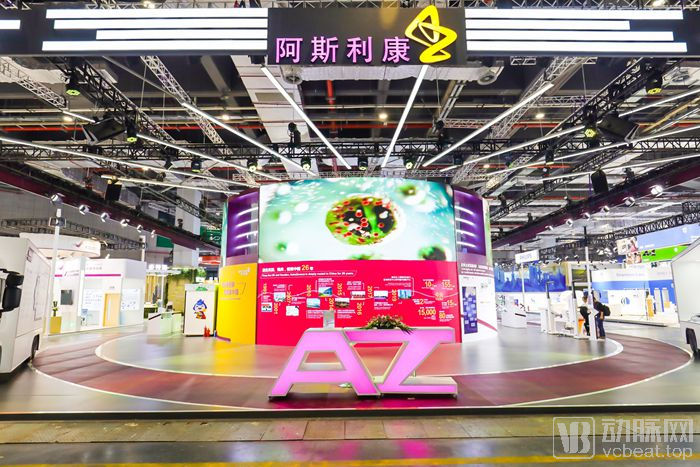
VCBeat (WeChat ID: vcbeat) reported from the site of the Second China International Import Expo (hereinafter referred to as the “CIIE”) that on November 6, AstraZeneca, a global leading biopharmaceutical company, made its appearance at the CIIE. Under the theme “Bringing Global Innovation to Benefit Healthy China,” AstraZeneca comprehensively showcased its substantial achievements in innovative drug R&D and in promoting emerging technologies and healthcare innovation.
Leveraging the global platform of the China International Import Expo (CIIE), AstraZeneca has announced several major collaborations to further deepen its development footprint in China. It is reported that the following phased achievements have been made to date:
1. Partnered with CICC Capital to establish a global healthcare industry fund;
2. Upgrade the existing Shanghai R&D platform into a Global R&D Center and establish an AI Innovation Center;
3. Reached a cooperation intention with India's largest pharmaceutical company to introduce multiple oncology drugs;
4. Collaborate with local enterprises to develop multiple small-molecule drugs;
5. Attract new innovative enterprises from home and abroad to settle in the Wuxi International Life Science Innovation Park;
6. Following the establishment of the Northern Headquarters, three additional regional headquarters were newly built, forming a layout covering the East, South, West, and North
Four regional headquarters, which will soon introduce globally innovative drugs for the treatment of cancer, hyperkalemia, and chronic obstructive pulmonary disease (COPD), respectively.
It is reported that AstraZeneca has signed deals worth more than RMB 12 billion in the first two days of the China International Import Expo.
AstraZeneca and CICC Capital Establish Global Healthcare Industry Fund
On the second day of the China International Import Expo (CIIE), AstraZeneca and CICC Capital made a major announcement that they will jointly establish a global healthcare industry fund. Leveraging AstraZeneca’s resource advantages from its deep engagement in the healthcare sector and CICC Capital’s expertise in investment management and capital operations, the fund will focus on the healthcare industry, expand overseas introductions and local incubation, and help Chinese innovations benefit the world.
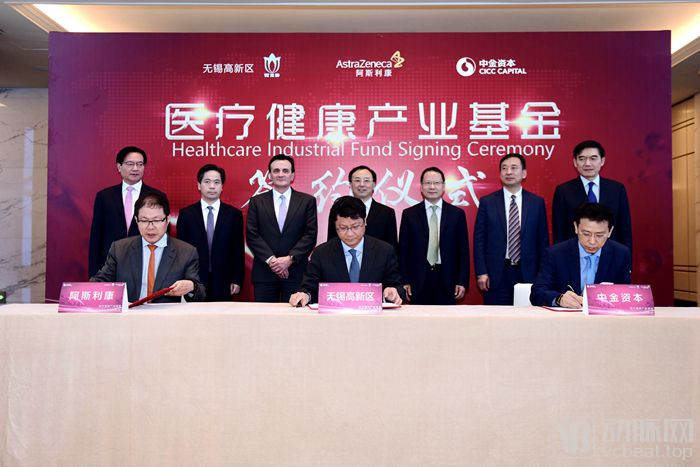
The fund will focus on, includingThe Full Industry Chain of Global New Drug R&D, Production Operations, and Commercialization Development, providing comprehensive support to innovative enterprises worldwide.
Lei Wang, Executive Vice President of AstraZeneca and President of International Business and China, stated, “The announcement of the fund’s establishment at the China International Import Expo holds special significance, marking another major step by AstraZeneca in introducing high-quality global innovative resources to China.”
This fund is the first and, to date, the largest healthcare industry fund launched globally by AstraZeneca, marking the company’s inaugural effort in China to engage with capital markets. It is expectedTarget Future Financing Volume to Reach $1 Billion。
Global R&D Center and AI Innovation Center Established in Shanghai
On the same day, AstraZeneca also announced a comprehensive upgrade of its strategic partnership with the Shanghai Municipal Government. Both parties will collaborate in areas such as new drug research and development, artificial intelligence (AI) in healthcare, and big data integration services to support the advancement of local medical innovation and benefit patients in China and around the world.
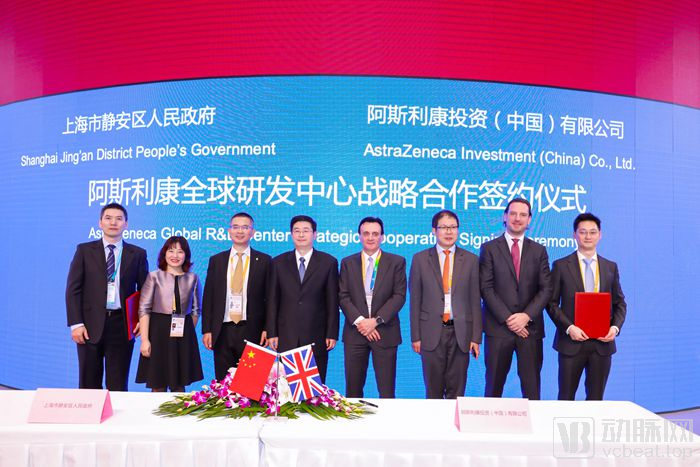
Through this collaboration,AstraZeneca's Shanghai R&D Platform to Be Upgraded into a Global R&D Center, focusing on disease areas with the most urgent patient needs, and further enhancing China’s strategic position in the global new drug development network by developing new capabilities in artificial intelligence, big data, bioanalysis, and translational medicine, thereby leveraging its core role in early-stage research and development and global market access.
This strategic transformation will accelerate the introduction of more domestic and global new drugs toEarly-stage development and incubation in China, accelerating the availability of global innovative drugs to patients in China.
Meanwhile, the Wuxi International Life Science Innovation Park, co-established by AstraZeneca and the Wuxi Municipal People’s Government, also secured numerous new cooperation intentions during this year’s China International Import Expo.
Tricog, a healthcare technology company from India, and Semantic Hub, an information technology company from Russia, as the first batch of enterprises to settle in, have officially obtained their business licenses. Meanwhile, Novoheart, a biotechnology company from Hong Kong, China, and Ninehealth Global Ltd. from the United Kingdom have signed settlement agreements with the industrial park. Additionally, the Australian Trade and Investment Commission has signed a letter of intent for strategic cooperation with the Innovation Park.
This marks another addition of new members to the Wuxi International Life Science Innovation Park, following the settlement of the first batch of ten enterprises this September.
Continuously Introducing Global New Drugs and Treatment Regimens to Benefit More Chinese Patients
As an international open platform for sharing, exchange, and cooperation, the China International Import Expo (CIIE) has brought more opportunities for companies from various countries to enter the Chinese market.
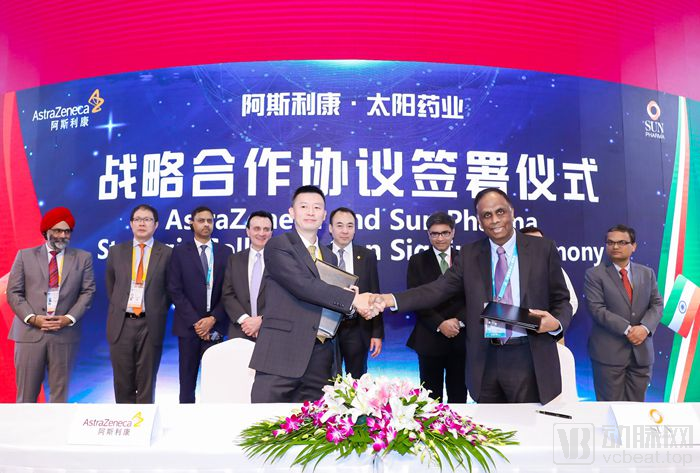
On the morning of the 6th, AstraZeneca attended the project announcement and signing ceremony for the interpretation of Beijing’s new round of policies on opening-up, hosted by the Beijing Municipal People’s Government, and withSun Pharma Officially Signs Cooperation Agreement, announced the introduction of India's Sun PharmaceuticalMultiple Oncology Drugs, which is another example of AstraZeneca leveraging the platform of the China International Import Expo to accelerate the introduction of high-quality global pharmaceuticals into China.
At this CIIE, AstraZeneca will also introduce Linzess® (linaclotide), the world’s first guanylate cyclase-C agonist, bringing hope to approximately 14 million adult patients in China with constipation-predominant irritable bowel syndrome.
The China International Import Expo (CIIE) has also provided fertile ground for fostering local industrial collaboration and unlocking the potential of domestic innovation. During the second CIIE, AstraZeneca partnered with local enterprises to advance the development of multiple small-molecule drugs. Specifically, AstraZeneca entered into a global exclusive licensing agreement with Antengene Corporation to promote the global clinical development and commercialization of the candidate drug AZD0364 for the treatment of lung cancer and other solid tumors.
AstraZeneca will also enter into a global exclusive licensing agreement with Shanghai Abide Biotherapeutics Co., Ltd. for the novel small-molecule anti-tumor inhibitor AZD4547.
In clinical studies, the small-molecule inhibitor AZD4547 demonstrated favorable tolerability and showed promising responses in patients with tumors harboring FGFR alterations. Meanwhile, AstraZeneca has entered into a global exclusive licensing agreement with Ningbo Taikang Pharmaceutical Technology Co., Ltd. for AZD3229, a small-molecule anti-tumor inhibitor targeting the treatment of gastrointestinal stromal tumors.
Discussing the significance of the China International Import Expo (CIIE) in introducing global new drugs and enhancing local pharmaceutical R&D capabilities, Lei Wang, Executive Vice President of AstraZeneca and President of International Business and China, stated, “The CIIE has demonstrated the immense potential of the Chinese market to foreign investors, including AstraZeneca, providing strong momentum for the introduction of overseas new drugs and the development of locally innovative medicines. Through the platform of the CIIE, AstraZeneca aims to bring more life-changing innovative drugs and diagnostic and therapeutic solutions to China, working hand in hand with domestic and international partners to further advance the globalization of healthcare in China.”
At the inaugural China International Import Expo, Fluimucil® (acetylcysteine) inhalation solution, imported by AstraZeneca from the renowned Italian pharmaceutical company Zambon Group, is projected to reach an import value of USD 100 million by the end of 2019, benefiting 7 million patients.
Similarly, Auryxia® (roxadustat), China’s first “first-in-class” new drug for the treatment of renal anemia, which was unveiled last year and developed in collaboration by FibroGen and AstraZeneca, has also been successfully launched this year. Its development mechanism, the “oxygen-sensing pathway,” was recently honored with the 2019 Nobel Prize in Physiology or Medicine.
Meanwhile, at the China International Import Expo (CIIE), AstraZeneca announced that, following the establishment of its Northern China headquarters in Beijing this September, it will set up three major regional headquarters for Western, Southern, and Eastern China in Chengdu, Guangzhou, and Hangzhou, respectively. This move will create a new development pattern in China, comprising its China headquarters in Shanghai plus four major regional headquarters.
The reporter learned that,Each Regional Headquarters Will Establish a Separate Commercial Innovation Center, and will soon introduce global innovative drugs and treatment regimens for conditions such as cancer, hyperkalemia, and chronic obstructive pulmonary disease (COPD). This initiative will help leverage the economic advantages and resources of its regional headquarters, empower grassroots markets, deepen the penetration of its innovation strategy, and benefit more patients in China.
Over the next five years, AstraZeneca will continue to accelerate the introduction of new drugs, with an expected55 New Products and New Indications to Be Approved in China。
“New” AstraZeneca Smart Healthcare Sparks Heated Debate
Pascal Soriot, Global CEO of AstraZeneca, attended the opening ceremony of this year’s China International Import Expo (CIIE) and delivered remarks at the sub-forum on Artificial Intelligence and Innovation-Driven Development. He stated, “Since the launch of reform and opening-up, China’s rapid development has captured global attention. China has become AstraZeneca’s second-largest market worldwide and a key platform for business growth, playing an increasingly vital role in our global innovation strategy. We are honored to participate as an exhibitor at the CIIE for two consecutive years. Through this open platform for exchange, we aim to share more of our visions for the future of healthcare and foster an interconnected ecosystem of medical innovation.”
At this year’s China International Import Expo (CIIE), following the launch of eight integrated diagnosis-and-treatment, whole-disease-course solutions last year, AstraZeneca unveiled six new solutions targeting cardiovascular care, nephrology, respiratory medicine, pharmacy, gynecologic oncology, and county-level healthcare. These include the “China Pharmaceutical Innovation Center,” “Cardiac Rehabilitation Center,” “Smart Healthcare Consortium,” “Chronic Kidney Disease Whole-Disease-Case Management Center,” “Integrated Women’s Oncology Prevention and Treatment Center – Ovarian Cancer,” and “Integrated Women’s Oncology Prevention and Treatment Center – Breast Cancer.” To date, AstraZeneca-supported innovative solutions have been successfully implemented in more than 1,400 hospitals across China.
At the same time, the AstraZeneca booth showcased a range of innovative healthcare scenarios for the public in therapeutic areas including respiratory, cardiovascular, oncology, gastrointestinal, metabolic, and renal diseases, unveiling refreshing new technologies shaping the future of medicine:
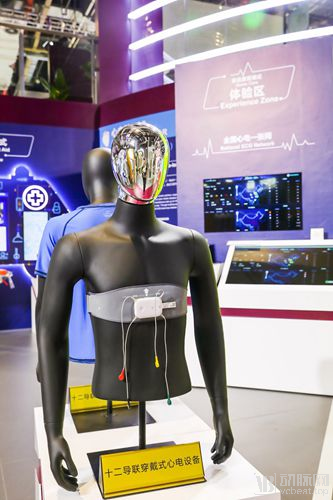
12-Lead Wearable ECG Device:By integrating an AI-assisted interpretation system, patients can receive real-time monitoring and alerts outside the hospital setting, helping to prevent events such as myocardial ischemia.
Self-Service Kidney Damage Detection Device:It offers great convenience to patients, who can self-service scan a QR code with their mobile phones to obtain microalbuminuria test strips, complete the test independently, and access the report.
RuiNing Pre-Sugar:By leveraging AI modeling, big data analytics, and novel algorithms, it is possible to predict the risk of cardiovascular disease occurrence over the next three years;
Intelligent AI Follow-up for Chronic Respiratory Diseases:Leveraging intelligent AI follow-up technology to facilitate effective disease management for patients with chronic respiratory conditions;
IT Bra:Having obtained U.S. FDA Class II medical device clearance, this technology effectively differentiates between benign and malignant breast lesions in high-risk populations by analyzing changes at the cellular metabolic level. It represents a novel, non-invasive, radiation-free, convenient, and rapid method for early monitoring.
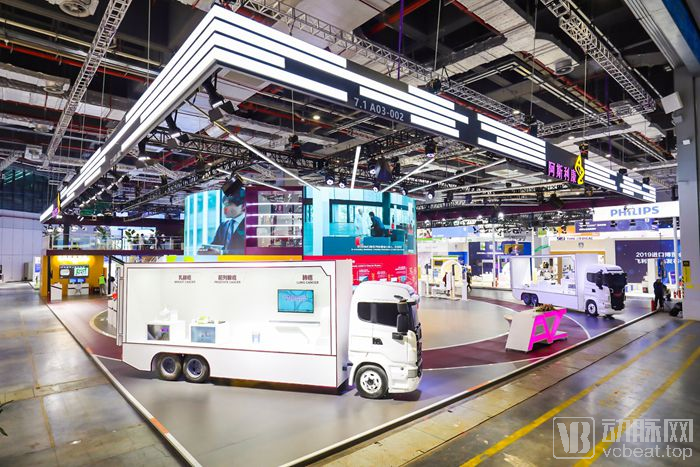
Mobile Oncology Screening Vehicles and Mobile Chronic Disease Screening Vehicles:Targeting grassroots communities and resource-limited areas lacking professional testing equipment or personnel, early screening, diagnosis, and treatment of tumors and chronic diseases are conducted for high-risk populations.
Capsule Magnetic Endoscopy:Patients need only swallow a small capsule weighing less than 5 grams with water, and a comfortable, reassuring, and accurate gastroscopy can be easily completed in approximately 15 minutes. Leveraging precise magnetic field control technology, the capsule captures 360-degree comprehensive images within the stomach. Artificial intelligence assists physicians in pinpointing lesions, while high-definition remote operation with zero latency is achievable via portable devices over 5G networks.
The China International Import Expo (CIIE) has established an open platform for global trade in goods and services, fostering shared prosperity in the global economy and promoting the mutual integration and exchange of cultural concepts. Seizing the opportunity presented by the second CIIE, AstraZeneca stated that it will continue to deepen its roots in China, actively embrace collaboration, and accelerate the convergence of global innovative expertise in China, thereby leveraging “Innovation in China” to benefit patients worldwide.