

Global Pharma and MedTech Giants Converge at 2019 China International Import Expo, Signaling Strong Confidence in Chinese Market
By Zhao Hongwei, Gao Daolong
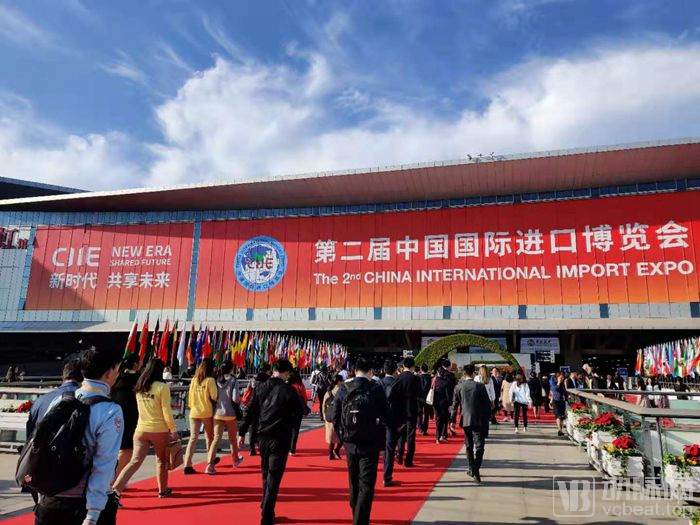
Recently, the Second China International Import Expo (hereinafter referred to as the “CIIE”) was held in Shanghai. More than 3,000 enterprises from over 150 countries and regions around the world signed up to participate. The exhibition area was expanded several times, yet booth spaces remained in high demand. This undoubtedly highlights the immense popularity of the CIIE.
Specifically in the healthcare industry, this conference attracted more than 60 medical device companies and over 20 pharmaceutical enterprises from around the world, with dedicated exhibition zones for medical devices and pharmaceutical health products. Major device manufacturers such as GE, Philips, Siemens, and Elekta were all present, while pharmaceutical giants including Novartis, Eli Lilly, Sanofi, and Pfizer are rapidly advancing cross-border collaborations to accelerate their strategic plans for the coming year.
At this year’s China International Import Expo (CIIE), more than 100 new products and technologies will make their debut in China, Asia, or even globally, making it no exaggeration to call the event a “premiere showcase” for new products and technologies. As the world’s second-largest economy, second-largest importer, and second-largest consumer market, companies are continuously launching localized and customized products and technological solutions tailored to the Chinese market, deepening their engagement with this vast landscape.
Beyond showcasing their capabilities, procurement and sales executives from several companies also took action at this year’s China International Import Expo (CIIE), engaging in discussions and signing cooperation agreements with brand owners interested in partnerships. With an increasingly open mindset toward global products, China has become a vibrant and sought-after market.
To gain insights into the latest products, technologies, and solutions in the healthcare industry, a reporter from VCBeat (WeChat ID: vcbeat) visited the China International Import Expo (CIIE) to document the highlights showcased by participating companies.
GE Healthcare
During the exhibition, GE Healthcare showcased a series of its latest innovations centered on “digitalization and intelligence.” In the realm of high-end intelligent imaging equipment, GE Healthcare exhibited the APEX CT, the world’s first AI-powered CT system with deep learning-based reconstruction algorithms to receive U.S. FDA clearance; the SIGNA™ Architect 3.0T, a premium MRI system featuring the disruptive AIR Technology™ platform and equipped with ultra-thin, blanket-like coils; and the LOGIQ E20, a dual-engine ultrasound system that delivers clearer imaging of minute lesions, enables automatic delineation and recognition via AI technology, and offers flexible connectivity to mobile devices such as smartphones and tablets.
In the realm of digital health applications, GE Healthcare comprehensively showcased its latest achievements from three perspectives: intelligent hospital management, cloud computing, and artificial intelligence (AI). These innovations include the APM Intelligent Medical Asset Management Platform and its new Radiology Command Center (RCC) application; cloud-based ECG and medical imaging solutions; as well as the latest AI-powered products built on the Edison platform, such as the “MURAL Intensive Care Command Center” (under development) and the “AI Analysis System for Coronary Medical Image Processing.”
Reporters learned that, in addition to revolutionary algorithms and innovations in the core imaging chain, APEX CT also integrates applications based on the Edison digital health intelligence platform. Within medical consortia or hospital groups with multiple campuses, automatic distribution protocols ensure synchronized scanning quality. Furthermore, intelligent subscription capabilities leverage edge computing to deliver timely software protocol updates, allowing users worldwide to simultaneously benefit from the latest technological advancements.
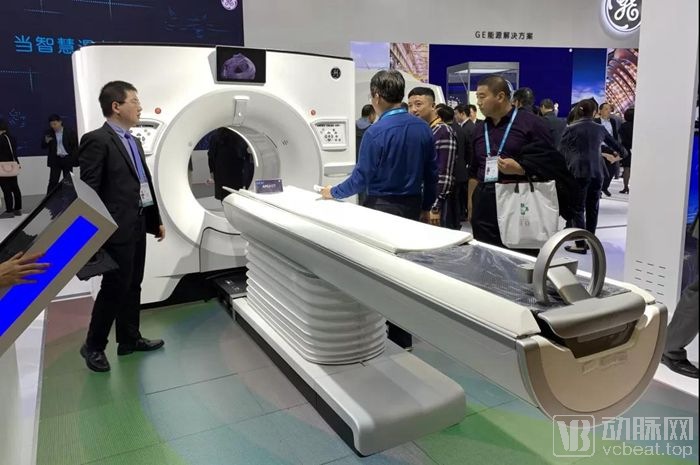
APEX CT Draws a Crowd
At the APEX CT launch event, GE HealthCare and Ruijin Hospital, Shanghai Jiao Tong University School of Medicine, signed a strategic cooperation agreement. Leveraging this innovative technology platform, both parties will engage in a series of collaborative research and clinical application initiatives to accelerate the translation of cutting-edge medical technologies into clinical outcomes, thereby serving patients and healthcare providers across China.
GE Healthcare and the Affiliated Hospital of Jiangnan University (Wuxi No. 4 People’s Hospital) signed a strategic cooperation agreement at the China International Import Expo (CIIE), formally introducing the “APM Large Imaging Equipment IoT Performance Solution.” The newly upgraded “IoT-enabled APM” builds upon the hospital’s existing Equipment Cloud Manager platform, enabling direct connectivity for large-scale medical equipment, in-depth operational data analysis, and flexible functional expansion. This solution not only facilitates unified management of multi-brand large medical imaging devices and allows on-demand access to rich, multi-dimensional data, but also achieves intelligent matching of clinical department needs. It comprehensively enhances asset utilization and operational efficiency, supports the development of smart hospitals, and collaboratively promotes the intelligent transformation of medical services and the implementation of IoT industry layout in Jiangsu Province.
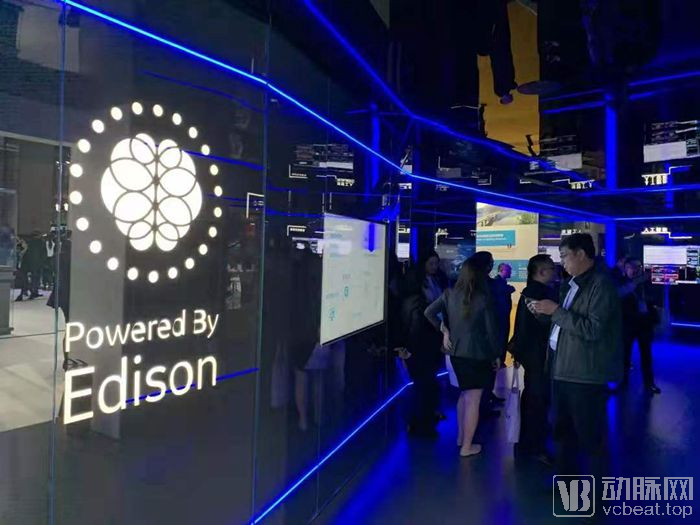
GE Healthcare APM Solution
As GE Healthcare’s first digital initiative tailored to the Chinese market, APM has been deployed in more than 1,500 hospitals across China, supporting over 300,000 medical devices. By enabling full-lifecycle management of medical equipment, APM delivers data visualization, platform standardization, and refined operational management, thereby integrating compliance, quality, and efficiency.
Zhang Yihao, President and Chief Executive Officer of GE Healthcare China, stated, “Over the past 40 years of being rooted in China, GE Healthcare has continuously witnessed and participated in the deepening development of China’s healthcare system reform. We have fulfilled our role as a ‘Partner for Healthy China,’ contributing to the sustainable development of China’s healthcare sector. In China, we remain closely aligned with the actual needs of three key markets: high-end healthcare, primary care, and non-public healthcare. We continue to invest, accelerate localization, and expedite the R&D and market launch of more innovative products. Furthermore, we are driving digital applications and advancing the ‘Intelligent Manufacturing in China’ of high-end medical devices, helping the Chinese healthcare industry address its most challenging issues and putting our commitment to ‘Care First’ into practice. In China, for China, and for a Healthy China.”
Philips
During this year’s China International Import Expo (CIIE), reporters focused on Philips’ radiology imaging equipment and intelligent information systems. In the field of medical imaging, Philips offers a comprehensive portfolio of diagnostic and therapeutic imaging products, including ultrasound, CT, MR, X-ray, PET/CT, and angiography systems. Leveraging deep clinical insights, Philips has integrated artificial intelligence modules into its devices, serving as a “third eye” for radiologists. This technology helps radiologists obtain high-quality images from a single scan and enhances diagnostic confidence and work efficiency, particularly in challenging cases involving complex or rare conditions.
On-site, several representative innovative products were showcased. For instance, the IQon CT, the world’s first spectral detector-based CT system, remains the only spectral detector CT available globally today. Unlike traditional CT scans that produce black-and-white images, spectral CT generates color-coded images. A single scan not only provides clearer imaging information but also distinguishes different materials through distinct colors, enabling various quantitative analyses of material composition. Consequently, many diseases can be diagnosed at an earlier stage using this quantitative data.
Philips Lumify, a high-definition probe-level portable ultrasound system, breaks through traditional technology. With its simple “probe-as-ultrasound” design, it can connect to smartphones, tablets, and other devices, delivering uncompromisingly clear images compared to conventional ultrasound systems, thereby providing a reliable basis for precise diagnosis.
The Philips Azurion platform is the core of an integrated image-guided therapy solution, developed over many years in close collaboration with key clinical partners in the field. Primarily used in interventional operating rooms, it provides image guidance for diagnostic, interventional, and minimally invasive procedures across vascular, non-vascular, cardiac, neurological, oncological, and hybrid settings, supporting both routine and complex surgeries.
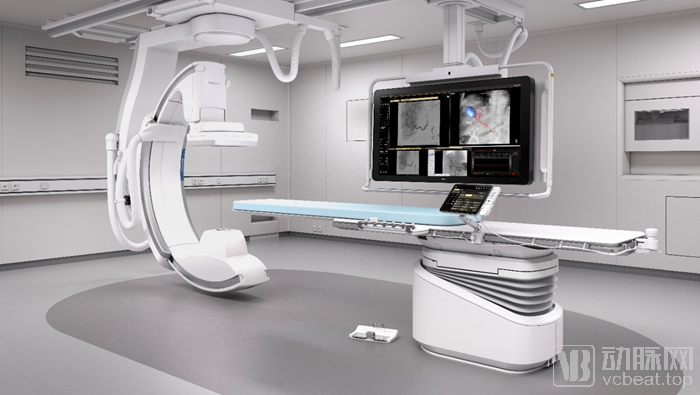
Philips Image-Guided Therapy Platform Azurion
Philips is transitioning toward “holistic solutions,” centering on customer needs by integrating smart devices, systems, software, and services to meet the clinical requirements of professional clients and address their management pain points. As one of the top five global healthcare IT companies, Philips also provides informatics solutions tailored to various clinical scenarios, offering customers decision support and process improvement.
At this year’s China International Import Expo, Philips also set up a small “5G-Enabled Connected Care” exhibition area to demonstrate how the features of 5G technology—in remote monitoring, precise indoor and outdoor positioning, communication, connectivity, and remote intervention—better empower connected care. Another highlight was its focus on cardiovascular and cerebrovascular diseases, oncology, radiology, critical care, and respiratory and sleep medicine, offering comprehensive solutions that cover the “entire continuum of health care,” including various systems, smart devices, software, and professional services.
He Guowei, President of Philips Greater China, stated, “Philips’ transformation is reflected in the fundamental shift in our relationship with customers. We are no longer merely a provider of individual products and devices; instead, we are committed to becoming our customers’ partners. Starting from their needs and pain points, we collaborate with them to co-create solutions best suited to their actual requirements, helping them achieve the ‘Quadruple Aim’: enhancing patient experience, improving clinical outcomes, increasing healthcare professional satisfaction, and reducing care costs.”
Siemens Healthineers
At this exhibition, Siemens Healthineers focused on four core showcase areas: Chest Pain/Stroke Center solutions, digital healthcare, 5G remote ultrasound, and mobile CT emergency vehicles, comprehensively demonstrating its capability and determination to empower local partners in shaping the future of China’s healthcare industry.
Siemens Healthineers offers integrated solutions that connect imaging diagnostics, laboratory diagnostics, and clinical treatment through information systems. These include the SOMATOM go.Top CT scanner, MAGNETOM Vida MRI system, Atellica fully automated biochemistry and immunoassay analysis solution, one-stop Angio-CT emergency care solution, and mobile CT examination centers. By providing innovative technical solutions, advanced equipment, and an informatized management platform for emergency care processes, Siemens Healthineers supports screening, diagnosis, treatment, and follow-up for chest pain and stroke. This helps reduce treatment times for chest pain and stroke, effectively improving survival outcomes for patients with cardiovascular and cerebrovascular diseases in China.
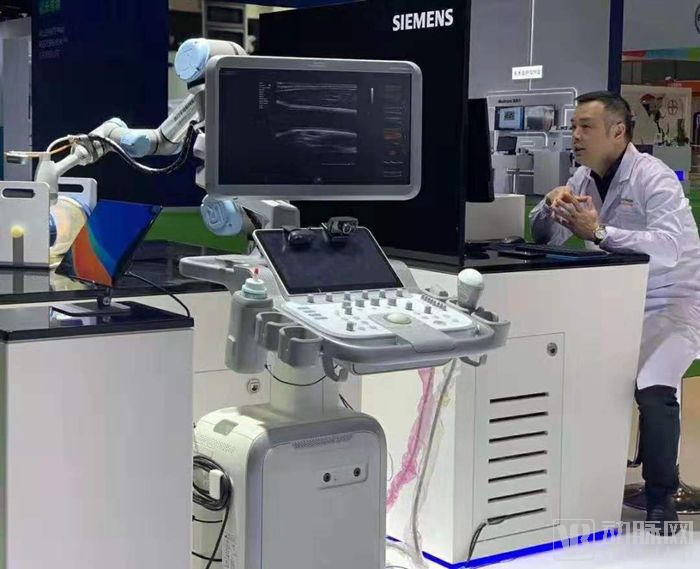
5G Remote Ultrasound Solution
At the China International Import Expo (CIIE), Siemens Healthineers connected via 5G-enabled remote ultrasound with the Ultrasound Department of the Shaoqing Street Community Health Service Center in Pengshui County, achieving real-time transmission of high-definition ultrasound images along with audio-video communication. This successfully facilitated remote consultation and technical support, providing patients with timely and accurate diagnoses.
Furthermore, artificial intelligence and digital technologies are accelerating their penetration into the healthcare sector, where they will play a significant driving role in precision medicine, tiered diagnosis and treatment, equipment maintenance, and service training. Siemens Healthineers has taken the lead in deploying advanced solutions to establish a strong presence in the digital healthcare domain.
Among these solutions, the cloud-based big data platform teamplay helps healthcare institutions rapidly and efficiently collect and analyze the vast amounts of data generated by imaging equipment, thereby optimizing equipment utilization efficiency and enhancing clinical and financial performance. PEPconnect, a specialized and personalized cloud-based medical education platform designed for healthcare professionals, offers over 7,000 courses covering medical imaging diagnosis and therapy, laboratory diagnostics, point-of-care testing, and more. Tailored to Chinese users, the platform continuously launches new Chinese-language courses and enriches its training content in response to the needs of medical staff. LifeNet, an online service management platform customized for hospital equipment management, features three core capabilities: real-time monitoring, scheduled services, and document management. It provides customers with real-time interaction and efficient, transparent services, minimizing downtime and helping customers maximize value.
Mr. Wang Hao, President of Siemens Healthineers Greater China, stated, “Since the launch of the first X-ray machine in China in 1899, Siemens Healthineers has witnessed and participated in the development of China’s healthcare industry. The second China International Import Expo (CIIE) has allowed us to feel the strong public demand for high-quality medical services and see the vast opportunities in the Chinese market. We hope to seize the opportunity presented by the CIIE to embrace a more open Chinese market. By providing diverse and innovative products and solutions, we aim to help healthcare providers in China enhance their value, extend the benefits of high-quality medical care to more people, and contribute to the realization of the ‘Healthy China’ dream.”
Fosun Health
On November 6, the Fosun Health booth witnessed its first wave of signing peaks, covering multiple products such as the da Vinci Surgical System, mobile CT stroke ambulances, BodyTom CT, CereTom CT, orthopedic surgical navigation systems, and the EOS 3D full-body digital imaging system. As of that day, letters of intent had been signed with a total of 22 hospitals across 14 provinces, municipalities, and autonomous regions, including Tianjin, Jiangxi, Xi’an, Yunnan, and Chongqing.
Following its debut at the 2018 China International Import Expo (CIIE), Intuitive Fosun has once again become the center of attention. To date, it has signed letters of intent with 17 hospitals across 13 provinces, municipalities, and autonomous regions, including Tianjin, Jiangxi, Xi’an, Kunming, and Chongqing. Intuitive Fosun looks forward to benefiting more patients in the future.
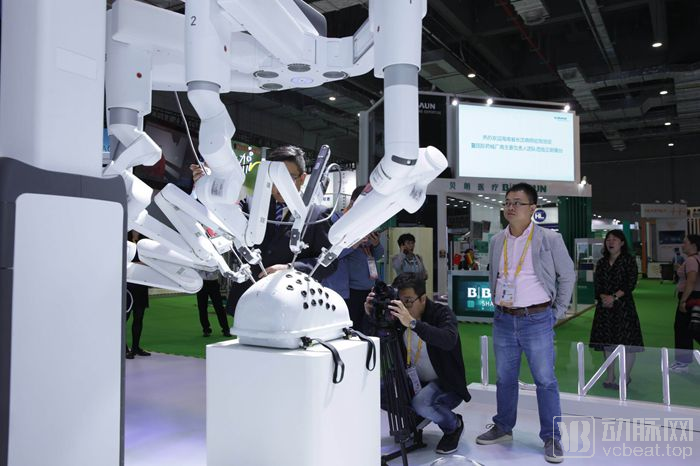
Da Vinci Surgical Robot
The da Vinci Surgical System is distributed across 66 countries worldwide, providing innovative technological solutions for specialties including cardiac, thoracic, urologic, gynecologic, colorectal, pediatric, and general surgery. Every 30 seconds, a da Vinci surgeon performs a da Vinci procedure. There are more than 5,000 da Vinci Surgical Systems installed in hospitals around the globe.
To date, more than 6 million surgeries have been performed worldwide, with 1 million procedures conducted in 2018 alone. In mainland China, 102 da Vinci Surgical Systems have been installed across 84 hospitals, while an additional 8 systems are operational in the Hong Kong Special Administrative Region, contributing to a cumulative total of 120,000 surgeries in these regions.
The mobile CT stroke ambulance showcased at this exhibition is China’s first mobile stroke emergency unit, assembled by integrating advanced medical devices, diagnostic tools, and telemedicine equipment imported from multiple countries, including the United States, Germany, Italy, and Spain. On the 6th, the mobile CT stroke ambulance, making its debut at the China International Import Expo (CIIE), reached a procurement agreement with Xuzhou Mining Group General Hospital and completed the on-site signing ceremony.
Chen Qiyu, Co-President of Fosun International and Chairman of Fosun Pharma, stated, “At this year’s China International Import Expo (CIIE), our medical device products—including the mobile CT stroke emergency ambulance making its debut, as well as the BodyTom CT, CereTom CT, and orthopedic surgical navigation systems—have attracted widespread attention and resulted in multiple on-site contract signings. We aim to leverage the CIIE platform to raise awareness of cutting-edge technologies and products in the healthcare sector, striving through our efforts to better enhance people’s lives and health with medical technology.”
Elekta
At the second China International Import Expo, Elekta invited Professor Sun Ying from the Department of Radiation Oncology at Sun Yat-sen University Cancer Center, who was located thousands of miles away, to remotely guide four radiation oncologists from The Sixth Affiliated Hospital of Sun Yat-sen University, Yuebei People's Hospital, Beijing You'anmen Hospital, and Shanghai Yangpu District Shidong Hospital via 5G technology. They conducted a collaborative demonstration among Beijing, Guangzhou, and Shanghai on complex target volume delineation for nasopharyngeal carcinoma using artificial intelligence (AI) at the Elekta booth.
The AI-based contouring system for nasopharyngeal carcinoma radiotherapy showcased this time represents another independent innovation by Professor Sun Ying’s team, in collaboration with the School of Mathematics and Computer Science at Sun Yat-sen University, Guangzhou Best Vision Medical Technology Co., Ltd., and Elekta from Sweden.
Based on extensive contouring data samples provided by Professor Sun’s team at Sun Yat-sen University Cancer Center, this system has developed a standard target volume model for nasopharyngeal carcinoma through deep learning in artificial intelligence. Currently, this solution, which adheres to the contouring standards and expertise of Sun Yat-sen University Cancer Center, has been implemented in multiple hospitals. On one hand, its contouring accuracy has reached an impressive 90%; on the other hand, it enhances contouring efficiency through rapid delineation, significantly reducing patients’ waiting time for treatment.
In addition, as this AI system is currently capable of integrating with Elekta Monaco®Seamless integration with the planning system not only simplifies the data transmission process but also further enhances the operational efficiency of the radiology department.
Aosendo
Ortho Clinical Diagnostics, a global leader in in vitro diagnostics, makes its debut at the China International Import Expo. With a history spanning more than 75 years, Ortho Clinical Diagnostics is a global leader in the in vitro diagnostics industry. The company is dedicated to advancing clinical laboratory testing and safe blood transfusion, primarily serving customers such as clinical laboratories, blood transfusion departments, and blood banks. As of 2017, Ortho Clinical Diagnostics China had provided professional products and services to more than 2,000 hospitals across China, delivering accurate and rapid test results for tens of thousands of patients.
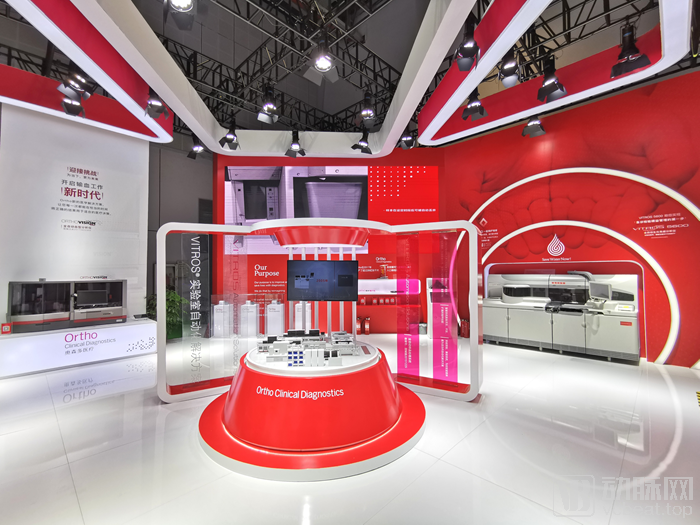
Aosenduo Focuses on In Vitro Diagnostics
Ortho Clinical Diagnostics is globally renowned as the pioneer of advanced, proprietary multilayer dry chemistry film technology, the inventor of Rhogam (a sterile solution for intramuscular (IM) injection containing IgG anti-D (anti-Rh) antibodies derived from human plasma, classified as a therapeutic immune serum and immunoglobulin) and hepatitis C antibody testing reagents, and the world’s largest developer, manufacturer, and supplier of safe blood transfusion products.
Since the first fully automated chemistry analyzer, the VITROS 750, entered China in 1994, Ortho Clinical Diagnostics has been deeply engaged in the Chinese in vitro diagnostics market for over two decades. After twenty years in the Chinese market, Ortho Clinical Diagnostics has gained widespread recognition from emergency clinical laboratories due to the speed, convenience, reliable results, and robust interference resistance of its multi-layer dry chemistry technology. It has become one of the leading providers of emergency testing equipment, reagents, and solutions in the Chinese market.
Lamei Medical
Last year, United Imaging Healthcare participated in the inaugural China International Import Expo (CIIE), showcasing the world’s first MRI system designed for infants and young children. At this year’s CIIE, the company unveiled EMMA, the world’s first AI-powered dedicated breast MRI system developed for breast cancer screening. Leveraging an AI-based big data image interpretation platform, the system enables early screening via breast MRI, providing an efficient, precise, rapid, and safe examination method for population-wide breast tumor screening.
The EMMA system received FDA clearance in early 2019. The company plans to collaborate with hospitals and private medical diagnostic institutions in China and other parts of Asia to establish breast tumor screening centers, significantly reducing screening costs through digital health innovations such as artificial intelligence and remote diagnosis.
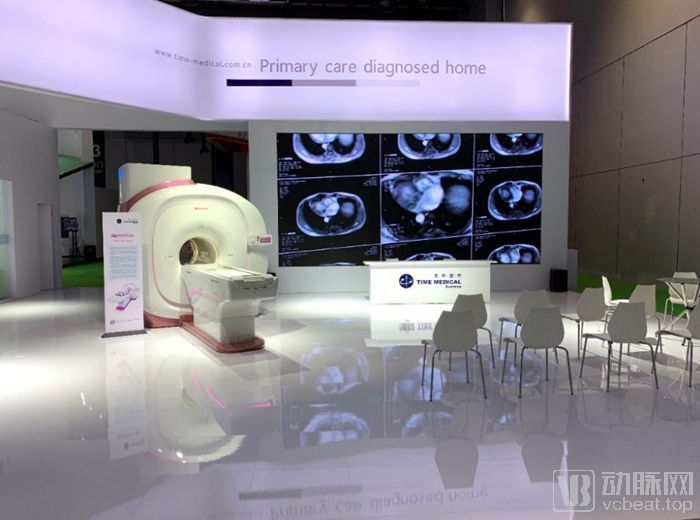
The EMMA system received FDA clearance in early 2019.
At this year’s China International Import Expo (CIIE), Medtronic also showcased NOVA, its ultra-high-field 9T biological magnetic resonance imaging (MRI) system capable of sodium atom imaging. Sodium MRI enables direct visualization of cancer cells, offering a safe, rapid, and precise diagnostic approach for malignant tumors such as brain and breast cancers. The 9T biological MRI system is a proprietary product developed by the company and was exhibited in Asia for the first time.
Thermo Fisher
To provide the audience with a more comprehensive overview of its new 2019 product lineup, Thermo Fisher Scientific not only constructed a massive booth at the China International Import Expo (CIIE) but also leveraged live-streaming platforms to launch several products making their debut in 2019.
On-site, Thermo Fisher Scientific’s Thermo Scientific™ Sensititre™ Aris HiQ Automated Microbial Identification and Antimicrobial Susceptibility Testing System facilitates the timely detection of novel resistance phenotypes, monitors resistance trends, and provides up-to-date antibiotic selection options to support patient recovery.
The other Thermo Scientific™ Nicolet™ Summit Fourier Transform Infrared Spectrometer is suitable for routine laboratory applications, significantly saving sample testing time.
Through a live broadcast, Thermo Fisher Scientific unveiled four flagship products:
Thermo Scientific™ Orbitrap Exploris 480 Mass Spectrometer: A more compact, higher-performance mass spectrometer with powerful capabilities for disease diagnosis discovery;
Applied Biosystems™ QuantStudio™ 6/7 Pro Intelligent Real-Time Quantitative PCR System: The world’s first intelligent quantitative PCR system, incorporating facial recognition, voice interaction, radio-frequency identification (RFID), and cloud-based services to deliver a more efficient and intelligent research workflow;
Thermo Scientific™ Heraeus X4 Pro Benchtop Refrigerated Centrifuge: A benchtop refrigerated centrifuge with ultra-high throughput capacity, designed to meet the demands of diverse centrifugation applications;
Thermo Scientific™ Orion™ 8010cX Ammonia Nitrogen Auto-Monitor: Professionally designed to achieve precise online measurement of ammonia nitrogen in water bodies under complex operating conditions, meeting the requirements of process control and emission regulations.
In contrast to the trend-driven exhibits by medical device giants, major pharmaceutical companies focused on new product launches and cross-border collaborations, unleashing a year’s accumulated momentum at the China International Import Expo.
Novartis
At this year’s China International Import Expo (CIIE), Novartis accomplished two major milestones. First, in partnership with Tencent, it launched “Hu Xin Xiao Ai (AI),” the first artificial intelligence–based disease management platform for heart failure in China. Second, it established the “Eye Health Alliance” together with renowned experts, including Academician Ning Guang of the Chinese Academy of Engineering, Professor Li Xiaoxin, President of Xiamen Eye Center, and Professor Xu Xun, Vice Chairman of the Ophthalmology Branch of the Chinese Medical Association. Although these initiatives target different therapeutic areas, both aim to address chronic diseases that impose a substantial burden on patients and their families in China.
Among these initiatives, the launch of “Heart Care Xiao Ai” was made possible by the Novartis-Tencent collaborative team’s deep insight into the real needs of patients and their families. Leveraging WeChat Mini Programs as its platform and harnessing the power of artificial intelligence, it offers interactive features such as voice and image recognition. It provides patients and their families with daily metric monitoring, health status assessments, and personalized information. The lightweight nature of WeChat Mini Programs further enables disease management to seamlessly accompany users in their daily lives.
Dr. Fan Wei, Dean of the Tencent Medical AI Research Institute and Head of the Tencent Medical AI Laboratory, stated: “‘Hu Xin Xiao Ai’ was developed based on a deep understanding of the pain points faced by heart failure patients. By leveraging artificial intelligence technology, it establishes a novel disease management model featuring single-platform, multi-functional coverage. This provides patients with a more convenient, uninterrupted, and comprehensive self-management experience, while also alleviating the heavy burden associated with frequent hospital readmissions.”
It is reported that “Hu Xin Xiao Ai,” unveiled at this year’s China International Import Expo (CIIE), is a preliminary beta version and has not yet been officially launched for patient registration and use. Following the release of the beta version, each functional module will be gradually refined based on patient feedback to better assist patients in disease management. The full version of “Hu Xin Xiao Ai” is scheduled to complete all development in the first half of 2020 and will be officially launched for the broad population of heart failure patients.
In contrast, the establishment of the “Eye Health Alliance” aims to address vision impairment affecting at least one billion people. Specifically, the Alliance will focus on six major blinding conditions: cataracts, glaucoma, diabetic retinopathy, corneal diseases, age-related macular degeneration, and high myopia. It seeks to achieve the objectives outlined in China’s 13th Five-Year Plan for National Eye Health by standardizing clinical ophthalmic diagnosis and treatment protocols, implementing specialist physician training and certification, fostering collaborative research, advancing the deployment of “Vision Centers,” streamlining inter-departmental referral pathways, and exploring models for collaborative eye disease management.
In addition, the Alliance will focus on actively exploring collaborations with artificial intelligence enterprises, advancing the collection of big data on eye diseases and informatization construction, standardizing data accumulated by numerous hospitals, and extending ophthalmic screening and prevention services to more grassroots levels.
Ms. Zhang Ying, President of Novartis China, an industry representative participating in the launch of the Alliance, stated, “Novartis has long been committed to supporting the development of eye health in China. With the launch of the Eye Health Alliance, Novartis aims to contribute its efforts to blindness prevention and treatment in the country. Moving forward, Novartis will continue to fulfill its corporate social responsibility by strengthening collaboration with ophthalmology experts, medical institutions, and organizations, exploring cross-sector partnerships, and promoting early diagnosis and screening as well as enhancing clinical care for eye diseases. Together, we will safeguard patients’ vision and support the advancement of eye health in China.”
Sanofi
At this year’s China International Import Expo, the world’s first oral novel therapy for multiple sclerosis—“Ozanimod”—made its debut. Developed by Sanofi, the drug was approved in the United States in September 2012 and has recently been launched in China.
The other five innovative new drugs and vaccines showcased at the conference were also exhibited by Sanofi for the first time: Dupixent, a targeted biologic for the treatment of moderate-to-severe atopic dermatitis in adults; Praluent, a novel lipid-lowering PCSK9 monoclonal antibody; Toujeo, a new-generation long-acting insulin; and two vaccines, including Flublok, the world’s first and only approved recombinant protein-based influenza vaccine, and the world’s only fully liquid, ready-to-use, preservative-free hexavalent vaccine.
In the cutting-edge field of “AI + New Drug R&D,” Anish Shindore, Head of Sanofi’s Global Digital Acceleration Center, joined Emotibot, Atman, and Gyenno at the venue to jointly discuss the impact and challenges that big data, blockchain, and AI technologies bring to the pharmaceutical industry.
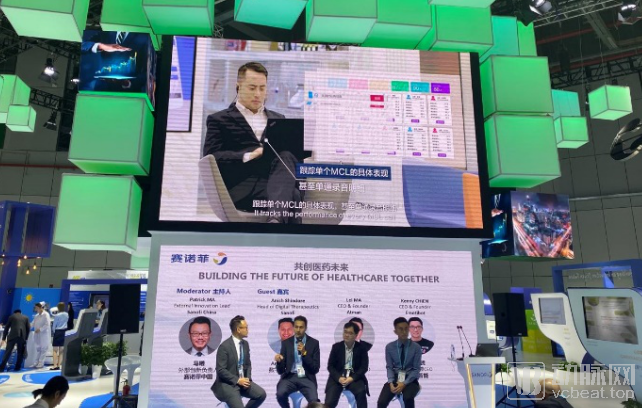
“It is not about massive amounts of data, but rather about transforming valuable data into knowledge, applying it to specific scenarios, and delivering it to the right people at the right time,” stated Anish Shindore during the discussion. He also acknowledged the significant commercial and social value generated by the integration of blockchain technology with data.
Eli Lilly
After missing the inaugural China International Import Expo (CIIE), Eli Lilly and Company brought more than just new products to this year’s event; it comprehensively showcased its high-quality manufacturing capabilities, innovative solutions, and local R&D collaboration cases.
At the exhibition booth, Eli Lilly showcased its two latest blockbuster drugs approved for market launch this year, including Mounjaro, a once-weekly medication that helps patients manage diabetes scientifically.®(Dulaglutide), as well as Taltz, the new psoriasis drug approved in September, keeping pace with global new drug launches®(Ixekizumab Injection).
In addition, Eli Lilly’s insulin filling plant in Suzhou, expanded with an investment of RMB 2 billion in 2014, has been completed. The facility features a complete production line covering insulin formulation, filling, testing, and packaging, enabling independent manufacturing of insulin products. Once operational, it will supply insulin biologics to the European Union and Chinese markets.
Regarding the question of why Suzhou was chosen as a core production hub for Eli Lilly, Fang Borui, General Manager of Eli Lilly Suzhou Pharmaceutical Co., Ltd., told VCBeat: “Suzhou boasts advantages in talent, policies, and ecological environment that many other Chinese cities do not have. First, numerous prestigious universities in China are located around the Suzhou Industrial Park, enabling Eli Lilly to recruit and attract talent from these institutions ahead of others. Second, Suzhou offers a highly business-friendly environment; the Suzhou Industrial Park Administration pays close attention to the needs of enterprises within the park and has provided substantial support to Eli Lilly. Third, the Suzhou Industrial Park has developed a robust medical ecosystem, with many innovative companies establishing their presence there, creating favorable conditions for collaboration between multinational corporations and local Chinese partners.”
Speaking of the future, Jyrki Filppula, President and General Manager of Eli Lilly China, stated, “Upholding our commitment to care and discovery, Eli Lilly is dedicated to developing innovative medicines that help people around the world live better lives. Through internal R&D, supporting local biopharmaceutical startups, and forging strong partnerships with domestic pharmaceutical companies, we identify R&D innovations that deliver tangible benefits to patients and strive to become the partner of choice. We will accelerate product launches to make more innovative medicines accessible to patients in China. Over the next decade, we expect to introduce 40 new drugs (including new indications) to the Chinese market.”
Pfizer
In the second week of May 2019, Pfizer’s innovative lung cancer drug designed to improve overall survival in patients with EGFR-mutated non-small cell lung cancer (NSCLC), along with a novel antibiotic for the “treatment of multidrug-resistant Gram-negative bacterial infections,” received consecutive approvals in China. Both medications were also showcased at the Shanghai National Exhibition and Convention Center during this year’s China International Import Expo (CIIE).
In terms of cross-border collaboration, Pfizer and KingMed Diagnostics signed an agreement under the theme “Bringing Precision Diagnosis and Treatment to Primary Care.” Specifically, both parties will jointly promote the decentralization of high-quality medical resources to primary care settings, facilitate the rational use of antimicrobials at the grassroots level based on antimicrobial resistance data, increase the overall ALK/ROS testing rates in China, enhance primary prevention and treatment capabilities for cancer and infectious diseases, and improve diagnostic services in primary healthcare institutions.
Furthermore, Pfizer has officially signed a strategic cooperation memorandum with the Chinese Rare Disease Alliance to jointly advance the standardization of diagnosis and treatment as well as system development for rare diseases across China. This collaboration aims to generate research data, enhance awareness of rare diseases in China—particularly transthyretin amyloid cardiomyopathy (ATTR-CM) and hemophilia—and strengthen medication access and management for patients with rare diseases in China. These efforts are designed to elevate the overall standard of rare disease care in China, thereby improving the current landscape of diagnosis and treatment and enhancing the quality of life for patients with rare diseases in the country.
Bayer
Unlike other pharmaceutical companies, Bayer showcased three business lines at the China International Import Expo (CIIE): prescription drugs, consumer health, and crop science. In the prescription drug exhibition area, Bayer presented innovative treatments and solutions designed to address the unmet medical needs of Chinese patients, particularly those with chronic diseases and cancer.
The TRK inhibitor larotrectinib, a therapeutic drug showcased at this exhibition, has been approved sequentially by the United States and the European Union. It is the first therapy specifically developed for adult and pediatric patients with TRK fusion tumors. The innovative targeted thorium conjugate platform leverages different antibodies to selectively deliver alpha radiation to tumor cells, thereby enabling the treatment of various types of tumors.
In the comprehensive management of chronic diseases, Bayer is committed to innovative treatments through a wide range of preventive measures, combating complications and improving patients’ quality of life. For example, aspirin, a century-old classic medication, is globally recognized as a cornerstone therapy for preventing cardiovascular events such as heart attacks and ischemic strokes in patients with certain cardiovascular risk factors. Additionally, the novel oral anticoagulant rivaroxaban is used in the treatment of various arterial and venous thrombotic disorders.
Furthermore, powered by advanced artificial intelligence, the ONE DROP digital self-management platform delivers integrated solutions across multiple therapeutic areas, helping patients with chronic diseases achieve better treatment outcomes.
AstraZeneca
Leveraging the global platform of the China International Import Expo (CIIE), AstraZeneca announced several major collaborations to further deepen its development strategy in China. It is reported that the following phased achievements have been made: establishing a global healthcare industry fund in partnership with CICC Capital; upgrading its existing Shanghai R&D platform into a Global R&D Center and establishing an AI Innovation Center; reaching a cooperation intention with India’s largest pharmaceutical company to introduce multiple oncology drugs; collaborating with local enterprises on the development of multiple small-molecule drugs; attracting new domestic and overseas innovative companies to settle in the Wuxi International Life Science Innovation Park; and, following the establishment of its Northern Headquarters, building three additional regional headquarters to form a comprehensive network covering Eastern, Southern, Western, and Northern regions. Globally innovative drugs for the treatment of cancer, hyperkalemia, and chronic obstructive pulmonary disease (COPD) will be introduced through these regional hubs in the near future.
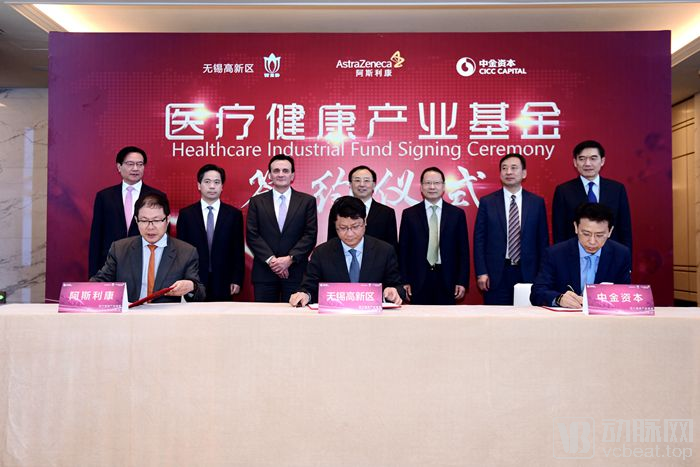
On the second day of the China International Import Expo (CIIE), AstraZeneca and CICC Capital made a major announcement to jointly establish a global healthcare industry fund. Leveraging AstraZeneca’s deep-rooted resource advantages in the healthcare sector and CICC Capital’s expertise in investment management and capital operations, the fund will focus on the healthcare industry, expand overseas introductions and local incubation, and promote the global benefit of Chinese innovations. The fund will target the entire industry chain, including global new drug research and development, production and operations, and commercialization, providing comprehensive support to innovative enterprises worldwide.
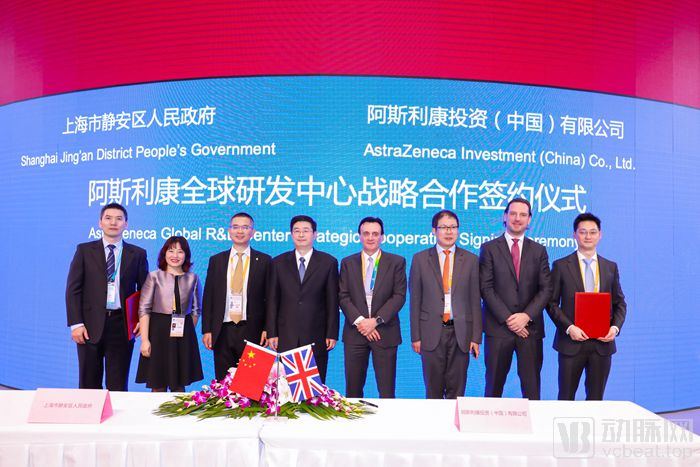
On the same day, AstraZeneca also announced a comprehensive upgrade of its strategic partnership with the Shanghai Municipal Government. By focusing on collaboration in areas such as new drug research and development, artificial intelligence (AI) in healthcare, and big data integration services, both parties aim to support the development of local medical innovation and benefit patients in China and around the world.
Through this collaboration, the existing AstraZeneca Shanghai R&D platform will be upgraded into a global R&D center. By focusing on disease areas with the most urgent patient needs and developing new capabilities in artificial intelligence, big data, bioanalysis, and translational medicine, it will further enhance China’s strategic position in the global new drug development network and leverage its core role in early-stage R&D and global market access.
On the morning of June 6, AstraZeneca participated in the project launch and signing ceremony for the interpretation of Beijing’s new round of policies on opening-up, hosted by the Beijing Municipal People’s Government. The company formally signed a cooperation agreement with Sun Pharmaceutical Industries of India to introduce multiple oncology drugs from Sun Pharma into China. This marks another example of AstraZeneca leveraging the platform of the China International Import Expo (CIIE) to accelerate the entry of high-quality global pharmaceuticals into the Chinese market.
At this year’s China International Import Expo (CIIE), following the launch of its eight integrated diagnosis-and-treatment solutions covering the full patient journey last year, AstraZeneca unveiled six new solutions for the public, targeting areas such as cardiovascular care, nephrology, respiratory medicine, pharmacy, gynecologic oncology, and county-level healthcare. These include the “China Pharmacy Innovation Center,” “Cardiac Rehabilitation Center,” “Smart Healthcare Consortium,” “Chronic Kidney Disease Full-Course Management Center,” “Integrated Women’s Oncology Prevention and Treatment Center – Ovarian Cancer,” and “Integrated Women’s Oncology Prevention and Treatment Center – Breast Cancer.” To date, innovative solutions supported by AstraZeneca have been successfully implemented in more than 1,400 hospitals across China.
Meanwhile, the AstraZeneca booth showcased a range of innovative healthcare scenarios for the public, spanning therapeutic areas including respiratory, cardiovascular, oncology, gastrointestinal, metabolic, and renal diseases, presenting refreshing new technologies that herald the future of medicine.
Roche
Roche’s booth debuted its new “Integrated Oncology Diagnosis and Treatment Solution,” starting with lung cancer—the leading cancer affecting public health in China. The solution includes a combined assay for five major serum tumor markers for lung cancer, the companion diagnostic product VENTANA PD-L1 (SP263) in the field of tumor immunotherapy, authoritative EGFR mutation testing for lung cancer, and the Navify Tumor Board multidisciplinary consultation platform, among others.
This comprehensive solution for the full-cycle management of cancer diagnosis and treatment is dedicated to leveraging an innovative portfolio of in vitro diagnostic products to provide cancer patients with more precise, personalized medical options, improve diagnostic and therapeutic outcomes, and enable patients to receive treatment more quickly and accurately.
For triple-negative breast cancer (TNBC), which currently carries the most unfavorable prognosis among breast cancer subtypes, Roche introduced its innovative cancer immunotherapy product, Tecentriq, and showcased Hercelex, the world’s first antibody-drug conjugate (ADC) independently developed by the company for breast cancer. This medication is expected to become available in China in the near future.
Novo Nordisk
This year marks the 25th anniversary of Novo Nordisk’s entry into China, and this innovation-renowned company continues to bring surprises to Chinese patients.
At this year’s China International Import Expo (CIIE), Novo Nordisk showcased its next-generation basal insulin analog, insulin degludec, which has recently been included in the National Reimbursement Drug List; the world’s first soluble co-formulated dual insulin, insulin degludec/insulin aspart; GLP-1 receptor agonists with proven glucose-lowering efficacy and confirmed cardiovascular benefits; and recombinant human growth hormone injection, the globally best-selling growth hormone product. In the realm of digital health, Novo Nordisk also presented its innovative diabetes management model and digital solutions for chronic disease management.
Zhou Xiaping, Senior Vice President of Novo Nordisk and President of Greater China, stated, “Benefiting from the continuous optimization of China’s business environment and the development opportunities arising from the deepening healthcare reforms in China, Novo Nordisk China has achieved substantial progress over the past year. At this year’s China International Import Expo (CIIE), Novo Nordisk has presented a more diverse portfolio of health solutions with distinct Chinese characteristics. Among the seven key innovations showcased, three represent advancements in pharmaceuticals and injection devices, highlighting cutting-edge global medical technologies, while four collaborative innovations mark breakthroughs made together with Chinese partners to further advance China’s healthcare sector. Leveraging the prominent platform of the CIIE, we demonstrate Novo Nordisk’s determination and confidence in seizing opportunities in China and committing to long-term development in the country over the past 25 years.”
From the brief visits and inspections conducted over just a few days, it is evident that in the field of medical devices, beyond enhancements in functionality and performance, miniaturization and intelligence are the prevailing trends. In particular, meeting the needs of a vast user base at the primary care level is essential to capturing greater market share.
Furthermore, the integration of artificial intelligence has prompted numerous medical device manufacturers to independently develop devices with embedded hardware. Through communications with these enterprises, VCBeat has observed that the majority of device manufacturers are adopting an in-house R&D approach for AI development. Regarding the question of why they do not pursue collaborative models for AI development, a representative from Elekta stated that compatibility is a key factor; they cannot entrust their equipment to AI startups for development, thereby making it difficult to provide these startups with sufficient opportunities for trial and error.
Innovation in the pharmaceutical sector remains robust, with the China International Import Expo (CIIE) serving as a stage for major pharmaceutical companies to showcase their strengths. Based on exhibition trends, the approval speed for overseas pharmaceutical companies in China has increased this year. Drugs for diabetes, oncology, and cardiovascular diseases continue to be the focal points, with these products making prominent appearances at the CIIE.
On the other hand, as implied by the name of the China International Import Expo (CIIE), which conveys a spirit of sharing, this grand event provides an excellent platform for multinational cooperation. We are witnessing top global pharmaceutical companies collaborating with Chinese giants such as Tencent (with its Miying AI imaging platform) and Ping An (with its Smart City initiatives) in the medical field. The integration of data and technology will undoubtedly bring greater hope for life to patients both in China and abroad.