

Welldoc Secures Seventh FDA Clearance Targeting Type 1 Diabetes with BlueStar Platform

Windham Venture Partners
Healthcare Venture Capital Firms

Amalgam Rx
Healthcare Solutions Provider
Lifescan
Diabetes-related Products and Services Provider

WellDoc
Mobile Medical Service Provider for Diabetes Management

Excel Venture Management
Excel Venture Management builds companies that apply transformative life science technologies to solve problems in healthcare and beyond.

Adage Capital Partners
Private Investment Fund

TCP Venture Capital
Early-Stage Technology Venture Capital Firms

Merck GHI Fund
Healthcare Venture Capital Firm

Dexcom
Blood Glucose Monitoring System Developer
Samsung Ventures
Samsung Ventures
On November 5, 2019, Welldoc announced that its BlueStar digital therapeutic had once again received FDA clearance. This marks the seventh time since 2010 that Welldoc has obtained FDA clearance, demonstrating its active R&D efforts and substantial achievements.
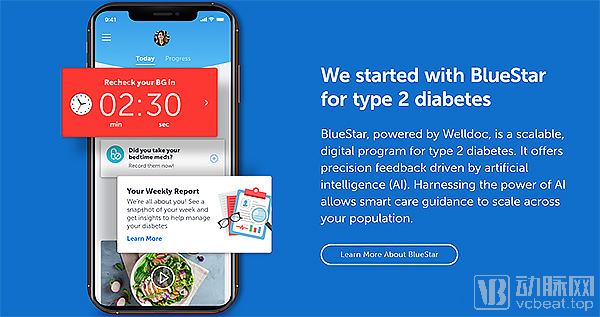
According to the official statement, the latest certification primarily involved adding Continuous Glucose Monitoring (CGM) functionality to BlueStar, enabling it to support Type 1 diabetes and thereby better meet patient needs.
As the recognized pioneer of mobile health and a leading enterprise in digital therapeutics, what insights can WellDoc’s development offer us? VCBeat (WeChat ID: Vcbeat) has compiled an analysis on this topic.
Seven FDA Clearances Forge WellDoc’s Robust Moat
Let’s first examine the two updates in WellDoc’s most recent FDA clearance.
First, continuous glucose monitoring (CGM) was incorporated. This is a monitoring technology that measures glucose concentration in subcutaneous interstitial fluid via a glucose sensor, thereby indirectly reflecting blood glucose levels. According to the official introduction, BlueStar adopts Dexcom’s continuous glucose monitoring device. Interestingly, Dexcom is also a customer of WellDoc.
Based on differing principles, continuous glucose monitoring (CGM) technologies can be broadly categorized into two types. One type is contact-based, which collects interstitial fluid from the patient via a sensor and converts it into blood glucose readings. For instance, the Dexcom solution adopted by BlueStar utilizes a configuration comprising a probe sensor, a transmitter, and a receiver. In this approach, the probe sensor is inserted subcutaneously; when glucose in the patient’s interstitial fluid undergoes an oxidation reaction, an electrical signal is generated. This electrical signal is then converted into a blood glucose reading and transmitted to a wireless receiver via the transmitter.
Another category is photoelectric devices, which measure blood glucose levels through optical measurement techniques. This type of device belongs to non-invasive monitoring and is more convenient to use. However, theoretically, the monitoring accuracy is relatively lower compared to contact-based methods. Currently, continuous glucose monitoring using photoelectric technology is still in the research and development stage, and no product has yet received FDA approval.
The value of continuous glucose monitoring (CGM) certainly extends beyond this. Glucose data obtained through CGM is typically transmitted to physicians, enabling them to comprehensively assess the patient’s 24-hour blood glucose fluctuations and, when necessary, coordinate with an insulin pump to administer insulin.
The integration of this technology enables the BlueStar digital therapeutic to provide support for Type 1 diabetes, marking the second significant update in this certification. Due to its higher prevalence and relatively milder disease progression, nearly all companies involved in diabetes solutions choose to start with Type 2 diabetes. In contrast, there are far fewer solutions available for Type 1 diabetes.
Unlike Type 2 diabetes, patients with Type 1 diabetes have completely lost the ability to produce insulin and require lifelong insulin injection therapy. This makes the continuous and precise monitoring of blood glucose and insulin levels critically important for patients with Type 1 diabetes. Therefore, devices used for Type 1 diabetes must exhibit high reliability and accuracy, as any oversight could pose a life-threatening risk to the patient.
Another improvement is the addition of the Insulin on Board (IOB) feature, which expands BlueStar’s insulin dosing regimen. This function enables precise quantitative supplementation by measuring residual insulin levels in the body, thereby ensuring more accurate injection doses. Patients can use continuous glucose monitoring technology to observe how their food intake, medication, and daily activities affect their blood glucose levels. Healthcare institutions can also receive blood glucose data read from sensors, along with patients’ routine self-management data, allowing for better formulation of treatment plans.
Of course, this is just one of the many feature updates that WellDoc has rolled out in recent years.
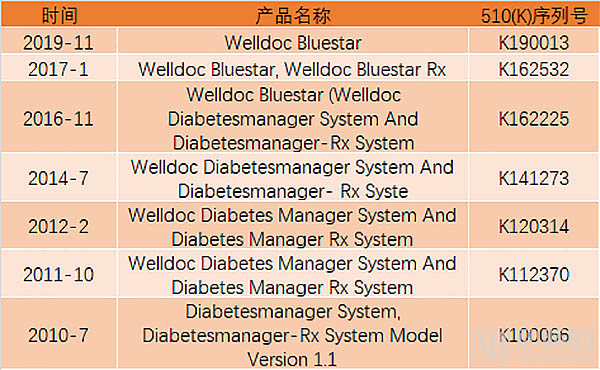
In August 2010, Welldoc DiabetesManager (the predecessor of BlueStar) received FDA clearance. DiabetesManager became the first mobile application to provide real-time patient behavioral guidance and clinical decision support backed by clinical trials. In December of the same year, it integrated its product with EHR systems, becoming the first patient coaching application to integrate with EHRs.
Driven by automated clinical guidance and behavioral algorithms powered by real-time patient data, DiabetesManager, an innovative software solution, enables caregivers to extend their care beyond traditional clinic visits via mobile phones and the internet. The DiabetesManager system features medication adherence functionality and can securely capture, store, and transmit blood glucose data in real time.
DiabetesManager not only helps users track their physical condition but also analyzes collected data through its proprietary automated expert analysis system to identify trends, thereby providing patients with education and behavioral guidance.
Just two months later, in October 2010, AT&T partnered with WellDoc to offer WellDoc’s services as an optional healthcare benefit for its employees. However, the two companies quickly evolved from partners into strategic allies. AT&T became a key distribution channel for DiabetesManager, marketing it to other organizations, and provided support in customer service, customer care, service provisioning, and billing.
The good times did not last long, as the two partners diverged in their views on the prospects of this innovative digital therapy. AT&T merely viewed DiabetesManager as a means to boost its telecommunications business volume. In contrast, WellDoc had a more ambitious vision for the future of DiabetesManager. Ultimately, WellDoc chose to discontinue the first-generation product, DiabetesManager, and after updating the legacy version in October 2011, shifted its focus to the next-generation platform, BlueStar.
In June 2013, WellDoc announced the launch of BlueStar. The BlueStar-RX series became the first digital therapeutic to receive FDA approval as a prescription drug. Compared with the over-the-counter (OTC) version available for casual use, prescription-only digital therapeutics prescribed by physicians are perceived by patients as significantly more serious than non-prescription applications. Meanwhile, it is evidently easier to persuade a small number of physicians with professional backgrounds to adopt BlueStar than to convince the vast majority of patients who lack such professional expertise.
In fact, when WellDoc first applied for FDA clearance in 2010, it already included the Rx series intended for prescription use. However, at that time, WellDoc did not vigorously promote its prescription version.
In July 2014, WellDoc added a medication reconciliation feature to BlueStar’s healthcare provider services, enabling the input of precise and comprehensive patient medication lists—including drug names, dosages, and frequencies—and facilitating comparison with external medical records obtained from patients, hospitals, or physicians.
In November 2016, BlueStar received FDA clearance again. This update primarily added Bluetooth connectivity, enabling BlueStar to connect via Bluetooth to LifeScan’s OneTouch Verio Flex blood glucose meter (a Johnson & Johnson company) and to transmit data from the BlueStar server to the OneTouch Reveal server.
In January 2017, BlueStar was updated. The instructions regarding the insulin dose calculator in the prescription version were revised, and the diabetes health education content was enhanced through a collaboration with the Association of Diabetes Care & Education Specialists (ADCES), incorporating their guided curriculum. This marked the first time the ADCES partnered with a consumer-facing digital platform.
Two years later, WellDoc received its seventh FDA clearance, which is the part we mentioned at the beginning.
Viewed from the overall update trajectory, WellDoc’s products have consistently evolved toward greater precision, professionalism, and ease of use. First, obtaining prescription certification has alleviated patient concerns, establishing a competitive barrier against rivals while enabling more focused marketing efforts. Continuously adding practical new features for patients and healthcare institutions has enhanced the usability of its digital therapeutics, thereby increasing user stickiness.
Meanwhile, by collaborating with medical device manufacturers to incorporate more precise and intelligent monitoring technologies, BlueStar has completely transcended the conventional framework of digital therapeutics, establishing a robust competitive advantage and significantly enhancing its practical clinical value. Given the high demands for reliability and accuracy in Type 1 diabetes management, obtaining FDA clearance serves as strong validation of its efficacy and safety.
14 Years of Dedication: Pioneering the Era of Mobile Health and Digital Therapeutics
WellDoc is the most steadfast pioneer in mobile health, having been founded as early as 2005. Its founders, siblings Ryan Sysko and Suzanne Sysko Clough, boast a nearly perfect complementary background: Suzanne is an expert in endocrinology and diabetes, while Ryan has a background in business management and economics. Their foresight is evident, considering that the era was still dominated by feature phones, with several years remaining before the advent of the smartphone age.
Particularly noteworthy is Stewart Greenebaum, a former patient of Suzanne. This angel investor offered Welldoc astute advice: to avoid venture capital in the early stages and wait until the advent of the smartphone era, when investors could fully appreciate Welldoc’s value, before seeking financing. This strategy spared Welldoc from the misfortune of an early demise.
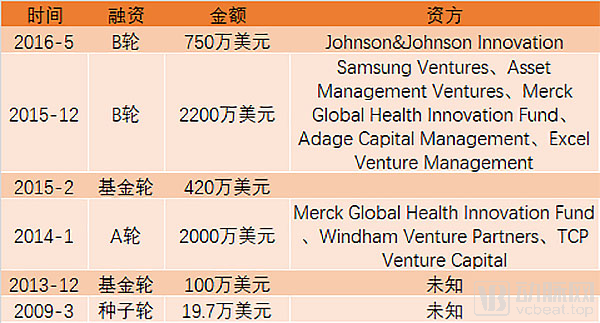
It was not until December 2013 that WellDoc officially embarked on its fundraising journey, securing $1 million in investment. Prior to this, its seed round in 2009 had raised a mere $197,000.
At that time, WellDoc had already received FDA clearance three times and had experience collaborating with AT&T, making it a rising star in the fields of digital therapeutics and mobile health. Soon after, in January 2014, the company completed a $20 million Series A financing round, attracting prominent industry players such as the Merck Global Health Innovation Fund.
In 2015, as WellDoc’s products matured further, the company successfully closed a $22 million Series B financing round. In addition to continued investment from Merck Global Health Innovation Fund, it attracted investment from giants such as Samsung.
Not only Samsung and Merck, but also healthcare giant Johnson & Johnson has taken notice of this vast emerging field, investing $7.5 million in WellDoc in May 2016.
However, WellDoc’s continuous fundraising and ongoing collaborations with major healthcare players were not good news for the founding Sysko siblings. As more capital flowed in, the Syskos gradually lost control of WellDoc—Ryan Sysko stepped down as CEO in November 2014, and his sister, Suzanne Sysko Clough, left her position as Chief Medical Officer in March 2016.
Subsequently, the siblings embarked on a new entrepreneurial venture and founded the digital health company Amalgam Rx in 2016. Its digital therapeutic product, iSage RX, returned to the sister’s area of expertise—titrating basal insulin levels in patients with type 2 diabetes. iSage RX received FDA clearance in March 2017, and Amalgam Rx secured $95,000 in seed funding in January 2017.
Although it is unclear what the siblings felt when leaving the company they had built over more than a decade, their immediate decision to launch a new venture in the same field after resigning clearly reflects a strong sense of unwillingness to accept defeat. This recurring cycle inevitably invites lamentation over the ruthlessness of capital.
After completing its Series B financing round in May 2016, WellDoc seemed to disappear from the capital markets. It has been more than three years since then, and there has been no further news of fundraising by WellDoc.
As a privately held company, Welldoc rarely discloses operational information. However, the fact that it has gone three years without raising new funding arguably suggests, from an indirect perspective, that the company is in good financial health with ample cash flow.
Clinical First, Certification as Support: How WellDoc Wins Customer Payback
Under WellDoc’s business model, its primary customers are payers of commercial and public health insurance plans. These clients primarily value the clinical effectiveness of the product. Compared with the $250–$300 increase in average monthly per-member healthcare costs associated with each 1% rise in glycated hemoglobin (HbA1c), WellDoc’s final cost of $100–$150 per person is clearly quite attractive.
For this very reason, WellDoc has consistently prioritized demonstrating its clinical effectiveness since its inception, sparing no expense in the process. Ultimately, three clinical trials published in Diabetes Technology & Therapeutics in June 2008, Diabetes Care in September 2011, and Volume 17 of the Journal of Health Communication in 2012 played a decisive role.
In the first clinical project, the average reduction in glycated hemoglobin (HbA1c) levels among patients in the DiabetesManager trial group reached 2.03% within three months, significantly higher than the 0.68% observed in the control group.
In the second clinical project, the mean reductions in glycated hemoglobin (HbA1c) levels among patients in the DiabetesManager experimental group and the control group were 1.9% and 0.7%, respectively, showing a significant difference that further validated the effectiveness of DiabetesManager in diabetes management. As previously mentioned, this translates to an average difference of approximately $450 in medical costs per person.
The third clinical study demonstrated that, among patients with type 2 diabetes using DiabetesManager, the frequency of hospitalizations and emergency department visits decreased by 58% within 12 months compared to baseline, a statistically significant difference.
Subsequently, in August 2012, two insurance companies agreed to cover the costs for their insured users who utilized DiabetesManager, enabling WellDoc to charge over $100 per user per month.
Since then, the number of clients has continued to grow, particularly among large enterprises that act as self-insured employers providing coverage for their employees. Due to relatively lenient regulatory requirements and a simpler enrollee composition, these corporate employers quickly integrated WellDoc into their health benefit plans. Examples include Ford Motor Company, the pharmacy chain Rite Aid, and glucose meter manufacturer Dexcom.
It is unclear whether WellDoc selects its clients or clients choose WellDoc, but the company often transforms client relationships into partnerships. For instance, Rite Aid and Dexcom have both become its partners in succession.
Commissioned by WellDoc, Truven Health Analytics, an IBM Watson Health company, conducted a research analysis on data from 3,000 patients using WellDoc’s platform. According to the study, WellDoc reduced healthcare costs by an average of $254–$271 per person per month.
The user purchase process for WellDoc differs from that of typical prescription drugs, with each step meticulously designed. After a physician prescribes BlueStar to a patient, a copy of the prescription is transmitted to WellDoc. WellDoc then personalizes BlueStar based on the patient’s specific medical records, while the pharmacist at the pharmacy must verify and approve the prescription.
Notably, after the pharmacist’s review is complete, WellDoc dispatches dedicated personnel to patients’ homes to assist with downloading the app and familiarizing them with its features. Although this in-home service entails high costs, it enables WellDoc to engage closely with users, gather real-time feedback on user experience, and create a highly favorable first impression.
Reimbursement is processed using National Drug Codes (NDCs) rather than the Healthcare Common Procedure Coding System (HCPCS) or current diagnosis- and treatment-specific codes. This approach enables WellDoc to better track product usage data and manage user experience, while also facilitating patient self-management.
WellDoc even assumes the risks associated with product discontinuation, thereby significantly alleviating payers’ concerns about payment. If a patient voluntarily discontinues BlueStar, WellDoc will not renew the prescription for the following month, ensuring that payers do not continue to pay for an inactive product without their knowledge.
Naturally, this has made WellDoc’s continuous patient interventions a matter of course. To achieve meticulous and close management of patients, WellDoc maintains a very high frequency of daily blood glucose monitoring, with some users even required to test their blood sugar levels on a daily basis. Meanwhile, if WellDoc detects that a patient has not used BlueStar for a certain period, it will initiate necessary interventions through its customer service center. Through such continuous data collection and ongoing intervention, payers have indeed demonstrated an increased willingness to pay.
However, some argue that WellDoc’s model incentivizes payers to push patients toward excessive usage, thereby artificially creating billable services. Moreover, WellDoc is not irreplaceable. Patients can also manage their blood glucose levels through lifestyle interventions such as exercise and dietary modifications. Meanwhile, after several months of rigorous training with WellDoc and once healthy habits have been established, patients appear capable of self-management without further need for software-based intervention.
WellDoc has likely recognized its own shortcomings, which explains its urgent push into the Type 1 diabetes market. Although the population of patients with Type 1 diabetes is much smaller, BlueStar’s newly approved digital therapeutic represents a critical necessity for them.
Insights from WellDoc
For WellDoc, securing FDA clearance for the seventh time was far more than a routine update. This latest clearance positions it as a pioneer in digital therapeutics with the capability to intervene for patients with Type 1 diabetes, thereby establishing its competitive moat at an early stage.
Managing Type 1 diabetes demands far greater reliability and precision than in the past, which has enhanced WellDoc’s credibility among users. After all, if it can effectively manage Type 1 diabetes, handling Type 2 diabetes is certainly well within its capabilities. Physicians are more inclined to prescribe it, and payers are more willing to provide reimbursement.
Following WellDoc’s established precedent, the next step is undoubtedly to demonstrate product efficacy through clinical trial results. This is indeed a highly effective strategy that has played a critical role in WellDoc’s growth and expansion. It also underscores that, within the healthcare industry—whether in emerging or traditional sectors—investing significant effort to validate therapeutic efficacy and value via clinical trial data, despite being cumbersome and time-consuming, remains the single most effective approach, bar none.
Furthermore, recent updates indicate that WellDoc is increasingly pursuing a strategy of integrating with medical device and pharmaceutical manufacturers to build an ecosystem. Collaborations with Johnson & Johnson’s LifeScan and with Dexcom have significantly enhanced the competitiveness of WellDoc’s products, while also tying these industry giants closely to WellDoc. By following this path, it is not inconceivable for WellDoc to expand into other chronic disease management areas in the future.
Due to differences in national conditions, WellDoc’s business model may not be directly applicable in China; nevertheless, it has served as an exemplary benchmark for the development of related industries domestically. For instance, Zhiyun Health, which has recently garnered significant attention, completed a Series C financing round amounting to RMB 100 million in January 2019. Prior to this, Zhiyun Health had also secured two separate funding rounds, each valued at RMB 100 million, in 2018 and 2016, respectively.
Not limited to diabetes, iHealth Cloud has also announced in the past two months the establishment of the “iHealth Chronic Disease Big Data Center” in collaboration with “national team” entities such as China Electronics Data, the Chinese Medical Association, the National Healthcare Security Administration, and the Information Center of the National Health Commission. It has also made strategic moves in cardiovascular chronic disease management and insurance cost containment. To some extent, this represents a broader scope of involvement than that of WellDoc, which focuses exclusively on diabetes.
Nevertheless, it will still take some time for China to catch up with WellDoc’s level of expertise. Since 2010, WellDoc has received FDA clearance seven times and has obtained prescription drug certification. In contrast, no digital therapeutic products in China have been certified to date.
This situation is indeed the result of multiple factors, including differences in regulatory policies. However, the failure of domestic medical software to demonstrate its value in clinical applications is certainly another significant factor. In other words, if domestic medical software or digital therapeutics could follow WellDoc’s approach by first using clinical trial data to prove their value, regulatory authorities would likely not turn a blind eye.
Meanwhile, the current domestic medical software in China lacks strong connectivity with core medical systems, and the improvement and implementation of EHR still require time. This makes it difficult to realize WellDoc's characteristic feature of personalization based on individual patient conditions in China. At the same time, without prescription certification, users do not treat the application as seriously as they would a doctor's prescription, significantly undermining self-management efforts.
From a business model perspective, WellDoc adopts a membership-based approach, primarily charging commercial insurance payers. In China, however, due to the underdeveloped state of commercial health insurance and the lack of supporting clinical data, it is impractical to rely on payments from commercial insurers. Consequently, domestic applications often increase revenue by selling consumables and health supplements through online marketplaces.
Certainly, it is unrealistic to expect the development of digital therapeutics in China to be driven solely by corporate efforts; this requires the collective endeavor of the entire industry. For companies, the core issue lies in certification, and the key to certification rests on supporting clinical data. The success story of WellDoc demonstrates that this principle holds true worldwide.
Given time, could outstanding domestic digital health enterprises surpass their predecessors to such an extent that even WellDoc comes to learn from us, as is already happening in other sectors in China? I believe that, as a dedicated chronicler, VCBeat would be more than happy to document that moment when it arrives.
References:
YiGu: "Chronic Disease Management via Prescription: The Market Paradox of WellDoc"
Dr. 2 of “Life Is Like a Dream”/Pingtu Business Review: “Don’t Be Foolish! The WellDoc Model Has Laid Five Landmines”