

Bridging the 'Valley of Death': High-Fidelity Organoid Models from China and Korea Reshape ALS Therapeutic Paradigms

OliPass
Developer of New Therapies

Main Text:2302Word5Figure
Estimated reading time:7Minute
In the biopharmaceutical industry, the term "innovation" is often overused. This is especially true when facing amyotrophic lateral sclerosis (ALS, commonly known as Lou Gehrig's disease), a stubborn illness that humanity has failed to conquer for decades. Over the past half-century, countless drugs developed with trillions of dollars in investment have boasted innovation, but the harsh reality for patients is merely an extension of survival by a few months or a slight delay in physical decline.
However, we are at a significant turning point: the long and painful era of "delay" is coming to an end, and the paradigm of "repair" is being established. Recently,Data jointly validated by South Korea's OliPass and top research institutions in China is completely颠覆ing our understanding of ALS.. This is not only a success in the laboratory, but also a scientific feat that transforms "incurable" into "curable."

High-Difficulty Organoids in China:
Perfectly replicate "phenomena," not just "experiments"
This achievement has attracted close attention from the global academic and industrial communities,The root cause lies in the data originating from the "highly challenging organoid model" independently developed by a Chinese domestic research team.The existing preclinical experiments have obvious limitations. Testing drugs on two-dimensional cells cultured in a dish for only 12 weeks and discussing efficacy is, in essence, no more than a "toy test" when it comes to simulating the complex pathological processes of the human body that take years to slowly deteriorate. This is also why many candidate drugs succeed in laboratory tests but fail miserably in clinical trials.
A joint research team in China has overcome this challenge by utilizing the cutting-edge biotechnology known as "D95 (Day 95) Long-Term Culture Technology." They successfully cultivated induced pluripotent stem cells (iPSC) from patients into precisely connected three-dimensional tissues of neurons and muscle cells, which survived for over three months.Allow cells to remain adherent, avoid apoptosis, and persist until the 95th day in the culture dish.`, which is a technology mastered by only a few research teams globally.`
This "Patient Avatar" began to exhibit a sharp collapse of neuromuscular junctions (NMJ) and muscle atrophy, similar to advanced ALS patients, after 90 days of cultivation. It was at this point, known as the "valley of death," that the research team validated the efficacy of OliPass. This was not conducted in a controlled lab environment, but rather in a perfect replication of the harsh breakdown occurring within the patient's body—a true "frontal confrontation."
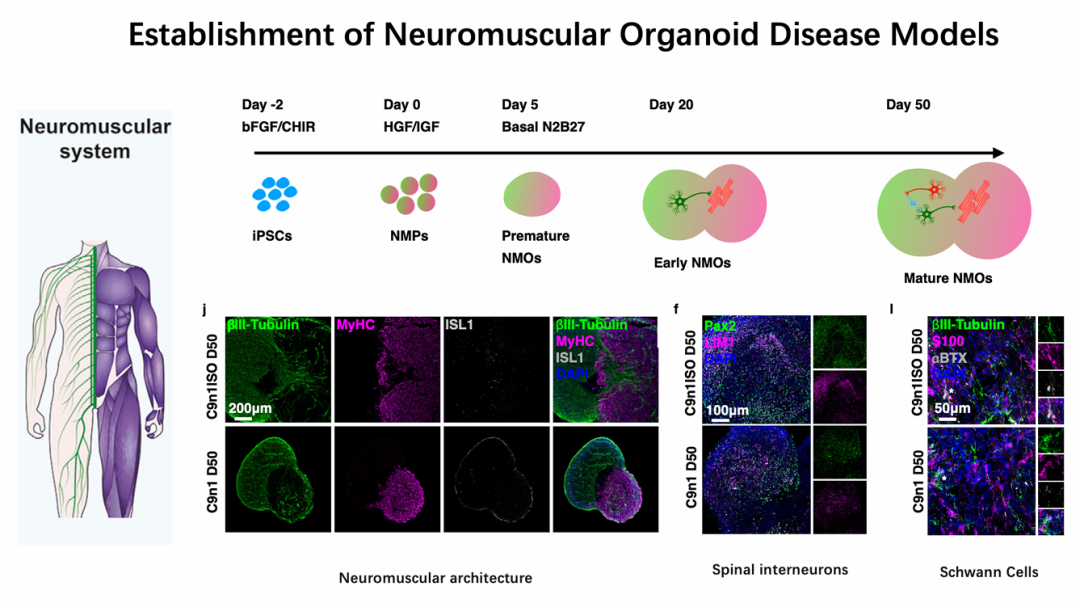
Construction of Neuromuscular Organoid Disease Models

The Miracle of D95:
"Structural Recovery" Beyond Simple Numerical Improvement
The results were shocking. The untreated control group tissues showed the expected breakdown of neuromuscular connections, leading to apoptosis. However, in the tissues treated with OliPass' RNA therapeutic drug, an incredible scene was observed. This was not just a halt to neural collapse.
Clearly visible to the naked eye,The already severed nerve axons (Axon) regrew and extended to the muscle, achieving physical reconnection., namely "structural recovery." While competitors still rely on indirect chart data such as "protein levels improved by a few percent" or "cell survival rates slightly increased," OliPass and the local research team presented the most compelling visual evidence: "damaged neural networks can reconnect." This is why the experiment has been hailed as a new "gold standard" for future ALS drug development and why global partners cannot afford to ignore this core data.

The Essence of MoA:
"STMN2" and "OPNA" Platform's Precision Strike
OliPass's approach stands out from existing competitors due to its clear and fundamental mechanism of action (MoA). Approximately 97% of ALS patients, regardless of whether they have genetic mutations, suffer from "TDP-43 proteinopathy." In healthy neurons, TDP-43 protein resides in the nucleus as a regulator to manage RNA splicing. However, in ALS patients, TDP-43 leaks into the cytoplasm and forms aggregates, leading to a loss of function within the nucleus. The most fatal consequence of this is on the STMN2 (Stathmin-2) gene, which is essential for axonal regeneration. In the absence of TDP-43, the precursor mRNA of STMN2 erroneously includes a junk gene segment known as "cryptic exon 2a" during its production. This results in premature termination of protein synthesis, generating a nonfunctional defective protein, ultimately causing nerve cells to lose their regenerative capacity and undergo apoptosis.
OliPass's exclusive technology OPNA (OliPass PNA) is an artificial gene platform with excellent cell permeability.This drug can precisely target the site lacking TDP-43 and block the splice site of Exon 2a in STMN2 pre-mRNA. Through "splice correction," it induces the production of full-length, normal STMN2 protein without the need for TDP-43 assistance. This is not merely a symptomatic treatment aimed at downstream symptoms but a fundamental therapeutic strategy that blocks the upstream pathological mechanism at its source to restore nerve function.

Decree No. 818 of the State Council of the People's Republic of China:
Giving "Speed" Wings to Innovative Technology
On top of the overwhelming technical proof, an unprecedented institutional opportunity has now emerged. The State Council of China recently promulgated the "Regulation on Clinical Research and Clinical Transformation Application Management of Biomedical New Technologies" (State Council Order No. 818), with an announcement that it will come into effect on May 1, 2026. This regulation establishes the legal foundation for OliPass to take off:
Article 32 (Priority Review and Approval): For "serious life-threatening diseases with no currently effective treatment methods," priority review and approval are mandatory. ALS, which currently has no effective drug treatment, is the primary applicable target of this clause.
Articles 29-30 (Clinical Translation): If safety and efficacy are demonstrated in the initial clinical research phase, a pathway is opened to shorten the complex approval process and quickly proceed to clinical translation at medical sites.
The data on "safety" and "structural recovery" validated through highly challenging experiments conducted in China fully meet the core data standards required by Article 30 of the regulation. This means that OliPass's drug is expected to reach patients through a "fast track" much quicker than the conventional clinical process.

Beyond Scientific Certainty, Moving Towards the "Substantive Treatment" Phase
OliPass’ “D95 Organoid Structural Recovery” data, validated through scientific collaborations in China, is no longer confined to laboratory achievements. This data is transforming into a powerful strategic asset that is reshaping the global ALS treatment drug market landscape.
Currently, OliPass is engaged in in-depth negotiations regarding technology licensing and strategic cooperation with leading biotech companies in China as well as multinational pharmaceutical enterprises in North America and Europe, based on this exclusive preclinical result."Neural network reconstruction" visual evidence, which competitors cannot demonstrate, is becoming the core bargaining chip that gives OliPass a technological edge at the negotiating table.
At the same time,OliPass has taken substantial actions to establish "Speed."As the Regulation on the Clinical Research and Clinical Transformation Application of Biomedical New Technologies (Decree No. 818 of the State Council) issued by the Chinese government is set to be officially implemented on May 1, 2026, OliPass has initiated preparations to fully leverage the "clinical transformation" and "priority review and approval" systems guaranteed by this regulation.
In particular, the regulation allows for the simplification of complex clinical procedures for critically ill patients with no available treatment, and rapid application in medical settings after safety has been confirmed during the research phase. To this end, OliPass is proactively meeting clinical access requirements as mandated by regulatory authorities, while establishing a close collaborative system with local partners and institutions to enable actual patient dosing simultaneously with the implementation of the regulation.
The scientific challenge has been solved, and the long-closed regulatory door has opened. What remains now is to combine this conclusive "data" with "institutional opportunities" to deliver hope to patients in despair. The massive tide led by OliPass has begun, and at this very moment, the clock towards conquering ALS is ticking faster than ever before.
At the same time, the largest shareholder of OliPass is the South Korean biotechnology company Genocure, which is also the parent company of the Chinese legal entity, Tianjin Jiannuokang Biotechnology Co., Ltd. Its role as a bridge between the two countries will be highly anticipated.
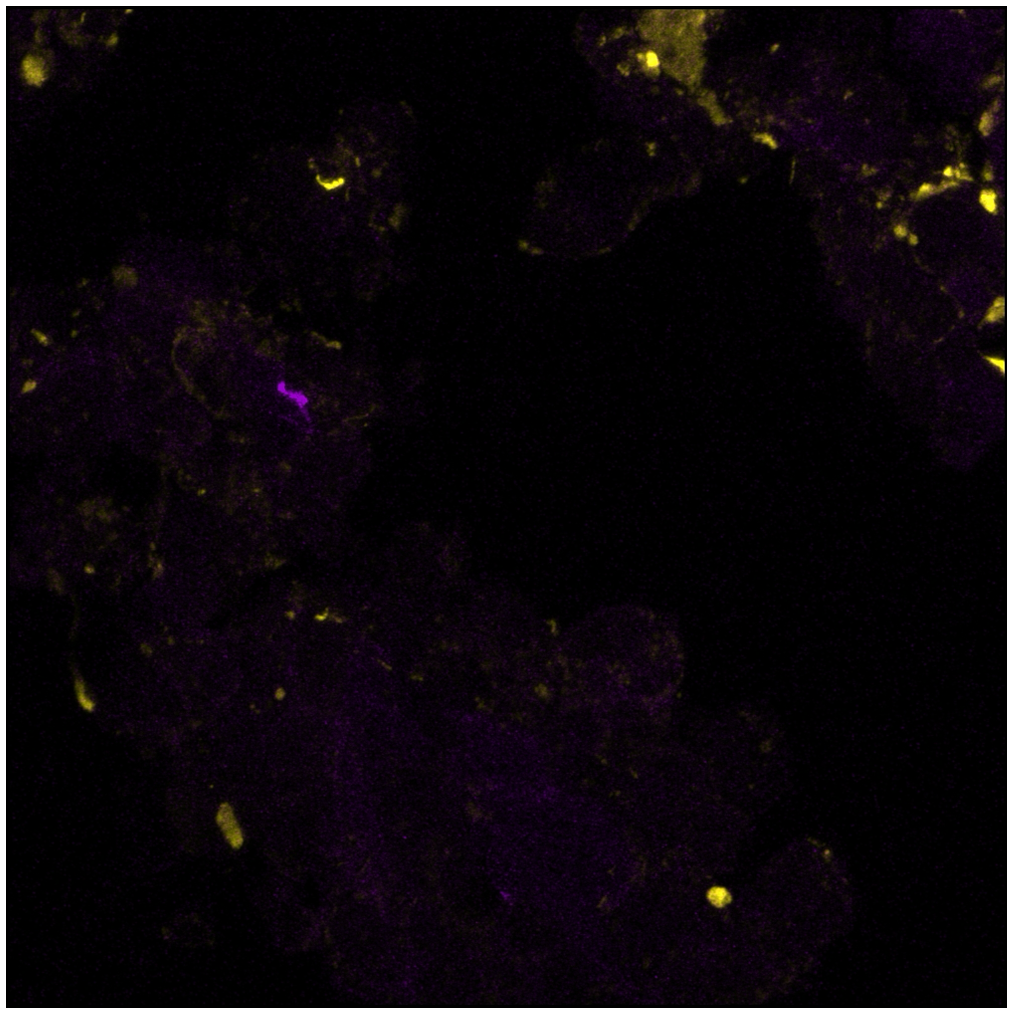
D95 Timepoint: Complete Collapse of Neural and Muscular Junction Indicators (ALS Patient Group Organoids)
(ABTX-TUJ1)
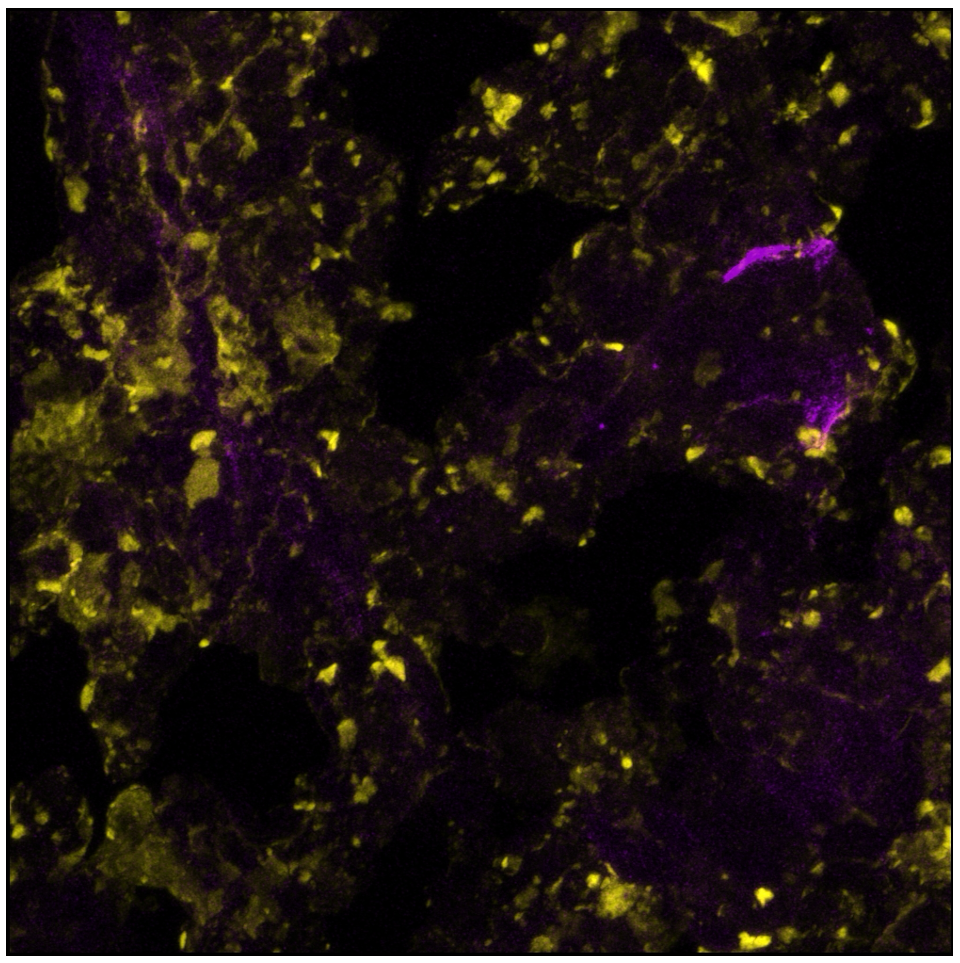
Status of Recovery in Nerve and Muscle Connection Metrics at D95
(Organoids of ALS Patient Group Treated with OliPass Drug)
(ABTX-TUJ1)
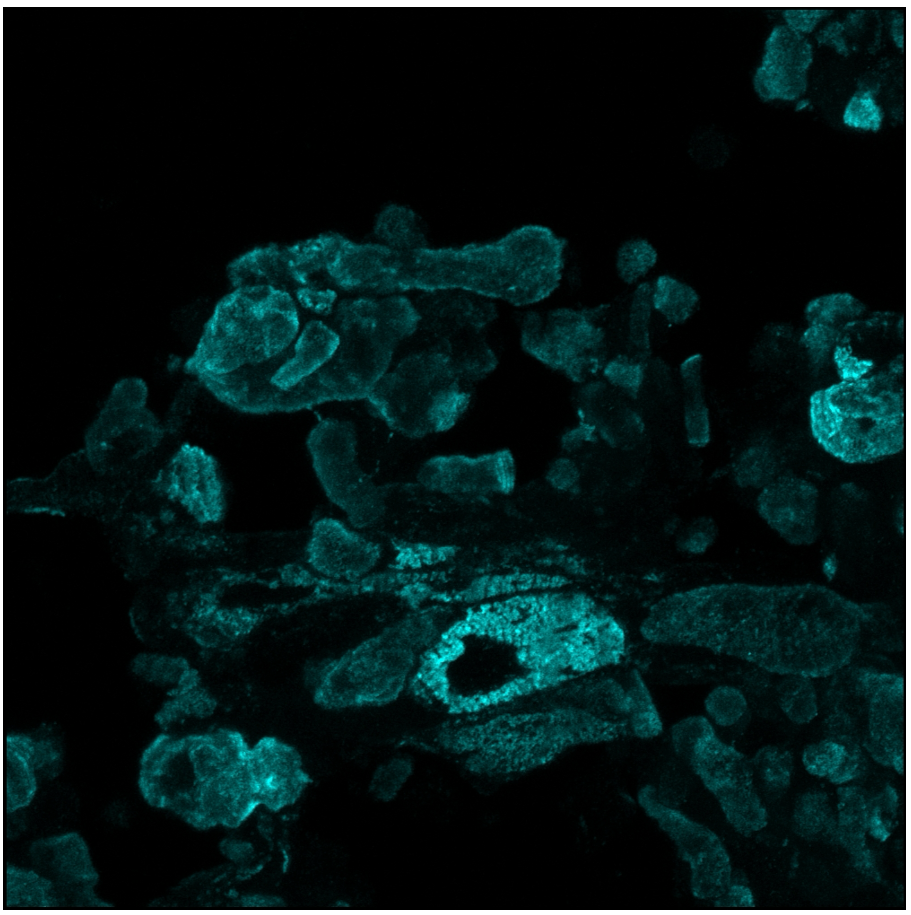
D95 Time Point: The State of Complete Disintegration of Key Contractile Proteins Forming Muscle Fibers (ALS Patient Group)
(MYHC)
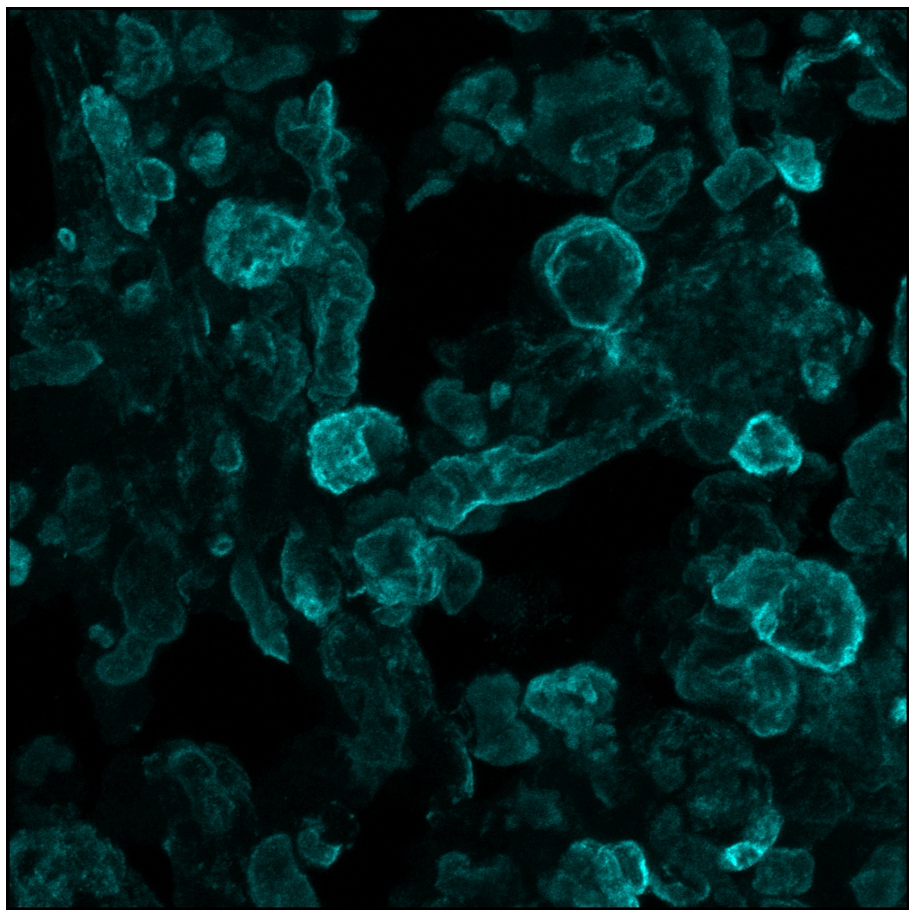
D95 Time Point: The State of Key Contractile Protein Recovery in Muscle Fibers
(ALS Patient Group Organoids Treated with OliPass Drug)
(MYHC)
Cover ImageSource of the abstract and images: Jimo AI


Click hereIn, Learn MoreOliPass!