

Transformation and Innovation: AI Empowers Smart Hospital Development – The 4th China Smart Hospital Construction Conference Successfully Concludes!
The “2019 4th China Smart Hospital Construction Conference and Exhibition,” co-hosted by the Medical and Health Industry Branch of the China Information Association and Kelei Exhibitions, was successfully held at the Panyu Hotel in Guangzhou on November 19–20, 2019. Themed “Transformation and Innovation: Smart Empowerment for Health,” the conference focused on driving the modernization of healthcare through informatization, with the goal of building an information-based medical, health, and wellness industry. It aimed to strengthen the development capacity of the informatized healthcare sector and enhance the overall service efficiency of hospitals.
The conference invited more than 20 industry leaders, experts, and outstanding entrepreneurs, including Song Xin, President of the Medical and Health Industry Branch of the China Information Association; Li Yanbo, Secretary-General of the Committee on Maternal and Child Health Big Data and Artificial Intelligence under the China Maternal and Child Health Care Association; Lu Guomi, Director of the China Health Information and Healthcare Big Data Society; and Xu Kecheng, Honorary President of Fuda Cancer Hospital Affiliated to Jinan University. They delivered insightful keynote speeches and participated in roundtable discussions covering topics ranging from hospital informationization, electronic medical records, and remote consultations to cloud hospitals and “Internet + Hospitals,” as well as the application of 5G technology in healthcare. The discussions focused primarily on policies related to “Internet + Healthcare,” top-level planning for smart hospital development, strategic considerations for hospitals in the context of blockchain, new models of “Artificial Intelligence + Healthcare,” and architectural innovations and applications of health and medical big data.
At the opening of the conference, Song Xin, President of the Medical and Health Industry Branch of the China Information Association, delivered a speech in which he emphasized the importance of smart hospital development for both hospitals and patients. He highlighted that smart hospital development should focus on three key areas: The first is “Smart Medical Care” for medical professionals, centered on information system construction with electronic medical records (EMR) at its core; The second is “Smart Services” for patients, including mobile payment, online appointment registration, scheduled consultations, informational notifications, and other derived services, all designed to provide patients with greater convenience and efficiency; The third is “Smart Management” for hospital administration, aimed at achieving refined, information-driven hospital management.
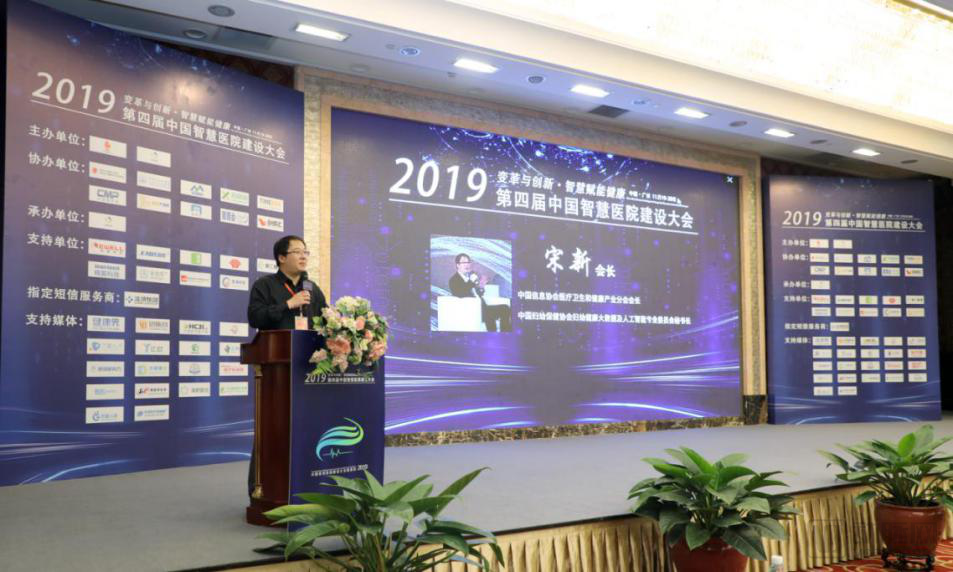
President Song Xin Delivers Opening Remarks
Li Yanbo, Director of the Secretariat of the Professional Committee on Big Data and Artificial Intelligence for Maternal and Child Health under the China Maternal and Child Health Association, delivered the keynote speech titled “Discussion on the Construction and Development of Smart Maternal and Child Healthcare.” He pointed out that the overall development of smart maternal and child healthcare is still in its initial stage, with insufficient standardization and normalization, as well as unbalanced regional development.
Director Li emphasized that the development of smart maternal and child health services must accurately assess the current situation. It is essential to strengthen top-level design while consolidating grassroots foundations, with a particular focus on building regional maternal and child health information platforms, as well as information platforms for urban maternal and child medical alliances and county-level maternal and child medical communities. Maternal and child health institutions should carefully plan, layout, and upgrade their systems based on their specific circumstances, centering on the graded evaluation standards for electronic medical records (EMR) and smart services. Furthermore, they should enhance telemedicine capabilities and implement clinical decision support systems to assist physicians, thereby improving the diagnostic and treatment service capacities of grassroots maternal and child health facilities.
Li Qingfeng, Vice President of Guangzhou Women and Children’s Medical Center, shared insights on “Construction and Operation of Smart Hospitals.” According to Vice President Li, the center has established a continuous data quality improvement system with closed-loop management as its core in its smart healthcare initiatives. This includes four types of closed-loop management: pharmaceutical, medical, nursing, and administrative. Specifically, it encompasses 32 clinical closed loops—such as outpatient oral prescription medications, drug procurement, and handover of surgical patients—and nine administrative closed loops, including budget management and logistics management (including high-value consumables).
Guangzhou Women and Children’s Medical Center has integrated outpatient, inpatient, and emergency physicians’ electronic medical records (EMRs), historical medical records, and external hospital records to achieve a unified EMR system. Within the specialty-specific systems, obstetric patients can complete self-registration for medical file creation via WeChat or a mobile app. After nurse verification, physicians can simultaneously access patient information, thereby reducing duplicate data entry by doctors and nurses and addressing the issue of paper-based maternal health records. Meanwhile, the system automatically calculates prenatal check-up schedules and establishes follow-up plans. In the critical care system, physicians conduct corresponding severity assessments; when scores exceed normal thresholds, the system proactively alerts doctors and nurses to initiate necessary subsequent interventions.
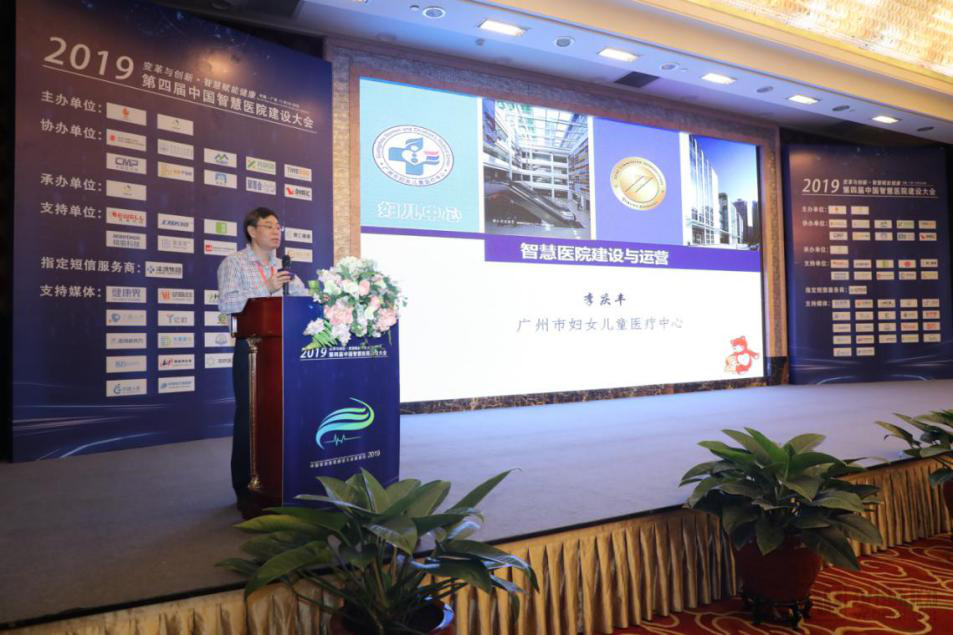
Vice President Li Qingfeng Delivers Keynote Address
Yang Lixin, Party Secretary and President of the First People’s Hospital of Huainan City, Anhui Province, delivered a keynote presentation titled “Smart Hospitals: Driving Public Hospital Reform and Strengthening Hospital Culture.” He noted that the intelligent remote ultrasound consultation platform can help address the shortage of sonographers and the urgent need to improve technical proficiency in primary and secondary hospitals in Huainan, thereby facilitating future medical interconnectivity and intelligence.
On June 18, 2019, leveraging this equipment and the 5G wireless network provided by China Unicom and Huawei, Huainan First People’s Hospital in Anhui Province delivered 5G-enabled remote guidance for a laparoscopic cholecystectomy performed at Fengtai County People’s Hospital. The imaging was clearly displayed on large screens, with smooth audio and video transmission, high-definition and stable visuals, and no noticeable lag or latency. This initiative promoted the innovation and implementation of the tiered diagnosis and treatment system, yielding significant social benefits.
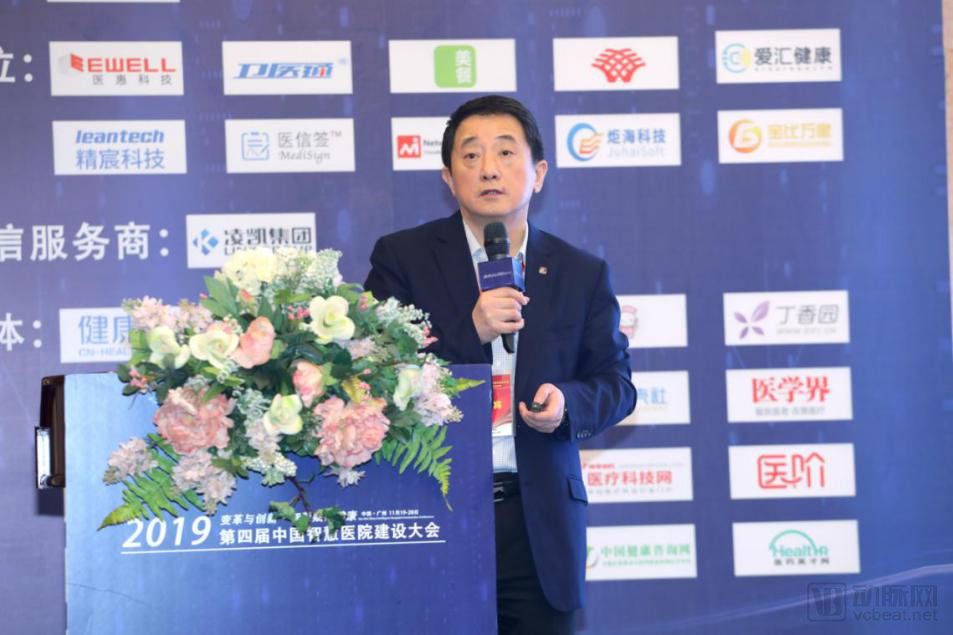
President Yang Lixin Delivers Keynote Address
Liu Lei, Party Secretary and President of Shenzhen Third People’s Hospital, shared insights on the informatization development of infectious disease hospitals. He believes that in the future, over 90% of applications and data operating on the “Internet Plus Infectious Diseases Cloud” should be made accessible to more institutions, partner organizations, and even individuals through the “Internet Plus” model, provided that necessary information security technologies and measures are implemented. This approach will fully leverage the significant advantages of “Internet Plus” to truly achieve co-construction, sharing, and mutual benefit.
On April 2 this year, Shenzhen Third People’s Hospital signed a tripartite cooperation agreement with China Telecom and Huawei Technologies on “5G-Enabled Smart Healthcare,” officially launching the initiative to build an Internet-plus infectious disease cloud network service system and smart hospital projects using 5G technology.
Yan Jingdong, Director of the Information Department at Nanfang Hospital of Southern Medical University, delivered a keynote presentation titled “Innovative Services Empowering Healthcare.” He noted that Nanfang Hospital has established a unified “Electronic Medical Record (EMR)-Based Hospital Information Platform,” which has achieved standardization of data resources and integration of heterogeneous business systems via an Enterprise Service Bus (ESB). This platform supports the construction of a data center and provides robust support for medical care, education, and research. The hospital has implemented a unified identity authentication and login system. Through the order tab in the patient’s holistic view, it enables closed-loop display of medication, examination, and laboratory test orders. Leveraging the Clinical Data Repository (CDR) on the integration platform, the system records the complete patient journey.
During the roundtable forum, Yang Lixin, Party Secretary and President of the First People's Hospital of Huainan City, Anhui Province; Xu Lei, Chief Accountant of Jiangxi Provincial Children's Hospital; Li Qingfeng, Vice President of Guangzhou Women and Children's Medical Center; Lian Wanmin, Director of the Information Department at the Second People's Hospital of Guangdong Province; Song Wei, Director of the Meican System Business Division; and Lin Gang, Chairman and CEO of Shenzhen Weiyitong, engaged in a roundtable discussion themed “Artificial Intelligence Empowering the Construction of Smart Hospitals,” exploring how AI technology can facilitate the development of smart hospitals.
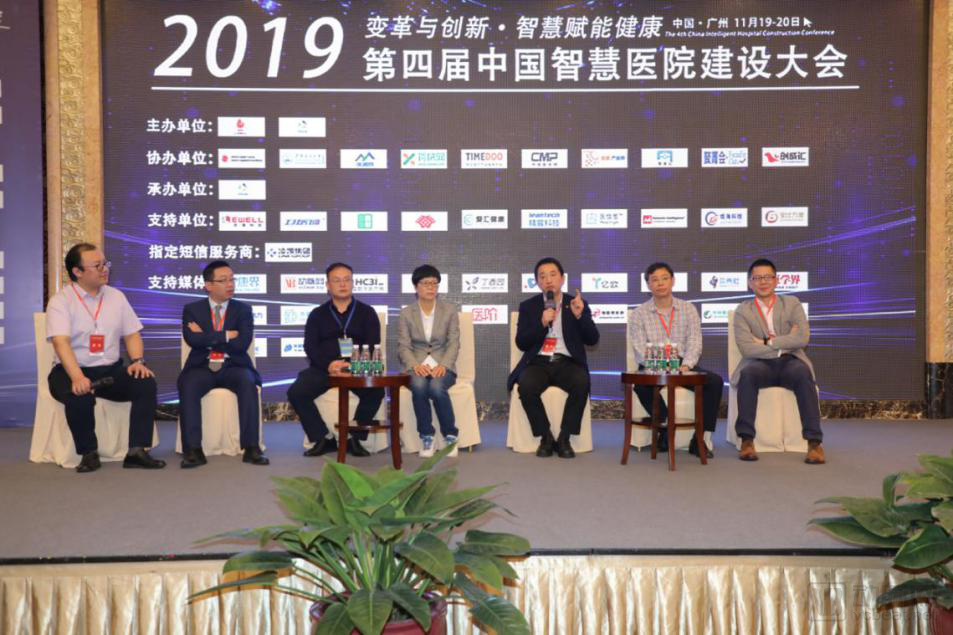
Roundtable Discussion: AI Empowering the Development of Smart Hospitals
Huang Yucheng, Director of the Big Data Management Center at Xiangya Hospital of Central South University; Ma Liming, Director of the Information Center at Foshan Women and Children’s Hospital; Li Tiyuan, Director of the Information Department at Shenzhen People’s Hospital; Jenny Shao, Director of Health Information Systems at United Family Healthcare; and Yu Haibao, General Manager of Guangdong Juhai Technology Co., Ltd., engaged in an insightful discussion on “The Perfect Integration of Smart Hospitals and the Internet of Things (IoT),” emphasizing that the development of smart hospitals is inseparable from IoT product support.
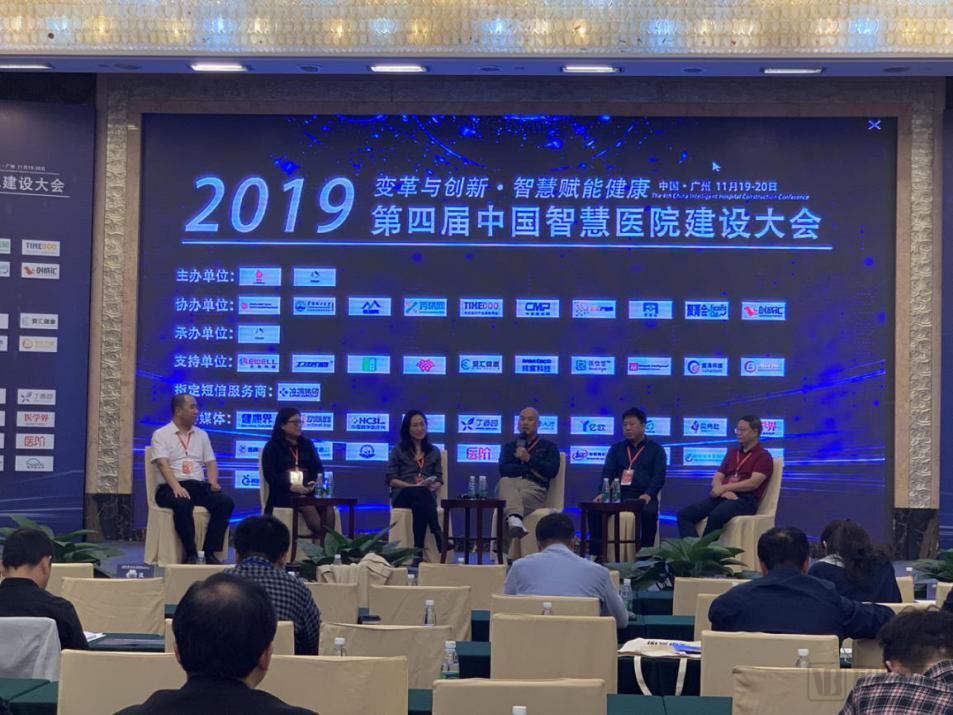
Roundtable Discussion: The Perfect Integration of Smart Hospitals and the Internet of Things
During the conference, leaders from dozens of renowned hospitals—including Guangdong Provincial People’s Hospital, the First Affiliated Hospital of Jinan University, and the First Affiliated Hospital of Xiamen University—along with senior executives from companies such as Yaoxie.com, participated in sharing sessions to discuss digital transformation pathways: “A New Era of Smart Hospitals.”
On March 5 this year, the National Health Commission released the “Graded Evaluation Standard System for Smart Hospital Services (Trial).” With the improvement of policies related to smart hospital construction and the active promotion by relevant experts and industry professionals, smart hospitals will accelerate the progress of “Health for All.”