

AI in Healthcare: Asia's Growth Potential, Capabilities, and the Future of Proactive Health
“AI in Healthcare: Development Space, Capabilities, and the Future of Proactive Health in Asia” is a report authored by MIT Technology Review Insights with support from Baidu. The report was compiled through interviews with healthcare and technology leaders in the region, desk research, and field visits to Chinese medical institutions, aiming to assess how artificial intelligence is being leveraged to improve healthcare outcomes. Specifically, the report examines how healthcare providers, technology companies, and government agencies in the region collaborate to identify and address significant, long-term healthcare challenges within their respective countries and regions.
MIT Technology Review Insights assessed multiple areas in which participants in Asia’s artificial intelligence ecosystem are driving solution innovation; these areas include tools and platforms for medical imaging diagnosis and analysis, decision-support software for physicians’ treatment decisions, predictive analytics for identifying disease risk, and the use of natural language processing technologies to deliver health services to older adults.
Introduction
We are in the midst of a new wave of technological revolution and industrial transformation driven by artificial intelligence, which is accelerating its penetration across various industries and promoting intelligent upgrades.
Healthcare is a critical sector concerning national welfare and people's livelihoods. Currently, many countries, like China, face challenges such as insufficient high-quality medical resources and structural imbalances in resource distribution. The development of artificial intelligence (AI) technology has offered hope for addressing these issues, thereby providing the general public with better and more comprehensive healthcare services. From medical imaging analysis to clinical decision support, from in-hospital diagnosis and treatment process management to out-of-hospital health management, and from empowering physicians to supporting pharmaceutical companies, AI applications in healthcare are becoming increasingly extensive and profound. These technologies help facilitate the decentralization of high-quality medical resources, enable resource sharing, and improve the diagnostic efficiency of primary care physicians as well as the overall quality of medical services.
Certainly, while artificial intelligence presents significant opportunities for healthcare, it also brings multifaceted challenges related to data, technology, security, regulations, ethics, and talent. Addressing these issues requires concerted efforts from all sectors of society. On one hand, we must promote the large-scale application of AI in the medical field, identifying and resolving problems through practical implementation. On the other hand, we need to continuously strengthen and improve relevant laws and regulations to ensure the healthy development of new healthcare models integrated with AI. We believe that the integration of AI technology with healthcare will benefit everyone.
Wang Haifeng
Baidu Chief Technology Officer
Report Highlights
AI-driven software and platforms are poised to reshape the healthcare landscape in Asia over the next decade, enhancing the service capabilities, diagnostic speed, quality of care, and overall patient recovery outcomes for healthcare providers and government medical institutions. The application of artificial intelligence (AI) is no longer in its infancy; indeed, it has long been widely adopted across the healthcare industry, particularly in developed regions of Asia. Nevertheless, new use cases, innovations, and AI application centers continue to emerge in rapid succession. The urgent commitment of governments and technology enterprises to mainstream AI within the healthcare ecosystem will bring substantial benefits to patients across Asia.
Key points from the report “AI in Healthcare: Development Space and Capabilities in Asia, and the Future of Proactive Health” are as follows:
Artificial Intelligence Is Effectively Bridging the Healthcare Gap in AsiaArtificial Intelligence is a critical solution for effectively enhancing the capacity and efficiency of healthcare services in Asia. Against the backdrop of human resource shortages, many countries are grappling with strained medical resources—the World Health Organization (WHO) estimates that by 2030, the Asia region will require more than 12 million new healthcare professionals, representing an increase of over 70% compared to current levels. Inadequate healthcare spending poses another major challenge. With the exception of developed economies, per capita healthcare expenditure in other Asian countries and regions is less than one-quarter of the Organisation for Economic Co-operation and Development (OECD) standard. In this context, a growing number of successful cases demonstrate that leveraging artificial intelligence can improve the efficiency and accuracy of healthcare professionals.
Healthcare development in Asia is benefiting from the enhanced capabilities of frontline medical personnel.Artificial intelligence can guide physicians to make faster and more accurate diagnostic decisions through standardized clinical workflows; leverage machine learning to analyze increasingly complex medical images for the diagnosis of various common and rare diseases; furthermore, wearable health tracking technologies can monitor patients’ health status, helping physicians identify disease risks and early warning signs in advance.
Novel diagnostic and therapeutic approaches based on human-computer interaction are gradually enhancing the professional skills of healthcare professionals in Asia.Artificial intelligence will drive healthcare professionals in the Asian region, particularly in developed economies, to further enhance their professional expertise and human-machine collaboration capabilities, spanning areas such as robot-assisted surgery, high-precision diagnostic imaging, and new drug development. However, given that most healthcare systems in Asia have long been operating under excessive strain, with even primary care capacities constrained, some industry observers argue that AI resources should initially be concentrated on strengthening primary healthcare capabilities.
Asia’s Severe Healthcare Challenges Provide Fertile Ground for Public-Private PartnershipsThere are numerous cases across multiple Asian countries where diverse stakeholders have leveraged local skills, talent, and data resources to collaboratively address severe healthcare challenges. Population aging is rapidly becoming one of the major healthcare crises in Asia: currently, Japan has one of the highest proportions of individuals aged 65 and above in the world (approaching one-third of its total population), while several other Asian economies are closely following this trend, all paying close attention to innovations in elderly care. Furthermore, artificial intelligence has played a leading role in reducing infant mortality in India and alleviating other healthcare burdens in Singapore, such as the “three highs” (hyperglycemia, hyperlipidemia, and hypertension). In the coming decades, policymakers and AI developers will collaborate more closely to improve public health outcomes.
Preventive diagnostic and therapeutic strategies will become the top priority for the healthcare industry.In the future, the healthcare ecosystem will place greater emphasis on health and well-being, rather than solely on cure-oriented medical care. Artificial intelligence will play a leading role in promoting “proactive health” by identifying disease signs and tracking health status. Data provided by preventive strategies empowers individuals to take control of their lifestyles and medical treatments, actively improving their health outcomes. Today, wearable devices and AI technologies are continuously converging, creating new capabilities and delivering profound insights.
The healthcare system must adhere to a people-centered approach.The growing impact of technology on medical diagnostic decision-making has undoubtedly brought significant benefits to many patients in Asia. However, from an ethical perspective, technology must remain an auxiliary tool for physicians and healthcare practitioners. To safeguard accountability within the healthcare system, final decision-making authority must firmly rest in human hands. AI developers should ensure that both doctors and patients can accurately interpret and understand these technologies, thereby fostering sustained trust and willingness to adopt artificial intelligence in healthcare.
Healthcare Gap
Asia is actively leveraging AI-driven tools to bridge long-standing gaps in healthcare resources and address emerging challenges, such as the pressures of rapid population aging. While AI will play a truly transformative role in accelerating innovation and redefining the value proposition for healthcare providers and institutions, the current reality is that its true impact in healthcare lies in optimizing existing workflows and equipping challenged medical professionals with enhanced information and insights.
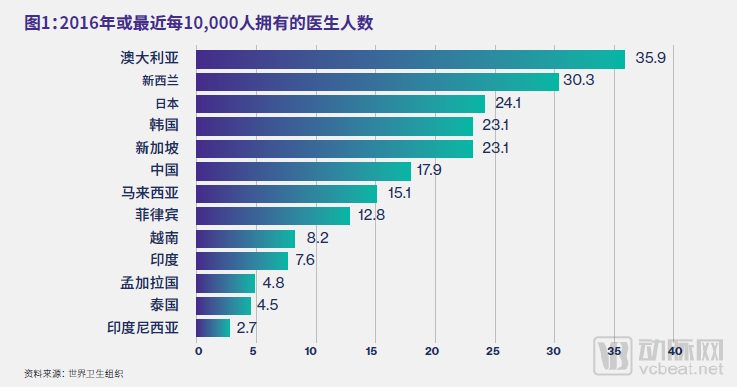
Medical statistics in Asia face significant challenges in terms of coverage and resource capacity, even in developed economies. The primary challenge is a shortage of human capital: even in affluent countries such as Japan, South Korea, and Singapore, the number of physicians per 10,000 people is below 25, representing the lowest physician-to-population ratio among developed nations. In South and Southeast Asia, which together account for more than half of Asia’s total population of over 2.25 billion, the average number of physicians per 10,000 people is fewer than seven (see Figure 1).
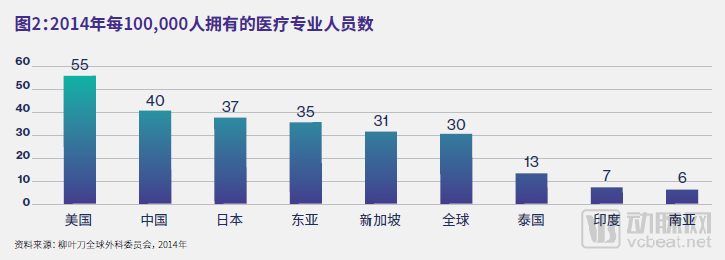
In parts of Asia, particularly in South Asia, healthcare professionals are similarly scarce. Although the density of healthcare professionals in East Asia exceeds the global average, its human resources in specialized fields lag far behind those of developed countries such as the United States. For most Asian patients, these resources are often difficult to access and prohibitively expensive.
Due to limited coverage of effective medical services and the high cost of chronic disease treatment, the shortage of healthcare professionals has become increasingly severe. According to estimates by Swiss Re, the heavy burden of medical services has created a $1.8 trillion healthcare gap for approximately 40 million households across 12 Asian countries, with nearly half of these being Chinese households, placing immense pressure on household finances and social well-being.
This dilemma has limited access to healthcare services across much of Asia; the OECD estimates that in several South and Southeast Asian countries, more than half of women in the lowest income quintile reported being unable to access healthcare services due to financial constraints.
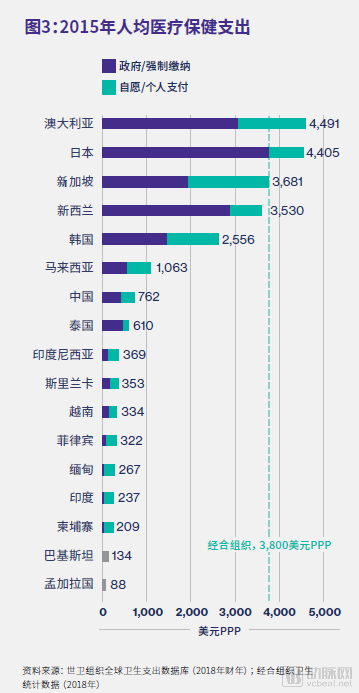
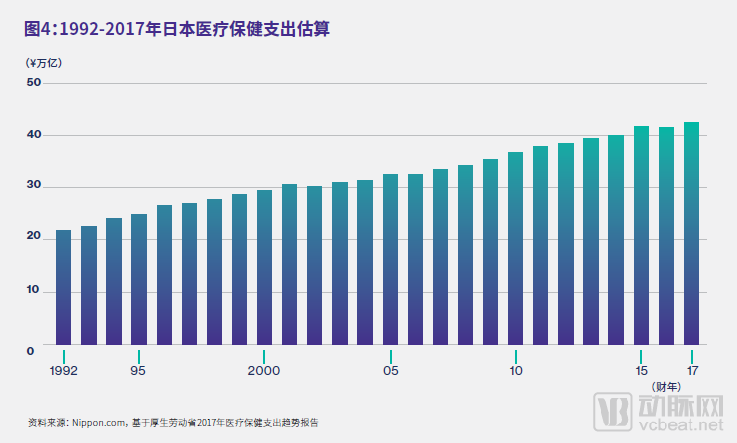
Governments in the region are facing challenges in their ability to provide adequate funding for healthcare services. With the exception of advanced economies, per capita healthcare spending in other Asian countries and regions is less than one-quarter of the OECD average (see Figure 3). In wealthier Asian nations, additional fiscal pressures have arisen from the challenges posed by population aging and rising debt levels; according to statistics from Japan’s Ministry of Health, Labour and Welfare, the Japanese government’s healthcare expenditure in 2017 amounted to ¥42.2 trillion ($396 billion), representing a 30% increase compared with a decade earlier (see Figure 4).
Therefore, it is hardly surprising that, given the pressures faced by Asian citizens and service providers, as well as the region’s growing emphasis on developing artificial intelligence (AI) resources, there has been a rising number of successful cases leveraging AI to accelerate positive healthcare outcomes. Virtual assistants that provide decision support for consumers and customer experience professionals represent an emerging AI application common across many industries in Asia and globally. These applications are predicated on the assumption that deeper insights into transactions can expedite otherwise slow processes and eliminate unnecessary intermediaries. However, on the other hand, healthcare systems in Asia tend to be bureaucratic and face a diverse array of challenges.
Emerging AI Application Cases in the Healthcare Sector
Building the most effective applications is not about streamlining healthcare operations, but rather about enhancing foundational productivity and providing better, more robust insights for medical diagnosis and treatment plans. The application of artificial intelligence and other emerging technologies typically revolves around the following use cases:
Provide decision support for healthcare professionals.During diagnosis and treatment, AI-driven analytical software is helping guide physicians and other healthcare professionals by providing effective recommendations and timely risk alerts, enabling them to develop treatment plans more quickly and accurately. In China, Baidu has deployed Clinical Decision Support Systems (CDSS) in nearly 1,000 hospitals, guiding physicians through standardized consultation procedures to complete disease diagnoses and recommend evidence-based treatment plans, thereby offering robust support to clinicians.
Medical Image Analysis and Diagnostic Support.Machine learning—a rapidly evolving field within global artificial intelligence innovation—is being leveraged to analyze increasingly complex magnetic resonance imaging (MRI), computed tomography (CT) scans, and other medical images for the diagnosis of fractures, cancer, stroke, and many other conditions. Yitu Technology, a venture capital-backed AI startup, is leveraging China’s leading position in image recognition research and development to jointly develop a four-dimensional CT scanning system for lung cancer diagnosis with the lung cancer database of West China Hospital in Chengdu.
Imaging Analysis System.
Provide virtual assistance to patients.Today, an increasing number of artificial intelligence tools are available to help patients locate healthcare resources and optimize their choices, such as informal self-diagnosis, physician search, and appointment scheduling. These tools are gaining popularity in the United States and Europe, where patients often rely on various platforms to make informed decisions, and they are also beginning to be adopted in Asia. In China, Ping An Insurance’s “Ping An Good Doctor” offers a range of online consultation and triage services, with an estimated 180 million registered users.
Assistance with Clinical Workflow.Emerging technology platforms, such as those developed by the U.S. artificial intelligence giant Inovalon, are leveraging natural language processing (NLP) and deep learning algorithms to analyze and code medical records and procedures more rapidly, while automatically reviewing documentation and patient histories to enhance the level of continuous care and support.
Robotic Surgeon.Cognitive robotics is being employed to enhance the analysis of patients’ preoperative medical data, provide recommendations on specific surgical strategies and techniques, and ultimately assist surgeons in performing procedures. Accenture estimates that robot-assisted surgery could save the U.S. healthcare system more than $40 billion. In Asia, Japanese startup Riverfield Surgical Robot is developing a platform called EMARO, which combines intraoperative guidance and support with enhanced analysis of preoperatively recorded medical imaging data.
Reduce fraud.Artificial intelligence software can leverage natural language processing (NLP) to analyze insurance claims data—including unstructured and non-standard information—to identify patterns of fraudulent or inaccurate claims as well as suspects. This issue is particularly pronounced in markets with complex, costly, and private healthcare systems; in the United States, for instance, the FBI estimates that annual losses from insurance fraud and abuse range from $90 billion to $300 billion. However, early signs of such issues are also emerging in Asia. Major Asian insurers, such as Japan’s Sompo Holdings, are already deploying AI technologies in their claims processing and fraud detection workflows.
Smartwatches, fitness monitors, and smartphones are proliferating across Asia, spawning numerous applications for monitoring health metrics such as cardiovascular activity, pulse rate, blood glucose levels, and blood oxygen saturation. When combined with artificial intelligence (AI) analytics, these data can be used to assess health risks, detect early warning signs, and formulate various preventive or health-promoting interventions. This approach will increasingly incorporate DNA analysis, where AI can enhance analytical precision, integrate metadata related to patients’ medical histories, and track records of DNA testing providers to help patients and healthcare professionals select optimal service providers. In Asia, dedicated devices designed to help patients and caregivers achieve health outcomes or manage routine care procedures are beginning to emerge. For instance, DFree, a toileting-time prediction device developed by the Japanese startup Triple W, is gaining traction for its ability to assist caregivers in elderly care.
Increasing the Number and Skills of Healthcare Professionals
From Japan to India, artificial intelligence is playing a pivotal role in expanding healthcare coverage and facilitating the translation of research findings by medical professionals across Asia. Enhancing the speed and accuracy of disease detection, as well as providing clinicians with insights and decision support, has become a primary objective for alleviating the region’s chronic and worsening shortages of healthcare personnel and resources. The World Health Organization estimates that by 2030, the Asia region will require more than 12 million new healthcare professionals, representing an increase of over 70% compared to current levels. While addressing the shortage of medical talent in Asia may be the driving force behind the current wave of AI adoption, policymakers and AI entrepreneurs are also envisioning the technology’s potential in more transformative ways, striving to develop AI applications that enable the region’s healthcare systems to operate in a more proactive and preventive manner.
As with most industries rapidly deploying emerging technologies, there has been extensive discussion about the potential for artificial intelligence to replace existing or future healthcare jobs. MIT Technology Review Insights estimates in its report “Artificial Intelligence and Human Capital” that healthcare will be one of the sectors benefiting from AI and automation across 11 Asia-Pacific markets. Although job opportunities in this sector are projected to decline—ranging from approximately 8% in Japan to around 5% in the Philippines—the more significant impact lies in the enhancement and improvement of these roles as emerging technologies take hold. Research indicates that in markets such as Singapore and South Korea, approximately 14% of healthcare jobs will become more efficient and productive due to artificial intelligence.
Automation technology will drive healthcare professionals, particularly medical personnel in developed economies, to further enhance their professional expertise and human-machine collaboration capabilities. However, the reality is that Asia’s healthcare ecosystem has suffered from a shortage of well-trained practitioners from the outset, even as demand for healthcare services in the region continues to grow. Artificial intelligence represents a critical solution for substantially improving efficiency and value in the healthcare industry.
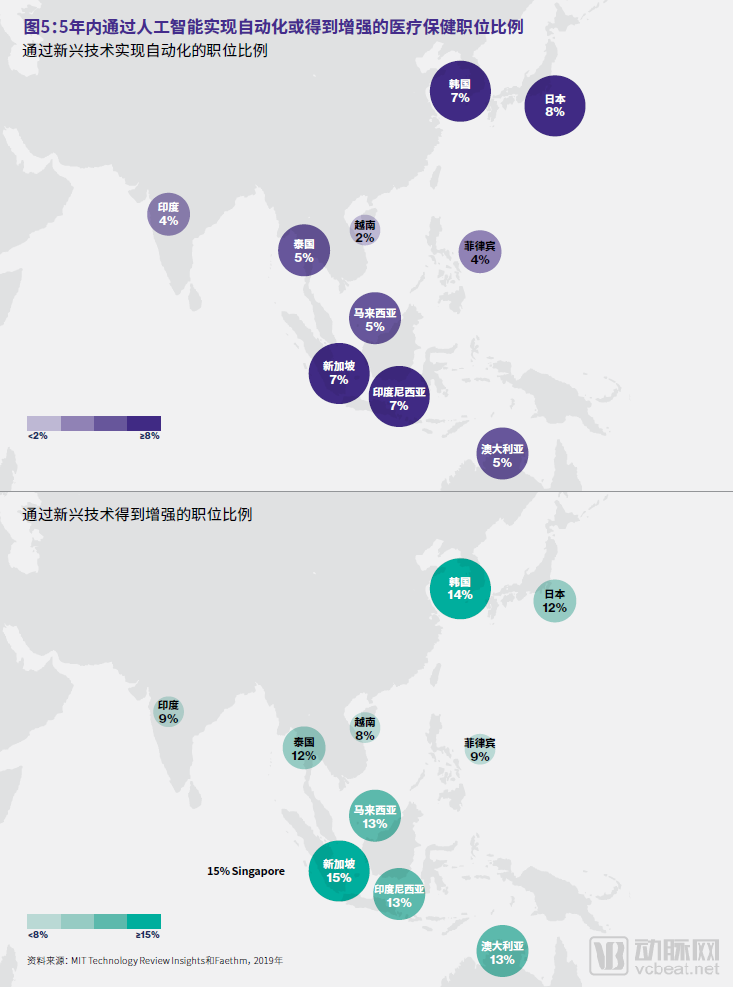
Enhancing the Capabilities of Healthcare Providers
Huang Yan, General Manager of Baidu Smart Healthcare, revealed that Baidu, one of China’s internet giants, is exploring how to leverage its core technological strengths to “empower primary healthcare with evidence-based AI.” Established in 2018, Baidu Smart Healthcare focuses on exploring AI applications in the medical field. Huang stated, “A core issue in China’s healthcare system is the structural imbalance of medical resources. With a large population, increasingly severe societal aging, and growing demand for high-quality medical services, the number of qualified doctors remains insufficient, and most are concentrated in major cities.”
Regarding the commercialization of medical AI, Huang Yan added, “We are not in a hurry to monetize. Healthcare services are value-oriented; as long as we can deliver significant value to the healthcare system, commercial opportunities will emerge. We are pleased to see that since the launch of our product, both patients and primary care hospitals have provided very positive feedback.”
The Capabilities and Confidence of China’s Primary Healthcare Institutions
Baidu is enhancing the quality and efficiency of primary healthcare in China through its Clinical Decision Support System (CDSS). Driven by AI technology, this system provides diagnostic and treatment recommendations to primary care institutions. Baidu designed the system with the primary aim of genuinely supporting medical staff at these grassroots facilities. Public hospitals in China are classified into three tiers: Tier-3 hospitals are typically large general hospitals with more than 500 beds, whereas Tier-1 hospitals are smaller facilities located in urban and rural areas, mostly with fewer than 100 beds and limited numbers of less experienced medical personnel.
Primary healthcare institutions should serve as the first line of defense for public health. However, due to the widespread perception that physicians at these facilities lack experience and that hospital resources are limited, most patients prefer to seek medical care at tertiary hospitals to receive standardized, professional treatment. Huang Yan believes that this situation further exacerbates the “structural imbalance of China’s medical resources,” with primary hospitals being virtually deserted and unable to fulfill their role as providers of basic medical services, while tertiary hospitals are overcrowded and often operating beyond capacity.
Baidu aims to enhance the capabilities of physicians at primary-care hospitals and improve patient access to high-quality medical services. This aligns with the Chinese government’s policy direction in recent years, which encourages tiered diagnosis and treatment and promotes the advancement of primary healthcare. The overarching goal is to enable primary-care hospitals to serve as health gatekeepers, ensuring that residents can receive professional, high-quality medical services close to home.
Among the numerous grassroots regions where Baidu’s Clinical Decision Support System (CDSS) has been implemented, Pinggu District, located in northeastern Beijing, stands out as the most typical example. With a population of 460,000, Pinggu District has seen significant improvements in its healthcare delivery. Jiao Junfeng, Director of the Information Center at the Pinggu District Health Commission, stated that with the assistance of Baidu’s CDSS, local medical institutions are better equipped to meet the healthcare needs of the entire administrative region, serving residents across 18 townships. Jiao noted that national policies require grassroots facilities to handle the diagnosis and treatment of 66 common diseases, which poses certain challenges for primary care physicians. Moreover, the limited number of grassroots doctors in the area cannot fully satisfy the growing healthcare demands of residents. Baidu’s CDSS is designed to enhance the diagnostic and treatment capabilities of grassroots hospitals, aligning closely with national requirements. Both share the same goal: enabling primary care institutions to undertake more diagnostic and treatment responsibilities and better serve the grassroots population.
Regarding the outcomes since the implementation of the Clinical Decision Support System (CDSS), Jiao Junfeng spoke highly of it. “The system’s accuracy in symptom recognition far exceeds our expectations, effectively assisting physicians in making clinical judgments. It has received high praise from both doctors and patients. Previously, primary care physicians had limited exposure to a narrow range of conditions, resulting in relatively constrained diagnostic and therapeutic experience. Since the deployment of CDSS, physicians’ capabilities have improved, leading to growing public trust in local medical practitioners. Nowadays, an increasing number of patients are seeking care at primary healthcare institutions, rather than indiscriminately...
“Go directly to a large hospital regardless of the severity of your condition.”
Jiao Junfeng is highly satisfied with the current effectiveness of Clinical Decision Support Systems (CDSS). He hopes to further explore additional application scenarios for CDSS, enabling it to serve primary healthcare more extensively and comprehensively. For instance, CDSS could be used to provide remote consultations for patients in remote areas, advising them on which hospital and medical department they should visit. After the consultation, CDSS would continue to monitor the patient’s clinical course, offering recommendations for subsequent treatment and care.
Explainable Artificial Intelligence
CDSS systems can provide interpretable recommendations to assist physicians in clinical decision-making processes, such as diagnosis and treatment planning, and issue risk alerts when necessary. The interpretability of CDSS is built upon medical natural language processing (NLP) and knowledge graph (KG) technologies, which are also key factors contributing to the ultimate success of CDSS.
“Medical natural language processing (NLP) and knowledge graph technologies have laid the foundation for Baidu’s AI-driven healthcare initiatives. NLP technology can automatically identify entities and their relationships within medical records and literature, integrating them into a medical knowledge graph. This compilation and understanding of medical knowledge is complex and highly structured; it would be difficult to achieve without close collaboration between medical experts and AI engineers,” introduced Huang Yan.
In addition to CDSS, Baidu has developed numerous other AI healthcare products based on medical NLP and KG technologies, enhancing the quality and efficiency of clinical diagnosis and treatment through interpretable recommendations.
Keep Pace with the Machine
The rapid advancement of medical imaging technology, combined with the analytical and machine learning capabilities of artificial intelligence, has significantly enhanced the ability of healthcare professionals in Asia to rapidly diagnose major diseases.
Several factors have contributed to the significant enhancement of these capabilities. The first is investment in medical imaging. In the first half of 2019, total investment in healthcare technology companies across Asia amounted to nearly $2.5 billion, with approximately $400 million in venture capital flowing into medical imaging enterprises. Research firm IDC estimates that technology spending in Asia’s healthcare sector could reach nearly $15 billion by 2022, representing a 7% annual growth rate compared to current levels. The second area of progress is the extensive accumulation of digital datasets centered on specific diseases and injuries. Although development across the region remains uneven, digital datasets in China, South Korea, and Japan are gradually becoming more robust. Large volumes of raw data obtained from CT and MRI scans are providing the foundation for machine learning algorithms, enabling them to perform pattern recognition, interpret ambiguities, and
Diagnosing with astonishing accuracy. As new datasets emerge, novel artificial intelligence models for disease detection also come to the fore. In South Korea, medical imaging startup Lunit recently received approval from the Ministry of Food and Drug Safety for its breast cancer detection platform, whose algorithm was trained on more than 200,000 mammographic images.
Human-Machine Diagnosis
Medical imaging technology has advanced rapidly over the past decade, providing substantial assistance to medical professionals in disease diagnosis while also posing significant challenges to physicians’ ability to accurately interpret images. “Over the past six or seven years, AI-based medical imaging diagnosis has flourished as an artificial intelligence healthcare application, driven by a combination of factors,” said Padmanabhan Anandan, CEO of the Wadhwani Institute for Artificial Intelligence in India. “For instance, the volume and availability of digital images, along with the increasingly powerful interpretive capabilities of machine learning tools, have far surpassed human capacity.”
Anandan described image interpretation as a challenging category of medical analysis. “Medical images are ‘obscure and difficult to decipher,’ requiring complex and meticulous understanding to draw reasonable inferences,” he said. “Medical imaging is well-suited for diagnostic assistance using complex analytical tools, which is fundamentally different from chemical analyses (such as blood tests or biopsies). For the latter, physicians can more readily interpret quantitative results.”
Xu Shan, Senior Business Executive at the China Academy of Information and Communications Technology (CAICT) and Vice Chair of the WHO-ITU Focus Group on Artificial Intelligence for Health, stated that medical imaging represents a highly influential case of AI-driven innovation. She attributed this in part to the powerful and unique combination of computer vision and deep learning technologies. Xu noted that the multidimensional image fusion process integrates critical data from multiple recorded images into a single dataset, “which can improve the accuracy of lung cancer detection by 50%, while convolutional neural networks (specialized for detecting and interpreting pixel data
neural networks) can enhance diagnostic capabilities.”
Multiple Asian countries are striving to apply these technologies to image analysis. “Cancer is a challenging issue faced worldwide,” said Kazumi Nishikawa, Director of the Health Industry Division at Japan’s Ministry of Economy, Trade and Industry (METI). In this regard, the extensive experience and vast data resources of Asian countries indeed confer significant advantages. For instance, China’s capabilities in this area are strengthening, thanks to its large volume of medical imaging data and the early national lead it established in various image recognition tools, particularly facial recognition.
Nishikawa pointed out that medical image analysis is a particularly prominent skill among hospitals and universities in Japan. “While there are (imaging diagnosis) projects around the world, Japan is unique because it generates vast amounts of imaging data, and physicians can provide high-quality keywords and teaching resources for artificial intelligence platforms.” In 2017, Japan’s National Institute of Informatics, the Japan Agency for Medical Research and Development (AMED), and other medical academic institutions launched a cloud-based national medical imaging R&D initiative—the Center for Medical Big Data. Japan also has the highest density of CT and MRI scanners among OECD countries.7 Nishikawa noted growing opportunities for academic collaboration between Japan’s AI research on medical big data and other healthcare systems globally, pointing out that AMED is seeking to scale up the program, transitioning it from research into commercialized diagnostic tools.
Bridging the Data Divide
Most governments in emerging Asian economies have yet to formulate specific regulations for the development of artificial intelligence (AI) in healthcare, primarily due to other pressing challenges. Anandan from the Vadhwani Institute for Artificial Intelligence cited India as an example, noting that when the country’s National Digital Health Blueprint was released, “AI was not even taken into consideration,” because “it is first necessary to establish platforms for data collection and analysis of patient information.” AI can partially fulfill this role, Anandan stated, as machine learning tools can “
Filter and clean data to make it flexible and easy to use, while ensuring the secure use and sharing of patient data.”
India has other unique resources to address this data divide, such as its world-leading IT services industry. Anandan stated, “India’s IT sector not only provides back-office support globally but also serves as a critical safeguard for India.” Indian IT companies are already building data ecosystems for a range of infrastructure projects undertaken by the Indian government, and the goal of achieving digital healthcare presents another significant opportunity.
India generally lacks digital health infrastructure, which obscures the fact that the country possesses substantial wealth and healthcare expertise. Anandan explained, “A significant portion of India has surpassed the typical development level of developing countries.” Per capita allocation of national-level medical resources in terms of human capital, medical facilities, and infrastructure is insufficient, with “most impoverished areas primarily served by healthcare personnel who have not received comprehensive training. However, we also have decent healthcare coverage among the middle class.” He believes that this combination offers India a unique opportunity to explore artificial intelligence use cases in the socioeconomic sphere.
Adapting to Local Conditions to Address Medical Challenges
The healthcare industry in Asia has achieved remarkable success by adopting artificial intelligence (AI) technologies, leveraging national unique assets—such as local skills, talent, and data resources—to address severe healthcare challenges. As discussed in the previous chapter, supported by large datasets such as medical imaging, AI has made incredible advances in diagnosing cancer, stroke, heart disease, fractures, and eye diseases, with the range of diagnosable conditions rapidly expanding. Underdeveloped economies in Asia also face significant opportunities to utilize AI in solving their own specific healthcare problems, such as maternal and neonatal mortality or tuberculosis in India.
In China, the growing national wealth and easy access to digital services have further complicated a range of healthcare challenges facing the large population. Rising expectations for healthcare institutions are placing increasing strain on limited resources and space. Ultimately, population aging is rapidly becoming one of the major healthcare crises in Asia. Japan is undoubtedly a typical example, with nearly one-third of its population aged over 65. Other countries in the region are following closely behind. By 2030, the proportion of people aged 60 and above in South Korea, Thailand, and China will exceed 25%. In the coming decades, government policies and private-sector innovation will converge to develop targeted artificial intelligence applications to address these unique challenges.
Reducing Infant Mortality in India
The Wadhwani Institute has identified maternal and child health as a key area for AI development. According to reports from India’s Central Health Intelligence Bureau, although the infant mortality rate has more than halved over the past two decades—dropping from 74 deaths per 1,000 live births in 1994 to 34 in 2016—it remains six times higher than that of the United States. The U.S. infant mortality rate stands at 5.6 deaths per 1,000 live births, the lowest among developed nations. “Neonatal risk management is a high national priority, which has also resulted in greater availability of historical data,” said Anandan. “This presents an opportunity to leverage artificial intelligence to stratify maternal risk levels.” The Wadhwani Institute has already begun using AI-powered mobile applications to collect neonatal data.
Although there is a wealth of statistical data, Anandan points out that most of it has not been collected properly, because “it is very difficult to obtain accurate measurements of newborns outside healthcare facilities: for example, head circumference needs to be measured within a specific time frame. Approximately 30% to 40% of infants do not have their birth weight measured correctly, and the weights of low-birth-weight infants, in particular, are often based on ‘guesses.’” The Vadhwani Institute’s project includes “several smartphone-captured images and a 3D virtual model driven by synthetic data” to establish “ground truth,” which will lay the foundation for full-scale field trials scheduled to launch later this year.
Anandan pointed out that accurate measurement data might help eliminate one of the biggest obstacles to using artificial intelligence (AI) to reduce infant mortality. However, projects at the Vadwani Institute must now "take a step back" to better stratify the risk levels of infant mortality, thereby integrating and analyzing data on community factors and pregnancy health indicators. He believes that other medical fields also have similar potential for AI development, noting that "India has abundant national-level resources in these areas, particularly in data collection and collaboration with the government." Diseases such as tuberculosis will be among the first to benefit from India's foundational investments in AI-driven healthcare, he stated.
India’s premium healthcare sector is uniquely positioned to enhance efficiency and improve patient recovery outcomes. One example is the use of AI-driven recommendations for risky elective procedures. Anandan noted that the volume of cataract surgeries, for instance, has surged with the implementation of India’s new health insurance policies. “Many cataract surgeries are not strictly necessary, yet healthcare professionals often struggle to clearly define this threshold,” he stated.
Artificial Intelligence Brings a Glimmer of Hope to Japan
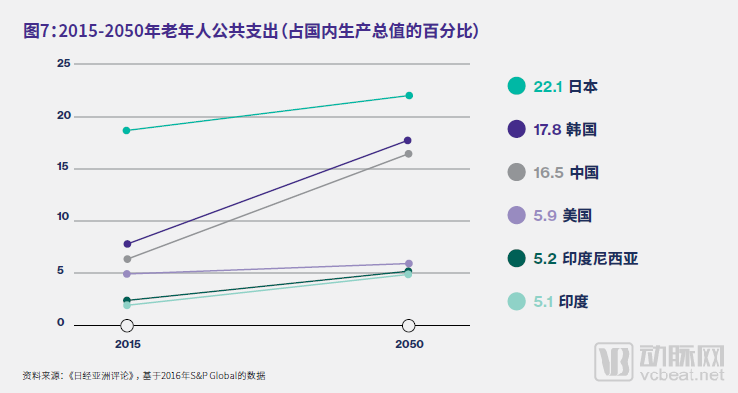
Kazumi Nishikawa, Director of the Health Industry Division at Japan’s Ministry of Economy, Trade and Industry (METI), stated that Japan holds a unique domestic market advantage in artificial intelligence research, particularly in developing solutions to care for its rapidly growing elderly population. Japan faces the most severe aging crisis globally: in 2006, it became the first country where individuals aged 65 and older accounted for 20% of the total population. According to data from the National Institute of Population and Social Security Research, this proportion has now risen above 28%, representing more than 33.6 million people, and is projected to reach 37.7% by 2050.
Although long-term projections from that point onward are expected to stabilize (reaching 38.4% by 2065), this trend is more closely linked to the overall pace of national population decline: Japan’s total population has been decreasing since 2011, with the Ministry of Internal Affairs and Communications estimating a drop of 430,000 in the domestic population last year. The fiscal burden of an aging population is substantial, as government spending on individuals aged 75 and older is four times higher than that for other citizens. Meanwhile, the pool of people available to care for the elderly—and to fund their retirement—is shrinking rapidly.
Against this backdrop, a surge of elderly care startups is emerging, “developing unique AI technologies tailored to the Japanese context,” says Nishikawa. These applications include communication tools for patients with dementia and predictive analytics that help caregivers schedule toileting assistance for patients. Although such data are not as readily available as medical imaging data, Nishikawa notes that recording interactions with “grandmas and grandpas” is rapidly helping these companies build their datasets.
Founded in 2016, ExaWizards is a Tokyo-based startup. It collects data from cameras, microphones, and voice analysis systems installed in nursing homes and integrates this information with the core principles of “Humanitude,” a French dementia care approach widely adopted in Japan. The Humanitude method trains caregivers to interact with dementia patients gently and kindly by using voice and touch, maintaining eye contact, and respecting personal space, thereby improving the psychological well-being of both patients and nurses. Another innovation comes from Triple W, a Tokyo startup that has established a subsidiary in the United States. It uses artificial intelligence to analyze data from compact wearable bladder ultrasound devices, helping older adults and their caregivers predict toileting times. According to Nishikawa, “Over the past three years, more than 100 nursing homes have installed this system, and the product is now being exported to the United States, China, and Europe.”
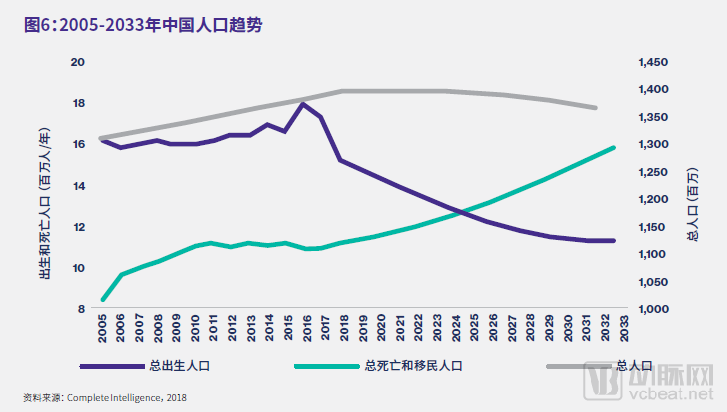
Nishikawa pointed out that while many Japanese AI companies may not possess world-leading technologies, firms such as ExaWizard and Triple W are demonstrating how Japanese healthcare startups are successfully leveraging global competitive advantages. “Japan’s high demand for elderly care leads me to believe that the country will continue to create practical and unique AI applications,” which will have implications both regionally and globally. Japan’s extreme aging crisis is indeed severe, but it is by no means unique in Asia. Research by the data analytics firm Complete Intelligence shows that China’s total fertility rate peaked five years ago; at the current pace, deaths and emigration will outnumber births in China within the next five years. In particular, elderly care costs in China and South Korea are projected to rise sharply over the next two decades.
Singapore's Healthcare Innovation Challenge
Many Asian governments have long been developing industrial and social incentives to channel business investment and academic achievements toward addressing public policy issues. Singapore, in particular, has integrated and trained segments of its domestic scientific research workforce and social resources specifically for AI applications in healthcare.
In June 2018, AI Singapore, the enabling arm of the National Research Foundation, launched the “AI in Health Grand Challenge,” inviting local academic institutions and enterprises to compete in developing artificial intelligence applications. This initiative aims to support the country’s overarching goal of reducing the number of patients with hyperglycemia, hyperlipidemia, and hypertension by 20% by 2024. According to statistics from the Ministry of Health, these three conditions, collectively known as the “Three Highs,” were projected to affect 1.5 million Singaporeans by 2020, accounting for
more than 26% of the population.
In March 2019, AI Singapore awarded grants of S$5 million (US$3.6 million) each to the three finalist teams and committed to investing up to S$20 million (US$14.4 million) in one of these finalists two years later. One team, led by the National University of Singapore (NUS), proposed developing an AI platform named JarvisDHL, accessible to patients and healthcare providers, enabling them to monitor and assess health indicators related to diabetes, hypertension, and cholesterol. The second proposal, also from a team led by NUS and the National University Health System (NUHS) of Singapore, aimed to develop planning and decision-support algorithms to expand the consultation capacity of Singapore’s community healthcare polyclinics. This included FoodLg, an application that monitors patients’ nutrient intake and provides analytics and patient guidance. The third proposal sought to develop an assessment and intervention platform to manage patients with the “three highs” (hypertension, hyperglycemia, and hyperlipidemia) across various stages, from initial detection to treatment management.
Artificial Intelligence and Proactive Health
As discussed in previous chapters, most AI development in Asia has focused on enhancing the technical proficiency and capabilities of healthcare professionals and medical facilities, as well as addressing region-specific health challenges. However, policymakers, scholars, and technologists in the region are increasingly exploring the potential of AI to fundamentally redefine the concept of healthcare. A new concept known as “Proactive Health” is being mentioned with growing frequency. Health authorities are compiling data on disease markers, risk factors, and other intelligence related to diseases and health conditions, and
Classification, followed by the use of this classification to provide predictive recommendations on actions individuals should take to improve their health status.
Xu Shan from the China Academy of Information and Communications Technology (CAICT) pointed out that healthcare management and responses to population aging are key priorities for China in the coming years. The 2018 Notice issued by the Ministry of Science and Technology of China regarding the National Key R&D Program on “Proactive Health and Technological Responses to Aging” serves as “one of the several key special project application guidelines for introducing new technologies in the most promising fields over the next four years.” She listed several health-related technologies, including deep learning applications in artificial intelligence, virtual assistants, wearable monitoring devices, multi-source data analysis, and data processing (including data annotation and quality control), all of which are industries expected to experience rapid growth in China over the next two to five years.
The Story of Bian Que and His Three Brothers
Xu Shan believes that this new technology will facilitate a comprehensive leap from reactive data interpretation (i.e., diagnosis based on MRI scan review) to the application of artificial intelligence, driven by deep neural networks and deeper data lakes, to provide predictive recommendations for patient behavior and optimal treatment strategies.
She illustrated this objective with a folk tale about Bian Que, a legendary physician from the Zhou Dynasty (circa 500 BC), who is widely regarded as China’s first renowned medical expert. Bian Que had two brothers, who were also physicians. Xu Shan explained, “According to legend, an emperor asked Bian Que, the most famous of the three brothers, whose medical skills were the best. Bian Que replied that his own skills were merely average, yet he was the most well-known because he treated patients who were already critically ill, making his results the most striking. Bian Que explained that his second brother was a better doctor, as he provided treatment in the early stages of disease, when symptoms were not yet pronounced. His eldest brother was the best physician, because he could identify the potential causes of illness and eliminate the root causes before people even felt unwell.”
Wearable Devices + Artificial Intelligence
Across Asia, wearable devices are regarded as a component of proactive health. The region has become the world’s largest market for wearable devices, with projected revenues of $7.3 billion, driven primarily by China ($4.6 billion) and India ($1.4 billion), at an annual growth rate of approximately 4.4%.12 Asia’s manufacturing sector also serves as the hub of the world’s largest consumer electronics ecosystem. Consequently, the Asian healthcare industry is flourishing, with a focus on developing AI-driven tools and devices. DFree, a toilet timing assistant developed by the Japanese startup Triple W, exemplifies the integration of wearable devices and artificial intelligence to create proactive health solutions.
Xu Shan believes that the ability to predict and provide recommendations based on various indicators and conditions before a disease occurs is a professional competency, and the true transformative power of artificial intelligence in the healthcare industry will be realized through this capability. A deeper understanding of existing conditions will, to some extent, drive the transformation from reactive or interpretive AI. Smart wearable devices can already transmit data to analytical systems, which are capable of recommending exercise, dietary, and pharmacological treatment plans, thereby keeping patients informed about their adherence to these
What outcomes can be achieved with the protocol?
Other examples of wearable device innovation in Asia include: Hong Kong–based Well-Being Digital, whose sensitive and accurate heart rate monitors hold more than 50 patents and can be integrated into earphones and a wide range of wearable devices; and the Singapore Health Promotion Board, which partnered with Fitbit to launch a nationwide healthy living campaign, distributing health monitors to citizens free of charge.
Artificial Intelligence Cannot Replace Humans
Nishikawa from Japan’s Ministry of Economy, Trade and Industry (METI) believes that the transition to proactive health AI remains challenging, even as it increasingly integrates with the healthcare industry. “I am optimistic about the prospect of AI helping people lead healthier lives. In Japan and around the world, individuals can easily choose from a range of wearable devices, applications, and analytical systems to motivate themselves to adopt healthy lifestyles. However, I am not optimistic about AI replacing physicians in providing reliable diagnostic services. The reasons lie in accuracy, credibility, and, most importantly, accountability. Physicians must take responsibility for their diagnoses, including the duty to manage patients’ anxiety levels when delivering unfavorable diagnoses. In this sense, we must adopt a conservative approach when applying AI as a complete substitute for physicians. Current diagnostic support systems must serve to complement and safeguard physicians’ work.”
Nishikawa believes that the next logical step in the evolution toward more proactive artificial intelligence is to leverage AI to provide comprehensive support to healthcare professionals in specific scenarios. He pointed out that Tricog, a healthcare company headquartered in Singapore, has attracted investment from Edge Capital, the venture capital arm of the University of Tokyo. Tricog’s technology connects electrocardiogram (ECG) machines operated by clinics and hospitals in more than a dozen countries across Africa, South Asia, and Southeast Asia to its cloud-based analytics platform, transmitting ECG results to its own medical team for analysis and interpretation. The company states that this combination of diagnostic support, driven by remote experts and AI technology, can deliver results to clients within six minutes. According to Nishikawa, the value of Tricog’s operational model lies in “providing physician-to-physician predictive services to other healthcare professionals with less experience in various countries.”
Conclusion: Balancing Urgency and Capacity Building
This report, “AI in Healthcare: Development Space, Capabilities, and the Future of Proactive Health in Asia,” explores how emerging technologies can be leveraged to address the specific healthcare needs of Asian countries, and how the region is rapidly becoming a global leader in healthcare technology innovation. These areas of innovation include: Japan’s efforts to accelerate AI-assisted diagnosis in medical imaging; China’s use of AI to build clinical consultation capacity and overcome challenges posed by inadequate infrastructure; and the Singapore government’s deployment of AI to achieve its targets for treating three high-cost diseases. The report concludes as follows:
The Rise of AI: Targeting Healthcare Challenges in Asia
A variety of strategies have emerged across Asia, aligning artificial intelligence technologies with each country’s unique challenges and healthcare needs, thereby fostering a favorable environment for technological innovation. Governments can play a more proactive role in setting ambitious goals for private enterprises and academic research institutions, while also developing collaborative models that are more attractive to diverse stakeholders, in order to identify new solutions that meet healthcare demands. As a prime example, Singapore’s “Healthcare Innovation Challenge” demonstrates how governments can facilitate targeted research and development while providing the necessary resources.
First, address the most difficult challenge.
Whether governments, healthcare institutions, or technology companies, healthcare stakeholders in Asia should focus on the most challenging and widespread issues in domestic and international healthcare markets. While such problems may seem endless, the most effective approach is to identify large-scale issues—such as Japan’s growing demand for dementia care, which already affects 4% of its population and continues to rise—and combine them with artificial intelligence resources. Efforts to enhance resources and personnel will yield immediate results and lay the foundation for future breakthroughs.
Encourage Innovation, But Ensure Continuous Evaluation
“While seeking innovative solutions to address healthcare challenges is crucial, Xu Shan from the China Academy of Information and Communications Technology (CAICT) also pointed out that ‘the key to truly achieving transformative AI in healthcare lies in ensuring that these innovations undergo rigorous benchmarking and evaluation, which helps ensure compliance with pre-market and post-market regulations and frameworks. Successfully building and strengthening domestic AI technologies will greatly benefit other markets and create opportunities for exporting products regionally and globally.’ China and Japan are increasingly leading in image recognition technology, having already secured opportunities for technology exports.”
People-Centric
The ever-growing contribution of technology to medical diagnostic decision-making has undoubtedly been a boon for many patients in Asia. However, from an ethical perspective, technology must serve solely as a tool to assist physicians and healthcare practitioners. Ultimate decision-making responsibility must remain firmly in human hands to ensure the enforcement of accountability within the healthcare system. By enhancing physicians’ professional expertise and their ability to provide rapid and effective treatment, thereby continuously strengthening their clinical competence, this will emerge as one of the most transformative innovations in Asia. For patients at the top of the economic pyramid, the care they receive is already of a high standard. However, for the millions of people at the bottom of the socioeconomic ladder, greater access to efficient and experienced healthcare professionals will significantly improve their quality of life.
About MIT Technology Review Insights
MIT Technology Review Insights is a custom publication of MIT Technology Review. As the world’s oldest technology magazine, MIT Technology Review is backed by the globe’s most renowned technology research institutions and primarily organizes live events and initiates investigative research around today’s cutting-edge technologies and business challenges. MIT Technology Review Insights conducts qualitative and quantitative research and analysis in the United States and abroad, publishing a range of content including articles, reports, infographics, videos, and podcasts. Leveraging the ever-expanding MIT Technology Review Global Advisory Panel, MIT Technology Review Insights enjoys unprecedented access to conduct surveys and in-depth interviews with senior executives, innovators, and thought leaders around the world.
The PDF version of the report can be downloaded from the Reports section on VCBeat.