

Capital-Driven Precision Medicine Ushers in a 'Heart' Transformation: The 6th China Cardio-Cerebrovascular Health Industry Investment and M&A CEO Forum Successfully Concludes
On November 24, 2019, the “6th China Cardiovascular and Cerebrovascular Health Industry Investment and M&A CEO Forum” was held in Beijing. Distinguished medical experts, industry leaders, business elites, and investors from China’s cardiovascular and cerebrovascular fields—representing the medical community, research institutions, industry, and investment sectors—served as keynote guests. Through six conference reports, two thematic speeches, and three panel discussions, they presented professional insights and compelling perspectives on the current state of domestic and international cardiovascular and cerebrovascular industry development, new technologies in clinical application, and investment hotspots. The forum featured a tight schedule and rich content, interspersed with impressive cardiovascular and cerebrovascular project roadshows, creating an enthusiastic atmosphere and receiving positive feedback. More than 200 industry professionals and related stakeholders attended the event.
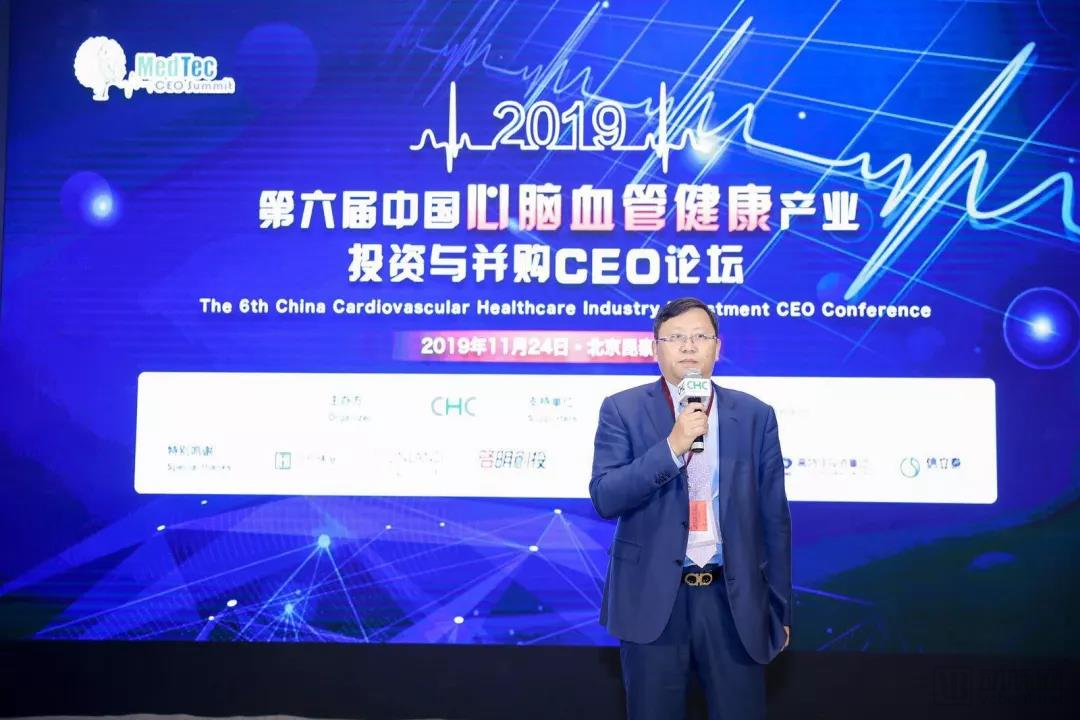
Liu Daozhi, Conference Chair, Founding and Managing Partner of Shanlan Capital
Dr. Liu Daozhi delivered the opening address for this forum. He stated that, as a highly dynamic industrial ecosystem, the cardiovascular and cerebrovascular sector is poised to become one of the most promising arenas for emerging focal points and discussions, driven by entrepreneurship, investment, mergers and acquisitions, and government support. The industry’s rejuvenation and the ubiquity of entrepreneurial ventures constitute its most distinctive characteristic.
>>>>
Current Status and Trends in the Medical Device Industry
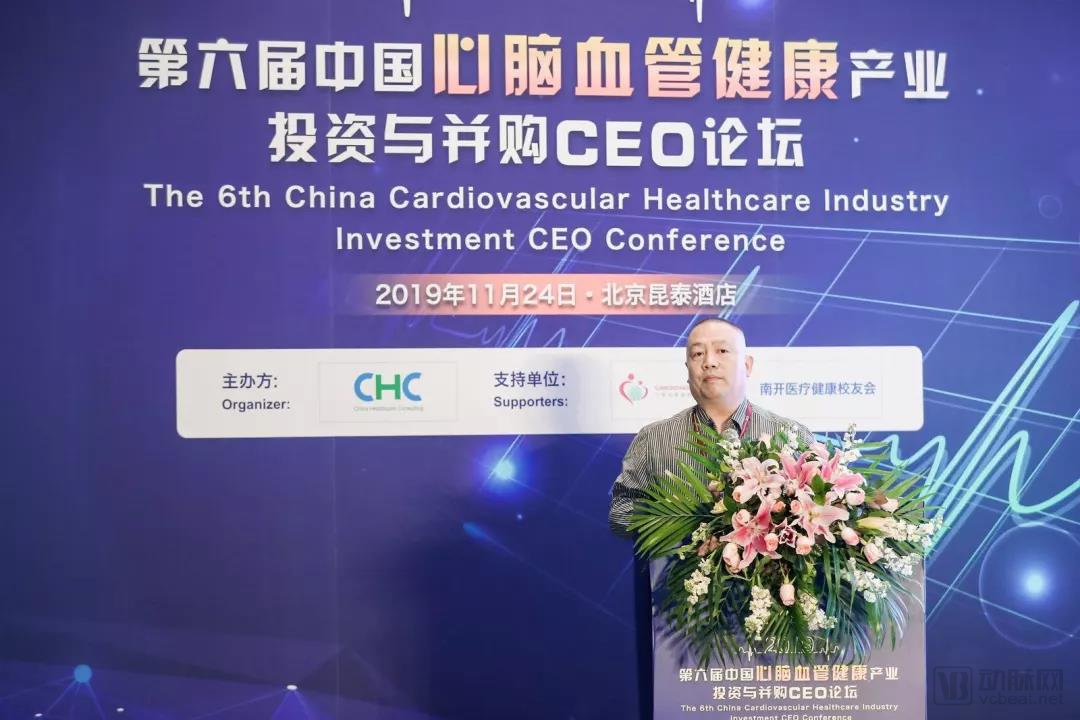
President Jiang Feng stated that the core of current policies promoting the development of China’s medical device industry is to safeguard intellectual property rights and protect innovation, thereby encouraging all stakeholders to invest actively, sustainably, and efficiently. Within the industry ecosystem, large companies should focus on building industrial scale, while small companies should concentrate on product development; both should establish their respective strengths, divide labor rationally, compete in an orderly manner, and achieve prosperous growth.
Research Progress on Cardiovascular and Cerebrovascular Medical Devices in China
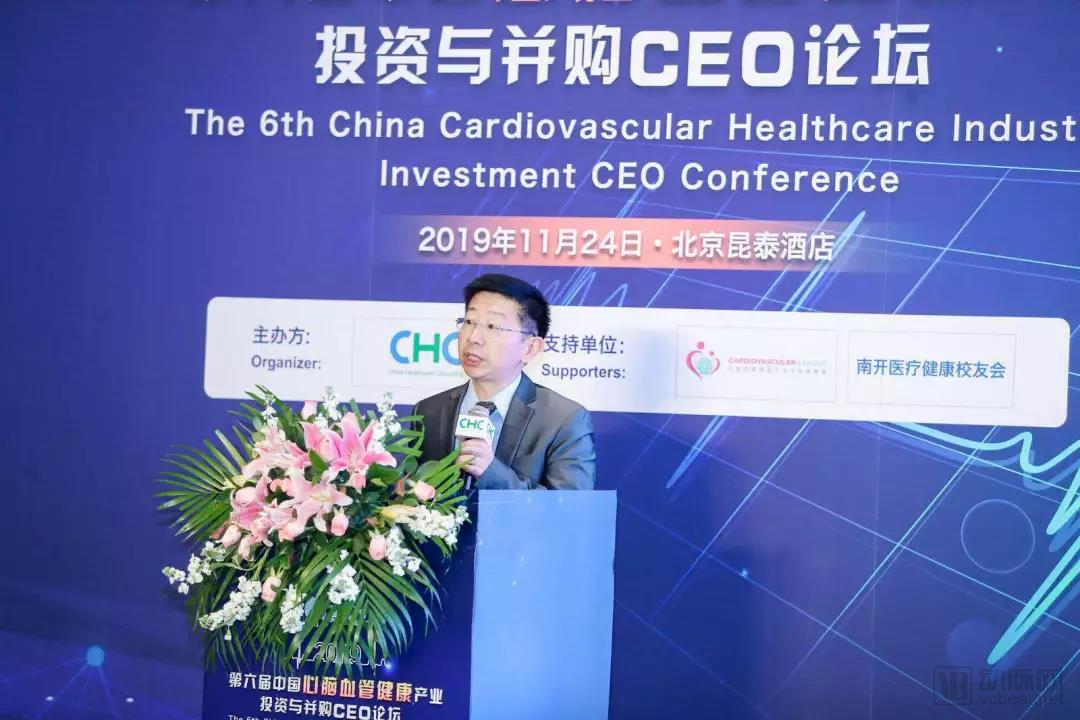
Wang Yunbing, Director of the National Engineering Research Center for Biomaterials
Director Wang Yunbing’s report began with an overview of advances in two areas of intense research interest: minimally invasive interventional valve procedures and bioresorbable stents. He noted that cardiovascular and cerebrovascular medical devices have now become the second-largest market, surpassed only by in vitro diagnostic (IVD) devices. Moreover, due to their lower procedural risk, shorter operative times, and minimal invasiveness, minimally invasive interventional therapies have emerged as the primary approach and prevailing trend in the treatment of cardiovascular and cerebrovascular diseases.
Innovative Practices in Medical Devices
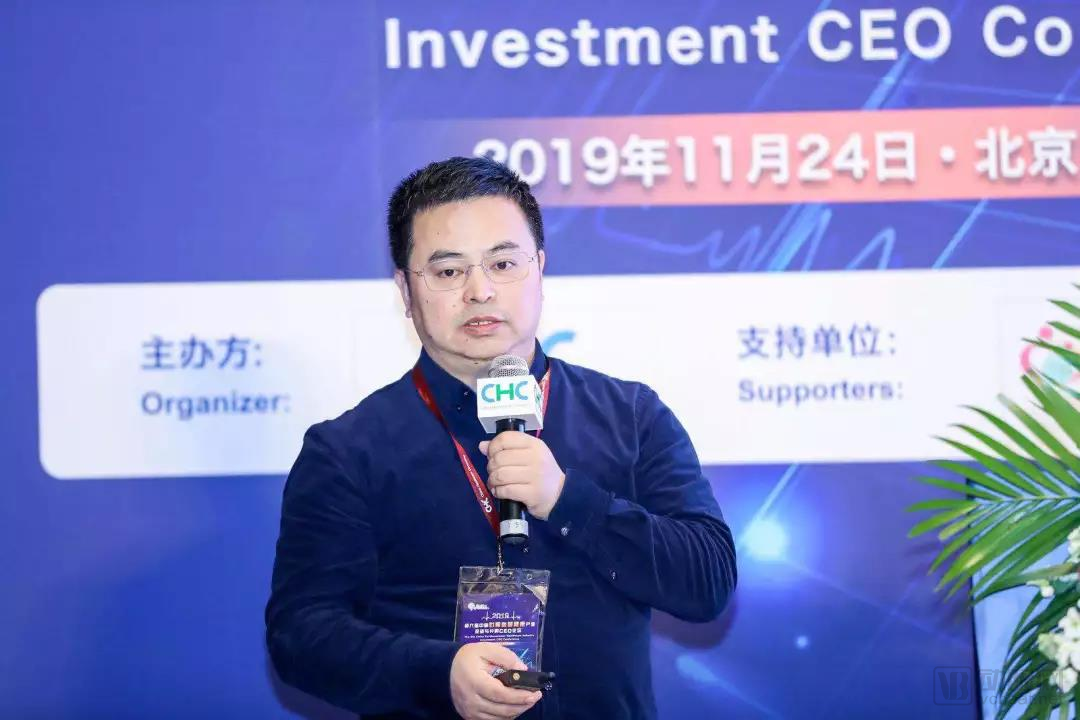
Zi Zhenjun, Founder and CEO of Venus Medtech
Mr. Zi Zhenjun shared with attendees the internationalization journey of a pulmonary valve product developed by Venus Medtech. He noted that a major difference between medical devices and pharmaceuticals is that the clinical pain points and needs for the former often originate from clinicians. Innovation and practice in the medical device industry largely rely on the bidirectional integration of medicine and engineering, which can lead to technological changes that are highly revolutionary and disruptive.
Clinical Applications of Arrhythmia Technologies and the Demand for Device Innovation
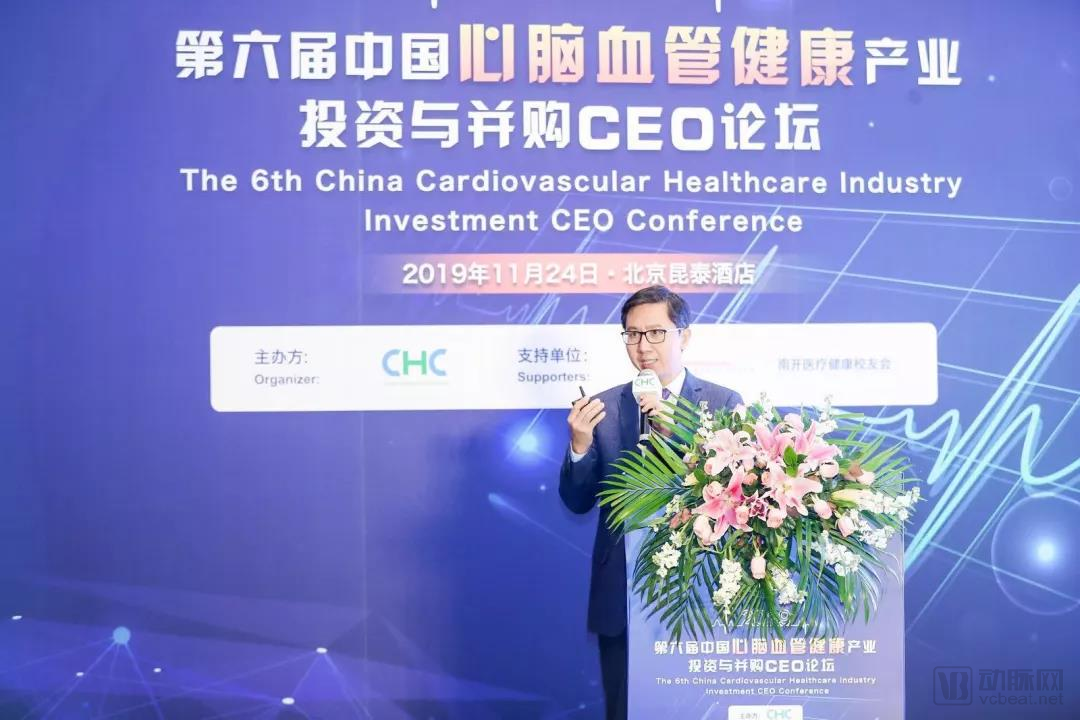
Liu Xingpeng, Deputy Director of the Heart Center and Director of the Arrhythmia Department, Beijing Chaoyang Hospital
Director Liu Xingpeng believes that atrial fibrillation (AF), as the most common arrhythmia, is currently the most active area in the development of related medical devices. From non-invasive wearable devices for AF detection to catheter ablation for AF treatment, stroke prevention, and the application of artificial intelligence for monitoring and management, each independent segment and every part of the relevant value chain offers substantial opportunities for device innovation. Meanwhile, non-invasive mapping and ablation systems for ventricular tachycardia, as well as conduction system pacing, are also current hotspots in the research and development of arrhythmia management devices.
2020 Investment Forecast for Domestic and International Cardiovascular and Cerebrovascular Devices
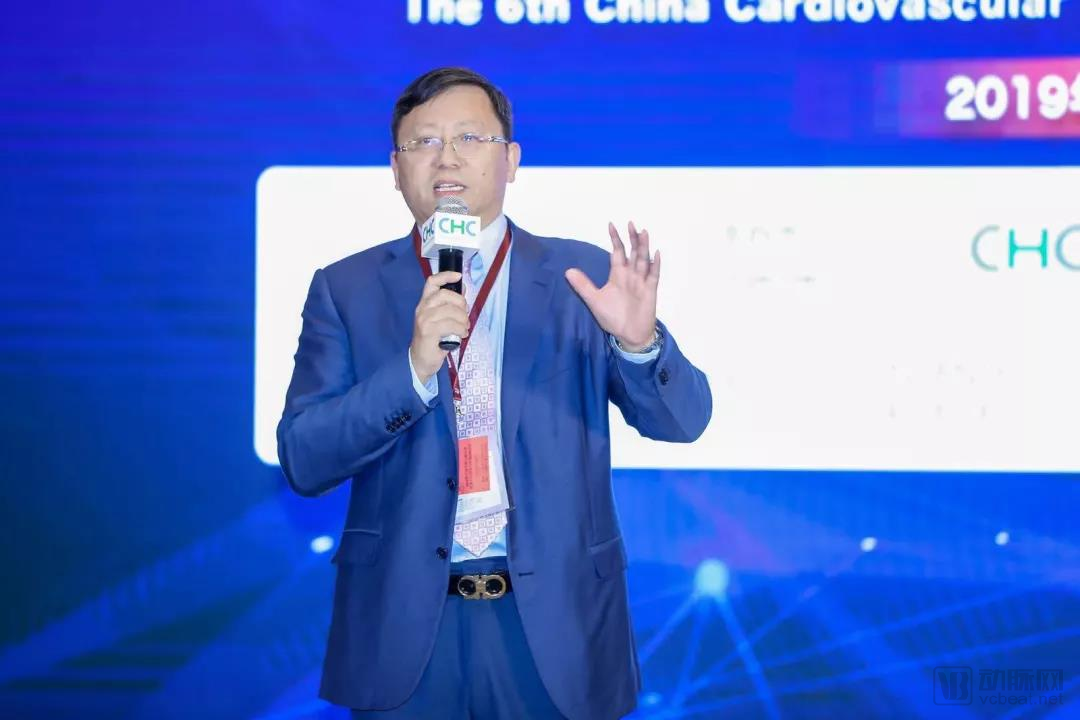
Liu Daozhi, Founding and Managing Partner of Shanlan Capital
Dr. Liu Daozhi believes that, given the current landscape, the key sectors and investment directions worth attention in the cardiovascular and cerebrovascular field are cerebrovascular disease, heart valves, peripheral vascular disease, and electrophysiology. Investors must not only keep abreast of domestic and international technological trends and iterative developments but also possess a profound understanding of the entire process encompassing product R&D, standards and systems, clinical trials, regulatory registration, and sales, thereby seizing the optimal timing for investment involvement.
Market Size and Investment Hotspots in the Cardiovascular and Cerebrovascular Sector
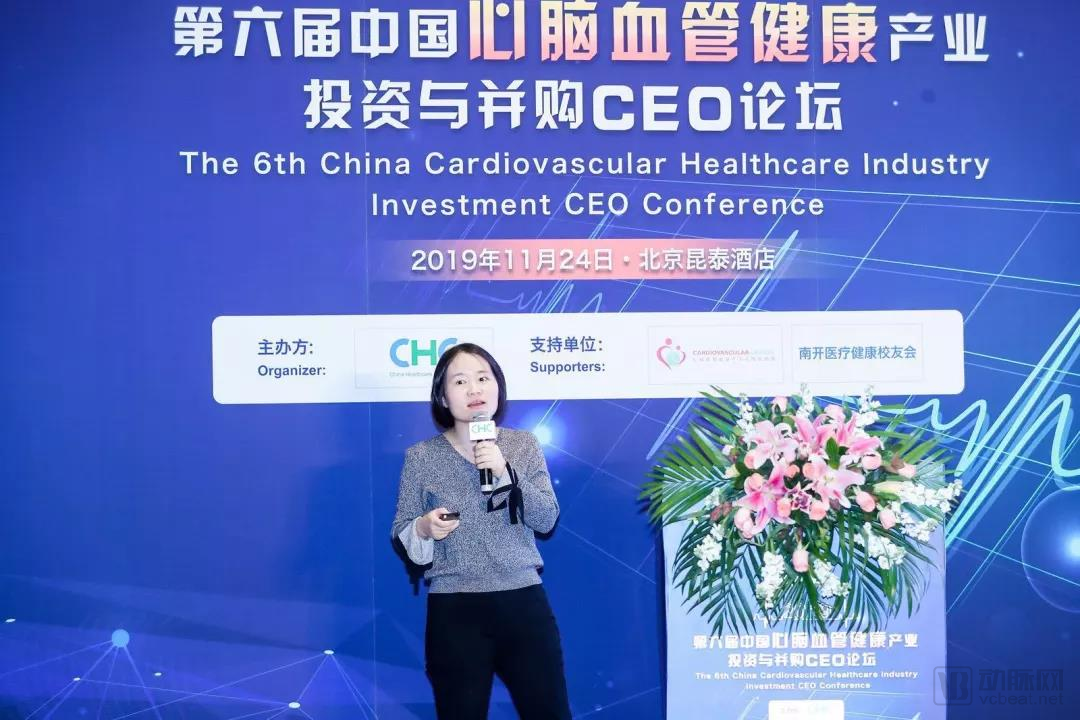
Yu Wenxin, Chief Healthcare Analyst at Haitong Securities
Ms. Yu Wenxin believes that the interventional valve market is one of the fastest-growing segments in the cardiovascular field over the next few years, with transcatheter heart valves poised to become the largest market. Within the interventional heart valve sector, the mitral valve will emerge as a new battleground for future investment and competition. Coupled with areas such as cardiac assist devices, the outlook for the cerebrovascular and cardiovascular medical device market is promising, and it is certain to produce tenfold-return stocks over the next decade.
Advancement and Challenges for Specialized Neurological Hospitals in the New Era
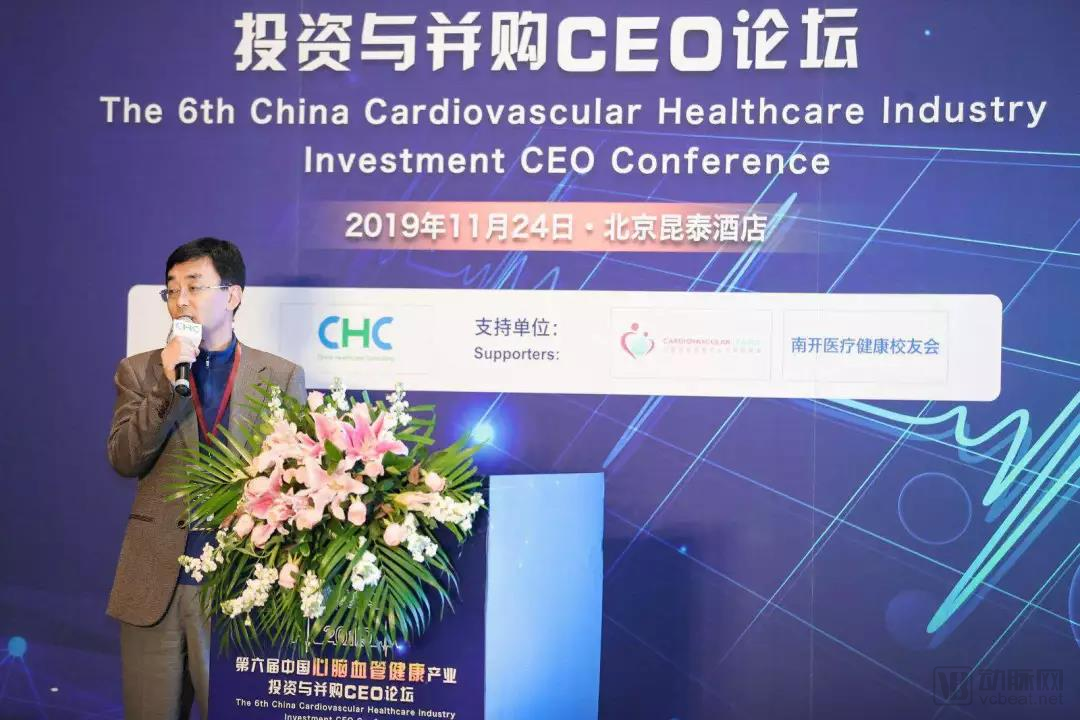
Zhang Yang, Chairman and President of Sanbo Brain Hospital Management Group
Mr. Zhang Yang stated that, under the new circumstances, the most critical challenges currently facing healthcare service institutions remain twofold: first, how to strengthen discipline construction, and second, how to cultivate talent. Disciplinary caliber constitutes the core competitiveness of a hospital, and both discipline development and talent cultivation require a forward-looking management philosophy.
Bring CFD into the Clinical World
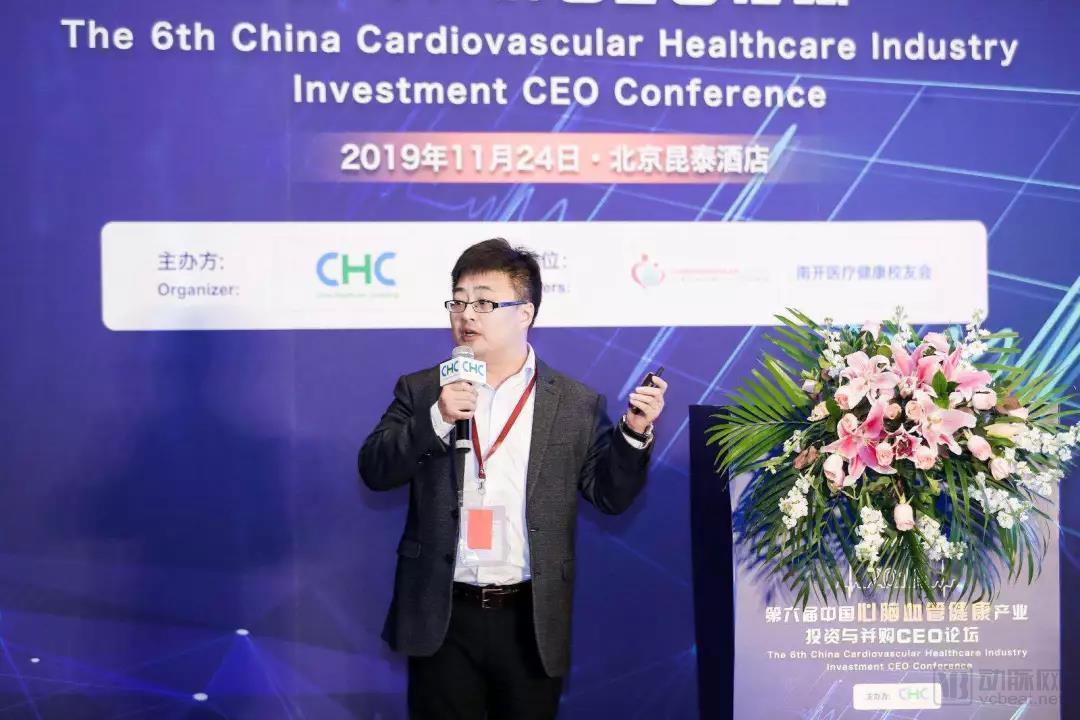
Xiang Jianping, Founder and CEO of PulseFlow Technology
Dr. Xiang Jianping believes that computational fluid dynamics (CFD), as a core technology in the engineering field, has demonstrated remarkable performance in its medical applications in recent years, particularly in the cerebrovascular and cardiovascular domains. Furthermore, he hopes that this interdisciplinary technology, with its strong vitality, will generate greater clinical value, providing physicians with optimized treatment plans and facilitating more efficient clinical practice.
“New” Shifts in Industry Development Driven by Capital Leverage
Moderator: Xu Qian, General Manager and Partner, Detong Capital Beijing
Speaker: Si Tingyou, President of Fuyu Asia Investment
Xiang Jianping, Founder and CEO of PulseFlow Technology
Shen Feng, Deputy General Manager of the Investment Department at Salubris Pharmaceuticals
Leng Yan, Partner at Legend Star
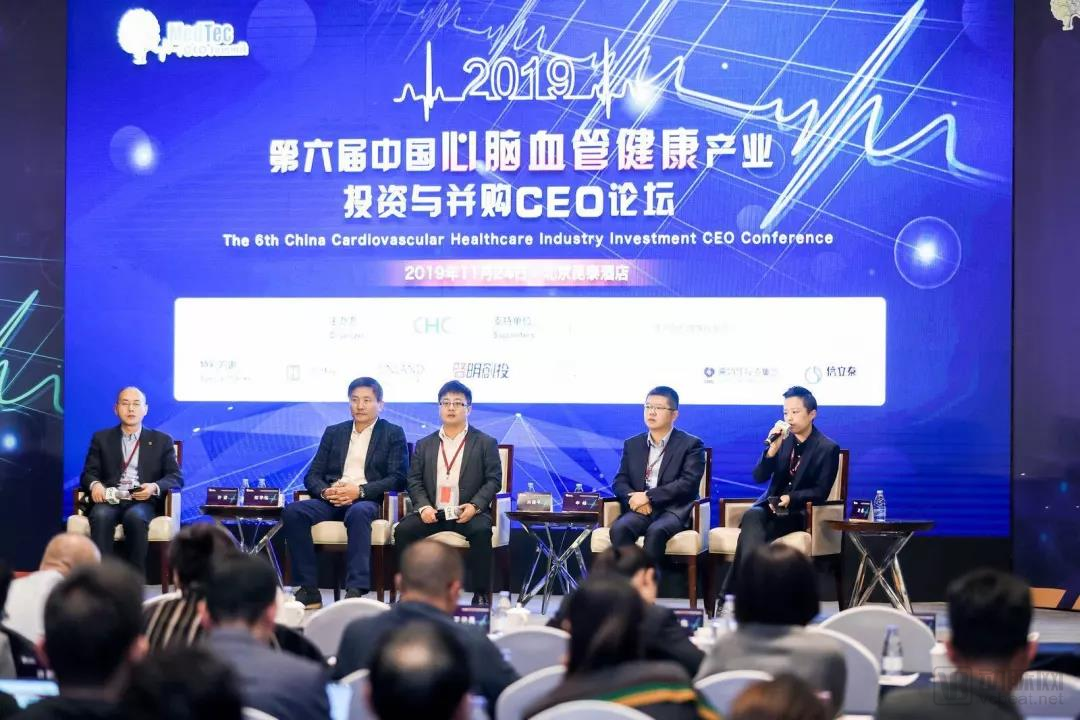
Si Tingyou believes that many medical innovations originate from conceptual ideas, and there is a specialized international system dedicated to incubating such concepts. The primary imperative for industrial development and transformation is innovation, particularly disruptive innovation, with a global market perspective.
From an entrepreneur’s perspective, Xiang Jianping candidly stated that his team, including domestic and international collaborators as well as several new projects, is focused on addressing unresolved clinical issues. It is not easy for an innovation to succeed; it requires substantial “education” efforts.
Shen Feng proposed three viewpoints: 1. An increasing number of fields can be addressed through medical devices; 2. Fostering better interaction and more extensive early-stage communication with clinicians to promptly identify unmet clinical needs represents a significant innovation opportunity for enterprises; 3. Companies need to deepen their expertise and strengthen their core capabilities within their respective domains, laying a solid foundation for project vitality and future profitability.
Leng Yan believes that seeking next-generation technologies and investing in projects that may eventually replace current solutions represents one type of change. Additionally, therapies or approaches that previously did not exist also have room for development, driven by the application of cross-disciplinary technologies in the healthcare sector.
As the moderator, Xu Qian concluded that the evolving landscape of cardiology is breeding new opportunities. He expressed confidence that investors, physicians, and entrepreneurs alike can seize these opportunities and create value through collaborative efforts.
Product Iteration and Upgrades: How to Achieve a Perfect Commercial Closed Loop from R&D to Application?
Moderator: Li Qiushi, Managing Partner of PIPE at GTJA Investment
Speaker: Wang Yunbing, Director of the National Engineering Research Center for Biomaterials
Fan Yu, Medical Project Director at Buchang Pharmaceutical
Deng Xuan, Vice President of Investment at Sherpa Capital
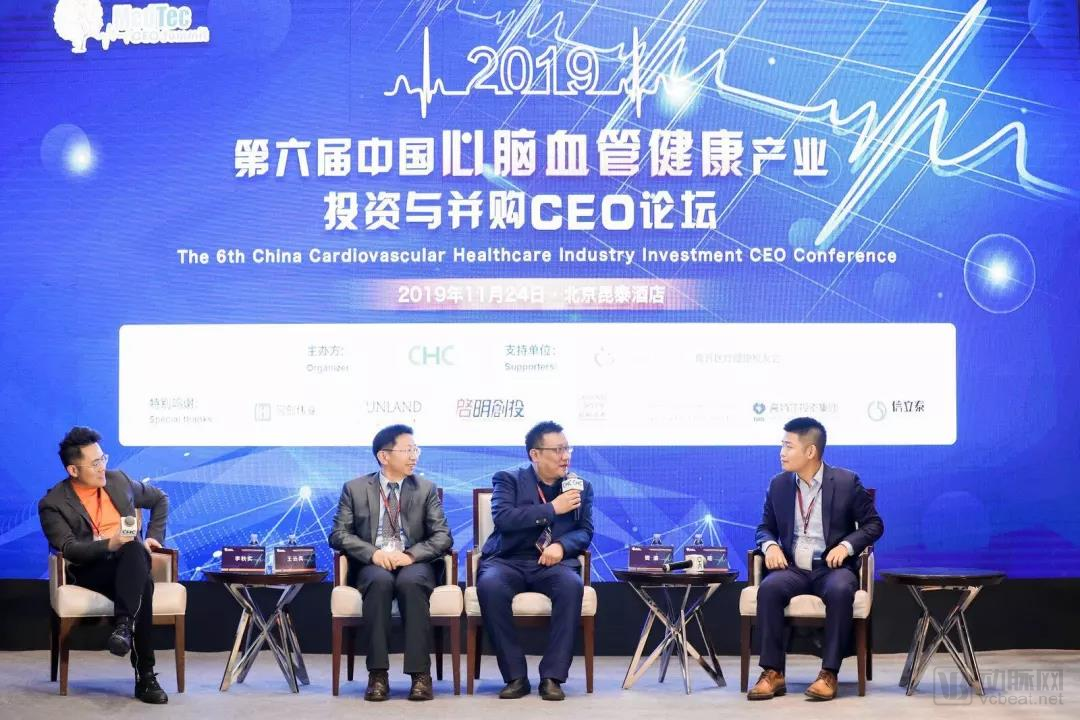
As the moderator, Li Qiushi raised the question of how to achieve an optimal balance between early-stage R&D and later-stage market investment, and shared with the audience some promising hot and frontier sectors from their respective fields.
Wang Yunbing believes that with the continuous introduction of a series of new national-level policies, China can establish a novel innovation system and foster world-class enterprises. He is confident that in the field of innovative medical devices, we can rapidly achieve a complete industrial loop, spanning from original innovation to full commercialization.
Fan Yu stated that while continuously improving the big health industry chain, Buchang Pharmaceutical is also accelerating its strategic layout and seeking strategic transformation. In addition, strong R&D investment and patent reserves have laid a solid foundation for Buchang’s successful strategic transformation.
Deng Xuan believes that in mature overseas markets, products are typically acquired by large medical device companies after launch, whereas in China, there is a greater demand for the independent growth of medical device companies. Based on preliminary observations from a venture capital perspective, R&D-driven startups aiming for success need to excel in the following areas: 1. Close alignment with clinical needs; 2. Degree of innovation; 3. The team’s overall capability for industrialization.
Current Applications of Artificial Intelligence and 5G Technology in the Diagnosis and Treatment of Cardiovascular and Cerebrovascular Diseases, and Industry Reflections Thereon?
Host: Chen Juan, Chairman of U-Jia Health Management
Speaker: Liu Xingpeng, Deputy Director of the Heart Center, Beijing Chaoyang Hospital
Liu Jian, Vice President of Strategy at Shukun Technology
Li Feng, Executive President of Wolfman Medical
Zhou Quan, Managing Director of Legend Capital
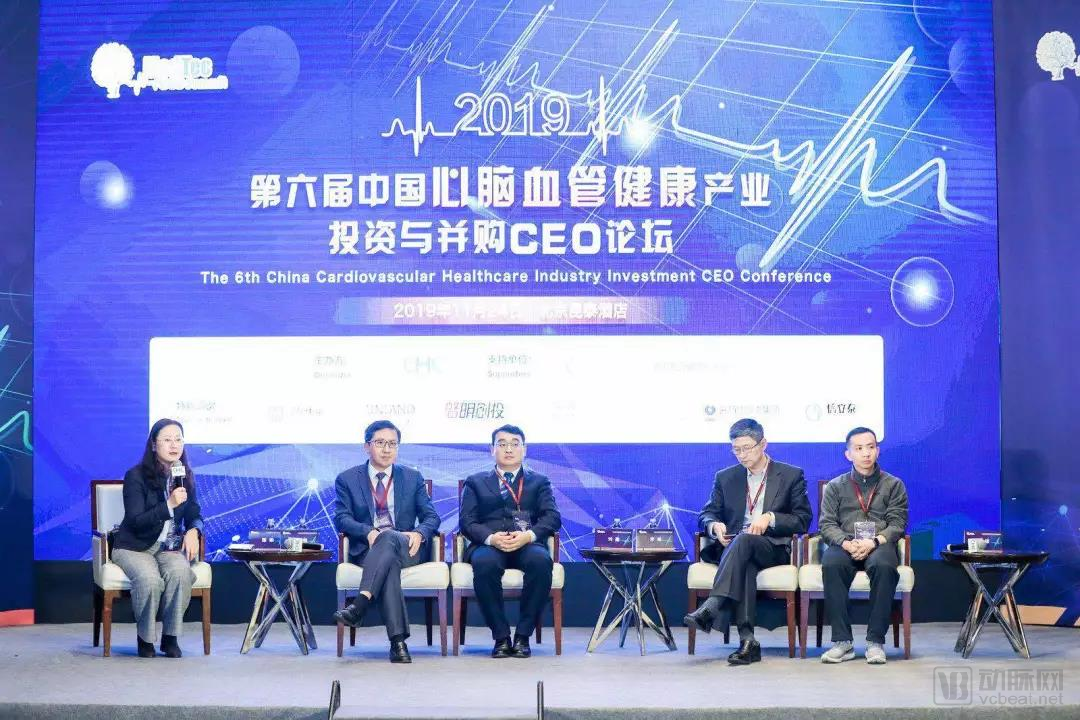
Liu Xingpeng believes that the medical community is a slow-to-warm-up group. In the future, healthcare will inevitably become decentralized, and the widespread adoption of 5G technology will significantly accelerate this decentralization process. Although the status of physicians may enter a downward trajectory, the ultimate beneficiaries will be patients, which is what matters most.
Liu Jian believes that the greatest advantage of 5G lies in its ability to extend expert resources down to primary healthcare institutions, thereby achieving tiered diagnosis and treatment, resource sharing, and broader coverage. China’s strength in AI compared to the United States is at the application level, and China currently leads in 5G technology as well. Therefore, the application of AI and 5G in China’s medical device sector is poised for continued growth.
Li Feng believes that the integration of 5G and AI is highly beneficial. In the diagnosis and treatment of cardiovascular and cerebrovascular diseases, where imaging volumes are substantial, artificial intelligence can now assist physicians in processing massive amounts of data more rapidly and effectively, thereby freeing them from labor-intensive tasks.
Zhou Quan believes that, in the long run, AI will become a fundamental factor of production—much like water and electricity today—that virtually all enterprises, including healthcare companies, will and must adopt. Artificial intelligence is capable of performing all tasks that humans can do. In the medical field, these advanced technologies, which benefit humanity, are certain to achieve more substantial and widespread development.
Chen Juan concluded that as artificial intelligence technology is increasingly implemented, both doctors and patients stand to benefit, highlighting the immense potential of AI. It represents a cross-disciplinary disruptive process and serves as a medical aid, helping to address the current imbalance in healthcare resources while delivering growing returns to the healthcare industry.
>>>>
“Scaffold Immune-Encapsulation Technology for Small-Diameter Artificial Blood Vessels”
The roadshow project was presented by Xu Pengyun, CEO of Lingbo Bio. Lingbo Biotechnology (Hangzhou) Co., Ltd., led by Professor Kong Deling of Nankai University, is dedicated to translating more fundamental research into revolutionary medical products. The “Nile-Vessel” artificial graft, now entering industrialization, will address the current lack of small-diameter artificial grafts in the global market, providing a novel and viable vascular solution for patients undergoing hemodialysis, peripheral vascular interventions, and coronary artery bypass grafting. This project is a key technology transfer initiative at Nankai University and was ranked among the top ten nationwide in the 2019 “China Medical Device Innovation and Entrepreneurship Competition.”
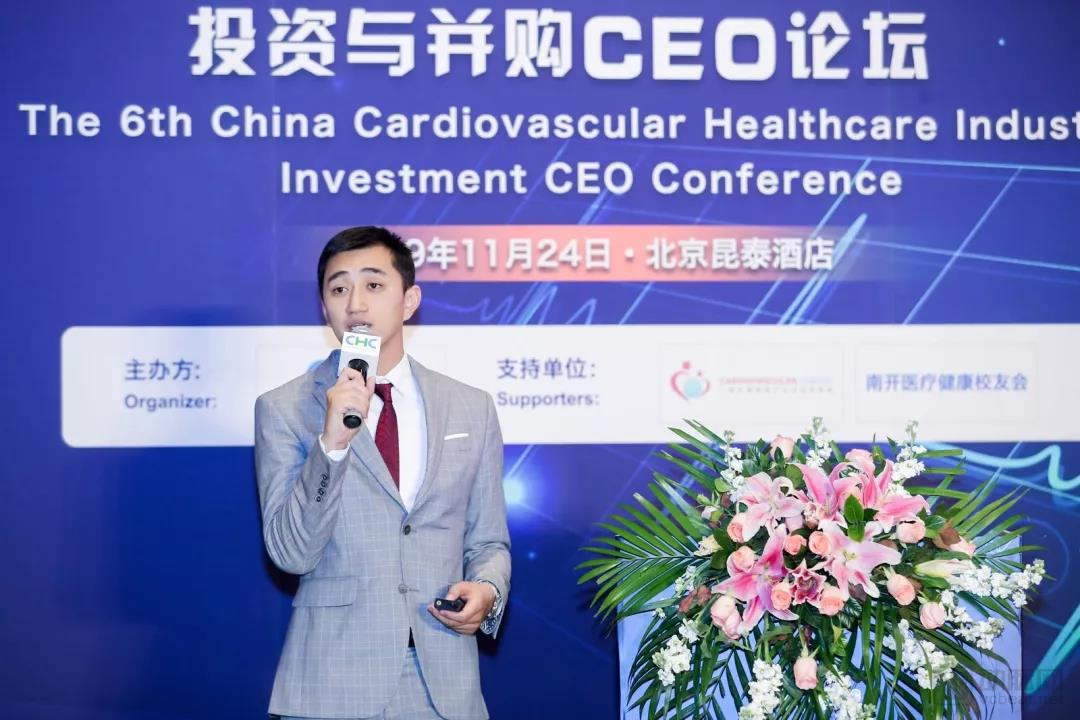
The Cardiovascular and Cerebrovascular Health Industry Investment and M&A CEO Forum concluded successfully amidst a vibrant exchange of insights and inspiration among medical professionals, engineers, enterprise leaders, and investors. It is hoped that this conference will unite stakeholders to build bridges for communication, establish platforms for collaboration, and devise strategic plans for development, thereby driving innovation in industry, products, and technology, optimizing and upgrading the quality of medical services, and enabling capital to play a more effective role in fostering the robust growth of new applications and business models.