

China Releases First-Ever Five Guidelines for Quality Control in Radiation Oncology
On November 23, the 2019 National Radiotherapy Quality Control Expert Committee Meeting, hosted by the National Cancer Center/National Tumor Quality Control Center and organized by the Cancer Hospital of the Chinese Academy of Medical Sciences, was held in Beijing.
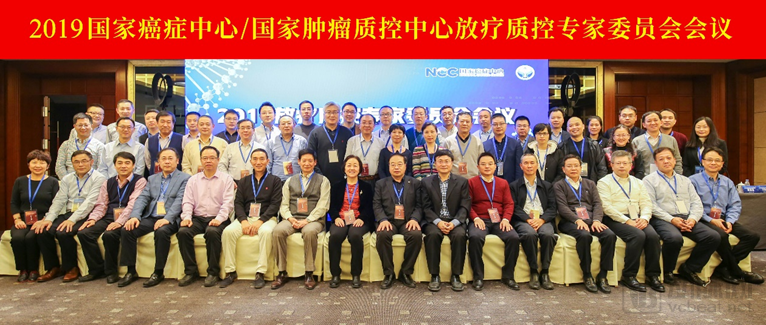
Expert Committee Members in Attendance
Professor Liu Zhihua, Vice President of the Cancer Hospital, Chinese Academy of Medical Sciences; Professor Li Yexiong, Director of the Department of Radiation Oncology at the Cancer Hospital, Chinese Academy of Medical Sciences and Chairman of the Radiotherapy Quality Control Expert Committee; Professor Wang Ping, President of Tianjin Medical University Cancer Institute and Hospital and Vice Chairman of the Radiotherapy Quality Control Expert Committee; Professor Deng Xiaowu from Sun Yat-sen University Cancer Center and Vice Chairman of the Radiotherapy Quality Control Expert Committee; Professor Dai Jianrong, Assistant to the President of the Cancer Hospital, Chinese Academy of Medical Sciences and Vice Chairman of the Radiotherapy Quality Control Expert Committee; Professor Zhu Guangying from China-Japan Friendship Hospital and Vice Chairman of the Radiotherapy Quality Control Expert Committee; along with more than 50 other committee members and experts attended the meeting.
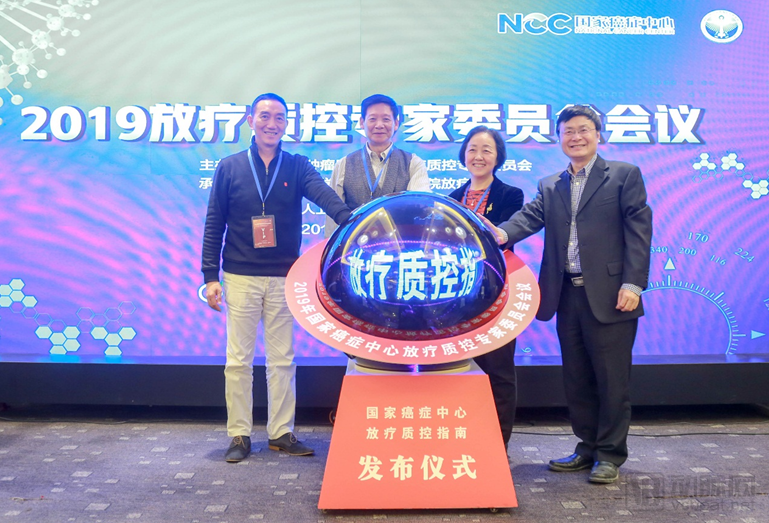
Release of 5 Quality Control Guidelines for Radiotherapy
The conference released five quality control guidelines for radiotherapy, namely the Guidelines for Quality Control of Medical Electron Linear Accelerators, Quality Control and Quality Assurance of Afterloading Brachytherapy Units, Quality Assurance of Helical Tomotherapy Systems, Guidelines for Quality Control of Radiotherapy Record and Verify Systems, and Practical Guidelines for Dose Verification in Intensity-Modulated Radiation Therapy. This marks the first time that China has issued guidelines targeting specific radiotherapy technologies and equipment.
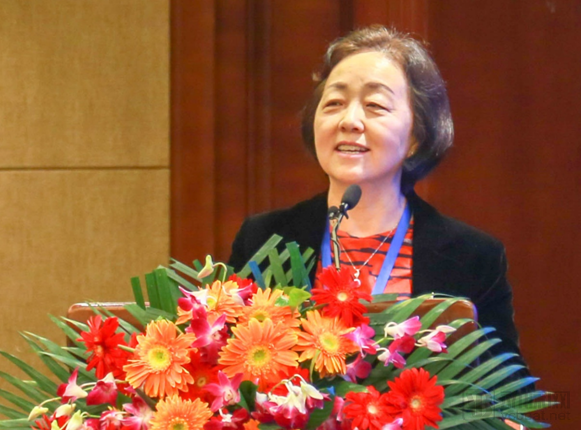
Address by Professor Liu Zhihua
In her address, Professor Liu Zhihua stated that, with the support of the National Health Commission and various departments, China has issued relevant regulations on quality management in radiotherapy, and tumor quality control centers have been established in all provinces. To further promote the standardized development of the radiotherapy industry and extend the benefits of standardized diagnosis and treatment achievements in oncology both domestically and internationally to patients across China, the Expert Committee on Radiotherapy Quality Control of the National Cancer Center requires the active participation of experts in developing more guidelines, thereby benefiting a greater number of cancer patients nationwide.
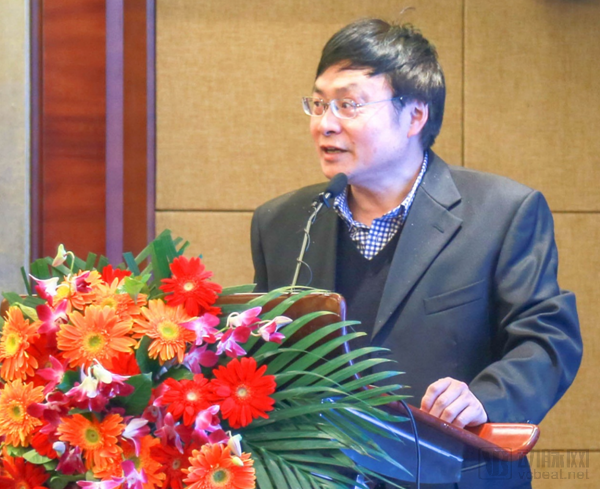
Professor Li Yexiong Delivers Work Report
During his work report, Professor Li Yexiong introduced that in 2017, the National Cancer Center released the Basic Guidelines for Quality Control in Radiation Therapy. Building on this foundation, the drafting of the five specialized radiation therapy guidelines released this year was initiated in 2017. After two years of review and revision, these guidelines were officially released to the public this year. In 2018, the Committee commenced the drafting of 12 specialized radiation therapy guidelines, comprising five clinical guidelines and seven physics guidelines. In 2020, the Committee will further promote and advance the already-released radiation therapy guidelines, conduct reviews of the 12 guidelines currently under development, continuously improve all clinical and physics guidelines for radiation therapy, and gradually establish a comprehensive system of quality control guidelines for radiation therapy.
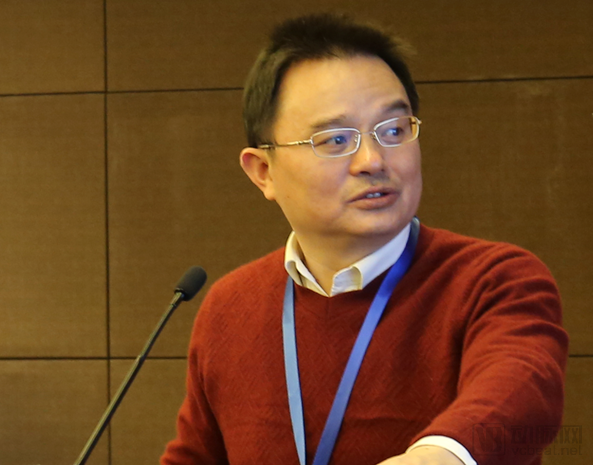
Professor Dai Jianrong Introduces the Radiotherapy Quality Control Guidelines
Professor Dai Jianrong introduced that the five guidelines released this time aim to address quality control issues in radiotherapy equipment. While similar types of guidelines already exist abroad, China has adapted them based on international standards while considering national conditions, placing greater emphasis on practical applicability. Each guideline includes standard operating procedures to facilitate physicists’ reference and implementation.
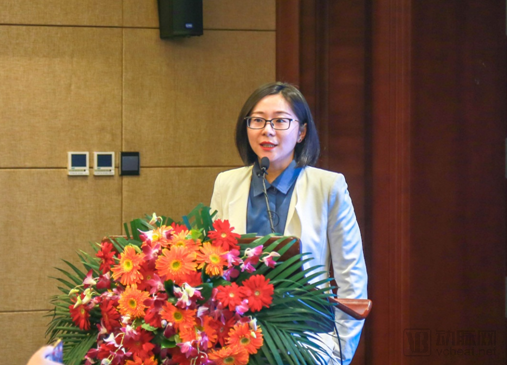
Yan Jun of Quanyu Medical Group Reports on Quality Control Work
Yan Jun, Assistant to the President of Quanyu Medical Group and General Manager of the Innovation Operations Department, reported to the attending experts on the progress of quality control (QC) initiatives leveraging the Precision Cloud Radiotherapy platform. Currently, the Precision Cloud Radiotherapy system has signed exclusive cooperation agreements with 21 provincial radiotherapy QC centers, assisting health commissions in multiple provinces in carrying out province-wide QC work. The system supports automatic connectivity for nearly 20 types of QC devices, enabling radiotherapy facilities to automatically upload and analyze QC data, and automating daily, weekly, and monthly inspections. Additionally, the mobile platform supports QC data entry and anomaly alerts, thereby achieving complementary integration of equipment QC and process QC.
During the review session, experts from the Cancer Hospital of the Chinese Academy of Medical Sciences, Union Hospital Affiliated to Tongji Medical College of Huazhong University of Science and Technology, West China Hospital, Sichuan Cancer Hospital, Chongqing Cancer Research Institute, Chinese PLA General Hospital, and Cancer Hospital Affiliated to Guangxi Medical University reported on the drafting and revision of 12 special guidelines on radiotherapy initiated in 2018.
In the future, through the joint efforts of the Expert Committee on Radiotherapy Quality Control and radiotherapy professionals, the radiotherapy quality control guideline system will be established and continuously improved, thereby steadily advancing the level of radiotherapy technology in China.