

Gates Foundation, BMS, Takeda, and Novo Nordisk Enter the Microbiome Therapeutics Arena: A 2019 Year-End Review
Microbial drugs refer to pharmaceuticals that use whole microorganisms, partial microbial entities, or primary and secondary microbial metabolites as raw materials. Research in this field has sparked an investment boom in recent years, with over $947 million raised in financing within three years. Following the entry of prominent investors such as the Bill & Melinda Gates Foundation, Seventure Partners, OrbiMed, and 8VC, as well as pharmaceutical giants like Novo Nordisk, Bristol Myers Squibb (BMS), and Takeda, venture capital activity in China’s microbial drug sector has begun to heat up. Between 2018 and 2019, there were a total of eight financing rounds, amounting to over $40 million.
An ancient saying goes, “The six meridians are rivers, and the gastrointestinal tract is the sea.” In fact, China has records of using microorganisms as medicine dating back more than 2,000 years. During the Eastern Jin Dynasty, Ge Hong’s *Zhouhou Beiji Fang* (also known as *Zhouhou Fang*) documented the use of human fecal filtrate to treat patients suffering from food poisoning, diarrhea, fever, and those on the verge of death. Li Shizhen’s *Compendium of Materia Medica* (*Bencao Gangmu*), published in 1596, recorded more than twenty therapeutic applications of human feces for treating diseases.
More than 2,000 years later, with the advancement of biotechnology, the ancient practice of using feces as medicine has matured and undergone a renaissance, earning a new name: “Fecal Microbiota Transplantation” (FMT). This technology has achieved breakthroughs in treating intestinal disorders such as recurrent Clostridioides difficile infection and intractable constipation, with related therapies frequently granted designations such as “Orphan Drug” and “Breakthrough Therapy” by the U.S. Food and Drug Administration (FDA). Meanwhile, groundbreaking studies on the correlation between gut microbiota and tumor immunity are emerging continuously, the gut–brain axis mechanism has been elucidated, and research into the therapeutic applications of microbiota has reached a new peak.
This year, VCBeat has included microbial therapeutics in its year-end review for the first time. In this inaugural review, we compiled investment and financing data from the past three years in this field to examine the recent development of microbial therapeutics.
DNA is the code of biological heredity, but the definition of DNA refers not only to our own human DNA but also includes the thousands of microorganisms that live in symbiosis with us. These microbes may reside on our skin, in our gut, or in the food we consume—essentially, anywhere we can imagine.
With the development and advancement of sequencing technologies, scientists have begun to conduct more comprehensive and in-depth studies on the roles microbes play in our lives. Over the past decade, there has been an abundance of research findings related to microbes, revealing that their influence extends beyond inflammatory conditions to include neurological disorders, metabolic diseases, and even cancer. Based on these associations, scientists are beginning to explore the use of microbes for diagnosing and even treating certain diseases, including intestinal inflammation, diabetes, autism, AIDS, and cancer.
We collected data on a total of 28 companies, which have completed 47 financing rounds. These companies were cataloged by project name, founding date, geographic location, and financing history, with data current as of November 2019 (excluding cases with unclear financing information). Research efforts by these companies primarily focus on gastrointestinal diseases, metabolic disorders, neurodegenerative diseases, and tumor immunology.
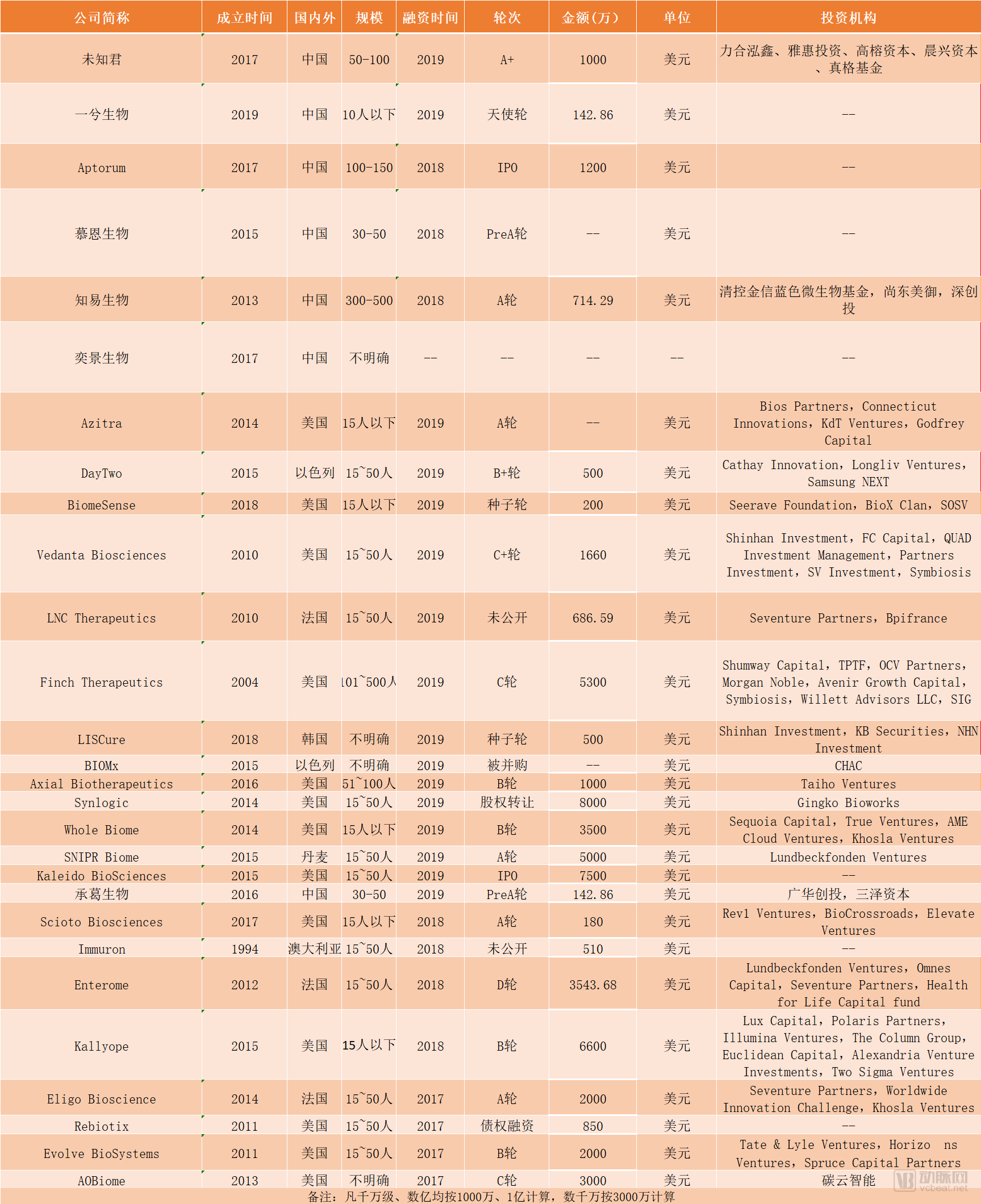
Data sourced from the VCBeat Knowledge Base
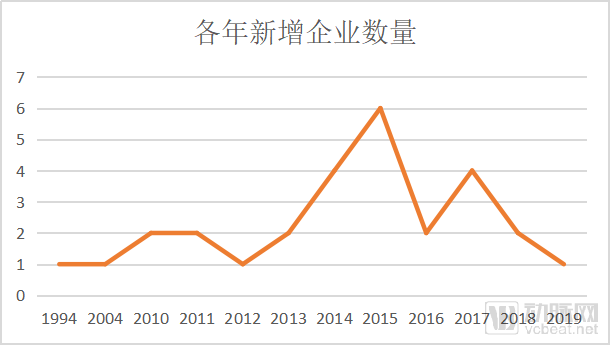
Prior to 2013, the growth in the number of companies related to microbial drugs was relatively modest, with a limited number of enterprises. However, after 2013, there was a surge in the number of newly established companies. From a chronological perspective, this trend may have been driven by research initiatives focused on microbiology.
Data sourced from the VCBeat Knowledge Base
Since the completion of the Human Genome Project in 2003, the Microbiome Project has been placed on the research agenda. However, it was not until 2007 that the United States launched the first Human Microbiome Project (HMP). Initiated by the National Institutes of Health (NIH), the HMP sequenced microbes from various body sites of 300 volunteers, with a total cost of $120 million. The HMP was officially completed in 2013, having deciphered the whole genomes of 3,000 microbial species and initially established a reference database for human commensal microbes.
In 2008, the European Union followed suit by launching MetaHIT, the Metagenomics of the Human Intestinal Tract project. As one of the subprojects funded by the EU’s Seventh Framework Programme (FP7), it was dedicated to establishing the relationship between human gut microbial genes and human health and disease. Unlike the Human Microbiome Project, the Metagenomics of the Human Intestinal Tract project was not conducted by a single country but involved the joint participation of 14 institutions across 8 countries. By June 30, 2012, the project had received a total investment of €22 million, identified 3.3 million gut microbial genes, and proposed the concept of three enterotypes.
These two initiatives are the pioneering projects in gut microbiota research. Subsequently, countries such as the United States and Brazil launched their own National Microbiome Initiatives. Although some related studies had been conducted earlier, it was these two initiatives that truly ignited the industry. Starting in 2013, the number of startups focused on microbial therapeutics began to grow.
These microbiome initiatives have also revealed numerous associations between microbes and diseases, such as inflammatory bowel disease (IBD) and diabetes. However, it was not until the publication of two articles in Science in 2015 that the pharmaceutical industry truly began to pay attention to microbiomics.
Two landmark studies have demonstrated that the composition of gut microbiota in cancer patients may influence the efficacy of cancer immunotherapies, particularly immune checkpoint inhibitors. Research conducted by the Gustave Roussy Cancer Institute in France revealed that T-cell responses to CTLA-4 antibody therapy are associated with *Bacteroides thetaiotaomicron* and *Bacteroides fragilis* in the gut. In germ-free mice treated with antibiotics, intratumoral responses to CTLA-4 antibody therapy were nearly absent. Transplantation of *Bacteroides fragilis* enhanced the antitumor activity of CTLA-4 antibody therapy (Science. 2015, 350: 1079-1084). Similarly, U.S. researcher Gajewski and colleagues demonstrated that the presence of *Bifidobacterium* species facilitates the antitumor effects of PD-L1 inhibitors.
At that time, PD-1 immune checkpoint inhibitors had already garnered widespread attention from the industry, and the publication of two studies drew significant interest from the academic community. That year, the number of newly established microbiome pharmaceutical companies reached a peak.
Although some scholars argue that mouse experiments alone cannot substantiate the influence of gut microbiota on the efficacy of immunotherapy, the surge in tumor immunotherapy has indeed spurred the development of microbiome-based therapeutics. By 2018, Science had published its fifth research article on the impact of gut microbiota on cancer immunotherapy, notably featuring a microbiome–tumor immunology study as its cover story on January 9, 2018. Since then, the advancement of microbiome–tumor immunology has become unstoppable.
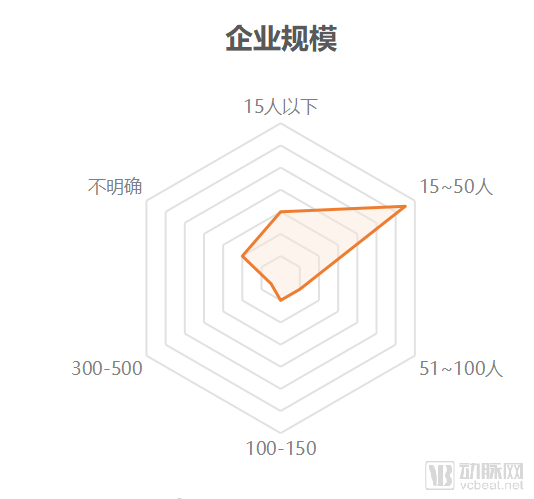
Data from the VCBeat knowledge base
From the perspective of company size, most firms have fewer than 50 employees. Small-scale operations have become the norm for microbial pharmaceutical companies, suggesting that this sector remains primarily technology-driven. This also indicates that the microbial drug industry is still in its early stages, focused on research and development rather than commercialization.
In terms of financing rounds, most companies are concentrated between Series A, B, and C. This stage represents a period of rapid growth for enterprises, giving rise to numerous hot emerging companies.
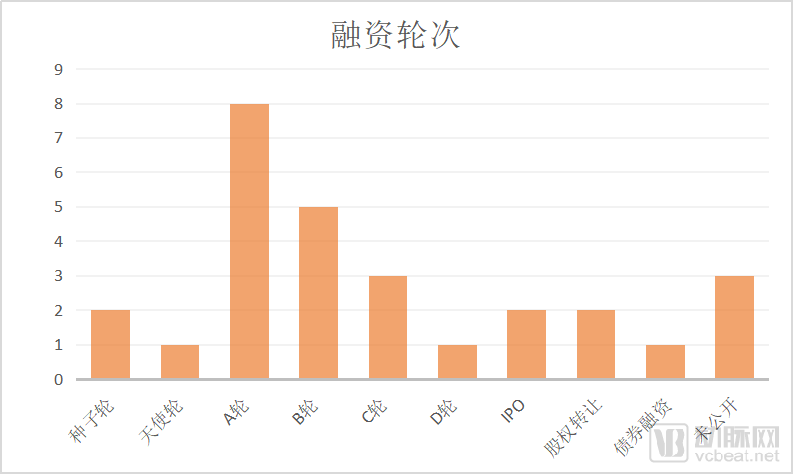
Data sourced from the VCBeat knowledge base
In addition, a number of companies have been acquired or gone public. Among them, BiomX Ltd. was acquired by a SPAC sponsored by an affiliate of Chardan Capital Markets. The post-merger entity is named BiomX Inc., with a market capitalization of approximately $254 million. The common stock of the newly merged company began trading on the New York Stock Exchange on October 29, 2019. The funds raised through the IPO will provide growth capital for BiomX to support its product pipeline. Currently, BiomX’s dermatological product for acne has recently entered clinical trials, and the company’s IBD candidate drug is expected to enter clinical trials in 2020.
Kaleido BioSciences was founded in Massachusetts, USA, in 2015 and currently has a team of over 100 employees. After completing $164.4 million in financing, Kaleido BioSciences filed its prospectus on January 11, 2019, and raised an additional $100 million through its initial public offering (IPO). The company listed on the Nasdaq on February 28, 2019, and currently has a market capitalization of $262 million.
Aptorum, headquartered in Hong Kong, was founded in September 2010, with its product pipeline currently in the preclinical stage. The company is pursuing therapeutic and diagnostic programs across neurology, infectious diseases, gastroenterology, oncology, and other disease areas, including initiatives exploring the use of natural substance extracts or derivatives for disease treatment. Aptorum went public on the NASDAQ in December 2018 and currently has a market capitalization of approximately $449 million.
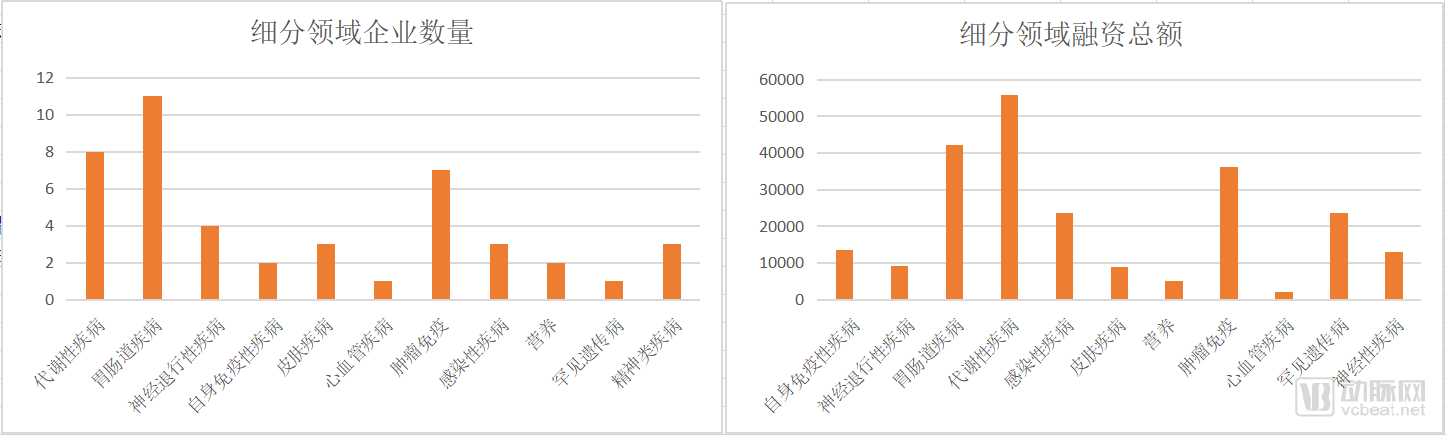
From pneumonia and infectious diarrhea to diabetes, non-alcoholic fatty liver disease, Crohn’s disease, allergies, depression, Alzheimer’s disease, and cancer, as research deepens, it has become evident that nearly all diseases are associated with gut microbiota to varying degrees. So, among these numerous related conditions, which diseases are receiving the most attention in therapeutic research?
Data sourced from the VCBeat Knowledge Base
Based on an analysis of total funding and the number of participating companies, we believe the answer lies in research on gastrointestinal diseases, metabolic disorders, and tumor immunology.
Among all disease studies, the association between gastrointestinal disorders and gut microbiota is the most direct. When inflammation occurs in the gastrointestinal tract, patients are typically treated with antibiotics or steroids to eliminate the microorganisms causing the inflammation. However, the use of antibiotics and steroids may also have negative effects, disrupting the structure of the gut microbiota. As research into gut microbiota deepens, a growing body of evidence suggests that the gut microbial ecosystem can be modulated without the use of these medications.
For instance, Finch Therapeutics’ product, CP101, restores the balance of gut bacterial colonies through an oral capsule containing a diverse microbial consortium. Its clinical program for the prevention of recurrent Clostridioides difficile infection has advanced to Phase III trials. Furthermore, microbiome-based therapeutics are providing researchers with new avenues for addressing gastrointestinal diseases whose pathogenesis remains unclear and for which no effective treatments currently exist.
Taking inflammatory bowel disease (IBD) as an example, it is a group of idiopathic inflammatory bowel diseases affecting the ileum, rectum, and colon. IBD includes ulcerative colitis (UC) and Crohn's disease (CD). Most patients are diagnosed before the age of 35, and symptoms may persist throughout their lives. Currently, available clinical medications for these conditions only provide symptomatic relief. The patient population with IBD has exceeded 3.5 million. IBD significantly impairs patients' quality of life and imposes a substantial economic burden.
Since the completion of the Human Genome Project in 2003, numerous significant findings related to inflammatory bowel disease (IBD) have emerged, including the identification of over 200 genetic susceptibility loci and advances in research on the gut microbiota. In 2013, Phase II of the Human Microbiome Project (HMP) was launched. The team led by Curtis Huttenhower investigated the dynamic changes in microbe-host interactions in IBD. By conducting comparative studies of the microbiome and immune responses in IBD patients versus healthy controls, they observed differences in gut microbial communities across these groups. Their paper, titled “Multi-omics of the gut microbial ecosystem in inflammatory bowel diseases,” was the first publication resulting from Phase II of the HMP.
With advancing research, new progress has been made in understanding the pathogenesis and treatment of inflammatory bowel disease (IBD), such as the discovery of anti-TNF mismatch from serum to tissue in patients; infliximab biosimilars can significantly improve the quality of life for IBD patients; adipose-derived mesenchymal stem cells have emerged as a novel therapeutic option for perianal fistulas in Crohn’s disease patients...
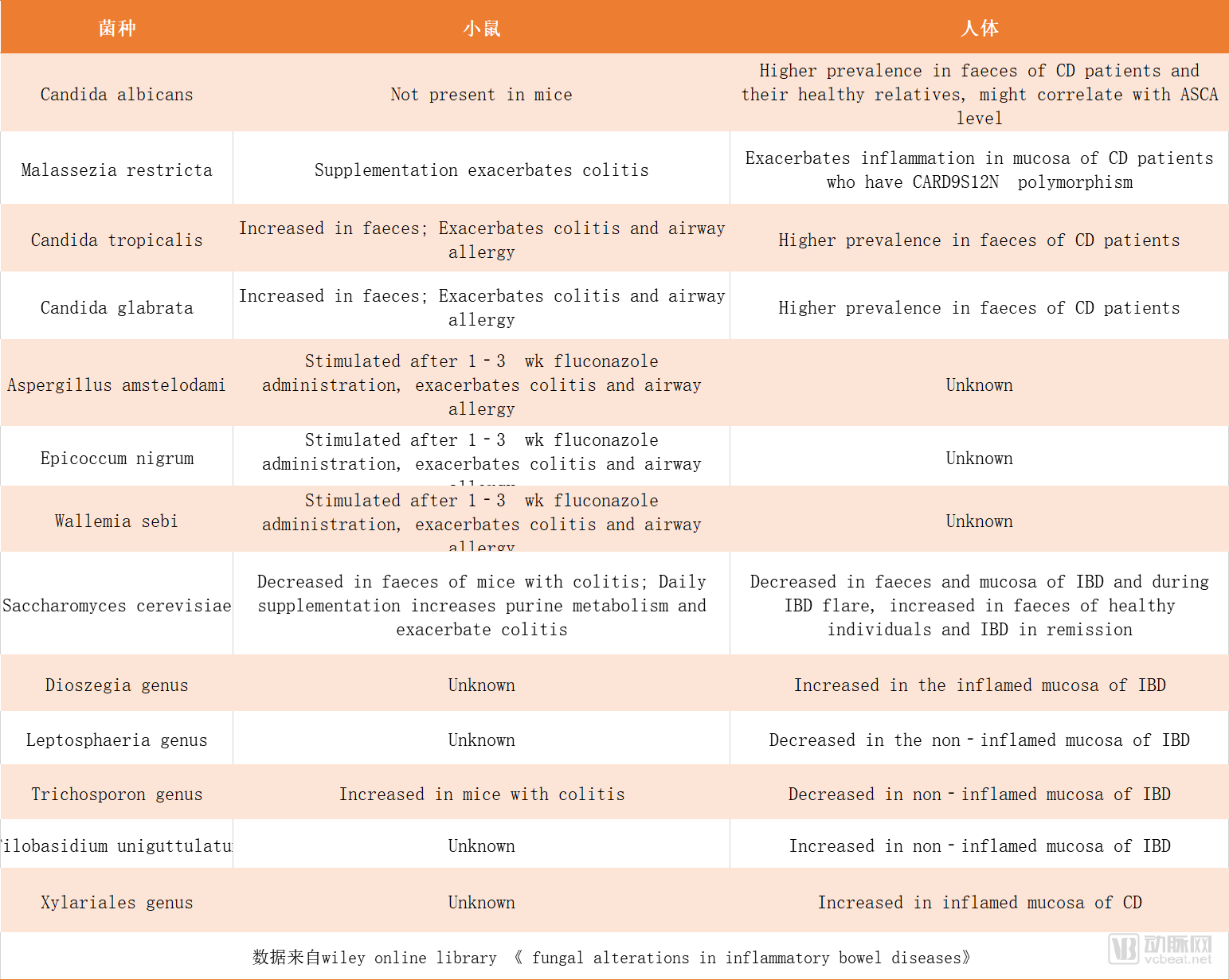
In 2017, Professor Kenya Honda’s team at Keio University identified several relevant targets that were shown to exacerbate the severity of inflammatory bowel disease (IBD). Based on these findings, BiomX is developing a customized phage cocktail therapy aimed at eradicating proprietary bacterial targets associated with IBD flares. Additionally, emerging research on fungi related to IBD continues to lay the foundation for microbiome-based therapeutic approaches to IBD.
The intestine is the primary site for the metabolism and absorption of food and drugs. After digestion and absorption in the intestine, these substances enter the systemic circulation via the bloodstream. Current research indicates that, in addition to endogenous proteases, gut microbiota and their metabolites also influence intestinal absorption during the digestive process. Approximately one-third of the small molecules entering the human bloodstream are produced by the gut microbiota, and these substances play crucial roles in important physiological processes such as immunity and metabolism. Extensive studies have revealed a close association between gut microbiota and metabolic diseases, with type 2 diabetes and non-alcoholic fatty liver disease being the most heavily researched conditions.
Type 2 diabetes (T2D) is a highly prevalent metabolic disorder characterized by dysregulated blood glucose levels, altered lipid profiles, and hypertension. Accumulating evidence from numerous studies indicates an association between T2D and the gut microbiota. A 2013 metagenome-wide association study (MGWAS) conducted in 345 Chinese patients with T2D revealed mild gut microbiota dysbiosis in this population, characterized by reduced abundance of genes from common butyrate-producing bacteria, increased levels of various opportunistic pathogens, and a significant decrease in the ratios of Firmicutes and Clostridium. High-throughput sequencing targeting 16S rRNA has shown that, compared to individuals with prediabetes, those with normal glucose tolerance exhibit relatively higher abundance of certain butyrate-producing bacteria. Furthermore, the abundance of Bacteroides was significantly higher in patients with T2D than in individuals with normal glucose tolerance or those with prediabetes.
A European MGWAS analysis focusing specifically on postmenopausal women with type 2 diabetes (T2D) revealed an increased abundance of four Lactobacillus species and certain Clostridium species, accompanied by a decreased abundance of at least five Clostridium species. Some studies have reported that gut microbiota dysbiosis is a factor contributing to the rapid progression of insulin resistance in T2D, which accounts for approximately 90% of all diabetes cases. Gut microbiota dysbiosis can reshape intestinal barrier function as well as host metabolic and signaling pathways in patients with T2D, and is directly or indirectly associated with insulin resistance in T2D.
Non-alcoholic fatty liver disease (NAFLD), which is also influenced by the gut microbiota, represents the hepatic manifestation of metabolic syndrome and frequently occurs in overweight individuals. Its pathological phenotypes span a broad spectrum, ranging from simple steatosis (SS) and non-alcoholic steatohepatitis (NASH) to end-stage liver disease or cirrhosis. Clinical practice has demonstrated that NAFLD is not only an independent liver disease but also closely associated with metabolic syndrome. Some researchers posit that the composition of the gut microbiota at birth may influence the development of NAFLD. Dysbiosis of the gut microbiota and dysfunction of the intestinal mucosal barrier can lead to increased absorption of gut-derived endotoxins, thereby imposing additional burden on the liver. By activating pathways such as Toll-like receptors (TLRs) and nucleotide-binding oligomerization domain (NOD)-like receptors, these dysfunctions may ultimately induce chronic inflammation, promoting the onset and progression of insulin resistance, NAFLD, and metabolic syndrome.
Gut microbiota dysbiosis can also impair the absorption of nutrients in the intestine, alter energy metabolism, lead to excessive fat accumulation in the body, and promote the development and progression of obesity, non-alcoholic fatty liver disease (NAFLD), and metabolic syndrome.
Based on these studies, some companies believe that modulating and remodeling the gut microbiota structure can enable interventions for metabolic diseases, including type 2 diabetes and non-alcoholic fatty liver disease (NAFLD). Eight companies, such as Kallyope, Enterome, and Kaleido BioSciences, have conducted research to varying degrees. The breakthroughs achieved by these technology firms have also attracted collaborations with major pharmaceutical companies, including Novo Nordisk and Takeda.
Another area drawing significant attention is research into the interplay between the gut microbiota and tumor immune mechanisms, a field that has garnered considerable prestige. On one hand, high-impact articles are frequently published in authoritative journals; on the other, investigations into the underlying mechanisms have attracted numerous top-tier universities and scholars. Harvard University, for instance, has established dedicated departments focusing on microbiology and immunology. Notable figures such as Dennis Kasper, former Vice Dean of Harvard Medical School, and Arlene Sharpe, a pioneer in tumor immunology, both lead research projects in this area.
Studies have found that the efficacy of PD-1 immunotherapy may be associated with the status of the patient’s gut microbiota. A landmark study published in Science demonstrated that administering beneficial bacteria to mice enhanced the anticancer efficacy of anti-PD-L1 therapy at the same dosage, as probiotic combination therapy boosted CD8+ T cell priming and augmented the function of dendritic cells accumulating within the tumor microenvironment. Furthermore, research has shown that, compared with an untreated control group (with normal gut microbiota), depletion of gut microbiota in mice bearing MCA-205 sarcoma and melanoma using a broad-spectrum antibiotic cocktail (ampicillin, colistin, and streptomycin) significantly reduced antitumor effects and survival rates when treated with PD-1 monotherapy or combined PD-1 and CTLA-4 blockade.
Compared with research on the first two categories of diseases, one reason why studies on the gut microbiota and tumor immune mechanisms have garnered widespread attention may be attributed to the influence of PD-1 inhibitors themselves. The global enthusiasm for cancer therapy research needs no elaboration; PD-1 inhibitors have stood out among numerous anti-tumor agents and are hailed as “miracle drugs.” Given their association with PD-1 therapies, interest in research on the gut microbiota and tumor immune mechanisms is inevitably substantial.
A major drawback of PD-1 inhibitors is their low response rate. Efforts have been made to combine PD-1 inhibitors with chemotherapy, radiotherapy, and targeted therapies, with one primary aim being to improve the response rate. The elucidation of the relationship between gut microbiota and immune mechanisms has led to a deeper understanding of tumor immunology, suggesting that gut microbes could further enhance the efficacy of PD-1 inhibitors. Based on these findings, a number of emerging companies—including Azitra, Vedanta Biosciences, and Kaleido BioSciences in the United States, and Xbiome, Meebio, and Yixi Biotech in China—have begun to establish their presence in this field.
The answer is yes.
As we can see, most products from overseas companies are currently in the preclinical or clinical trial stages, with only a few companies having candidates that have entered Phase III clinical trials. Compared to the “follow-on innovation” approach prevalent in small-molecule and biologic drugs, the gap between Chinese and international innovators in microbial therapeutics is narrower. This field may present an opportunity for China to achieve leapfrog development through innovation, similar to what has occurred in the cell therapy sector.
Data sourced from the VCBeat knowledge base
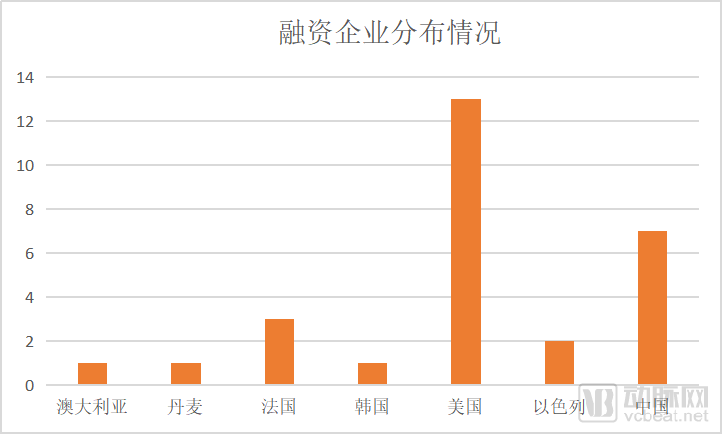
In terms of the distribution of companies that have secured financing, the United States remains at the center of the industry. Vedanta Biosciences, Finch Therapeutics, and Kaleido BioSciences have all completed three rounds of financing. However, among the financing events we tracked, Chinese companies ranked second, with a total of seven companies securing funding over the past three years. Interestingly, more than half of these companies are based in Guangdong Province. This may be attributed to the region’s policies, talent pool, and market conditions; if you have insights into the underlying reasons, we welcome you to contact us. As mentioned at the outset, influenced by overseas markets, the investment climate in China has begun to shift, making it essential to act early to gain a competitive edge.