

Three Key Pillars for the Growth of Pharmaceutical E-commerce: Compliance, Legal Innovation, and Collaboration
With the implementation of the new Drug Administration Law, pharmaceutical e-commerce once again stands at the forefront of the industry.
However, even though the pharmaceutical e-commerce sector is currently benefiting from favorable policies, numerous issues still require urgent resolution, particularly regarding compliance, legal operations, and innovation. On November 29, on the eve of the implementation of the new Drug Administration Law, People’s Daily Online reported on regulatory violations in the online sale of prescription drugs, sounding the alarm once again.
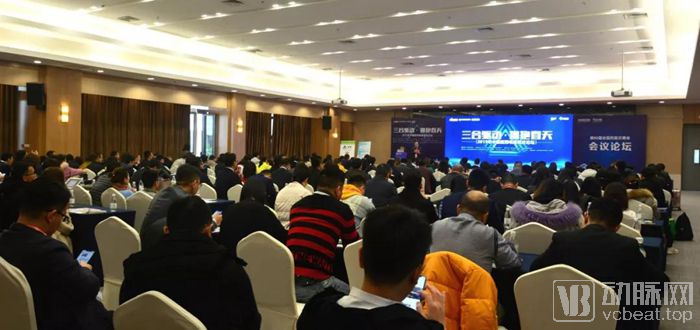
“To drive the healthy development of the pharmaceutical e-commerce industry, enterprises in this sector should jointly build an industry model centered on three ‘He’ (convergence) principles: compliant operations, lawful innovation, and collaborative development.” On December 4, at the “Three-Convergence Drive, Embracing Spring – 2019 China Pharmaceutical E-Commerce Forum (Chongqing Station),” co-hosted by the 21st Century Pharmacy Report and the Pharmaceutical E-Commerce Expert Committee of the China Pharmacy Management Academy, attending industry leaders, experts, and corporate representatives jointly issued this call. The conference also released an Industry Compliance Declaration, sounding the assembly call for compliance across the pharmaceutical e-commerce sector.
As the industry once again faces significant opportunities for development, this conference has arrived at an opportune moment. Nearly 100 attendees, including distinguished guests and leaders such as Shao Qing, Founder and CEO of Beijing Yaofuneng Technology Co., Ltd.; Wu Jie, Head of the Online Monitoring Center at the Southern Institute of Pharmaceutical Economics under the National Medical Products Administration; Wang Yanxiong, Founder of Lianou Health; Chen Zhouhua, CEO of Quanyuantang; Bai Dawei, Senior Expert in Medicine and Health at Alibaba Local Services; Li Yan, Chairman of Youdeyi Internet Hospital; Jin Song, CEO of Shenzhen Wanji Health Group Co., Ltd.; and Xu Xiaoliang, Executive Deputy General Manager of 21st Century Pharmacy News, along with representatives from well-known enterprises in the industry, attended the conference.
It is undeniable that the state’s adoption of a “prudent and inclusive” approach, rather than imposing rigid one-size-fits-all measures, has indeed afforded pharmaceutical e-commerce enterprises greater opportunities for development.
However, reviewing the nearly 20-year development trajectory of pharmaceutical e-commerce, policy frameworks have undergone multiple shifts—from prohibition to inclusive deregulation, from comprehensive bans to the establishment of blacklist systems, and from approval-based to filing-based regimes. All these changes have invariably centered on the keyword “compliance.”
The new Drug Administration Law does not explicitly prohibit third-party platforms from selling prescription drugs online, leading many to view this as the beginning of deregulation. However, the Negative List for Market Access (2019 Edition), released on November 22, clearly stipulates that “drug manufacturers and distributors shall not sell prescription drugs directly to the public through mail order, internet transactions, or other means in violation of regulations.”
As can be seen, the pharmaceutical e-commerce industry remains under the looming threat of regulatory policies, with the “compliance” red line remaining unshakable. In his keynote speech titled “New Compliance Requirements for Pharmaceutical E-commerce under the New Drug Administration Law,” Wu Jie particularly emphasized the importance of “compliance.”
Against the backdrop of the implementation of the new Drug Administration Law, Wu Jie believes that under policy requirements combining deregulation with strict oversight, pharmaceutical e-commerce faces new compliance obligations. Amid the “decentralization, control, and service” reforms, industry supervision is also evolving: the establishment of a negative list and a greater emphasis on ex-post regulation signal that any breach of the “compliance” red line may result in across-the-board enforcement actions, as there are no minor matters when it comes to drug safety.
At the conference, Wang Yanxiong, a seasoned veteran in pharmaceutical e-commerce, shared his insights on “compliance” drawing from his years of deep industry experience. In his keynote speech titled “Responding to the New Regulatory Landscape: Analyzing Compliance Risks and Pathways for Pharmaceutical E-commerce,” he emphasized that adapting to the new regulatory environment requires a re-examination of current business models, a shift in mindset, and the exploration of new pathways grounded in compliance.
In the long run, against the backdrop of the comprehensive implementation of reforms to separate prescribing from dispensing and national policies encouraging “Internet + Healthcare,” lifting the ban on online sales of prescription drugs is an inevitable trend—it is only a matter of time. The pace at which this occurs will largely depend on the industry’s level of regulatory compliance.
With policy liberalization and the empowerment of “Internet Plus” technologies, an increasing number of traditional brick-and-mortar pharmacies will further expand into pharmaceutical e-commerce channels. How can they enter this market without prior experience, pursue compliant innovation, and effectively integrate online and offline operations?
In his keynote speech titled “Exploring New Retail: The Breakthrough Path for Traditional Brick-and-Mortar Pharmacies,” Chen Zhouhua shared QuanYuanTang’s approach to advancing in the new retail landscape. Facing a fiercely competitive market environment, he argued that traditional pharmacies pursuing “new retail” should focus on two key initiatives: First, facilitate consumption upgrading by returning purchasing power to consumers and better meeting their needs, empowering them with more specialized and comprehensive knowledge to enable informed, self-directed medication purchases. Second, return to the essence of retail by building a “2x7x24 Health and Life Service Circle” to enhance the operational efficiency of traditional pharmacies.
Amid national encouragement of the “online ordering, in-store pickup” model, the pharmaceutical O2O sector has witnessed vigorous growth. During this year’s Double 11 shopping festival, Ele.me collaborated with 30,000 O2O new-retail pharmacies across nearly 150 cities in China to participate in promotional activities. Throughout the event, Ele.me’s O2O order volume reached 3.8 times that of the same period last year. Chain pharmacies such as Neptune Star, Yifeng Pharmacy, and Laobaixing Pharmacy ranked among the top ten in terms of order volume.
What will the future of pharmaceutical O2O look like? How can it empower the development of the pharmacy retail industry? Bai Dawei provided answers in his article, “Linking Policy with Reality: Bold Predictions for the Future Development of O2O.” It is reported that, with the China Pharmaceutical O2O Pioneer Alliance’s efforts in supply chain integration, member management, and trials of Hummingbird’s minute-level standardized drug delivery, the new retail model has gained increasing recognition among chain pharmacies.
Furthermore, the outflow of prescriptions will become the primary driver of future growth for pharmacies; however, securing legitimate prescriptions has long been their most pressing challenge. Integrating with internet hospitals undoubtedly provides pharmacies with a critical channel for obtaining prescriptions. In his article “Technology Empowerment: Internet Hospitals Facilitate Industry Compliance,” Li Yan detailed how Youdeyi supports pharmacies in achieving compliant development.
Although policies have already provided a legal basis for the online sale of prescription drugs, it should be recognized that specific implementation measures still require revision. Before standards are fully clarified, ensuring compliant innovation and maximizing consumer medication safety along with full-process drug traceability remain the industry’s top priorities at present.
Meanwhile, identifying and introducing additional industrial resources, as well as exploring win-win cooperation models between industry and commerce across online and offline channels, have become imperative topics for the industry to address.
Some analysts believe that the policy benefits of online prescription drug sales will not be “evenly distributed” among pharmaceutical e-commerce companies, but may instead further widen the gap between different tiers. Therefore, before the formal implementation of the policy, most pharmaceutical e-commerce platforms actively established close collaborations with pharmaceutical companies to secure access to more high-quality drug resources.
In the context of new retail in the pharmaceutical industry, pharmaceutical e-commerce enterprises are no longer merely “selling drugs.” They can help industrial brand companies achieve terminal marketing. Whether it is brand image, terminal presence, soft decoration, technological R&D, or production systems, all are presented in a completely new manner. By leveraging informatization, big data analytics, and precise outreach to target audiences, these enterprises reshape product and user value, forming a highly integrated ecosystem.
In “Trends in the Development of Pharmaceutical E-commerce Models Under Healthcare Insurance Payment Reforms,” Jin Song noted that in the new era of pharmaceutical e-commerce development, collaboration between manufacturers and distributors will become increasingly close.
At this conference, 21st Century Pharmacy continued its tradition by launching the “2018–2019 China’s Leading Pharmaceutical E-commerce Enterprises” selection campaign, aiming to once again set industry benchmarks, promote positive case studies, and assist pharmaceutical distribution enterprises in identifying trends early, embracing the future, and achieving market success.