

Huoshu Technology Powers the 4th DRG Forum, Advancing Hospital Precision Management Under Payment Reform
In Zhengzhou, the bitter cold of deep winter had already set in. The streets were sparsely populated, with only a few pedestrians hurrying by—a typical scene for winter in the Central Plains. However, a completely different atmosphere prevailed at the Conference Center of the Yellow River State Guesthouse in Zhengzhou. The originally spacious hall was packed to capacity, with people even filling the aisles and corners. Enthusiasm permeated the entire venue, to the extent that attendees no longer felt the need for their heavy winter coats. This was the scene at the 4th National Diagnosis-Related Groups (DRG) Forum, held at the Yellow River State Guesthouse in Zhengzhou from December 4 to 6.
As the most influential annual forum in the field of Diagnosis-Related Groups (DRG), the National DRG Forum has been held since 2016, marking its fourth year. This year’s forum was guided by the National Healthcare Security Administration and the Bureau of Medical Administration and Hospital Management of the National Health Commission. It was hosted by the Hospital Management Institute of the National Health Commission and the Cross-Strait Medical and Health Exchange Association, with Henan Provincial People’s Hospital serving as the organizer. Leading enterprises in the DRG industry, including Hangzhou Huoshu Technology, provided strong support for the conference.
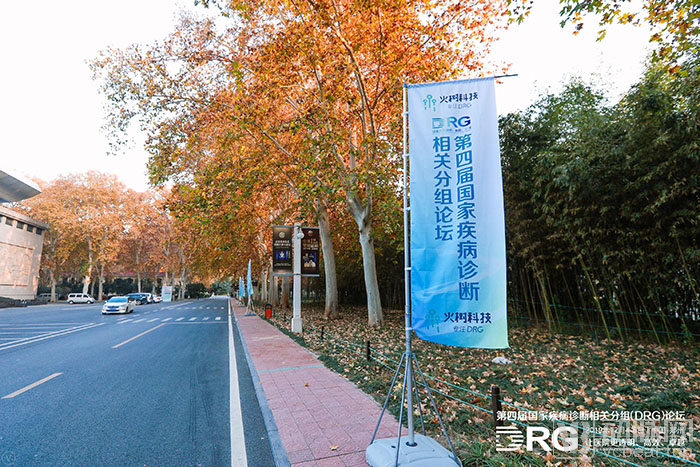
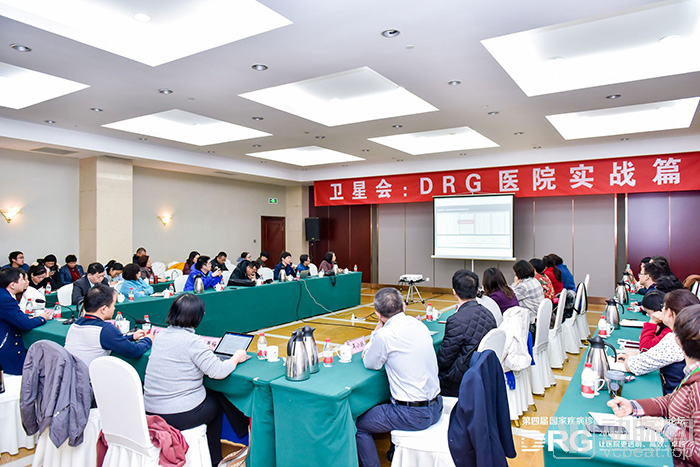
At this forum, nearly 2,000 participants—including leaders from the National Health Commission and the National Healthcare Security Administration, heads of health administrative departments from various provinces and municipalities, hospital presidents and executives overseeing DRG initiatives, and experts in DRG research—gathered to explore the practical implementation of Diagnosis-Related Groups (DRG) in the new era. Multi-level and multi-perspective discussions were held on hot topics such as hospital operational management under DRG-based payment, hospital performance management, application technologies, information system development, clinical pathway management, medical quality supervision, nursing management, and medical insurance.
At the “DRG Hospital Practice” sub-forum, the renowned Taizhou Enze Medical Center (Group) shared its practical experiences in implementing Diagnosis-Related Groups (DRG) for internal performance appraisal and operational management with participating industry experts and hospital representatives. Attendees included Yang Yansui, jointly appointed professor at the School of Public Policy and Management of Tsinghua University, doctoral supervisor, Director of the Institute of Social Policy, and Director of the Center for Employment and Social Security Research; Xie Junming, Chief Physician of the Department of Urology at Zhejiang Provincial Hospital of Traditional Chinese Medicine and master’s supervisor; Dong Siping, Director of the Strategic Development Department and Researcher at the Hospital Management Institute of the National Health and Family Planning Commission, Researcher at the Institute of Hospital Management of Tsinghua University, and master’s supervisor at Wuhan University; Chen Jiya, Deputy Director of Taizhou Enze Medical Center (Group), Member of the Party Working Committee of Taizhou Enze Medical Center (Group), and Executive Vice President of Enze Hospital and Luqiao Hospital; Zhu Feng, Deputy Director of the Medical Affairs Department of Taizhou Enze Medical Center (Group) and Director of the Medical Affairs Department of Taizhou Hospital in Zhejiang Province; and Wu Xiaomai, Deputy Director of the Medical Affairs Department of Enze Hospital under Taizhou Enze Medical Center (Group) and Deputy Director of the Department of Respiratory and Critical Care Medicine at Taizhou Enze Medical Center (Group), among others.
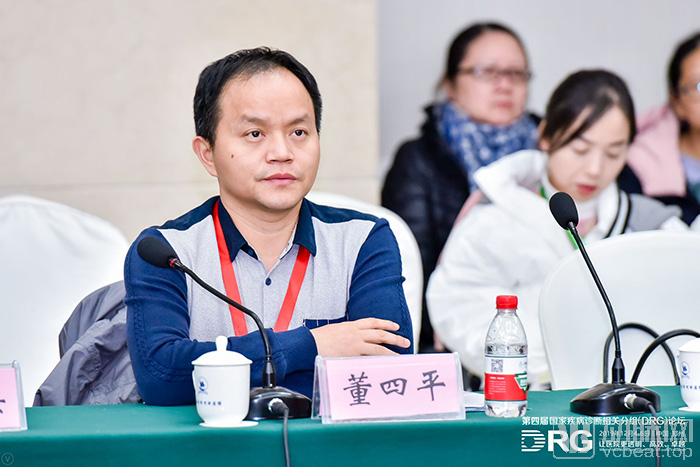
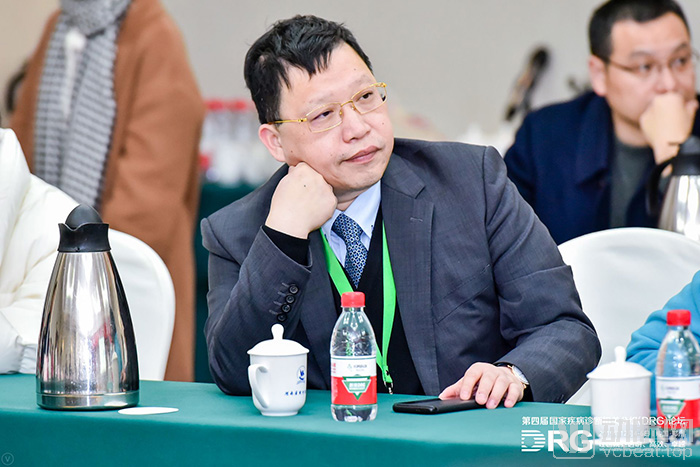
Xie Junming, Chief Physician and Master’s Supervisor, Department of Urology, Zhejiang Provincial Hospital of Traditional Chinese Medicine
Zhu Feng, Deputy Director of the Medical Affairs Department at Taizhou Enze Medical Center (Group) and Director of the Medical Affairs Department at Taizhou Hospital of Zhejiang Province, began by introducing the achievements made by Taizhou Enze Medical Center (Group) in recent years. As one of the first medical institutions in China to receive the National Quality Award, Taizhou Enze Medical Center (Group) ranked 28th among prefecture-level city hospitals nationwide in 2018 and 47th nationally in the Smart Hospital HIC rankings. Over the past decade, its research papers have ranked fifth in Zhejiang Province in terms of academic impact.
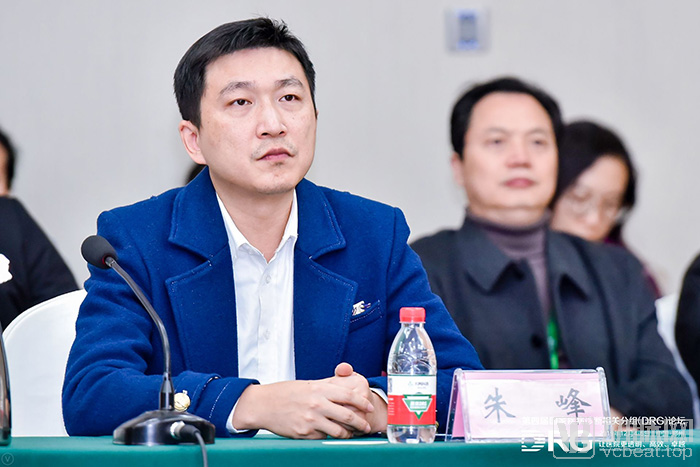
With the support of Huoshu Technology, Taizhou Enze Medical Center (Group) took the lead in introducing Diagnosis-Related Groups (DRG) in Zhejiang Province and established a DRG-based clinical performance evaluation system. In the first three quarters of 2019, among the 68 key diseases and surgical procedures monitored under the DRG framework, 26 ranked within the top five in the province for case metrics, and 54 ranked within the top ten for case volume. These achievements clearly demonstrate the positive impact of DRG on this century-old hospital, founded in 1901.
Subsequently, Chen Jiya, Deputy Director of Taizhou Enze Medical Center (Group), Member of the Party Working Committee of Taizhou Enze Medical Center (Group), and Executive Vice President of Enze Hospital and Luqiao Hospital, delivered a keynote speech titled “Management Practices in DRG Point-Based Payment Reform.” Leveraging DRG, the hospital utilized key insights from DRG big data to address dimensions such as balancing quality and cost, scientific management of resource allocation, comprehensive departmental management, information interoperability, and performance evaluation. This approach gradually established a system reliant on real-time monitoring plus data analysis, achieving tripartite coordination among medical records, quality control, and health insurance, thereby constructing a new model for DRG management.
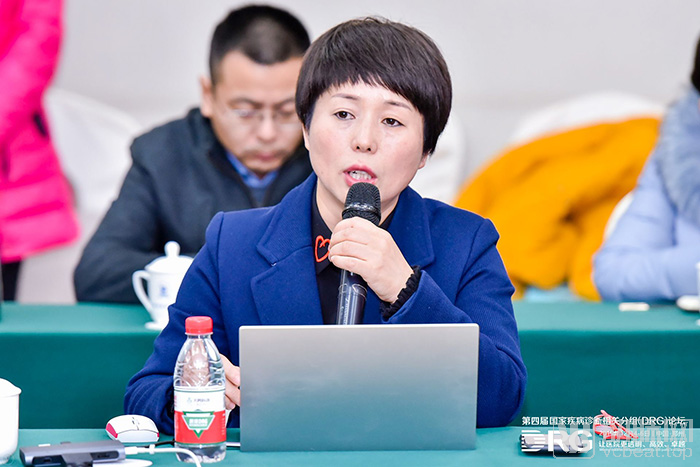
Chen Jiya, Deputy Director of Taizhou Enze Medical Center (Group)
Wu Xiaomai, Deputy Director of the Medical Affairs Department and Deputy Director of the Department of Respiratory and Critical Care Medicine at Enze Hospital of Taizhou Enze Medical Center (Group), delivered a keynote speech titled “When DRG Meets ‘Lean Healthcare’: Medical Quality and Safety Management in the Era of Payment Reform.” He shared the hospital’s practical experiences regarding the integration of DRG payment reform with “Lean Healthcare,” quality management practices under the lean healthcare model, and strategies for achieving continuous improvement in medical quality. Leveraging the DRG platform, the hospital has achieved sustained improvements in medical quality, with ongoing enhancements in key indicators such as comprehensive capabilities, capacity to treat complex cases, surgical capabilities, and the strength of key specialized departments.
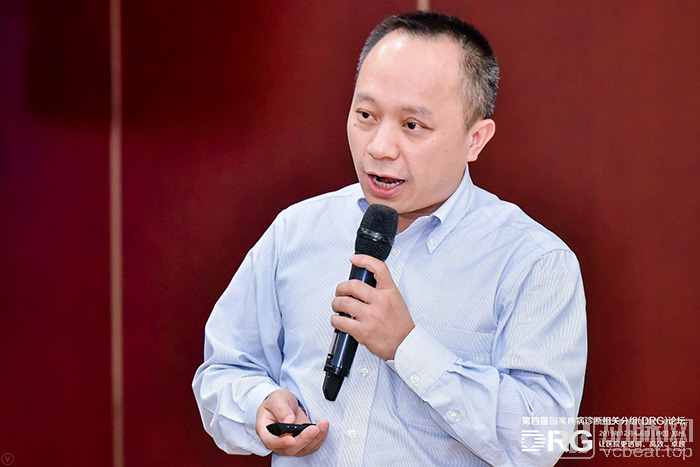
Wu Xiaomai, Deputy Director of the Medical Affairs Department, Enze Hospital, Taizhou Enze Medical Center (Group)
Finally, Yang Yanling, a jointly appointed professor at the School of Public Policy and Management of Tsinghua University, doctoral supervisor, director of the Institute of Social Policy, and director of the Center for Employment and Social Security Research, delivered the concluding remarks. She argued that hospitals should assume their proper role rather than engage in unrestricted, chaotic expansion. The implementation of Diagnosis-Related Groups (DRG) can accelerate the realization of tiered diagnosis and treatment. The day when tiered diagnosis and treatment is fully realized will mark the success of healthcare reform.
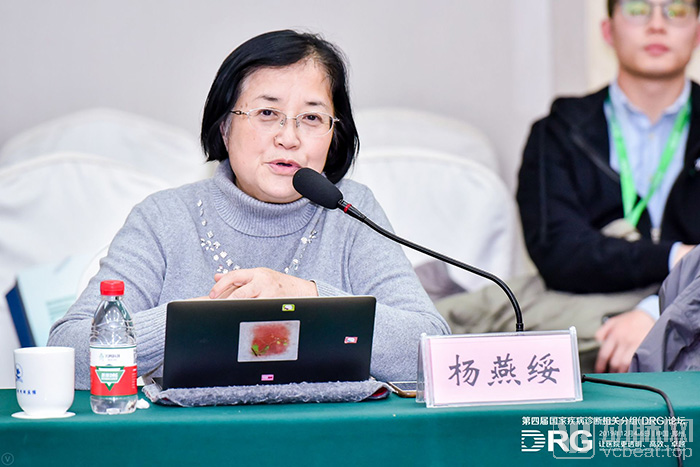
Meanwhile, she also believes that in the future, DRG will not only serve as a cost-containment tool but can also encourage clinical innovation by healthcare institutions and medical professionals through reasonable sharing of overspending. In early practices, this principle was mainly applied to reward medical institutions with better performance using surplus funds. As health insurance payment reforms continue to deepen, it is expected that such cases will increase steadily.
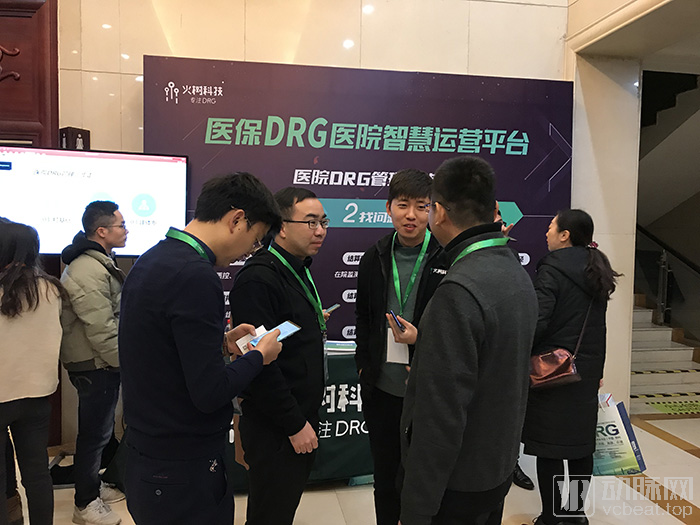
Hangzhou Huoshu Technology, a healthcare big data enterprise under the Nasdaq-listed Sky Group specializing in medical insurance Diagnosis-Related Groups (DRG) and a strategic technical partner of Alibaba Health’s “City Brain” initiative, has received high acclaim from Taizhou Enze Medical Center (Group) for its Smart Hospital Operations Platform for Medical Insurance DRG. This integrated solution combines pre-event grouping prediction, in-process cost control, and post-event data analysis. Grounded in hospital policies on cost and performance management, the platform analyzes cost structures within clinical workflows and leverages cost-control pathways alongside an intelligent medical record quality control system to ensure accurate DRG grouping and manageable cost quality. Upholding the philosophy that “data transforms healthcare,” Huoshu Technology began developing its cost-control systems in 2017. Through deep collaboration with hospitals, it has established a system-development approach centered on data application, aiming to support more hospitals in their exploration of refined management amid ongoing payment method reforms.