

2019 PULSE International Health & Medical Big Data Industry Conference Held in Hangzhou, CE Data Supports the City's Digital Economy Development
On December 6, the “2019 PULSE International Health and Medical Big Data Industry Conference,” themed “Explore, Share, Innovate,” was held in Hangzhou. The conference aimed to promote the integration, sharing, and innovative application of health and medical big data in Hangzhou, empower the health industry, and support Hangzhou’s development as China’s leading city in the digital economy.
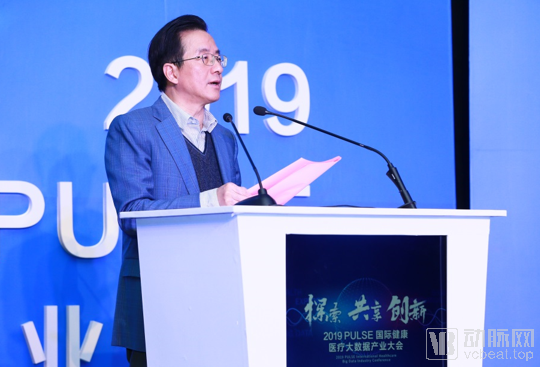
Address by Chen Weiqiang, Deputy Mayor of Hangzhou
In his address, Chen Weiqiang, Deputy Mayor of Hangzhou, emphasized that Hangzhou is striving to build itself into China’s leading city for the digital economy and advance the development of its “City Brain.” The city is actively exploring new models and pathways for the development of the health and medical big data industry, encouraging the open sharing, in-depth mining, and broad application of health and medical big data. Hangzhou aims to inject new momentum into urban governance and precise services for public healthy living by establishing a city-level health and medical big data platform and fostering new business formats in health and medical big data applications.

Zhou Gongwei, Deputy Director of the Statistical Information Center of the National Health Commission
Zhou Gongwei, Deputy Director of the Statistical Information Center of the National Health Commission, pointed out that promoting the application and development of big data in health and medical care requires not only strengthening big data thinking and methodologies but also enhancing research and application across key links such as big data management, cleaning, de-identification, storage, trading, development, utilization, and security, so as to achieve the goals of benefiting the public, government, healthcare providers, and enterprises. At present, the government should focus on coordinating regulations and standards, promoting interconnectivity and mutual recognition of data, building security management systems, supporting economic development, and advancing initiatives that facilitate convenience and benefit the people.
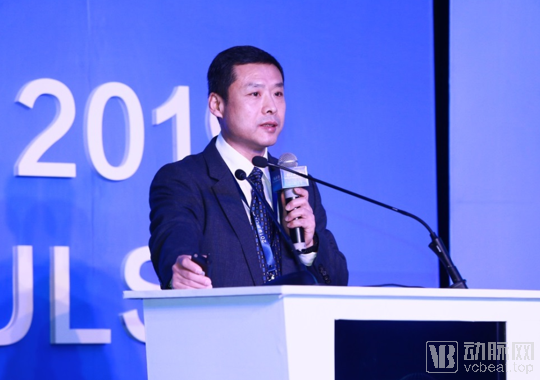
Deputy Director Fu Qiang, Health Development Research Center of the National Health Commission
Fu Qiang, Deputy Director of the Health Development Research Center under the National Health Commission, believes that without the internet and big data, healthcare models cannot truly achieve modernization. The standardization, security, and service delivery of health and medical big data are top priorities. Continuous exploration and sustained efforts are needed to improve the development of health and medical big data from legal, ethical, and application perspectives.
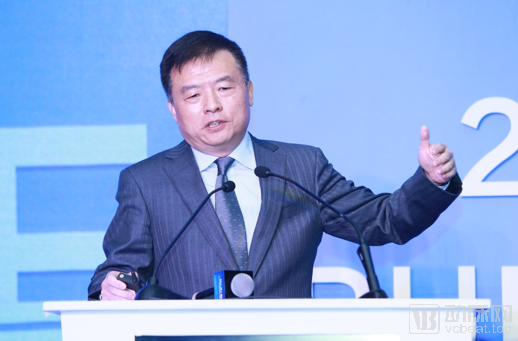
Li Shifeng, Chairman of China Electronics Data Service Co., Ltd. and Secretary-General of the China Health and Medical Big Data Industry Alliance
Li Shifeng, Party Secretary and Chairman of China Electronics Data Services Co., Ltd., stated that the Fourth Plenary Session of the 19th Central Committee of the Communist Party of China explicitly recognized data as a factor of production eligible for distribution based on contribution. He emphasized that big health and medical data constitute a critical foundational strategic resource for the nation, serving as the underlying support for “Internet Plus Healthcare” and smart healthcare. Drawing on the practical experience of the national pilot projects for big health and medical data, he outlined a development approach centered on “data as the foundation, capital empowerment, and ecosystem integration.” The aim of leveraging capital to foster innovation in data applications is to provide the public with more convenient and precise health and medical services, thereby enhancing people’s sense of gain, happiness, and security in accessing these services.
It is reported that in recent years, China Electronics Data has actively participated in the planning, construction, and operation of the national pilot projects for health and medical big data. Building on the practical experience gained from the pilot projects in Fuzhou and Chengdu, the company has developed systematic capabilities for secure and standardized health and medical big data services, as well as an operational model for sustainable application and development. This enables the rapid deployment of a comprehensive support framework encompassing technical, institutional, security, ecosystem, and talent systems to facilitate data application services.
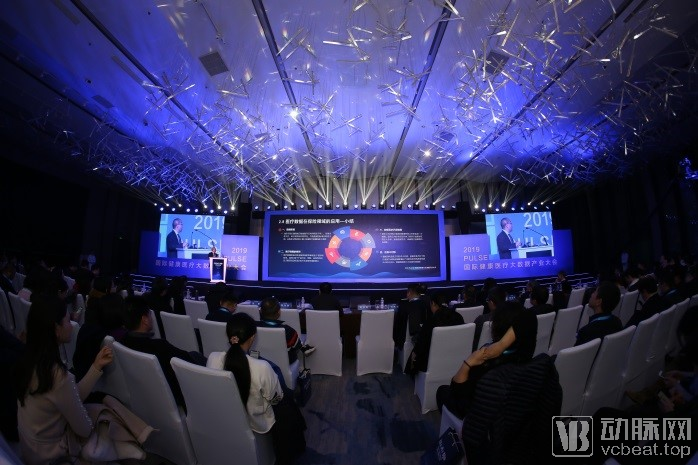
Conference Venue
From policy and industry interpretations of healthcare big data to trends in capital aggregation, and from domestic and international technologies for healthcare big data sharing and innovative application scenarios to discussions on “co-building ecosystems and achieving win-win industry outcomes,” dozens of industry experts from government, industry, academia, medical institutions, research organizations, and end-user sectors convened at this conference. They delivered insightful presentations focused on healthcare big data, covering multiple facets of the industry. These discussions reflected the current landscape of China’s healthcare big data sector, where opportunities and challenges coexist alongside vigorous growth prospects, and conveyed Hangzhou’s determination to develop its health industry and digital economy underpinned by healthcare big data.
The conference was co-hosted by the Hangzhou Municipal Investment Promotion Bureau, the Hangzhou Municipal Health Commission, and China Electronics Data Service Co., Ltd. Nearly 300 guests from the Hangzhou Municipal Health Commission, medical institutions at all levels in Hangzhou, renowned domestic and international universities, consulting firms, investment firms, and health industry enterprises attended the conference.