

Going Global, Taking Root Worldwide: PV MedTech and ShineNoon Forge Strategic Healthcare Partnership in East Africa
The nation is vigorously advancing the Belt and Road Initiative, with China-Africa cooperation in full swing.
However, the general public’s perception of Africa largely remains mired in prejudices of political turmoil, rampant disease, food insecurity, and widespread hardship. In reality, while Africa is still plagued by poverty and underdevelopment, it boasts vast territory, abundant resources, and a large population, harboring immense opportunities for social and economic development. East Africa, with Kenya at its center, is particularly vibrant and full of vitality.

The socioeconomic development in these countries will inevitably lead to higher public demand for medical and pharmaceutical services. African nations are not only grappling with traditional diseases such as HIV/AIDS, malaria, tuberculosis, and tropical diseases, but also bearing a heavy burden from so-called “diseases of affluence,” including chronic conditions and cancer. In particular, cancer prevention and control have long been neglected, resulting in scarce resources, a shortage of skilled personnel, and a substantial treatment gap.
Over the past 40 years since China implemented its reform and opening-up policy, its social and economic landscape has undergone a profound transformation, thereby accumulating extensive development experience. The current hardships and determined efforts of African nations often bear striking resemblances to chapters in New China’s relatively recent development history. Unlike Western developed countries that rely on theoretical frameworks to guide and assist Africa, China can draw upon its own vivid developmental memories—including experience in the healthcare sector—to foster mutual growth and shared prosperity with Africa.
In early October 2019, Shen Shuo, CEO of Guangzhou Baishi Medical Technology Co., Ltd. (hereinafter referred to as “Baishi Medical”), R&D Engineer Jiao Chengyang, and others were invited by Xenuo Finance to travel to Nairobi, the capital of Kenya, to conduct project investment research.
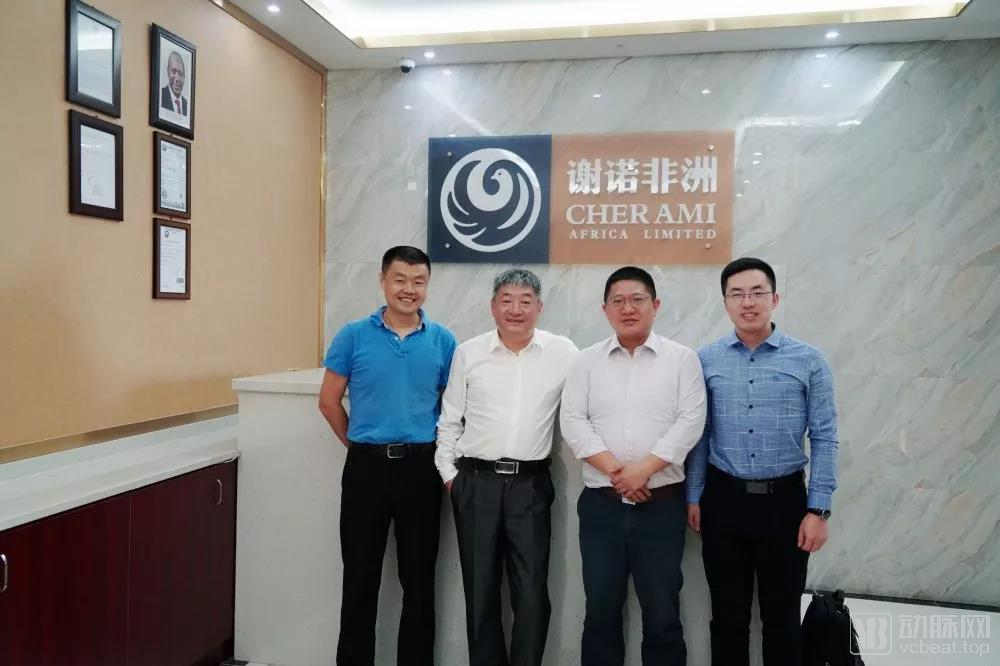
The BoShi Medical team and its delegation visited healthcare institutions in Nairobi, Kenya, to conduct research on business models and market entry strategies for their products. Subsequently, the BoShi Medical team, accompanied by Anthony Gichuru, Chief Strategy Independent Advisor for Cheno Africa, visited the University of Nairobi’s College of Health Sciences. They held multiple rounds of collaborative discussions with Dean James Machoki N. M’Imunya, Academic Registrar Leonard Musyoka, and Professor of Microbiology Marianne Mureithi.
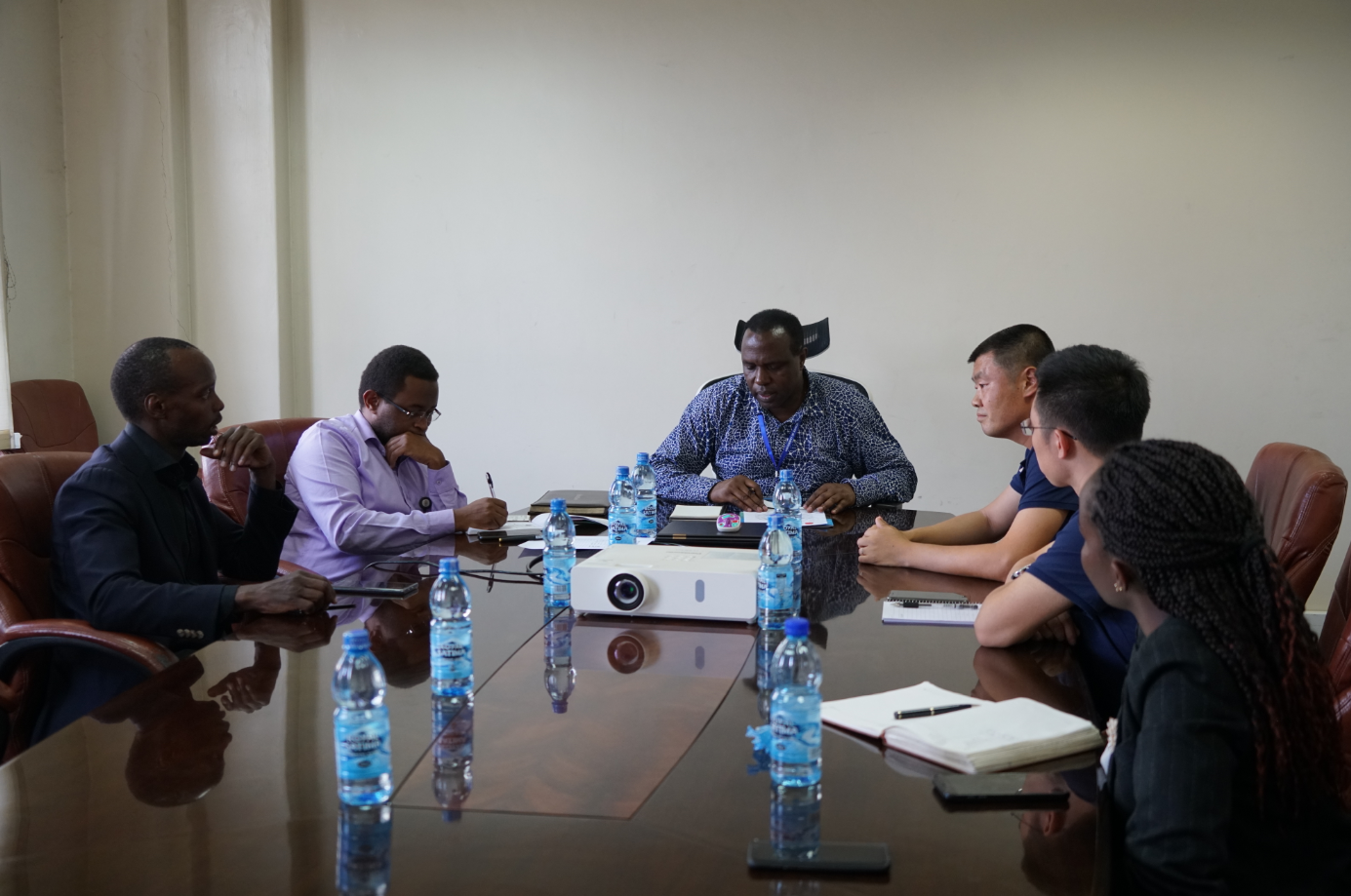
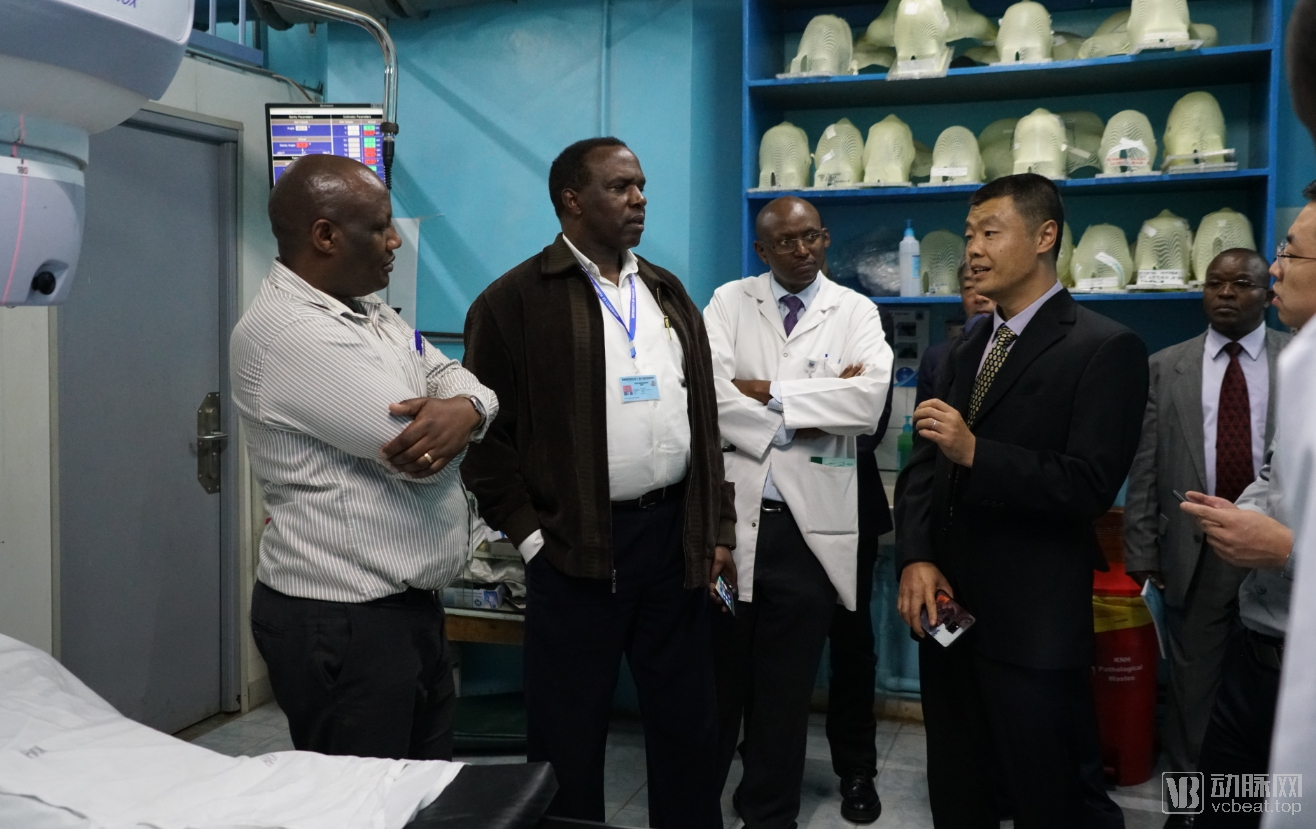
At the meeting, the three parties communicated and confirmed matters related to project implementation, reaching a consensus on collaboration for projects such as the “National Cancer Center Database Construction” and the “Remote Consultation System.”
As a pioneer in comprehensive financial services for China’s small and medium-sized enterprises (SMEs) and business owners, Xienuo Finance specializes in delivering integrated financial solutions to SMEs and high-net-worth individuals, particularly business owners. Its business spans four core sectors: wealth management, asset management, investment banking, and international finance. Baishi Medical is a company dedicated to artificial intelligence algorithms for medical imaging. It has established collaborations with industry leaders such as Philips, Elekta, and Neusoft, and provides AI-driven medical imaging solutions across multiple regions, including China, the United States, and Singapore.
In 2017, Xenon Finance established Xenon Africa Ltd. (hereinafter referred to as “Xenon Africa”) in Kenya, Africa, with its headquarters in Nairobi. The company focuses on industries it invests in or operates across Africa, with healthcare being one of Xenon Africa’s key sectors.
Now that Xenon Finance and Bosh Vision Medical have entered into a strategic partnership to expand investment and R&D activities in Africa’s healthcare sector, with Kenya serving as the project hub, what considerations underpin this decision?
In fact, the six East African countries commonly referred to today include Kenya, Tanzania, Uganda, Rwanda, Burundi, and South Sudan. In 2017, these six countries jointly decided to establish a new single free trade area and support the formation of the East African Federation.
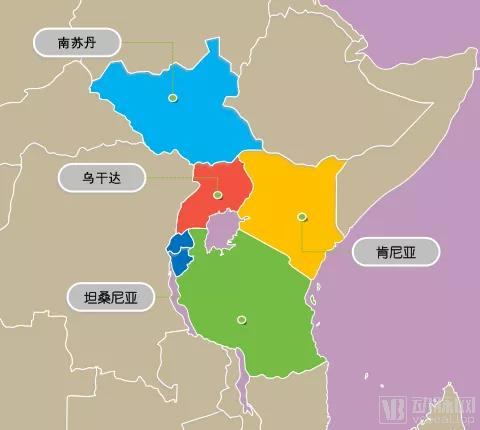
Although East African countries bear a heavy burden of oncological diseases and face significant shortages in prevention and treatment resources, the region remains the fastest-growing area in Africa in terms of social and economic development. Among the six East African nations, Kenya has relatively mature institutions, greater political stability, and a leading role in the region, with its per capita GDP topping the group at approximately USD 3,000.
Leveraging a relatively favorable policy environment, along with advantages such as government investment, social participation, and international cooperation, Kenya has the potential to lead East African countries in jointly expanding cancer care resources, reducing cancer case fatality rates, and achieving health equity at an earlier stage.
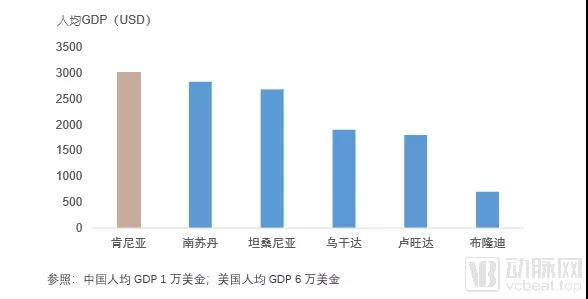
EastNon-Six Countries Per Capita GDP Comparison
Although Kenya has achieved relatively strong economic development, it and other East African countries face the significant challenge of a heavy cancer burden. The international community has long focused on infectious and tropical diseases in Africa, while relatively neglecting chronic non-communicable diseases; in reality, cancer incidence rates in African countries are also quite high. The six East African countries report approximately 150,000 new cancer cases annually, with Kenya, Tanzania, and Uganda accounting for more than 80% of this total. In Kenya, tumors account for 7% of all deaths; however, 70–80% of cancer cases are diagnosed at advanced stages, resulting in cancer case-fatality rates that are significantly higher than those in developed countries.
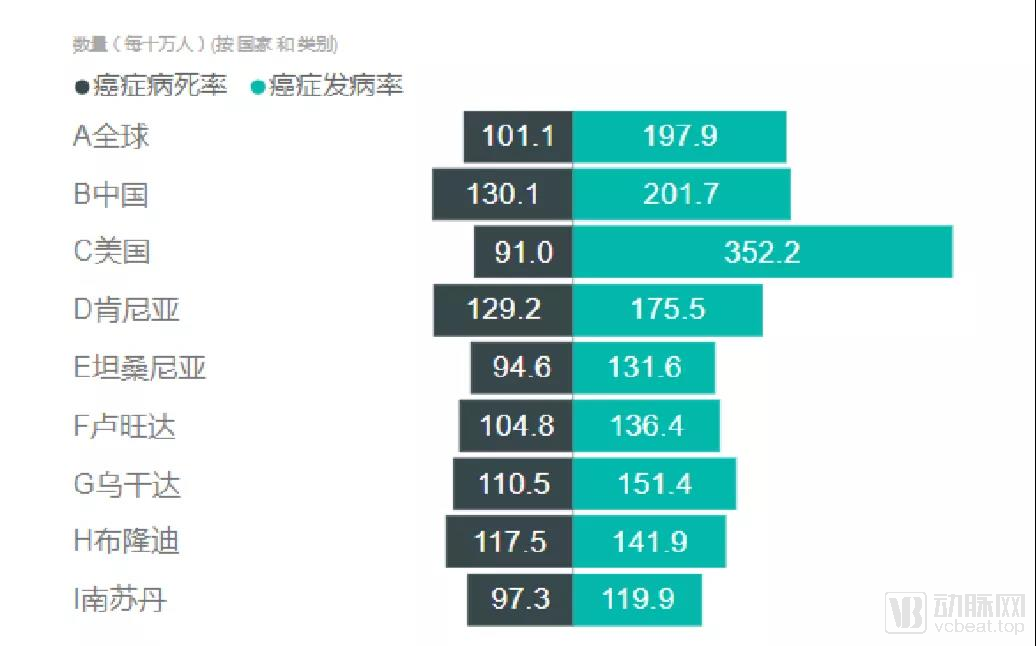
Comparison of Cancer Incidence and Mortality Rates in Six East African Countries
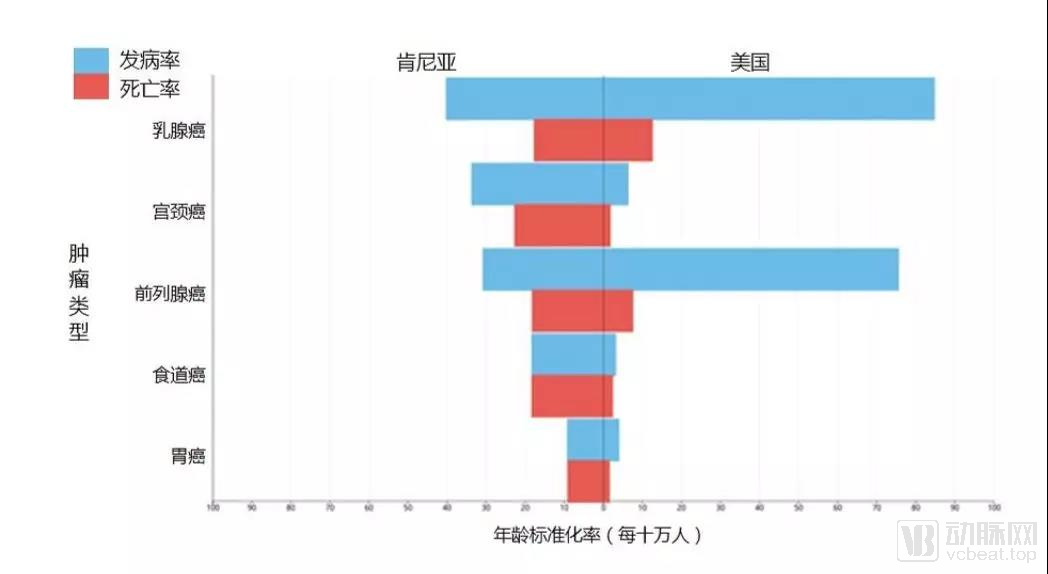
Comparison of Cancer Incidence and Mortality Rates: Kenya vs. United States
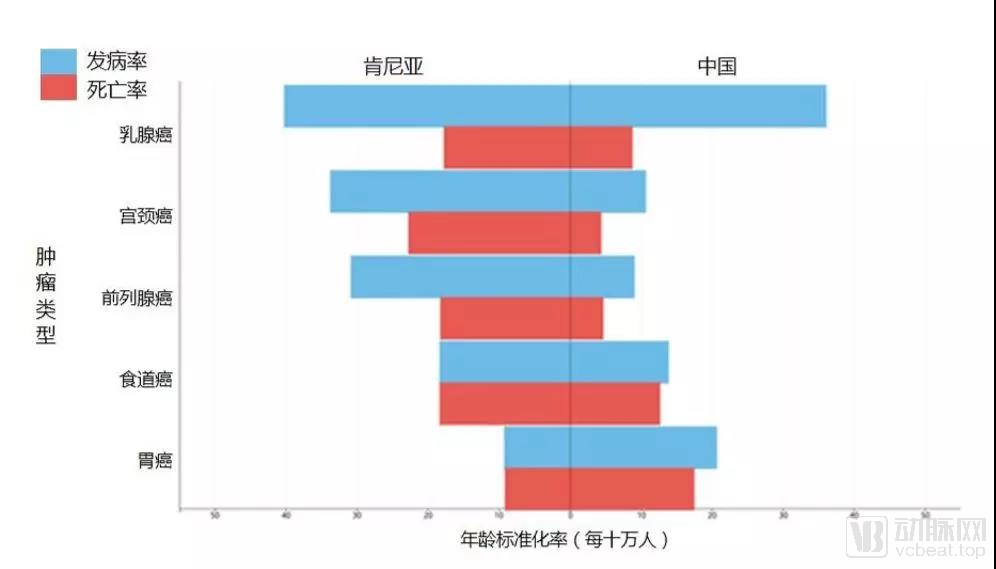
Kenya & China: Comparison of Cancer Incidence and Mortality Rates
Kenya’s cancer prevention and control system is relatively weak: First, there are insufficient cancer prevention and control institutions in Kenya. Only eight hospitals nationwide provide cancer treatment, and there is a severe shortage of oncology healthcare professionals—public hospitals across the country have few medical staff specializing in cancer care, and the training cycle for oncologists is lengthy; furthermore, the base of medical students is small, and institutions offering specialized oncology training are scarce.
On the other hand, Kenya’s cancer treatment equipment is also relatively limited: there are only 10 modern radiotherapy machines nationwide, and public institutions suffer from inadequate equipment maintenance, leading to frequent breakdowns. These multiple factors affecting both “soft power” and “hard power” have resulted in an insufficient supply of cancer prevention and control services in Kenya, failing to meet patient needs.
Following a systematic and objective collection of information and thorough research into the development trajectories and practical experiences of six East African countries, Xeno Africa has decided to use the University of Nairobi as a hub to introduce new technologies and advanced achievements in healthcare from around the world to Kenya and other East African nations, providing local physicians and medical students with resources for study and reference.
As a member of the World University Consortium, the University of Nairobi is the largest and most prestigious higher education institution in East Africa, home to Kenya’s largest medical school. The university also maintains extensive ties with China, serving as a significant bridge for friendly cooperation between China and Africa. These factors informed the decision to establish it as the project’s base.
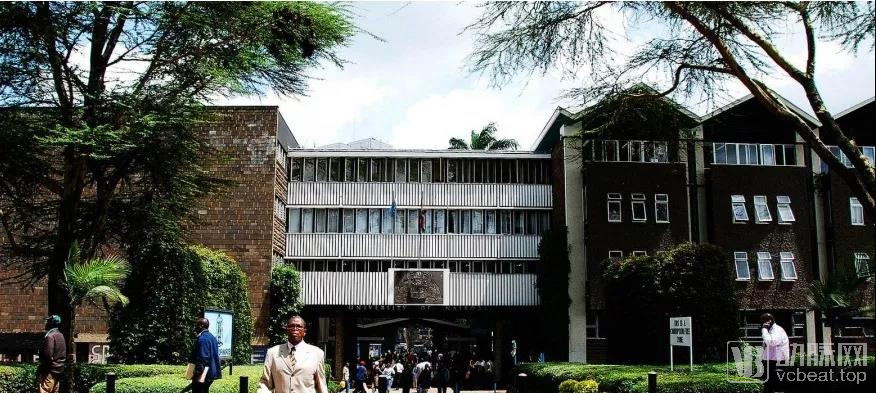
University of Nairobi
Currently, the Kenya Medical Research Institute maintains a disease database, but no new data has been released since 2015. In response, Xeno Africa has proposed establishing an “AI-assisted National Real-Time Cancer Database” in Nairobi. This real-time updated database will also assist researchers and relevant government agencies in strategic planning and policy formulation.
Boson Medical, an international leader in AI-powered medical imaging analysis across multiple fields including nasopharyngeal cancer, lung cancer, and breast cancer, will support the implementation of this project by deploying its platform algorithms locally. This initiative will enable African oncology healthcare professionals to learn from Boson Medical’s research expertise in precision oncology, thereby benefiting from its experience and ensuring that AI-driven healthcare solutions provide maximum assistance to underserved regions with urgent needs.
While establishing the database, Xenon Africa will continue to carry out work in “medical technology transfer and training.” As the essential technical support provider for related projects, Baishi Medical will establish a “remote consultation system.”
The implementation of teleconsultation technology leverages the expertise and technical proficiency of senior oncology specialists in China to assist African patients with medical record analysis, disease diagnosis, and the formulation of treatment plans. This technology enhances the patient experience and helps cancer hospitals in Africa continuously improve their medical standards.
This strategic collaboration between Baishi Medical and Cheno Africa will enhance Kenya’s expertise in both soft and hard technologies, enabling earlier benefits for the Kenyan public and government agencies. It also aims to advance healthcare development in East Africa and help African populations achieve health equity sooner.
However, the first stop of Bosh Medical’s “cross-border collaboration” was not East Africa, but the beautiful Lion City of Singapore.
Established in the 1990s, the National Cancer Centre Singapore (hereinafter referred to as NCCS) is a national research center for cancer diagnosis, scientific research, and treatment, boasting the largest number of “internationally recognized oncologists” in Singapore. Over the past decade, NCCS has treated 1.3 million patients, administers chemotherapy to 35,000 patients annually, and has received 12 ASCO awards.
As early as mid-April 2019, Professor Melvin L.K. Chua, Clinical Scientist in the Department of Radiation Oncology, Senior Consultant Physician, and Head of the Precision Radiotherapy Planning Program at the National Cancer Centre Singapore (NCCS), visited the research and development base of BAI Vision Medical to discuss collaboration (Related article: In-Depth Collaboration | Professor Melvin from NCCS Visits BAI Vision Medical). Later, while delivering a keynote address at the 2019 ASCO Breakthrough Summit, Professor Chua presented the collaborative achievements to his peers (Related article: ASCO Summit || NCCS Partners with BAI Vision Medical to Advance Innovative Research in Cancer Diagnosis and Treatment).
Since its inception, Baishi has been deeply committed to advancing AI-powered medical imaging technology, maintaining a leading position in the global AI healthcare sector. Actively expanding its international footprint and establishing a strong worldwide presence, the company aims to enhance the interoperability and universal applicability of its existing AI medical products by analyzing medical sign data from diverse populations across different countries and regions. By effectively coordinating the management and updates of these solutions, Baishi strives for sustainable growth, contributing to medical research and promoting the well-being of humanity.