Professor Zhao Feng's Team: Application of DKutting® LL in Femoral Artery Lesions to Combat Elastic Recoil

DK Medtech
Vascular Interventional Balloon Product Developer

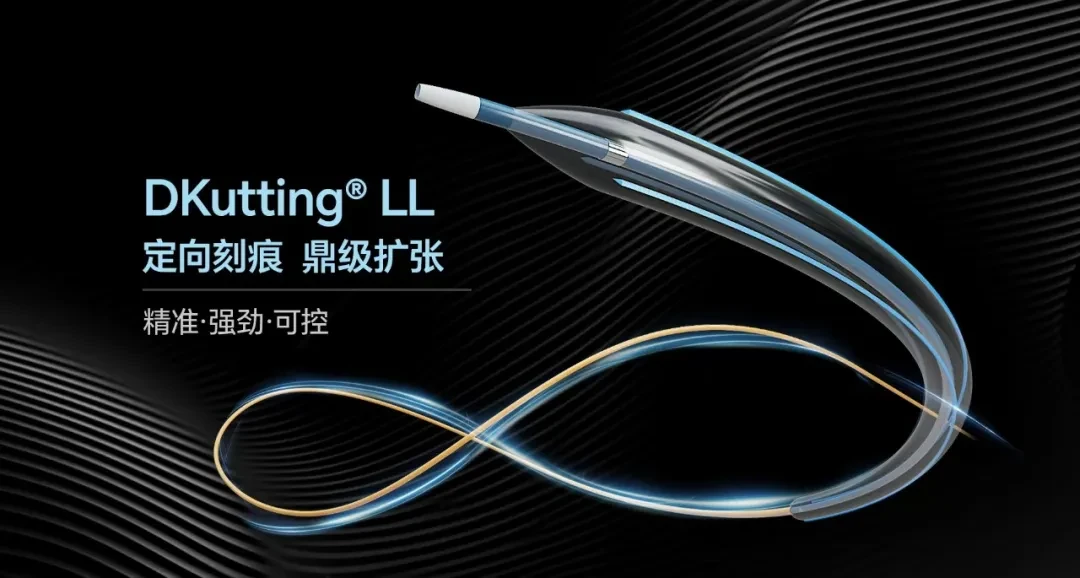
DKutting®LL continues to use DK Medtech's unique patented triangular nitinol winding technology, combined with the actual clinical needs of lower limb arteries, significantly increasing the length of the scoring element (up to 150mm). It has also developed a completely new coaxial balloon delivery system compatible with 0.014"/0.018" guidewires, enriching the selection of balloon diameters at 0.5mm intervals.
DK Medtech's unique directional scoring balloon boasts comprehensive performance with robust radial expansion and flexible axial bending. Its clinical performance has been widely recognized in both the coronary and hemodialysis access fields. The latest development, DKutting...®LL Scoring Balloon Designed Specifically for Lower Limb Arterial Interventions Demonstrates Significant Clinical Advantages in Directional Dilation Mechanism, Setting a New Standard for Peripheral Vascular Pre-dilation.
DK Medtech Special Release[Professor Zhao Feng's Team: DKutting®Application of LL Therapy in Treating Femoral Artery Lesions: A Case Presentation, demonstrating the detailed operations of each case and the clinical application of advanced equipment and instruments. From the formulation of treatment strategies for different cases, standardized procedures and technical applications during surgery, prevention of complications, to perioperative management, etc., the aim is to promote the standardization of diagnosis and treatment for vascular stenosis and occlusive diseases, strengthen technical exchanges and experience sharing among doctors, with the hope of providing new ideas and methods for future diagnosis and treatment, benefiting more clinical patients.
Patient Information
Basic Information:Male, 83 years old.
Chief Complaint:Left foot pain with skin ulceration for over a month.
History of Present Illness:The patient experienced left foot pain about a month ago, accompanied by local skin ulceration and darkening of the local skin color, affecting mobility. On 2025-11-13, an ultrasound of the lower limb arteries at another hospital showed: uneven thickening of the intima-media with plaques (multiple) in both lower limb arteries, stenosis of the right common femoral artery (50-69%, nearly 70%), stenosis of both superficial femoral arteries (70-99%), occlusion of the left anterior tibial artery, and occlusion of both posterior tibial arteries. In the past week, the pain symptoms in the left lower limb have gradually worsened, mainly in the left foot, accompanied by rest pain, particularly severe at night, and the patient is currently unable to walk. For further diagnosis and treatment, the patient came to our outpatient department and was admitted to the hospital with "lower extremity arteriosclerosis obliterans and diabetes."
Past Medical History:History of diabetes for over 40 years, currently treated with "Metformin Tablets, Glibenclamide Tablets," without regular blood glucose monitoring. Past examinations revealed "old cerebral infarction," the exact onset time is unknown, currently with no significant sequelae. Left lower limb fracture surgery (details unknown) over 10 years ago.
Physical Examination:Local skin ulceration and swelling of the toes on the left foot, with darkening of the local skin color on the left foot. The skin temperature of the left lower limb is relatively low. The pulsations of the bilateral femoral arteries are palpable, but the pulsations of the bilateral popliteal arteries, posterior tibial arteries, and dorsalis pedis arteries are not palpable.
Admission Diagnosis:
Arteriosclerosis Obliterans of Bilateral Lower Limbs;
Type 2 Diabetes;
History of cerebral infarction.
Previous interventional treatment
No history of previous interventional surgery.
Preoperative Analysis
Preoperative Analysis:The patient is an elderly male with left foot pain and skin ulceration for more than a month. Combined with lower extremity arterial CTA examination, he is currently considered to have bilateral lower extremity arteriosclerosis obliterans. The arterial lesion in the left lower extremity is more severe, involving a wide range, with obvious ischemic symptoms in the left lower extremity. Conservative treatment has been less effective, and there are indications for interventional surgery. The patient has multiple stenoses and occlusions in the lower extremity arteries, with severe lesions in the superficial femoral artery, popliteal artery, and infrapopliteal arteries. The patient has diabetes-related peripheral vascular disease, with lesions affecting the tunica media and intima. Elastic recoil is an important factor influencing postoperative blood flow.
Surgical Objective:
Main Objectives:Opening the occluded segments of the superficial femoral artery and popliteal artery, at least one infrapopliteal artery can reach the plantar region;
Secondary Objectives:At least the occluded segments of the superficial femoral artery and popliteal artery need to be opened.
Surgical Plan:Percutaneous Femoral Artery Balloon Angioplasty + Popliteal Artery Balloon Angioplasty + (Prep) Femoral Artery Stent Placement + (Prep) Below-Knee Artery Balloon Angioplasty + Lower Limb Arteriography.
Surgical Procedure
Right femoral artery puncture approach. Intraoperative findings: The walls of bilateral common iliac, external iliac, internal iliac, and common femoral arteries are rough and not smooth, with mild to moderate stenosis; the blood flow within the lumen remains relatively patent. The left superficial femoral artery and popliteal artery P1 segment show occlusion and interruption, with visible full-length calcification shadows; collateral circulation has developed to compensate for distal supply. Partial branches of the left deep femoral artery are occluded. The left popliteal artery P2 and P3 segments exhibit severe stenosis. The left tibioperoneal trunk shows mild to moderate stenosis. The proximal and middle segments of the left peroneal artery are occluded, while the distal segment is patent. The left anterior tibial artery and posterior tibial artery lumens are occluded.

Long-segment occlusion of the left superficial femoral artery

Multiple severe stenoses in the distal segment of the left superficial femoral artery and popliteal artery

Multiple stenoses and occlusions of the popliteal artery and infrapopliteal arteries

The distal segment of the peroneal artery is patent to the plantar aspect, with poor visualization of the plantar arch.
A 6F long vascular sheath was inserted into the left common femoral artery with the support of a stiff exchange guidewire. Using catheters, supportive catheters, molly, V14, and V18 guidewires, attempts were made to recanalize the occluded lumen of the left superficial femoral artery, popliteal artery, and peroneal artery, successfully passing through the stenotic segment. The catheter confirmed its position within the true vascular lumen by injecting contrast at the distal end of the occlusion.
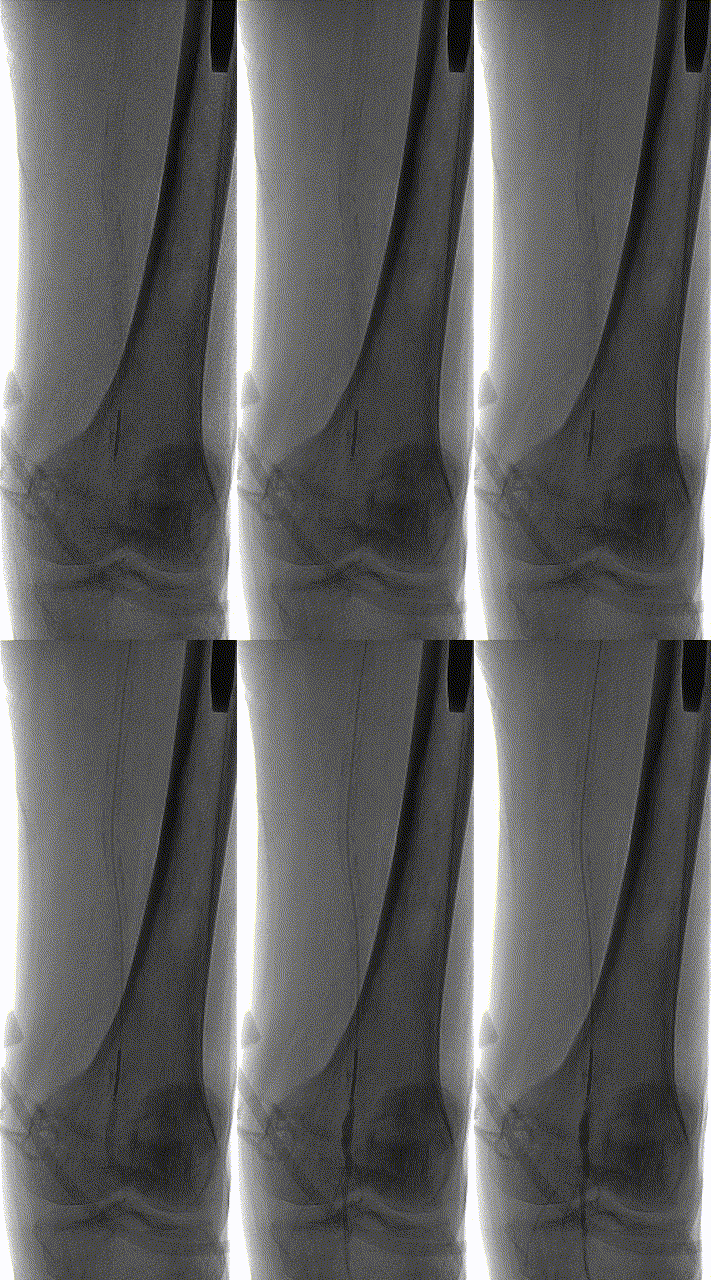
Successful recanalization of the true lumen from the occluded segment of the superficial femoral artery to the distal segment.
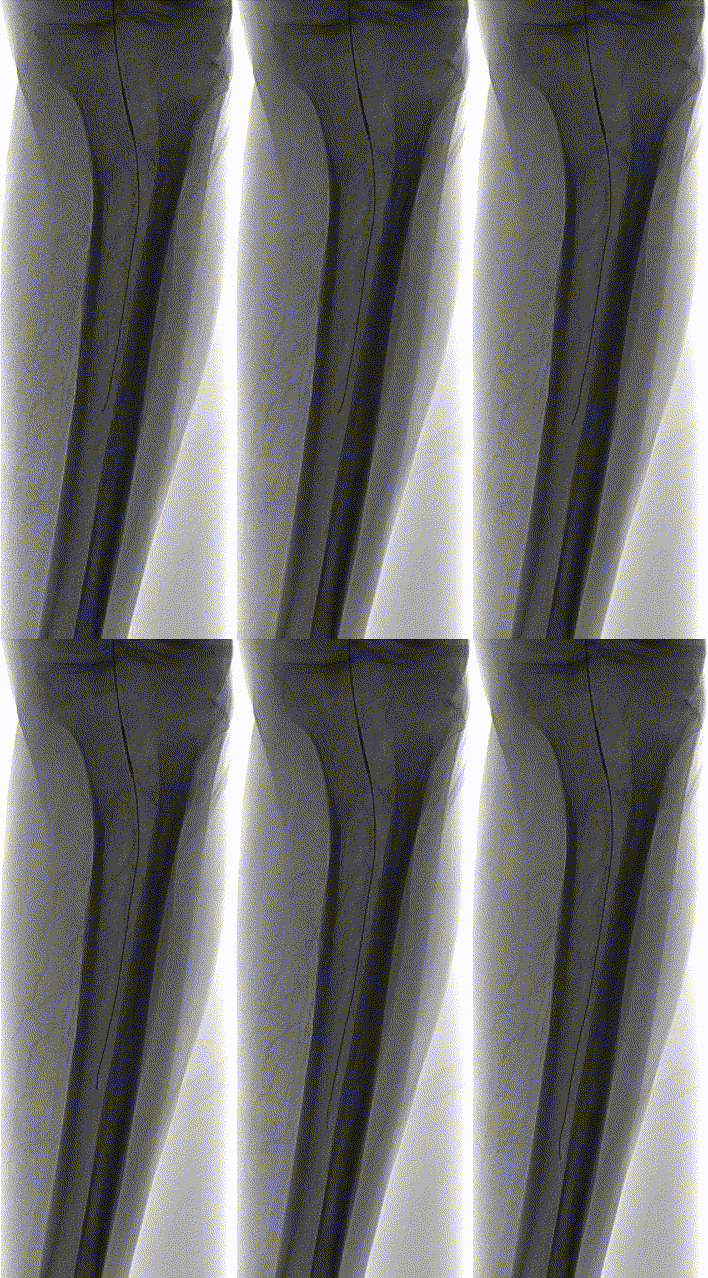
Successful Recanalization of the True Lumen from the Occluded Segment to the Distal Segment of the Peroneal Artery
Constrained balloon sequentially dilates the femoral-popliteal artery and the stenotic occlusion segment of the superficial femoral artery without flow-limiting dissection; drug-coated balloon dilates the tibioperoneal trunk and peroneal artery stenotic occlusion segment. Angiography shows multiple elastic recoils in the superficial femoral artery.

After the first use of the chocolate balloon (4×120mm) for dilation, localized elastic recoil occurred in the superficial femoral artery lumen.

Localized elastic recoil with significant residual stenosis
Therefore, selectDKutting with both strong expansion capability and low dissection rate®LL Peripheral Scoring BalloonThe entire superficial femoral artery was dilated. Repeat angiography showed that: the left superficial femoral artery, popliteal artery, tibioperoneal trunk, peroneal artery, and plantar artery were all patent with increased blood flow velocity, and the blood supply to the left lower limb was significantly improved.
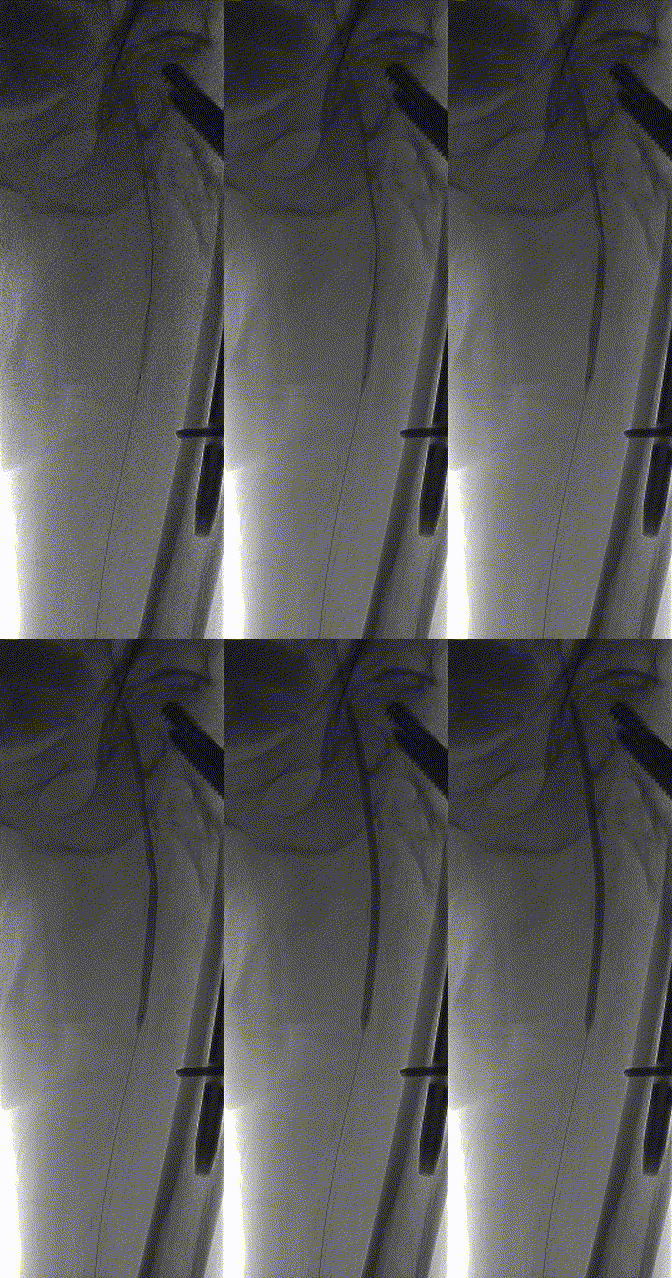
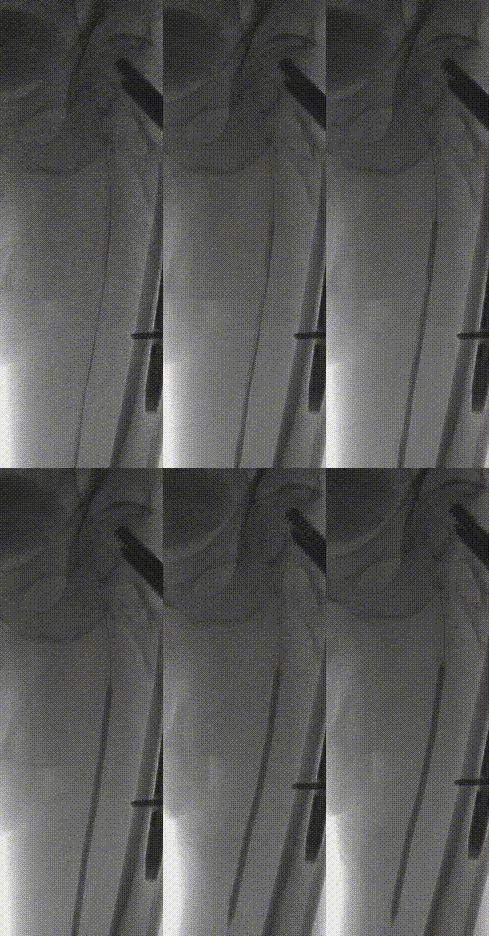
SelectionDKutting®LL (5×150mm) Peripheral Scoring Balloon, Full-length dilation of the superficial femoral artery


Significant reduction in recoil and residual stenosis upon repeat angiography.
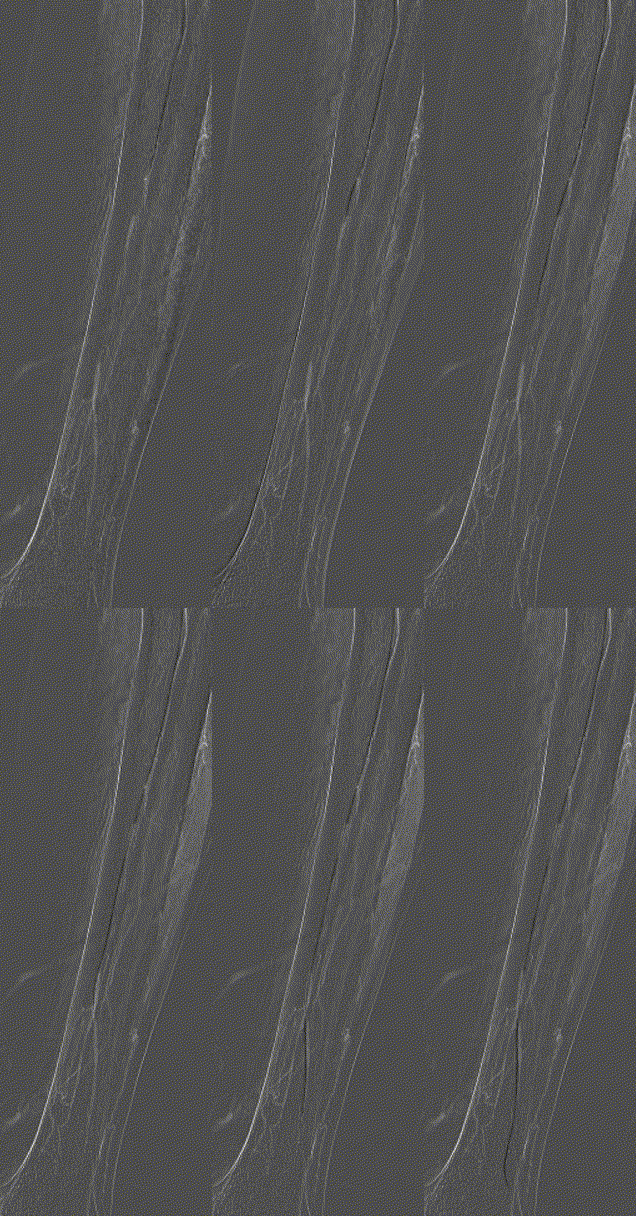
The guidewire was further advanced into the distal peroneal artery.
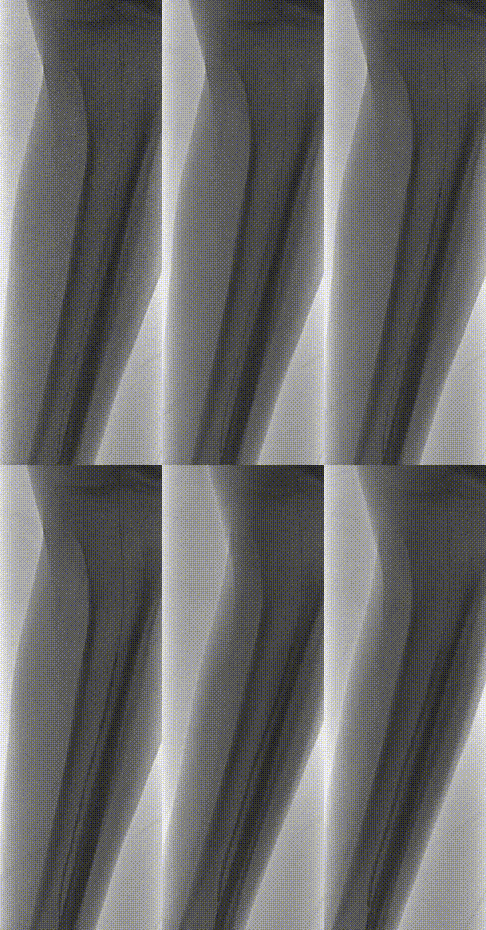
Balloon dilation of the peroneal artery and occluded segment of the tibiofibular trunk

The lumen of the tibiofibular trunk and peroneal artery is patent, with increased flow velocity.

Significant improvement in plantar blood supply
Follow-up
Discharge Status:On the day of the surgery, the patient's left foot pain was significantly relieved, with resting pain in the left foot basically disappearing and skin temperature of the left lower limb becoming warmer. One week after the surgery, new granulation tissue was observed at the base of the toe ulcer, with a marked reduction in exudate.
Case Summary
Case Characteristics:In elderly men, the recanalization of diabetes-related lower extremity arterial occlusion is crucial for wound healing; simple balloon angioplasty for diabetic peripheral vascular disease shows significant elastic recoil; wound healing requires synergistic treatment involving medical therapy, wound management, vascular recanalization, and lumen maintenance.
Preoperative Assessment Key Points:Multisegmental and multifocal occlusive lesions in lower extremity arteries; managing vascular elastic recoil and reducing no-reflow are crucial factors affecting surgical outcomes.
Surgical Strategy/Technical Key Points:Try to open the supra- and infra-popliteal artery occlusion lesions in the same period, at least open one artery reaching the plantar.Peripheral scored balloons reduce elastic recoil and achieve good lumen preparation, which can improve DCB treatment outcomes.
Device Features / Usage Tips:The balloon reaches the lesion site, first inflated to 3atm and maintained for at least 30 seconds to ensure minimal shear force during balloon expansion. Then, the balloon is expanded to the nominal pressure of 10atm and maintained for at least 120 seconds. Observe the residual stenosis, and if necessary, the pressure can be increased to 14atm.

Introduction of Experts

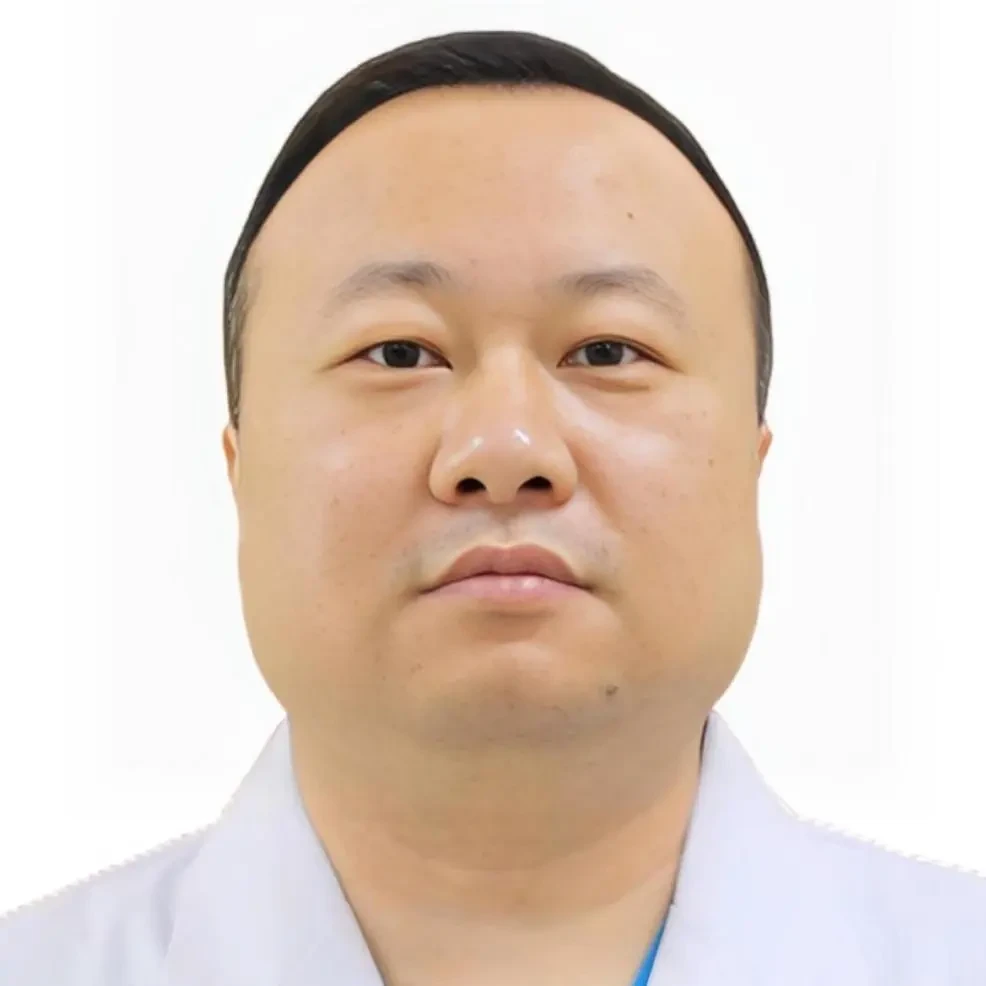
Professor Zhao Feng
Director of Interventional Vascular Surgery
Director of the Department of Interventional Vascular Surgery, Affiliated Hospital of Hebei University, Associate Chief Physician, Master of Medicine.
Specialties:Aortic diseases (aortic dissection, aortic aneurysm), peripheral vascular diseases (stenosis, occlusion, and dilatation of lower extremity arteries, subclavian arteries, and visceral arteries), neurovascular diseases (stenosis of carotid arteries, vertebral arteries, and intracranial arteries).

Professor Xiaodong Zhou
The Surgeon of This Case
Affiliated Hospital of Hebei University, Associate Chief Physician, Master of Medicine.
Specializes in:Aortic diseases (aortic dissection, aortic aneurysm), peripheral arterial diseases (stenosis, occlusion, and dilatation of lower extremity arteries, subclavian arteries, and visceral arteries), peripheral venous diseases (deep vein thrombosis of the lower extremities, inferior vena cava filter placement, transjugular intrahepatic portosystemic shunt), neurovascular diseases (stenosis of carotid artery, vertebral artery, and intracranial arteries), hypersplenism, tumor intervention (liver tumors, kidney tumors, etc.).

Department Introduction

The Department of Interventional Vascular Surgery at the Affiliated Hospital of Hebei University is currently the largest and most advanced interventional vascular specialty treatment center in Baoding, featuring the most comprehensive range of diagnostic techniques and equipment. The practice of interventional surgeries began in 1993, and the Department of Interventional Therapy was established in 2000. In 2015, it officially merged with the vascular group of the former Department of General Surgery to form the Department of Interventional Vascular Surgery. It now has specialized outpatient clinics, operating rooms, and wards, with 49 open beds and a team of more than 20 professional technicians, including five senior professionals such as chief physicians. Eighteen members hold advanced degrees like doctorates or master's degrees. The department is equipped with five large digital subtraction angiography machines from PHILIPS, GE, and Siemens. Over time, three major development directions have been established: 1. Neuro (cerebrovascular disease) interventional diagnosis and treatment; 2. Peripheral and large vessel interventional diagnosis and treatment; 3. Tumor and comprehensive interventional diagnosis and treatment. Each year, the department treats over 2,000 patients from various regions. In recent years, it has received multiple science and technology progress awards from Hebei Province and Baoding City. Several new technologies have been introduced and successfully implemented, earning the department an excellent reputation in Baoding and across the province.
Copyright Statement: This platform aims to help healthcare professionals better understand the latest developments in relevant disease areas. The information published on this platform does not imply agreement with its descriptions or viewpoints; it is only intended to provide more information. If there are any copyright issues, we kindly request the rights holders to contact us, and we will address them as soon as possible. This information is solely for healthcare professionals to stay informed and should not replace professional medical guidance in any way, nor should it be considered as medical advice. If such information is used for purposes other than staying informed, this platform and its authors assume no responsibility.Contact email for cooperation:vascular@edoctor.work。