

National 3DP Joint Replacement and Enhanced Recovery Forum Kicks Off in Chongqing, Gathering Over 100 Experts to Discuss Advancements in 3D Printing Technology
With the rapid development of digital technology and medical science, 3D printing technology has been widely applied in the medical field. Currently, the clinical applications of 3D printing are primarily concentrated in orthopedics and trauma repair.
How Does 3D Printing Technology Empower Orthopedic Treatment? On December 14, the National Forum on 3DP-Promoted Joint Replacement and Enhanced Recovery After Surgery, the Chongqing Additive Manufacturing Association’s 2019 Annual Conference on Medical 3DP, the Third Academic Exchange Conference on Digital Medicine and Clinical 3D Printing, and the Training Course on Digital Orthopedics and Translational Applications of 3D Printing Technology convened in Chongqing. More than a hundred experts and colleagues gathered to jointly discuss the application and development of 3D printing technology in orthopedics.
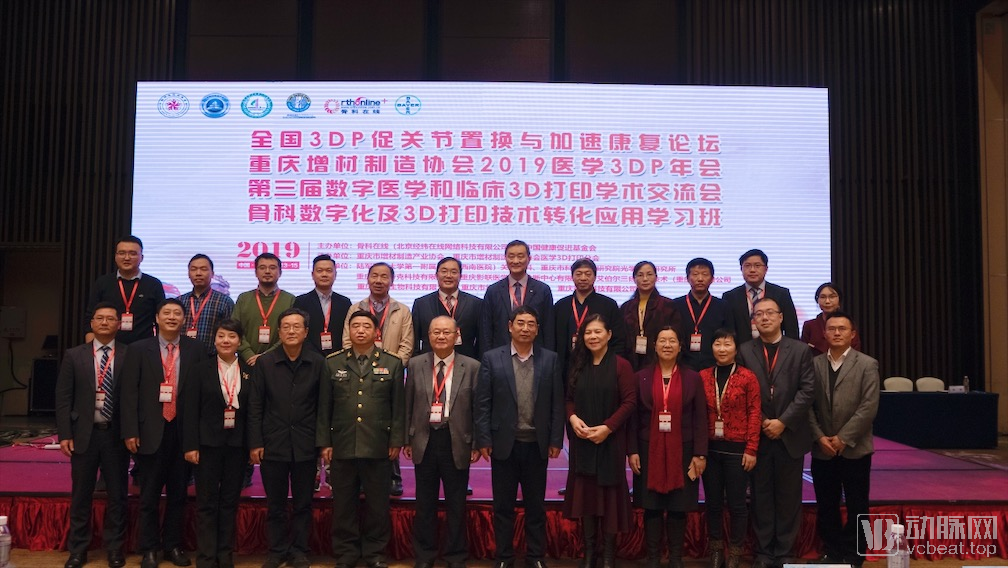
Distinguished guests attending the conference include: Dai Kerong, Academician of the Chinese Academy of Engineering; Pan Fusheng, Academician of the Chinese Academy of Engineering; Tang Huiping, Valid Candidate for the 2019 Academician Election of the Chinese Academy of Engineering; Yang Liu, Chief Physician of the Department of Joint Surgery at the First Affiliated Hospital of Army Medical University; Tu Chongqi, Chief Physician of the Department of Orthopedics at West China Hospital of Sichuan University; Wang Zhen, Chief Physician at Xijing Hospital of Air Force Medical University; Xiong Ying, President of the Chongqing Additive Manufacturing Industry Association; and Yang Jing, Secretary-General of the Professional Committee on 3D-Printed Medical Devices.
3D printing, also known as additive manufacturing, is an emerging manufacturing technology that fabricates physical objects by depositing materials layer by layer based on digital models.
At the conference venue, Yang Liu, Chief Physician of the Department of Joint Surgery at the First Affiliated Hospital of Army Medical University (Conference Chair), Xiong Ying, President of the Chongqing Additive Manufacturing Industry Association, and Yang Jing, Secretary-General of the 3D Printing Medical Devices Professional Committee, delivered opening remarks. They stated that this conference is an innovative gathering that closely integrates clinical medicine with engineering technology, featuring a rich array of topics that will significantly promote the development of 3D printing technology in Chongqing.
At the conference, Dai Kerong, an academician of the Chinese Academy of Engineering, delivered a presentation titled “3D Printing Technology Is Advancing the Development of Personalized Medicine.” Academician Dai stated that a revolution in modern medicine is underway, with general healthcare gradually transitioning toward personalized medicine. “The entire healthcare industry will become a new sector subject to creative destruction,” said Academician Dai.
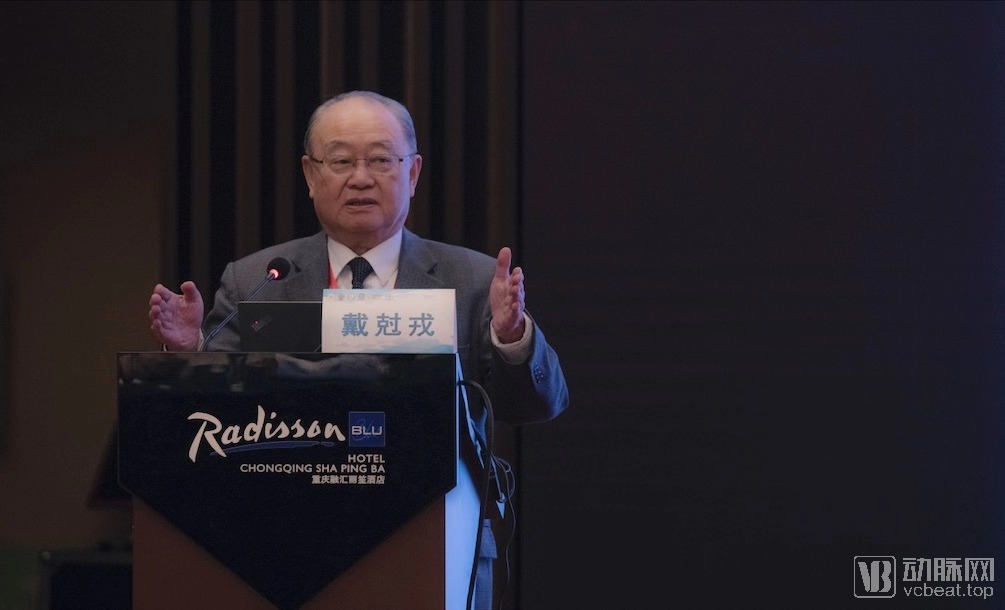
(Figure showsAcademician of the Chinese Academy of Engineering, Dai Kerong)
He stated that personalized medicine would effectively address the challenge of conventional treatments being ineffective for certain patients, thereby providing them with viable therapeutic options. During the conference, he shared multiple case studies involving the use of 3D printing technology in the treatment of orthopedic patients. These cases demonstrated that 3D printing has become a critical component of personalized orthopedic care.
In the exploration of 3D technology, an increasing number of “new discoveries” are injecting fresh vitality into clinical practice.
Yang Liu, Chief Physician of the Department of Joint Surgery at the First Affiliated Hospital of Army Medical University, led his team in successfully developing 3D-printed porous tantalum technology. This innovation has been creatively applied in joint replacement surgeries, bringing hope to patients with end-stage knee diseases.
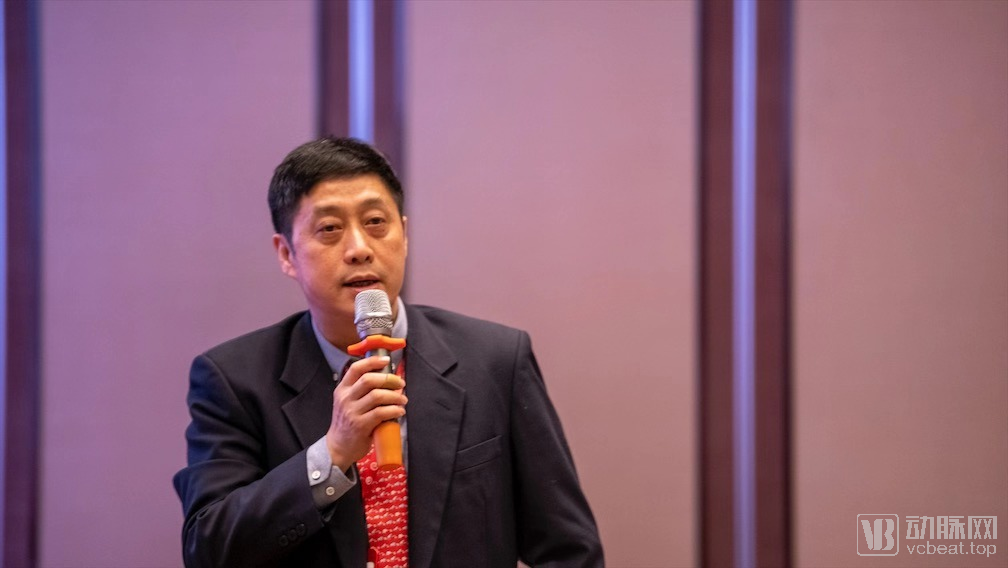
(Figure showsProfessor Yang Liu, Chief Physician, Department of Joint Surgery, the First Affiliated Hospital of Army Medical University)
What Are the Advantages of Porous Tantalum Technology? At the conference, Professor Wang Fuyou from the Joint Surgery Center of the First Affiliated Hospital of Army Medical University delivered a presentation on “Research and Development of Porous Tantalum Technology.” He pointed out that personalized customization of orthopedic implants has become a development trend. Porous tantalum technology is currently recognized by the medical community as the hard-tissue implant material with the best biocompatibility, featuring excellent biocompatibility and mechanical properties, making it an ideal material for orthopedic implants.
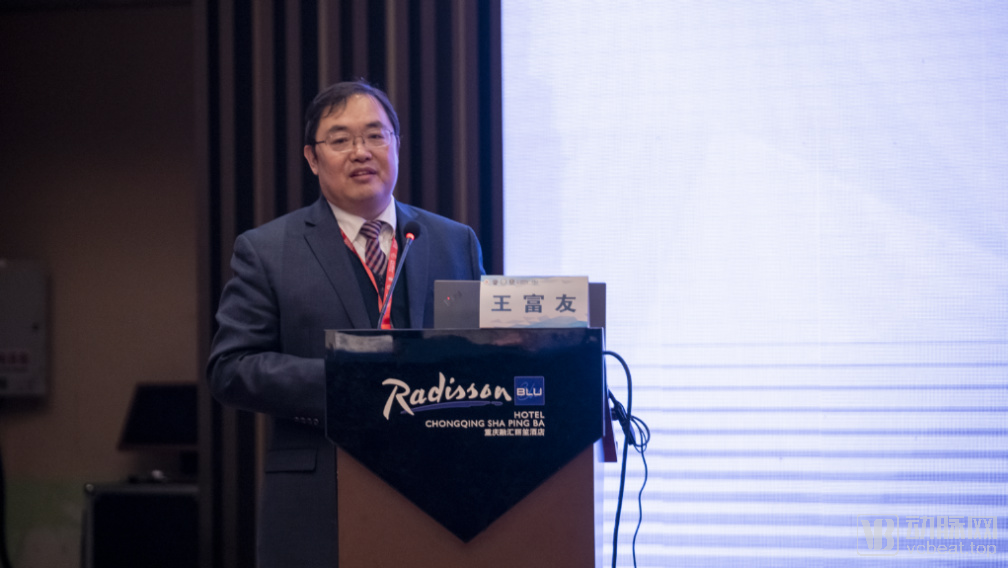
(Figure showsProfessor Wang Fuyou, Joint Surgery Center, the First Affiliated Hospital of Army Medical University)
Notably, Professor Tu Zhongqi from the Department of Orthopedics and the Bone and Soft Tissue Tumor Center at West China Hospital of Sichuan University delivered an insightful presentation titled “3D-Printed Biological Tumor Prostheses: Design Concepts and Efficacy Evaluation.”
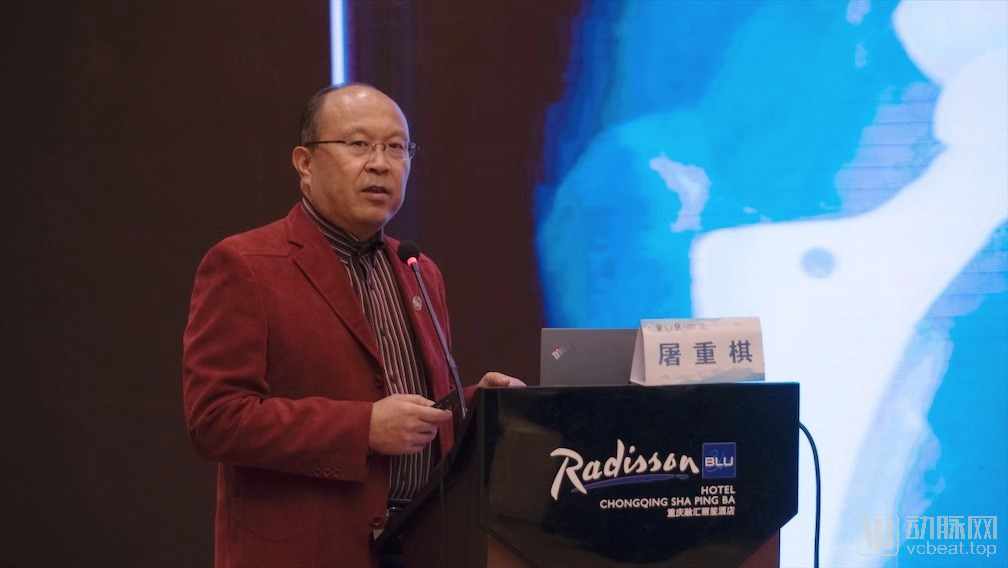
(Figure showsProfessor Tu Chongqi, Department of Orthopedics and Bone & Soft Tissue Tumor Center, West China Hospital, Sichuan University)
How to Achieve Precise Intraoperative Material Implantation, Better Functional Outcomes, and Longer-Lasting Results? Professor Tu Chongqi pointed out that, first, the design concept of 3D-printed orthopedic implants must be rational and precise. Second, image fusion technology and manufacturing techniques require high precision; intraoperative three-dimensional boundary assessment must be accurate; implantation techniques must be precise; and fixation techniques must be precise. Finally, precise and meticulous reconstruction should be achieved. In summary, strict adherence to “precision” is required in all aspects.
How Does 3D Printing Technology Facilitate Precision Treatment in Orthopedic Surgery? Dr. Guo Lin, Associate Chief Physician at the First Affiliated Hospital of Army Medical University, shared insights on “The Application of 3D Design in Knee Surgery.” Dr. Chen Guangxing, also an Associate Chief Physician at the same institution, pointed out that 3D assessment and printing technologies have significantly enhanced the accuracy of preoperative evaluations, while intraoperative guides and 3D-printed implants have made surgeries simpler and more precise. “We look forward to the widespread application of 3DP+AI+Robotics in the future,” said Dr. Chen.
Leveraging 3D printing technology, physicians can transform virtual images into physical models, creating a novel approach to surgical treatment and subsequent rehabilitation that differs from traditional methods, thereby introducing new concepts and workflows to the medical field.
Professor Wang Zhen, Chief Physician at Xijing Hospital of Air Force Medical University; Professor Zhu Zhen’an, Chief Physician at Shanghai Ninth People’s Hospital Affiliated to Shanghai Jiao Tong University School of Medicine; Associate Professor Xin Zhenkai, Director of Joint Surgery at Queen Mary Hospital, The University of Hong Kong; Professor Ding Huanwen, Chief Physician at the School of Medicine, South China University of Technology and Guangzhou First People’s Hospital; and He Yucheng, Director of the Imaging Medicine Center (South Campus) at Chenzhou No. 1 People’s Hospital, among other attending experts, delivered insightful presentations on the application and development of 3D printing technology.
At the conclusion of the conference, Professor Yang Liu, Chief Physician of the Department of Joint Surgery at the First Affiliated Hospital of Army Medical University and Conference Chair, delivered a speech. He expressed optimism about the broad application prospects of 3D printing technology in orthopedic treatment and looked forward to greater integration and development of medical-engineering cross-disciplinary collaboration in this field.