

Medical AI Imaging Industry Development Trends in 2020: Insights from a Survey of Over 30 Enterprises – 2019 Year-End Review

SHUKUN
Provider of Intelligent Products and Innovative Solutions

DeepWise
Developer of Artificial Intelligence Medical Imaging Diagnosis System

Infervision
Artificial Intelligence Product Developer

United Imaging
High-end Medical Device Developer
In 2015, medical artificial intelligence was in its nascent stages. Engineers from various industries enthusiastically brought their algorithms into the healthcare sector, only to discover that medical data was surprisingly scarce. They chose the field of pulmonary nodules, which offered greater operational feasibility, thereby initiating the early development of medical AI.
Over the subsequent three years, standardized medical data has gradually become more comprehensive. Researchers have been piecing together an expanding landscape of medical artificial intelligence—covering fundus imaging, neurology, cardiology, orthopedics, hepatology, and more—gradually weaving it into a cohesive network. Yet, despite this newly crafted net, fishermen still struggle to catch the big fish, prompting the industry to enter a period of reflection.
There is indeed room for improvement in fishing nets; equally important are the careful selection of breeding waters and the refinement of net-casting techniques.
Where does the problem lie? What choices will be made next? In response, VCBeat surveyed 31 medical AI companies specializing in medical imaging, including medical AI teams within large corporations such as Tencent Miying (Tencent), Ping An Smart City (Ping An Insurance), and Xingmai Technology (held by Fosun High-Tech), as well as all medical AI imaging enterprises that have progressed beyond Series B funding and numerous non-leading medical AI firms.
Before examining the development paths of AI enterprises, let us first review the state of AI product development at the end of 2019.
Starting with pulmonary nodules and expanding outward, artificial intelligence has now entered numerous departments, including cardiology, endocrinology, pathology, ultrasonography, and laboratory medicine. Companies typically use hospitals in their local areas as the initial breakthrough point for product implementation, expanding outward once the products have matured.
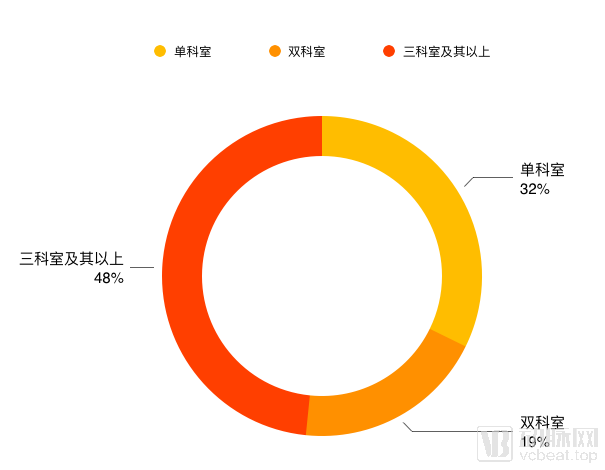
This advancement is manifested in the expanding geographic coverage of AI-based medical products, as well as their cross-departmental mobility. According to the statistical data, among the 31 enterprises surveyed, 21 were involved in two or more clinical departments, reflecting an increasingly diverse range of applications.
Department Distribution
Statistical data indicate that companies focusing on single departments are primarily those providing imaging assistance and radiotherapy support. For instance, Lianxin Medical and Datu Medical are particularly specialized in this area, while AI companies targeting single departments are mostly at the Pre-A and A funding rounds.
Enterprises targeting two departments are concentrated in ophthalmology and pathology. Most of these dual-department-focused companies are not driven by product expansion, but rather by disease-specific needs; for example, diabetic retinopathy requires coordinated attention from both ophthalmology and endocrinology.
In this survey, numerous companies cover three or more clinical departments. Companies at Series B and beyond have reached a relatively mature stage of development, possessing the capability to tackle multiple departments simultaneously. Incubated teams from listed companies, primarily Tencent Miying and Ping An Smart Healthcare, demonstrate particularly strong capabilities in this regard, while leading startups such as Infervision, Yitu Healthcare, and DeepWise have also achieved multi-departmental collaborative operations.
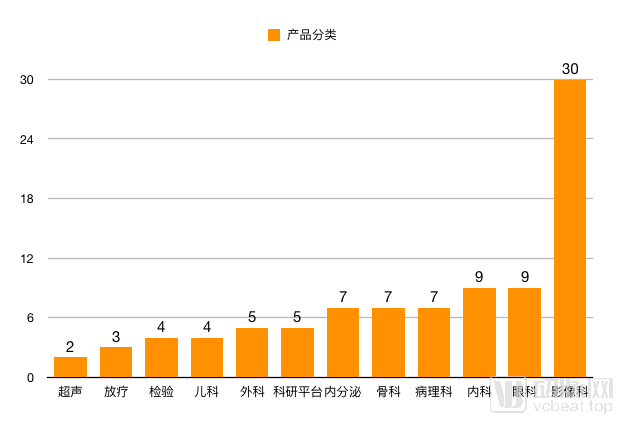
The specific differences in AI companies' entry into clinical departments are reflected in their products. Overall, the development of product lines in 2019 can be broadly categorized into four pathways.
First, imaging companies have adopted a vertical integration strategy, rapidly developing modular products to form comprehensive solutions. Taking DeepWise and Ande Medical Intelligence as examples, these companies sequentially developed modules for stroke and head-and-neck conditions, later integrating them into a complete AI solution for the nervous system.
Second, medical imaging companies are expanding horizontally, evolving from single-disease AI solutions to comprehensive, multi-disease platforms. For instance, Infervision and Yitu Healthcare are both striving to develop all-encompassing lung cancer products that address the needs of multiple clinical departments, thereby creating new market demand.
Third, radiotherapy companies are developing end-to-end solutions tailored to specific clinical scenarios. Taking Lianxin Medical as an example, its product portfolio covers target volume delineation, automated treatment planning, radiotherapy quality control, and information management for radiotherapy departments. The entire product suite is integrated into the workflows of radiation oncologists and medical physicists, providing them with comprehensive support.
Fourth, companies are developing research platforms for physicians to advance medical-industry collaboration in scientific research. In this field, SHUKUN, Yitu Healthcare, Infervision, DeepWise, and Huiyi Huiying are all involved.
Survey of Enterprise Product Classification
From a data perspective, AI companies primarily obtain data from clinical and research sources. Two years ago, medical data could only be described as small to medium-scale; however, more than ten companies listed in the table have already processed medical datasets at the million-case scale, with conditions not limited to pulmonary nodules. This increase in data volume means that companies possess more raw data, enabling them to conduct more in-depth research.
From the perspective of hospital implementation, nearly all of the top 500 Grade III Class A hospitals have been covered by the 31 surveyed AI enterprises, indicating a significant increase in hospital acceptance of artificial intelligence. However, based on bid award data, there was only one contract awarded for a strictly defined AI project: a procurement of diagnostic image processing software for a hospital, with a value of several million RMB. The remaining awards were primarily for cloud-based PACS systems, with individual contract values ranging from RMB 6 million to RMB 9 million. Sales of cloud PACS accounted for the majority of revenue for AI companies generating nearly hundreds of millions in revenue.
Furthermore, by comparing the incremental number of hospital entries by enterprises during 2018–2019 with that during 2019–2020, we observe that throughout 2018, leading enterprises expanded their presence in more than 100 hospitals, while AI companies in the second tier also achieved growth exceeding 50 hospitals. This pace slowed down in 2019, with the figure for leading enterprises dropping to below 100, and the incremental gains for some non-leading enterprises becoming nearly negligible.
Setbacks in commercialization may be the root cause of slowed growth. It is an acknowledged fact that securing funding for medical AI became difficult in 2019. Under such circumstances, blindly deploying artificial intelligence products to hospitals would actually lead to a surge in corporate operational costs; furthermore, if products are installed without ongoing maintenance, hospitals will lose trust in the enterprises. Therefore, from this perspective, the slowdown in the number of hospital deployments before a viable commercial model is established reflects the current state of industry development. If no products gain regulatory approval in 2020, this figure may even experience negative growth.
So, if funds are not heavily directed toward marketing, where do they go? Scientific research is a promising direction.
Assuming that medical AI opened the path to commercialization in 2020, the core of market competition among enterprises remains their products. This year, many companies have shifted their focus from sales coverage to research and development, achieving remarkable results.
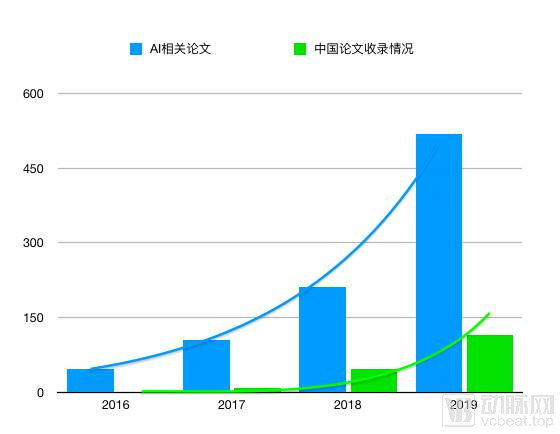
Although exact figures are unavailable, several key metrics highlight the significant contributions of enterprises to academic publications: in 2018, more than 20 corporate papers were accepted by MICCAI, rising to over 40 in 2019; meanwhile, the number of Chinese papers accepted by RSNA increased from 408 in 2018 to 453 in 2019. Many companies have demonstrated remarkable performance in paper acceptance at specific academic conferences. At MICCAI, Tencent had 8 papers accepted; United Imaging Intelligence, 7; Visiomics, 6; DeepWise, 5; Zhiyuan Huitu, 4; and TomoDeep and Airdoc, 3 each. At RSNA, Infervision had 17 papers accepted. Notably, many of these were clinical validation studies.
RSNA Overall Paper Acceptance Status
To this day, the R&D logic of designing products first and then seeking application scenarios is no longer viable. However, the inherent attributes of the scenario itself determine the development prospects of AI products. Therefore, the choice of scenario determines the starting point for AI products.
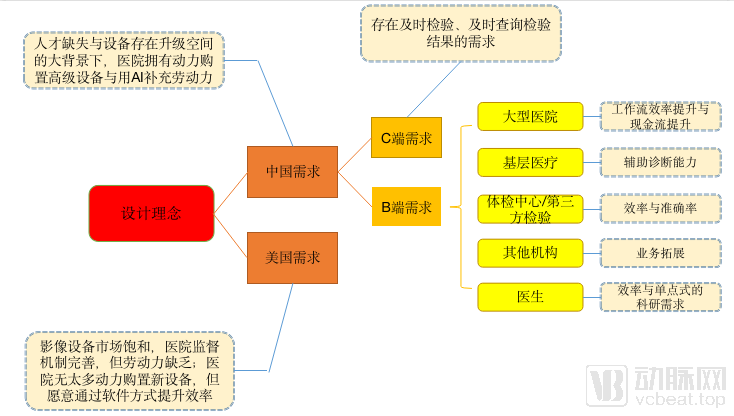
As compiled by VCBeat, the product requirements for artificial intelligence can be broken down as shown in the figure below.
Analyzing the Product Design Logic of Imaging AI from the Demand Side
Let us first examine the macro level. In comparison with the United States, we find that the U.S. medical imaging equipment market is approaching saturation, and hospital management and oversight mechanisms are well established. Physicians are facing a growing patient volume and increasing demand for personalized diagnosis and treatment. Driven by the need to improve efficiency, hospitals have limited incentive to purchase new equipment but are willing to upgrade existing devices through software integration.
The RSNA exhibition highlighted this characteristic to some extent. The host, GE, showcased a wide range of solutions optimized for radiology workflows alongside its new equipment. Meanwhile, United Imaging exhibited PET/CT mobile medical units, tailored to address the geographic distribution of the U.S. population. Such customized demands may open up new markets for manufacturers.
The situation in China is markedly different. Overall, there is a significant shortage of medical resources, substantial room for upgrading imaging equipment, and such equipment serves as a direct indicator of a hospital’s comprehensive strength. Consequently, hospitals are motivated to purchase imaging devices and leverage AI to compensate for physician shortages. In contrast, domestic AI products are more concentrated in the field of assisted diagnosis.
Further examination reveals that the needs of different domestic institutional entities vary. Large hospitals hope AI can improve the overall operational efficiency of radiology departments, thereby shortening patients' hospital stays; primary care hospitals aim to enhance physicians' diagnostic and treatment capabilities to retain patients at the grassroots level; physical examination centers and third-party testing laboratories place greater emphasis on the efficiency, accuracy, and service value-added by AI; emerging ophthalmology and medical aesthetics centers seek to expand their business scope and add value to existing services through AI; while physicians expect AI to improve work efficiency and hope for corporate support in their scientific research endeavors.
So, among such a wide range of scenarios, which type of product can most quickly meet physicians’ needs at this point in time? VCBeat has learned from interviews that large hospitals, primary care institutions, and health checkup centers/third-party clinical laboratories are the most likely to deploy specific categories of AI products within the shortest timeframe.
For large hospitals, if an AI product merely helps radiologists improve their efficiency and leave work earlier, it clearly fails to align with the hospital’s strategic interests. Hospitals are more concerned with enabling doctors to deliver reports to patients—particularly hospitalized ones—at a faster pace, thereby allowing clinicians to make treatment decisions more promptly. If AI can reduce the report turnaround time from two days to half a day, the waiting period for hospitalized patients could be shortened by 1–2 days. This would allow more patients to receive timely treatment, reduce the total medical insurance expenditure per patient, and ultimately benefit the hospital’s revenue.
Such products have stringent requirements for application scenarios. They are suitable only for settings where patients queue for treatment and there is a large volume of clinical data. In the market, coronary CTA has relatively mature AI products. SHUKUN was the first to recognize this opportunity, while Infervision and DeepWise entered the field successively in 2019.
The needs of primary healthcare differ from those of hospitals. Under the tiered diagnosis and treatment system, to better achieve the goal of “managing minor illnesses at the village level,” primary healthcare must improve diagnostic accuracy and enhance physicians’ ability to assess patients’ conditions. From the current perspective, what many primary healthcare institutions need is an enhancement of “medical service delivery capacity,” rather than merely an “increase in efficiency.”
Therefore, many AI products deployed in primary care hospitals need to maximize ease of use and accuracy. However, with the advancement of medical consortia and the widespread adoption of centralized image reading, the likelihood of radiology AI products reaching the endpoint of primary care settings is diminishing. In contrast, AI-powered Clinical Decision Support Systems (CDSS) that can provide accurate diagnostic pathways may offer greater application potential.
For physical examination centers and third-party imaging centers, the interests of the radiology department are more closely aligned with those of the medical institution. Faster diagnoses and more accurate reports translate into higher revenue and a better reputation, making the value of artificial intelligence even more pronounced. Since 2018, health checkup providers such as Meinian Onehealth and iKang have been expanding their market presence through platform-based strategies. Meanwhile, third-party diagnostic centers, including Ping An Health (Testing) Center, Hengdao Pathology, and AllinMD Medical Imaging, have also developed AI products to enhance efficiency.
From the perspective of radiologists, their primary needs are reduced workloads and greater support for scientific research. Therefore, attempting to commercialize AI by merely currying favor with radiologists is unlikely to succeed. However, radiologists can provide AI companies with access to hospitals, help identify product flaws, correct the “internet-centric mindset” of AI developers, and appropriately supply data for research purposes. Radiologists have thus become an indispensable link in the development of AI.
After examining the “fishing net” and the “waters,” the underlying issues have come to light. It is evident that most AI products are designed from the perspective of physicians’ needs, aiming to address specific, isolated challenges encountered in their daily practice. However, few AI companies tailor their products specifically for primary care institutions or health examination centers. While this approach may satisfy physicians, it has hindered the commercialization of AI to some extent due to a lack of comprehensive consideration of payers’ requirements.
In addition to balancing the needs of hospitals as payers and physicians as end users, medical artificial intelligence faces a long-standing fundamental issue: regulatory approval. For most players in this space, this challenge remains a persistent thorn in their side—far from fatal, yet impossible to remove immediately.
Looking back at 2019, there were only a handful of policy documents providing support for AI. At the national level, explicit mentions of promoting the development of medical artificial intelligence appeared in just two documents: the “Key Points for Approval of Medical Device Software with Deep Learning-Assisted Decision-Making,” issued by the National Medical Products Administration to AI enterprises on June 29; and the “Catalogue for Guiding Industry Restructuring (2019 Edition),” revised and released by the National Development and Reform Commission on October 30.
The establishment and improvement of medical databases have been progressing steadily. It is reported that the medical imaging database led by the National Health Commission includes an ultrasound image library (covering 40 diseases), a CT library, an MRI library, etc., with some hospitals or enterprises having considerable scale.
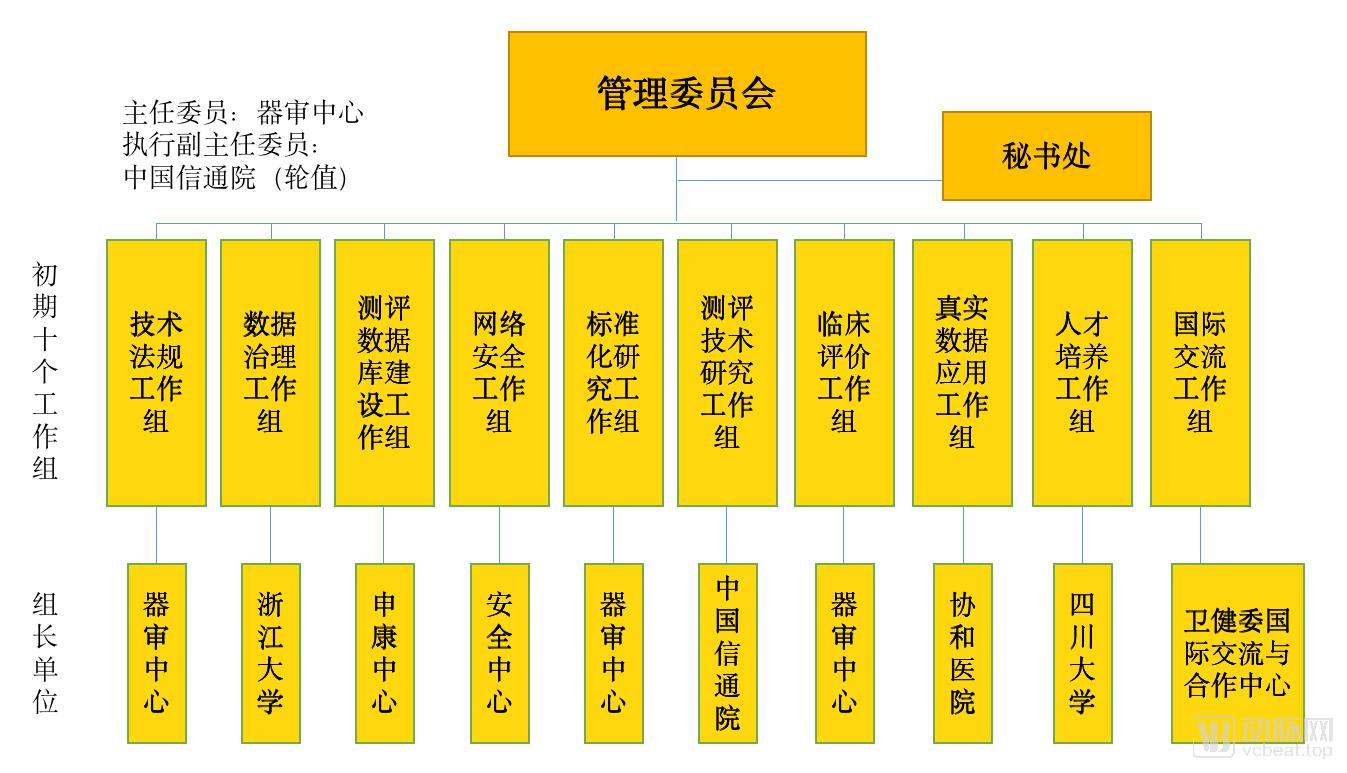
On July 15, 2019, merely half a month after the release of the “Key Points for Approval of Medical Device Software Assisted by Deep Learning,” the Center for Medical Device Evaluation (CMDE) under the National Medical Products Administration (NMPA), in collaboration with the China Academy of Information and Communications Technology (CAICT), Shanghai Shenkang Hospital Development Center, Sichuan University, and numerous other institutions, established the Artificial Intelligence Medical Device Innovation Cooperation Platform. The platform also determined to construct test sample databases covering at least eight projects: CT lung, CT liver, CT fracture, brain MRI, cardiac MRI, coronary CTA, electrocardiogram (ECG), and ophthalmology.
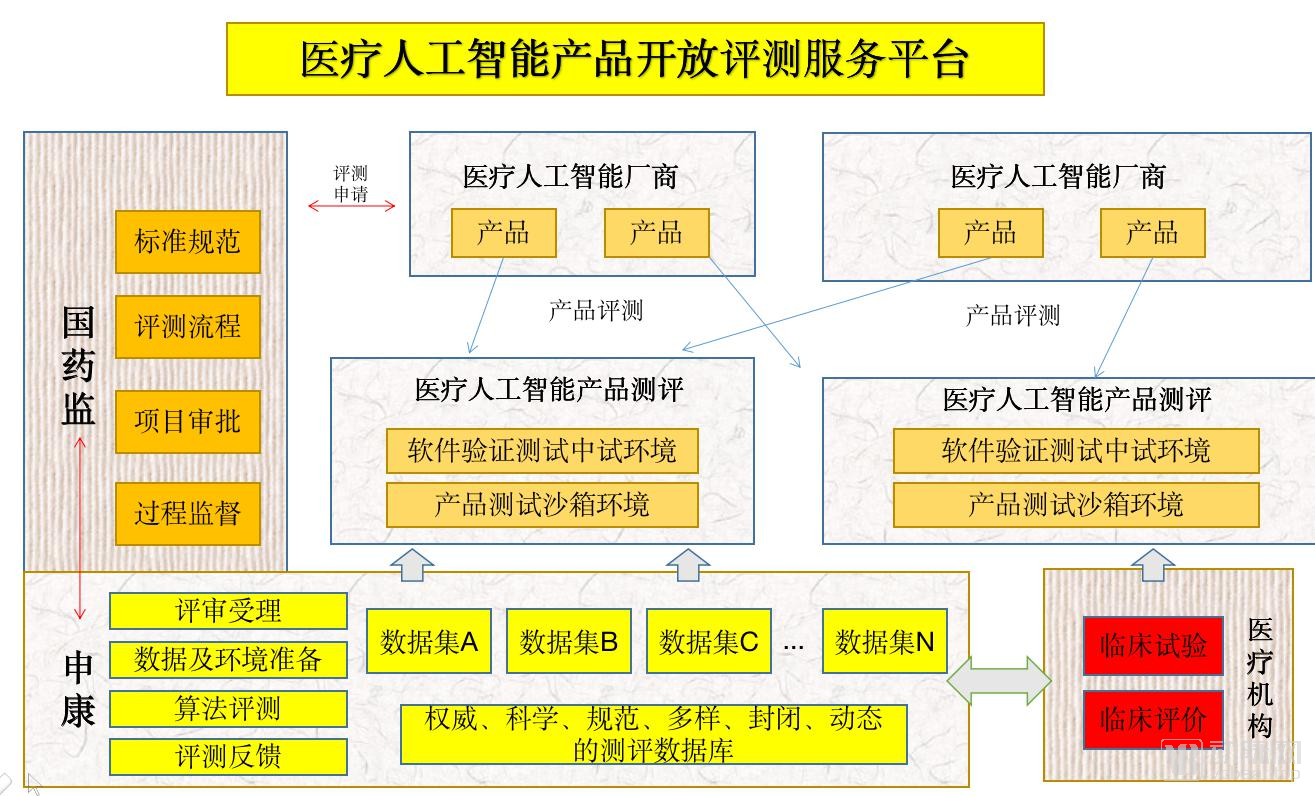
Meanwhile, institutions such as the National Medical Products Administration (NMPA) and the Shanghai Shenkang Hospital Development Center have established specific evaluation platforms for artificial intelligence products, with their operational workflows illustrated in the figure below.
Even with approval processes and division of labor clarified, the clinical trial phase remains a major bottleneck for many companies. On one hand, AI products often demonstrate suboptimal clinical performance; on the other, clinical trials themselves are inherently time-consuming. In radiology, even mature products such as those for pulmonary nodule detection require considerable time for clinical application submissions and trials to secure regulatory approval, while other products still need further refinement.
AI products for image reconstruction and enhancement, which do not involve assisted diagnosis, require only Class II clearance for commercialization, giving them a head start in the market. Statistics from January 2018 to September 2019 show that nearly 40 AI products received FDA approval, half of which were non-assisted diagnostic products. For example, Subtle Medical’s AI platform for image reconstruction, SubtleMR, and GE’s mobile intelligent X-ray device for ICU use, the “Critical Care Suite Optima XR240amx,” both obtained FDA Class II clearance through the 510(k) pathway.
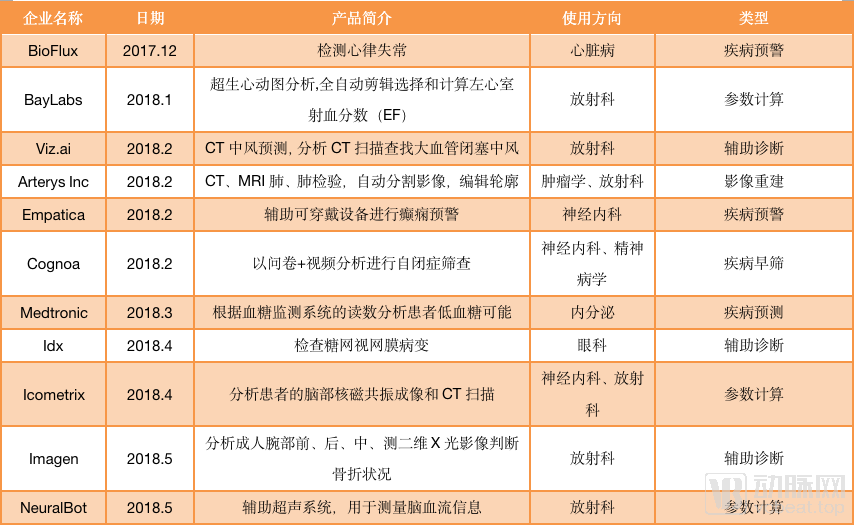
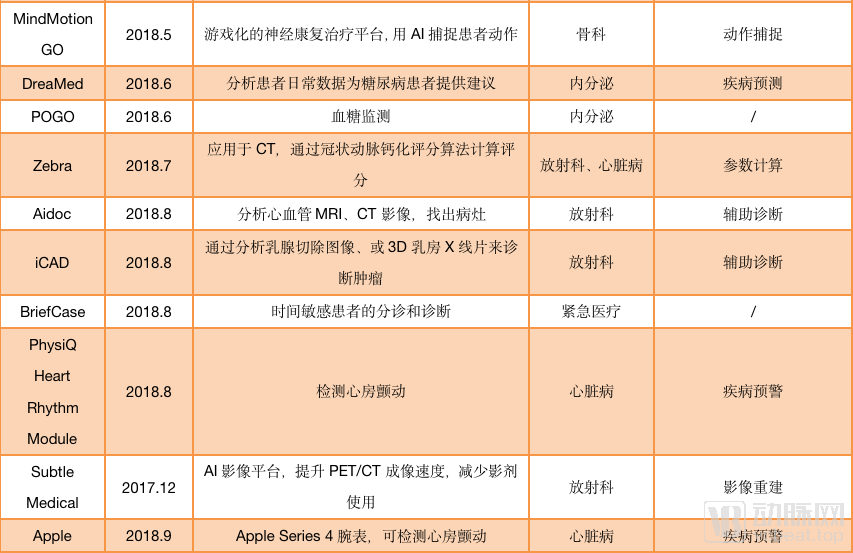
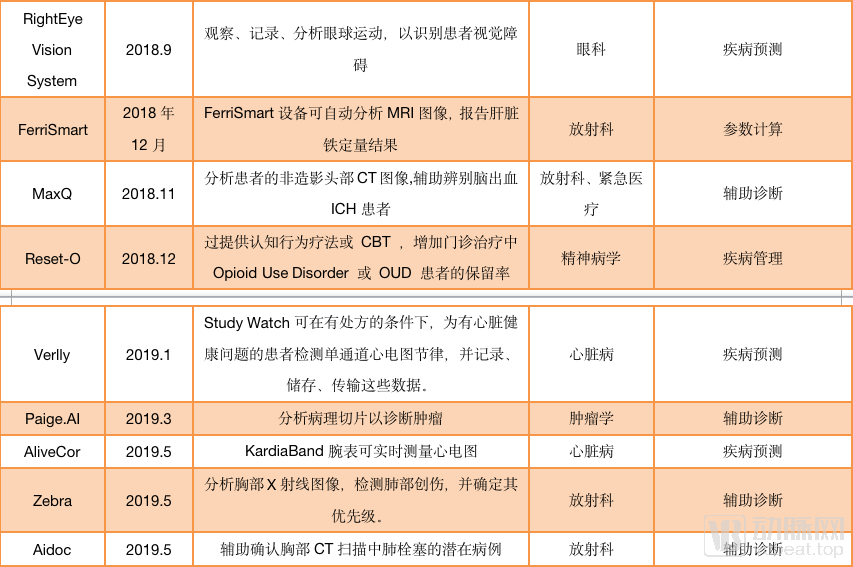

AI Products Approved by the FDA (Statistics from December 2017 to September 2019)
Among AI-assisted diagnostic products cleared by the FDA, many products under the “AI-assisted diagnosis” label, such as Viz.ai and Imagen, emphasize the “alert” function of AI rather than its “diagnostic” capability in their product descriptions. To date, IDx-DR, developed by IDx, remains the only AI-powered autonomous diagnostic product to have received FDA clearance.
Companies specializing in radiotherapy present a different scenario. Intelligent products for radiotherapy assistance under Baiyang Technology, Lianxin Medical, and Datu Medical have all obtained Class III medical device certificates issued by the NMPA. However, the definition of “intelligent” for these products remains unclear. If subsequent reliance on deep learning is required to assist in surgical planning and automatically generate corresponding reports, the “AI functionality” will still need to undergo Class III medical device approval.
Overall, 2019 was not a favorable year for artificial intelligence, characterized by limited policy support, difficulties in securing capital investment, and a return to rationality in public perception. Fortunately, algorithmic innovations such as federated learning, automated deep learning, and general representation learning continued to drive the deeper integration of AI applications from a technical perspective.
What Is the Future of AI in Medical Imaging? Beyond Continuing to Enter Hospitals Under the Existing Model, VCBeat Has Identified Two Potential Forms.
Trend 1: Partnering with Imaging Equipment Manufacturers
In contrast to the stagnation in the number of AI-focused companies, platform-based products have become more prevalent this year. At this year’s RSNA conference, it was evident that beyond the “GPS” trio, major medical imaging data processing company Terarecon showcased its envoyAI platform, while leading clinical voice technology provider Nuance and former film giant Fujifilm also launched their respective AI platforms…
These platforms often integrate artificial intelligence developed in-house by imaging equipment manufacturers. VCBeat has compiled statistics on the current AI development efforts of various companies, as detailed below.
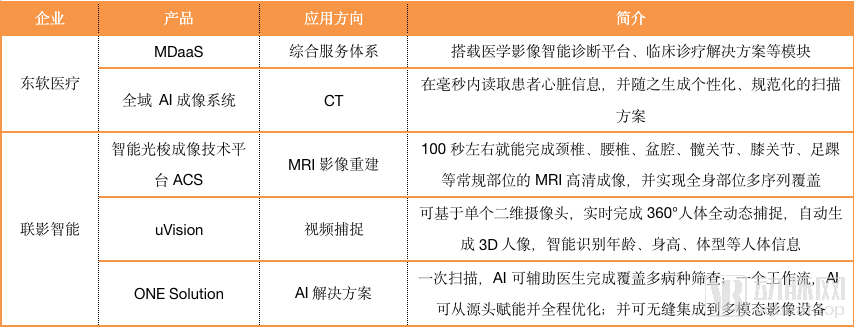
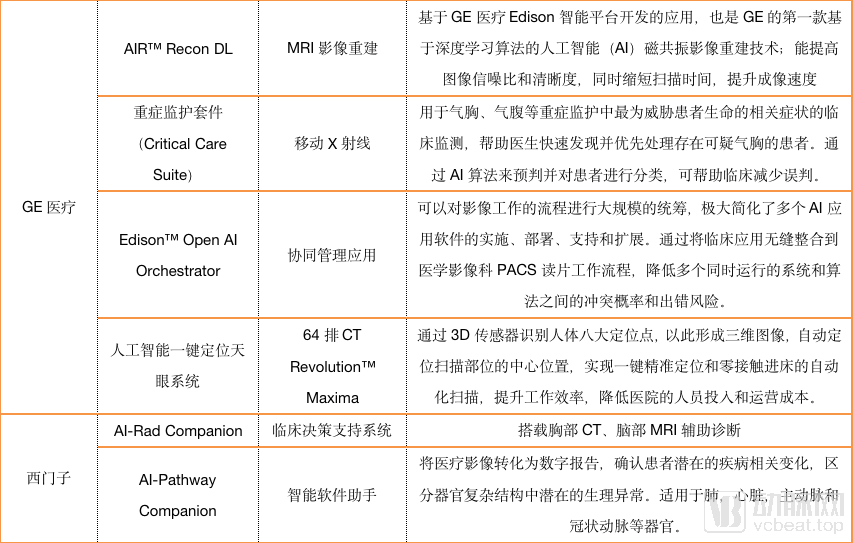
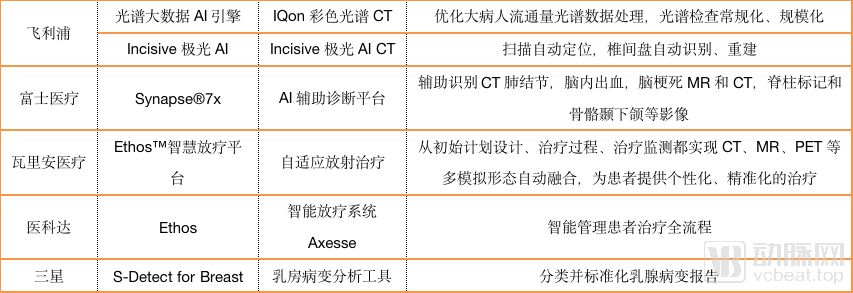
As can be seen from the chart, most medical imaging equipment companies have not focused on developing artificial intelligence for specific diseases, whereas GPS has each built its own AI ecosystem in China.
United Imaging and Varian Medical Systems are exceptions. United Imaging Intelligence, a subsidiary of United Imaging, has taken on the task of developing full-stack, end-to-end artificial intelligence applications; Varian, meanwhile, is dedicated to independently building adaptive radiation therapy that is end-to-end, multimodal, personalized, and precise.
If “AI-assisted diagnosis and treatment” is not a false premise, then medical device manufacturers have left ample room for the development of AI startups. If AI startups can offer high-quality artificial intelligence products at the lowest possible cost, then equipment manufacturers and hospitals may both become their payers.
Trend 2. Collaborating with Pharmaceutical Companies Through Disease Management
At the China International Import Expo, Novartis and Tencent unveiled China’s first AI-powered disease management platform for heart failure, bridging Tencent’s artificial intelligence technology with pharmaceutical companies.
For Novartis, the data generated by Tencent’s triage platform holds significant value. By analyzing this data holistically, Novartis can gain precise insights into the trends of disease prevalence among Chinese residents.
AI companies are also capable of building similar platforms. Many medical imaging enterprises are providing cloud-based PACS services to hospitals, leveraging these services to establish platforms and even extend into follow-up care to assist patients with disease management. Through this process, they can also acquire trend data.
Taking diabetic patients as an example, they undergo at least one screening for diabetic retinopathy annually, which means they will remain actively engaged on chronic disease management platforms over the long term. Such platforms are highly attractive to pharmaceutical companies.
Certainly, beyond these two trends, artificial intelligence has other avenues, such as collaborative health examination centers and direct-to-consumer (DTC) service provision... As long as effective demands can be identified, these directions hold value.
However, if a batch of AI companies had obtained approval for Class III medical devices in 2020, the landscape might have been significantly different. This is a shared aspiration across the entire industry, with the hope that no company will be left “walking the tightrope.”