

Jianjian Home Doctor Founder Jin Lei: Forget the Hype—Empowering Grassroots Healthcare Starts with the 'Three Transformations'
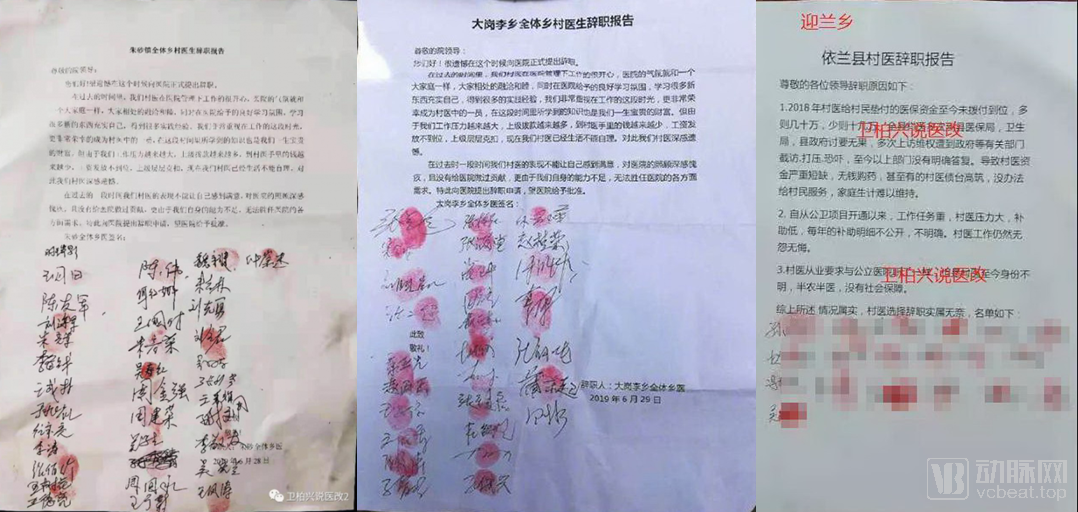
On June 28, 2019, news broke online that 36 village doctors in Zhusha Town, Tongxu County, Henan Province, had collectively resigned, sparking widespread public attention. Shortly thereafter, resignation letters from all village doctors in Dagangli Township, also under the jurisdiction of Tongxu County, as well as resignation reports from 63 village doctors across four townships in Yilan County, Heilongjiang Province, circulated successively on various self-media platforms.
The successive waves of collective resignations have not only drawn close attention from central media outlets such as the People’s Daily, but also garnered high-level concern from governmental health authorities at all levels, including the National Health Commission. These authorities responded promptly, pledging to safeguard the legitimate rights and interests of village doctors, stabilize the village doctor workforce, and consolidate the foundation of Healthy China.
Currently, China’s healthcare reform has entered a “critical phase” and “deep-water zone.” Nevertheless, there remains a significant gap between the level of health services provided in China and the needs of the general population. In the new round of healthcare reform, tiered diagnosis and treatment, ranked as the top priority among the five key systems, is regarded as the most effective approach to addressing the difficulties and high costs associated with accessing medical care. Its core components include initial consultation at primary care institutions, two-way referral, separate management of acute and chronic conditions, and coordination between different levels of healthcare providers. The foundational element of this system is “primary care,” with family doctors—known as the “gatekeepers of residents’ health”—serving as the mainstay of primary care services.
In response, the State Council issued the Guiding Opinions on Promoting the Construction of a Tiered Diagnosis and Treatment System in October 2015, proposing to improve the tiered diagnosis and treatment service system with a focus on strengthening primary care. Subsequently, seven ministries and commissions—including the Office of the Leading Group for Medical Reform of the State Council, the National Health Commission, the National Development and Reform Commission, the Ministry of Civil Affairs, the Ministry of Finance, the Ministry of Human Resources and Social Security, and the National Administration of Traditional Chinese Medicine—jointly released the Guiding Opinions on Promoting Family Doctor Contract Services. Since 2016, they have annually issued and updated the Notice on Doing a Good Job in Family Doctor Contract Services.
Meanwhile, national policy support for basic public health services, one of the core services provided by family doctors, has been strengthening year by year, with increasingly higher subsidy standards for special fiscal funds. As required by the Notice on Doing a Good Job in the 2019 Basic Public Health Service Projects, the per capita subsidy standard for basic public health service funding reached 69 yuan in 2019, with all newly added funds directed exclusively to villages and communities. Correspondingly, local governments have also introduced a series of robust financial support policies tailored to their respective local conditions.
In the fifth year of the national implementation of the tiered diagnosis and treatment system, most regions in China still fail to achieve its effective execution, while family doctor contract services continue to be plagued by issues such as “signed but not honored” and “neither signed nor honored.”
“At its root, the problem still lies at the ‘primary care level’!” Jin Lei, founder of Jianjian Family Doctor, has personally observed and studied the primary healthcare industry for three full years. He described to reporters the most authentic reality of primary care: “Almost every primary care physician’s first thought upon waking up each morning is how to cope with various inspections and forms. Hence, they have a poignant nickname: ‘Brother Table’ and ‘Sister Table’ (a pun on ‘biao ge/biao jie,’ meaning cousins, but literally referring to those overwhelmed by tables/forms). Even if they work without a single day off all year round, they may still fail to meet the performance assessments for basic public health services. Failure to meet these targets means they cannot receive subsidy funds, directly impacting their income and even threatening their livelihood. Under such circumstances, how can they possibly provide high-quality healthcare services? It is no surprise, then, that collective resignations have become commonplace.”
High work pressure, low operational efficiency, elevated service costs, and a talent succession gap represent the most authentic current state of China’s grassroots healthcare sector, as well as the most urgent pain points requiring resolution. According to data from the Statistical Bulletin on the Development of Health Services released by the Statistical Information Center of the National Health Commission, there were 942,000 various types of grassroots health institutions and 3.965 million grassroots health professionals in China as of the end of September 2018. These institutions are responsible for providing over ten services, including basic medical care, basic public health services, and health management, to key populations such as the elderly, pregnant and postpartum women, children, individuals with disabilities, those living in poverty, members of families affected by special family planning circumstances, and patients with hypertension, diabetes, tuberculosis, or severe mental disorders. Furthermore, they will face the future challenge of delivering comprehensive, full-cycle health and medical services covering the entire population of 1.395 billion people.
The stark contrast between national strategic expectations and the weak reality at the grassroots level has made primary healthcare a key “hard nut to crack” in deepening healthcare system reforms. National leaders, including Vice Premier Sun Chunlan and Ma Xiaowei, Director of the National Health Commission, have repeatedly emphasized prioritizing the development of primary healthcare. Relevant ministries and commissions have specially issued the “Notice on Measures to Reduce Burdens on Grassroots Levels through Nationwide Health Informatization,” proposing to leverage nationwide health informatization to alleviate burdens on grassroots institutions by addressing issues such as “cumbersome system reporting,” “redundant reporting to multiple departments,” and “difficulties in data sharing.” Furthermore, the 2019 edition of the “Work Specifications for Basic Public Health Services” explicitly stated support for the construction (and integration) of information systems for national, provincial, municipal, and county-level Centers for Disease Control and Prevention (including endemic disease control institutions), as well as the provision of monitoring vehicles and instruments and equipment required for case investigation, laboratory testing, and other related work.
“Grassroots issues may seem complex, but they essentially boil down to four words: ‘too few staff, too many tasks.’” Jin Lei, a serial entrepreneur with nearly 20 years of experience in the software and internet industries, is known for his straightforward approach and prefers rational, pragmatic solutions. “Sophisticated high-tech innovations are not yet suitable for grassroots settings; what urgently needs to be addressed at this level is the problem of ‘too few staff, too many tasks.’ Since the introduction of the ‘Zijia Yi’ policy, we have remained focused on this area. Over three years of continuous exploration, with cumulative R&D investments exceeding RMB 30 million, we have developed a proprietary ‘Smart Workstation for Family Doctors.’”
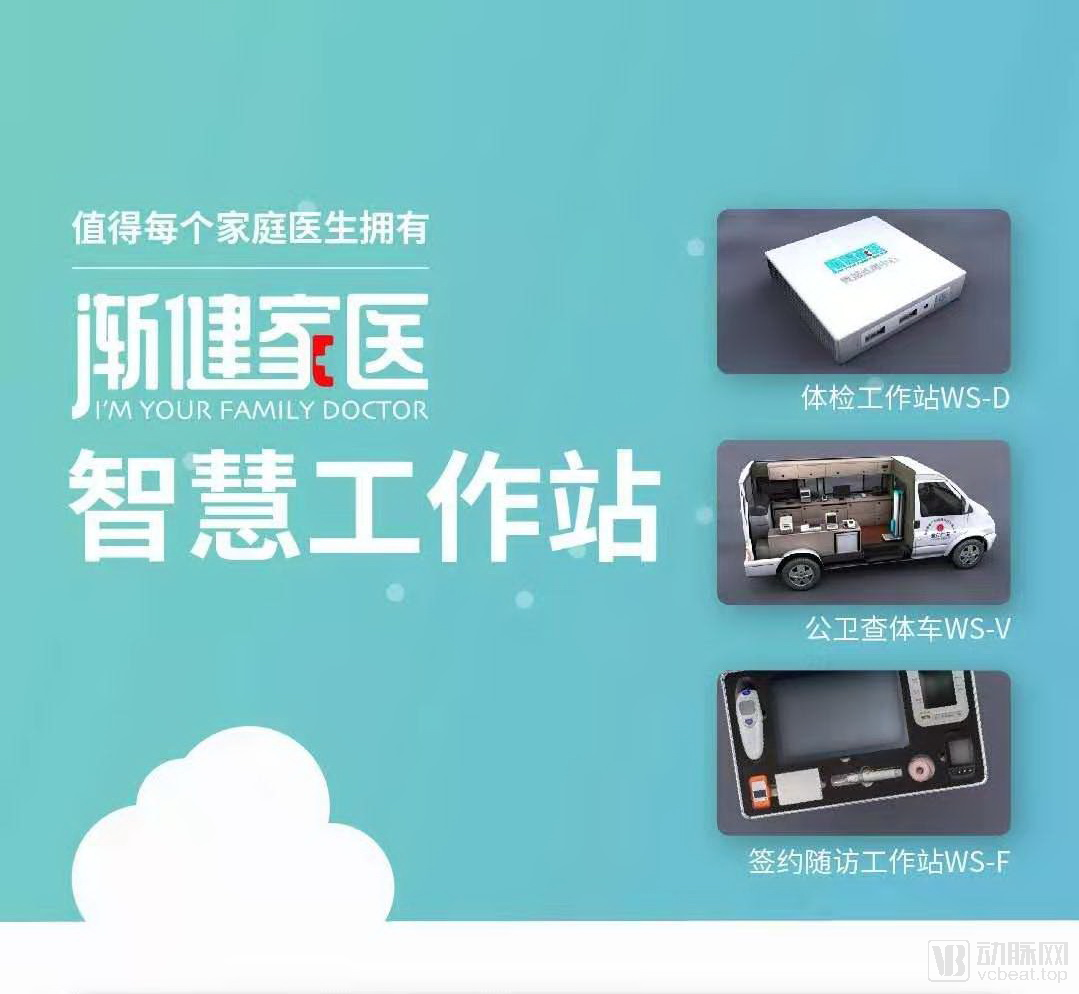
By empowering grassroots physicians through the “Three Transformations” model—namely, digitalization of workflows, intelligent equipment, and standardized services—we have addressed challenges related to efficiency, standardization, competency, and scalability. As a result, the efficiency of contracted health management has increased by an average of 6–10 times, while physical examination efficiency has improved by at least threefold. The entire service process is now highly efficient and standardized, achieving paperless and labor-free operations, with most administrative tasks effectively resolved in terms of scalability.
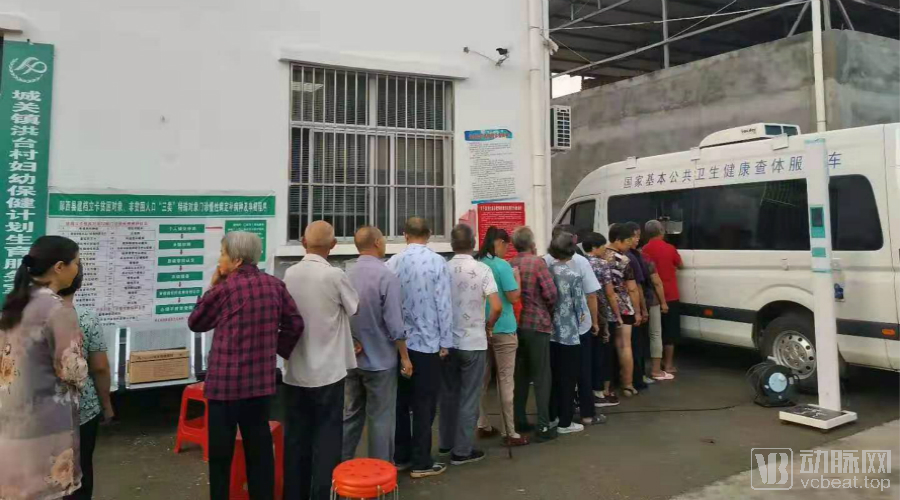
Although Jianjian Family Doctor is a relatively new entrant to the industry, its robust IT solution capabilities, differentiated product advantages, and exceptionally high customer satisfaction have enabled it to deploy services in at least 26 districts and counties across eight provinces within just a few years. Over 10,000 family doctor teams now use Jianjian Family Doctor’s products. The company has earned widespread acclaim from government authorities at all levels, institutional administrators, primary care physicians, and residents, solidifying its position as the leader in the niche sector of family doctor service providers.
“Primary healthcare is a market worth at least one trillion yuan. Regarding the empowerment of primary care, many peers may believe that ‘black tech’ can bring more attention and faster returns, while approaching it from the perspective of informatization is destined to be a ‘tough and tedious job.’ However, have we considered that if the foundational services are not firmly established, all technology would become nothing but ‘castles in the air’? Therefore, we are willing to invest more time, energy, and manpower than others to do this ‘tedious job’ well and solidly, and then leave the rest to time!”
Regarding future plans, Jin Lei stated, “We are currently launching our Series A financing round, aiming to integrate more high-quality resources, enhance our service capabilities, and deliver greater value to a broader customer base.”