

Medical Device Innovation Directions Explored at 2019 Future Healthcare 100 Summit
On December 20, 2019, the 2019 Future Healthcare Top 100 Conference, themed “New Growth in Life,” kicked off at the Jiuhua Mountain Villa in Beijing. Focusing on multiple factors including the policy environment, technological landscape, and demand potential, the conference provided a comprehensive analysis of development trends in the future healthcare industry and promoted innovative transformation within the health and medical sector.
Organized by VCBeat and VCBeat Research Institute, and co-organized by KPMG China, Legend Capital, BV Baidu Ventures, Weilai Capital, Puhua Capital, Tsinghua Nomura China Research Center, Changling Capital, Lenovo Star, Yuanjing Capital, the Internet Hospital Branch of the Chinese Association of Research Hospitals, Aimeda, and Zero2IPO Capital.
As a core resource on the supply side of the healthcare ecosystem, medical devices are ushering in a golden decade of development, poised to reap the dual benefits of the wave of domestic substitution and technological iteration.
China’s medical device market was projected to reach RMB 650 billion in 2019, with the market size expected to exceed RMB 1 trillion by 2024. The medical device industry is in a phase of rapid growth, characterized by both product popularization and iterative upgrades. There remains substantial growth potential in both the existing stock market and the incremental new market.
However, as cost-containment measures under the medical insurance system progressively expand from pharmaceuticals to medical consumables and then to laboratory testing, the medical insurance payment system is undergoing significant transformation. With the expansion of the pilot program for Medical Device Registrants, the implementation of the Unique Device Identification (UDI) system, the adoption of Diagnosis-Related Groups (DRGs)-based payment policies, and the introduction of reform plans to govern high-value medical consumables, the development environment for medical devices will become increasingly complex and uncertain.
Behind the evolution and restructuring of every industry lie countless cycles of practice and trial-and-error. As a new driving force on the supply side, how can the medical device sector chart its course for innovative development? At the Medical Device Forum, part of the Future Healthcare Sub-forum, industry leaders and investment experts from the medical device field engaged in in-depth discussions on cutting-edge technologies, development trends, investment directions, and grassroots innovation practices.

Opportunities and Challenges Coexist: What Are the Core Focus Areas of Medical Devices in the Future, and How Can We Break Through Multiple Barriers? Guests Share Their Insights and Answers.
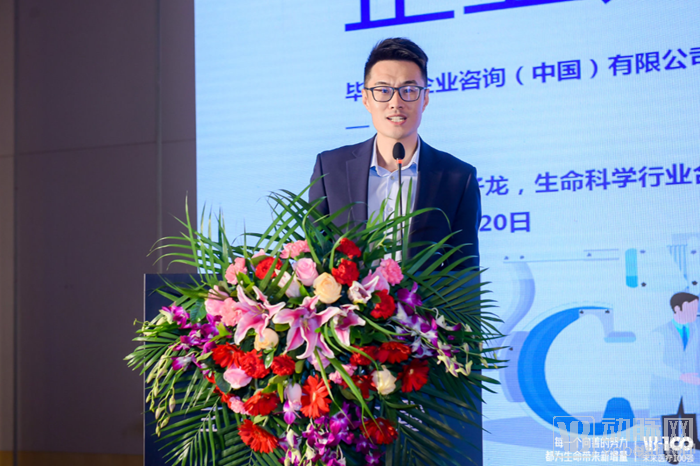 Yu Zilong | Partner, KPMG Global Strategy Consulting, Life Sciences Industry
From a policy perspective, the most significant policy affecting the industry this year is the Notice of the General Office of the State Council on the Reform Plan for the Governance of High-Value Medical Consumables.
KPMG believes that the future policy reform direction for medical consumables, including medical devices, in our country reflects four major themes: price reduction, usage control, strengthened regulation, and promoted development. Among these, price reduction is the most indicative of its impact on the industry. This will bring considerable uncertainty and certain challenges to our future sales of medical devices in China.
In addition to addressing high-value consumables, the state will introduce a series of coordinated measures—including unified coding for medical consumables, dynamic inclusion and adjustment within medical insurance coverage, and future centralized procurement. This combination of short-, medium-, and long-term initiatives will bring about significant disruption to our industry.
Volume-based procurement of medical consumables has disrupted traditional hospital access models. By adjusting terminal procurement pathways, it will compress channel margins, reshape the product market landscape, and compel upstream manufacturers to proactively rethink their development strategies.
In the healthcare sector, which is highly sensitive to policy changes, the introduction of a new policy can send shockwaves through the entire industry chain—upstream, midstream, and downstream. All stakeholders are evaluating how to respond from their respective perspectives.
KPMG believes that healthcare enterprises should adapt to the trend and respond to the new round of reforms from aspects such as products, channels, operations, policies, and services, so as to drive business growth.
First, regarding product innovation, enterprises need to optimize their product portfolio layout. Through independent R&D and product in-licensing, they should bring differentiated products with greater clinical value to market as early as possible, thereby building market access advantages to mitigate the negative impact on corporate growth caused by policy pressures facing mature and highly competitive products.
In terms of distribution channels, the decline in end-user prices necessarily entails a transformation of channel models. Traditionally, the collaboration and division of labor between distributors and manufacturers may undergo certain changes in the future, and the allocation of financial interests within the channel landscape is also likely to experience significant disruption.
Finally, business models must be optimized. Companies need to enhance their cost and expense control capabilities, improve efficiency in product production management, channel operations, and terminal sales promotion, thereby establishing competitive advantages in future tendering and market access processes.
Simply cutting prices is not a viable strategy, yet maintaining current price levels is equally untenable. This is because China’s medical insurance funds are increasingly oriented toward value-based healthcare. Companies must leverage the policy window of opportunity to promote a health economics–based, value-driven cost-containment model for medical devices and consumables. They should thoroughly explore the differentiated clinical value of their products and demonstrate clinical necessity and irreplaceability across pricing, procurement, and other market access processes.
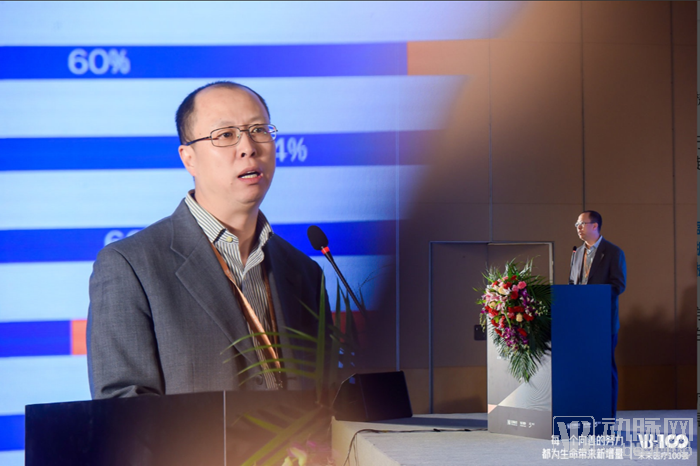 Fu Shinong | Founder and President of Sinovision
I have spent 20 years in the development of the large-scale medical device industry. As a veteran in medical imaging, I have personally witnessed the development of China’s large-scale medical equipment over the years. When I first started my career, annual sales of new CT scanners in China were only around 200 units. By 2019, total CT scanner sales across China exceeded 4,000 units, representing nearly a twenty-fold increase.
We still believe that the medical device industry is a highly promising sector. The Chinese medical device market has currently reached $92.9 billion, and it is projected to reach $140 billion by 2024, equivalent to a scale exceeding RMB 1 trillion.
Abroad, medical imaging, orthopedics, and cardiovascular care account for a significant share of the market. In China, however, the leading segments are medical imaging and in vitro diagnostics (IVD), while low-value consumables still constitute a substantial proportion. Consequently, there is considerable room for structural adjustment within China’s medical device industry, which is poised to shift toward higher value-added sectors.
What Factors Are Driving the Rapid Growth of the Medical Device Market? On one hand, there are objective factors; on the other, subjective factors.
The so-called objective factors refer to the fact that China’s overall level of medical equipment still lags behind that of developed countries. In the medical device market, per capita spending in China currently amounts to only about 27% of Japan’s level. Regarding the pharmaceutical-to-medical-device ratio, the global average stands at 1:0.7, while in developed countries it approaches 1:1. However, China’s current ratio remains around 1:0.25, indicating that the domestic overall level still falls short of the global average and thus holds substantial market potential and room for growth.
Therefore, the medical device market continues to experience sustained growth driven by substantial unmet demand.
From a subjective perspective, China’s large population base, continuously rising level of economic development, growing demand for medical and healthcare services among the public, and the accelerating aging of the population have all become significant drivers boosting diagnostic and treatment services. As professionals in the medical device industry, we are fortunate to be operating during a period of robust growth. Currently, the state is vigorously promoting the development of the healthcare industry. With the advancement of the new healthcare reforms, the continuous implementation of tiered diagnosis and treatment policies, and changes in procurement policies for pharmaceuticals and consumables, diagnostic and treatment services enabled by high-end imaging technologies are becoming indispensable tools for medical institutions and a key source of profit growth. High-end imaging equipment will also continue to penetrate lower-tier markets, particularly as China’s vast primary care and private sectors urgently need to enhance their equipment and diagnostic capabilities.
In recent years, domestic medical enterprises in China have experienced rapid growth. Currently, there are over 14,000 manufacturers of domestically produced medical devices, with more than 500 companies achieving an annual output value exceeding RMB 100 million. However, opportunities coexist with challenges. The development of China’s domestic medical device industry still suffers from numerous shortcomings. Among the 17,000 medical device enterprises, the overall scale remains relatively small. Furthermore, 90% of these companies report annual sales revenues below RMB 30 million, indicating that even leading enterprises have relatively low sales figures.
The top 20 global medical device companies account for over 50% of total global sales, whereas the top 20 domestic players capture only around 14%. Many listed medical device companies in China still focus on low-value consumables, indicating substantial room and growth potential for shifting toward high-value-added products.
How to Break Through Barriers: Domestic Substitution Has Always Been the Main Theme of China’s Medical Device Industry Development.
Import substitution has, in one respect, genuinely reduced the total lifecycle cost of products. When I first started my career, the price of a dual-slice CT scanner was in the range of RMB 5–6 million; today, 32-slice CT scanners are basically priced in the RMB 2–3 million range. Dual-slice CT scanners have essentially exited the market in China.
Second, domestically produced products will better respect the clinical practices of Chinese physicians and align with their workflows. Meanwhile, independent development can truly help our hospitals unlock the research potential of medical equipment, safeguard China’s voice in proprietary device technologies, and rapidly respond to customer needs.
In the tier of large-scale medical imaging equipment, after years of significant development, domestic large-scale imaging enterprises have developed their own distinct characteristics and can be broadly categorized into several major types.
One category comprises large, comprehensive medical imaging companies that directly compete with the industry’s mega multinational corporations. Another segment consists of a growing number of manufacturers specializing in core components; as is well known, many critical parts within these systems still rely on imports. Meanwhile, several domestic enterprises have emerged and are experiencing rapid growth.
At Sinovision, we specialize in CT imaging technology. By integrating robotics, artificial intelligence, and big data, we pursue specialization and niche-market strategies to expand our business scope. Our goal is not only to serve radiology departments but also to extend CT imaging applications to various clinical specialties, closely aligning with clinical needs to better serve physicians and patients.
In our future planning, in addition to traditional high-end CT imaging, we will break with convention by actively exploring the development and application of real-time interventional robots and multi-degree-of-freedom intraoperative multifunctional CT systems. Therefore, building on our strengths in CT imaging, we will leverage technologies such as medical robotics, artificial intelligence, cloud services, and big data to provide interdisciplinary, multimodal comprehensive solutions. Adhering to the principle of deriving innovations from clinical practice and applying them back to clinical settings, we are committed to delivering more precise, intelligent, specialized, and differentiated products and services to our customers, thereby enabling domestically produced high-end medical equipment to better serve all aspects of clinical diagnosis and treatment.
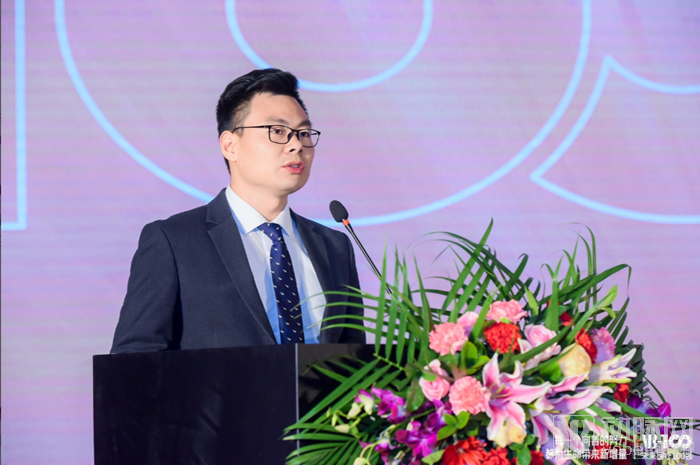 Lin Xiaojie | CMO, Pulsation Medicine
The 2018 Annual Report on Percutaneous Coronary Intervention (PCI) in Mainland China, released this year, shows that there were 915,000 PCI procedures performed in China in 2018, representing an increase of over 20% compared to 2017. Data from various provinces and municipalities reveal that Beijing is far ahead, with more than 70,000 PCI procedures completed last year alone; this figure does not even include data from certain military and private hospitals. In contrast, Qinghai Province, which ranks 30th in the volume of percutaneous coronary interventions, performed only 1,952 cases, less than 1/35th of Beijing’s total.
Thus, it is evident that although percutaneous coronary intervention (PCI) has experienced rapid growth, insufficient dissemination of procedural techniques to lower-tier healthcare institutions has led to unbalanced development in cardiac interventional procedures. Meanwhile, with the continuous advancement of China’s economy and healthcare standards, there is a shifting focus from merely “initiating” PCI procedures to “optimizing” them. Consequently, technologies and products that offer clinical convenience, feasibility, and high health-economic value hold significant market potential.
Throughout the entire diagnosis and treatment process for coronary heart disease, optimizing percutaneous coronary intervention (PCI) techniques helps improve patient outcomes. However, consumables required for optimized coronary PCI—including intravascular imaging modalities such as intravascular ultrasound (IVUS) and optical coherence tomography (OCT), as well as physiological assessment tools like fractional flow reserve (FFR)—remain 100% dependent on imports, and their application in China is significantly insufficient. Taking FFR as an example, although it is internationally recognized that FFR-guided PCI provides substantial long-term benefits to patients, only approximately 1% of PCI patients in China undergo FFR assessment, a rate far lower than the 10%–30% observed in developed countries.
Imaging allows physicians to assess only the degree of coronary stenosis, whereas fractional flow reserve (FFR) can evaluate the actual impact of stenosis on distal blood flow, accurately characterize the relationship between coronary stenosis and myocardial ischemia, and thereby guide rational treatment decisions to optimize patient outcomes. Consequently, both Chinese and European guidelines assign a Class I, Level A recommendation to FFR-guided percutaneous coronary intervention (PCI).
The primary reasons for the limited application of FFR technology in China are as follows: First, as an invasive procedure, FFR carries a certain risk of complications. Second, pressure wires are relatively expensive, with a single wire costing 9,700 yuan in Beijing and approximately 10,000 yuan across other regions in China. Additionally, FFR assessment requires the administration of adenosine-like agents, which may cause adverse effects.
Researchers face two paths: pursue domestic substitution of FFR guidewires, or completely overturn the existing paradigm by developing consumable-free methods? Within the FFR niche, multiple innovative teams from China, the United States, and Europe are already attempting to achieve consumable-free coronary physiological assessment using image-based computational FFR.
Image-based FFR computation is primarily divided into two major categories: screening and intraoperative diagnosis.
In the realm of screening, the underlying principle is based on CTA-derived FFR calculation. The most internationally renowned product in this field is FFRCT, developed by the American unicorn company HeartFlow. Meanwhile, China’s Pulse Medical has also developed a CT-QFR product based on its proprietary QFR technology. Featuring an algorithmic principle distinct from that of HeartFlow and possessing fully independent intellectual property rights, CT-QFR has demonstrated clinical diagnostic efficacy validated through multi-center clinical trials, achieving a diagnostic accuracy of 87.3%, which places it at a world-leading level. In October this year, the CT-QFR product entered the National Medical Products Administration’s “Special Approval Channel for Innovative Medical Devices.” As a powerful screening tool, CT-QFR serves as the “gatekeeper” of the catheterization laboratory.
In the field of intraoperative interventional diagnosis, QFR is the world’s first consumable-free, angiography-based FFR patented technology, jointly developed by Pulse Medical Imaging Technology and Shanghai Jiao Tong University. As a “diagnostic tool” for coronary arteries, QFR enables physiological assessment of coronary function, assists in formulating stent strategies, selecting stent sizes, and virtually evaluating post-procedural outcomes, thereby improving patient prognosis and reducing medical costs. Currently, QFR technology has obtained the Class III medical device registration certificate from China’s National Medical Products Administration (NMPA), as well as approvals from the U.S. FDA and the European CE marking, and is clinically applied in more than 200 heart centers worldwide.
In addition, intravascular imaging-based FFR technologies such as OFR and UFR, developed by Pulse Medical and based on OCT and IVUS, will also serve as “powerful tools for optimizing coronary PCI” in the future, thereby benefiting more patients.
Driven by the collaboration between cardiac experts and R&D teams both in China and abroad, we hope that the QFR series of technologies, a product of intelligent manufacturing in China, will become the “new standard” for international coronary physiological assessment, transitioning from emerging technology to clinical guidelines, thereby serving the vast number of patients with coronary heart disease in China and around the world!
 Chen Chen, Chairman of Tongxin Medical
Let us first review the history of artificial heart development. Artificial hearts encompass two major categories: Total Artificial Hearts (TAH) and Ventricular Assist Devices (VAD).
How Much Has Been Spent on the Development of Artificial Hearts in History? Taking HeartWare, which was ultimately acquired by Medtronic for $1.1 billion, as an example, we estimate that the R&D costs for its HVAD amounted to approximately $400 million.
In July 2015, St. Jude (later acquired by Abbott) acquired Thoratec for $3.4 billion. In June 2016, Medtronic acquired HeartWare for $1.1 billion.
So, did Medtronic get a huge bargain? Let’s analyze this.
There are five artificial heart products currently on the global market, two of which are from Abbott: HeartMate II and HeartMate III. These devices have been implanted in 30,000 patients to date. Medtronic ranks second, with its number of implantations amounting to only a fraction of Abbott’s, and its market share continues to shrink. Thus, this is a highly interesting industry characterized by significant monopoly.
Of every ten clinical applications of artificial hearts worldwide, eight are Abbott’s. No other company in the world can challenge its monopoly. Tongxin Medical is the only enterprise globally capable of competing with Abbott in next-generation artificial heart technology.
I believe that Abbott can gain an overwhelming advantage over Medtronic due to its technological edge. Therefore, let us analyze the technology by categorizing existing artificial heart technologies into three major types: mechanical contact, hydrodynamic levitation, and fully magnetic levitation.
Mechanical contact devices are prone to thrombosis. Medtronic’s hydrodynamic bearings reduce the risk of intrapump thrombosis but increase the risk of stroke.
Finally, let us examine the fully magnetically levitated artificial heart, currently the most prominent product on the market. It reduces the incidence of intrapump thrombosis to nearly zero, thereby fundamentally resolving the issue of pump thrombosis and significantly lowering the risk of stroke.
What is the clinical significance of the breakthrough in fully magnetically levitated artificial heart technology?
Current products are limited to critically ill patients, including those in cardiogenic shock, as individuals who have not reached such a critical stage are often unwilling to accept artificial hearts due to concerns about clinical side effects. With breakthroughs in our new technology, this device will be able to serve a broader patient population.
From the 1990s to 2015, the primary focus in artificial heart research and development was whether the device could sustain patient survival. However, since 2015, the emphasis has shifted to assessing patients’ quality of life after survival.
Fully magnetically levitated VADs demonstrate superior performance in long-term patient survival rates and quality of life, while reducing the incidence of adverse events. Tongxin Medical aims to lead global breakthroughs in ventricular assist technology, extending the benefits of ventricular assist devices to a broader patient population.
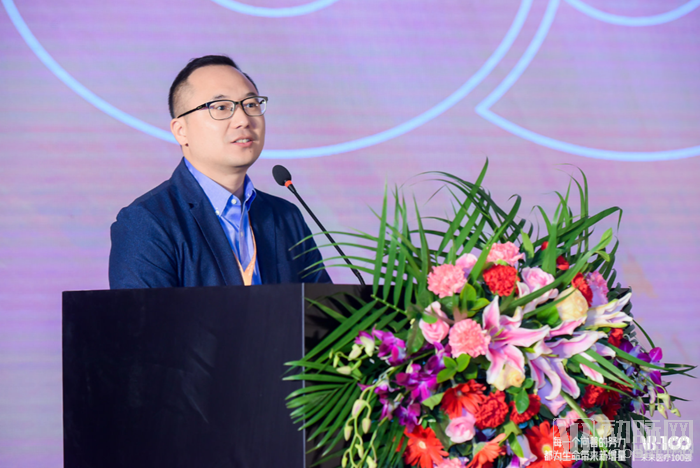 Zuo Lin | Managing Director, Shuncheng Capital
In the past two years, frequent adjustments to policies and regulations have triggered significant changes within the industry. As professionals in the pharmaceutical sector, we recognize regulatory compliance as a fundamental principle, necessitating a clear understanding and in-depth study of these regulations. Our summary of the regulatory changes in 2019 centers on several key themes: cost containment, integration of functional departments, full-lifecycle and end-to-end supply chain supervision, and the Marketing Authorization Holder (MAH) system for medical devices.
Today, I will focus on sharing some personal insights into the Medical Device Registrant System.
Calls for the implementation of the Marketing Authorization Holder (MAH) system have persisted for many years. The domestic medical device industry has grown from small beginnings to its current scale; however, the MAH system can truly demonstrate its value only when the industry evolves to become innovation-driven. I believe this is precisely why regulatory authorities have launched pilot programs and strived to promote its adoption over the past two years.
Unlike the contract manufacturing currently permitted under regulations, the Marketing Authorization Holder (MAH) system “decouples” product registration from production licensing, allowing them to be held by separate entities. It is widely believed across the industry that this “decoupling” will yield policy dividends.
The Marketing Authorization Holder (MAH) system was initially piloted in the Shanghai Free Trade Zone, then expanded to three provinces/municipalities—Shanghai, Tianjin, and Guangdong. The third step saw its pilot scope widened this year to cover 21 provinces. This expansion now encompasses the majority of Chinese provinces, autonomous regions, and municipalities where medical device manufacturers are located. As the pilot program continues to expand, the profound impact of this system on strengthening and scaling up the medical device industry will become increasingly evident with further implementation.
In my view, following the implementation of the Medical Device Registrant System, medical device service enterprises were the first to perceive themselves as direct beneficiaries, with many CRO+CDMO platforms already emerging. From a long-term perspective, demand will concentrate on: companies undergoing transformation or production line adjustments, start-ups focused on translating innovations into products, and enterprises engaged in manufacturing through patent licensing and other models.
Although the Medical Device Registrant System will significantly promote industry development, it is foreseeable that its implementation will inevitably encounter certain challenges. First, registrants are subject to higher requirements for quality management capabilities and the financial capacity to bear liability for quality and safety compensation. Second, contracted manufacturers face stringent demands for high-quality, low-cost manufacturing and processing. Third, issues arise in the relationship between registrants and contracted manufacturers, including cross-provincial management capabilities and costs, intellectual property protection, implementation of the contracted manufacturer’s quality management system, compatibility between the contracted manufacturer’s facilities and product processes, and legal liabilities for product quality. How to leverage this policy to accelerate and facilitate the translation of innovations requires collaborative practice and exploration by all stakeholders in the industry.
I believe that the implementation of the Marketing Authorization Holder (MAH) system, from its pilot phase to full-scale adoption, will significantly stimulate innovation within the industry, unleash innovative outcomes, and optimize the allocation of industrial resources. From a regulatory perspective, it will also facilitate the enforcement of primary responsibility and promote managerial innovation, thereby driving the high-quality development of the medical device industry as a whole.
 Pan Jing | Founder and CEO of Timi Robot
I believe the vast majority of the audience here are familiar with surgical robots. TIMI Robot, however, takes a different approach by commercializing robotic technology and introducing it to the healthcare market. We have already entered 130 large Grade 3A hospitals across China.
The organizational structure of large hospitals was largely established around the 1970s and has not undergone significant changes since. From the 1980s and 1990s through the early 21st century, the only change in hospitals was their scale.
Take Peking Union Medical College Hospital as an example. With nearly 16,000 outpatient visits per day, the bustling influx of patients is underpinned by a highly complex system designed to support this massive institution and meet patient demands.
If we examine the hospital structure in detail, it is well known that hospitals are divided into various departments based on the services they provide to patients. From a business model perspective, they can be broadly categorized into familiar units such as outpatient clinics, inpatient wards, operating rooms, and clinical laboratories. Each of these settings faces entirely distinct problems and challenges.
Our hospital-deployed robots handle the transport of surgical supplies, delivery of controlled substances and narcotics, post-operative instrument transport, medical waste disposal, patient reception, and care for patients with radiation or infectious risks. Across various scenarios, we have closely integrated our robotic products with corresponding healthcare workflows.
Amidst the proliferation of emerging technologies, why is there relatively little deep integration within hospitals? In healthcare settings, beyond the numerous innovations seen in specific diseases or specialized fields, the transformative impact of new technologies on the overall healthcare service model has yet to truly begin. I have identified two underlying reasons for this lack of progress. When shopping online, you are both the payer and the end-user, making purchasing decisions straightforward. In contrast, healthcare transactions involve additional layers of regulation and third-party payment systems, creating a highly complex transactional environment. This complexity makes it difficult for new technologies to rapidly penetrate the healthcare sector. Furthermore, regarding the adoption of new technologies, the first question hospital administrators typically ask is: "Is it safe?" For instance, if a robot is used in surgery, the primary concern is its safety. Therefore, the decision-making logic prioritizes safety and reliability above clinical value, with cost being the final consideration.
Therefore, let us take a step back: when introducing a new technology-driven product into a healthcare setting, without an understanding of these two specific characteristics, it cannot be effectively utilized in that context.
We are able to integrate closely with medical scenarios; the key point is that we have given deep consideration to the true value of robotic technology in healthcare settings.
In fact, it is not necessary for everyone to blindly copy or imitate products already available abroad under the misconception that this offers a shortcut. At times, by shifting our perspective, we can identify numerous gaps in clinical practice and address critical unmet needs.
For example, the large volume of hospital supplies being transported by nursing assistants is a commonly seen scenario. Here, I would like to share a perspective: saving on simple manual labor in hospitals holds little value. Why? Because while reducing labor costs is a critical financial metric in manufacturing, the nature of human resources in healthcare is fundamentally different. In medical settings, “labor” refers to skilled professionals—doctors and nurses. This resource is extremely scarce in the short term and cannot be simply eliminated. Therefore, all technological products should aim to enhance their professional efficiency, reduce occupational injuries, and improve patients’ healthcare experience.
The hospital president will not pay for low-value labor costs, but what will he pay for? For example, he will pay to mitigate his management risks and to meet the target for the proportion of drug expenditures.
While Timi has been an early leader in the application of robotics in healthcare, a growing number of use cases are expected to emerge over the next five years; therefore, we invite everyone to join us in exploring these opportunities.
 Zhang Zhuo |Chairman and CEO of Siduoke
Let us first examine the current supply landscape of medical devices in China. Hospitals in China currently exhibit a typical "inverted pyramid" structure, where tertiary hospitals, accounting for only 8% of the total number, handle 37% of patient visits. Radiologists in tertiary hospitals are overworked, which compromises the accuracy of their image interpretation.
In China, primary-care hospitals and grassroots medical institutions account for 66% of the nation’s total number of hospitals. However, due to shortages of physicians and medical equipment, patients tend to seek treatment at higher-level hospitals, leaving these facilities to serve only 17% of patients. This has given rise to a healthcare “inverted pyramid” phenomenon with distinct Chinese characteristics.
In the medical imaging industry, this “inverted pyramid” phenomenon is even more pronounced. According to statistics, in 2016, there were a total of 158,000 practicing radiologists in China, with 68,000 working in tertiary hospitals and 90,000 in secondary hospitals. In primary care and grassroots hospitals, which account for 66% of healthcare institutions, radiologists were virtually absent.
As waves of new technologies continue to emerge, many fields have undergone profound transformations. Healthcare, a vital sector closely tied to public welfare, is advancing toward intelligent solutions with the advent of artificial intelligence.
Taking 5G remote ultrasound as an example, it is a powerful tool for precision telemedicine. Remote ultrasound services have been extended to remote areas, enabling patients to access high-quality medical care locally through this technology.
In underserved rural and remote areas, 5G-enabled telemedicine ensures real-time bidirectional communication, including the transmission of images and video. This allows primary healthcare facilities in these regions to establish telemedicine connections with top-tier (Grade A Tertiary) hospitals across China, thereby facilitating diversified remote medical education and enhancing clinical capabilities.
Medical imaging is the foundation of remote diagnosis and treatment. Without high-resolution medical images, physicians cannot locate lesions or accurately determine the etiology. Medical imaging data typically amounts to tens of gigabytes, or even tens of terabytes. Transmitting such large volumes of data in real time to remote sites for physician diagnosis requires network bandwidth with high capacity, large throughput, and high speed.
Stork’s handheld ultrasound devices have also leveraged the wave of 5G development to be deployed in various medical scenarios. Our solution, combining wireless handheld devices with 5G wireless networks, has successfully aided in the rescue of coma patients involved in car accidents. This year, Shanghai Shenzhi partnered with Stork to donate AI-enabled wireless handheld ultrasound devices, supporting health-focused poverty alleviation efforts in southern Xinjiang. This initiative has enabled ultrasound equipment to extend beyond the imaging departments of secondary and tertiary hospitals, reaching grassroots medical institutions and clinical departments.
 Li Chaohong | CEO, Weiqing Medical
For a normal person, I have always believed that losing both eyes is more terrifying than losing other senses. Why? Because after losing one’s vision, a person essentially has no source of information, as 90% of the information humans rely on in daily life comes through the eyes. Consequently, quality of life declines significantly after blindness.
MicroClear Medical focuses on the specialized vertical sectors of ophthalmology and optometry. Built upon its proprietary core hardware, it integrates artificial intelligence and connectivity technologies to provide the most intelligent diagnostic and therapeutic equipment and services to eye care institutions. By serving optometry and ophthalmology patients worldwide, MicroClear Medical is transforming vision care.
From a product perspective, we are advancing the import substitution of high-end products, including our confocal imaging series and fundus camera series. We also see strong potential in primary care screening, providing intelligent, portable, and cost-effective screening devices. Our strategic focus lies in the smart hardware plus AI sector, enabling comprehensive ophthalmic and optometric screening for conditions such as diabetic retinopathy, cataracts, and visual acuity.
Our fundus cameras and vision screening devices all feature built-in intelligent chips. We currently collaborate with numerous AI companies, enabling each device to instantly generate a fundus diagnostic report immediately after image capture.
Our confocal laser fundus angiography system, launched in 2016, can be used for ophthalmology, physical examinations, and endocrine assessments. Currently, only three companies worldwide possess similar technology, and MicroClear is the sole domestic provider capable of manufacturing it.
We have also developed dual-mode fundus cameras that can be used in both portable and desktop configurations. This is our digital slit lamp, which also supports both portable and desktop use. It enables straightforward screening of the cornea and cataracts, with capabilities for both photography and video recording. While the slit lamp is a conventional device, we have enhanced it with intelligent features and miniaturized its design.
Our market expansion strategy has progressed from international to domestic markets, from diabetic retinopathy to comprehensive ophthalmology, and from hospitals to community settings. We have collaborated with Shanghai Sixth People’s Hospital in China and leveraged various channels, including AI companies, to enter Fosun Future Clinics. In our overseas promotion across approximately 60 Belt and Road Initiative countries, all have procured our fundus cameras for AI-based diabetic retinopathy screening.
Our products are in use not only at major hospitals across China but also in the most remote primary care and rural settings. Therefore, we aim to provide an intelligent comprehensive ophthalmology solution that encompasses data acquisition, organization of case data, and the provision of diagnostic advisory reports in collaboration with our partners.
 Zhou Qiyun | Head of Industrial Services, Naton Medical Group
Product development in the medical device sector must address genuine clinical needs, also known as “strong demands.” In contrast, pseudo-demands or “weak demands” may refer to needs that are currently insufficient to support a viable business model, or solutions that are overly ambitious and misaligned with current clinical requirements. The authenticity of these demands requires thorough exploration; what constitutes a pseudo-demand for one user group may well be a genuine need for another.
In the early stages of a project, comprehensive clinical research should be conducted using diverse approaches. In addition to consulting with clinicians, it is advisable to conduct in-depth investigations into technologies that offer identical or similar functionalities. This can be achieved by reviewing literature and FDA Total Product Life Cycle (TPLC) information to gain a broad overview of the product category. Conversely, the MAUDE database can provide valuable insights into historical issues encountered during the use of such products. Once clinical needs are identified, a formal product definition should be established and documented, encompassing its intended use, target population, composition, and primary structure. Subsequent research and development, clinical trials, and regulatory submissions should then be aligned with this product definition.
Regarding Compliant R&D and Project Management: Many startup teams lack sufficient understanding of the product development process, significantly underestimating project timelines and budgets. Some projects submit laboratory samples for type testing, only to encounter issues during clinical evaluation; others have vague validation plans and significant gaps in R&D testing, leading to extensive deficiency letters from regulatory reviewers and making it difficult to complete the required supplementary submissions within the one-year deadline.
Whether establishing an in-house production line or engaging in contract manufacturing under the Marketing Authorization Holder (MAH) system, we recommend integrating quality management personnel into the project’s R&D team at the earliest stage. Quality management is not synonymous with regulatory registration; it commences at the R&D phase and spans the entire product lifecycle. All documentation submitted for product registration originates from the R&D process; if historical R&D records are incomplete, it will be impossible to prepare a robust registration dossier, akin to “trying to cook without rice.”
Naton Medical Research Institute has been in operation for 12 years, obtained ISO 13485 certification, and successfully launched multiple products. We employ a tripartite toolkit for R&D management: first, national regulations and guidelines; second, ISO 13485, ISO 14971, and IEC 62366 standards; and third, technical standards for various products and raw materials, validation method standards, pharmacopoeias, and other relevant references.
The Marketing Authorization Holder (MAH) system for medical devices is currently a hot topic. As pilot programs expand, there is a lack of successful case studies. Contract manufacturing presents numerous challenges. Manufacturers should not merely be involved during the technology transfer phase but should participate in R&D activities from the early stages of the project.
Heyi Guangye Innovation Platform is a wholly-owned subsidiary of Natong Group, responsible for project investment and incubation, as well as technical collaboration. The Natong headquarters base is located in northern Haidian District, Beijing, with a total construction area of over 100,000 square meters. Among this, nearly 30,000 square meters are designated as the “Heyi Guangye Medical Innovation Valley,” dedicated to the incubation and implementation of medical innovation projects. In addition to the basic services commonly provided by most industrial parks (such as workspace, business registration, accounting, and tax services), the Innovation Valley has developed specialized “hard services” tailored to the common needs of the medical device industry—including open laboratories and translation workshops—as well as “soft services,” such as project planning guidance and regulatory system support. Visitors are welcome to tour and exchange ideas.
 Lu Sang | Director and General Manager, Sinopharm Dental
The dental industry has been expanding rapidly in recent years, much like the medical aesthetics sector, drawing significant interest from many peers. I will briefly introduce the dental industry, covering emerging business models and our insights.
From an industry perspective, there are three primary drivers. The first is population aging. The second is the treatment rate; according to data from the National Health and Family Planning Commission, less than 5% of patients with periodontal diseases seek hospital-based treatment, indicating substantial untapped market potential. The third noteworthy factor is consumption upgrading. Currently, the post-90s generation is becoming the main consumer force. In 2017, China’s per capita disposable income reached $5,000, comparable to the U.S. level in 1975. Benchmarking against the development of the U.S. oral care market, China’s oral health industry is entering a phase of explosive growth and is poised to achieve a market size in the hundreds of billions of yuan.
For example, the medical aesthetics industry features a high average transaction value per customer. Although many institutions hold dental licenses, medical aesthetics clinics incur high customer acquisition costs, which suppress overall gross margins. When operational expenses are factored in, net profit margins remain modest as well. Consequently, medical aesthetics hospitals leverage dental services to attract and retain patients. As the potential of dentistry has gradually become apparent, companies within the industry have begun exploring expansion from medical aesthetics into dental care. Medical aesthetics hospitals are also placing greater emphasis on dental offerings, such as teeth whitening, clear aligner orthodontics, and veneers.
In the traditional dental industry value chain, the upstream sector consists of dental manufacturers; the midstream comprises distributors, e-commerce platforms, training institutions, after-sales service providers, logistics platforms, financial institutions, operational support agencies, and medical engineering design firms; while the downstream encompasses both public healthcare and private practice systems.
The downstream sector refers to the approximately 800–1,000 specialized dental hospitals, the dental departments of 10,000 general hospitals, and the 80,000–100,000 private clinics in China. When further segmented, these clinics include large national chains, regional leading mid-to-high-end clinics, and approximately 70,000 independent single-site clinics. In terms of payment models, the downstream market is less affected by medical insurance, making the overall dental market relatively market-driven.
We aim to be a pioneer in China’s dental industry, gaining insights into the ecosystem and integrating resources to empower stakeholders. By leveraging our platform advantages to connect capital with industry resources, we seek to enable a multi-dimensional industrial landscape. Our goal is to build a platform-based DSO (Dental Service Organization) enterprise that effectively integrates upstream and downstream sectors, providing service-driven solutions for Chinese dental customers. We are committed to enhancing deep value across China’s oral health industry chain and bringing diversified innovation to the nation’s pharmaceutical and healthcare sector.
Future-oriented professional DSOs (Dental Service Organizations) represent a midstream dental care business model with greater growth potential. DSOs have experienced rapid development in North America in recent years. According to data from Morgan Stanley and the American Dental Association, the compound annual growth rate (CAGR) of DSOs has exceeded 18% in recent years.
We are a very young company, having been established less than two years ago. Our strategic vision is clear: we reach consumers through three rounds of iteration. Ultimately, we empower both consumers and clinics from their respective perspectives in a comprehensive manner. Our position as a midstream player provides us with a natural advantage. Within our platform, we have created a self-contained ecosystem where modules drive one another and work in synergy, reflecting our multi-dimensional layout. Many members of our team come not only from the dental sector but also bring extensive backgrounds in the broader healthcare industry, high-value consumables, and pharmaceuticals. While rooted in dentistry, we remain fully focused on this specialty.
As healthcare reform enters its “deep-water zone,” efforts on the healthcare service side aim to enhance the capacity and quality of medical services, encourage diverse models of healthcare provision, and promote the efficient allocation of medical resources. On the health insurance side, the focus is on the effective and scientific pooled management of health insurance funds to ensure maximum benefit, safety, and sustainable development. On the pharmaceutical and medical device supply side, the goal is to establish a rational and transparent price formation mechanism that meets market demand while fostering product and service innovation among enterprises.
Only in vast waters can giant fish thrive; innovative technologies in medical devices will unleash a groundbreaking wall-breaking effect, driving new growth in life expectancy and health outcomes.