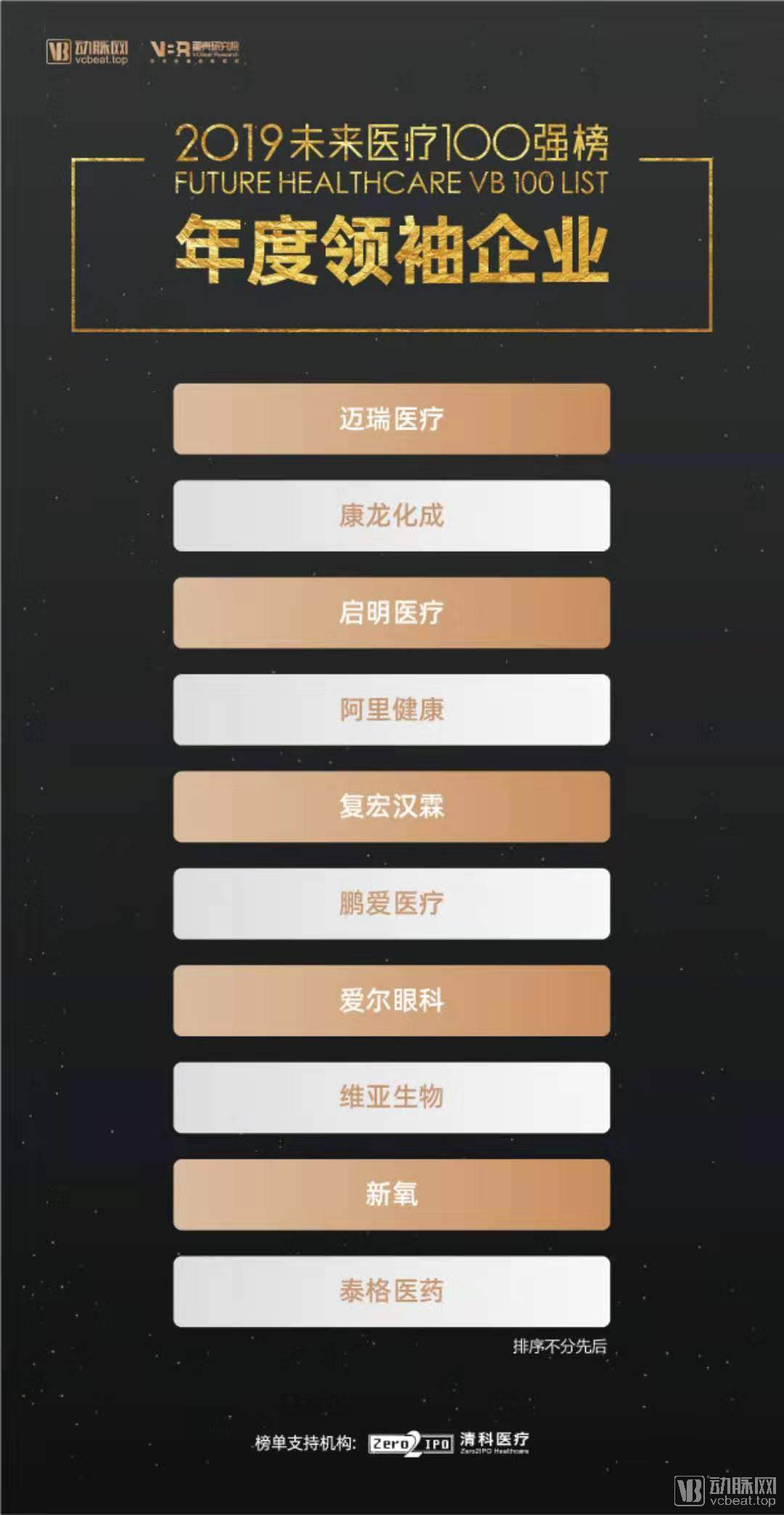
19 Industry Leaders Deliver 10 Keynotes and 2 Panel Discussions at Future Healthcare Leadership Summit; Annual Top 10 Leading Enterprises Announced
CDH Investments.
Alternative Asset Management Investment Institutions

Viva Biotech
CRO Drug R&D Services and CDMO R&D Production Services Provider

AliHealth
Medical and Health Services Network Service Provider
KingMed Diagnostics
Third-Party Medical Testing and Pathological Diagnosis Service Provider

yuwell
Developer and Manufacturer of Basic Medical Devices

SCGC
Investment Institutions in Innovative Fields

Henlius
Innovative Biopharmaceutical Company
On December 22, 2019, the “Top 100 Future Healthcare Companies 2019” forum entered its final day. Over the preceding days, attendees’ enthusiasm remained high, with guests delivering insightful remarks that were either thought-provoking or met with resounding applause. How can better pharmaceuticals and medical devices be developed and manufactured in the course of building healthcare systems? How can efficiency in the distribution sector be improved? How can informatics and big data provide better solutions for healthcare reform? As the highlight of the final day, the “Future Healthcare Leaders Summit” conducted in-depth discussions on these topics.
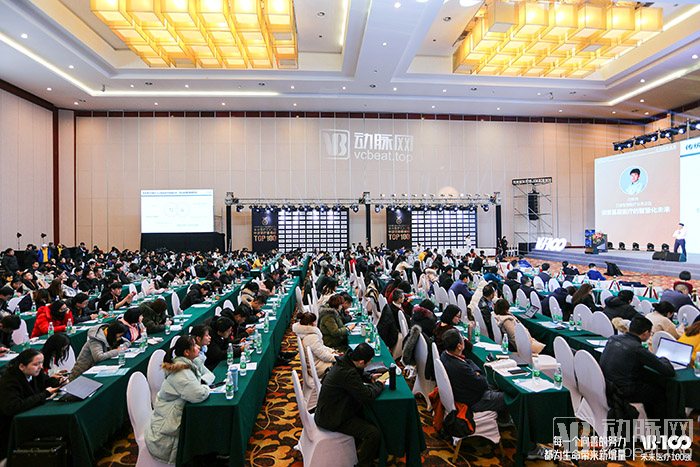
How Do Industry Leaders Seek New Growth in the Life Sciences Sector?
The “Future Healthcare Leaders Summit” at the main forum attracted the most pivotal forces in China’s extensive healthcare reform journey—namely, entrepreneurs and investors who serve as the main theme, keynote, and backbone of this transformation, along with representatives from healthcare service systems and the government. As industry leaders and bellwethers, these benchmark enterprises bear the mission of driving industrial upgrading. Their every move is closely intertwined with the fate of small and medium-sized enterprises (SMEs) and entrepreneurs across the entire sector.
Key Highlights from Guest Speakers:
Dong Zhengyu, Vice President of Process Development at Henlius: "From Biosimilars to Innovative Drugs: The Globalization Path of China's Biopharmaceutical Industry"
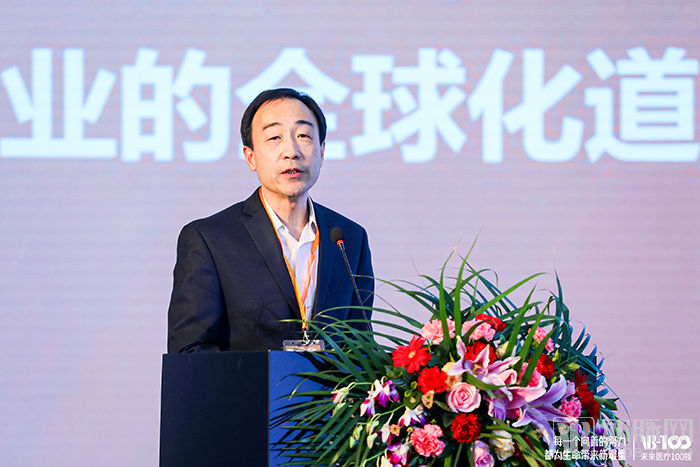
The global market for biologic drugs continues to grow, with biosimilars achieving faster market penetration. The biopharmaceutical industry chain offers numerous areas of innovation and opportunity, extending beyond novel drug targets and the drugs themselves to include significant potential in ancillary and supportive sectors. Throughout this innovative process, the paramount priority is serving patients and delivering value to both patients and society.
Xu Daqiang, Chief Commercial Officer of Viva Biotech Holdings and Head of the Viva Biotech Innovation Center: "Early-Stage Investment in Innovative Drugs: Value and Direction"
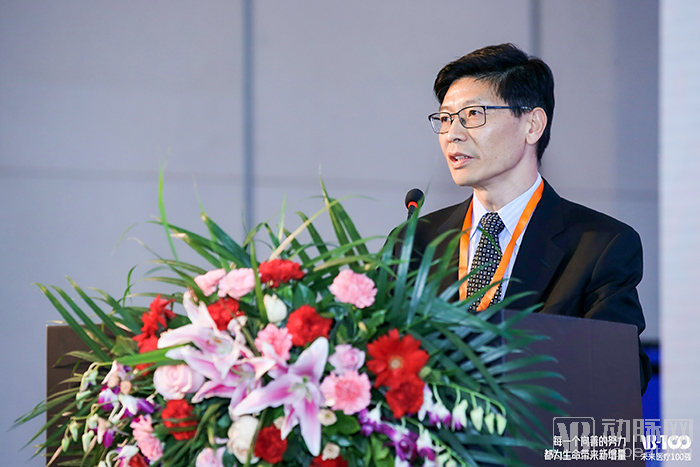
China’s biomedical innovation and investment landscape is currently experiencing its most opportune moment in the most favorable environment. Looking ahead, there remains substantial potential for investment in new drug development. Breakthroughs in emerging technologies are making personalized medicine and disease cures a reality. Investment valuation should be approached from two dimensions: demand and technology. Investment directions should be selected based on whether they address unmet clinical needs and overcome technological barriers. Viva Biotech aims to collaborate with the industry to build a healthy ecosystem, helping entrepreneurs navigate the transition from concept to startup, and ultimately to innovative biotechnology or pharmaceutical companies.
Chen Jian, Director and Board Secretary of Yuwell: “Sunk Costs in China’s Healthcare Industry”
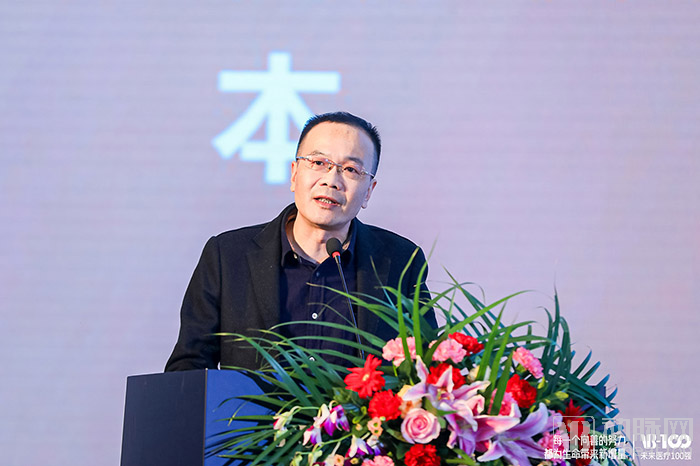
Amid the rapid development of the healthcare industry, substantial sunk costs have accumulated, with internet healthcare accounting for the largest share. In the future, the competitiveness of China’s healthcare industry will primarily lie in sectors where technological iteration has concluded or slowed, such as import substitution and the replacement of international brands. Payment stability for medical products remains relatively strong on the hospital side, may face challenges under national health insurance reimbursement, and is expected to see moderate growth from household out-of-pocket payments, contingent upon actual consumer purchasing power. Nevertheless, the healthcare sector remains one of the most promising areas for investment. Investors must clearly recognize the complexity of the healthcare industry and maintain reasonable return expectations.
Hou Shenggen, Vice President of KingMed Diagnostics Group: "The Development Path of Medical Laboratory Testing Under New Circumstances"
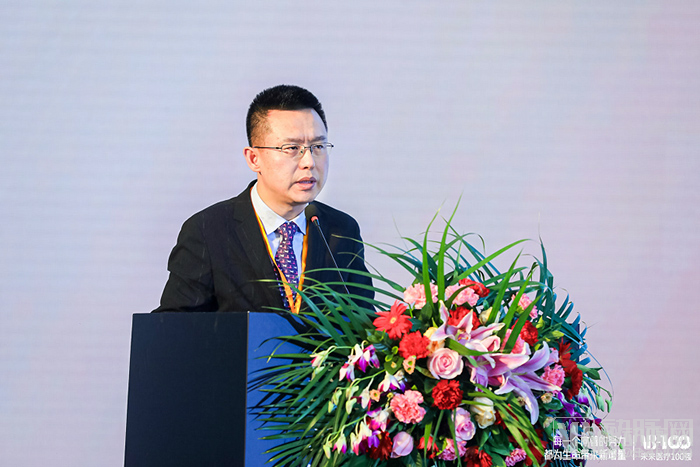
In the development of the third-party medical testing industry, policies such as medical insurance cost containment and tiered diagnosis and treatment have boosted rapid industry growth. Meanwhile, the expansion of the healthcare industry scale, the release of diverse demands, technological advancements, and capital interest have also become driving forces for the development of the medical testing sector. In the future, the third-party medical testing industry will exhibit the following development trends: diversification of business models, continuous decentralization of services, group-based chain development, specialization, and cross-industry competition.
Gao Chuangui, Vice President of Inspur Group: “Innovation in Service Models for Regional Health and Medical Big Data Platforms”
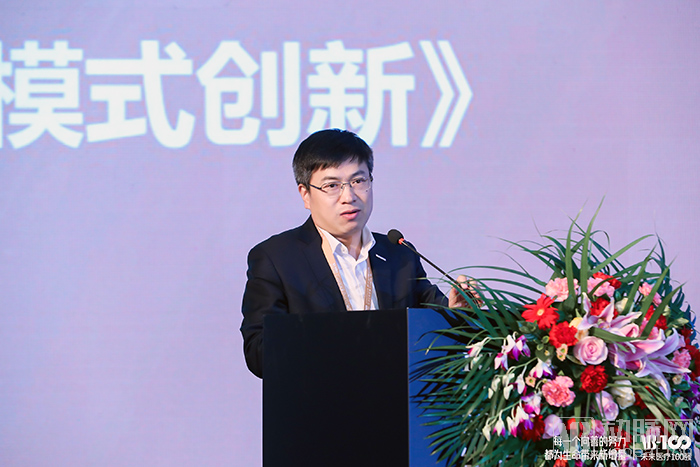
Since formally entering the big data sector for healthcare three years ago, Inspur Group has been committed to building an "Internet + Healthcare" service portal that provides unified services to cities, leveraging its own big data platform. Inspur’s health big data technology and service support platform not only supports government decision-making in health information management and facilitates public convenience, but also enables interactive sharing and research innovation among medical institutions, while providing unified services for big data applications, artificial intelligence, and other third-party enterprises. In the construction of such platforms, the government should assume a leading role, with enterprises acting as operators to deliver services.
Zhou Pengwu, Chairman and CEO of Yimei International Holdings Group: “The Compliance Path for Aesthetic Medicine Groups Driven by the Beauty Economy”
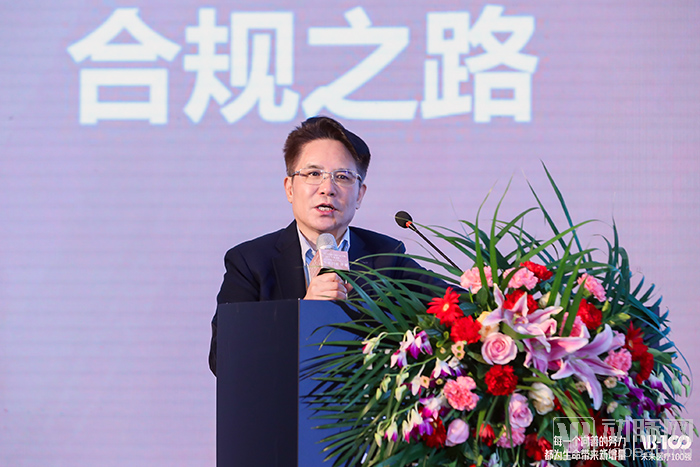
The complexity, risk profile, and technical nature of medical aesthetics businesses dictate that the construction of internal control and compliance systems must be grounded in corporate development, premised on corporate strategy, and reliant on employee accountability. The internal control and compliance systems of private medical aesthetics institutions should align with practical development needs and be improved in a planned, step-by-step manner. To achieve sustained, stable, and healthy growth, medical aesthetics institutions must adopt a multi-dimensional approach encompassing mindset shifts, resource allocation, process reengineering, and risk management. This will perfect the internal control system and continuously optimize compliance processes, thereby making internal control and compliance a robust support for mitigating various risks, optimizing resource allocation, and strengthening business management.
Ke Yan, Senior Vice President of AliHealth Group: "Viewing the Present from the Future—Medical AIoT"
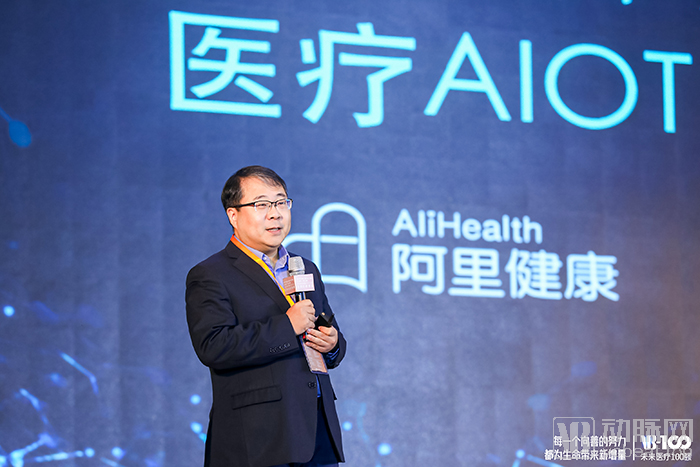
“Codes” serve as a critical entry point for AIoT, assigning a unique digital identity to each device. This enables public-access verification and hospital pharmaceutical management services, thereby achieving end-to-end traceability of medications within hospitals. Meanwhile, future AIoT systems can strive to organically integrate centralized, pyramid-style cloud computing with distributed, matrix-style edge computing, facilitating a transformation from opaque complexity to seamless, agile cloud-enabled operations.
Liu Junwei, Director of Baidu Smart Healthcare: "Exploring the Intelligent Future of Primary Healthcare"
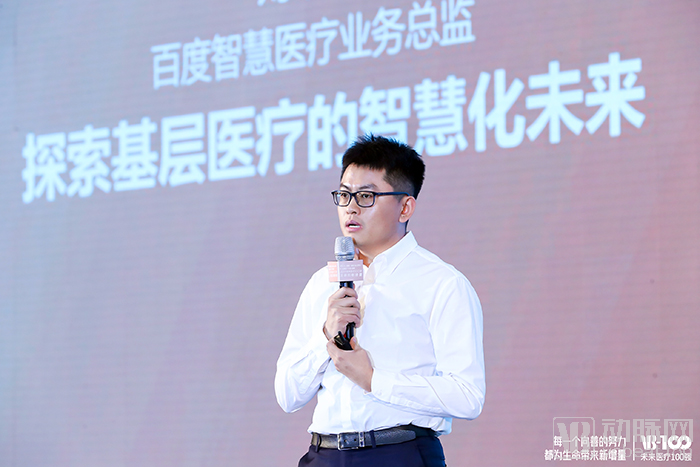
Guided by its vision of “Empowering Primary Healthcare with Evidence-Based AI,” Baidu has developed an integrated smart primary healthcare solution encompassing screening, diagnosis, and management. This solution is built upon two core technological foundations: medical data structuring and knowledge graphs. Its product portfolio includes fundus image analysis, a clinical decision support system for primary care, and a chronic disease management platform. The solution has been deployed in over 1,000 medical institutions across China, empowering tens of thousands of physicians.
Zhang Shaoting, Vice President and Deputy Director of the Research Institute at SenseTime: “SenseCare Intelligent Diagnosis and Treatment Platform Empowers Hospital-Wide Clinical Practice”
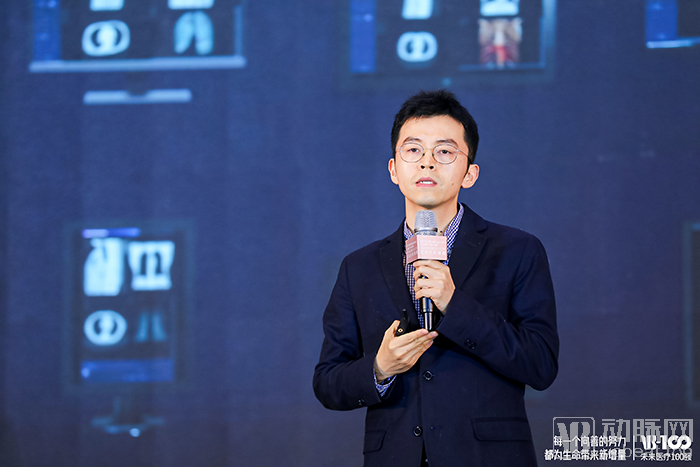
SenseTime’s initial vision for entering the smart healthcare sector was to empower comprehensive clinical needs across entire hospitals through its SenseCare intelligent diagnosis and treatment platform, which has already been successfully deployed in numerous top-tier tertiary hospitals in China, including Shanghai General Hospital. Leveraging the platform’s advantages in high-concurrency 3D rendering and a rich suite of AI algorithm modules, SenseTime provides clinicians with various AI applications that support a more complete diagnostic and therapeutic workflow. Currently, the SenseCare platform supports over 160 users simultaneously performing high-quality 3D rendering and interaction, while offering multiple AI applications for specialties such as pulmonology, orthopedics, and cardiology. Meanwhile, SenseTime seeks opportunities to collaborate with upstream and downstream partners to jointly explore the future of smart healthcare.
Lu Xiaoliang, Executive President of iFlytek Medical: “AI Empowering Healthcare: Winter Is Coming, but Spring Cannot Be Far Behind”
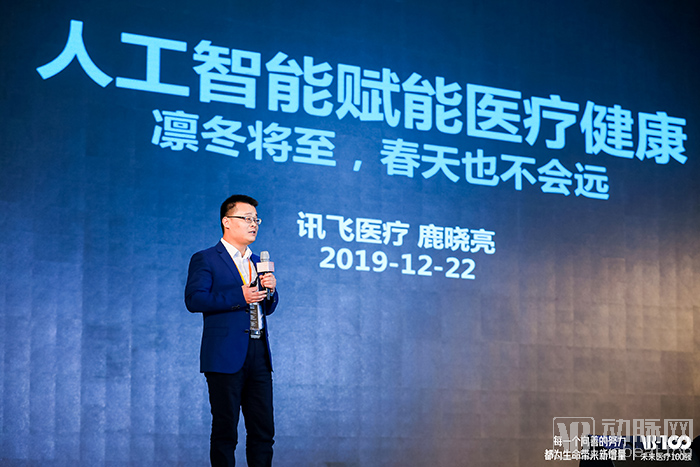
The history of artificial intelligence has witnessed three waves and two winters. Standing at the peak of the third wave, enterprises are collectively grappling with how to manage expectations for AI and deeply integrate it into their core business operations. Although the implementation of AI in healthcare still faces numerous challenges, with a bit more patience and perseverance, we will ultimately see it flourish.
Sparks of Intellectual Collision: Two Roundtable Discussions Point the Way for the Industry
There were also two roundtable sessions held during the morning and afternoon of the summit. Numerous industry leaders engaged in intellectual exchanges at these roundtables, offering their unique insights into the development of the sector and leaving the audience highly impressed.
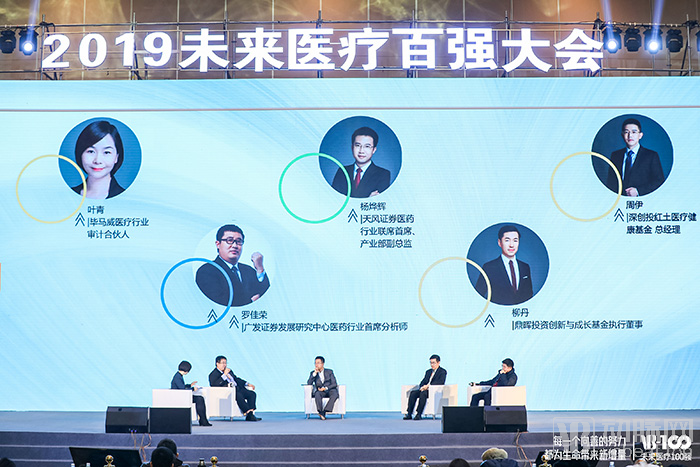
Moderated by KPMG’s Healthcare Audit Partner, Ye Qing, the roundtable discussion titled “New IPO Opportunities for Healthcare Innovation Enterprises from Different Perspectives” featured Luo Jiarong, Chief Pharmaceutical Analyst at GF Securities’ Development Research Center; Yang Yehui, Co-Chief Pharmaceutical Analyst and Deputy Director of the Industry Department at Tianfeng Securities; Liu Dan, Executive Director of CDH Investments’ Innovation and Growth Fund; and Zhou Yi, General Manager of the Investment Department at SCGC’s Healthcare Industry Fund. These investors and analysts from renowned institutions interpreted how capital markets view the new opportunities arising for healthcare innovation enterprises.
The pricing system for medical devices and their services, along with future regulatory frameworks, will undergo comprehensive changes.Luo Jiarong, Chief Analyst of the Pharmaceutical Industry at GF Securities’ Development Research Center, believes that innovative drugs, internationalization, and medical devices will remain promising sectors in the long term. Entrepreneurs need to keep an eye on macro trends while working diligently on the ground, considering where the needs of the general public lie, and identifying future pricing power and operational barriers. Once these questions are thoroughly addressed, opportunities can be found everywhere.
Dr. Liu Dan, Executive Director of the Innovation and Growth Fund at CDH Investments, stated that the transition from scientist to entrepreneur,Entrepreneurs must be able to make timely adjustments in response to changes in the external market and competitive landscape during product development, leveraging their core innovative drive. At times, this even requires the courage and determination to make painful sacrifices to optimize the product pipeline.Meanwhile, Dr. Liu Dan also reminded R&D-focused startups to pay attention to cash flow management and the capital market, and to make reasonable plans for R&D expenditures and financing strategies in the coming years.
Companies that are innovative, scarce, and profitable are more favored by the secondary market.Zhou Yi, General Manager of the Investment Department at SCGC Health Industry Fund, also addressed investors’ concerns regarding investments in new drugs or unprofitable companies. By setting thresholds for risk and return for funds or projects, investors can proceed when risks are within their tolerance and withdraw when they are not. This approach simplifies complex decision-making processes and assists investors in making informed choices.
Assuming no major strategic shifts, market leaders remain the primary beneficiaries regardless of policy changes.Yang Yehui, Co-Chief Analyst of the Pharmaceutical Industry and Deputy Director of the Industrial Department at Tianfeng Securities, believes that the “4+7” environment poses a significant challenge to older listed companies that adhere to conventional marketing tactics, while presenting an opportunity for other enterprises. Meanwhile, the newly introduced refinancing regulations can also provide new financing opportunities for leading listed companies.
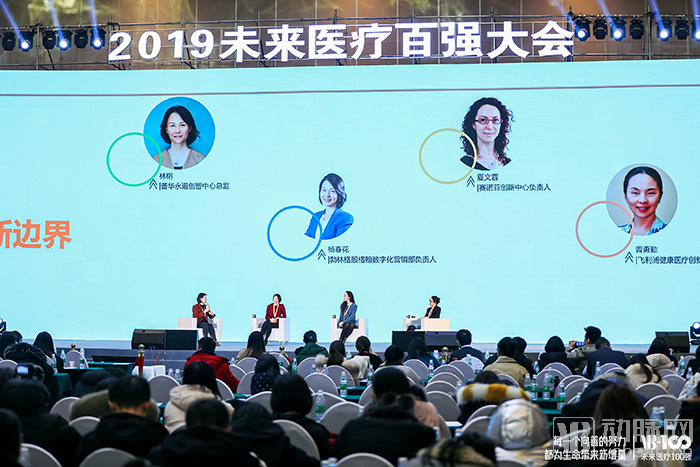
The afternoon’s roundtable discussion, themed “AI Expanding the New Frontiers of Medicine,” was moderated by Lin Rong, Director of the PwC Innovation Center. Panelists included Yang Chunhua, Head of Digital Marketing at Boehringer Ingelheim; Xia Wenrong, Head of the Sanofi Innovation Center; and Zeng Yongqin, Senior Director of Innovation at Philips HealthTech Innovation Works. The panelists explored topics of interest to startups, such as how large pharmaceutical companies select startup partners and which solutions are most likely to secure collaborations with major pharma firms.
As long as a startup creates value for the market and addresses a pain point in the value chain, it is bound to succeed.Yang Chunhua, Head of Digital Marketing at Boehringer Ingelheim, believes that as a business unit of a multinational pharmaceutical company, their primary focus is on leveraging digitalization to empower the traditional “marketing + sales” model, expanding market reach through digital channels, and achieving end-to-end integration across the entire drug lifecycle. Even if a startup’s solution is only “partially developed,” Boehringer Ingelheim is willing to explore collaborations provided its direction aligns with the company’s overall strategic objectives. However, once a startup expects the pharmaceutical company to purchase its solution, it must deliver a “nearly or fully mature product” that drives tangible market improvements. Boehringer Ingelheim seeks more cross-industry collaborations to establish comprehensive, end-to-end solutions for individual diseases.
Collaborating with startups offers a significant advantage: their speed. This has been Sanofi’s most valuable lesson.Xia Wenrong, Head of the Sanofi Innovation Center, stated that there are significant differences in corporate culture and mindset between startups and large pharmaceutical companies. The rapid response capabilities of startups have greatly benefited Sanofi through their collaborations. To facilitate cooperation, large pharmaceutical companies and startups need to understand each other’s perspectives. Such partnerships can achieve a win-win outcome for all three parties involved: startups, large pharmaceutical companies, and physicians. Therefore, even as a non-commercial innovation center, Sanofi remains open to investment opportunities. Sanofi will continue to seek collaboration opportunities with startups in areas such as rare diseases, chronic disease management, and internal innovation.
Zeng Yongqin, Senior Director of Philips HealthTech Innovation Hub, stated,The purpose of collaboration between large enterprises and startups is to fully leverage their respective strengths, exploring and cultivating solutions that achieve a synergistic effect greater than the sum of their parts, thereby meeting genuine market demands.Such new solutions not only need to gain consistent recognition and validation within both partnering enterprises but also require verification by end users—namely hospitals, healthcare professionals, patients, and other medical stakeholders. Only through such comprehensive validation can these collaborative initiatives have a greater likelihood of successful implementation. If startups wish to benefit from partnerships, they must first focus on co-creating substantial value. Entrepreneurs are advised to stay true to their original mission, concentrate on solving a select few high-value medical problems, strengthen their core competencies, and develop products that become highly sought after by all relevant stakeholders. Philips remains open to various forms of collaboration. Even if a startup can currently offer only an “half-baked bun,” as long as the direction is correct and there is sufficient potential, we can work together to nurture future opportunities.
The Pillars of Strength: Top 10 Annual Leader Enterprises in the Big Health Sector Unveiled
The summit unveiled the Top 10 Leading Enterprises of the Year in the Greater Health Sector, with VCBeat identifying Chinese innovative enterprises that represent the future of healthcare. As core driving forces in this field, these companies will lead the in-depth application of medical services, digital health, biotechnology, precision medicine, and medical devices.