

In-Depth Analysis on the Present and Future of Innovative Health Insurance: The 2019 Commercial Health Insurance Innovation Report Officially Released [VB100 2019]
The “2019 Top 100 Future Healthcare Companies” Forum, hosted by VCBeat (WeChat ID: vcbeat) under the theme “Incremental Value of Life,” kicked off on December 20, 2019. The three-day event featured 15 forums covering 11 key hotspots of 2019. By examining multiple factors including policy, technological landscape, and market demand, the forum provided a comprehensive analysis of future trends in the healthcare industry and drove innovative transformation within the sector.
In 2019, innovative health insurance emerged.
On December 1, the Administrative Measures for Health Insurance were released, reaffirming policy support and encouragement for the health insurance sector and solidifying the formation of a trillion-yuan blue-ocean market. However, beneath this calm surface lie undercurrents of challenge. What issues still hinder the development of health insurance? What is the future trajectory of the industry? How can commercial health insurance products deliver greater value? At the Innovative Health Insurance Sub-forum held on the morning of December 21, industry leaders engaged in in-depth discussions on these topics and shared insights drawn from their own innovative achievements.
The forum was moderated by Liu Zongyu, Deputy Editor-in-Chief of the VCBeat Content Center. Participants who delivered insightful presentations included Jiang Guanjun, Partner at Mingde Actuarial Consulting; Liu Qiongling, Founding Partner at Fanzhuo Capital; Duan Chenghui, Founder and CEO of Neusoft Wanghai; Wu Hongxing, Founder and CEO of Shanzhen; Fu Xinhua, President of Leyue Health; Li Wei, CEO of Yinshu Cloud; Fang Zhiwu, Chairman of Wanhu Liangfang; Ding Haochuan, Chairman and Co-founder of Youjia Health; and Ren Bobing, Investment Vice President at BV Baidu Ventures.
To coincide with the sub-forum, VCBeat also released the “2019 Innovative Commercial Insurance Report” online.
“The Report” focuses on the entire industrial chain of commercial health insurance, adopting a top-down framework. Through methods such as surveys and site visits, it outlines the market size, driving factors, current industry status, and competitive landscape of commercial health insurance, while highlighting innovative models across various segments of the industrial chain. The aim is to provide readers with a comprehensive understanding of the health insurance sector and to inspire further reflection on future industry development and trends.
Key points of this report include:
1. Against the backdrop of consumption upgrades and shifts in disease patterns, consumers’ awareness of protection has been continuously rising. Coupled with the excessively high proportion of out-of-pocket medical expenditures in China and the mounting pressure on social security spending driven by population aging, there is substantial societal demand for commercial health insurance. Meanwhile, the government has introduced multiple policies that directly or indirectly benefit the development of the health insurance industry;
2. With the development of the Internet and technological advancements, a large number of innovative enterprises have emerged in the industry. Innovative opportunities in this sector are primarily concentrated in upstream TPA services, midstream product design, and downstream sales platforms;
3. Technological tools such as the internet, big data, and AI have reshaped business models across various segments of the value chain; innovative enterprises have introduced novel solutions and enhanced operational efficiency for the entire industry through innovations in business models or technologies;
4. It is expected that the health insurance industry will further integrate with new technologies, see a greater degree of separation between production and sales, offer more diverse products to cover a broader population, and witness gradual convergence across the industrial chain.
“The Report” first provides insights into commercial health insurance in the era of healthcare transformation from three perspectives: socioeconomic, policy, and technology-driven. It then deconstructs the current market size, product forms and shares, industry chain, and competitive landscape of commercial health insurance. By analyzing several benchmark enterprises as case studies, it summarizes the future trends of China’s commercial health insurance.
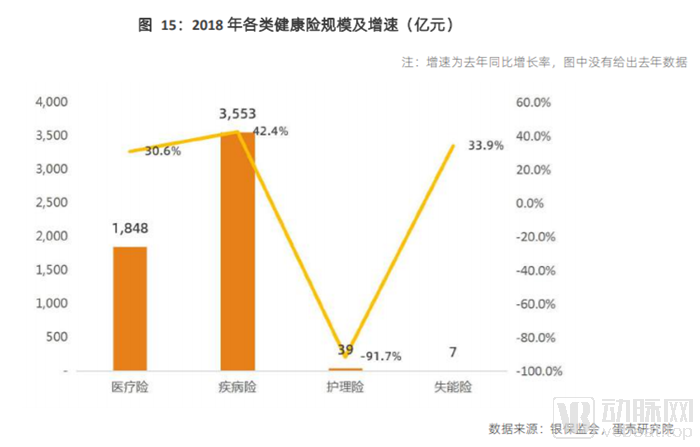
In the future, technology will further empower the health insurance industry. Technologies such as big data and AI will significantly enhance insurers’ service efficiency in areas including channel expansion, precision marketing, differentiated services, product design, actuarial pricing, and operational optimization. As competition intensifies among upstream players in the insurance sector, some insurers will focus more on product design to reduce high operational costs, driven by the need to optimize their cost structures. The separation of production and distribution will become a major trend in the insurance industry.
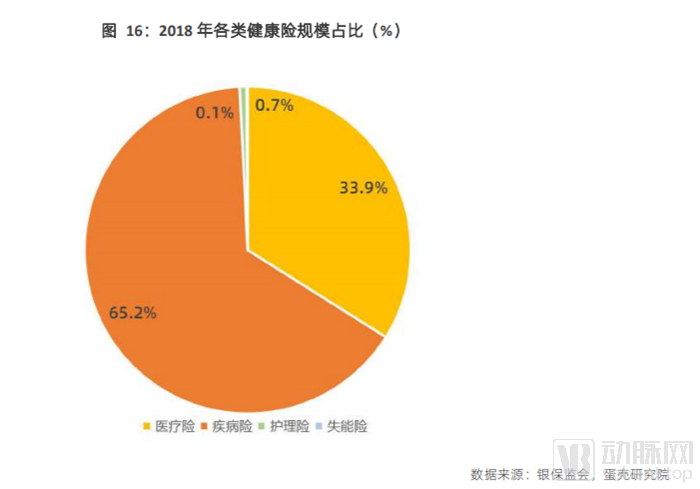
Meanwhile, in terms of product strategy, insurance companies will continuously innovate the forms of insurance products, refine their product portfolios, and cover the health protection needs of a broader population. Specific non-standard groups, such as those involving pediatric diseases, women’s health, and middle-aged and elderly individuals, will have more choices in health insurance products. In addition, insurers are beginning to establish their own health management platforms, extending their services from post-claim compensation to a full-process model encompassing early-stage prevention, mid-stage treatment, and late-stage rehabilitation. As industry chains gradually integrate, the influence of commercial health insurance will be enhanced.

Scan the Mini Program code to view the full report.
At the Innovative Health Insurance Sub-Forum, panelists shared their innovative achievements on topics such as commercial insurance, payment models, national health insurance, and cross-sector collaboration, while exploring the significant challenges and opportunities facing innovative payment solutions. VCBeat has compiled the speakers’ insightful perspectives.
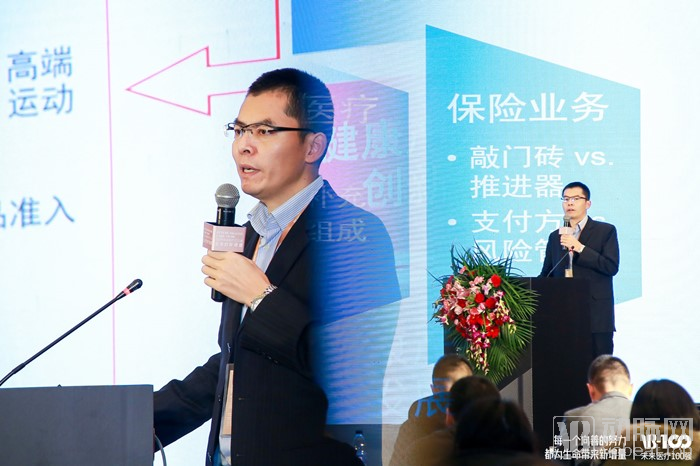
Jiang Guanjun, Partner at Mingde Actuarial Consulting
Jiang Guanjun, Partner at Mingde Actuarial Consulting, shared insights from the perspective of insurance companies on the development stages of commercial health insurance and its trends within the medical ecosystem.
First, the continuous release of policy dividends by the government has undoubtedly promoted the development of the insurance industry. Second, based on the endogenous logic of the health industry’s development, we find that commercial insurance has significant potential for growth. In China’s healthcare payment structure, social insurance is the primary payer, out-of-pocket payments are secondary, and commercial insurance plays a supplementary role. Among these, basic medical insurance accounts for half of the total, while individual out-of-pocket medical expenditures represent approximately 35%. The rapidly rising overall medical costs and the high proportion of out-of-pocket payments will continue to drive the rapid development of health insurance.
In Jiang Guanjun’s view, innovation is the driving force behind the development of health insurance. Currently, many pain points in the insurance industry—such as weak risk control capabilities, price wars driven by product homogenization, insufficient integration with the medical ecosystem, and limited specialization due to inadequate data accumulation—will become constraints on the growth of health insurance. Innovation in health insurance mainly encompasses the following dimensions: technological and managerial innovation, business model innovation, and institutional innovation. Among these, Jiang Guanjun stated that technological and managerial innovation presents a differentiated opportunity for commercial health insurance and is expected to facilitate the exploration and promotion of institutional innovation.
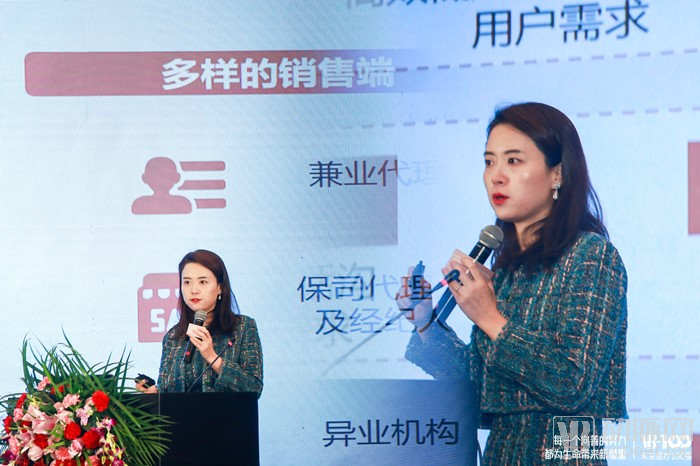
Liu Qiongling, Founding Partner of Fanzhuo Capital
In recent years, medical insurance and critical illness insurance have experienced rapid growth. Million-yuan medical insurance has seemingly become a standard offering for insurance companies, while critical illness insurance is highly popular across both online and offline channels. Although the health insurance sector is expanding rapidly, its proportion of total healthcare expenditure remains relatively low. With the widespread adoption of the internet, insurance sales scenarios have shifted from offline to online, leading to changes in sales models. Historically, China’s insurance distribution channels primarily consisted of individual insurance agents employed by insurance companies and the bancassurance channel. However, as the intermediary market becomes increasingly regulated, the separation of production and distribution is poised to become the mainstream model.
In Liu Qiongling’s view, health insurance essentially provides payment services, serving to streamline payment channels. A comprehensive protection system consists of social insurance and commercial insurance complementing each other. The future health insurance industry will use payment as the link to leverage the entire healthcare service chain, developing a China-specific MGA (Managing General Agent) model. Insurance companies and startups will also actively expand upstream and downstream through organic growth and mergers and acquisitions, continuously broadening their service boundaries, integrating more segments of the industrial chain, achieving better product development, pricing, medical services, and claims risk control, thereby completing the closed loop and building a competitive moat.
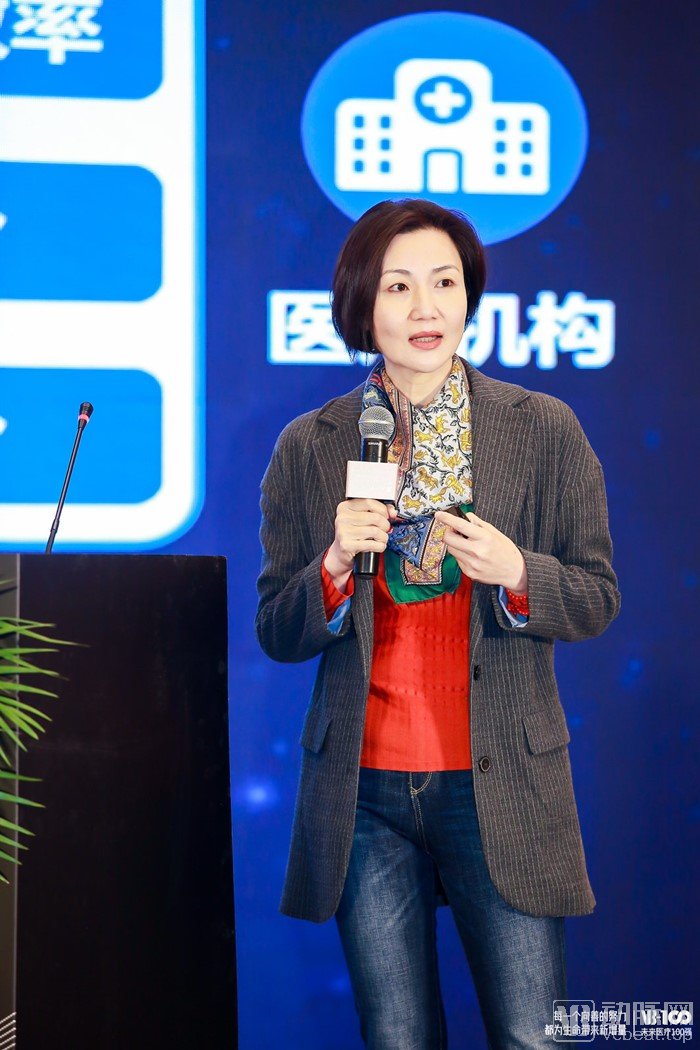
Duan Chenghui, Founder and CEO of Neusoft Wanghai
Over the past two decades, commercial health insurance has been constrained by policy limitations. The core function of social health insurance—"broad coverage and basic protection"—lacks standardization for essential medical services, which has, to some extent, hindered the development of commercial insurance. The healthcare payment reform centered on Diagnosis-Related Groups (DRG) represents a revolution in the healthcare sector, capable of reshaping the entire healthcare ecosystem. As is well known, DRG is a critical tool for payment reform. With the comprehensive implementation of DRG-based payment policies, big data-driven lean operational upgrades in hospitals will inevitably become a key strategic direction for hospital development and serve as the foundational guarantee for advancing value-based healthcare.
DRG Propels Healthcare Institutions into the Era of Cost Strategy. Supported by new technologies, intelligent coding processes, dynamic clinical standardization systems based on clinical pathways, and intelligent real-time cost control systems are key components of DRG payment reform. As a tool for prospective pricing management and actuarial calculation, DRG optimizes the allocation of medical resources, rationalizes the pricing of medical services, provides a basis for health insurance payment negotiations, and alleviates the financial burden on patients. For healthcare institutions, DRG standardizes medical procedures, enhances the efficiency of medical management, and facilitates performance evaluation for hospitals and medical staff.
Risk Control Is the Decisive Factor in Health Insurance
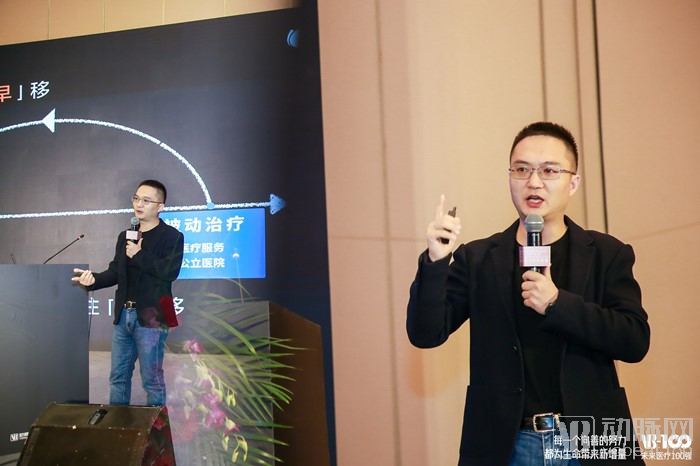
Wu Hongxing, Founder and CEO of Shanzhen
The trend of population aging is now irreversible, and the only solution lies in shifting from passive treatment to proactive preventive management. In this process, risk control will become a core competency for health insurance. Fundamentally, the future focus of health insurance must be on services rather than mere operations—specifically, by leveraging precise strategic positioning and robust risk control capabilities to provide health management plans for the elderly, thereby delivering comprehensive health management and protection services.
Taking Shanzhen’s senior medical insurance as an example, this product is designed for individuals aged 60 to 80, with an annual premium of approximately RMB 2,000. It includes a complimentary health check-up; if the policyholder is classified as a “preferred risk” based on the examination results, the coverage amount will increase, and the scope of protection will expand from specific diseases to general medical care (without disease-specific restrictions). At its core, Shanzhen provides the industry with enhanced capabilities for risk identification and pricing for the elderly population. Wu Hongxing concluded that health management will be a critical challenge in the future. To succeed, insurance companies must fulfill their responsibility to offer personalized coverage and provide personalized health management services. This represents the trend and direction of Shanzhen’s development in the insurance sector in 2020.
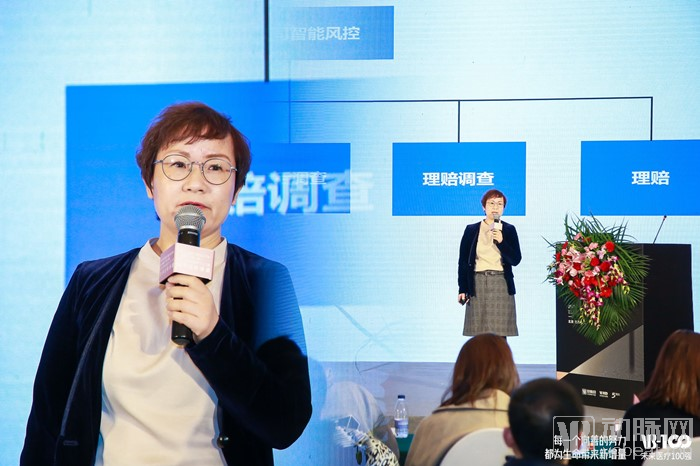
Fu Xinhua, President of Leyue Health
Commercial health insurance is a crucial pillar of the healthcare security system and a key initiative of the Healthy China Strategy. Over the next decade, commercial insurance will assume a larger share of medical expense expenditures. However, the lack of infrastructure for data interoperability between hospitals and insurance companies remains the most significant constraint preventing the true value of health insurance from being realized. Medical big data serves as the foundational support for the development of health insurance. Bridging medical data silos to achieve synergy between healthcare and insurance is the only path toward transforming the health insurance industry.
The optimal path for transforming the health insurance industry is to first upgrade the data systems of insurance companies and hospitals to achieve data interoperability and process reengineering, before gradually deepening integration at the business level. Through intelligent structuring and governance of “medical-insurance” data, Leyue Health meets insurers’ requirements and reduces adverse selection risk, providing intelligent services across all risk control stages, including cost containment, product design and pricing, underwriting, and claims adjudication. Subsequently, Leyue Health extends its business chain into innovative service areas such as credit-based medical payments, installment plans for medical expenses, specialized insurance products tailored to specific diseases in niche populations, and personalized precision marketing. By establishing a closed-loop health insurance service ecosystem, Leyue Health aims to become China’s largest intelligent TPA (Third-Party Administrator) platform with a full-service closed loop.
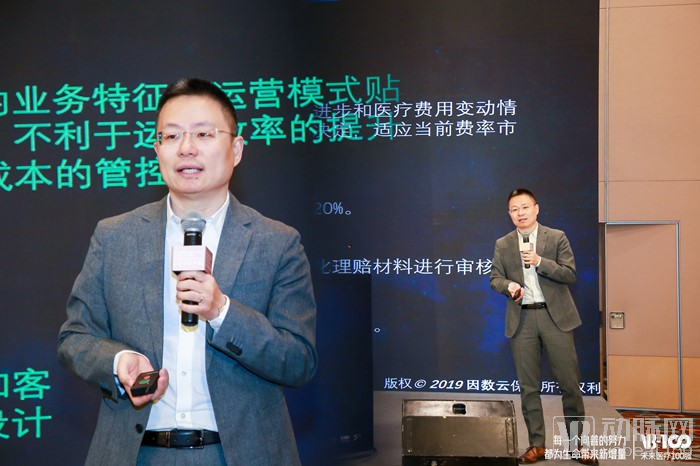
Li Wei, CEO of Yinshu Cloud
The Chinese health insurance industry currently faces numerous pain points, including product homogenization, lack of breakthroughs in distribution channels, operational systems unable to support growth, inadequate customer service experiences, weak risk control capabilities, and the absence of independent core health insurance systems. The traditional product-driven business model can no longer meet the demands of industry development. A customer-centric business model is now emerging in the market. Data intelligence and medical health technologies are transforming the insurance industry, while “Insurance + MedTech” is reshaping the core drivers and objectives of the health insurance business. Specifically, technology drives the personalization of health insurance products and enables precision marketing, while medical AI facilitates intelligent underwriting and claims processing, ultimately forming a customer-centric health management solution.
Currently, in China’s health insurance market, individuals in sub-health conditions and those with existing diseases constitute the majority. However, a significant portion of their effective demand remains unmet. Over the past four years, Yinshu Cloud has processed billions of training iterations for its disease knowledge graph, gradually developing its proprietary “Medical Brain,” and will launch insurance products tailored to individuals with diseases and those in sub-health conditions.
PBMModel Poised to Remove One of the “Three Big Mountains” Weighing on 300 Million Elderly People
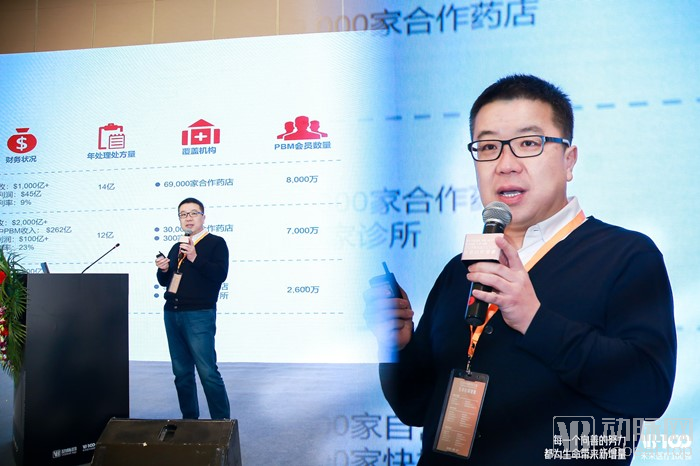
Fang Zhiwu, Chairman of Wanhu Liangfang
Catastrophic healthcare costs are one of the “three major mountains” weighing on Chinese society. To remove this burden, the industry must integrate the Pharmacy Benefit Management (PBM) model into China’s healthcare reform through technological and institutional innovation. This “mountain-moving” effort requires three major initiatives: first, establishing urban chronic disease center pharmacies in accordance with international standards; second, activating the family doctor service network; and third, including the current generation of elderly individuals in insurance coverage. The Centenarian Medical Insurance is a core component of the mountain-moving project being developed by Wanhu Liangfang. It is China’s first comprehensive critical illness insurance system specifically tailored for chronic disease patients aged 60 to 100, filling the domestic gap in coverage for non-standard risk individuals. As an important supplement to national basic medical insurance, it provides ordinary Chinese families with additional protection amounting to hundreds of thousands of yuan.
Fang Zhiwu stated that the core of the “Yishan Project” is to organize and manage elderly patients with chronic diseases in a truly professional and efficient manner, aiming to reduce both current chronic disease costs and the future incidence and expenses associated with major illnesses. This requires patients to strictly adhere to chronic disease management protocols, while physicians must uphold rigorous professional ethics. If successful, the Yishan Project will realize the healthcare reform ideal of “lower spending on major illnesses and no need for frequent hospital visits for chronic conditions” for the general public.

Ding Haochuan, Chairman and Co-founder of Youjia Health
Deriving greater value from health management and medical care management is a key trend in the business model of health insurance. In light of the current status and trends of China’s health insurance market, a comprehensive integrated medical network management platform is essential across all aspects, including product development, premium growth, profitability enhancement, process monitoring, and customer management.
UJia Health’s YouYiLian Intelligent Cloud Platform enters the market through an intelligent medical collaboration network, providing end-to-end product and risk control solutions for health insurance. Its user-centric, tripartite intelligent medical collaboration network architecture empowers insurance companies through an integrated model encompassing online and offline channels, data, and services. Regarding the next steps in health insurance innovation, Ding Haochuan identifies three emerging shifts: first, comprehensive data intelligence is transitioning from peripheral applications to core applications; second, scenario-based risk control is evolving into scenario-based cost control; and third, the trend is shifting from product-as-a-service to service-as-a-product.
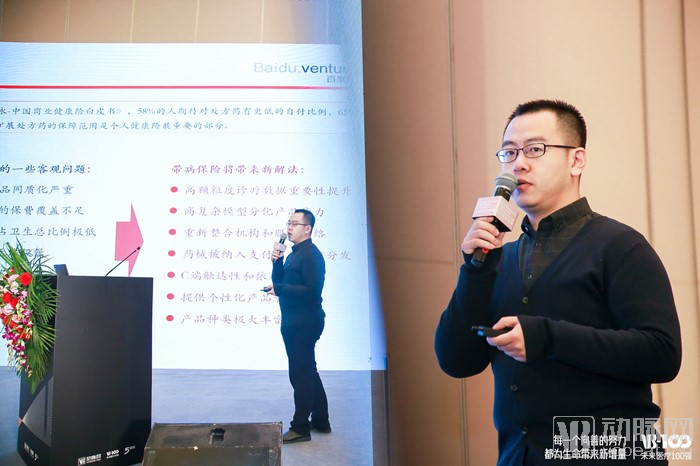
Ren Bobing, Vice President of Investment at Baidu Ventures (BV)
Innovative health insurance is a core element of resource restructuring in the new healthcare reform, while AI can empower decision-making and enhance efficiency for channels, products, and services undergoing transformation. Ren Bobing stated that the health insurance industry is still some distance away from achieving large-scale growth. Innovative diagnostic and therapeutic equipment, assistive tools, and pharmaceuticals and medical devices have not yet been incorporated into the health insurance payment system. Furthermore, there remains widespread lack of consensus within the industry, and innovation and competition are expected to intensify further next year.
In Ren Bobing’s view, health insurance in the new era must be built on a patient-centric, AI-driven integrated medical service value network. China’s health insurance sector is now witnessing multiple innovative trends: medical service networks are evolving from mere value-added services to strategic moats, giving rise to platform-based companies; coverage for pre-existing conditions is moving from the periphery to the mainstream; patient flow is becoming central to product design; the industry is entering an era of data competition and AI capability rivalry; and value-based payment systems are being reshaped under “shared decision-making.”