

Opportunities in Oncology, Molecular Diagnostics, Cell Therapy, Gene Editing, and Pathogen Detection: Transformative Biotechnologies Shaping the Future of Healthcare [2019 VB100]
On December 20, 2019, the “2019 Top 100 Future Healthcare Companies” Forum, hosted by VCBeat and Eggshell Research Institute, and co-hosted by KPMG China, Legend Capital, BV Baidu Ventures, Weilai Capital, Puhua Capital, Tsinghua Nomura China Research Center, Changling Capital, Legend Star, Yuanjing Capital, the Internet Hospital Branch of the Chinese Association of Research Hospitals, Aimeda, Zero2IPO Capital, and Yanzhi, grandly opened at the Jiuhua Resort in Beijing.
From the earliest days of internet healthcare to the 2017 “Species Explosion” and the 2018 “Towards ING” conferences, and then to the 2019 theme “New Growth in Life,” VCBeat’s Future Healthcare 100 has completed its fifth year. With the annual update of themes, we have also witnessed the restructuring and transformation of the healthcare landscape over these years. Fields such as internet healthcare, innovative technologies, pharmaceutical and medical device innovation, and biotechnological innovation are becoming the core forces of the new healthcare industry.
How to Interpret “New Growth”? It signifies that the foundational base of the new healthcare industry is taking shape, a consensus on transformation has been established, and novel business models have been validated. Meanwhile, “New Growth” also foreshadows a growing conviction among practitioners that the interwoven integration of technological and model-driven growth will propel the healthcare industry toward new forms. All these new increments are redefining and enriching life in entirely new ways.
December 22, 2019 marked the third day of the “2019 Future Healthcare Top 100” Forum. During the afternoon session on Biotechnology Innovation, capital and industry converged as investment firms, securities institutions, and a host of emerging companies within the sector engaged in discussions on the research and development, commercialization, and future trends of biotechnology. The topics covered some of the hottest investment areas at the time, including tumor detection, gene therapy, cell therapy, and microbiome-based therapies.
Over the past decade, the biotechnology sector has witnessed rapid advancement. Following the advent of next-generation sequencing (NGS), third- and fourth-generation sequencing platforms have continued to evolve. Sequencing costs have declined at a rate surpassing Moore’s Law in recent years, with whole-genome sequencing now available at the hundred-dollar level. Meanwhile, downstream applications are expanding, with significant progress made in companion diagnostics, liquid biopsy, and early cancer screening.
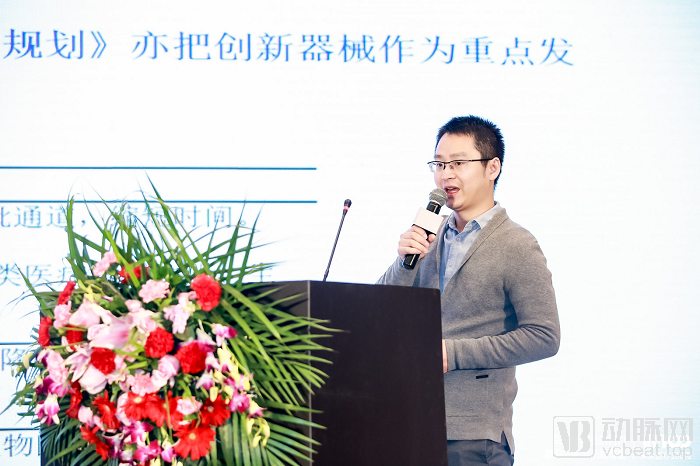
Haitong Securities Analyst He Wenbin
He Wenbin, an analyst at Haitong Securities, believes that the upstream sector of molecular diagnostics is characterized by an oligopolistic competitive landscape in the sequencer market, which is difficult to change due to the dominance of giants such as Illumina. However, there is immense market potential in early cancer screening and liquid biopsy. Exact Sciences, a representative company in early cancer screening, has delivered investment returns of more than 100-fold over the past decade, while Guardant Health, a leading U.S. liquid biopsy company, saw its stock price triple after its initial public offering. China’s liquid biopsy sector has also entered a phase of explosive growth, with significant breakthroughs in technology and robust activity in the capital markets, presenting substantial investment opportunities.
With strong support from national policies, China’s innovative medical device industry has begun to gain momentum. Following the introduction of the priority review system for innovative medical devices in 2014, the number of such devices approved in the market has gradually increased. As of October 2019, nearly 70 products had gained approval through the expedited review pathway. Guided by these policies, capital investment in innovative medical devices has expanded, the entrepreneurial environment has improved, and a large number of overseas talents have been attracted to return to China for career development.
He Wenbin believes that molecular diagnostics will be a key direction in the field of innovative medical devices. The continuous reduction in sequencing costs will drive further expansion of the gene sequencing sector, with the total market size exceeding RMB 10 billion and demonstrating robust growth.
In the upstream sector, although Illumina’s acquisition of PacBio was blocked, its monopolistic position in the industry is an undisputed fact. Looking ahead, Illumina’s monopoly is expected to strengthen further, posing significant challenges for domestic companies seeking breakthroughs in this area. He believes that greater opportunities for Chinese enterprises lie in the application segment.
First, in the field of early cancer screening, age 45 marks a peak incidence period for tumors, and China has a population of 500 million people aged 45 and above. Prognosis for late-stage cancer treatment is very poor; however, shifting cancer detection to an earlier stage not only improves therapeutic outcomes but also relatively reduces treatment costs. Liquid biopsy covers scenarios including pre-cancer diagnosis, treatment monitoring, and prognosis assessment, representing a market opportunity worth tens of billions of U.S. dollars in the United States.
In both of these fields, capital allocation is extremely active both domestically and internationally, with substantial investment amounts. He Wenbin believes that molecular diagnostic technology will become the next major investment trend in the biotechnology sector, with broad market potential for early cancer screening and liquid biopsy. On the other hand, innovative R&D companies in both pharmaceuticals and medical devices will face challenges during commercialization, representing a bottleneck that early-stage biotech firms must overcome. How domestic companies can build their own competitive moats amidst fierce competition will be key.
According to Golden Pigeon of Rendong Medicine, entrepreneurs need to integrate existing elements. The value of an enterprise must withstand the test of time, creating value for 20 years or more with a 10-year effort. It must also endure the trials of both primary and secondary capital markets, while spanning disciplines and industries, and maintaining an international perspective.
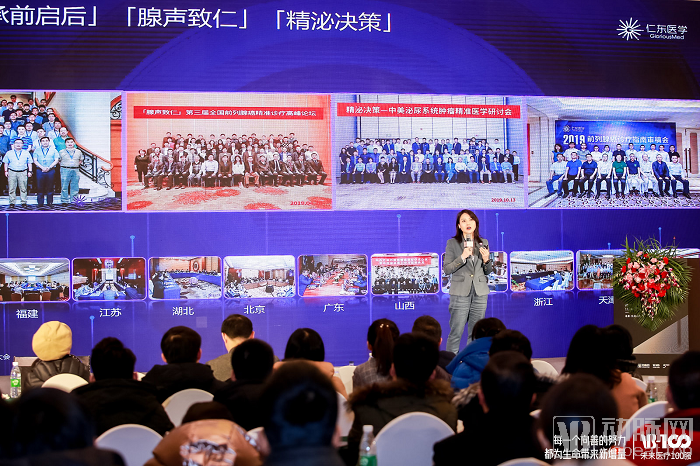
Jin Ge, Founder and CEO of Rendong Medicine
2019 marked the fourth year since the establishment of Randong Medicine. By that time, the field had already attracted a large number of startups. According to Jin Ge, Randong Medicine did not possess the strongest resources when it entered the market; therefore, it carved out a unique path by focusing on niche segments, specifically head and neck cancers and urological oncology. Jin Ge believes that it was precisely by serving as a “connector in niche markets” that Randong Medicine was able to evolve into a platform-based company.
By providing support to physicians throughout the translation of research into clinical practice, Ruidong Medical has earned a strong reputation among clinicians. In the realm of basic research, Ruidong Medical has undertaken numerous multicenter collaborative projects, assembling China’s largest clinical cohort for urologic oncology. Continuous product upgrades have enabled clinicians to conduct more in-depth research on these specific cancer types. Leading institutions such as Shanghai Renji Hospital, Shanghai Tenth People’s Hospital, Fudan University Shanghai Cancer Center, and West China Hospital have partnered with Ruidong Medical, drawn by its high-quality products and service model to co-develop innovative solutions.
From building on the past to ushering in the future, from “Amplifying Voices for Benevolence” to “Precision Urology Decision-Making,” Rendong Medicine has evolved from incremental innovation to disruptive innovation. After delivering clinical services to the highest standard, collaborations with pharmaceutical companies naturally followed. Rendong Medicine then proposed leveraging next-generation sequencing (NGS) as a key tool to assist pharmaceutical companies in drug development and companion diagnostic research. Through its expanding evidence-based medicine engagements with AstraZeneca across various stages of innovative drug development, Rendong gained deeper insights into the clinical challenges associated with diagnosis and medication management.
In addition, they have assembled China’s top experts through their independently developed Haiji system, established a patient management system, and forged connections with leading enterprises in specialized fields to introduce the world’s most advanced technologies.
“Based on this, Rendong Medicine is not content to focus solely on urological oncology. We have identified additional commercial opportunities in other oncology sectors and will leverage our business model and logic to deepen our presence in these areas,” she stated.
Advances in sequencing technology have brought the promise of liquid biopsy-based early screening and diagnosis of cancer into view. As a pioneer in early cancer screening and diagnosis in China, Genetron Health launched PreCar, a nationwide, multicenter, prospective project for ultra-early warning biomarker screening of liver cancer, in April 2018 in collaboration with Academician Wang Hongyang from the National Center for Liver Cancer Science and Professor Hou Jinlin from Nanfang Hospital of Southern Medical University. The study results confirmed that ultra-early warning of liver cancer can be achieved through a simple peripheral blood test, identifying patients with ultra-early-stage liver cancer 6–12 months earlier than the current diagnostic gold standard. At the Biotechnology Forum of VCBeat’s “Top 100 Future Healthcare Companies 2019” conference, Professor Wu Lin, CTO of Genetron Health, shared insights on four key issues in the practice of early cancer screening and diagnosis:
First is the selection of cancer types and screening populations. Generally, the amount of ctDNA in the plasma of tumor patients is proportional to the tumor size, which is very low in the early stages. Using liquid biopsy for early and ultra-early tumor screening, starting with cancer types that are rich in blood entry, is a relatively reliable technical solution. At the same time, under the premise of the same sensitivity and specificity, the positive predictive value of high-risk populations is much higher than that of the general population, and early tumor screening products will have better clinical value. Therefore, Huirui Gene first chose liver cancer, which has the most abundant blood entry, for early screening and diagnosis research, and targeted the high-risk population of cirrhosis with an annual cancer conversion rate of about 2%-3%.
Next is the selection of biomarkers. Professor Wu Lin believes that cancer is a highly complex disease, and there is no single "magic bullet" class of molecular markers. Markers from a single category can only achieve a certain level of accuracy. To meet the clinical need for early screening and diagnosis of cancer, it is necessary to combine multi-omics detection methods to further improve sensitivity and specificity. Helio Genomics chooses to observe as many multi-omics, multi-class molecular markers in the blood as possible, integrating and optimizing them through real-world data and machine learning algorithms.
Furthermore, the selection of a time window for early tumor screening and diagnosis is critical. Huirui Genomics advocates for achieving a significant lead time compared to existing gold standards for tumor diagnosis, while ensuring detection performance. However, this lead time should not be so extensive that it results in a lack of actionable clinical intervention plans or accurate assessment methods, thereby unnecessarily burdening participants. Professor Wu Lin believes that advancing detection by 6–12 months relative to current gold standards provides a valuable time window for implementing stratified management and initiating early clinical interventions in high-risk populations.
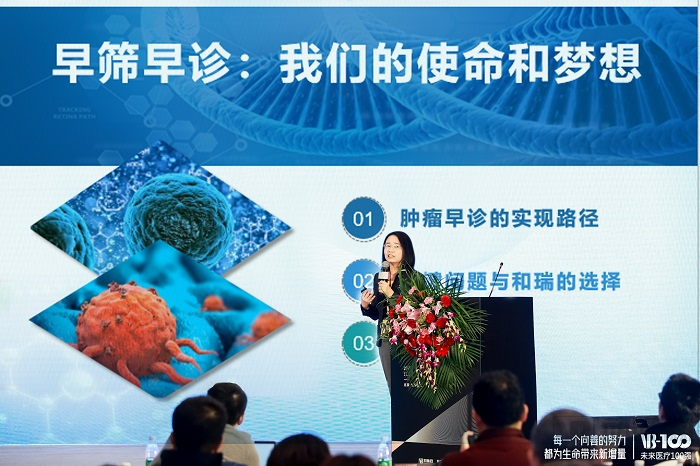
Wu Lin, CTO of Herui Genomics
Finally, Professor Wu Lin noted that laboratory techniques are not equivalent to clinical protocols; retrospective analyses are subject to bias and overfitting and do not guarantee reproducibility in the real world. Moreover, early screening and diagnosis require the detection of early-stage tumor events 6–12 months earlier than current diagnostic gold standards. Therefore, well-designed, large-scale prospective cohorts are the only way to validate the clinical value of early screening and diagnostic products in real-world settings.
The advent of immunotherapy drugs has brought about a seismic shift in the oncology market, yet PD-1 inhibitors cannot address all challenges in the field. This raises the question: what comes after PD-1?
Amid the exploration of numerous new directions, cancer vaccines have emerged as one of the next-generation approaches garnering significant attention. Li Hangwen, founder of Stemirna Therapeutics, believes that over the past years, failures in the field of cancer vaccines have outweighed successes. The sentiment toward this area is ambivalent—there is a strong desire to develop effective products, yet persistent setbacks have been encountered.
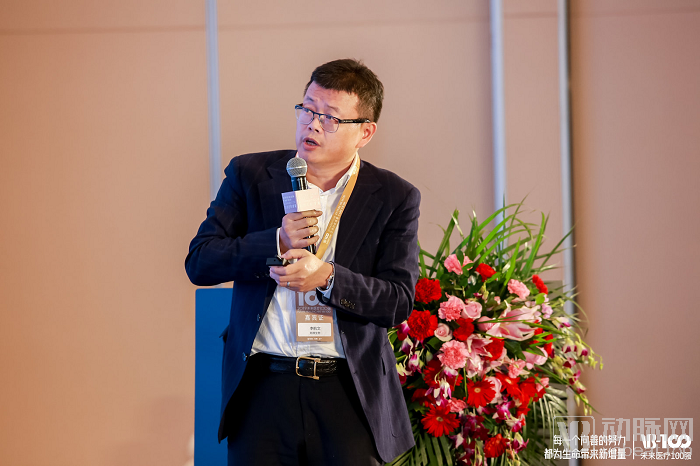
Li Hangwen, Founder of Swabio
In 2017, tumor neoantigens garnered global attention, as researchers sought to leverage them to address the core challenge in cancer therapy—antigens. With the antigen issue resolved, other hurdles could be overcome.
In past antibody-centered research, no true tumor antigen was ever identified; consequently, previous tumor vaccines targeting antigens failed to achieve significant breakthroughs. Neoantigens emerged alongside next-generation sequencing (NGS) and whole-exome sequencing (WES). They are identified by detecting high-frequency tumor mutations through sequencing and then predicted using open-source algorithms. This distinguishes neoantigen-based approaches from traditional tumor vaccines.
In recent years, StemiRNA achieved gram-scale mRNA synthesis yield for the first time in China through process optimization and established a GMP-compliant nanoparticle formulation platform. The company has realized the first fully in-house supply chain for personalized mRNA neoantigen cancer vaccines in China, spanning from bioinformatics analysis to CMC manufacturing, thereby securing a competitive position for Chinese enterprises in the global industry landscape. StemiRNA has also conducted clinical trials of its personalized mRNA cancer vaccines at Shanghai East Hospital, Changhai Hospital, and the First Affiliated Hospital of Zhengzhou University, while establishing a comprehensive testing platform that has validated the safety and efficacy of its products.
In a clinical trial for the treatment of colorectal cancer with liver metastases, patients successfully exhibited specific immune responses triggered by tumor neoantigens following vaccine administration, leading to effective disease remission. Looking ahead, Swemicro aims to identify universal antigens prevalent in high-incidence cancers, enabling the development of off-the-shelf, universal vaccine products. As part of their future strategy, they plan to integrate tumor vaccines with early screening initiatives to truly achieve early prevention and intervention, thereby significantly improving survival rates among cancer patients in China.
China bears a high burden of cancer. The majority of currently available therapeutic options consist of small-molecule and large-molecule drugs; however, there remains an urgent need to improve treatment outcomes for advanced-stage cancers. Cell therapy has emerged in recent years as another viable option, achieving breakthrough efficacy particularly in the treatment of advanced hematologic malignancies. The advent of CAR-T technology has brought new hope for the management of advanced tumors. Beyond hematologic cancers, both academia and industry are striving to achieve breakthroughs in the treatment of a broader range of tumors and diseases.
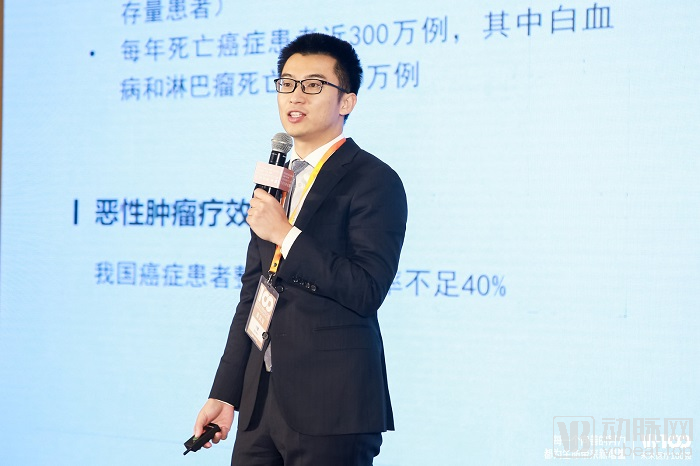
He Ting, Founder of iCAR-T
At the conference, Dr. He Ting, Founder of Imunopharm, shared insights on the current industrial landscape of the cell therapy sector. Two products from Novartis and Gilead have already been launched in overseas markets. Beyond CAR-T therapy, there are numerous other cell therapy product portfolios, with these innovative products representing the potential future directions of cell therapy development.
However, CAR-T technology did not emerge overnight; it has been 30 years since its initial proposal in 1989 to its clinical application. Over these years, many excellent teams in China have dedicated themselves to this field and achieved significant research outcomes. An increasing number of domestic patients have received CAR-T therapy through clinical trials, demonstrating favorable efficacy. CAR-T technology has already made substantial breakthroughs in the treatment of leukemia.
In the treatment of advanced lymphoma, CAR-T therapy has also achieved certain successes. Refractory large B-cell lymphoma is a type of non-Hodgkin lymphoma; due to the lack of effective treatment options, patients have a very poor prognosis and short survival times. Previously, the median survival for this malignancy was only six months, but recent publications from Kite indicate that they have extended the median survival to over 27 months.
Yimiao Shenzhou’s first product is an autologous CAR-T cell therapy targeting CD19. By employing serum-free manufacturing processes and long-acting T-cell technologies, it has achieved breakthrough data in clinical studies. In patients with advanced lymphoma, the incidence of severe adverse events was below 10%, and the median progression-free survival (PFS) exceeded 9 months, positioning it as a promising industry-leading CAR-T therapy with an enhanced safety profile and durable efficacy.
Within the global landscape of CAR-T therapy, China has become an increasingly significant player. In recent years, both the number and scale of clinical trials for CAR-T therapy in China have risen rapidly, showing a trend of surpassing the United States. China’s strategic focus on the CD19 target exceeds that of the U.S., and regulatory authorities have provided consistent support, with new regulations and guidelines emerging swiftly after the approval of the first CAR-T product in the United States in 2017.
Currently, more than 10 companies in China have entered the Investigational New Drug (IND) stage for CAR-T therapy, and we will soon have the opportunity to witness the commercialization of the first batch of CAR-T drugs in China.
The history of gene editing can be traced back to the 1980s, marked by the emergence of ZFN technology in 1985. Subsequently, the advent of TALEN and CRISPR spurred breakthrough developments in the field of gene editing. There is a strong desire for gene editing tools to exhibit high specificity without causing off-target effects. It is widely believed that avoiding double-strand DNA breaks enhances safety. Consequently, single-base editing, which does not disrupt DNA double strands, and RNA-targeted editing have become prominent areas of research. A notable example is Prime Editing, introduced in 2019. This novel gene editing technology maintains high editing efficiency without inducing DNA double-strand breaks, enabling precise modifications to the genome.
Public understanding of gene editing typically begins with CRISPR. The emergence of this technology has also rapidly driven industry development. As a novel technology, gene editing often raises concerns; however, in reality, it is primarily being leveraged to address diseases that are currently untreatable. Many proteins are unsuitable as therapeutic targets, whereas modifications at the DNA and RNA levels can offer solutions for a broader range of diseases.
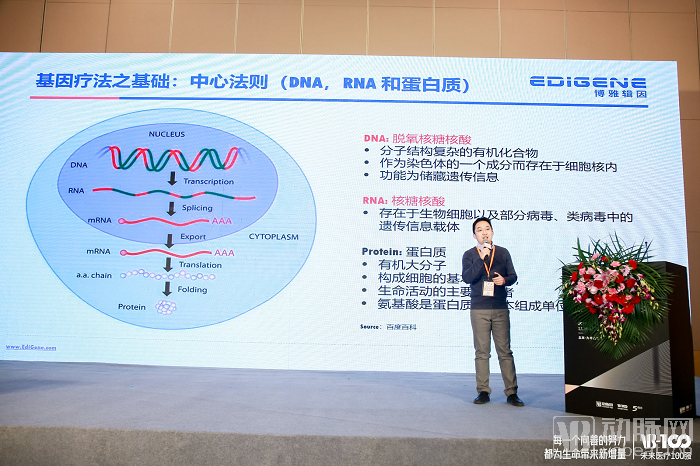
EdiGene CTO Yuan Pengfei
Next, Dr. Yuan Pengfei shared with the audience some applications of gene editing in therapeutic directions:
Hematopoietic stem cell editing has long been one of the most representative applications. Blood is an independent organ with a series of associated genetic disorders; therefore, hematopoietic stem cells have consistently been utilized to treat many diseases. The primary challenge in hematopoietic stem cell transplantation is not the extraction of these cells from healthy donors, but rather the complications arising from immune rejection. Data indicate that the mortality rate due to rejection reactions is 20%. If the pathogenic genes responsible for hereditary diseases are identified, hematopoietic stem cells can be harvested directly from the patient, genetically modified ex vivo, and then reinfused into the same patient, thereby eliminating the risk of immune rejection.
Currently, multiple companies in the industry are engaged in research on hematopoietic stem cell transplantation, primarily targeting blood genetic disorders with significant patient populations, such as thalassemia.
In addition to hematopoietic stem cells, there is also hope that modifying T cells can address certain diseases, with the concept of universal CAR-T being particularly prominent in China.
In addition, some companies are focusing on research into in vivo gene editing, such as studies targeting liver diseases, retinal diseases, and cardiovascular diseases. Currently, this approach imposes stringent requirements on both the properties of the delivery vectors and the editing tools themselves.
Finally, Dr. Yuan Pengfei introduced the medical and pharmaceutical research currently being conducted by his company, Edia Gene, using gene editing technologies. On one hand, they are exploring innovative therapies through gene editing; on the other hand, they are investigating how gene editing can assist in existing drug development efforts. Current research into innovative therapies primarily focuses on T cells and hematopoietic stem cells. Additionally, Edia Gene possesses LEAPER, an RNA single-base editing technology with independent intellectual property rights. LEAPER does not require the introduction of exogenous proteins and does not cause substantial changes to genomic DNA. Edia Gene is currently exploring its development into a safer in vivo therapy. Furthermore, Edia Gene aims to leverage gene editing technology to identify new gene functions and a series of genes associated with drug sensitivity, thereby assisting traditional pharmaceutical companies in their drug development endeavors.
Most of the aforementioned therapeutic and diagnostic research has focused on oncology; however, beyond cancer, the field of infectious diseases remains a vast, unexplored blue ocean. Infectious diseases are a leading cause of mortality worldwide, imposing substantial economic and social burdens. Accurate identification of pathogens is crucial for the control of infectious diseases.
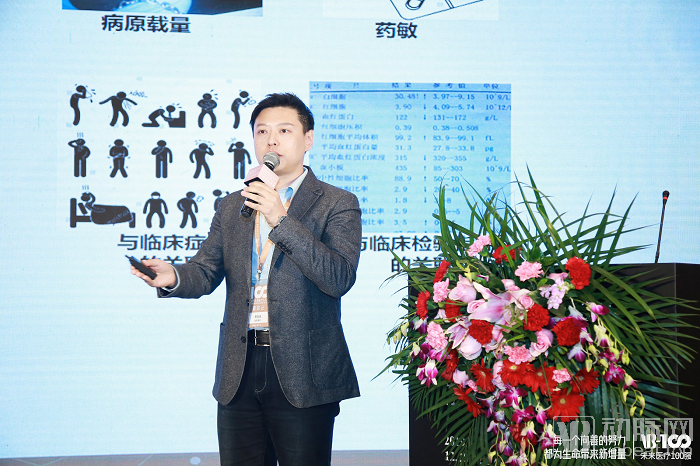
Jia Xuefeng, Founder of Jinshi Gene
Jia Xuefeng, founder of Golden Key Medical, stated that existing diagnostic methods for pathogens are mainly divided into two categories: one is confirmatory diagnosis with preset pathogens, including PCR and chip-based methods; the other is detection for unknown infections, where culture and similar techniques serve as the gold standard but typically require a longer turnaround time.
Compared with traditional detection methods, pathogen mNGS can comprehensively capture all nucleic acid information in the tested sample, thereby facilitating the identification of pathogenic microorganisms. Jia Xuefeng believes that, given the extensive coverage of mNGS, it is crucial to accurately pinpoint the true causative pathogens from the complex data. Furthermore, the application of existing mNGS technology in infectious disease diagnosis represents a novel scenario; many companies’ products are not yet fully mature, resulting in highly variable reports across the industry with inconsistent standards and formats. Typical reports usually indicate the taxonomic classification of detected pathogenic microorganisms along with certain next-generation sequencing (NGS) metrics. Jia Xuefeng argues that these metrics are clearly insufficient. Clinicians also require information on drug resistance, toxicity, and quantification, as well as clear guidance for medication based on test results, to provide substantial support for clinical decision-making.
Clinical departments and laboratory departments are not the same. If NGS reports are to be used in clinical practice, they must first be validated by laboratory professionals. Jia Xuefeng revealed that this is why their team includes a large number of laboratory specialists. Through the joint efforts of these specialists and R&D personnel, Jinshi Medical’s reports have taken on a different form. The reports provide quantitative data and drug resistance information, facilitating communication between laboratory professionals and clinicians. Furthermore, they are working with clinical experts to establish indication-specific standards, which will better support clinical diagnosis and decision-making.
The primary determinant of the market size for pathogen metagenomic next-generation sequencing (mNGS) is the position of this testing technology within clinical diagnostic and treatment pathways. Currently, mNGS occupies a last-line testing role in clinical practice, with most tests being ordered only after initial results are negative or when therapeutic outcomes are suboptimal. However, mNGS has the potential to become a first-line diagnostic method for clinical infection diagnosis. Realizing this potential requires extensive collaboration between industry players and clinical experts. Through clinical studies and the establishment of standardized diagnostic and treatment protocols, mNGS test results can be made reliable and user-friendly for physicians. Only then can the industry achieve substantial growth.
Pathogens are microorganisms that are “harmful” to the human body, but beyond these, the human body also harbors a population of “beneficial” symbiotic microorganisms. The gut microbiome is referred to as the second genome of the human body, with the number of gut microbial cells ranging from 10 trillion to 100 trillion—10 to 100 times the number of human cells. The human genome contains approximately 30,000 genes, among which more than 400 serve as major drug targets. In contrast, the gut microbiome comprises nearly 3.3 million genes. Given the magnitude of difference between the human genome and the microbial genome, Tan Yan, founder of WeDoctor (Unknown Jun), believes that the gut microbiome genome represents a gold mine for drug development.
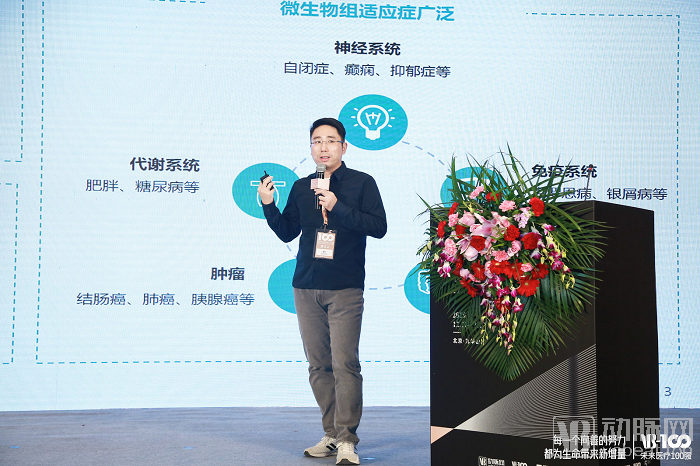
Tan Yan, Founder of Xbiome
In recent years, the scientific and clinical communities have conducted extensive research on the link between gut microbiota and human health, yielding numerous findings. Gut microbiota are not only associated with gastrointestinal and metabolic disorders, but their connections to neurological conditions such as Alzheimer’s disease and immune-related diseases such as cancer are also being increasingly recognized. Through genomic and metabolomic analyses of gut microbiota, researchers are gradually uncovering the various links between gut microbiota and a wide range of human diseases.
Microorganisms themselves are not complex. The invention of the microscope allowed humans to observe them for the first time, while advances in sequencing technology have provided humanity with its first opportunity to systematically understand the relationship between these tiny gut microbiota and health and disease. Since 2009, the volume of related literature has grown exponentially, and microbial pharmaceutical companies have sprung up worldwide. Currently, several companies in the United States have entered Phase III clinical trials. In Asia, Takeda Pharmaceutical has also become involved over the past two years, with many innovative companies collaborating with international giants to jointly advance the industrialization of microbial therapeutics. Dr. Tan Yan predicted that in 2020, a drug would receive approval from the U.S. FDA for market launch, marking a significant breakthrough and milestone event in this field.
Meanwhile, numerous companies in China have been quietly making strategic moves. One such company is Xbiome, founded by Dr. Tan Yan. He revealed that Xbiome is currently submitting its clinical trial application to the U.S. FDA. In 2018, Xbiome completed the establishment of its GMP-compliant manufacturing system and had its preclinical research platform ready for operation. Additionally, the company has successfully secured three rounds of financing from investors including Gaorong Capital, Morningside Venture Capital, ZhenFund, Yahui Investment, Lihe Hongxin, and Legend Capital.
Dr. Tan Yan believes that microbial pharmaceuticals is an emerging technology in itself, generating high-dimensional data through metagenomic and metabolomic analyses. Xbiome has introduced AI technology into the drug development process, leveraging data to drive pharmaceutical innovation. This industry spans big data technology and biotechnology, bridging the digital and physical worlds. Specifically, it utilizes big data technologies to identify key bacterial strains effective in disease treatment, then cultivates and isolates these strains in the physical world, further advancing them into drug research, development, and production.
Beyond the industrial sector, an increasing number of hospitals and investment firms are also bullish on the development of the microbial pharmaceutical industry. The National Medical Products Administration (NMPA) has accepted the first Investigational New Drug (IND) application for a single-strain microbe, and after two years of growth, the microbial industry is flourishing.