

Domestic Single-Cell Technology Firms Gather Momentum: How Close Is Industrialization?

Polaris Biology
Supplier of Single-Cell Precision Diagnosis Technology R&D and Clinical Applications
When discussing the developments in the field of gene sequencing in 2019, “single-cell sequencing” is undoubtedly a key term.
In September 2019, the U.S.-based single-cell sequencing company 10x Genomics went public on the NASDAQ, raising $390 million in its initial public offering (IPO) and emerging as a leader in the field. Although China’s single-cell sequencing industry has developed relatively slowly, it has attracted significant interest from investors. In March 2019, Wancheng Genomics completed an angel round of financing worth RMB 5 million; in June, BioBrain secured Series A funding, while Singleron Biotechnologies closed a pre-Series A round totaling nearly RMB 100 million; in October, Xunyin Biology raised tens of millions of yuan in its pre-Series A financing.
Single-cell sequencing involves sequencing the genome at the level of individual cells, applying gene sequencing to the single-cell scale to identify cell types and functions, as well as changes or variations in the health or status of specific cells. In contrast, conventional NGS-based genetic testing performs genetic analysis on entire cell populations at a macroscopic level involving large numbers of cells.
In recent years, research related to single-cell sequencing has been increasing day by day. As of 2019, 1,338 scientific papers have been published in PubMed. This technology has been widely applied in various fields of scientific research, including neurobiology, germline transmission, organ development, and cancer biology.
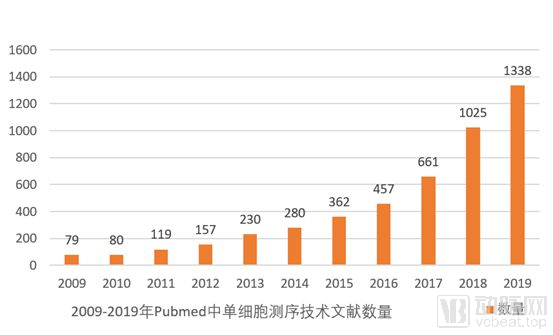
Data Sources: PubMed, VCBeat
Single-cell sequencing is a critical tool for analyzing single-cell genetic material, but it does not encompass the entirety of single-cell research. Globally, single-cell research has evolved into multi-omics studies, including single-cell transcriptomics, genomics, epigenomics, methylation analysis, ChIP, and proteomics. In general, these efforts primarily focus on two areas: single-cell genetic material analysis and single-cell protein analysis.
Global single-cell sequencing began in 2009, when Professor Tang Fuchou of Peking University published the world’s first article on single-cell mRNA sequencing during his postdoctoral fellowship, attracting widespread attention from the industry. In 2012, U.S.-based high-throughput single-cell sequencing companies 10x Genomics and Mission Bio were established successively. The application of single-cell sequencing technology in China started in 2014, but it was largely confined to low-throughput areas, with applications limited to preimplantation genetic diagnosis (PGD) and circulating tumor cells (CTCs).
The Development History of Single-Cell Sequencing (SCS)
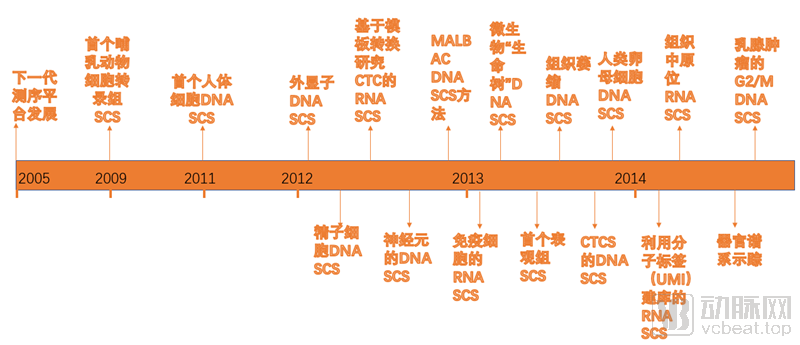
(Image source: Advances and Applications of Single-Cell Sequencing Technologies, illustrated by VCBeat)
In the field of high-throughput sequencing, companies centered on the R&D of kits and microfluidic devices—such as Xunyin Biotech (2015), Weizhuo Biotech (2017), Singleron Biotechnologies (2018), and Wancheng Genomics (2018)—have leveraged their independently developed core microfluidic technologies to transition single-cell sequencing from the laboratory to the market and secure early-stage financing. BioAI (2018), a representative company specializing in single-cell bioinformatics analysis, has also completed its Series A financing led by IDG Capital.
At the genetic level, single-cell sequencing can obtain more precise genetic information. At the protein level, analyzing proteins expressed by single cells allows for the direct identification of human immune-related targets, which can be applied to immune diagnostics, new drug development, and other areas. Given that proteins cannot be directly amplified and considering the sensitivity limitations of proteomic analysis, mass spectrometry is a common and effective technique for single-cell protein analysis. Key technologies include Mass Cytometry and Time-of-Flight Secondary Ion Mass Spectrometry (TOF-SIMS) analysis.
The mass cytometry technology platform was initially developed by DVS Sciences in the United States, but the company was acquired by US-based Fluidigm for $210 million in 2014. Representative domestic enterprises in single-cell protein analysis include Polaris Biology and ProteinTech. Among them, Polaris Biology focuses on the development of diagnostic equipment, reagents, and software for single-cell mass cytometry, while ProteinTech is dedicated to providing testing services centered on single-cell protein-level research.
Single-cell analysis technology has matured at both the genetic and protein levels, yet its high costs have limited widespread commercial adoption, with applications remaining predominantly in scientific research. VCBeat has compiled an overview of the current global state of the single-cell industry, along with the challenges and opportunities facing single-cell technology prior to achieving large-scale application.
Single-cell sequencing primarily involves four workflows: single-cell preparation, single-cell isolation and library preparation, sequencing and primary analysis, and bioinformatic analysis. Single-cell preparation typically entails lysing tissues using mechanical methods, enzymatic digestion, or other combined approaches, followed by enrichment and labeling of specific cell populations to generate single-cell samples. Single-cell isolation and library preparation are critical steps in single-cell sequencing, closely influencing the quality and accuracy of the final single-cell data. Low-throughput single-cell isolation methods include gradient dilution, mouth pipetting, automated micromanipulation, and laser capture microdissection. However, as these methods can process only one cell at a time, with a daily throughput of around 10 cells, they suffer from low efficiency, high costs, and limited applicability; thus, they will not be discussed in detail herein. High-throughput single-cell isolation methods mainly fall into three categories: microwell-based, microfluidic, and droplet-based approaches, all of which are founded on microfluidic principles.
Micropore-based capture technology utilizes cell pipettes or laser capture microdissection to isolate cells and place them into microwells. Compared with the other two methods, this approach offers lower cell throughput and is limited to transcriptome sequencing, making it unsuitable for other omics applications. Representative companies include BD Biosciences, Cell Microsystems, and CellSee.Microfluidic technology is the science and engineering of manipulating minute volumes of fluids within micron-scale structures. It integrates single-cell culture, preparation, reaction, isolation, and detection onto a micron-sized chip to automatically complete the entire analytical process. Compared with microwell-based methods, microfluidic technology achieves higher cell throughput; however, its drawback is that only 10% of cells can be captured. A representative company in this field is Fluidigm.Microfluidic chips constitute the core technological barrier in microfluidics. Traditional single-phase microfluidic chips have gradually evolved into droplet-based microfluidic chips. Microfluidic technology centered on droplet generation—often referred to as "droplet technology"—has garnered widespread attention and application. Representative companies include 10x Genomics, Wancheng Gene, 1Cellbio, Mission Bio, and Dolomite Bio.In the single-cell sequencing workflow, viable single cells are first isolated and captured. The genetic information from these viable single cells is then amplified to construct sequencing libraries. Finally, the single-cell libraries are sequenced using Illumina sequencing systems, followed by bioinformatic analysis of the genetic material. Currently, most domestic single-cell sequencing companies in China focus on developing high-throughput single-cell transcriptome sequencing instruments, reagents, and microfluidic chips, while actively exploring technologies related to high-throughput single-cell multi-omics sequencing.
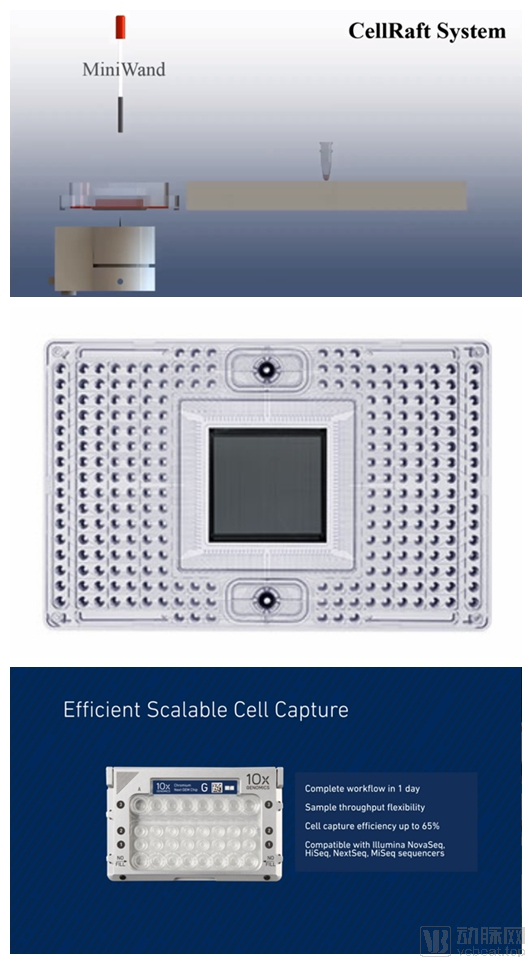
(From top to bottom: Cell Microsystems’ microwell-based product CellRaft, Fluidigm’s microfluidic capture technology C1, and 10x Genomics’ droplet-based system Chromium))
Mass cytometry, employed for single-cell protein analysis, is a novel technology that integrates flow cytometry with mass spectrometry. In essence, it is a flow-based technique that utilizes mass spectrometry principles and unique metal-tagged antibodies to label cell surface and intracellular proteins, enabling multiparametric detection at the single-cell level. It inherits the high-speed analysis capabilities of conventional flow cytometers while offering the high-resolution detection of mass spectrometry. This allows for the simultaneous analysis of over 50 cellular parameters at the single-cell level, representing a significant improvement in analytical efficiency compared to the routine analysis of 4–10 proteins by conventional flow cytometry, thus marking a new direction in the development of flow cytometry. Mass cytometry uses metal element tags (typically specific antibodies labeled with metal elements) to label or identify signaling molecules on the cell surface and within the cell. Inductively coupled plasma mass spectrometry (ICP-MS) is then used to observe the atomic mass spectrum of individual cells. Finally, the atomic mass spectrum data are converted into data on cell surface and intracellular signaling molecules, and specialized analysis software is used to analyze the acquired data, thereby enabling the observation and analysis of cellular biomarkers and signaling networks. Representative companies include Fluidigm and Polaris Biology.
Although single-cell sequencing and protein research employ different core technologies, they fundamentally share the same goal of exploring and elucidating the mechanisms of gene and protein action at the single-cell level. Each approach has its own focus and advantages. The core technology of single-cell sequencing relies on microfluidics to analyze nucleic acids. Leveraging its high-throughput detection capability, it plays a pivotal role in multi-omics studies, including single-cell transcriptomics, genomics, and epigenomics.
Current technological capabilities allow for the simultaneous analysis of 10,000 cells. Although numerous gene data analysis software packages are available on the market, the entire process of library preparation, sequencing, and data analysis remains time-consuming, with a single sequencing run taking at least two weeks and incurring high costs. The core technology for single-cell protein analysis is mass cytometry (CyTOF), which detects intracellular or cell surface proteins. Consequently, it offers significant advantages in diagnosing complex diseases, including hematologic disorders, tumor immunotherapy responses, and immune system diseases. Mass cytometry can analyze up to 1 million cells for 50 different biomarkers. Due to the high technical barriers associated with mass spectrometry, there is a scarcity of specialized software for single-cell mass spectrometry analysis, often necessitating in-house development by enterprises. However, the overall turnaround time for single-cell protein analysis is relatively short, typically ranging from 1 to 2 hours.
List of Companies in the Single-Cell Field
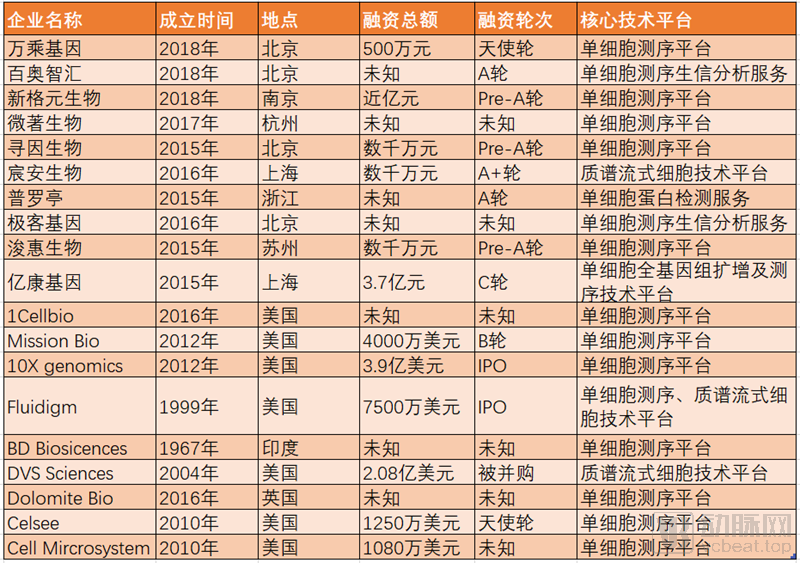
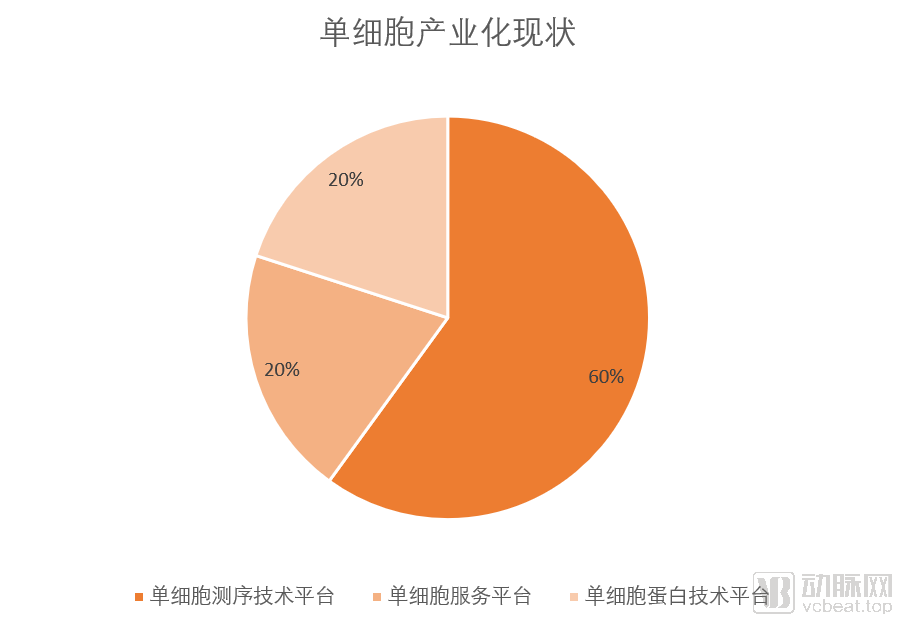
Overall, the domestic single-cell technology sector in China is primarily focused on the research and development of single-cell sequencing platforms and the establishment of core technological barriers. There are relatively few companies dedicated to providing single-cell bioinformatics analysis services, and even fewer have entered the field of single-cell proteomics, indicating that significant market opportunities remain.
Single-cell sequencing technology has been widely applied in scientific research, most directly in translational medicine studies of tumor immunology, companion diagnostics, and medication guidance. This includes assessment of tumor immunotherapy, companion diagnostics, efficacy evaluation, personalized medication guidance for tumors, identification of tumor and disease biomarkers, and characterization of changes in cell populations. For example, tumor neoantigen therapy represents an early direction combining single-cell sequencing technology with clinical applications. Tumor neoantigen therapy is a personalized treatment approach; since each individual’s tumor cells possess specific antigens, researchers can predict neoantigens and deliver targeted therapies. The detection of neoantigen presence and antigenicity is based on DNA rather than gene expression; therefore, single-cell sequencing is required to determine the expression intensity of neoantigens, thereby enabling rapid screening.
For example, in the field of liquid biopsy, Professor Shi Qihui from the Institute of Biomedical Sciences at Fudan University has found that circulating tumor cell (CTC) detection can be used for early cancer screening and metastasis detection. However, due to the heterogeneity of CTCs, different technical approaches capture CTCs with varying purity levels and subtypes, making it difficult to determine whether tumor metastasis has occurred based solely on detected CTCs. Single-cell sequencing technology can detect and distinguish extremely rare CTCs, holding promise for unlocking their clinical value.
Single-cell sequencing can also be applied to microbial research, neuroscience, immunology, and other fields, specifically including:
1. Used for microbial analysis, including new species identification, pathogen evolution, antimicrobial resistance testing, and clinical diagnosis
2. Used for neuroscience analyses to explore neuronal cell subtypes and their mechanisms in the onset of diseases such as Alzheimer's disease, Parkinson's disease, schizophrenia, and depression.
3. Precise detection of genetic material in individual immune cells, analyzing the role of single immune cells rather than tissue-level cell populations in immune mechanisms and other immunological research areas.
Single-cell proteomics also holds application potential in tumor immunotherapy, with major applications including:
1. Identify biomarker panels for early cancer diagnosis and guidance of molecular targeted therapy through blood protein detection.
2. Explore cellular pathways and mechanisms of action in immunotherapy, and predict treatment responses.
Certainly, the application of single-cell proteomics is not limited to the field of tumor immunology; it has been applied in basic research, drug development, and translational research across multiple domains, including immunology, stem cell biology, and vaccine research. Below, we will list companies in the single-cell sector to provide an overview of the current status of scientific and clinical applications, as well as industrialization, of single-cell multi-omics.
10x Genomics
10x Genomics, founded in 2012, provides single-cell sequencing instruments globally and has launched the GemCode and Chromium single-cell sequencing platforms. The Chromium platform adds functionality for single-cell RNA-seq library preparation, enabling the generation of single-cell transcriptomic data from up to 6,000 cells per library prep and sequencing run. 10x Genomics is collaborating with Agilent to jointly develop exome-based single-cell sequencing products.
In 2018, 10x Genomics successively acquired the epigenetics company Epinomics and the spatial genomics technology company Spatial Transcriptomics, thereby enhancing its capabilities in RNA sequencing. In September 2019, 10x Genomics went public on the Nasdaq with an IPO raising $390 million.
Wancheng Genomics
Wancheng Genomics, founded in 2018, specializes in the independent research and development of high-throughput single-cell sequencing platforms, including microfluidic devices, microdroplet chips, multi-omics reagents, and analysis software, capable of parallelly analyzing up to 10,000 cells in a single run. The company has completed a RMB 5 million angel financing round. In addition to transcriptomics and ATAC-seq, its latest product portfolio covers epigenomic fields such as single-cell methylation and ChIP-seq. Compared with 10x Genomics, a publicly listed U.S. single-cell sequencing company, Wancheng Genomics is not only a provider of upstream instruments and reagents for single-cell sequencing but also offers comprehensive single-cell research solutions to end users, encompassing a full suite of services from experimental design and sample preparation to bioinformatics analysis.
Currently, Wancheng Genomics is collaborating with multiple immunology-related companies to explore the applications of single-cell sequencing technology in antibody development, TCR screening, and neoantigen detection.
Polaris Biology
Polaris Biology was established in 2015, focusing on the independent research and development of a mass cytometry platform to achieve high-throughput single-cell protein analysis. The platform includes core reagents—unique metal-tagged antibodies for labeling cellular proteins—as well as instrumentation and mass spectrometry data analysis software. The company has completed tens of millions of RMB in Series A+ financing. Unlike its foreign counterpart Fluidigm’s mass cytometry platform (originally developed by DVS Sciences and later acquired by Fluidigm), Polaris Biology’s mass cytometry technology platform is focused on clinical applications. Polaris Biology’s high-efficiency mass cytometry technology enables the analysis of up to 50 protein expression levels at the single-cell level and is dedicated to the development of diagnostic products for hematologic diseases and tumor immunotherapy.
Despite the advancements in microfluidics, sequencing technologies, and mass cytometry that have enabled genetic material and protein analysis and detection at the single-cell level, with widespread application in scientific research, significant challenges remain for their industrialization. Baidu Venture Capital identifies three major bottlenecks in the industrialization of single-cell detection and analysis:
1. The engineering iteration cycle is lengthy, requiring end-to-end implementation from technical realization to engineering stabilization and downstream application analysis. The quality of single-cell multi-omics analysis is constrained by factors such as single-cell capture efficiency, reagent systems, equipment throughput, and precision. This process involves core technologies including microfluidics, ultra-trace quantitative analysis, and massive biological data analysis, thereby imposing extremely high demands on the team’s comprehensive capabilities;
2. The high cost of single-cell detection: Single-cell multi-omics analysis is a comprehensive systemic engineering process, spanning from single-cell sample preparation and isolation/capture to on-instrument gene sequencing or protein detection. The testing volume that previously corresponded to one bulk sample now equates to ten thousand single-cell samples, making the current usage cost unsuitable for large-scale clinical adoption.
3. High difficulty in integrating data analysis with clinical needs: Single-cell analysis will yield more complex genomic and proteomic data. Determining the associations between these data and clinical phenotypes, as well as developing appropriate analytical strategies, constitutes a major challenge in single-cell bioinformatics. Therefore, to enable large-scale application of single-cell multi-omics research, it is essential to reduce costs across all stages at a systemic level, overcome technical barriers, and precisely identify the intersection points between single-cell data and clinical practice.
Heli Investment pointed out that the core of single-cell sequencing lies in pre-sequencing processing, where the challenge is to achieve economies of scale, process samples in a timely manner, and enrich target cells. This involves accurately labeling and distinguishing different cells at the single-cell level to generate single-cell and molecular-level tags, which poses a significant challenge for sample processing.
Furthermore, compared with data analysis at the cell cluster level, single-cell-level data analysis involves higher dimensionality, as each individual cell’s data may constitute a new dimension for analysis. This complexity has made it difficult to achieve significant breakthroughs in the analysis of single-cell sequencing data.
In terms of industrialization, single-cell sequencing presents two highly promising opportunities. The first lies in the design and development of single-cell sequencing instruments, with 10x Genomics serving as a typical example. The second pertains to clinical applications, where continuous upgrades and iterations aim to reduce the cost of single-cell sequencing, bringing prices down to a level that is clinically acceptable and affordable, thereby enabling large-scale adoption in clinical practice.
From 2009 to 2019, over a decade of development saw breakthroughs in core technologies such as microfluidics and mass cytometry, alongside a reduction in gene sequencing costs. Consequently, genetic material and protein analysis at the single-cell level have been widely applied in scientific research fields including immunology, microbiology, and neuroscience. However, due to high costs, high technical barriers, and analytical complexities, single-cell analysis has not yet achieved large-scale application and is currently primarily used to address challenges in oncology, immunology, and other disease areas. Companies in the single-cell sector are still in their early stages, with multi-omics analyses mostly concentrated in the fields of transcriptomics and proteomics.
It is predictable that, with the public listing of 10x Genomics, the deepening of single-cell multi-omics research, and the further reduction in gene sequencing costs, single-cell-level sequencing and protein analysis hold significant development potential. These technologies offer new perspectives and solutions for understanding diseases, elucidating immune mechanisms, and facilitating drug discovery.