

How to Build a Successful Health Management Industry? Insights from Entrepreneurs and Investors at 2019 VB100
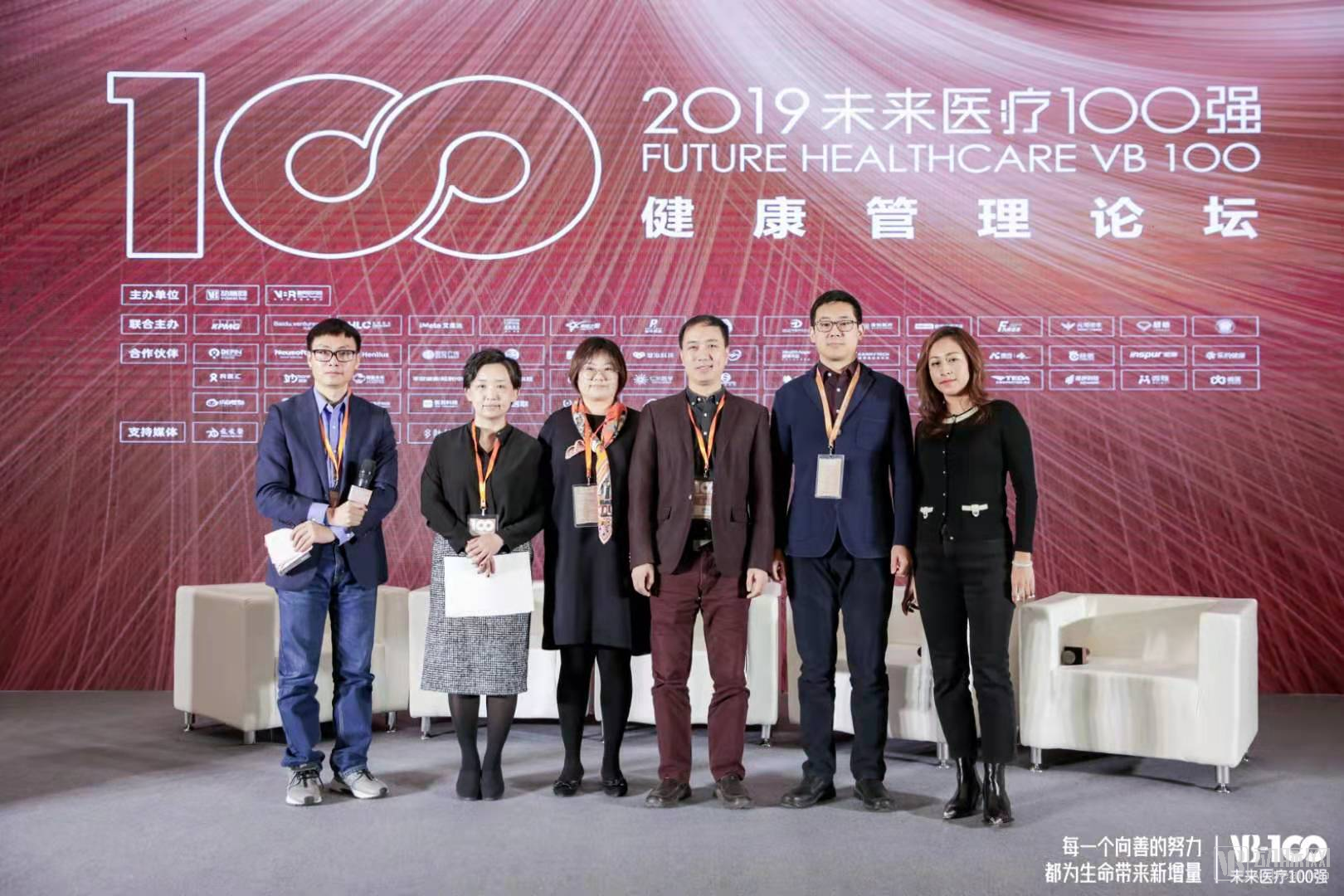
On December 20, 2019, the 2019 Future Healthcare Top 100 Conference, themed “New Growth in Life,” kicked off at the Jiuhua Mountain Resort in Beijing. The conference comprehensively analyzed development trends in the future healthcare industry by examining various factors, including the policy environment, technological landscape, and demand potential, thereby driving innovation and transformation within the healthcare sector.
Organized by VCBeat and Eggshell Institute, the conference was co-hosted by KPMG China, Legend Capital, BV Baidu Ventures, Weilai Capital, Puhua Capital, Tsinghua Nomura China Research Center, Changling Capital, Legend Star, Yuanjing Capital, the Internet Hospital Branch of the Chinese Association of Research Medical Schools, Aimeda, and Zero2IPO Capital.
In recent years, an increasing number of investors, investment funds, and entrepreneurs have entered the health management sector. However, the industry continues to face several challenges: Has there been any improvement in terms of payers and funding sources for health management services? Have users’ health management awareness and adherence improved? Have the professionalism and efficiency of health management practitioners enhanced?
At the Health Management Forum, a sub-forum of the Future Healthcare Top 100, seven industry elites and investment experts from the health management sector—Liang Jialin, Secretary-General of the Value-Based Healthcare (China) Expert Committee and Visiting Mentor at Shanghai Jiao Tong University School of Medicine; Wu Liuxin, Dean of the Zhongguancun New Zhiyuan Health Management Research Institute; Li Yuxin, Chairman of Health Benefit; Li Ying, Co-founder and President of Jiayou Health; Jin Lei, Founder of Jianjian Family Doctor; Zhang Dan, Founder of Chengyi Jiaren; and Zhao Yang, Partner at Weilai Capital—engaged in in-depth discussions on topics including development trends, investment directions, and grassroots innovative practices in the field of health management.
Liang Jialin: Building a Value-Based Health Services Ecosystem
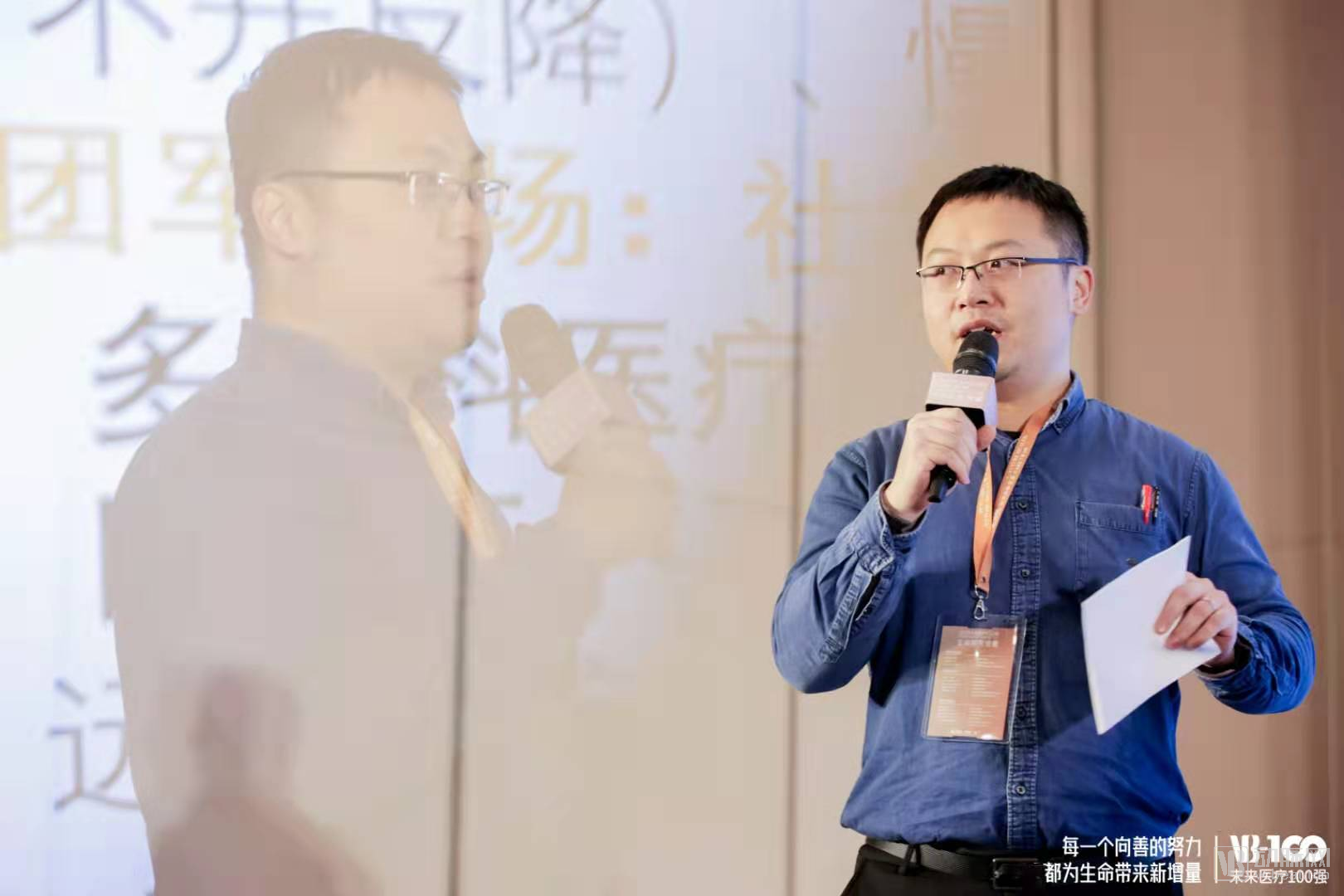 Executive Director, China Center for Value-Based Healthcare Research
Liang Jialin, Visiting Mentor at Shanghai Jiao Tong University School of Medicine
Faced with dual pressures from policy and industry, the traditional “dam-style” healthcare institutions are struggling to sustain operations. Although this model has survived successfully in public hospitals for many years, its profit-margin-driven structure has remained unchanged. This profit-margin model encompasses three dimensions: logistics, capital flow, and talent flow. Can this model continue to develop in its current form? We will analyze this question from four perspectives:
First, the engine in the new normal. Now that various engines have stalled, attention has shifted to traditional livelihood sectors. Two developments this year deserve close attention:
1. In addition to public healthcare, privately-run medical institutions have established their own medical consortiums. Within these consortiums, services such as two-way patient referrals, multi-site practice, group purchasing, mutual recognition of test results, and telemedicine are available. The National Health Commission oversees privately-run medical institutions through the National Quality Control Platform under the Bureau of Medical Administration and Hospital Management.
2. The National Healthcare Security Administration is promoting the “4+7” volume-based procurement program nationwide this year. Previously, privately run medical institutions were not included in the scope of procurement and pricing; now, they are jointly included with public medical institutions in the National Centralized Drug Procurement and Usage Pilot Program (hereinafter referred to as the “National Procurement Pilot”), thereby gaining access to the lowest national prices for winning bid drugs.
SecondAs a standalone public medical institution, you face competitors that are not only more powerful but also more sophisticated. In the past, your rivals were grassroots groups such as barefoot doctors and “folk masters”; today, they have become central state-owned enterprises and comprehensive financial holding groups. Furthermore, while we once believed that the internet sector could not effectively penetrate healthcare, a comprehensive health ecosystem has now emerged under large conglomerates, integrating medical cloud and health insurance cloud services (or, in other words, health insurance informatization and medical informatization). Thus, we observe that the strategies employed by these health service ecosystems constitute a dimensional strike against standalone medical institutions.
Third, we must use the hand of administration to break the old equilibrium and the hand of the market to establish a new one. Returning to today’s theme, what does “ecosystem-based” mean for ecosystem-based health service institutions? I have summarized five aspects: ① from single-center to multi-center; ② intra-industry competition and inter-industry collaboration; ③ from inbreeding to cross-boundary integration; ④ from the “cash cow” model to the “tea picker” model; ⑤ shifting from avoiding risks under high-pressure policies to agile iteration and dynamic equilibrium.
Fourth, so how can we build an ecosystem-oriented health service organization? There are also five key points:
1. Break away from the traditional institutional framework and return to the platform-based model. Whether public hospitals or older private healthcare institutions, they should establish their own ecological strategy committees, led by hospital leadership.
2. Coordinate ecological resources and centralize partnership management. This requires a unified interface department, which can enhance the healthcare system for internal medical departments and lower the entry barriers for innovative technologies externally.
3. Extend the service chain and unlock human resource potential. It is recommended that, building upon the national policy of “Two Permissibles” for public hospitals, a “Three Permissibles” framework be further implemented: (1) Permit personnel in non-saturated positions to retain their established posts while suspending active duty to pursue internal entrepreneurship; (2) Permit chief physicians to manage operational teams without bearing responsibility for sales targets; (3) Permit external teams to manage non-clinical projects.
4. Comprehensive Digital Transformation: Increasing Revenue, Reducing Expenditures, and Enhancing Efficiency. Hospitals Must Establish a Digital Health Coordination Mechanism.
5. Implement precise strategic communication to secure policy support. We must promote “shared healthcare reform,” foster a shared policy network, and ensure the sharing of reform outcomes.
Wu Liuxin: Trends and Forecasts in Health Management and the Development of the Health Industry
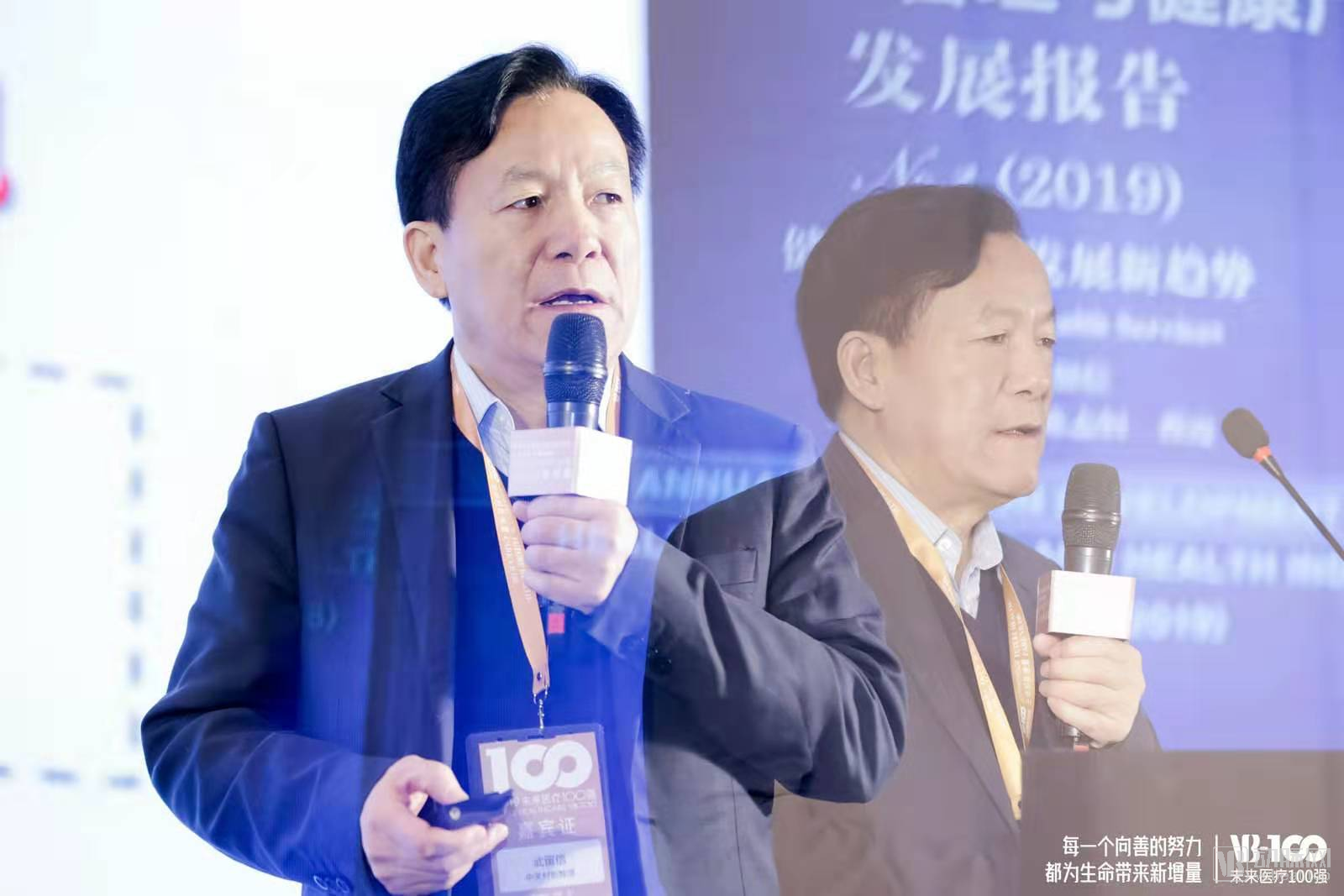 Wu Liuxin, Dean of the Zhongguancun New Zhiyuan Health Management Research Institute
What is the new definition of the health industry?
Let us first revisit the state of our health industry and health management in 2019, and then conduct a comprehensive review of the major trends.
First, what exactly is the scope of the health industry? In 2019, the National Bureau of Statistics defined the concept of the health industry from an economic statistical perspective, delineating its boundaries to include five major categories in health manufacturing and eight major categories in health services. These constitute the current industrial classification of China’s national health industry.
Secondly, the number of medical consultations in China reached a new high in 2018. I predict that the national volume of medical consultations will exceed 8.5 billion in 2019. With the need to shift prevention efforts upstream, health management and related industries hold significant promise. Furthermore, China has a population of 250 million elderly individuals, and elderly health is receiving unprecedented attention. All these factors must be translated into industrial action; therefore, more than ten ministries and commissions, including the National Development and Reform Commission (NDRC), have announced ten major projects to promote the development of the health industry, with high-quality health management services emerging as a key focus.
What Are the New Trends and Experiences in Health Management and the Health Industry?
In our Blue Book on Health Management, we summarize six major trends in the health industry: more comprehensive policies, more systematic services, more mature business formats, more innovative models, smarter products, and more precise technologies.
What Are the New Business Models and Emerging Perspectives in Health Management and the Health Industry?
Internationalization of medical and healthcare retail, group-based multi-site practice (for physicians), integration of medical rehabilitation into security systems, customization of health checkups, fashionable tourism-health services, ecosystem-driven healthy real estate services, specialized chronic disease management, widespread adoption of “Internet+” medical and healthcare services, and intelligent traditional Chinese medicine (TCM) health services, among others.
What are the current issues facing health management and the health industry?
The phenomenon of “medical consortiums” siphoning off patients from primary care institutions is prominent; there are still relatively few achievements in health technology innovation; a shortage of health management talent has become a bottleneck; the new retail model for medical and health services lacks national policy support; and barriers to the development of commercial health insurance persist, among other issues.
Forecast for China's Health Management and Health Industry
Ultimately, in my view, the high-quality development of the health service industry will become the mainstream business model of the modern service sector and a pillar industry of the new economy; the smart development of the elderly health industry will lead the growth of the modern health industry; the intelligent development of health management services will emerge as a new business model for novel health services; innovative development in health technology services will drive the digital health economy; the global expansion of Traditional Chinese Medicine (TCM) health services will shape new trends in the global health industry; the networked development of health tourism will become a new growth point for China’s economy; and the chain-based development of the health insurance industry will serve as a critical support for the growth of the health industry.
Health Benefits Li Yuxin: AI First · Symbiosis and Win-Win
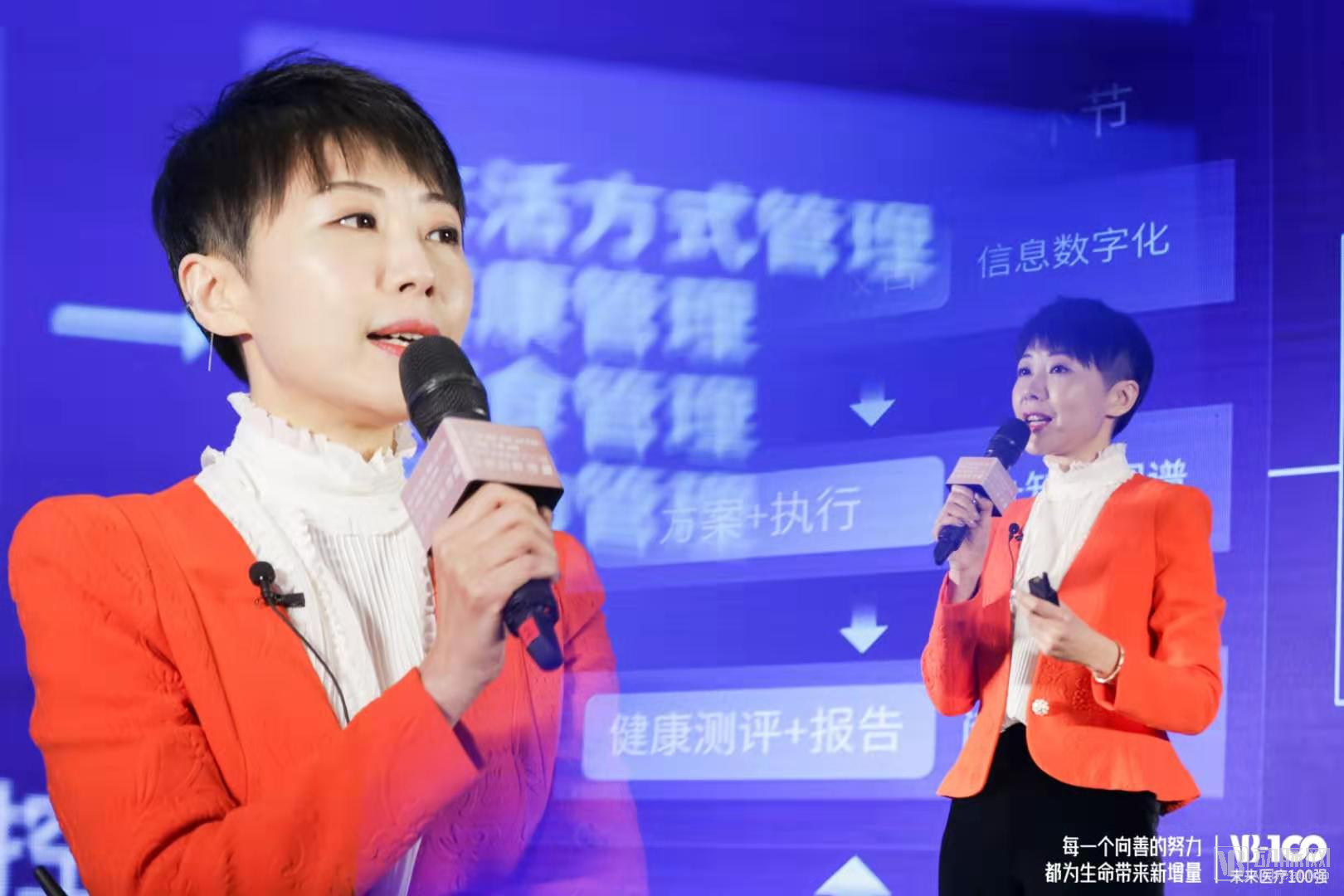 Li Yuxin, Chairman of Health Benefits
Since its founding in 2014, Health Benefits has spent five years exploring and remaining steadfastly focused on the field of “Artificial Intelligence + Health Management.” We pioneered the creation of China’s largest knowledge graph for health management. By leveraging core AI technologies—including 3D reconstruction, image recognition, pose estimation, and Natural Language Processing (NLP)—and integrating our proprietary BTCM professional theory, we have developed the “ego” Smart Healthcare Brain. This innovation has established a unique closed-loop system for health management, encompassing health assessment and reporting, health plan formulation and execution, and follow-up assessment and reporting. Furthermore, we have built Health AI, an open platform for core AI + health management technologies. We are committed to providing AI-driven healthcare services to twelve major population groups, including healthy individuals, those in sub-optimal health status, patients with chronic diseases, and postpartum women, thereby empowering the entire healthcare industry with technological innovation.
From a macro perspective, industry insiders recognize that without health management, China will face immense pressure on its medical and elderly care systems in the future. To implement the Healthy China Initiative and promote the high-quality development of the health industry, Health Youyi plans to launch an individual-focused health product in early 2020, tentatively codenamed “Health Life – Member Health Plan C.” Targeting users’ health data trajectories, this plan comprehensively intervenes in and manages the health of individuals who are healthy, sub-healthy, or suffering from chronic diseases. It covers health assessment, risk evaluation, personal record-keeping, AI assistance, personalized solutions, targeted management, indicator control, indicator reduction, and quality-of-life improvement. By establishing a core closed-loop system for multi-dimensional health management—encompassing disease prediction, daily health management, and disease indicator management—the plan aims to precisely prevent, treat, and improve chronic diseases associated with members’ unhealthy lifestyle habits.
With the advent of the digital economy era, digitalization and intelligence are inevitable trends for the long-term development of the health industry. Data from all related IoT devices may converge, including physical health data, daily behavioral data, and consumer data. These data will constitute the true competitive advantage in the future. Although the “AI + Health” sector emerged several years ago, it is only now, with the arrival of the digital economy era, that its true potential is beginning to unfold. In 2020, 5G will see large-scale commercial deployment, and the health industry, combined with emerging consumer demands, may generate superimposed, aggregative, and multiplicative effects, thereby accelerating the stimulation of market vitality.
In the future, we will respond to the call of the “Healthy China 2030” Outline, seize new opportunities presented by the “digital economy,” and contribute to building a harmonious and healthy society. We will actively foster new business models in health management services, promote technological innovation in healthcare, and work together to create a symbiotic and win-win landscape for the health industry.
Li Ying of Home Health: An Innovative Business Model for Real Estate and Healthcare
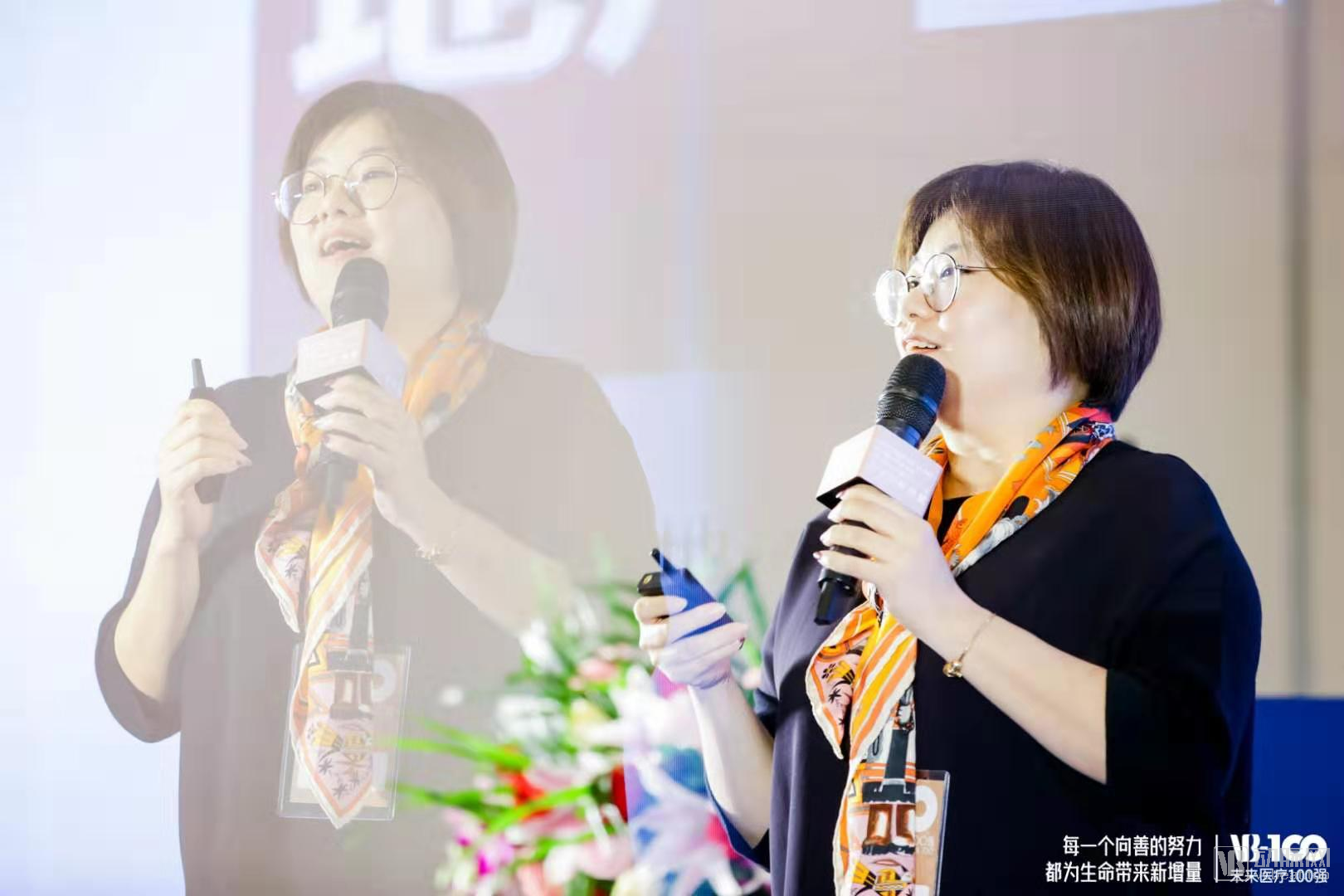 Li Ying, Co-founder and President of Jia You Jian Kang
Jiayou Health is a chain medical institution that provides comprehensive health management services based on real estate. The project’s positioning can be described with three labels:Community Healthcare、Real Estate Healthcare、Preventive Medicine。
Community healthcare serves as a critical entry point in the health management landscape. How can health management sustain itself within community settings? Close integration with the real estate sector presents a significant opportunity. By partnering with the real estate industry, medical institutions can achieve cost savings on rent and labor. Furthermore, the geographic advantage of medical facilities within communities, combined with collaborative efforts with property management, can meet residents’ diverse needs for emergency care and health management, thereby rapidly building trust and engagement among community members. Thirdly, for real estate developers, incorporating health management concepts into project offerings adds value to their services, creating a win-win situation that enhances both property marketing and the brand equity of outpatient clinics.
Preventive medicine is one of the key directions for future health management and a significant source of revenue for Jiayou Health clinics. In the operation of Jiayou Health, basic medical services account for 30-35%, while preventive medicine accounts for as high as 65%-70%. All business activities of Jiayou Health are guided by the philosophy of preventive medicine. By leveraging eight major community-based proactive prevention systems—including health education lectures, free community medical consultations, home environmental risk assessment and mitigation, food and water quality safety monitoring, disease screening, community morning exercises, in-home dust mite removal, and rehabilitative exercise programs—as well as proactive home visits by family doctors, Jiayou Health provides comprehensive family doctor health management services that cover the entire life cycle of community residents. Additionally, the clinics offer specialized service modules such as a Children’s Health Management Center, a Traditional Chinese Medicine (TCM) Wellness Center, a Youth-Oriented Medical Aesthetics Center, and a Telemedicine Center to address the diverse health management needs of different family members. These initiatives aim to gradually shift public perceptions of healthcare, encouraging people to fall ill less frequently or even remain disease-free.
Not limited to offline outpatient services, Jiayou Health leverages smart products and systems across multiple scenarios to deliver standardized, comprehensive health stewardship services to community residents. In home settings, residents can connect with physicians in real time via smart family doctor video terminals to assess their health status. During community activities, smart micro-clinics provide one-stop services for consultation, testing, and medication dispensing. Medical records from daily visits are continuously tracked and entered into the Health Information System (HIS) by contracted family doctors. Health data collected from various scenarios is aggregated onto a management platform to enable precise health management.
Health management is akin to wealth management: only when there is a profound level of trust between physicians and residents will community members entrust professionals with managing their health, thereby enabling healthcare institutions to truly integrate the concept of health management into residents’ health consciousness.
Jin Lei from Jianjian Family Doctor: Boosting Efficiency and Empowering Family Doctors Starts with the “Three Standardizations”
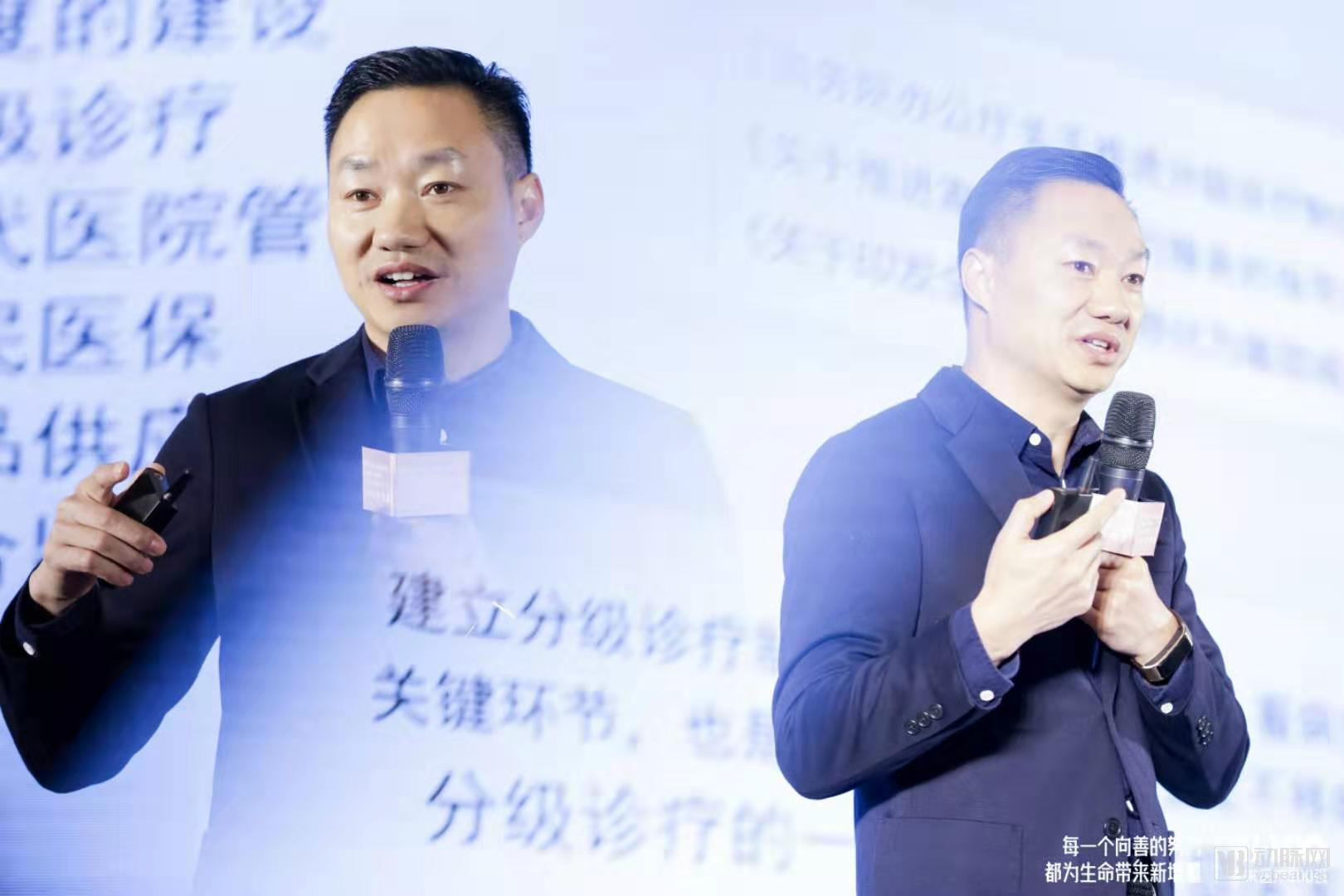 Jin Lei, Founder of Jianjian Family Doctor
Tiered diagnosis and treatment is the top priority of the new round of healthcare reform, with its primary connotation being initial consultation at the primary care level. Therefore, we believe that primary care is the main battlefield of this round of healthcare reform, and family doctors are the key players.
The policy on tiered diagnosis and treatment was introduced earlier than the family doctor system, but it was not effectively implemented, as patients still flocked to large hospitals when ill. In 2016, the National Healthcare Reform Office and six other ministries issued guidelines on family doctor contracting, requiring primary care physicians to enroll residents under family doctor contracts and provide differentiated services tailored to various population groups.
The state also hopes that, through such contractual arrangements, a strong connection will be established between primary care providers and residents. In this way, residents will think of their family doctors first when they fall ill, thereby effectively promoting the implementation of initial consultations at the primary care level.
In the past two years, the state has intensively issued numerous policies concerning family doctors, shifting the focus from pursuing contract signing rates to enhancing service efficiency, with a requirement that family doctors deliver services effectively. Currently, the state has implemented various subsidy policies for family doctor and public health services. For instance, the per capita annual funding for basic public health services was raised to RMB 69 in 2019, resulting in a national budget of nearly RMB 100 billion (excluding matching subsidies provided by local governments).
So, how exactly can we enhance efficiency and empower primary healthcare? In fact, the challenges at the primary level can be summarized in four Chinese characters: “few staff, heavy workload.” Through three years of grassroots engagement, we have developed a “Three-Modernizations” empowerment model.
First, we help family doctors address issues of efficiency and standardization by digitizing their workflows. Second, we enhance the efficiency and capacity of primary healthcare institutions in delivering health management services by intelligentizing their medical equipment. Third, we provide professional services to these institutions, particularly health check-up services for the elderly, to help standardize their service offerings and improve both service quality and scale.
Currently, over 10,000 family doctors are using our products and services. We are committed to becoming a leading provider of family doctor services, bringing smarter healthcare solutions into every household.
Orange Family’s Zhang Dan: Practical Applications of the Medical Internet of Things in Chronic Disease Management
 Zhang Dan, Founder of Chengyi Jiaren
Chengyi Jia Ren entered the health management field through sleep and respiration, while health management for chronic diseases mainly encounters the following issues: 1.Validity of Monitoring Data; 2.Precise Management of Health RecordsIII.Online Health Interventions and Outcome Evaluation。
Chengyi Jiaren provides a comprehensive cloud-based solution that leverages at-home diagnostic data collection to enable automated cloud analytics and automated cloud-based health management services. Focusing on key indicators related to hypertension, sleep disorders, and cardiovascular and cerebrovascular diseases, it designs tailored health checkup packages to support chronic disease management within this integrated framework.
We have adopted several approaches to manage health checkup reports: first, a calendar-based management model; second, a cyclical management approach spanning three consecutive months. Upon receiving the reports, we promptly provide users with feedback on any abnormal findings, ensuring that changes in health indicators are immediately visible and enabling the prediction of disease trends. Meanwhile, we offer personalized recommendations related to dietary adjustments, lifestyle improvements, and medical consultations, thereby delivering a comprehensive and holistic report.
After users obtain their reports, we provide AI-powered online interpretation, enabling artificial intelligence to answer any questions users may have.
Currently, for the prevention and control of chronic diseases, Chengyi has become an effective approach to chronic disease management by leveraging technologies such as the Internet of Things (IoT) to enable remote monitoring and timely intervention. The application of IoT technology facilitates continuous home-based data collection and real-time dynamic monitoring of health status, thereby supporting precise management of chronic conditions. Meanwhile, Chengyi Cloud Services support diversified storage and trend analysis of health data, enabling patients and physicians to rapidly assess treatment efficacy and make informed decisions regarding subsequent therapeutic steps.
Zhao Yang of Weilai Capital: Interpreting Venture Capital Trends in Health Management Services
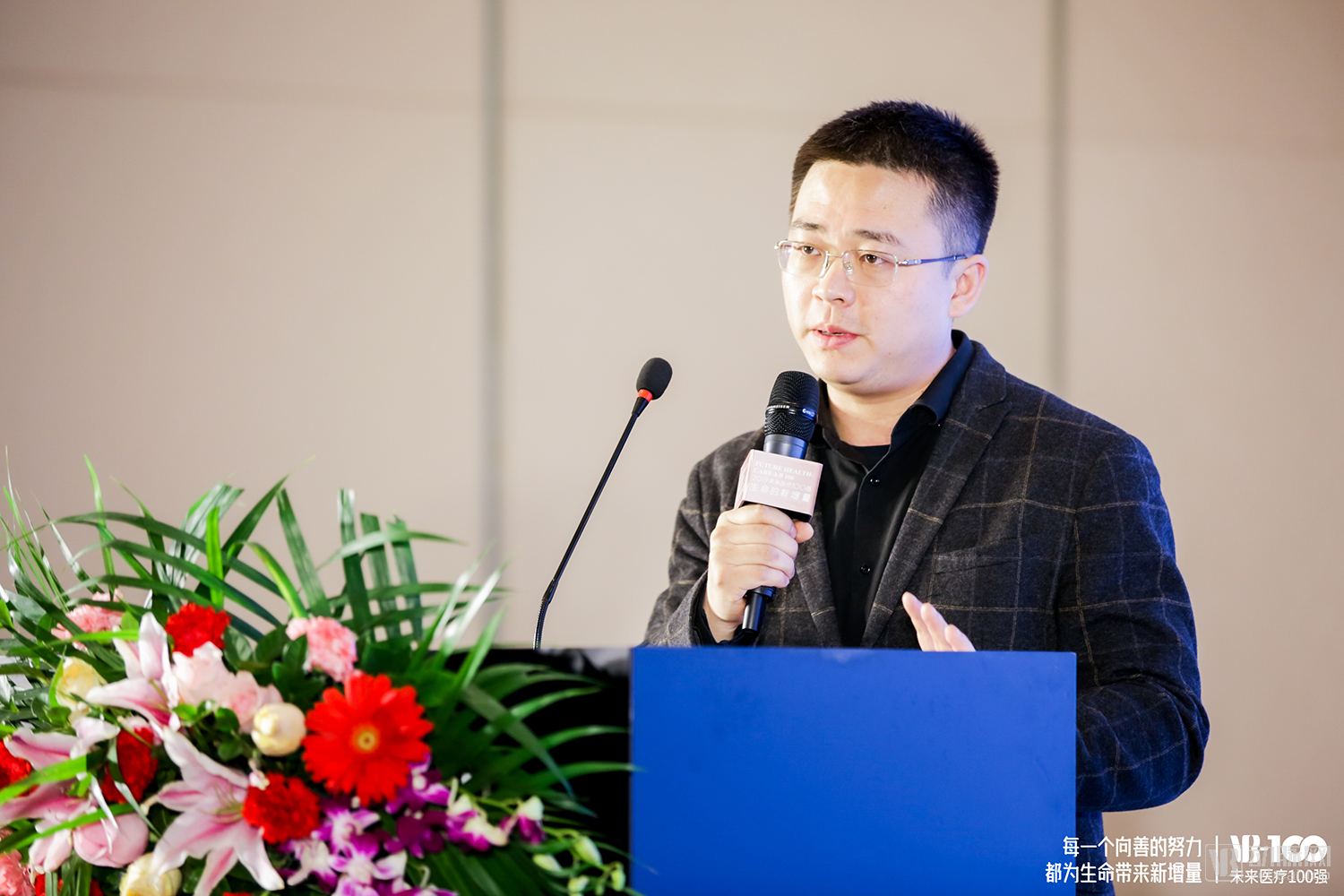 Zhao Yang, Partner at Weilai Capital
Weilai Capital is a private equity fund focused on consumer healthcare and innovative consumer sectors. Given our investment focus, we are a cross-sector fund spanning consumption and healthcare; therefore, our investments in the medical industry are primarily centered around the out-of-hospital consumer healthcare market.
Three key terms define consumer healthcare: “non-covered by medical insurance,” “user participation,” and “high interactivity.”
Non-Medicare: The payers for medical products and services are not the national health insurance, but rather individuals, corporate users, or commercial insurance.
User Engagement: In the specialized segments of healthcare, demand-side stakeholders exert greater involvement and decision-making authority in the selection and procurement of medical solutions. Consequently, patient education and patient experience occupy the top priority in corporate value hierarchies.
Strong Interactivity: With the primary goal of enhancing patient interaction and adherence, we believe that high-frequency, high-quality interactions constitute the core value of healthcare management services and form the foundation for improving profitability and achieving sustainable growth.
From a macro perspective, I believe the trend toward consumerization in comprehensive health management will continue, with its consumer-oriented attributes becoming increasingly pronounced. Chinese consumer goods companies have evolved from an early focus on traffic acquisition to content operations, and subsequently to the cultivation of private-domain traffic. Similarly, e-commerce has undergone a model evolution from traditional e-commerce to traffic-driven e-commerce, then to content-based e-commerce, and finally to mindshare-brand e-commerce.
There are many established models and strategies for guiding consumers into specific scenarios, facilitating purchase decisions, and continuously maintaining and operating user relationships. This is precisely what health management service companies should learn from. The first step for health management services to integrate into the consumer market is to deconstruct our traditional value chain using the logic of the consumer market, and to re-examine our industry through the framework of “products, customers, and scenarios.”
To assess a company’s competitive advantage, its ability to generate excess profits, and its capacity to sustain continuous growth, we employ a foundational evaluation model focusing on three key metrics: corporate cash flow, capability in scenario construction, and the potential for synergy between service/payment endpoints and the supply chain. These three metrics translate into four core operational priorities: 1. How to acquire customers? 2. How to enhance user retention and drive repeat purchases? 3. How to achieve sustained growth? 4. How to optimize profit margins?
We attempt to analyze these issues using the framework of “people, goods, and premises” plus payment.
1) Traffic suitable for medical services is certainly not found on existing consumer platforms such as Dianping and Meituan. The reasons are as follows: ① The “blockbuster product” strategy is unworkable, because the threshold for establishing user trust in medical services is too high, making it difficult to achieve user retention through short-term services. ② Consumer-grade platforms lack the professional attributes required for healthcare and medicine. ③ The gross margins, average transaction values, and repurchase rates of medical services are insufficient to cover the costs of traffic acquisition.
2) User needs are hierarchical, with the most fundamental need being payment for and access to effective medical services. In my view, three types of enterprises in the industry are particularly well-suited for collaboration with our healthcare company: first, commercial insurance companies; second, pharmaceutical companies; and third, public hospitals, as they already possess a substantial user base.
3) There are new opportunities on the traffic front, such as prescription outflow and cross-industry traffic. Adjustments should be made to customer acquisition strategies, shifting the focus from local lifestyle platforms to collaborations with commercial health insurers or deep partnerships with cross-industry players that share overlapping patient populations.