

Six Industry Insiders Reflect on the Past Five Years of China's Aesthetic Medicine Sector and Explore Its Future
After an initial phase of extensive development, China’s medical aesthetics services industry has recently entered a period of rapid growth since 2010. According to a Frost & Sullivan report, the size of China’s formal medical aesthetics market increased from RMB 52.1 billion in 2014 to RMB 121.7 billion in 2018, surpassing the informal medical aesthetics market for the first time in 2016. The formal medical aesthetics market is projected to reach RMB 152.1 billion in 2019, with a compound annual growth rate (CAGR) of 23.6% from 2014 to 2018. From 2018 to 2023, the formal medical aesthetics market is expected to grow at a CAGR of 24.2%, reaching RMB 360.1 billion by 2023.
The primary drivers of growth in the medical aesthetics market are increasingly younger consumers willing to increase spending on minimally invasive procedures, as well as a trend toward younger demographics seeking anti-aging therapies.
It is no exaggeration to describe the development of the medical aesthetics industry over the past five years as “explosive” growth. Continuous innovations in technology and business models have reshaped both upstream and downstream segments of the industry chain, giving rise to a cohort of leading enterprises. Taking So-Young as an example, over the past five years, the company has been committed to establishing a mutually beneficial framework for all stakeholders, positioning itself as a builder of foundational infrastructure for the industry. On May 2, 2019, So-Young, an internet-based consumer healthcare technology platform, listed on the NASDAQ, marking a milestone event in the development of the medical aesthetics sector. This listing signifies market recognition of So-Young’s business model and holds substantial significance for the entire internet-enabled medical aesthetics industry.
At present, a large number of domestic medical aesthetics startups, having achieved breakthroughs in specific niche areas, have begun to strategically position themselves across the upstream and downstream segments of the industrial chain. By aggregating all identified business growth points derived from their existing resources and capabilities, they are seeking new growth curves. Over the next five years, the medical aesthetics industry is likely to enter a phase characterized by genuine innovation in technology, products, and services, aimed at achieving substantial and tangible business growth.
 SoYoung Aesthetic Medicine Gala: “The Past Five Years of Aesthetic Medicine”
On December 22, 2019, the 5th So-Young Asia-Pacific Aesthetic Medicine Awards Ceremony was successfully held in Beijing. Following previous themes such as “Openness” and “Insight,” this year’s So-Young Aesthetic Medicine Gala adopted the theme “The Past Five Years of Aesthetic Medicine,” jointly reviewing the industry’s formative years over the past half-decade while looking ahead to explore its future direction.
“Statistical data shows that one in four young women in South Korea has undergone medical aesthetic treatments. In China, medical aesthetics is fashionable in first- and second-tier cities, but the penetration rate remains at a relatively early stage in third- and fourth-tier cities. Over the next 5 to 10 years, as more high-quality industry practitioners join the field and consumers’ understanding of the sector continues to improve, the industry will increasingly become mainstream. There is still significant room for growth,” stated Jin Xing, Chairman and CEO of SoYoung.
Medical Aesthetics Enters the Public Spotlight as Industry Accelerates Standardization and Giants Rush In. Across the entire medical aesthetics supply chain—whether upstream pharmaceutical and consumable manufacturers, midstream service providers, or downstream distribution channels—companies are strengthening their core competencies against the backdrop of a capital winter. To summarize the development of the medical aesthetics industry over the past five years and to forecast future trends, we interviewed industry insiders, including Jin Xing, Chairman and CEO of So-Young. Here, they share their perspectives on “The Past Five Years in Medical Aesthetics” and predict the direction of the industry’s next phase.
The Inaugural Year of the Consumer Healthcare Industrial Internet Platform
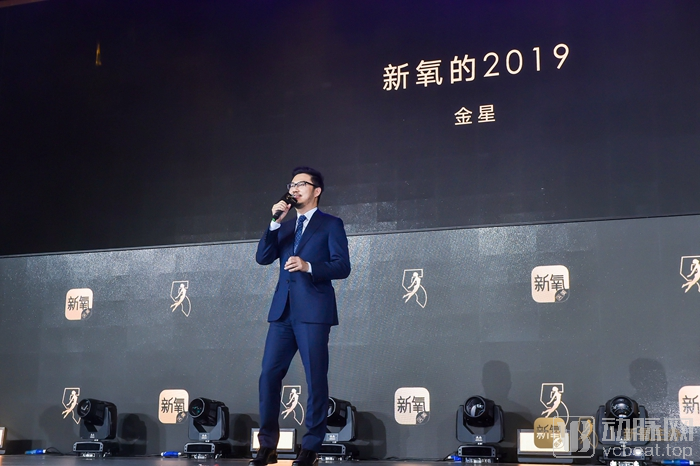
Jin Xing, Chairman and CEO of So-Young
Over the past five years, So-Young’s greatest contribution to the industry has been driving a shift in public perception of medical aesthetics, which has laid the foundation for the sector’s rapid growth. Five years ago, medical aesthetics was a distant topic for most people. Today, at least among young women in first- and second-tier cities, there is no longer an automatic aversion to cosmetic procedures; instead, the general public holds a more objective and rational understanding of medical aesthetics.
Examining Changes in the Medical Aesthetics Industry from the Perspectives of Demand and Supply: On the demand side, there have been significant shifts in consumer demographics, including age, educational background, spending power, and industry awareness. On the supply side, clinics are undergoing a process of natural selection, with ineffective marketing tactics gradually losing their impact.
I believe the fundamental reason So-Young has gained recognition from industry insiders is its transformation of the established rules. Traditional customer acquisition for medical institutions relies heavily on marketing budgets; those with greater financial resources can execute large-scale online and offline advertising campaigns, thereby capturing more attention. This dynamic has forced physicians with specialized technical expertise but limited capital to operate small clinics in remote areas, relying primarily on repeat customers. On So-Young, however, doctors can establish direct connections with consumers at a very low cost, accumulate patient reviews, and build their personal professional brand (IP).
Five years ago, very few doctors were willing to spend time interacting with online users. Today, a growing number of doctors are embracing vivid and direct communication with consumers, sharing content that spans professional medical knowledge as well as lifestyle and aesthetic insights. SoYoung provides doctors with comprehensive self-media content creation tools and distribution platforms—including live streaming, short videos, and video consultations—to help them build their personal brands.
Looking back on the past year, first, So-Young’s initial public offering made it the first globally listed internet-based medical aesthetics platform, signifying global capital markets’ recognition of China’s medical aesthetics industry. Second, the So-Young brand has gradually expanded its reach, penetrating from first-tier cities into new first-tier and second-tier cities, and extending from medical aesthetics into other consumer healthcare sectors such as dentistry, health check-ups, and dermatology. Third, centered on empowering physicians, we have launched online features including physician Q&A, live streaming, video consultations, short videos, and a dedicated clinician app; offline, we have begun investing in shared hospitals to provide surgical facilities for these physicians.
From my personal perspective, the entire medical aesthetics industry entered a fast lane starting in 2013. This is because the post-90s generation holds no conceptual resistance to medical aesthetics and is willing to leverage technology to enhance their appearance. As this cohort entered the workforce and gained disposable income, it accelerated the maturation of China’s medical aesthetics market.
"Even before founding SoYoung, I firmly believed that the medical aesthetics and consumer healthcare industries held immense growth potential in China. It was as if I had stumbled upon a treasure trove by chance and felt an urgent desire to unearth it as quickly as possible. Over the past six years, I have been driven by a profound sense of excitement."
Five years ago, the company’s goal was to become the largest traffic gateway in the industry, a target that was achieved last year. Our future development goal is to become the largest industrial internet platform in the entire consumer healthcare sector, deeply integrating into the industry to enhance operational efficiency and reduce costs. The past five years have been merely the beginning; the consumer healthcare sector is poised for hundreds- to thousands-fold growth in the future. This is because our scope extends beyond cosmetic surgery—our ultimate aim is to make people’s lives better.
An increasing number of companies, including some large corporations, are entering the medical aesthetics sector, as the value of this field is finally being discovered and recognized by a growing number of people. For us, this certainly brings competitive pressure; however, it is also a positive development. Only with the participation of numerous companies can the industry mature more rapidly and accelerate the shift in consumer awareness.
The ultimate improvement of the medical aesthetics industry will not be driven by SoYoung alone. It will require the collective effort of numerous internet companies and forward-thinking professionals within the industry who share the conviction that this is the right path and a promising sector, working together to bring about transformative change.
Talent Shortage in the Industry Puts Quality Control on the Agenda
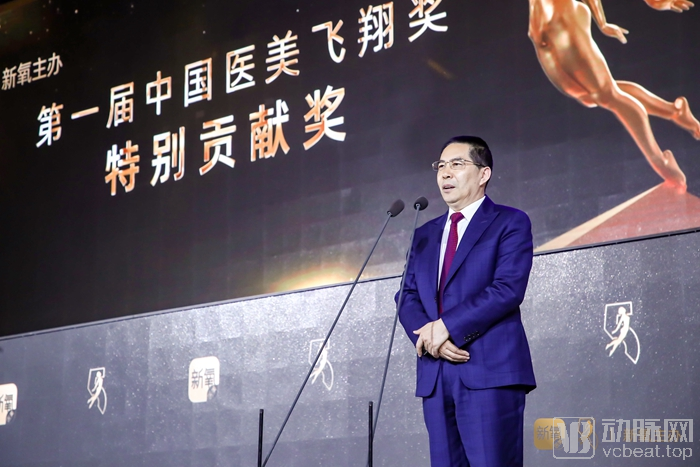
Li Shirong, Chairman of the Chinese Society of Aesthetic Medicine
I have witnessed the complete trajectory of China’s private healthcare institutions, from their nascent stages and initial steps to their development and eventual prominence. In terms of growth rate, the medical aesthetics industry has performed relatively well compared to other sectors; however, given the intense competition, I believe we should no longer seek external or objective excuses. Market competition is fundamentally a contest of products, technology, and services—a playing field that is fair for all participants.
Some medical institutions in the market have been advocating for service-oriented approaches for many years. However, I do not endorse certain practices they employ, such as inviting prospective aesthetic patients to their clinics for coffee and small gifts, engaging in consultations and discussions, and ultimately proceeding with surgical procedures.
The most pressing issue at present remains the risk associated with quality. Therefore, I advocate that all institutions return to the essence of healthcare. If high-quality services can be provided to patients, there is no need to resort to gestures such as treating them to coffee to ensure their satisfaction.
In recent years, medical aesthetics consumption in China has risen significantly. However, our hospital faces a severe shortage of qualified professionals. In some institutions, physicians performing procedures are not even specialized in plastic and cosmetic surgery; after merely a few weeks of training, they proceed to perform surgeries such as double eyelid plasty and rhinoplasty on patients. Consequently, the government is establishing quality control centers, which are currently in the feasibility study phase.
Returning to the Essence of Medicine: The Dawn of a New Era for the Medical Aesthetics Industry
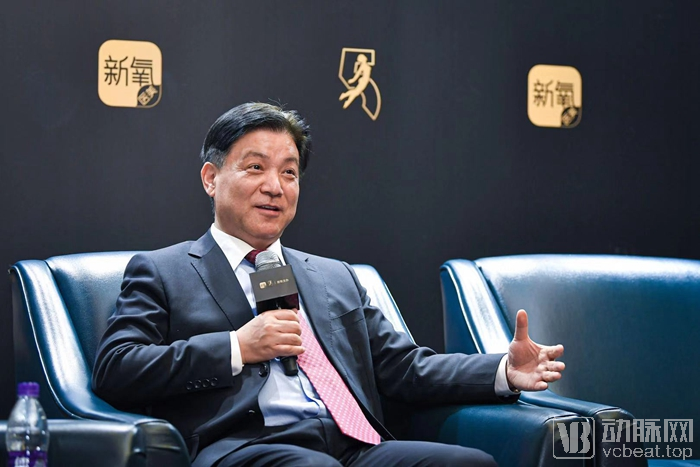
Jiang Hua, President of the Aesthetic and Plastic Surgery Branch of the Chinese Medical Doctor Association
In 1985, I graduated from university and became a plastic surgeon. At that time, the field of plastic surgery in China was quite underdeveloped, with few institutions, limited hospital beds, and a shortage of physicians. In the early days, we primarily performed three aesthetic procedures: double eyelid surgery, rhinoplasty, and dermabrasion for acne scarring. Many doctors would observe each double eyelid procedure. The transformation of Chinese eyes to resemble those of Caucasians was considered novel and intriguing.
Over the past three decades, people’s aesthetic preferences and demands have gradually converged with Western standards. On the other hand, my overall impression is that the medical aesthetics industry has developed at an exceedingly rapid pace. Just how fast?
First, a significant expansion in scale. In the past, there were only a few medical institutions; now, each city has dozens or even hundreds of them;
Second, there has been a dramatic increase in the number of practitioners. This includes doctors, nurses, operations staff, sales personnel, and others, growing from one to two hundred people more than three decades ago to a workforce now numbering in the millions;
Third, the patient population is expanding. Previously, individuals seeking cosmetic and plastic surgery across China predominantly chose to receive treatment in first-tier cities such as Beijing and Shanghai, resulting in a limited total patient volume. Currently, with numerous medical institutions available throughout the country, the number of patients continues to rise rapidly, and China’s market size is now ranked second globally.
Fourth, the level of professional technical expertise has improved. Procedures now considered simple were once significant medical challenges. Physicians’ professional technical capabilities have been extended and expanded, with rapid progress achieved.
These aspects illustrate the rapid development of the medical aesthetics industry. Meanwhile, we must clearly recognize that many problems still persist. This year, there have been widespread reports of declining economic benefits in the medical aesthetics sector. Where does the problem lie? It stems from the fact that private medical institutions have primarily adopted an assembly-line operational model, which was viable in the past. However, as people gain access to increasingly diverse information channels and information asymmetry becomes more transparent, future practices will inevitably center on physicians rather than relying on chain-like processes.
This year, I was elected President of the Aesthetic and Plastic Surgery Branch of the Chinese Medical Doctor Association, an industry-focused academic organization. Our primary responsibilities encompass the following key areas:
First, further strengthen academic exchanges to elevate the professional and technical standards of the entire industry;
Second, strengthen the continuing education and training of physicians. Medical practice is the core of the entire medical aesthetics industry; if physicians lack competence, they will not only fail to enhance patients’ appearance but may also pose safety risks.
Third, we must lead the development direction of the entire industry. For a long period in the past, private enterprises have played a central role in the growth of the medical aesthetics industry. While they have undoubtedly driven industry development, many issues have also emerged, requiring continuous guidance and standardization.
Furthermore, this year, the state has further strengthened regulatory oversight of medical institutions, intensified the scrutiny of physician qualifications, and imposed stricter controls on advertising. These represent three major trends for the future. The introduction of a series of regulatory measures aims to standardize medical aesthetic institutions. For the industry to thrive and develop, it must return to its core medical essence, requiring physicians with the highest level of professional technical expertise and top-tier operational teams.
Some believe that the medical aesthetics industry has entered its winter. On the contrary, I believe that a new spring for the industry is imminent. Only through this transformation can truly capable medical institutions and physicians better provide safe and effective services to those seeking aesthetic improvements.
The core drivers behind the continuous growth of the medical aesthetics industry remain products and services.
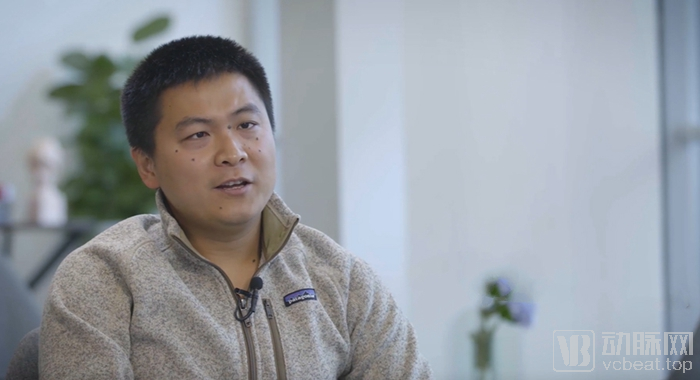
Wang Huadong, Partner at Matrix Partners China
Over the past five years, investors have held certain biases against the medical aesthetics industry. Many have expressed various concerns about the sector, with some capital providers perceiving it as carrying excessive risks.
In the medical aesthetics industry, tens of thousands to hundreds of thousands of consumers successfully complete aesthetic procedures each day, with only a small minority experiencing adverse events. However, some media outlets tend to selectively report on these incidents rather than presenting the full picture, which is indeed unfair to the medical aesthetics industry.
Following So-Young’s IPO this year, I spoke with several investors, many of whom acknowledged that they had indeed misjudged the industry. For So-Young, the focus going forward must be on safeguarding the authenticity of its structured review data and “Beauty Diaries,” while delivering more meticulous and in-depth service guarantees to medical institutions, physicians, and consumers, thereby providing a comprehensive, all-scenario user service experience.
We have been focusing on the medical aesthetics industry since 2013, and over the past five years, we have witnessed significant changes within this sector. The industry has historically suffered from severe information asymmetry, where consumers often ended up spending tens of thousands of yuan on procedures that should have cost only a few thousand yuan, resulting in a highly negative consumer experience.
The industry is far from reaching maturity; indeed, it remains in its nascent stage. Currently boasting a market size of hundreds of billions, I believe it has strong potential to grow into a trillion-dollar market in the future.
As for the future development trends of the industry, for any service sector, once it achieves sufficient scale, its later-stage growth relies on increasing product standardization and service refinement. Therefore, I believe that over the next five years, the core drivers sustaining continuous growth in the medical aesthetics industry will remain products and services.
Pronounced Upstream Consolidation Drives Industry Transparency
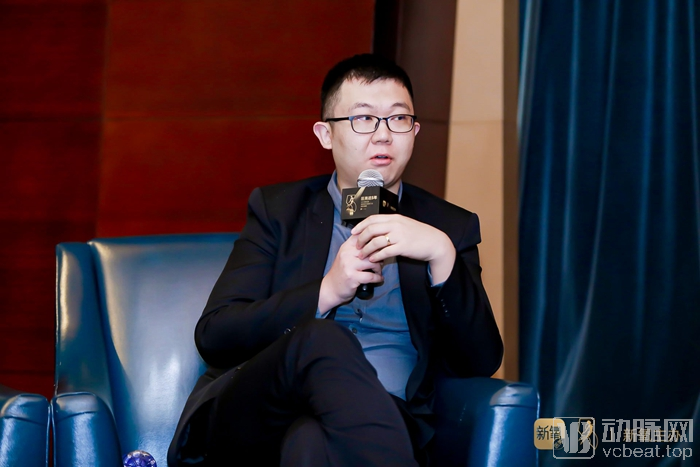
Wang Can, General Manager of the Medical Aesthetics Market at Bloomage Biotech
As a representative of the upstream industry, Bloomage Biotech’s main business revenue is primarily derived from three categories of products: raw materials, medical end-products, and functional skincare products. The most well-known among these are hyaluronic acid products.
Five years ago, consumers only recognized imported hyaluronic acid. Moreover, there was previously only one brand of hyaluronic acid available across China, with a unit price generally ranging from RMB 10,000 to RMB 20,000 per milliliter. It was a highly premium product accessible only to affluent individuals and even celebrities.
Today, from a professional perspective, domestically produced hyaluronic acid has surpassed imported products in certain characteristics. Hyaluronic acid has transformed from a premium product affordable only to the wealthy into an inclusive medical aesthetic product that is even accessible to students. This shift has been driven by third-party platforms, which have made channels for consumers to access hyaluronic acid more convenient and transparent. Consequently, during the period of most rapid growth for these platforms, specifically in 2015–2016, the growth rate peaked at approximately 200%.
The momentum of industry development provides a significant stimulus across the entire upstream, midstream, and downstream sectors. Data from this year’s Double 11 shopping festival shows that several platforms have consistently achieved annual growth rates exceeding 100%. The overall market registers a compound annual growth rate (CAGR) of 20% to 30%, with its size estimated at RMB 250 billion to RMB 300 billion.
Conversely, constraints on industry development also restrict the growth of upstream sectors. Transitioning from a phase of rapid expansion, the medical aesthetics sector currently maintains an annual growth rate of approximately 10%–20%. Barring the introduction of novel products and technologies, overall market growth is trending toward a relatively stable and moderate pace.
From a trend perspective, the obvious change in the upstream sector is consolidation, with continuous mergers and acquisitions leading to a scenario where the strong become stronger. This results in richer product lines, which in turn creates greater cost advantages, better serves consumers, and drives industry prices down to a more reasonable range.
The Chinese medical aesthetics industry is developing at a rapid pace. If upstream companies fail to keep up with this accelerated growth and remain reliant on outdated technologies and products, they will inevitably be eliminated by the market. What we need to do is collaborate with partners such as the So-Young platform to enhance industry transparency, ensure more reasonable pricing, and drive higher market penetration.
It is hoped that the medical aesthetics industry, amidst its rapid development, will remain true to its original aspirations and ultimately return to the essence of healthcare and service.
Medical aesthetic hospitals should be like boutique supermarkets.

Wu Xiaochen, Aesthetic Medicine Influencer and Founder of Beijing Huayuefu Medical Aesthetics
"I started undergoing plastic surgery at the age of 14, and it has been 16 years now. I have spent millions of yuan, with six nose surgeries and three eye surgeries... In the past, people mostly criticized me, but now there are different voices emerging, saying they like me and find me quite open and composed. I haven't changed; I've always been true to myself. So perhaps it's the outside world that has changed."
Today, the public is more accepting of plastic surgery and no longer views those who have undergone procedures with prejudice. A few years ago, when I posted a photo on Weibo, most of the comments below accused me of having had excessive cosmetic surgery. Now, however, netizens will speak up in my defense, stating that plastic surgery is a private matter, reflecting greater empathy among online users.
Of course, a significant source of distress is that the medical aesthetics industry still has its “bad apples”—practitioners who lack medical ethics. With millions of individuals seeking aesthetic treatments, even a single adverse incident can shift public perception of the entire industry.
Transitioning from a consumer to an entrepreneur, my deepest insight is that I can clearly identify what consumers truly need. Aesthetic medicine seekers visiting hospitals now possess more information than before, thanks to the educational efforts of third-party medical aesthetics platforms.
From an entrepreneurial perspective, the hospital started with fewer than ten staff members and has now grown to sixty. It originally occupied only one floor but now spans two floors and has opened a branch clinic. In the future, we aim for our aesthetic medicine hospital to resemble a boutique supermarket, where beauty seekers can immediately access the products and services they desire, eliminating unnecessary expenses and avoidable suffering.
Summary: Returning to the Core of Physicians and Healthcare
Indeed, over the past five years, information asymmetry in aesthetic medicine consumption and the prevalence of illegal aesthetic practices have fueled the industry’s rapid growth while simultaneously drawing widespread criticism.
For a long time, consumers overlooked the medical nature of aesthetic medicine, which in turn fostered a development model among medical institutions that prioritized marketing. The emergence of So-Young aims to dispel such misconceptions, promote a rational understanding of aesthetic medical procedures among consumers, and ensure proper recognition of physicians’ professional value. Only in this way can the industry restore integrity, prompting medical institutions to allocate resources toward enhancing physicians’ technical expertise.
Li Bin, founder and chairman of United Lige (Beijing) Medical Aesthetics Investment Chain Co., Ltd., also stated that China’s medical aesthetics market is undervalued. Currently, in the vast majority of private medical aesthetics hospitals, physicians lack decision-making authority, a situation that severely undermines the industry’s value.
“As an industry platform, we can achieve long-term and stable growth only when the industry develops in a healthy manner. Therefore, we are committed to making every effort to support and promote the healthy development and progress of the industry,” summarized Jin Xing. He emphasized that bringing consumer healthcare back to its medical essence and recentering it around physicians are SoYoung’s current and future strategic priorities.
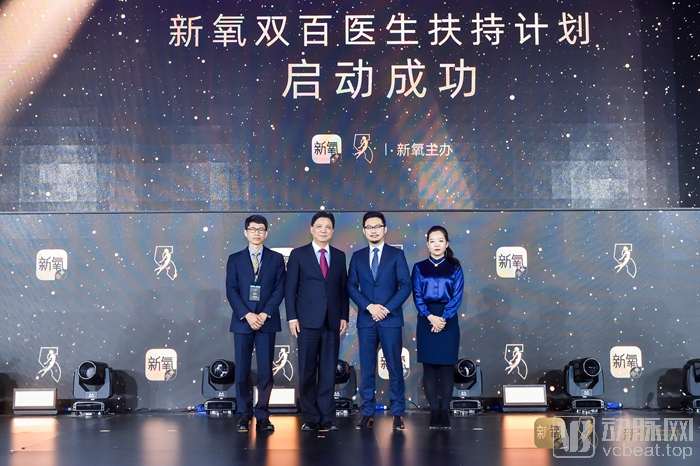
SoYoung Launches the “Double Hundred” Doctor Support Program
Data shows that in 2019, 423 doctors on the So-Young platform achieved a gross merchandise value (GMV) of over RMB 1 million, representing a 70% increase from 2018. Over the past year, their average transaction value per customer rose by 31.53%, with each doctor generating an average revenue of RMB 2.03 million on the platform. The top-performing doctor generated nearly RMB 6 million in revenue through the platform in a single year.
NewOxygen’s goal is to enable outstanding physicians to gain patient recognition and trust more rapidly, allowing them to focus on advancing their clinical expertise, helping more people overcome health challenges and fulfill their aspirations; to accelerate the growth of high-quality, service-oriented medical institutions, serving as an effective complement to the current public healthcare-dominated landscape; and to attract more talented professionals into the medical aesthetics industry, where they can earn respect and enjoy dignified incomes.
Five years is merely the beginning; the consumer healthcare sector is poised for growth of hundreds to thousands of times in the future.