

Pharmaceutical Industry Digital Innovation Research Report Released: Seeking New Marketing Strategies for Pharma Enterprises in a Changing Environment [2019VB100]
In an earlier survey conducted by PwC Strategy& among more than 150 pharmaceutical executives in Europe and the United States, results showed that 90% of pharmaceutical companies have widely adopted or piloted digital tools as one of their primary marketing channels to deliver information and services related to diseases, products, cutting-edge academic technologies, and medical education. Additionally, 65% of respondents indicated they would continue to increase investment in digital tools.
In China, with the continuous advancement of policies such as the “4+7” volume-based procurement, generic drug consistency evaluation, and Diagnosis-Related Groups (DRGs), the traditional marketing model centered on face-to-face visits by sales representatives has faced certain challenges. Digital tools, being fast and convenient, have brought unlimited possibilities for digital marketing in pharmaceutical companies. Digital marketing is becoming a new direction that domestic pharmaceutical enterprises are attempting to explore.
Where lie the new pathways for pharmaceutical marketing in the evolving landscape? How does digital innovation empower pharmaceutical marketing and the primary healthcare market? How can domestic pharmaceutical companies leverage digital opportunities to achieve rapid catch-up growth? What is the trajectory for the development of pharmaceutical e-commerce?
On December 20, 2019, the 2019 Future Healthcare Top 100 Conference, themed “New Growth in Life,” kicked off at the Jiuhua Mountain Resort in Beijing. Focusing on multiple factors including the policy environment, technological landscape, and demand space, the conference provided a comprehensive analysis of development trends in the future healthcare industry and drove innovative transformation within the health and medical sectors.
At the Digital Marketing Forum for Pharmaceutical Companies held on the morning of December 22, Shi Anjie, Researcher at VCBeat; Jiang Qiang, Founder of Mingyi Zhonghe; Gao Jianfei, Founder of Yibai Technology; Wang Jue, Founder of Good Doctor Hui; Liu Hanyu, Vice President of Dekai Pharmaceutical; Gan Bo, Head of Pharmaceutical Company Marketing in the Pharmaceutical Department of JD Health; Zhang Wantao, General Manager of Commercial Marketing at Keep; Lu Xiuling, VP at Zechuang Tiancheng; and Wu Yi, VP of Marketing at Nuoxin Chuanglian, shared their perspectives on the aforementioned issues.
“Research Report on Digital Innovation in the Pharmaceutical Industry” Released: Digital Innovation Helps Pharmaceutical Companies Upgrade Their Marketing Models

Shi Anjie, Researcher at VCBeat
At this forum, VCBeat released the "Research Report on Digital Innovation in the Pharmaceutical Industry," elucidating the macro background, driving factors, implementation scenarios, and future development trends of digital innovation in the pharmaceutical sector.
Currently, the world has experienced three industrial revolutions and is on the verge of entering the Fourth Industrial Revolution, characterized by digitalization. From an external perspective, policy, medical institutions, physicians, and patients are the driving forces behind digital innovation in the pharmaceutical industry. From an internal perspective, slowing profit growth, high risks in new drug research and development, and elevated labor costs are propelling the pharmaceutical industry toward digital innovation.
Digital innovation offers numerous practical applications in the pharmaceutical industry, including new drug R&D, clinical trials, pharmaceutical manufacturing, and pharmaceutical marketing. In particular, within pharmaceutical marketing, digital innovation enables companies to open up new channels and upgrade their marketing models.
Shi Anjie stated that through digital technology innovation, traditional pharmaceutical sales representative activities and academic conference promotion methods have been upgraded and transformed. Digital technology systems are employed to conduct virtual physician visits, online academic conferences, large-scale case collection, dynamic market intelligence analysis, and advertising dissemination. Throughout the entire process, user information is fully traceable, enabling pharmaceutical companies to achieve continuous monitoring of each physician’s and patient’s behaviors. Based on user behavior data fed back by the system, products or services can be optimized and improved, thereby achieving customized and precision pharmaceutical marketing.
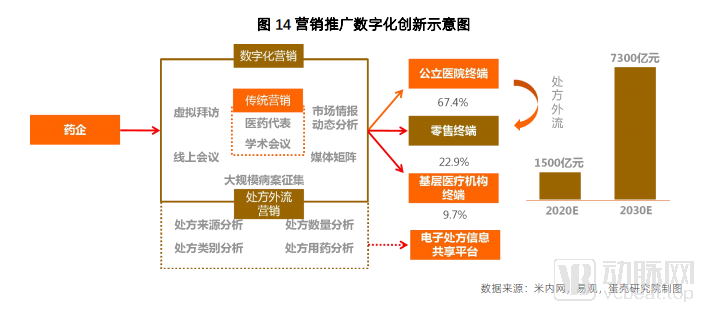
Image excerpted from the “Research Report on Digital Innovation in the Pharmaceutical Industry”
Shi Anjie stated that the path of innovative development in the future digital pharmaceutical industry will progress from the digitization of factors, to the digitization of processes, and ultimately to the digitization of services. The digitization of factors provides the underlying technology, builds infrastructure, and supplies digital talent for digital innovation across the entire pharmaceutical industry. The digitization of processes serves as the pillar; once factors such as technology, talent, and equipment are digitized, they must be integrated into various process stages to shorten R&D cycles, improve production efficiency, increase sales revenue, and enhance service quality. The digitization of services is the key, as the outcomes of factor and process digitization innovations must be validated through services.
Furthermore, Shi Anjie believes that future digital innovation in the pharmaceutical industry will encompass innovation across the entire value chain. Digital technologies will further empower industry development, reshape the structure of the pharmaceutical supply chain, and achieve comprehensive digitization of resources, processes, and services. This creates market opportunities for pharmaceutical companies, which should clarify their market positioning and formulate digital strategies leveraging their respective strengths.

Long-press to scan the mini-program QR code to view the full report.
Leveraging Digital Technologies to Better Reach Primary Healthcare
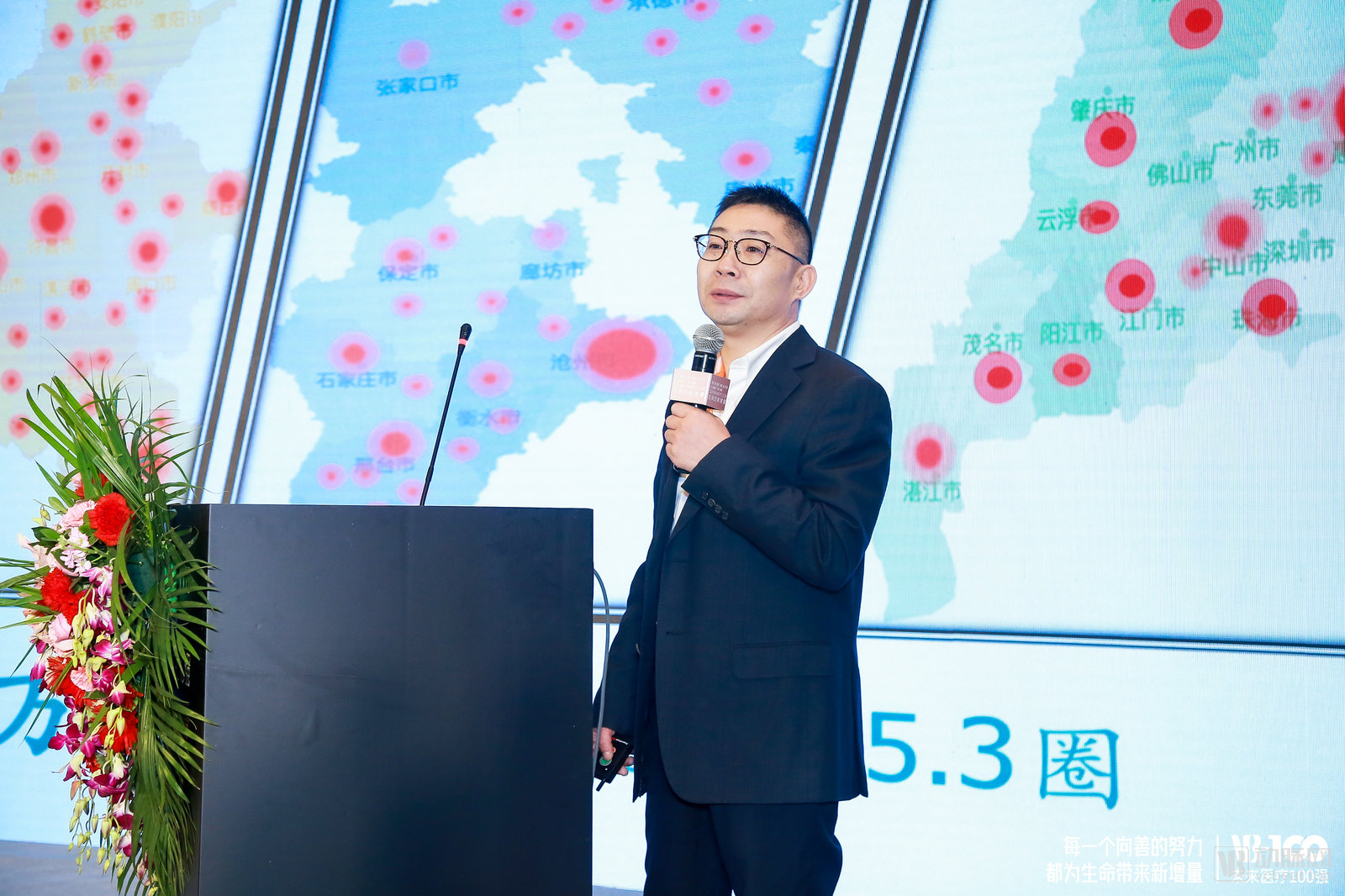
Jiang Qiang, Founder of Mingyi Zhonghe
Currently, China’s primary healthcare market is vast, yet its service delivery capabilities remain weak. Patients flock to tertiary hospitals in overwhelming numbers, while primary healthcare institutions mainly handle the diagnosis and treatment of common, chronic, and frequently occurring diseases. Furthermore, the prevalence of low-quality products and therapies represents a significant pain point in the primary healthcare market. In light of this situation, Jiang Qiang believes that digital technologies can be leveraged to comprehensively empower and reshape the primary healthcare market.
Digital technologies offer functionalities such as electronic medical record generation, e-prescribing, patient management, and inventory and financial management, thereby enhancing the work efficiency of primary care physicians and addressing medical data management and quality oversight for patients at the primary care level. Additionally, digital technologies can provide pharmaceutical education services to primary care physicians, improving their diagnostic and treatment capabilities.
Jiang Qiang stated that Mingyi Zhonghe has launched a Digital Steward service, systematically training drug distributors, manufacturers’ sales representatives, and delivery personnel from GSP-certified enterprises to serve as “Digital Stewards.” These stewards are responsible for push notifications, transaction management and maintenance of pharmaceutical products, operational guidance for healthcare systems, and recruitment for project implementation, thereby better empowering grassroots healthcare.
To address the proliferation of low-quality products and therapies in the primary healthcare market, Mingyi Zhonghe implements a rigorous selection management system, taking charge of front-end vetting to enhance the quality of primary healthcare services and pharmaceutical quality management.
The Rise of Digital Transformation in Domestic Pharmaceutical Companies Is the Greatest Opportunity and Dividend for Entrepreneurs

Gao Jianfei, CEO of Yibai Technology
In recent years, the introduction of multiple healthcare reform policies has led to the collapse of the traditional kickback-driven sales model in pharmaceutical companies, making digital marketing an inevitable choice.
Gao Jianfei believes that pharmaceutical companies’ marketing strategies must integrate online and offline channels. Since 2018, domestic pharmaceutical enterprises have increasingly shifted digital elements—such as content, physicians, and sales representatives—to online platforms. Perhaps this trend presents an opportunity for domestic pharmaceutical companies to achieve overtaking on a bend during their future digital transformation.
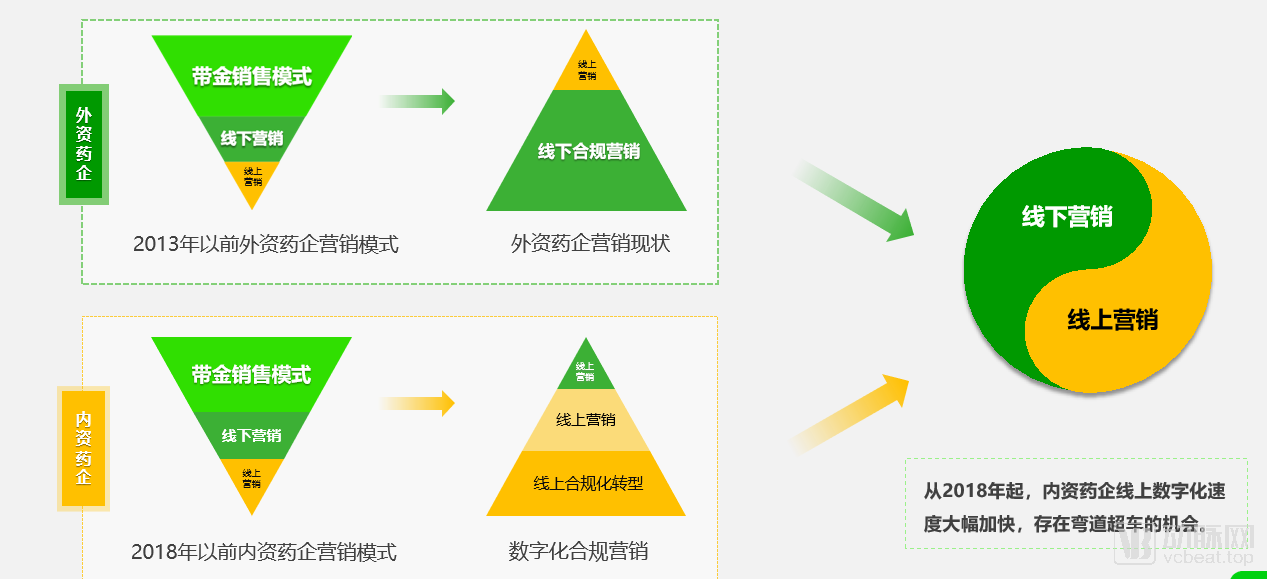
Two Distinct Paths for Domestic and Foreign Pharmaceutical Companies: From Compliance to Future Digital Transformation
In 2018, the total sales volume of the life sciences, pharmaceutical and healthcare, and medical device industries was approximately RMB 2.2 trillion, and this figure is projected to reach RMB 5 trillion by 2025. Generally, domestic pharmaceutical and medical device companies spend about 30% or even more on marketing and sales. In contrast, marketing expenses account for approximately 20% among pharmaceutical companies in the mature U.S. market. Extrapolating from the U.S. marketing ratio, marketing expenditures by Chinese pharmaceutical enterprises are expected to exceed RMB 1 trillion by 2025. Of this RMB 1 trillion, as digital transformation advances within pharmaceutical companies, it is estimated that 50% will be allocated to marketing of pharmaceuticals and medical devices, indicating that the market size for digital transformation in China will reach RMB 500 billion. Therefore, Gao Jianfei stated that the rise of digital transformation among domestically funded pharmaceutical companies presents the greatest opportunity and dividend for entrepreneurs.
In the New Environment, Oncology Drug Marketing Should Be a Coordinated "Land, Sea, and Air" Campaign

Wang Jue, Founder of Liangyihui
In recent years, cancer has become a common and frequently occurring disease, placing a substantial burden on medical and pharmaceutical resources and drawing increasing attention from society as a whole. China’s pharmaceutical market is valued at the trillion-yuan level, with oncology drugs accounting for 15% of this total. Over the next 20 to 30 years, cancer will remain a serious public health challenge in China.
Wang Jue stated that the external policy environment for the entire pharmaceutical market underwent significant changes in 2018 and 2019. In 2018, multiple policies were introduced to accelerate the market approval of innovative drugs, continuously reduce drug prices, and address the uneven distribution of medical resources. In 2019, the “4+7” volume-based procurement program was implemented, Diagnosis-Related Groups (DRG) payment systems were put into practice, high-cost medications such as antineoplastic agents were included in the national medical insurance coverage, and internet healthcare regained prominence as a potential solution for healthcare reform.
Wang Jue believes that in the new environment, relying solely on medical representatives for pharmaceutical marketing can no longer meet corporate needs, and the internet will become a crucial tool for marketing anti-tumor drugs. He stated that marketing of anti-tumor drugs should involve coordinated efforts among “naval” (Marketing Department), “ground” (Sales Department), and “air” (online new media marketing) forces.
The Impact of Different Operational Systems on the Online Sale of Prescription Drugs
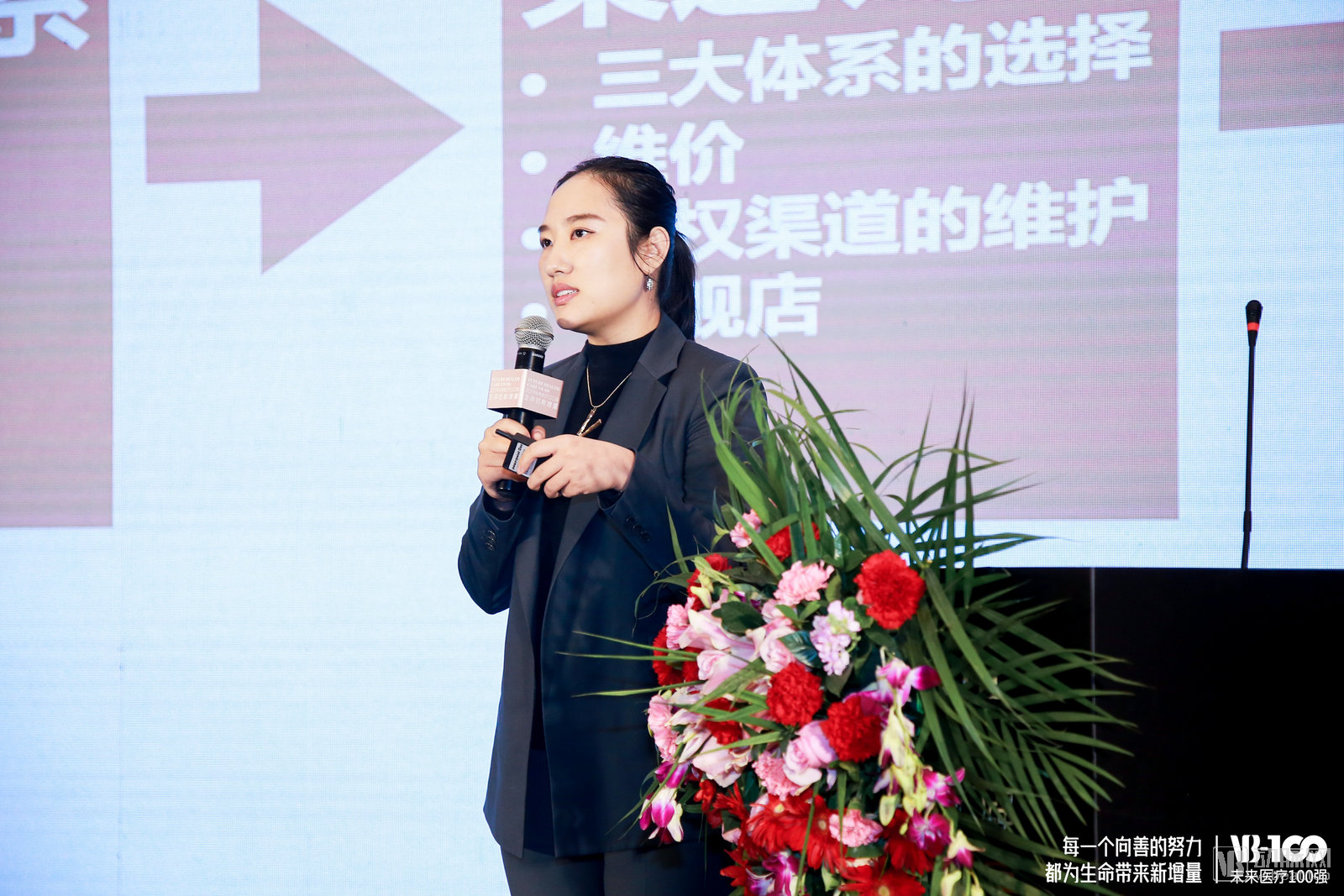
Liu Hanyu, Vice President of Dekai Pharmaceutical
With the successive implementation of measures to control the drug-to-revenue ratio, enforce zero markups on pharmaceuticals in public medical institutions, and roll out the national “4+7” centralized procurement model, pharmaceuticals have been gradually decoupled from healthcare facilities. The outflow of prescriptions has disrupted the traditional profit chain in drug sales, making online sales and marketing of prescription drugs a key battleground for industry players.
Liu Hanyu stated that there are three major systems for the online sales of prescription drugs: Tmall and JD.com’s self-operated platforms, third-party pharmacies, and brand flagship stores.
The advantages of Tmall and JD.com’s self-operated platforms lie in their high traffic volumes and strong sales performance. However, they lack specialized strategies for managing chronic diseases, which can erode pharmaceutical companies’ ability to control pricing. Therefore, such platforms are well-suited for new drug launches, helping pharmaceutical firms rapidly expand their customer base.
Third-party pharmacies possess extensive operational experience and maintain chronic disease management centers, which can enhance repurchase rates and facilitate medication association. The downside is the high cost of control and management. This model is suitable for most products, particularly those that have lost their bids in centralized procurement.
Flagship stores can serve as brand benchmarks and provide direct access to first-hand user insights. However, they entail high operational costs and significant management complexity; therefore, engaging third-party operation agencies is recommended.
JD Health’s “Fourth Terminal for the Medical-Pharmaceutical Closed Loop” Provides One-Stop Solutions for Pharmaceutical Companies

Gan Bo, Head of the Pharmaceutical Enterprise Cooperation Department for Prescription Drugs, JD Health Pharmaceutical Division
In 2018, the growth rate of the pharmaceutical retail market was 7.9%, while that of the pharmaceutical e-commerce market reached 54.4%, indicating substantial market potential for the pharmaceutical e-commerce sector. Furthermore, the introduction of policies such as the Drug Administration Law (Revised Draft), the Measures for the Administration of Internet Hospitals, and the Guiding Opinions on Improving Pricing and Medical Insurance Payment Policies for “Internet+” Medical Services undoubtedly presents a significant opportunity for pharmaceutical e-commerce.
Gan Bo believes that pharmaceutical e-commerce is not merely a pharmacy moved online; it also serves as a high-traffic media platform, a classroom for disease and patient education, a patient management tool, and a hub for academic marketing.
Regarding what JD Health can do for pharmaceutical companies at the marketing level, Gan Bo stated that JD Health can precisely reach potential patients through user data analysis on its main platform. By leveraging big data analytics to screen user behaviors and conduct user profiling, JD Health enables targeted delivery of SMS messages, links to patient education pages, and coupons, thereby stimulating purchase behavior among patients. Meanwhile, JD Health’s integrated “medical care + pharmaceuticals” closed-loop ecosystem provides pharmaceutical companies with a one-stop digital solution for “doctor–patient” engagement.
6 Key Points to Help Keep Achieve Cross-Industry Marketing

Zhang Wantao, General Manager of Commercial Marketing at Keep
As the leading fitness platform in China, Keep has been continuously disrupting and innovating—evolving from pure content creation to developing smart hardware, offering light meals, operating offline physical gyms, and now engaging in cross-industry marketing with the pharmaceutical sector. Regarding this pharmaceutical cross-industry marketing strategy, Zhang Wantao shared six key marketing points.
Professional content.Keep boasts the most professional content production team in the industry, with all content endorsed by experts and authorized by third-party institutions. Among its 1,200 sports courses, Keep can choreograph and design movements from its exercise library based on users’ diverse training needs, while also pairing them with over 5,000 sports nutrition recipes tailored to individual training plans and outcomes.
Quantitative Incentives.To encourage users to break free from sedentary lifestyles, Keep offers engaging and diverse incentives to motivate those who have not yet started exercising. First, leveraging close-knit social connections, Keep has created a Weekly Workout Leaderboard that ranks friends across various exercise categories. Second, based on connections among strangers, Keep launches monthly fitness challenges in various formats, encouraging all users to compete against one another. Furthermore, Keep celebrates every user’s progress. Each time a user tackles a more challenging course, achieves a training milestone, or advances their fitness level, they earn a Sweat Badge. We believe that when the badge wall is filled with these honors, users will see significant improvements in their physical condition.
Community Synergy.After boosting engagement through incentives, it is essential to sustain social connections by building communities. Keep encourages users to spontaneously create groups, attracting partners with shared interests or those who have participated in workouts together for ongoing interaction. For popular courses and topics, Keep also establishes official groups to gather users and enhance activity levels. For instance, after training at Keepland, users are invited into local fitness space groups, where group photos from each session are posted and engaging activities are regularly organized to welcome new participants. Millions of people actively interact across thousands of fitness communities every day.
Diverse Expressions.Users employ diverse modes of expression across different communities, and even within the same community, their expressive needs vary. To address the demands of fitness-oriented social interaction, Keep has implemented three strategies: using “fun stickers” for emotional expression, “setting fitness lifestyle goals” for attitudinal expression, and leveraging “diverse topics” as platforms for expression.
StarGuide.With the onboarding of numerous celebrities and fitness influencers, Keep has set a trend in sports and wellness, attracting more fitness enthusiasts. By establishing its Celebrity Fitness Institute, Keep has brought together 1,500 celebrities, athletes, and key opinion leaders (KOLs) to leverage this influencer matrix for promoting brand products, driving deep consumer engagement, and boosting conversions.
Offline Interaction.Physical activity is inherently hands-on; therefore, social interaction should not remain confined to the online realm. Instead, it should leverage shared interests to drive offline engagement. Taking running as an example, Keep has curated scenic, user-friendly, and convenient running routes in every city. Users can view other runners who have completed these routes, encouraging one another and extending invitations to meet up for joint workouts in person.
Building a Real-World Study Application Ecosystem to Empower Pharmaceutical Marketing

Lu Xiuling, VP of Zechuang Tiancheng
Driven by global research and pharmaceutical market trends, real-world studies (RWS) are flourishing. In China, RWS is also receiving increasing policy support. To facilitate the implementation of real-world evidence (RWE), it is essential to build a systematic ecosystem for evidence generation and application. This involves establishing a real-world data middle platform to ensure data quality at the source, and engaging various stakeholders in the healthcare sector to create an ecosystem that closes the loop between data generation and evidence-based decision-making, thereby promoting the translation and application of RWE.
Lu Xiuling believes that real-world studies can empower pharmaceutical marketing in multiple ways: by strengthening the product evidence chain and clarifying product advantages, thereby enhancing product competitiveness; adopting a “high-level engagement plus grassroots outreach” model to reach target audiences, establishing top-tier specialized disease research platforms and research networks, and leveraging these research and project networks to engage physicians at tertiary and secondary hospitals as well as those at the primary care level; combining research academies with clinical academies to boost physician participation; and promoting training through projects to efficiently convey product information.
Human-AI Hybrid Virtual Representatives: A New Model for Pharmaceutical Marketing

Wu Yi, VP of Marketing at Nuoxin Chuanglian
Currently, with the implementation of policies such as tiered diagnosis and treatment and the "4+7" volume-based procurement program, pharmaceutical companies are facing shortened product life cycles, significantly reduced profit margins, and intensified industry competition, leading to large-scale layoffs of traditional offline medical representatives. Meanwhile, the volume of information that pharmaceutical companies need to convey has increased substantially, while the resources available for medical representatives have relatively decreased. A human-machine collaboration model offers an effective solution to accelerate the pace of information marketing. Leveraging machine learning and big data analytics, medical representatives from Nuoxin Chuanglian effectively reach physicians through various online channels, such as telephone calls and WeChat, delivering key messages that reshape prescribing concepts and ultimately enhance prescribing willingness.
According to Wu Yi, Nuoxin Chuanglian achieves human-machine integration through three levels.
1. Drug selection and formulation of drug strategies.Nuoxin Chuanglian has accumulated over 2 million relevant data points. Its proprietary Nuoxin algorithmic model can rapidly extract key insights from physicians and map patient relationship networks, enabling Nuoxin to quickly derive the most effective pharmaceutical marketing strategies. Compared to traditional market research, which typically takes three to six months, this process can be completed in just one to two weeks with machine assistance.
Second, precision marketing targeting physicians.Through interactions with physicians, Nuoxin Chuanglian has accumulated extensive data on physician preferences, enabling the selection of optimal channels and timing to achieve promotional outcomes more rapidly and efficiently.
3. Intelligent Operations.By engaging with physicians through online interactions, accumulate more data to promptly adjust marketing strategies.
By combining machine learning with the efforts of its sales representatives, Nuoxin set a record in which a single representative covered 700 physicians and successfully completed 45 visits per day.