

China Enacts First Fundamental and Comprehensive Law on Basic Medical and Health Services and Health Promotion
China’s first foundational and comprehensive law in the field of health and healthcare has been promulgated! On December 28, the 15th Session of the Standing Committee of the 13th National People’s Congress voted to pass the Basic Healthcare and Health Promotion Law.Shall come into effect as of June 1, 2020.
Following the conclusion of the 15th Session of the Standing Committee of the 13th National People’s Congress, the General Office of the NPC Standing Committee held a press conference to address reporters’ questions regarding laws and other matters voted on and adopted during the session. At the conference, Yuan Jie, Director of the Administrative Law Office of the Legislative Affairs Commission of the NPC Standing Committee, and Zhao Ning, Director of the Department of Laws and Regulations of the National Health Commission, provided an overview of the Basic Healthcare and Health Promotion Law.
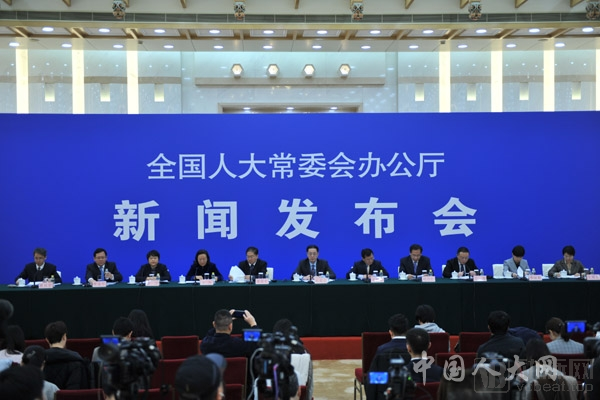
Source: National People's Congress of China Website
The relevant content is summarized as follows:
What specific provisions does the Law on Basic Medical and Health Care and the Promotion of Health make for strengthening primary-level healthcare?
Yuan Jie, Director of the Administrative Law Office of the Legislative Affairs Commission of the Standing Committee of the National People's Congress:
Strengthening primary care is a key focus of our formulation of the Law on Basic Healthcare and Health Promotion. This law primarily addresses the weakness in service capacity at the primary level, adheres to the principle of prioritizing primary care, strengthens the development of primary healthcare institutions and workforce, enhances service delivery capabilities at the grassroots level, and solidifies the foundation of the healthcare system. The draft includes a series of provisions to this end.
Zhao Ning, Director of the Department of Regulations, National Health Commission:
Strengthening the capacity of primary-level medical and health services is a core component of the Basic Healthcare and Health Promotion Law.
We recognize that primary healthcare institutions bear the critical responsibility of providing basic medical services and constitute an essential component of our national healthcare service system. Strengthening primary healthcare and supporting health initiatives in remote and impoverished areas were issues of particular concern to committee members, drafters, and the broader medical community during the drafting of this law.
This law provides detailed provisions in four aspects:
First, it clearly stipulates that the state shall prioritize primary care in health planning and the allocation of medical resources. For instance, it emphasizes strengthening the development of county-level hospitals, township health centers, community health service centers, and specialized public health institutions, as well as establishing and improving rural medical service networks and urban community health service networks. This approach focuses on institutional configuration.
Second, healthcare services are being decentralized through the tiered diagnosis and treatment system and family doctor contract services, thereby supporting the development of primary healthcare. For instance, a valuable lesson from current healthcare reforms is the emphasis on tiered diagnosis and treatment, along with the establishment of medical consortia and county-level medical communities. This new model aims to enhance the service capacity of primary healthcare institutions.
Third, we will comprehensively strengthen the development of the workforce in primary healthcare institutions. This law specifically emphasizes enhancing the capacity of primary healthcare services and explicitly stipulates that the state shall establish a system for medical and health personnel to regularly work in primary care settings and in remote and hard-to-reach areas. Meanwhile, it mandates that the state adopt measures such as tuition-free targeted training, paired assistance, and the re-employment of retirees to bolster workforce development. It also provides for strengthening the rural medical and health workforce, establishing a vertically integrated career development mechanism linking county, township, and village levels, and improving multi-channel subsidy and pension policies for rural medical and health personnel. In essence, these provisions aim to facilitate professional advancement and enhance the competence of primary care providers.
Fourth, significantly strengthen fiscal investment and support systems for healthcare services in grassroots and remote impoverished areas to promote the development of the healthcare sector.
Overall, these regulations will provide a robust legal framework for the healthcare sector in remote and impoverished grassroots areas, thereby promoting the development of medical and health services in these regions.
How is the Basic Healthcare and Health Promotion Law positioned within the legal framework, and what are its key highlights?
Yuan Jie, Director of the Administrative Law Office of the Legislative Affairs Commission of the Standing Committee of the National People's Congress:
The Law on Basic Medical and Health Care and the Promotion of Health is positioned as a foundational and comprehensive law. Its foundational nature is primarily defined in relation to other specialized laws. It is well known that the Party and the state have always attached great importance to the health of the people and to improving the level of medical and health services. In terms of the rule of law in medical and health care, more than ten specialized laws have already been enacted, such as the heavily revised Drug Administration Law and the newly formulated Vaccine Administration Law passed this year, as well as the Law on the Prevention and Treatment of Infectious Diseases, the Law on Licensed Physicians, the Law on Traditional Chinese Medicine, the Frontier Health and Quarantine Law, the Mental Health Law, and the Blood Donation Law, along with other laws related to sports. While there are already multiple specialized laws, there has long been a lack of a foundational law that stipulates basic systems.
The enactment of the Basic Healthcare and Health Promotion Law fills this legislative gap, and we believe it will help strengthen top-level design and promote the development of China’s healthcare sector.
When we describe it as comprehensive, this is mainly because the Law makes key institutional arrangements for all aspects of the basic healthcare system and the implementation of the Healthy China Strategy. In terms of content, everyone has carefully studied the Decision adopted at the Fourth Plenary Session of the 19th Central Committee of the Communist Party of China. The Decision points out that we should deepen the reform of the medical and healthcare system, improve the basic healthcare system, and enhance public health services, medical services, medical security, and drug supply guarantees. This essentially constitutes the main content of the Basic Healthcare and Health Promotion Law. Centering on these four areas, Chapters II, III, IV, V, and VII set forth provisions on basic healthcare services, healthcare institutions, healthcare professionals, drug supply guarantees, and funding guarantees, respectively. From the perspective of its core content, the first point concerns the principles governing the medical and healthcare sector: it emphasizes adhering to a people-centered approach and serving the people’s health, and stipulates that healthcare undertakings shall adhere to the principle of public welfare. For the first time, the Law explicitly establishes in legal form that the State shall institute a basic healthcare system. It also proposes health promotion measures, which are specified in Chapter VI.
Overall, the key focuses and highlights of this law are fourfold: first, to ensure basic coverage; second, to strengthen primary healthcare services; third, to promote health; and fourth, to advance reform. This law summarizes the experience gained from China’s healthcare system reforms, implements the strategic arrangements made by the Central Committee of the Communist Party of China and the State Council regarding basic medical and health services and health promotion, and establishes top-level, institutional, and fundamental frameworks. Of course, we must also recognize that China is a developing country. We need to continuously accumulate resources during the development process to build the material foundation and guarantees necessary for improving basic medical and health services, thereby steadily raising the level of basic healthcare coverage as development progresses. I believe that we should do our utmost within our means and mobilize the strength of the entire society to jointly improve healthcare and health services.
What impacts will the Basic Healthcare and Health Promotion Law have on health work?
Zhao Ning, Director of the Department of Laws and Regulations, National Health Commission:
This year marks the 70th anniversary of the founding of the People's Republic of China. We have already published extensive coverage around the National Day holiday. The series of achievements made in the health and wellness sector since the 18th National Congress of the Communist Party of China can be reflected through just a few key statistics.
In 2018, the average life expectancy in China was 77 years, the infant mortality rate was 6.1 per 1,000 live births, and the maternal mortality ratio was 18.3 per 100,000 live births. Why are these figures highlighted? As can be seen, the Supplementary Provisions of the Law on Basic Medical Care and Health Promotion define these as key health indicators. These health indicators surpass the average levels of upper-middle-income countries, demonstrating that China has addressed the healthcare needs of one-sixth of the world’s population with relatively limited investment.
China’s healthcare sector has forged a path with distinct Chinese characteristics, encompassing several key aspects:
First, the healthcare network has been continuously improved, significantly enhancing the accessibility of health services.
Second, health investment has continued to increase, gradually reducing the financial burden of medical care on the public. In 2018, China’s total health expenditure accounted for 6.6% of its GDP. Guided by the principles of basic coverage, broad reach, and sustainability, the basic medical insurance system covered more than 1.3 billion people, with a stable enrollment rate of 95%. Within a relatively short period, we have established the world’s largest basic medical insurance network.
Third, we have adhered to the principle of prioritizing prevention, thereby bringing major diseases under control. For instance, China has implemented a planned immunization program. As Director Yuan Jie just mentioned, the Vaccine Administration Law has been enacted, reducing vaccine-preventable infectious diseases to a very low level. Meanwhile, it is evident that major diseases such as HIV/AIDS, tuberculosis, schistosomiasis, and hepatitis B have been brought under control. Furthermore, we have established a comprehensive emergency response team and system for public health emergencies, successfully managing major outbreaks such as SARS and H7N9.
Fourth, China’s healthcare capacity has continued to improve, with breakthroughs and innovations in several key medical fields. In relation to the previous question, I would like to add that in 2018, the total number of outpatient and emergency visits across China exceeded 8.3 billion, and the number of hospital discharges surpassed 250 million, reflecting the ongoing enhancement of healthcare service delivery capabilities.
Fifth, the distinctive advantages of Traditional Chinese Medicine (TCM) have been leveraged, with continuous efforts to promote its inheritance and innovation. These achievements are inseparable from the concern shown by the CPC Central Committee and the State Council for the healthcare sector and public health, as well as the dedication of healthcare professionals. Director Yuan Jie just introduced this law; the summaries of achievements and experiences have been codified in legal form, with particular emphasis on measures to strengthen primary-level healthcare services.
We also believe that the promulgation and effective implementation of this law will provide a legal foundation for deepening healthcare reform, advancing the Healthy China Strategy, and safeguarding public health.
Source: The National People's Congress of China Website
Chapter 1 General Provisions
Article 1 This Law is enacted in accordance with the Constitution, for the purposes of developing medical and health services, ensuring that citizens have access to basic medical and health services, improving citizens’ health, and advancing the construction of a Healthy China.
Article 2 This Law shall apply to activities involving medical and health services, health promotion, and their supervision and administration.
Article 3 Medical and health services shall adhere to a people-centered approach and serve the health of the people.
Healthcare services shall adhere to the principle of public welfare.
Article 4 The State and society respect and protect citizens' right to health.
The State implements the Healthy China Strategy, promotes healthy lifestyles, optimizes health services, improves health security, builds a healthy environment, develops the health industry, and enhances the health status of citizens throughout their life course.
The State establishes a health education system to safeguard citizens' right to access health education and enhance their health literacy.
Article 5 Citizens shall, in accordance with the law, enjoy the right to obtain basic medical and health services from the State and society.
The State establishes a basic medical and health care system, improves the medical and health service delivery system, and safeguards and realizes citizens' right to access basic medical and health services.
Article 6 People’s governments at all levels shall prioritize the strategic development of public health, integrate health concepts into all policies, adhere to the principle of prevention first, improve the health promotion system, organize and implement health promotion plans and actions, promote nationwide fitness programs, establish a health impact assessment system, and incorporate improvements in key citizen health indicators into government performance evaluations.
The entire society should jointly care for and support the development of medical and health services and public health.
Article 7 The State Council and local people's governments at all levels shall lead the work of medical and health services and health promotion.
The health administrative department of the State Council is responsible for the overall planning and coordination of medical, health, and health promotion work nationwide. Other relevant departments of the State Council are responsible for related medical, health, and health promotion work within their respective scopes of duty.
Health authorities of local people's governments at or above the county level shall be responsible for the overall planning and coordination of medical, health, and health promotion work within their respective administrative areas. Other relevant departments of local people's governments at or above the county level shall be responsible for related medical, health, and health promotion work within the scope of their respective duties.
Article 8 The State shall strengthen basic medical scientific research, encourage innovation in medical science and technology, support the development of clinical medicine, promote the translation and application of medical scientific and technological achievements, advance the integrated development of healthcare and information technology, disseminate appropriate healthcare technologies, and improve the quality of healthcare services.
The State develops medical education, improves the medical education system to meet the needs of the development of healthcare services, and vigorously cultivates healthcare professionals.
Article 9 The State shall vigorously develop the cause of traditional Chinese medicine (TCM), adhere to equal emphasis on traditional Chinese and Western medicine, combine inheritance with innovation, and give full play to the unique role of traditional Chinese medicine in medical and health services and the health undertaking.
Article 10 The State shall rationally plan and allocate medical and health resources, with a focus on primary care, and adopt various measures to give priority support to the development of medical and health institutions at or below the county level, so as to enhance their capacity to provide medical and health services.
Article 11 The State shall increase fiscal input into medical and health services, and provide key support for the development of medical and health services in old revolutionary base areas, ethnic minority areas, border areas, and economically underdeveloped areas by means such as increasing transfer payments.
Article 12 The State encourages and supports citizens, legal persons, and other organizations to participate in medical, health, and wellness undertakings by establishing institutions in accordance with the law and through donations, funding, and other means, so as to meet citizens’ diverse, differentiated, and personalized health needs.
Citizens, legal persons, and other organizations that donate assets for medical and health services and healthcare initiatives shall enjoy tax incentives in accordance with the law.
Article 13 Organizations and individuals that have made outstanding contributions to the cause of medical and health services shall be commended and rewarded in accordance with state regulations.
Article 14 The State encourages and supports international exchanges and cooperation in the fields of medical and health services and health promotion.
Engaging in international exchanges and cooperation in medical, health, and health promotion shall comply with laws and regulations, and safeguard national sovereignty, security, and public interests.
Chapter 2 Basic Medical and Health Services
Article 15 Basic medical and health services refer to disease prevention, diagnosis, treatment, nursing, and rehabilitation services provided through the use of appropriate medicines, technologies, and equipment, which are essential for maintaining human health, commensurate with the level of economic and social development, and equitably accessible to citizens.
Basic medical and health services include basic public health services and basic medical services. Basic public health services are provided free of charge by the state.
Article 16 The State shall take measures to ensure that citizens have access to safe and effective basic public health services, control risk factors affecting health, and improve the level of disease prevention and control.
The National Basic Public Health Service Package is jointly determined by the health administrative department of the State Council, in conjunction with the finance department of the State Council, the traditional Chinese medicine administrative department, and other relevant authorities.
People's governments of provinces, autonomous regions, and municipalities directly under the Central Government may, on the basis of the National Basic Public Health Services Program, supplementarily determine the basic public health services programs for their respective administrative areas, and file such determinations with the health administrative department of the State Council for record.
Article 17 The State Council and the people's governments of provinces, autonomous regions, and municipalities directly under the Central Government may incorporate service contents targeting key areas, priority diseases, and specific populations into the National Basic Public Health Services Program and organize their implementation.
Local people's governments at or above the county level shall carry out targeted prevention and control efforts against major diseases and principal health risk factors within their respective administrative areas.
Article 18 People's governments at or above the county level shall provide basic public health services by establishing specialized public health institutions, primary healthcare institutions, and hospitals, or by purchasing services from other medical and health institutions.
Article 19 The State shall establish and improve the health emergency response system for public health emergencies, formulate and refine emergency response plans, and organize and carry out health emergency work—including medical treatment, epidemiological investigation and control, and psychological assistance—to effectively control and eliminate hazards.
Article 20 The State shall establish a system for the prevention and control of infectious diseases, formulate and implement plans for their prevention and treatment, strengthen monitoring and early warning, adhere to the principles of prioritizing prevention, combining prevention with treatment, joint prevention and control, mass prevention and control, source control, and comprehensive governance, block transmission routes, protect susceptible populations, and reduce the hazards posed by infectious diseases.
All organizations and individuals shall accept and cooperate with the measures lawfully taken by medical and health institutions to prevent, control, and eliminate the hazards of infectious diseases, including investigations, inspections, sample collection, isolation treatment, and medical observation.
Article 21 The State implements a vaccination system and strengthens immunization program work. Residents have the right and obligation to receive vaccines included in the national immunization program in accordance with the law. The government provides these vaccines to residents free of charge.
Article 22 The State shall establish a system for the prevention, control, and management of chronic non-communicable diseases, conduct surveillance, investigation, and comprehensive prevention and control interventions for chronic non-communicable diseases and their risk factors, promptly identify high-risk populations, and provide services such as diagnosis and treatment, early intervention, follow-up management, and health education to patients and high-risk populations.
Article 23 The State shall strengthen occupational health protection. People’s governments at or above the county level shall formulate plans for the prevention and control of occupational diseases, establish and improve occupational health working mechanisms, strengthen supervision and administration of occupational health, and enhance the comprehensive capacity and level of prevention and control of occupational diseases.
Employers shall control occupational disease hazard factors and adopt comprehensive management measures, including engineering controls, personal protective equipment, and health management, to improve the working environment and labor conditions.
Article 24 The State shall develop the cause of maternal and child health care, establish and improve the maternal and child health service system, provide healthcare services and prevention and treatment services for common diseases to women and children, and safeguard the health of women and children.
The State adopts measures to provide citizens with services such as premarital health care and maternal health care during pregnancy and childbirth, so as to promote reproductive health and prevent birth defects.
Article 25 The State shall develop the cause of healthcare for the elderly. The State Council and the people’s governments of provinces, autonomous regions, and municipalities directly under the Central Government shall incorporate health management and prevention of common diseases among the elderly into the package of basic public health services.
Article 26 The State shall develop the cause of disability prevention and rehabilitation for persons with disabilities, improve the system for disability prevention and rehabilitation for persons with disabilities and its support mechanisms, and take measures to provide basic rehabilitation services for persons with disabilities.
People's governments at or above the county level shall prioritize rehabilitation services for children with disabilities and implement an integrated approach combining rehabilitation with education.
Article 27 The State shall establish and improve the pre-hospital emergency care system to provide timely, standardized, and effective emergency services to patients with critical and severe conditions.
Health authorities, Red Cross societies, and other relevant departments and organizations shall actively conduct first aid training, disseminate first aid knowledge, and encourage medical and health personnel as well as individuals trained in first aid to actively participate in providing emergency first aid services in public places. Public places shall be equipped with necessary first aid equipment and facilities in accordance with regulations.
Emergency centers (stations) shall not refuse or delay providing emergency services to patients with critical and life-threatening conditions on the grounds of non-payment.
Article 28 The State shall develop the cause of mental health, establish and improve the mental health service system, safeguard and promote the psychological well-being of citizens, and prevent and treat mental disorders.
The State shall take measures to strengthen the mental health service system and workforce development, promote the effective integration of mental health education, psychological assessment, psychological counseling, and psychotherapy services, establish psychological assistance hotlines to provide public welfare services to the general public, and enhance mental health services for key populations, including minors, persons with disabilities, and the elderly.
Article 29 Basic medical services shall be primarily provided by medical and health institutions established by the government. Medical and health institutions established by non-governmental entities are encouraged to provide basic medical services.
Article 30 The State shall promote the implementation of a tiered diagnosis and treatment system for basic medical services, guide non-emergency patients to seek initial consultation at primary healthcare institutions, implement the first-diagnosis responsibility system and the referral review accountability system, gradually establish a mechanism featuring initial diagnosis at the primary level, two-way referrals, separate management of acute and chronic conditions, and coordination between upper- and lower-level institutions, and ensure its integration with the basic medical insurance system.
Local people's governments at or above the county level shall, in light of the medical and health needs within their respective administrative areas, integrate government-run medical and health resources in those areas and establish collaborative service delivery mechanisms, such as medical consortia, tailored to local conditions. Socially funded medical and health institutions are encouraged to participate in such collaborative service delivery mechanisms.
Article 31 The State promotes the implementation of family doctor contract services in primary healthcare institutions, establishes family doctor service teams, signs agreements with residents, and provides basic medical and health services based on residents’ health status and medical needs.
Article 32 Citizens receiving medical and health services shall have the right to informed consent in accordance with the law regarding matters such as their medical condition, diagnosis and treatment plans, medical risks, and medical expenses.
Where surgery, special examinations, or special treatments are required, healthcare professionals shall promptly inform the patient of medical risks, alternative treatment options, and other relevant circumstances, and obtain their consent. If it is impossible or inappropriate to inform the patient, such information shall be provided to the patient’s close relatives, and their consent shall be obtained. Where laws provide otherwise, such provisions shall prevail.
Conducting clinical trials of drugs and medical devices, as well as other medical research, shall comply with medical ethical standards, undergo ethical review in accordance with the law, and obtain informed consent.
Article 33 Citizens shall be respected when receiving medical and health services. Medical and health institutions and personnel shall care for and treat patients with equality, respect their personal dignity, and protect their privacy.
Citizens receiving medical and health services shall comply with diagnosis and treatment regulations and maintain order in medical and health services, and show respect for medical and health personnel.
Chapter 3 Medical and Health Institutions
Article 34 The State shall establish and improve a medical and health service system that provides comprehensive urban and rural coverage, features complementary functions, and ensures continuous coordination, comprising primary medical and health institutions, hospitals, specialized public health institutions, and other entities.
The State shall strengthen the development of county-level hospitals, township health centers, village clinics, community health service centers (stations), and specialized public health institutions, so as to establish and improve the rural medical and health service network and the urban community health service network.
Article 35 Primary healthcare institutions mainly provide basic medical and health services, including prevention, healthcare, health education, disease management, establishing health records for residents, diagnosis and treatment of common and frequently occurring diseases, rehabilitation and nursing care for certain diseases, accepting patients referred from hospitals, and referring patients whose conditions exceed their service capacity to hospitals.
The hospital primarily provides medical and health services, including the diagnosis and treatment of diseases—with a particular focus on acute, critical, and complex conditions—as well as emergency response and rescue operations for public health incidents, and health education. Additionally, it conducts medical education, training for healthcare professionals, medical scientific research, and provides operational guidance to primary-level healthcare institutions.
Specialized public health institutions primarily provide public health services, including disease prevention and control for infectious diseases, chronic non-communicable diseases, occupational diseases, and endemic diseases; health education; maternal and child healthcare; mental health services; pre-hospital emergency care; blood collection and supply; food safety risk monitoring and assessment; and birth defect prevention and control.
Article 36 Medical and health institutions at all levels and of all types shall divide labor and cooperate to provide citizens with comprehensive, full-cycle medical and health services, including prevention, healthcare, treatment, nursing, rehabilitation, and palliative care.
People's governments at all levels shall take measures to support the establishment of collaborative mechanisms between medical and health institutions and elderly care institutions, child welfare institutions, and community organizations, so as to provide safe and convenient medical and health services for the elderly and orphaned or disabled children.
Article 37 People's governments at or above the county level shall formulate and implement plans for the medical and health service system, allocate medical and health resources in a scientific manner, establish medical and health institutions, and provide guarantees for citizens' access to basic medical and health services.
When establishing medical and health institutions, the government shall take into account factors such as the population, economic and social development status, healthcare resources, health risk factors, incidence rates, prevalence rates, and emergency treatment needs within its administrative jurisdiction.
Article 38 To establish a medical institution, the following conditions shall be met, and the approval or filing procedures shall be handled in accordance with relevant national regulations:
(1) Having a name, organizational structure, and premises that comply with regulations;
(2) Possessing funds, facilities, equipment, and medical and health personnel commensurate with the services provided;
(3) Having corresponding rules and regulations;
(4) Capable of independently bearing civil liability;
(5) Other conditions prescribed by laws and administrative regulations.
Medical institutions shall obtain their Practice Licenses in accordance with the law. It is prohibited to forge, alter, buy, sell, lease, or lend the Practice License of a medical institution.
The specific conditions and staffing of medical and health institutions at all levels and of all types shall comply with the standards for medical and health institutions formulated by the health administrative department of the State Council.
Article 39 The State implements classified management of medical and health institutions.
The healthcare service system adheres to a structure in which non-profit healthcare institutions serve as the mainstay, with for-profit healthcare institutions playing a supplementary role. The government establishes non-profit healthcare institutions to play a leading role in basic healthcare services, ensuring equitable and accessible access to essential medical care.
Medical and health institutions established or participated in with government funds or donated assets shall not be registered as for-profit medical and health institutions.
Healthcare institutions shall not lease out or contract out medical departments to external parties. Non-profit healthcare institutions shall not distribute or变相 distribute profits to investors or sponsors.
Article 40 Medical and health institutions established by the government shall adhere to their public welfare nature, incorporate all revenues and expenditures into budget management, and be rationally established and have their scale controlled in accordance with the plan for the medical and health service system.
The State encourages government-run medical and health institutions to collaborate with social forces in establishing non-profit medical and health institutions.
Government-run medical and health institutions shall not invest with other organizations to establish medical and health institutions without independent legal person status, nor shall they cooperate with social capital to operate for-profit medical and health institutions.
Article 41 The State shall adopt various measures to encourage and guide social forces to establish medical and health institutions in accordance with the law, and shall support and regulate cooperation between medical and health institutions established by social forces and those established by the government in carrying out various types of medical services, discipline development, personnel training, and other collaborative activities.
Medical and health institutions established by non-governmental entities shall enjoy equal rights with those established by the government in areas such as designation as basic medical insurance providers, development of key specialties, scientific research and teaching, accreditation grading, approval for specific medical technologies, and professional title evaluation for medical and health personnel.
Social forces may choose to establish either non-profit or for-profit medical and health institutions. Non-profit medical and health institutions established by social forces shall, in accordance with regulations, enjoy policies equivalent to those afforded to government-established medical and health institutions in terms of taxation, fiscal subsidies, land use, water supply, electricity supply, gas supply, and heating supply, and shall be subject to supervision and administration in accordance with the law.
Article 42 The State shall, on the basis of existing medical and health institutions, rationally plan and establish National Medical Centers and national- and provincial-level regional medical centers to diagnose and treat complex and critical conditions, conduct research to overcome major medical challenges, and cultivate high-level medical and health professionals.
Article 43 Medical and health institutions shall comply with laws, regulations, and rules, establish and improve internal quality management and control systems, and be responsible for the quality of medical and health services.
Healthcare institutions shall conduct examinations, medication administration, and diagnosis and treatment in a reasonable manner, strengthen prevention and control of healthcare safety risks, optimize service processes, and continuously improve the quality of healthcare services, in accordance with relevant requirements such as clinical practice guidelines, technical operation standards for clinical practice, industry standards, and medical ethics norms.
Article 44 The State implements classified management of the clinical application of medical and health technologies, and imposes strict control over those medical and health technologies that are technically challenging, pose high medical risks, and require higher levels of service capacity and professional technical expertise from personnel.
Medical and health institutions shall ensure that the clinical application of medical and health technologies is commensurate with their functional roles and missions, adhere to the principles of scientific rigor, safety, standardization, efficacy, and cost-effectiveness, and comply with ethical standards.
Article 45 The State shall establish a modern hospital management system characterized by clear rights and responsibilities, scientific management, sound governance, efficient operation, and effective oversight.
Hospitals shall formulate their articles of association, establish and improve the corporate governance structure, and enhance the capacity for healthcare services and operational efficiency.
Article 46 The practice premises of medical and health institutions are public places for providing medical and health services, and no organization or individual shall disrupt their order.
Article 47 The State shall improve the mechanism for sharing medical risks, encourage medical institutions to participate in medical liability insurance or establish medical risk funds, and encourage patients to participate in medical accident insurance.
Article 48 The State encourages medical and health institutions to continuously improve technologies, equipment, and services for prevention, healthcare, diagnosis, treatment, nursing, and rehabilitation, and supports the development of medical and health technologies suitable for application in primary-level and remote areas.
Article 49 The State shall promote the informatization of national health, foster the application and development of big data in health and medical care, artificial intelligence, and other technologies, accelerate the construction of information infrastructure in the healthcare sector, establish technical standards for the collection, storage, analysis, and application of health and medical data, and leverage information technology to facilitate the widespread availability and sharing of high-quality healthcare resources.
People's governments at or above the county level and their relevant departments shall take measures to promote the application of information technology in the fields of healthcare and medical education, and support the exploration and development of new models and new forms of healthcare services.
The State shall take measures to promote the establishment and improvement of systems for medical and health information exchange and information security in medical and health institutions, apply information technology to develop telemedicine services, and build an integrated online-offline medical service model.
Article 50 In the event of emergencies that seriously threaten the lives and health of the public, such as natural disasters, accident disasters, public health incidents, and social security incidents, medical and health institutions and medical and health personnel shall comply with the deployment by government departments and participate in emergency health response and medical treatment. For participants who suffer illness, disability, or death, relevant benefits such as work-related injury compensation, pensions, or commendation as martyrs shall be provided in accordance with regulations.
Chapter 4 Medical and Health Personnel
Article 51 Healthcare professionals shall uphold the noble professional spirit of respecting and protecting life, healing the wounded and rescuing the dying, dedicating themselves selflessly, and demonstrating boundless compassion; they shall abide by industry standards, adhere to medical ethics, and strive to improve their professional competence and service quality.
Healthcare industry organizations, healthcare institutions, and medical schools shall strengthen education on professional ethics and conduct for healthcare personnel.
Article 52 The State shall formulate plans for the training of medical and health personnel, establish training mechanisms and supply-demand balance mechanisms that are adapted to the characteristics of the industry and social needs, improve the system of medical school education, postgraduate education, and continuing education, establish and improve the standardized training systems for resident physicians and specialist physicians, and build a medical and health workforce of appropriate scale, rational structure, and balanced distribution.
The State strengthens the training and utilization of general practitioners. General practitioners mainly provide diagnosis, treatment, and referral for common and frequently occurring diseases, as well as services in prevention, healthcare, rehabilitation, chronic disease management, and health management.
Article 53 The State implements a system of practice registration for medical and health personnel, including physicians and nurses, in accordance with the law. Medical and health personnel shall obtain corresponding professional qualifications in accordance with the law.
Article 54 Medical and health personnel shall follow the laws of medical science, comply with relevant clinical diagnosis and treatment technical specifications, various operational standards, and medical ethics norms, use appropriate technologies and drugs, provide rational diagnosis and treatment, administer treatment based on the patient’s condition, and shall not subject patients to excessive medical care.
Medical and health personnel shall not take advantage of their positions to solicit or illegally accept property, or seek other improper benefits.
Article 55 The State shall establish and improve personnel, compensation, and reward systems that align with the characteristics of the medical and health industry, reflecting the professional attributes and the value of technical labor of medical and health personnel.
Appropriate allowances shall be provided in accordance with national regulations to medical and health personnel engaged in the prevention and control of infectious diseases, radiological medicine, mental health, and other work in special positions. The allowance standards shall be adjusted regularly.
Article 56 The State shall establish a system under which medical and health personnel are regularly assigned to provide medical and health services at the primary level and in remote and hardship areas.
The State has adopted measures such as targeted tuition-free training, paired assistance, and the re-employment of retired professionals to strengthen the workforce in healthcare at the primary level and in remote and hard-to-reach areas.
Physicians applying for promotion to the deputy senior professional title shall have accumulated at least one year of experience providing medical and health services in medical and health institutions at or below the county level or in institutions participating in counterpart assistance programs.
Favorable policies shall be implemented for medical and health personnel working in primary-level institutions and in remote, hardship areas, with respect to compensation and allowances, professional title evaluation, career development, education and training, and commendations and awards.
The state strengthens the development of rural medical and health personnel, establishes a career development mechanism that integrates county, township, and village levels, and improves the multi-channel subsidy mechanisms for service income and pension policies for rural medical and health workers.
Article 57 The whole society shall care for and respect medical and health personnel, maintain a good and safe order of medical and health services, and jointly build harmonious doctor-patient relationships.
The personal safety and human dignity of healthcare personnel shall be inviolable, and their legitimate rights and interests are protected by law. No organization or individual is permitted to threaten or endanger the personal safety of healthcare personnel, or infringe upon their human dignity.
The State shall take measures to ensure a safe practice environment for healthcare professionals.
Chapter 5 Drug Supply Guarantee
Article 58 The State shall improve the drug supply and guarantee system, establish a coordination mechanism for relevant work, and ensure the safety, efficacy, and accessibility of drugs.
Article 59 The State shall implement the National Essential Medicines System, select an appropriate number of essential medicine varieties, and meet the basic medication needs for disease prevention and control.
The state publishes the National Essential Medicines List, which is dynamically adjusted based on clinical application practices, changes in drug standards, and the market launch of new drugs.
Essential medicines shall be given priority for inclusion in the National Reimbursement Drug List (NRDL) of Basic Medical Insurance in accordance with relevant regulations.
The State enhances the supply capacity of essential medicines, strengthens quality supervision of essential medicines, and ensures equitable access to and rational use of essential medicines.
Article 60 The State shall establish and improve a drug review and approval system oriented toward clinical needs, so as to support the research, development, and production of drugs that are urgently needed for clinical use, pediatric drugs, and drugs for the prevention and treatment of rare diseases and major diseases, thereby meeting the needs of disease prevention and control.
Article 61 The State shall establish and improve a traceability system covering the entire process of drug research and development, production, distribution, and use, strengthen drug administration, and ensure drug quality.
Article 62 The State shall establish and improve a drug price monitoring system, conduct cost and price surveys, strengthen supervision and inspection of drug prices, investigate and punish illegal acts such as price monopoly, price fraud, and unfair competition in accordance with the law, and maintain order in drug pricing.
The State shall strengthen the management and guidance of classified drug procurement. Bidders participating in drug procurement tenders shall not submit bids at prices below cost, nor shall they engage in bidding through fraud, collusive tendering, abuse of market dominance, or other such means.
Article 63 The State shall establish a two-tier pharmaceutical reserve system at the central and local levels to meet emergency needs arising from major disasters, epidemics, and other sudden incidents.
Article 64 The State shall establish and improve a monitoring system for drug supply and demand, timely collect and compile information on drug supply and demand for analysis, and regularly release information on drug production, distribution, and usage.
Article 65 The State shall strengthen the administration of medical devices, improve standards and specifications for medical devices, and enhance the safety and effectiveness of medical devices.
The health administrative department of the State Council and the health administrative departments of the people's governments of provinces, autonomous regions, and municipalities directly under the Central Government shall formulate allocation plans for large-scale medical equipment based on the advancement, appropriateness, and accessibility of technologies, so as to promote the rational allocation and full sharing of medical equipment within their respective regions.
Article 66 The State shall strengthen the protection and development of traditional Chinese medicine, fully reflect its distinctive features and advantages, and give play to its role in prevention, health care, medical treatment, and rehabilitation.
Chapter 6 Health Promotion
Article 67 People's governments at all levels shall strengthen health education and the training of specialized personnel, establish a system for the release of core information on health knowledge and skills, popularize scientific health knowledge, and provide the public with scientific and accurate health information.
Medical and health institutions, educational institutions, sports organizations, publicity agencies, grassroots mass self-governance organizations, and social organizations shall carry out the promotion and dissemination of health knowledge. Medical and health personnel shall provide health education to patients when delivering medical and health services. News media shall conduct public welfare publicity on health knowledge. The promotion of health knowledge shall be scientific and accurate.
Article 68 The State shall incorporate health education into the national education system. Schools shall implement health education through various forms, disseminate knowledge on health, scientific fitness, first aid skills and techniques, enhance students’ awareness of proactive disease prevention, cultivate good hygiene and healthy behavioral habits among students, and reduce and improve adverse health conditions such as myopia and obesity.
Schools shall offer physical education and health courses in accordance with regulations, and organize students to participate in activities such as radio calisthenics, eye exercises, and physical fitness training.
Schools shall assign school doctors in accordance with regulations and establish and improve health clinics, healthcare rooms, and other facilities.
Education authorities of people's governments at or above the county level shall, in accordance with regulations, incorporate students' physical health status into the school evaluation system.
Article 69 Citizens are the primary persons responsible for their own health. They shall establish and practice the concept of health management that emphasizes personal responsibility for health, proactively acquire health knowledge, enhance health literacy, and strengthen health management. Family members are encouraged to care for one another and develop healthy lifestyles tailored to their individual and family characteristics.
Citizens shall respect the health rights and interests of others, and shall not impair the health of others or the public interest of society.
Article 70 The State shall organize surveys and statistics on residents’ health status, conduct physical fitness monitoring, evaluate health performance, and formulate and improve health-related laws, regulations, policies, and plans based on the evaluation results.
Article 71 The State shall establish a system for the surveillance, investigation, and risk assessment of diseases and health risk factors. People’s governments at or above the county level and their relevant departments shall, in light of the major issues affecting health, organize and conduct research on health risk factors and formulate comprehensive prevention and control measures.
The State shall strengthen the prevention and control of environmental issues affecting health, organize and conduct research on the impact of environmental quality on health, and take measures to prevent and control diseases associated with environmental problems.
Article 72 The State shall vigorously promote the Patriotic Health Campaign, encourage and support mass-based hygiene and health activities such as the Patriotic Health Month, rely on and mobilize the public to control and eliminate health risk factors, improve environmental sanitation conditions, and build healthy cities, healthy towns and villages, and healthy communities.
Article 73 The State shall establish a scientific and strict system for the supervision and administration of food and drinking water safety, so as to enhance the level of safety.
Article 74 The State shall establish a nutritional status monitoring system, implement nutrition intervention plans for economically underdeveloped regions and key populations, carry out actions to improve the nutrition of minors and the elderly, promote healthy dietary habits, and reduce the risk of diseases caused by unhealthy diets.
Article 75 The State shall develop the cause of national fitness, improve the public service system for national fitness covering both urban and rural areas, strengthen the construction of public sports facilities, organize, support and carry out national fitness activities, enhance guidance services for national fitness, and popularize scientific knowledge and methods of physical exercise.
The state encourages the opening of sports venues and facilities of entities to the public.
Article 76 The State shall formulate and implement health programs for minors, women, the elderly, persons with disabilities, and other groups, so as to strengthen health services for key populations.
The state promotes long-term care security and encourages the development of long-term care insurance.
Article 77 The State shall improve the sanitation management system for public places. The health authorities and other relevant departments of people's governments at or above the county level shall strengthen sanitary supervision over public places. Information on sanitary supervision of public places shall be disclosed to the public in accordance with the law.
Operators of public places shall establish and improve sound hygiene management systems and strictly implement them to ensure that their business operations continuously comply with national hygiene requirements for public places.
Article 78 The State shall take measures to reduce the harm of smoking to citizens' health.
Strengthening Smoking Control in Public Places and Enhancing Supervision and Law Enforcement.
Tobacco product packaging shall bear printed warnings stating the hazards of smoking.
It is prohibited to sell tobacco and alcohol to minors.
Article 79 Employers shall create environments and conditions conducive to the health of their employees, strictly implement relevant regulations on occupational safety and hygiene, actively organize fitness activities for employees, and safeguard employee health.
The State encourages employers to carry out health guidance for their employees.
The State encourages employers to conduct regular health examinations for their employees. Where laws and regulations provide for health examinations, such provisions shall be followed.
Chapter 7 Financial Assurance
Article 80 People's governments at all levels shall earnestly fulfill their responsibilities for developing the medical and health services and healthcare undertakings, establish a funding mechanism for medical and health services and healthcare undertakings that is commensurate with economic and social development, fiscal conditions, and health indicators, include expenditures for medical and health services and health promotion in the budget of the corresponding level of government, and, in accordance with relevant regulations, primarily use such funds to ensure the provision of basic medical services, public health services, and basic medical insurance, as well as the construction, operation, and development of medical and health institutions run by the government.
Article 81 People's governments at or above the county level shall strengthen the supervision and administration of funds through budgeting, auditing, supervisory law enforcement, social oversight, and other means.
Article 82 The costs of basic medical services shall be primarily covered by the basic medical insurance fund and individuals. The State shall raise funds for the basic medical insurance through multiple channels in accordance with the law, and gradually improve the mechanisms for sustainable financing and adjustment of benefit levels of the basic medical insurance.
Citizens have the right and obligation to participate in basic medical insurance in accordance with the law. Employers and employees shall pay premiums for employee basic medical insurance as prescribed by state regulations. Urban and rural residents shall pay premiums for urban and rural resident basic medical insurance in accordance with relevant provisions.
Article 83 The State shall establish a multi-tiered medical security system with basic medical insurance as the mainstay, supplemented by commercial health insurance, medical assistance, employee mutual medical aid, and medical charity services.
The state encourages the development of commercial health insurance to meet the public’s diverse needs for health protection.
The State shall improve the medical assistance system to ensure that eligible individuals in financial difficulty have access to basic medical services.
Article 84 The State shall establish and improve a negotiation mechanism between basic medical insurance agencies and contracted designated medical and health institutions, determine payment standards and methods for the basic medical insurance fund in a scientific and reasonable manner, guide medical and health institutions to provide appropriate diagnosis and treatment, promote orderly patient flow, and enhance the efficiency of basic medical insurance fund utilization.
Article 85 The scope of payment from the basic medical insurance fund shall be formulated by the competent department for healthcare security under the State Council, which shall solicit opinions from the competent departments for health, traditional Chinese medicine, drug supervision and administration, finance, and other relevant departments under the State Council.
People's governments of provinces, autonomous regions, and municipalities directly under the Central Government may, in accordance with relevant state regulations, supplementarily determine the specific items and standards for payment from the basic medical insurance fund within their respective administrative areas, and submit them to the competent department of medical security under the State Council for record.
The competent department for medical security under the State Council shall organize evidence-based medicine and health economic evaluations of the National Reimbursement Drug List, diagnostic and treatment items, and standards for medical service facilities included in the coverage scope, and shall solicit opinions from relevant authorities such as the national health commission, the administration of traditional Chinese medicine, the drug regulatory authority, and the finance department under the State Council. The evaluation results shall serve as the basis for adjusting the scope of coverage by the basic medical insurance fund.
Chapter 8 Supervision and Administration
Article 86 The State shall establish and improve a comprehensive supervision and administration system for medical and health services that integrates institutional self-governance, industry self-regulation, government oversight, and public supervision.
Health departments of people's governments at or above the county level shall implement territorialized, industry-wide supervision and administration over the medical and health sector.
Article 87 The healthcare security administrative departments of people’s governments at or above the county level shall enhance their capacity and level of oversight over healthcare security, strengthen supervision and management of medical service practices and medical expenses covered by the basic medical insurance fund, and ensure the rational use and secure, controlled operation of the basic medical insurance fund.
Article 88 People's governments at or above the county level shall organize departments of health, medical security, drug supervision and administration, development and reform, finance, etc. to establish a communication and consultation mechanism, strengthen institutional coordination and work cooperation, and improve the efficiency of use and guarantee level of medical and health resources.
Article 89 People’s governments at or above the county level shall regularly report to the people’s congresses at the corresponding levels or their standing committees on the work related to basic medical and health services and health promotion, and accept supervision in accordance with the law.
Article 90 Where the relevant departments of people’s governments at or above the county level fail to perform their duties related to medical and health services and health promotion, the people’s government at the corresponding level or the relevant departments of the people’s government at the next higher level shall conduct regulatory interviews with the principal persons in charge thereof.
Where local people’s governments fail to fulfill their responsibilities related to medical and health services and health promotion, the people’s government at the next higher level shall conduct regulatory interviews with their principal responsible persons.
The departments and local people's governments subject to regulatory interviews shall immediately take measures to carry out rectification.
The details of regulatory interviews and rectification measures shall be incorporated into the performance evaluations and assessment records of relevant departments and local people’s governments.
Article 91 The health administrative departments of local people's governments at or above the county level shall establish a performance evaluation system for medical and health institutions, and organize evaluations of their service quality, medical technology, and the use of drugs and medical devices. Industry organizations and the public shall be involved in the evaluation process. The evaluation results shall be disclosed to the public in an appropriate manner and serve as an important basis for assessing medical and health institutions and for health supervision.
Article 92 The State protects citizens’ personal health information and ensures its security. No organization or individual may illegally collect, use, process, or transmit citizens’ personal health information, nor may they illegally buy, sell, provide, or disclose such information.
Article 93 The health administrative departments and healthcare security administrative departments of people's governments at or above the county level shall establish a credit record system for medical and health institutions, personnel, and other relevant entities, incorporate such records into the National Credit Information Sharing Platform, and implement joint disciplinary actions in accordance with national regulations.
Article 94 The health administrative departments of local people's governments at or above the county level and their entrusted health supervision agencies shall, in accordance with the law, carry out administrative law enforcement work regarding medical and health services within their respective administrative areas.
Article 95 The health administrative departments of people's governments at or above the county level shall actively foster medical and health industry organizations, give full play to their role in medical and health services and health promotion, and support their participation in the formulation of industry management norms and technical standards, as well as in the evaluation, assessment, and review of medical and health services.
Article 96 The State shall establish a mechanism for the prevention and resolution of medical disputes, properly handle such disputes, and maintain medical order.
Article 97 The State encourages citizens, legal persons, and other organizations to exercise social oversight over medical and health services and health promotion work.
Any organization or individual has the right to file complaints or reports with the health administrative departments of people's governments at or above the county level and other relevant authorities regarding any violation of this Law.
Chapter IX Legal Liability
Article 98 Where local people’s governments at various levels, health administrative departments of people’s governments at or above the county level, and other relevant departments violate the provisions of this Law by abusing their powers, neglecting their duties, or engaging in malpractice for personal gain, the persons directly in charge and other directly responsible persons shall be given disciplinary sanctions in accordance with the law.
Article 99 Where, in violation of the provisions of this Law, any entity or individual engages in medical practice without obtaining a Medical Institution Practicing License, the health administrative department of the people’s government at or above the county level shall order it to cease practicing activities, confiscate the illegal gains as well as the drugs and medical devices involved, and impose a fine of not less than five times but not more than twenty times the amount of the illegal gains; where the illegal gains are less than RMB 10,000, they shall be calculated as RMB 10,000.
Where, in violation of the provisions of this Law, any entity forges, alters, buys, sells, leases, or lends a Medical Institution Practice License, the health administrative department of the people’s government at or above the county level shall order rectification, confiscate illegal gains, and impose a fine of not less than five times but not more than fifteen times the illegal gains; where the illegal gains are less than RMB 10,000, they shall be calculated as RMB 10,000. In serious circumstances, the Medical Institution Practice License shall be revoked.
Article 100 Where any of the following acts is committed in violation of the provisions of this Law, the health administrative department of the people's government at or above the county level shall order correction, confiscate the illegal gains, and impose a fine of not less than two times but not more than ten times the amount of the illegal gains; if the illegal gains are less than RMB 10,000, they shall be calculated as RMB 10,000; and disciplinary sanctions shall be imposed in accordance with the law on the persons directly in charge and other directly liable persons:
(1) Medical and health institutions established through investment by government-run medical and health institutions and other organizations, without independent legal person status;
(2) Medical and health institutions leasing out or contracting out medical departments to external parties;
(3) Non-profit medical and health institutions distributing or disguising the distribution of profits to investors or sponsors.
Article 101 Where medical and health institutions, in violation of the provisions of this Law, fail to establish sound systems for medical information security and safeguarding measures, resulting in the leakage of medical information, or fail to establish sound systems for medical quality management, medical technology management, and safety measures, the competent departments of health and other relevant authorities of the people's governments at or above the county level shall order them to make corrections, issue warnings, and impose fines of not less than RMB 10,000 but not more than RMB 50,000; where the circumstances are serious, they may be ordered to suspend the corresponding practice activities, and the persons directly in charge and other directly responsible persons shall be held legally liable in accordance with the law.
Article 102 Where medical and health personnel commit any of the following acts in violation of the provisions of this Law, the health administrative departments of the people's governments at or above the county level shall impose administrative penalties in accordance with the provisions of laws and administrative regulations on the administration of licensed physicians and nurses, and on the prevention and handling of medical disputes:
(1) Taking advantage of one’s position to solicit or illegally accept property or seek other illegitimate benefits;
(2) Disclosure of citizens' personal health information;
(3) Failure to fulfill the obligation of informed consent in accordance with regulations, or violation of medical ethical norms, during the conduct of medical research or the provision of healthcare services.
Personnel covered by the preceding provision who are staff members of medical and health institutions established by the government shall be subject to disciplinary sanctions in accordance with the law.
Article 103 Where a bidder participating in drug procurement bidding, in violation of the provisions of this Law, submits bids at prices below cost, or engages in bidding through fraud, collusive bidding, abuse of market dominance, or other means, the healthcare security administrative department of the people’s government at or above the county level shall order it to make corrections and confiscate its illegal gains; if the bid is awarded, the award shall be invalid, and a fine of not less than 0.5% but not more than 1% of the value of the awarded project shall be imposed; additionally, the legal representative, principal person in charge, directly responsible supervisor, and other liable persons shall be fined an amount equal to not less than 5% but not more than 10% of the fine imposed on the entity; where the circumstances are serious, their eligibility to participate in drug procurement bidding shall be suspended for two to five years, and such suspension shall be publicly announced.
Article 104 Where, in violation of the provisions of this Law, any person obtains basic medical insurance benefits by means of fraud, forging supporting documents, or other deceptive practices, or where a basic medical insurance agency, medical institution, drug operation entity, or the like obtains expenditures from the basic medical insurance fund by means of fraud, forging supporting documents, or other deceptive practices, the healthcare security administrative department of the people’s government at or above the county level shall impose administrative penalties in accordance with the provisions of relevant laws and administrative regulations on social insurance.
Article 105 Where, in violation of the provisions of this Law, any person disrupts the order of practice premises of medical and health institutions, threatens or endangers the personal safety of medical and health personnel, infringes upon the personal dignity of medical and health personnel, or illegally collects, uses, processes, transmits, buys, sells, provides, or discloses citizens’ personal health information, and such acts constitute violations of public security administration, administrative penalties for public security shall be imposed in accordance with the law.
Article 106 Where a violation of the provisions of this Law constitutes a crime, criminal liability shall be investigated in accordance with the law; where personal injury or property damage is caused, civil liability shall be borne in accordance with the law.
Chapter 10 Supplementary Provisions
Article 107 The meanings of the following terms in this Law:
(1) Key health indicators refer to life expectancy at birth, maternal mortality ratio, infant mortality rate, and under-five mortality rate, among others.
(2) Medical and health institutions refer to primary medical and health institutions, hospitals, specialized public health institutions, etc.
(3) Primary healthcare institutions refer to township health centers, community health service centers (stations), village clinics, infirmaries, outpatient departments, and clinics.
(4) Specialized public health institutions refer to centers for disease control and prevention, specialized disease prevention and treatment institutions, health education institutions, emergency medical centers (stations), and blood stations, among others.
(5) Medical and health personnel refer to licensed physicians, assistant licensed physicians, registered nurses, pharmacists (assistant pharmacists), laboratory technicians (assistant technicians), imaging technicians (assistant technicians), village doctors, and other health professionals.
(6) Essential medicines refer to pharmaceutical products that meet the basic medication needs for disease prevention and treatment, are adapted to the current national conditions and affordability, have appropriate dosage forms, are reasonably priced, ensure supply, and are accessible on an equitable basis.
Article 108 Provinces, autonomous regions, municipalities directly under the Central Government, and cities divided into districts and autonomous prefectures may, in light of local conditions, formulate specific measures for the development of medical and health services and public health undertakings in their respective administrative areas.
Article 109 The administrative measures for medical, health, and health promotion work of the Chinese People’s Liberation Army and the Chinese People’s Armed Police Force shall be formulated by the State Council and the Central Military Commission in accordance with this Law.
Article 110 This Law shall come into force as of June 1, 2020.
Source: The Central People's Government of the People's Republic of China