

Boao Conference on AI Medical Device Innovation Cooperation Platform: Understanding Common Issues in AI Medical Device Review and Approval
In July 2019, the AI Medical Device Innovation Cooperation Platform was established to build an open, collaborative, and shared innovation ecosystem for AI medical devices and to advance the review and approval processes for such devices. Within just six months, the platform has already achieved a series of notable accomplishments.
At the end of 2019, the “2019 Artificial Intelligence Medical Device Innovation Conference and Working Meeting of the AI Medical Device Innovation Cooperation Platform” was successfully held in Boao, Hainan. The event was hosted by the AI Medical Device Innovation Cooperation Platform and the China Academy of Information and Communications Technology (CAICT), with support from the Center for Medical Device Evaluation of the National Medical Products Administration (NMPA), and organized by the Hainan Provincial Medical Products Administration, the Administration Bureau of Boao Lecheng International Medical Tourism Pilot Zone, and the Boao Eco-Software Park.
Managers from numerous working groups of the AI Medical Device Innovation Cooperation Platform gathered here to share updates on their respective groups’ progress and to outline their plans for 2020.
Here, VCBeat has summarized key highlights from the conference to help medical AI professionals clarify the regulatory review and approval directions and progress of the National Medical Products Administration (NMPA) over the past six months, as well as various issues that have arisen during the review and approval process.
On the evening of December 27, the Management Committee of the Innovation Cooperation Platform convened a meeting and adopted the following resolutions:
1. Revise the Standard Operating Procedures for the Artificial Intelligence Medical Device Innovation Collaboration Platform;
2. Discussed and approved the "Measures for the Administration of Member Units of the AI Medical Device Innovation Cooperation Platform" and the "Measures for the Administration of Registered Units of the AI Medical Device Innovation Cooperation Platform";
3. Discuss and approve the proposal for establishing a new working group.
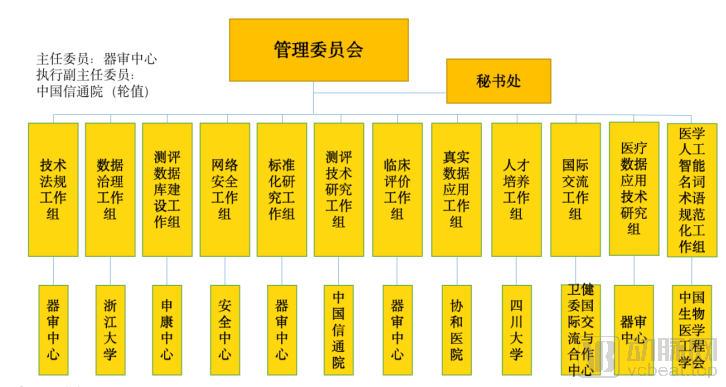
Compared with the organizational structure announced in July, we can see that the AI Medical Device Innovation Cooperation Platform has added two new working groups: the Medical Data Application Technology Research Group and the Medical Artificial Intelligence Terminology Standardization Working Group.
Notably, Zhang Xueli, Deputy Secretary-General of the AI Medical Device Innovation Cooperation Platform, highlighted the membership unit system and the registered unit system. She stated, “Provided that they comply with the platform’s obligations and administrative measures, institutions may sign cooperation agreements with the Center for Medical Device Evaluation (CMDE) to become member units. The rights and benefits enjoyed by member units include: serving as members of the Steering Management Committee; applying to establish working groups; participating in relevant work according to their capabilities; taking part in platform-related activities; and providing opinions and suggestions to the platform.”
Medical institutions, research institutes, and social organizations registered within the territory of the People's Republic of China may register relevant information on the Innovation Platform, detailing their technologies, characteristics, resource advantages, and areas of work they can undertake. The Platform Secretariat will review the submitted information and provide feedback; upon successful review, the entities will be filed and officially registered as platform members.
"In addition, if a registered entity receives an invitation from the working group, it may participate in the corresponding activities or apply to join research projects and obtain designated publicly available materials."
It is evident that whether for hospitals, universities, or medical AI enterprises, joining an innovation platform will inevitably have a positive impact on their own AI research endeavors. The AI Medical Device Innovation Collaboration Platform also warmly welcomes organizations from all sectors to participate in medical AI research.
At this conference, all 10 working groups—including those focused on technical regulations, data governance, and evaluation databases—participated in work reporting. VCBeat selected the seven groups most relevant to the development of the medical artificial intelligence industry for introduction.
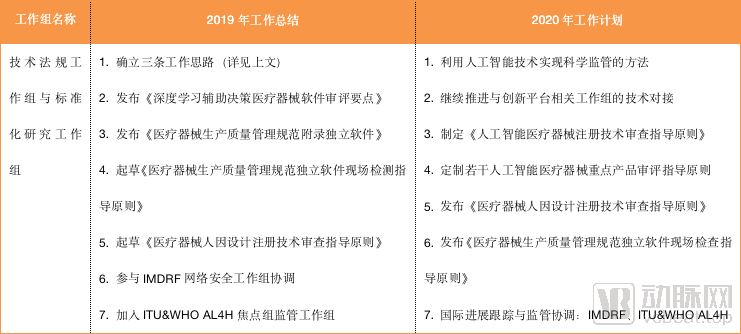
The Technical Regulations Group primarily focuses on researching policies, regulations, and methods for the lifecycle regulation of AI-based medical devices, as well as exploring approaches to leverage artificial intelligence technologies to achieve scientific regulation of medical devices. Peng Liang, Deputy Director of the First Review Department at the Center for Medical Device Evaluation (CMDE) under the National Medical Products Administration (NMPA), stated that the working group’s fundamental framework consists of three key points, which have also guided the development of review principles for AI-based medical devices.
I. Regarding the Construction of a Review and Approval Guidance Framework for AI-Based Medical Devices: This group aims to establish a framework that guides enterprises in preparing product registration submissions and provides technical support for the overall development of the industry.
II. In-depth exploration of the database construction model for distributed AI medical device evaluation databases, which is the optimal model under current conditions.
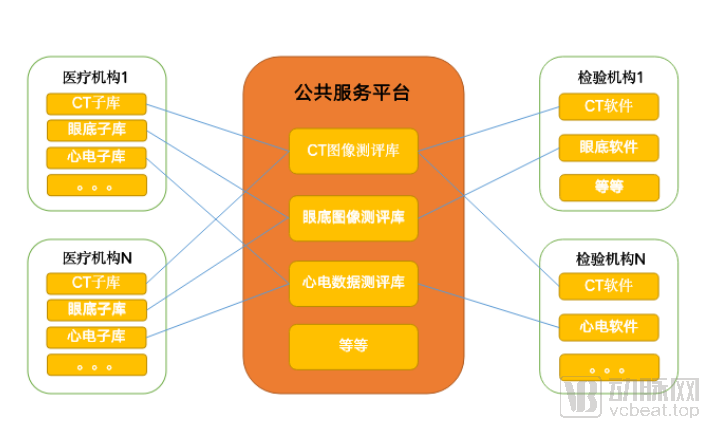
III. Adoption Criteria for AI Medical Device Evaluation Databases: Various national ministries and medical institutions are currently developing relevant databases; however, determining which databases qualify as evaluation databases remains a critical question. Therefore, the Technical Regulations Working Group must establish adoption criteria to evaluate these databases and incorporate selected ongoing projects into the evaluation database system. Furthermore, these databases require dynamic management to ensure that their specifications continuously meet the requirements for the validation of AI medical devices.
Currently, items such as the “Key Points for Review of Deep Learning-Assisted Decision-Making Software” and the “Appendix on Standalone Software to the Good Manufacturing Practice for Medical Devices” within the review guideline system have been completed, while sections such as “Human Factors and Usability” are still under development.
Led by the Shanghai Shenkang Hospital Development Center, with joint participation from institutions such as PLA General Hospital (301 Hospital), Peking Union Medical College Hospital, and West China Hospital, the Working Group on Assessment Database Construction advances its initiatives in alignment with the characteristics of AI-based medical devices. Focusing on current priorities and hotspots—including data governance, standard systems, assessment technologies, and clinical evaluation—the Working Group integrates clinical and data resources from healthcare institutions. It prioritizes research on key technologies for governing cross-regional, cross-institutional, and multimodal assessment data; conducts in-depth development of technologies for constructing and managing assessment databases across multiple campuses, heterogeneous systems, and multimodal data formats; and advances R&D on secure and open access technologies for assessment databases. The ultimate goal is to establish a testing database that meets the requirements of the Innovation Cooperation Platform for AI-Based Medical Devices.
In 2019, the work of the Shenkang Center primarily focused on preparing AI test databases. Other initiatives included promoting the implementation of intelligent imaging in Shanghai; developing an innovative medical data application platform based on artificial intelligence; establishing the organizational structure of the Specialty Alliance Center and creating specialized disease research centers under its umbrella; building a regional collaborative sharing platform for AI-enabled medical imaging; and participating in the research and development of relevant AI applications as well as the demonstration of evaluation technologies.
In the upcoming year of 2020, the Shenkang Center will aim to enhance the level of precise review and quality supervision by researching and establishing a “review technology and professional database for artificial intelligence + medical imaging systems.” The specific work will be divided into three major parts.
1. Improve the framework of the AI evaluation database. Enhance the framework of the evaluation database from key technical aspects such as standardized data collection, data annotation, governance and quality control, and secure sharing, forming targeted quality control requirements.
2. Conduct research on personalized construction and management technologies across multiple campuses, heterogeneous systems, and multimodal data.
3. Data collection for the medical artificial intelligence evaluation database, covering disease-specific information such as CT-detected pulmonary nodules, fundus images, cardiac MRI, coronary CTA, electrocardiograms (ECG), CT-detected fractures, brain MRI, and CT-detected liver lesions, thereby further optimizing medical test sample data across eight data types, including electronic medical records, medical imaging, and electrophysiological signals.
Dr. Yu Weihong, Chief Physician at Peking Union Medical College Hospital, Chinese Academy of Medical Sciences, spoke as a representative at the conference on the progress of AI applications in ophthalmology and the 2020 work plan of the Real-World Data Application Working Group.
In 2019, the working group established the “Standard Database of AI-Based Fundus Images for Diabetic Retinopathy in China,” having completed the collection and organization of 20,000 fundus images of diabetic retinopathy, with annotation proceeding smoothly. Three clinical trials of ophthalmic AI products for diabetic retinopathy were conducted in collaboration with three companies—VoxelCloud, Zhiyuan Huitu, and Zhizhen Interconnect—including two retrospective studies and one prospective study. The project “Research on AI-Assisted Screening Systems for Major Blinding Fundus Diseases” was initiated under the Beijing Municipal Science and Technology Commission. Additionally, the “China Ophthalmology Real-World AI Research Alliance” was established, and an expert consensus on the annotation and quality control of color fundus photography data was drafted.
In 2020, the working group will comprehensively advance multidisciplinary real-world research across all member units; it will place particular emphasis on regulatory processes, including medical ethics approval, implementation of informed consent, data de-identification, and the execution of data transfer agreements with collaborating institutions. The group will also focus on clinical trials of AI-based medical products, summarizing challenges encountered during these trials along with corresponding countermeasures to formulate expert recommendations for platform reference and discussion. Finally, the group will initiate the drafting of an expert consensus on medical data annotation and quality control across various medical disciplines.
In December 2019, the “Guiding Principles for Using Real-World Data in the Clinical Evaluation of Medical Devices” was opened for public comment.
Next year, building upon the “Key Points for Review of Medical Device Software Using Deep Learning–Assisted Decision-Making,” the group plans to develop clinical evaluation technical guidelines for representative products, such as deep learning–assisted decision-making software for diabetic retinopathy, targeting currently concentrated product submissions. Additionally, it will conduct industry needs assessments and carry out problem-oriented scientific research and translation of research findings into practical applications.
The Testing Technology Research Working Group, with the China Academy of Information and Communications Technology (CAICT) as the lead unit, is exploring the establishment of a public testing platform for the performance of medical artificial intelligence.
At the current stage, the key technical challenges in the industrialization evaluation of AI-based medical devices mainly arise in two areas: technical testing during the pre-market phase and software updates post-market. To address these issues, relevant projects will be gradually launched over the next two years.
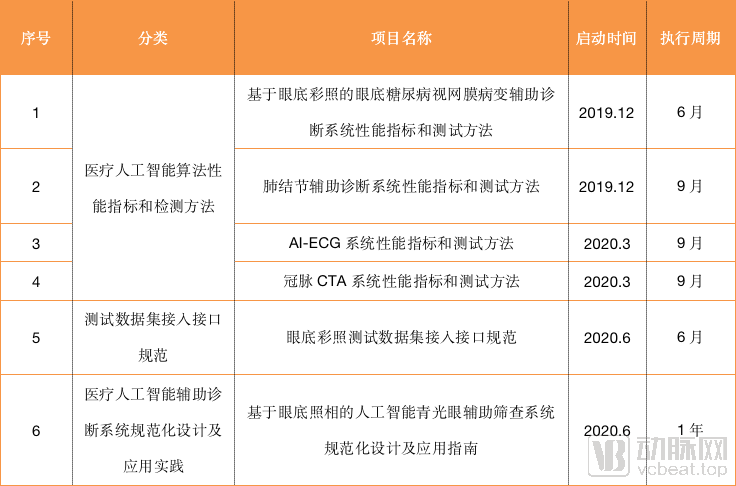
Currently, the Testing Technology Research Working Group has launched initiatives on “Quality Testing of Medical Device Software” and “Cybersecurity Testing of Medical Devices.” Leveraging this experience, the group will expedite the preparatory work for “Performance Testing of Medical AI Products.”
Zou Xiaoxiang, Deputy Director of the Second Research Division (New Business Research Division) at the National Computer Network Emergency Response Technical Team/Coordination Center of China (CNCERT/CC), delivered a keynote speech on data security at the conference. He stated, “Under the guidance of the Center for Medical Device Evaluation (CMDE), and in accordance with documents such as the CMDE’s ‘Technical Review Guidelines for Cybersecurity Registration of Medical Devices’ and the FDA’s ‘Cybersecurity in Medical Devices: Quality System Considerations and Content of Premarket Submissions,’ and with technical support from the Security Center of the Cyberspace Administration of China, we have completed the formulation of standards, use case design, and testing and validation for the cybersecurity of medical X-ray imaging equipment.” These efforts include:
1. Develop 20 test cases for cybersecurity standards;
2. Conducted security assessments on 15 products from eight leading domestic and international manufacturers;
3. Issue 15 security assessment reports.
Therefore, to protect medical data, concerted efforts must be made across three dimensions: the endpoint (terminal), the pipeline (network), and the cloud (platform).
Taking Smart Healthcare Cloud and Gene Cloud as examples, this platform not only propels closed and isolated medical institutions toward open interconnectivity but also faces more severe security challenges.
In this regard, Zou Xiaoxiang put forward three suggestions:
1. Research cybersecurity detection technologies and actionable evaluation specifications and methods for biomedical devices, formulate cybersecurity standards and specifications, and accelerate the development of a cybersecurity evaluation technology system.
2. For critical systems and key equipment, routine network access security inspection, certification, and cybersecurity reviews shall be implemented to comprehensively assess their security status.
3. Leveraging the National Vulnerability Information Sharing Platform, establish a database of cybersecurity threats in the biomedical industry, aggregating repositories of industry security incidents, vulnerabilities, and connected device information.
In the upcoming year 2020, the Cybersecurity Working Group will refine research on cybersecurity assessment methodologies for AI-based medical software; conduct research on verification and validation protocols for the cybersecurity of AI-based medical software; and carry out research on a shared platform for cybersecurity vulnerability reporting in AI-based medical software.
Furthermore, talent development programs in artificial intelligence are currently being prepared. The soon-to-be-established Working Group on Medical Data Application Technology aims to serve as a foundational “incubator” within AI infrastructure, providing guidelines and methodologies for China’s strategic development and scientific regulation of healthcare and medical devices. The group is currently addressing fundamental research challenges (such as the lack of electrocardiogram and multi-parameter databases, and difficulties in managing massive datasets from ICUs, CCUs, etc.), issues related to product application technology and safety/efficacy evaluation (including excessive alarms from monitoring devices for critically ill patients), and clinical application challenges (such as the lack of early warning systems and management protocols for acute critical care). These efforts aim to enhance both pre-market and post-market regulatory oversight of AI products.
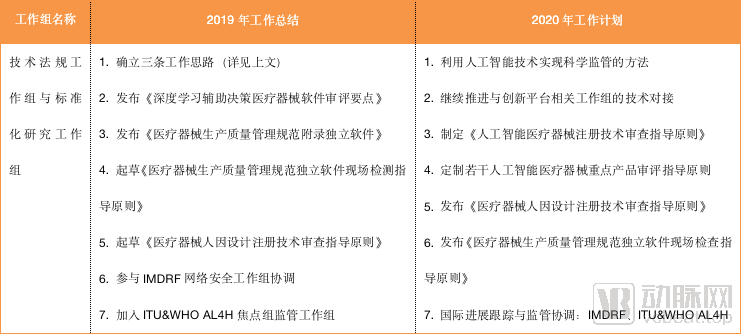
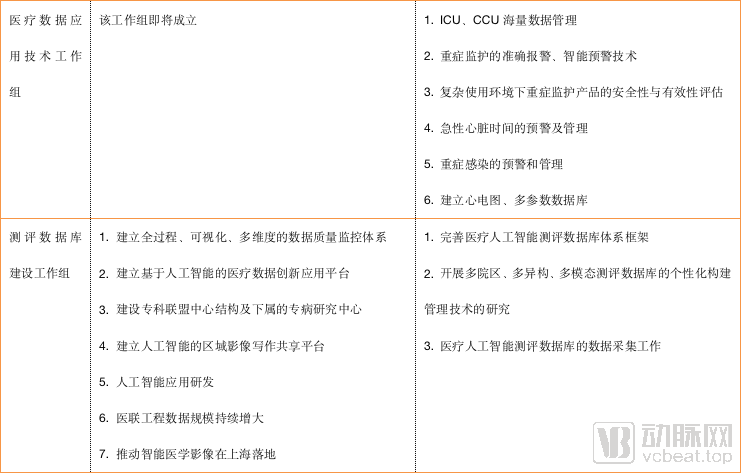
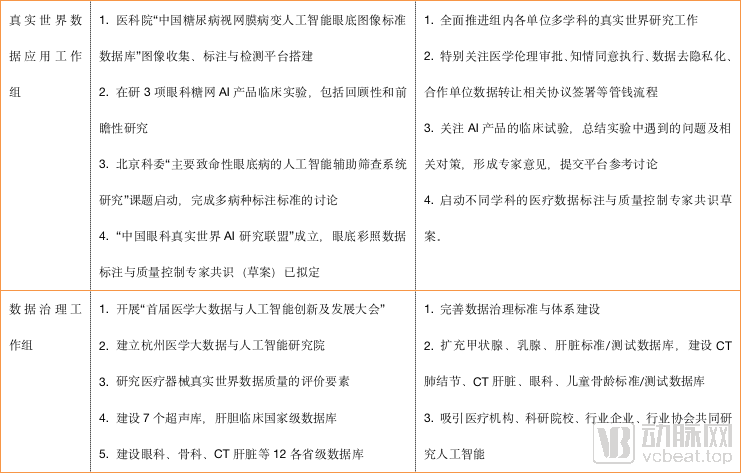
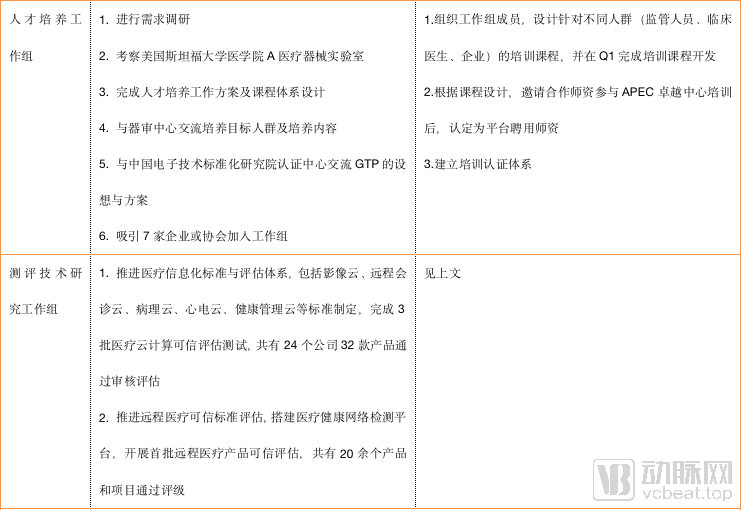
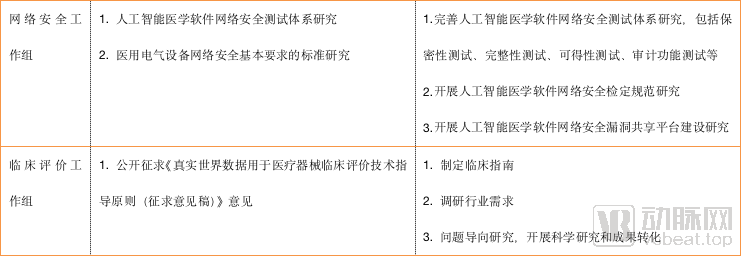
Summary of Incomplete Data from Each Working Group
Another key focus of this conference was the special review process for innovative AI-based medical devices. Data from the Center for Medical Device Evaluation (CMDE) shows that following the 2018 revision of the special review procedure for innovative medical devices, the number of applications dropped significantly, from 316 in 2018 to just over 190 in 2019. However, the number of approvals remained relatively stable, with the approval rate rising from 14.2% to 21.2%. The positive impact of the procedural revision was evident, with substantial improvements in both the quality and efficiency of reviews. In the field of medical artificial intelligence, the CMDE received a total of 21 applications for special review of innovative medical devices (covering 15 products), completed reviews for 17 applications, and approved 3 (two in ophthalmology and one in cardiology). The current approval rate stands at only 17.6%, which may be attributed to applicants’ lack of experience in submission and inadequate understanding of regulatory requirements.
At the conference, Jia Jianxiong, Deputy Director of the Comprehensive Business Department of the Center for Medical Device Evaluation (CMDE) under the National Medical Products Administration (NMPA), emphasized that a medical device must simultaneously meet three criteria—intellectual property rights, finalized design, and being the first of its kind in China with significant clinical value—to be eligible for the innovative medical device review pathway. He also provided a detailed overview of key considerations and common pitfalls for enterprises during the special review process for innovative medical devices. VCBeat has summarized Deputy Director Jia’s viewpoints as follows:
1. Review Criteria for Innovative Medical Devices
The product for application must legally hold the patent right for an invention of its core technology in China, or have legally acquired the patent right or right to use such invention patent in China through assignment; alternatively, the application for the invention patent of the core technology must have been published by the patent administration department under the State Council. There must be a basically finalized product, not a laboratory-scale product, and the research process must be authentic and controlled, with traceable research data. Furthermore, the main working principle or mechanism of action of the product must be a domestic first-in-class innovation and demonstrate significant clinical value. The purpose of the innovative review is not to compel enterprises to pursue innovation for its own sake; product innovation must genuinely address existing clinical problems.
2. Differences Between Innovative Review and Technical Evaluation
Compared with the technical review in the registration process, the innovative application review adopts an expert review system, focusing on innovation and clinical application value, with a broader range of expert selection and no supplementary materials pathway.
3. Frequently Asked Questions in the Application and Preliminary Review Process
Before submitting an innovative application, enterprises must obtain a Certificate Authority (CA) certificate and submit materials through the electronic declaration system. The materials shall be prepared in accordance with the relevant drafting guidelines. Domestic applicants are required to submit the application form or related documents that have been preliminarily reviewed and stamped by the provincial-level regulatory authority where the applicant is located. Particular attention should be paid to the fact that applicants must truthfully provide information on experts/entities with conflicts of interest when completing the application form, clearly specify the experts to be recused and the reasons thereof; if there are no experts with conflicts of interest, this must be explicitly stated.
4. Common Issues in the Steps of Acceptance, Review, and Conclusion
The Center has implemented a blind selection mechanism for the panel of experts participating in innovative reviews. Meeting-related matters are automatically communicated to the experts via a backend computer system, ensuring that relevant staff members cannot access the specific list of attending experts prior to the meeting. Meanwhile, the Center has piloted a video-based review mechanism for expert panels. Applicants may use video presentations to articulate their product’s innovative features, clinical application value, and responses to issues raised during previous reviews. The presentation segment is generally limited to 10 minutes, and applicants are advised to manage their pacing accordingly.
Finally, Vice Minister Jia Jianxiong put forward four suggestions:
1. Emphasize the integration of medicine and engineering, focus on clinical needs, conduct comprehensive assessments from multiple perspectives, and confirm that the product is truly innovative and effectively addresses clinical problems;
2. Focus on the quality of submission materials and provide sufficient supporting data;
3. Identify precise innovation points and demonstrate that the product has significant clinical application value;
4. Select a reasonable time for application; do not submit prematurely before the product has reached a basically finalized stage.
Analysis of Common Issues in Registration and Submission of AI Medical Devices
The preceding discussion addressed common issues encountered during the special review process for innovative medical devices. It is important to note that while products designated as innovative medical devices are eligible for policies such as early intervention, dedicated personnel support, expedited processing, and waivers of initial registration fees for small and micro enterprises, the subsequent evaluation criteria are not lowered, nor are the procedural requirements reduced. Therefore, companies must still adhere to the relevant requirements for conventional registration submissions.
Regarding Common Questions in the Review of AI Medical Devices, VCBeat Has Compiled Some Views from Deputy Director Peng Liang as Follows:
Key Points for the Review of Deep Learning-Assisted Decision-Making Software
1. The difference between AI-assisted decision-making and non-assisted decision-making lies in the fact that the former acts as an assistant to physicians, whereas the latter serves merely as a tool used by physicians. At the product level, there is overlap among pre-processing, workflow optimization, routine post-processing, and AI-assisted decision-making; therefore, specific cases must be evaluated in light of the product’s intended use, usage scenarios, and core functionalities.
2. The differences between deep learning technology and traditional AI technology mainly lie in two aspects: dataset scale and feature extraction. Traditional AI has relatively modest data volume requirements, and feature extraction is a white-box process. In contrast, deep learning demands large volumes of data and operates as an end-to-end black-box process that automatically performs feature extraction. This also implies that deep learning necessitates more meticulous consideration of databases, and enterprises need to prioritize the issue of interpretability;
3. From the perspective of clinical needs, products must consider both false negative and false positive rates; relying solely on accuracy is insufficient to meet clinical requirements;
4. Third-party database testing is not mandatory; enterprises may conduct testing using their own databases;
5. No software design specifications are required for submission; the review and approval process does not involve specific parameters, nor does it entail disclosure of corporate trade secrets or technical know-how;
6. The applicant shall describe the product’s intended scope and limitations, and clearly specify in the instructions for use essential information such as prompts, inputs, outputs, constraints, contraindications, algorithm training, algorithm performance evaluation, and a summary of clinical evaluation. Submission materials shall not be merely formalistic;
7. Consider the issue of data shift during the augmentation process, and conduct image analysis with excessively high augmentation factors; plot the training data volume versus evaluation metric curves, with a focus on analyzing factors affecting algorithm performance and assessing data diversity.
Software Review Guidelines
8. Provide architecture diagrams, user interface relationship diagrams, and physical topology diagrams;
9. Provide well-justified software safety classifications; clearly delineate risk allocation, and do not transfer all risks to physicians;
10. The naming convention for software versions shall take into account requirements such as compliance and completeness, while adhering to the principle of prioritizing higher risks;
11. Understand the quality control requirements for off-the-shelf software from a procurement perspective;
12. The product test report must include screenshots of the software version interface.
Guiding Principles for the Review of Cybersecurity and Mobile Medical Applications
13. Ensure information security, cybersecurity, and data security;
14. Common cybersecurity issues include: basic information is not described based on data types; risk management, verification, and validation are not conducted based on the 19 cybersecurity capabilities; there are misunderstandings regarding certain cybersecurity capabilities; verification and validation do not provide traceability analysis reports; and the maintenance plan fails to provide an emergency response plan for cybersecurity incidents.
15. Review and approval processes cover mobile computing and cloud computing; cloud computing services are regarded as off-the-shelf software; cloud service providers are considered vendors rather than manufacturers; cloud computing service agreements should address issues such as data security and patient privacy protection;
16. Cross-border data transfers shall comply with the relevant requirements of the Cybersecurity Law.
GMP Annex for Standalone Software
17. Pay attention to the software version naming convention;
18. All software is required to undergo traceability analysis;
19. Establish an emergency response process for cybersecurity incidents;
20. Consider data security safeguards after software decommissioning; many cybersecurity incidents are triggered by abandoned medical devices, necessitating measures to ensure that patient privacy information is not disclosed after the software is taken offline.
In addition to presentations by experts from various departments of the AI Medical Device Innovation Collaboration Platform, the mini-symposium held on the 29th also invited four AI companies—Lepu Medical, Silicon Intelligence, Shukun Technology, and Infervision—to share their experiences.
Lai Ming, Deputy General Manager of Silicon Intelligence, shared practical insights on the application for innovative medical device status for an AI-based software for diabetic retinopathy analysis. He noted that during the review and approval process for innovative medical devices, the National Medical Products Administration (NMPA) primarily focuses on three aspects: First, core algorithm patents must clearly demonstrate their integration into the company’s products, with a clear explanation of how the core algorithmic technologies are applied within the product. Second, product finalization requires clarifying the sources of standard data, providing explanations from the perspectives of quantification and traceability. Third, the significant clinical value of the application must be substantiated with real-world clinical data to prove that the product effectively addresses clinical problems, which should then be submitted to regulatory authorities. Enterprises should prioritize in-depth research and development in these key areas.
Liu Chang, Deputy General Manager of the AI Division at Lepu Medical, shared the company’s experience with FDA registration for its AI-ECG system. He emphasized that two key requirements must be fulfilled: conducting conformity assessments and establishing a quality management system.
As the lead of the Cardiovascular Risk Assessment Group under the ITU & WHO AI for Health (AI4H) Focus Group, Guo Ning from Shukun Technology provided a brief overview of the company’s current status. Shukun Technology’s AI technologies demonstrate significant advantages in the diagnosis of cardiovascular, cerebrovascular, and oncological conditions. A multi-center clinical study conducted jointly by Shukun Technology and Beijing Friendship Hospital covered data collected from 42 Grade IIIA hospitals across 25 provinces in China. A total of 1,064 complete cases were enrolled, each with paired coronary computed tomography angiography (CCTA) and invasive coronary angiography data. The results showed that, using the consensus of DSA adjudicating physicians as the gold standard, the coronary AI achieved a sensitivity of 95.1% in lesion detection, which was higher than that of both CTA-interpreting physicians and DSA-interpreting physicians. The product’s specificity (defined as the probability of correctly excluding disease in non-diseased individuals) was comparable to that of CTA adjudicating physicians.
Infervision serves as the lead organization for the Chest CT domain within the ITU&WHO Focus Group on AI for Health (AI4H). Sun Mengmeng from Infervision shared insights on initiating projects within this focus group. She recommended that training data should ideally be sourced from multiple datasets, reflecting the spectrum of diseases and capturing the diversity of technical parameters across urban and rural settings, with a strong emphasis on quality control. Furthermore, annotation should involve at least two senior radiologists with over 15 years of experience, adhering to established protocols. Prior training should be provided to the annotators, and the annotation results should ideally be validated by pathological findings.
Over the course of the two-day conference and site visits, we clearly witnessed the efforts made by the Medical Device Innovation Cooperation Platform to advance the development of AI-powered medical devices. However, it is also evident that considerable work remains to be done to improve pre-market review and approval as well as post-market surveillance for AI-based medical devices. Following the conference, VCBeat interviewed Dr. Guo Ning, Dean at Shukun Technology. Combining these insights with VCBeat’s own observations, we have summarized the key points as follows:
I. Further Improvement of the System
The most notable change at this conference was the addition of two new working groups: the Medical Data Application Technology Research Group and the Working Group on Standardization of Medical Artificial Intelligence Terminology. According to the 2020 work plan of the Medical Data Application Technology Research Group, the Center for Medical Device Evaluation (CMDE) will assign relevant departments to conduct in-depth research on the application of AI in clinical scenarios, with a focus on data management, false negatives and false positives, and early warning and forecasting issues associated with AI products. Through these efforts, the CMDE may be able to establish a more comprehensive evaluation system for AI-based medical devices.
II. Opportunities for Corporate and Institutional Participation
At this conference, it became evident that many research efforts in areas such as database development and the formulation of laws and regulations have yet to establish a clear framework, with related initiatives still under exploration. These endeavors require not only the involvement of regulatory authorities but also the participation of artificial intelligence (AI) enterprises and research institutions to jointly advance the establishment of relevant standards. For AI companies, joining such platforms can provide greater access to information regarding review and approval processes.
III. Use of Real-World Data in the Clinical Evaluation of Medical Devices
In 2019, the Center for Medical Device Evaluation of the National Medical Products Administration (NMPA) organized the drafting of the “Technical Guidelines for the Use of Real-World Data in the Clinical Evaluation of Medical Devices (Draft for Comments).” At this conference, Professor and Director Yu Weihong discussed the application of real-world data in the clinical evaluation of ophthalmic AI products. Liu Yinghui, Deputy Director of the First Clinical Evaluation Department at the NMPA’s Center for Medical Device Evaluation, provided a detailed introduction to various aspects of using real-world data in the clinical evaluation of medical devices, including applicable scenarios, data sources, study design, and statistical analysis.
Based on the 2019 work summaries and 2020 work plans of various working groups, VCBeat predicts that there is a very high probability we will witness the issuance of the first Class III medical device registration certificate for artificial intelligence in 2020. This would be a significant boon to the entire AI medical imaging market. In contrast to the relatively quiet year of 2019, it is believed that every professional in the medical AI sector has begun to anticipate the dynamic and transformative landscape of 2020.
However, companies must remain vigilant. Regulatory review and approval are merely a gateway; how will AI enterprises compete in the battlefield beyond this door? And what new scenarios will generate “hard demand” from hospitals? Everything remains uncertain.