

Can AI-Powered ECG Diagnosis Gain Traction in Hospitals? How Portable Devices Break Through Market Ceilings
On November 21, 2019, I came across an article that went viral on WeChat Moments: A Xinhua News Agency reporter had passed away suddenly, with his jacket still draped over the back of his chair. The article concluded with an appeal: “Journalists and editors, truly do not overwork or stay up too late; please take care of your health!”
Mentioning this at the outset is not intended to highlight the hardships and efforts of journalists, nor to discuss the hazards of staying up late; rather, it aims to explore whether there are ways to resolve or mitigate such incidents. It is important to note that in 2016, the National Center for Cardiovascular Diseases released a report stating that the annual number of sudden cardiac death cases in China exceeds 540,000.
In an era where everyone faces immense stress, is there a product capable of monitoring heart health in real time? The answer is yes. After years of development in the field of electrocardiogram (ECG) monitoring, devices such as ECG machines, Holter monitors, and patient monitors have become standard equipment in hospitals. With the advancement of technologies like artificial intelligence and big data, the mature field of ECG monitoring is once again poised for growth—an opportunity that may ultimately benefit everyone.
From the clinical introduction of the first ECG monitoring device to the present, these devices have evolved from single-lead to multi-lead systems and from static to dynamic monitoring. Today, key features such as real-time monitoring, continuous monitoring, and early warning alerts are being integrated into product functionalities. As portable ECG monitoring products become widely adopted in households, they may help reduce or even prevent sudden cardiac death.
In fact, VCBeat reported on nearly 20 companies in the ECG monitoring sector in 2019 and found that various portable ECG monitoring devices had been launched on the market; however, the market outlook was not optimistic. Ordinary users struggle to interpret electrocardiograms (ECGs), and physicians capable of accurately interpreting ECGs remain a minority in China. Can current AI-based ECG interpretation services assist physicians in reading ECGs or improve their diagnostic efficiency?
In this article, VCBeat (WeChat: vcbeat) will provide an overview of the electrocardiogram (ECG) monitoring sector. The main contents include:
1. Current Status and Pain Points in the Development of ECG Monitoring Devices;
2. Key Response Measures by Domestic Enterprises;
3. The feasibility of implementing AI diagnostics in hospitals;
4. How Portable ECG Devices Can Break Through Market Limitations.
According to the "Report on Cardiovascular Diseases in China 2018," the prevalence of cardiovascular diseases in China is on a continuous rise, with an estimated current number of patients reaching 290 million. Among them, there are 13 million stroke cases, 11 million coronary heart disease cases, 5 million pulmonary heart disease cases, 4.5 million heart failure cases, 2.5 million rheumatic heart disease cases, 2 million congenital heart disease cases, and 245 million hypertension cases.
In 2016, cardiovascular disease remained the leading cause of death, surpassing cancer and other diseases. The mortality rate from cardiovascular disease in rural areas was 309.33 per 100,000 population, accounting for approximately 45.50% of all deaths; in urban areas, the rate was 265.11 per 100,000 population, representing about 43.16% of all deaths.
Sudden cardiac death refers to unexpected death caused by cardiac factors, characterized by sudden loss of consciousness, occurring immediately or within 24 hours after the onset of acute symptoms. Currently, most scholars tend to limit the timeframe for sudden death to within one hour of symptom onset. Studies have shown that 72% of patients experience significant discomfort before cardiac arrest, with 70% of these patients having warning symptoms lasting more than 15 minutes.
Therefore, some scholars have pointed out that patients with sudden cardiac death exhibit significant abnormal cardiac activity prior to death. Abnormalities can be promptly detected through electrocardiogram monitoring and other methods, enabling timely emergency intervention to save patients' lives.
Electrocardiography is one of the most commonly used clinical examinations. It records the normal electrical activity of the human heart, aiding in the diagnosis of arrhythmias, myocardial ischemia, and myocardial infarction; determining the location of myocardial infarction; diagnosing cardiac enlargement and hypertrophy; assessing the effects of medications or electrolyte imbalances on the heart; and evaluating the status of artificial cardiac pacing.
Currently, domestic dynamic ECG products have become more miniaturized and portable, with the development of home-use portable devices. In-hospital ECG monitoring equipment has also evolved from single-lead and dual-lead systems to 18-lead configurations. The products in use today not only offer clear recordings and strong anti-interference capabilities but are also portable and equipped with automatic analysis and diagnostic functions.
After more than a century of development, electrocardiogram (ECG) monitoring technology has become highly mature. However, it now faces new challenges: there is a shortage of physicians capable of interpreting ECGs, making it difficult to meet hospital demands; while ECG monitoring devices have achieved new technological breakthroughs, the quality of AI-based ECG interpretation services remains uneven; and although ECG monitoring is trending toward home use, users struggle to interpret ECG results, indicating that the market still requires cultivation.
According to statistics, there are only more than 30,000 professional electrocardiogram (ECG) physicians in China, and they are mainly distributed in large hospitals, with a severe shortage of relevant talent in primary healthcare institutions. Although cardiologists can also interpret and analyze ECGs, specialization matters, and the professional analysis of an ECG is very time-consuming for physicians, resulting in low efficiency. Currently, ECG monitoring equipment has become widely available and has become one of the routine examinations for patients, bringing a greater workload to physicians.
On the other hand, the rapid development of mobile health and telemedicine has made patient health management possible. However, poor patient adherence and the limited adoption of portable devices have emerged as new challenges in market cultivation.
Currently, the rapid advancement of artificial intelligence, machine learning, and big data technologies has provided a new opportunity for the development of electrocardiogram (ECG) monitoring. Compared with traditional ECG algorithms, AI-based ECG interpretation offers significant advantages in both accuracy and computational speed, providing clinical references for physicians, reducing the time required for ECG review, and assisting in diagnosis. Some companies even claim that their AI algorithms have achieved expert-level ECG interpretation capabilities, ensuring high accuracy while substantially reducing interpretation time.
"Clinical experts have stated: 'The application of AI in electrocardiography, particularly the human-machine collaborative model, will be the trend of future development. It can greatly facilitate ECG examinations and interpretations by primary care physicians, offering broad prospects for development.'"
As for market cultivation, this is precisely what many companies are currently doing. Their strategies primarily focus on the hospital side, partnering with hospitals to assist in out-of-hospital health management, thereby achieving the goal of product promotion.
In fact, there are 290 million patients with cardiovascular diseases in China. Some of them are unaware of their conditions, and current market cultivation methods struggle to reach ordinary users. Among those who can be reached, patient compliance is poor; they rarely or never use ECG monitoring products, leading to unsatisfactory promotion results for portable ECG monitoring devices. Currently, the vast majority of companies have shifted from offline promotion to online sales, reducing customer acquisition costs and improving conversion rates. However, the trillion-yuan market remains a distant goal.
The following content provides an overview of companies in China's ECG monitoring sector and the measures they have taken to address key challenges, offering valuable insights for industry professionals.
According to Qichacha, there are currently 559 companies in China operating in the field of ECG monitoring. VCBeat has compiled statistics on 26 previously reported companies: 13 serve hospitals as their primary customers, 6 target household consumers, and 7 cater to both hospital and home users.
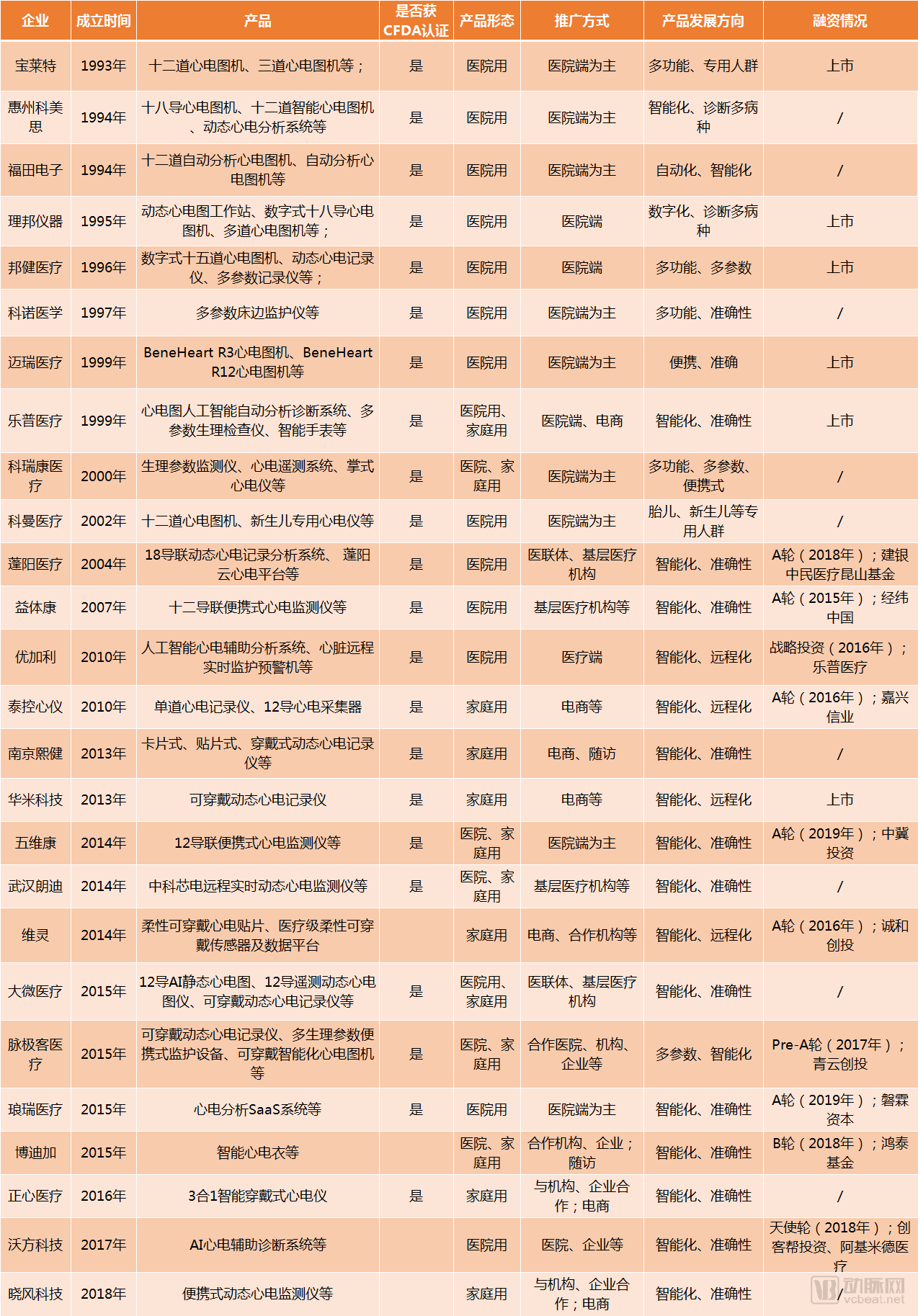
(Some Domestic Enterprises, Compiled by VCBeat)
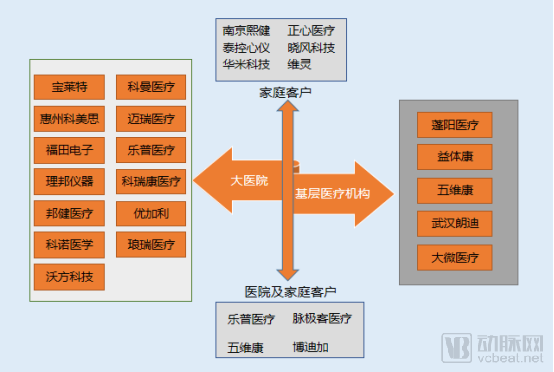
(Enterprises with Different Customer Segments)
In-Hospital Products Are Evolving Toward High Precision and Intelligence
Traditional enterprises in the ECG monitoring sector entered the market early and have already secured certain resources on the hospital side, thus placing greater emphasis on the hospital market. Since the 1990s, their products have evolved from 3-lead to 12-lead and 18-lead systems. Meanwhile, these traditional companies are investing heavily in automated analysis algorithms to help reduce physicians’ workload and raise competitive barriers.
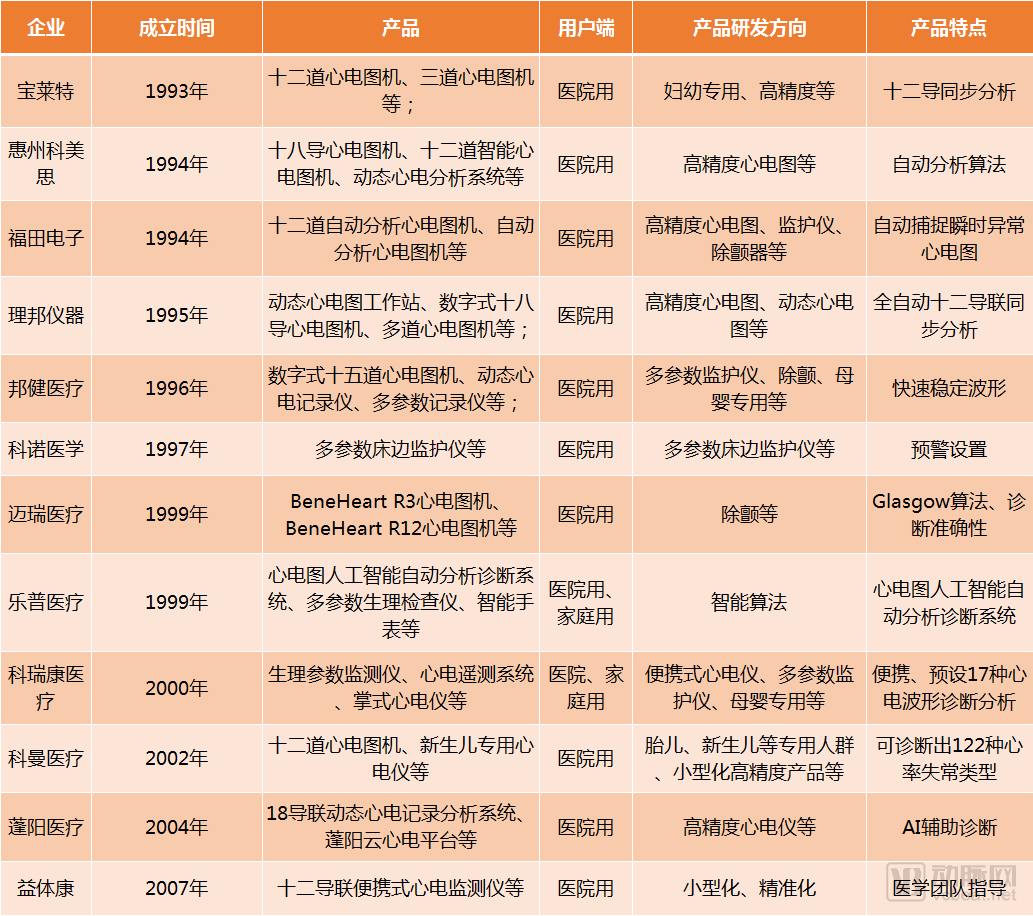
(Target customer base: hospitals; corporate and product development directions; incomplete statistics)
Hospitals’ primary requirement for electrocardiograph (ECG) machines is high accuracy. Consequently, products developed by these companies are predominantly multi-lead devices, evolving toward the capability of diagnosing a wide range of conditions. Compared with single-lead systems, 12-lead ECGs enable the assessment of ventricular tachycardia, abnormal cardiac rhythms, arrhythmias, and myocardial ischemia by analyzing different waveform components. The subsequently introduced 18-lead ECG adds right ventricular leads and allows visualization of electrical changes in the true posterior wall of the left ventricle, thereby achieving comprehensive, holographic monitoring of cardiac electrical activity.
In addition to high accuracy, the products of these companies are also evolving toward intelligence and automation. This is because there is a shortage of professional radiologists in China; developing AI-assisted image interpretation technologies can help physicians reduce reading time and enhance product competitiveness. Unlike AI-based image interpretation solutions designed for home use, hospital-side assisted image interpretation technologies are primarily aimed at improving physicians’ work efficiency.
In the race for market share, some companies have targeted specific populations such as fetuses and newborns; for instance, Biolight and Comen Medical have developed specialized products for fetal and neonatal care. Others have opted for multi-disease diagnostic solutions, exemplified by Edan Instruments and Huizhou Kemeisi with their 18-lead ECG machines. Some enterprises are committed to multifunctional, multi-parameter devices, such as the multi-parameter recorders from Bangjian Medical and Konmed. Still others are expanding into the home-use sector, including Lepu Medical’s smartwatches and Creative Medical’s handheld ECG devices.
Increased Volume at the Primary Care Level, Gradual Popularization of ECG Machines
With China’s economic development and technological advancements, the demand for electrocardiograph (ECG) machines in primary healthcare institutions has become increasingly prominent. Companies that identified this business opportunity were established successively after 2010, with most of their products evolving toward telemedicine and mobile health solutions. Leveraging the favorable policies promoting medical consortia and tiered diagnosis and treatment, these enterprises have actively seized market share in primary healthcare institutions.
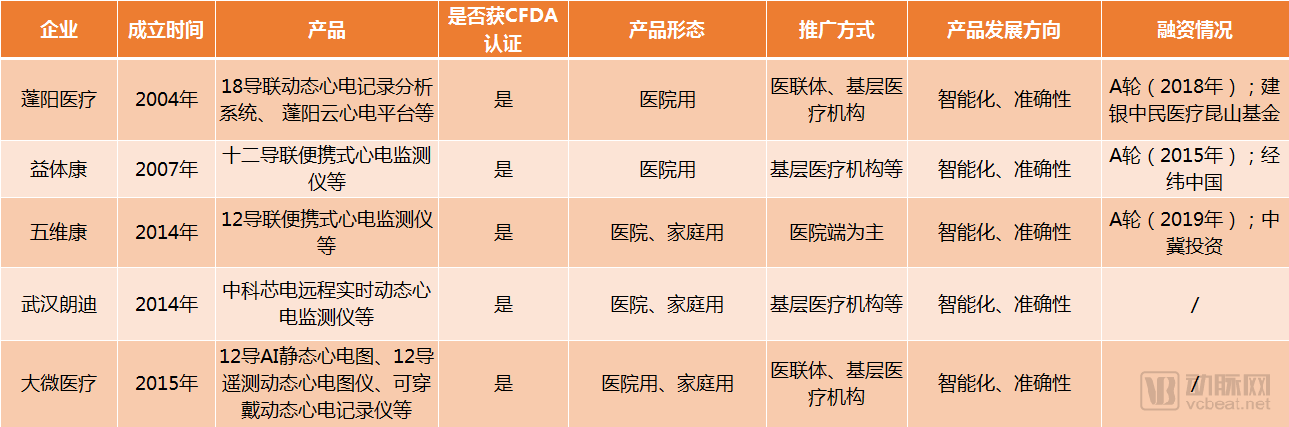
(Companies targeting primary healthcare institutions, incomplete statistics)
These enterprises have been able to integrate primary healthcare institutions, thanks to the development of internet technology and artificial intelligence. Addressing the pain point of a shortage of physicians specialized in image interpretation in China, particularly at the primary care level, these companies leverage internet technology to connect central hospitals with primary healthcare institutions. By transmitting electrocardiogram (ECG) data to central hospitals, they enable patients at primary care facilities to access ECG interpretation services provided by specialists at central hospitals. As the growing volume of such interpretation services places significant pressure on physicians, artificial intelligence technology is deployed to alleviate this burden.
These enterprises have been able to rapidly penetrate the market because they help primary healthcare institutions expand their revenue streams, enable patients to receive diagnosis and treatment locally with access to high-quality medical resources, and facilitate the promotion of the tiered diagnosis and treatment policy.
They have not only deployed technologies such as telemedicine and AI-assisted diagnosis in primary care hospitals and private clinics, but also extended their application to health examination centers, elderly care institutions, and community health service centers, thereby expanding their customer base. They have chosen not to compete for the market share of large tertiary hospitals, as this segment has long been dominated by earlier-established enterprises.
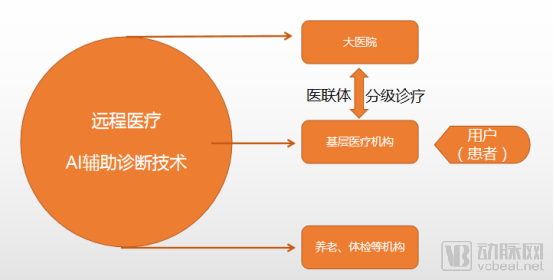
(B2B Promotion)
These companies’ products differ from those of traditional ECG monitoring firms; they not only include high-accuracy ECG monitors but also cloud-based service systems that connect primary healthcare institutions with central hospitals, such as Pengyang Medical’s 18-lead ambulatory ECG recording and analysis system and the Pengyang Cloud ECG Platform.
To enhance differentiated competitiveness, some companies have opted for remote real-time dynamic monitoring, such as Wuhan Langdi’s Zhongke Xindian Remote Real-Time Dynamic ECG Monitor; others have chosen high-precision remote dynamic monitoring, such as Dawei Medical’s 12-Lead Telemetry Ambulatory ECG Monitor; while still others have prioritized miniaturization and portability, such as Yitikang’s 12-Lead Portable ECG Monitor.
Technological Advances Drive ECG Monitoring Devices into the Home
The development of telemedicine and AI technology has not only spurred the market for primary healthcare institutions but also opened the door to the home care market. After 2010, with the widespread adoption of the internet and smartphones, continuous advancements in Bluetooth and wireless transmission technologies, and the gradual application of artificial intelligence, ECG monitoring companies emerged to seize these opportunities.
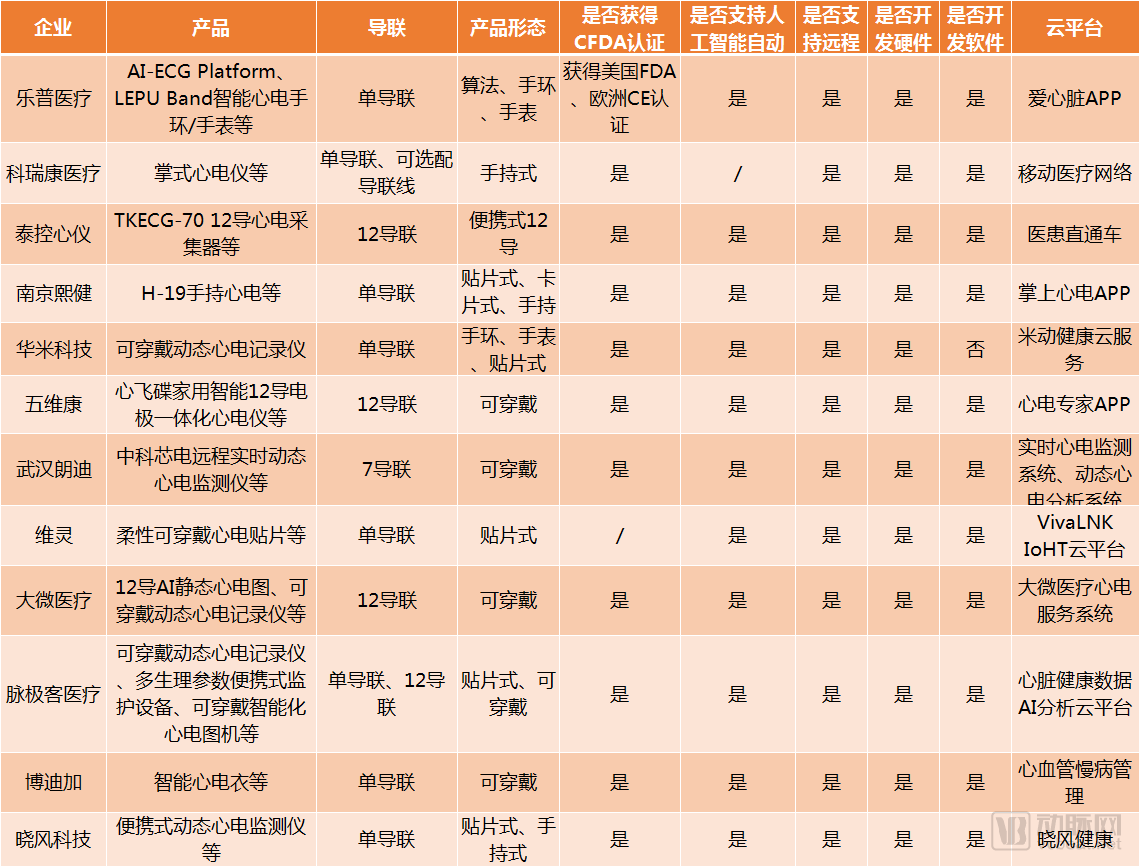
(Distribution of Household Products, Incomplete Statistics)
These companies, targeting households (B2C users), have vigorously developed mobile healthcare and shifted toward chronic disease management, leveraging advances in smart hardware (such as smartphones), cloud computing, big data, and artificial intelligence.
In terms of product form, home-use products differ from those used in hospitals and primary healthcare institutions. They are mostly single-lead devices, primarily in the form of wristbands, patches, handheld units, and wearables. This is because home-use products focus more on early disease screening and prevention, requiring ease of operation and comfortable wear.
Since users are unable to interpret electrocardiograms (ECGs), these companies have endeavored to develop artificial intelligence (AI) technologies to provide preliminary AI-generated reports. If suspicious lesions are identified during screening, the companies offer cloud-based platforms to connect patients with specialist physicians for diagnostic opinions (a value-added service). Some companies also choose to refer patients with suspected lesions to nearby hospitals for further examination.
Although home-use products have been successfully developed and launched on the market, it will take some time to cultivate consumer demand. At this stage, market cultivation is primarily driven by physicians: companies distribute their products to healthcare institutions, where doctors recommend them to patients, who then choose to purchase or rent the devices. In this process, companies mainly assist physicians in facilitating follow-up visits and monitoring patients’ health status. Other promotional strategies include collaborations with large enterprises and major institutions to promote products and services, but the results have yet to meet expectations.
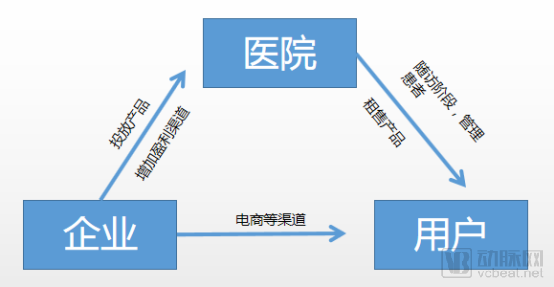
(Consumer-facing promotion)
To enhance user acceptance, some companies are investing in multi-parameter, multi-lead portable ECG monitoring, such as Maiji Medical’s portable 12-lead professional ECG monitoring device; others are focusing on product miniaturization and portability, such as Nanjing Xijian’s patch-type ECG recorder.
The Development of Artificial Intelligence
Enterprises serving different customer segments prioritize different aspects in the development of artificial intelligence technologies.
Companies that target medical institutions as their clients are developing AI-assisted analysis systems to liberate the labor of professional ECG physicians in hospitals, improve work efficiency, enhance diagnostic accuracy, and meet the rigid demand for relevant medical services.
Meanwhile, companies targeting households as their customers are developing AI-powered image interpretation systems, primarily designed to provide users with preliminary reports that make the physiological conditions described in electrocardiograms (ECGs) easy to understand.
Taking Lepu Medical as an example, on November 20, 2018, the company issued an announcement stating that its wholly-owned subsidiary, Shenzhen Kaiweier Electronics Co., Ltd., had received registration approval from the U.S. Food and Drug Administration (FDA) on November 19, 2018, for its independently developed “AI-ECG Platform,” an artificial intelligence-based automated analysis and diagnostic system for electrocardiograms. This marks the first AI-enabled ECG product from China to obtain FDA approval.
According to reports, the AI-ECG Platform’s diagnostic capabilities cover major cardiovascular diseases. It demonstrates absolute advantages over traditional methods in diagnosing arrhythmias (abnormal impulse formation and abnormal impulse conduction), atrial and ventricular hypertrophy, myocardial ischemia, and myocardial infarction, with an accuracy rate exceeding 95%. Notably, its performance in diagnosing conditions such as atrial flutter, atrial fibrillation, complete left bundle branch block, complete right bundle branch block, and pre-excitation syndrome is comparable to that of ECG medical specialists.
To promote the adoption of artificial intelligence, Lepu Medical has organized events such as the Intelligent ECG Human-Machine Collaboration Tournament, aiming to highlight how AI empowers physicians and enhances their accuracy and efficiency in interpreting diagnostic images.
For county-level hospitals, the greatest benefit of implementing the AI-ECG Platform is enabling primary care physicians to interpret electrocardiograms (ECGs) more quickly and directly. For large tertiary hospitals, the AI-ECG Platform serves as an intelligent knowledge base while providing technical guidance to physicians. Consequently, the application of the AI-ECG Platform is becoming increasingly widespread.
Most of the companies included in the statistics offer AI-powered services; however, the market for such services is fraught with mixed quality, with some providers deceiving users and others engaging in excessive hype, making it difficult for ordinary users to make informed choices. This has led to a new challenge for companies in the ECG monitoring sector: how to earn user trust and gain recognition from physicians.
VCBeat has learned that many physicians are currently concerned about whether AI-assisted image interpretation systems can be practically implemented in hospitals across China; many enterprises are focused on how to gain physicians’ trust and successfully deploy their AI-assisted image interpretation systems in hospitals; and numerous mobile health companies are seeking strategies to penetrate the market. In response to these issues, VCBeat interviewed Li Feng, founder of Dawei Medical, and Zhong Jing from Maiji Medical, aiming to identify viable solutions.
Dawei Medical's Solutions for B-End Clients
Dawei Medical is an innovative data operations service provider specializing in cardiac health management. Focused on data operations throughout the entire cardiovascular lifecycle, it delivers intelligent ECG solutions for cardiovascular data preprocessing to healthcare institutions and out-of-hospital users. Its core business includes integrated ECG acquisition devices that combine dynamic, static, and telemetry capabilities, as well as AI-powered diagnostic services.
Dawei Medical targets its user base at the hospital sector, more precisely, primary healthcare institutions. Specifically, Dawei Medical collaborates with central hospitals to establish consultation centers, leveraging the medical consortium framework to serve primary care hospitals. In this process, Dawei Medical provides remote testing services for primary healthcare institutions; after testing, ECG data is transmitted to central hospitals, where highly skilled physicians conduct remote consultations.
Li Feng, founder of Dawei Medical, stated, “The value of ECG monitoring has been recognized by the medical industry to date. However, the lack of relevant quality control standards in the field of ECG monitoring has hindered its market promotion.”
“To penetrate the ECG monitoring market, it is essential to first establish quality control standards. Therefore, Dawei Medical has undertaken an initiative unmatched by other companies in the same sector: developing a comprehensive quality control system. Only with a robust quality control system in place can we achieve broader promotional value.”
Furthermore, Dawei Medical stated that the quality of current ECG monitoring, the value of reports, and the enhancement of physicians’ image interpretation speed and efficiency through AI algorithms require academic endorsement. With such recognition, the market is expected to expand further.
As for market cultivation, ECG monitoring companies should explore currently overlooked markets. ECG monitoring is needed not only in tertiary hospitals and primary healthcare institutions but also in other settings, such as clinics, gyms, and sports rehabilitation centers. These scenarios require ECG monitoring, but suitable products are lacking. To operate in these settings, companies must provide not only products but also follow-up services, such as automated diagnosis and critical value alerts.
Therefore, Dawei Medical is seeking innovative scenarios in hopes of expanding its market reach.
Bringing Medical Devices to Households: How MaiGeek Expands Its Market
PulseGeek Medical Technology is a provider of intelligent cardiac health management solutions, with products including wearable ambulatory ECG monitors, portable multi-parameter monitoring devices, wearable smart electrocardiographs, and an AI-powered cloud platform for ECG data analysis.
Intelligent long-term ECG monitoring is applicable to the entire lifecycle of cardiac health management for a broad population, ranging from risk screening and adjunctive therapy to in-hospital monitoring and post-operative rehabilitation follow-up. In the B2B sector, Maiji Medical Technology has established collaborations with hospitals, primary healthcare institutions, group health management providers, and integrated medical and elderly care platforms.
Driven by the essential needs of cardiovascular patients and advancements in AI technology, professional medical-grade ECG monitoring and cardiac health management have entered the era of consumer home use. “Portable smart ECG recorders will gradually become a household staple, much like blood pressure monitors. Many customers who call to inquire about purchasing our products have previously used our devices during outpatient visits or hospital stays; they find the operation simple and convenient, making it suitable for long-term use by the entire family.”
Professional medical certification, ease of operation, unobtrusive wearability that does not disrupt daily life, interpretable monitoring results, and shareable reports available for professional consultation are all indispensable factors for the widespread home adoption of ECG monitoring devices. Maiji Medical Technology’s algorithms have been specifically optimized to mitigate motion artifacts. “Our algorithms demonstrate strong resistance to motion interference in complex environments and during long-term monitoring, enabling the continuous and stable extraction of weak ECG signals. As a result, cardiac abnormalities can be accurately detected while users wear the device during exercise or work, significantly enhancing self-detection of cardiac risks. The wireless, patch-style design ensures a pressure-free wearing experience during monitoring. Analysis reports can be shared with family members or physicians, or printed to facilitate clinical diagnosis during outpatient visits.”
Currently, although the era of affordable home ECG monitoring for the consumer market has begun, it has not yet fully taken off. While sudden cardiac death tragedies occur frequently, and both traditional and new media seize these moments to educate the public about heart health, it remains difficult to genuinely raise public awareness and attention toward cardiac well-being. Since most acute cardiac events occur outside of hospitals, regular self-monitoring of electrocardiograms (ECGs) is an effective way to prevent sudden emergencies.
“Many of the users we interact with only begin to pay attention to their heart health and initiate routine, continuous monitoring after symptoms appear or even after undergoing surgery. Additionally, many consumers hold misconceptions when selecting ECG monitoring devices. For instance, most devices on the market are consumer-grade, which are not recognized by hospitals or medical platforms. Only medical-grade devices—those that have obtained CFDA registration in China—provide data and results with clinical value. Monitoring with medical-grade devices is essential to avoid delays in diagnosis and treatment due to inaccurate data.”
Therefore, MaiJiKe Medical Technology believes that expanding market share requires enhancing consumer awareness, necessitating collaborative guidance from branding and media partners. “In terms of patient education, we plan to collaborate with domestic expert teams specializing in arrhythmia and electrocardiography societies to reach secondary hospitals, primary hospitals, and community health centers. These initiatives will initially target the Beijing region, with the aim of developing them into a sustained, nationwide public welfare campaign.”
“Some users of MaiGeek Medical Technology have voluntarily promoted its devices by recommending them to friends or fellow patients in their communities.” This is a testament to the trust and recognition the company has earned from its users. User trust is built not only on the quality of the products themselves but also on professional services.
In addition, Maijike Medical Technology has collaborated with Grade A tertiary hospitals on topic-specific research and scientific projects. These collaborations have been instrumental in gaining recognition from both physicians and users. In 2019, Maijike Medical Technology further expanded its channels and business models, such as partnering with corporate clients on cardiac health management programs and providing cardiac health management for fitness and exercise.
The above are the response measures taken by three companies to address the issues, which we hope can provide some insights and references for the industry.
1. The number of hospitals using 18-lead ECG monitors is gradually increasing. In-hospital ECG monitoring products can diagnose a greater number of diseases, bringing new revenue streams to hospitals.
2. In-hospital automated analysis algorithms have become more mature, reducing physicians' image interpretation time and improving patient experience. The number of images interpreted within the same timeframe has increased, leading to higher hospital profits.
3. The promotion of tiered diagnosis and treatment has led to the gradual deployment of electrocardiogram (ECG) machines in primary healthcare institutions, resulting in a mature market.
4. ECG monitors used in primary healthcare institutions have evolved to support 18-lead recordings, with further advancements in telemedicine and artificial intelligence algorithms, thereby enhancing the efficiency of assisted ECG interpretation. Companies in this sector are beginning to explore opportunities in both large hospitals and the home care market.
5. Home-use products still focus on early screening; their artificial intelligence algorithms have become more accurate due to data accumulation, and the reports provided will include more information.
6. The concepts of “preventive treatment” and “health management” are gaining widespread acceptance, gradually opening up the household market. Mobile healthcare and chronic disease management are seizing new opportunities for development.