

Miao Health and Xinhua News Release '2019 Report on Unhealthy Behaviors Among Chinese Citizens': Seven Key Unhealthy Lifestyle Habits Identified
The World Health Organization (WHO) has stated that 60% of an individual’s health and longevity is determined by lifestyle, making good habits the key to maintaining health. However, in daily life, few people truly practice self-discipline; many are too lazy to exercise and engage in excessive eating and drinking. These unhealthy lifestyle habits continually erode people’s health.
On December 31, 2019, Miao Health and Xinhua News Agency jointly released the “Unhealthy Recycling Bin” – Report on Unhealthy Behaviors of Chinese People in 2019. The report conducted comprehensive data analysis across five dimensions: physical activity, nutrition, sleep, psychological well-being, and health literacy. By combining this analysis with contemporary lifestyle patterns and behavioral habits commonly observed among the population, it identified seven major unhealthy lifestyle habits prevalent among Chinese people in 2019: sedentary behavior, smoking, excessive alcohol consumption, excessive salt intake, unhealthy diet, insufficient water intake, and frequent late nights. These were summarized into seven key “unhealthy” keywords.

Since 2017, Miao Health has released its Annual Health White Paper online for three consecutive years. Leveraging a big data platform for health behaviors built on technologies such as artificial intelligence, the Internet of Things, and cloud computing, the company identifies annual keywords related to unhealthy habits. This initiative aims to provide health risk warnings and health management recommendations to address the unhealthy lifestyles of the Chinese population.
This year, Miaojiankang also launched a public welfare campaign themed “Unhealthy Recycling Bin,” setting up an offline pop-up store in Beijing. The initiative brought to life the seven key unhealthy lifestyle trends of 2019 by personifying them into vivid characters, such as “Lord Lie-Down,” “Dust Immortal,” “Tumbler Sage,” “Master Salty,” “Tight-Stomach Doc,” “Emperor Dryness,” and “Panda Immortal.” This trendy and novel health experience attracted immense popularity, with numerous participants at the event eagerly identifying their own unhealthy aliases and posing for photos with the corresponding character plush toys.
“Unhealthy Recycling Bin” aims to remind people to prioritize the management of daily health behaviors. At the event, staff will educate attendees on health knowledge, provide free health monitoring and questionnaire surveys, and offer small gifts upon completion of engaging tasks. The organizers hope this format will encourage everyone to “recycle” unhealthy habits, strengthen health management, and improve quality of life. Imagine if unhealthy behaviors such as smoking, staying up late, physical inactivity, and irregular eating could be recycled like waste; many well-known diseases, including lung cancer, obesity, hypertension, and cardiovascular and cerebrovascular diseases, would consequently see significant improvement.
Report Interpretation
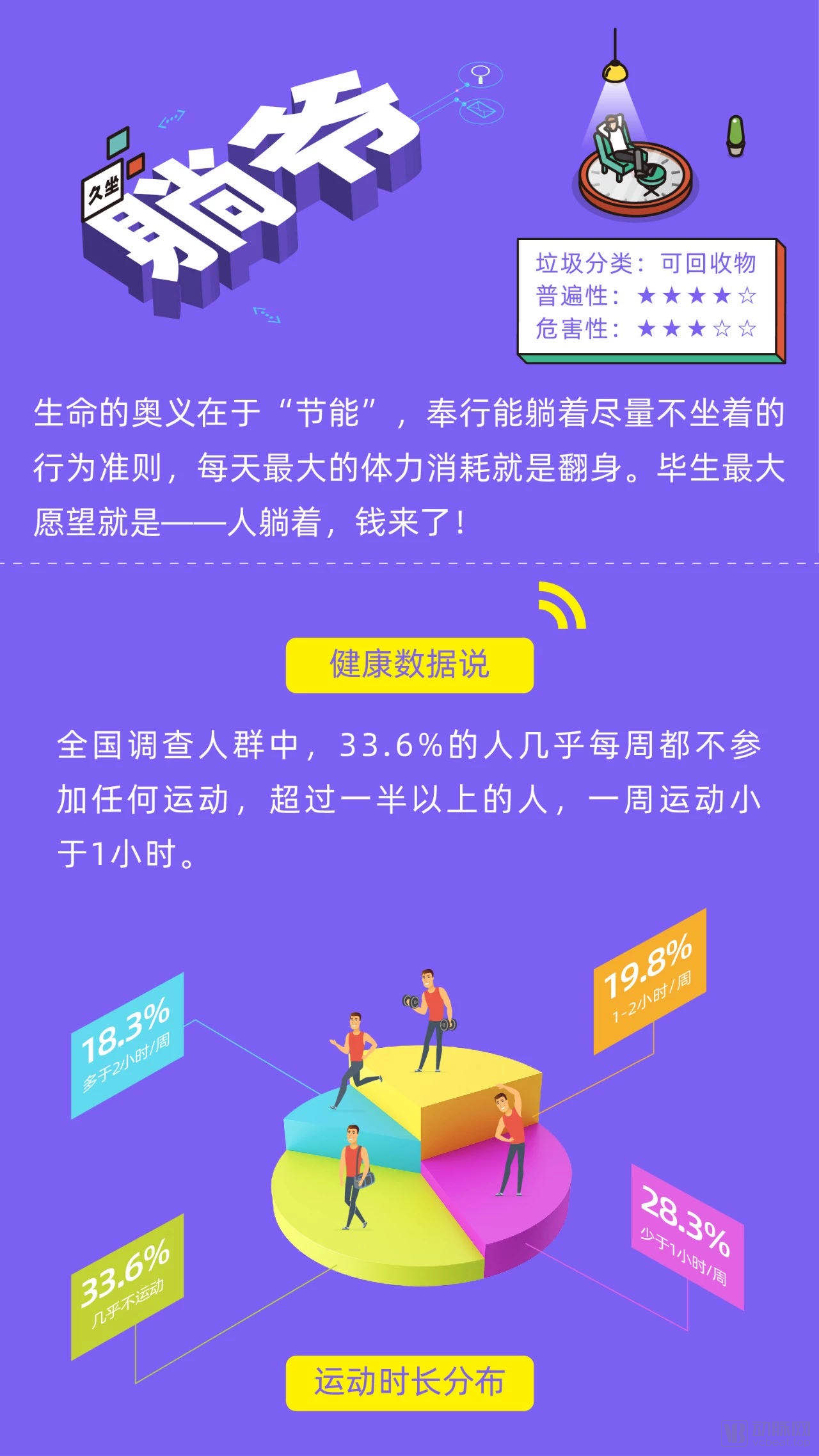
Among adults, the proportion of physically inactive individuals decreases with age, which is associated with changes in work-related stress and the level of attention paid to personal health. In terms of occupational distribution, self-employed/freelance workers, employees of enterprises and public institutions, and industrial and agricultural workers rank as the top three groups, a pattern directly linked to their job responsibilities and occupational characteristics.
Health Tips
"Cultivate an awareness of exercise in daily life and develop the habit of working out. 'Exercise doesn't necessarily require a gym membership; taking the stairs instead of the elevator, walking more instead of driving, and standing up to move around after prolonged periods of desk work in the office are all beneficial to physical health,' experts advise."
Report Interpretation
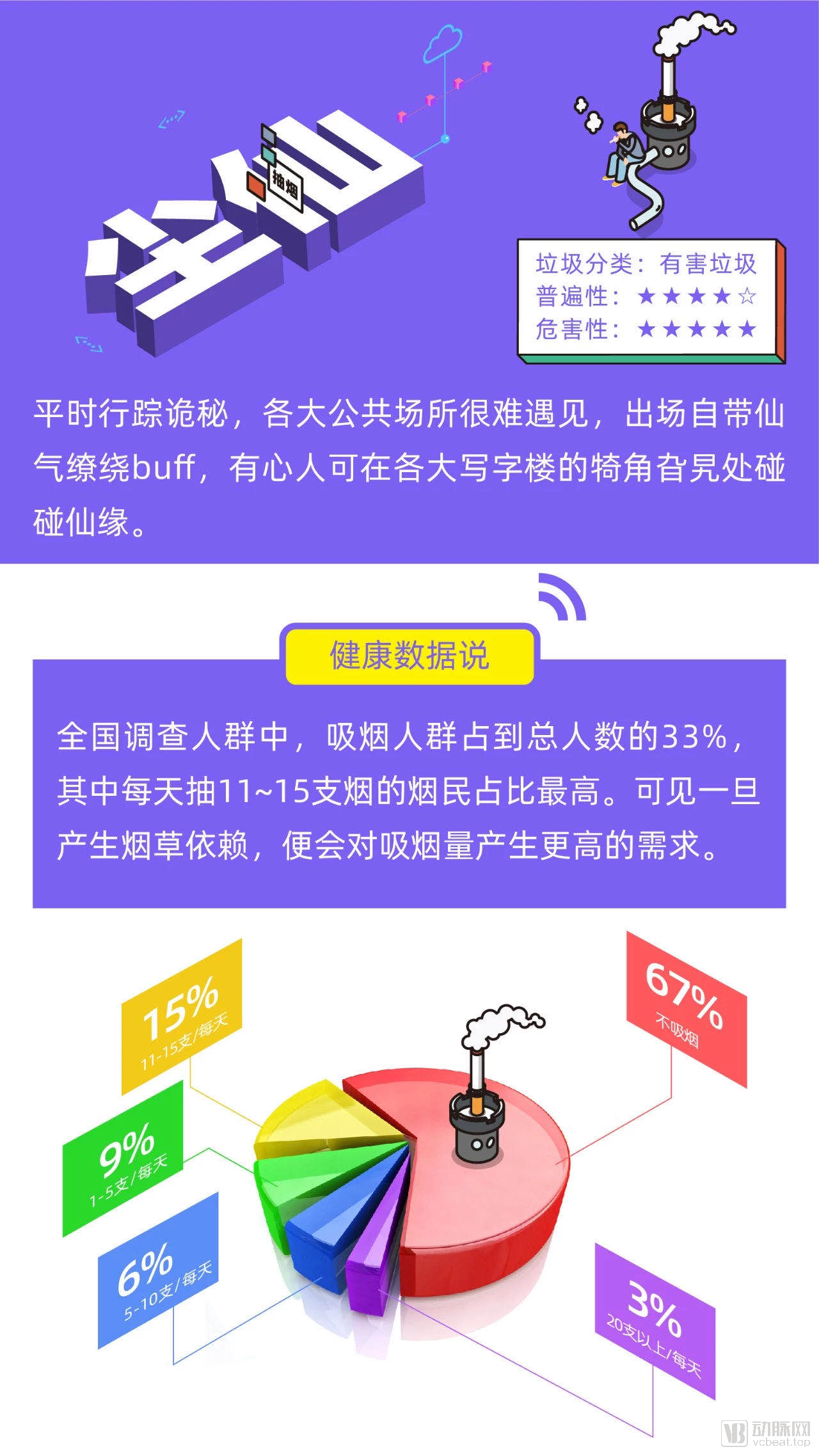
The World Health Organization identifies the fourth leading cause of death globally, with the top three being: hypertension, smoking, and hyperglycemia.
In terms of age distribution, the smoking rate increases with age before 60 and then drops precipitously after 60. Furthermore, the report includes “e-cigarettes” within the definition of smoking. In the past two years, e-cigarette use has shown a trend of spreading among younger populations.
Health Tips
There is currently no evidence to prove that e-cigarettes are healthier and safer than conventional cigarettes. On the contrary, due to inadequate industry regulation, low technical barriers, and unclear labeling, users may be exposed to excessive inhalation of formaldehyde, acetaldehyde, and other unidentified harmful substances. This also makes it easier for adolescents to access nicotine, an addictive substance that impairs brain development. Therefore, regardless of the duration of smoking history, individuals can benefit from quitting. If smokers quit before the age of 40, they can regain at least 9–10 years of life expectancy.
Report Interpretation
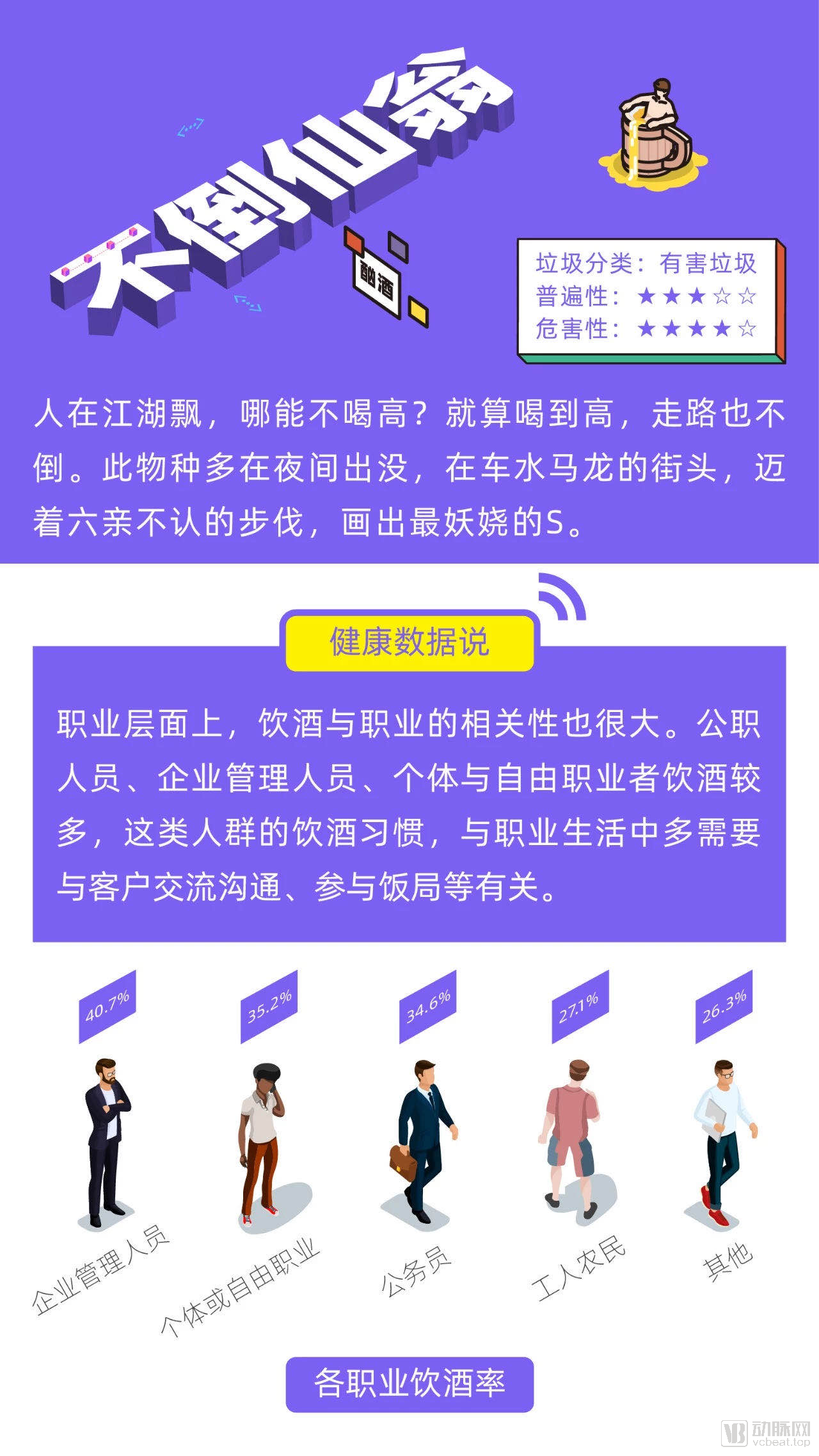
Among the national survey population, the overall alcohol consumption rate was 31%, with 15% consuming more than three drinks per day. By gender, the alcohol consumption rate was 47.6% for men and 14.3% for women. Individuals aged 30 to 60 years constituted the primary group of alcohol consumers, spanning a relatively wide age range.
Health Tips
It is well known that excessive alcohol consumption poses serious health risks to the human body, including the digestive system, cardiovascular and cerebrovascular systems, and nervous system. In particular, alcohol abuse not only harms the individual but also inflicts significant damage on families and society. Whether among those who pride themselves on their high alcohol tolerance (“immortals who never fall”), or among women and adolescents who enjoy drinking, everyone should embrace the concept of “civilized drinking.” This entails avoiding excessive consumption, refraining from indiscriminate drinking, and not pressuring others to drink. Individuals should enhance their self-control, acquire more health knowledge, strengthen their awareness of the hazards associated with alcohol consumption, and minimize their intake as much as possible.
Report Interpretation
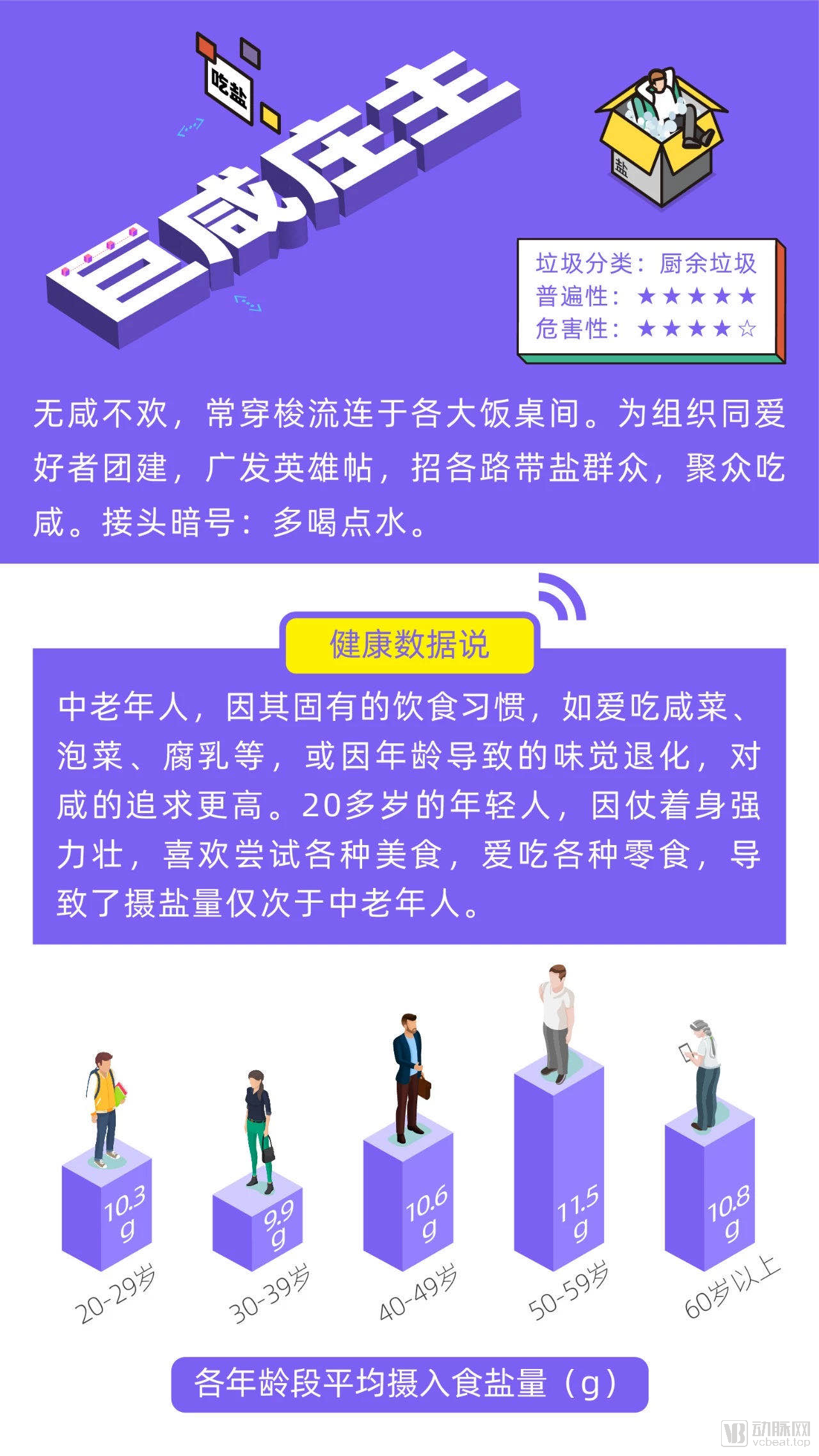
Survey data indicate that, as the country with the highest salt consumption globally, China has a generally high level of dietary salt intake among its population. Currently, 80.7% of individuals exceed the recommended daily intake (6 g), with a higher prevalence in rural areas (82.9%) than in urban areas (75.7%). Those whose salt intake exceeds three times the recommended amount account for 8.8% of the total population.
Health Tips
High-salt diet is the most significant dietary risk factor contributing to the disease burden among Chinese residents, ranking third among 79 major risk factors. Long-term high-salt intake increases the incidence and mortality risks of gastric cancer, hypertension, cardiovascular and cerebrovascular diseases, and kidney diseases. It is recommended to use less salt when cooking and preparing food, while reducing the use of salty sauces and condiments (such as soy sauce, seafood sauce, or chicken essence). Develop the habit of checking food ingredient labels and choose products with lower sodium content. Avoid consuming high-salt snacks.
Report Interpretation
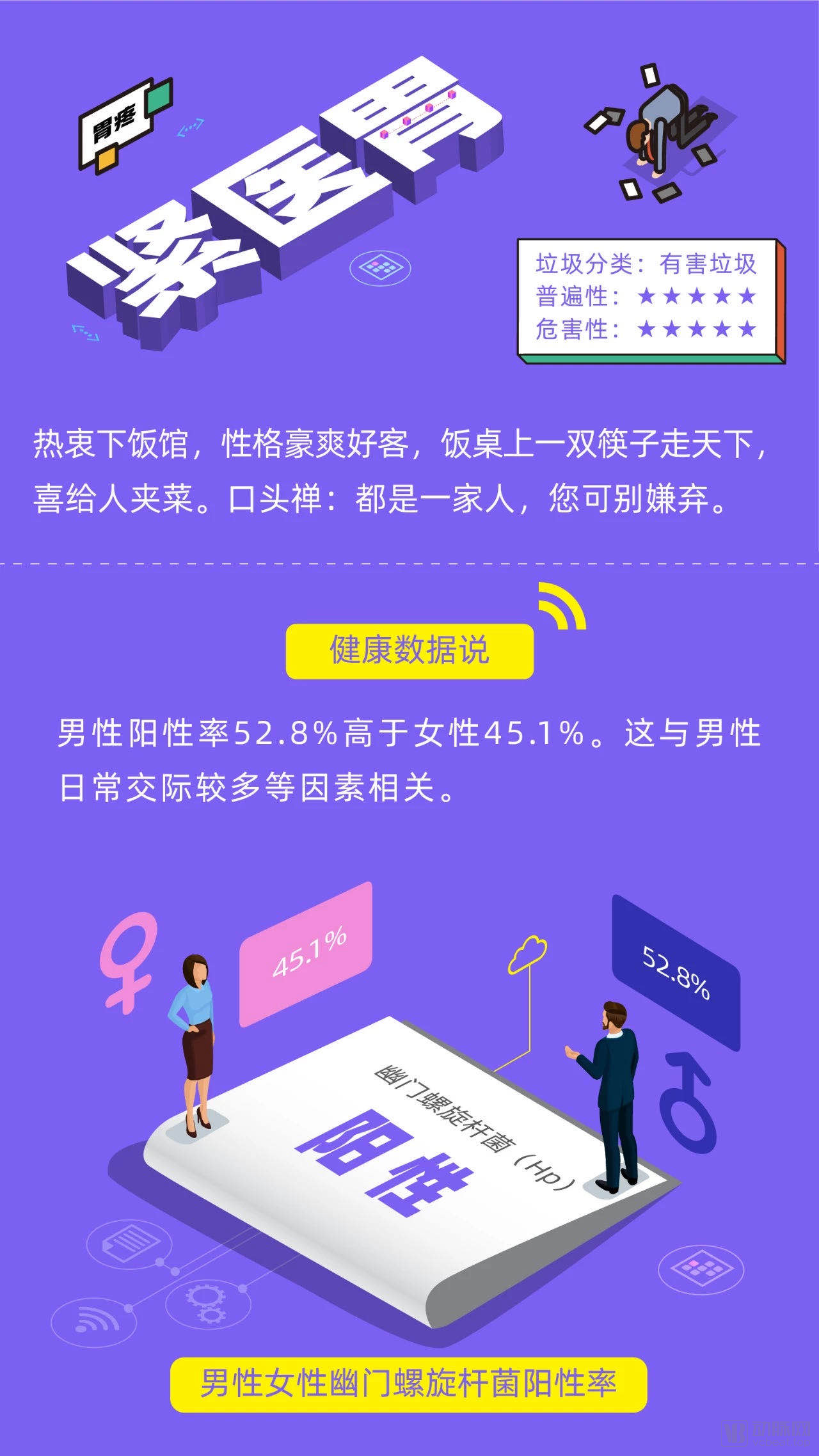
Irregular eating habits, such as frequently ordering food delivery, failing to eat three regular meals a day, skipping breakfast, having dinner too late, and binge eating, are all detrimental to health. Analysis of survey data reveals that the overall Helicobacter pylori (Hp) positivity rate among platform users is 48.9%, which is slightly lower than the global infection rate of 50% and the national infection rate in China of 59%. Hp infection is the chronic gastric condition with the highest prevalence in China; however, it has not received adequate public attention. The infection rate increases with age.
Health Tips
The most common harm caused by Helicobacter pylori (H. pylori) to the human body is gastritis and peptic ulcers. H. pylori detection methods and treatment regimens are simple and feasible; therefore, screening should be conducted among high-risk populations, and those infected should receive standardized treatment. It is recommended that individuals develop healthy dining habits, with individual serving systems implemented where conditions permit. Furthermore, the importance of a balanced and regular diet for health is self-evident. Eating properly is also a form of rest; one must not be negligent about meals, and ordering takeout should be minimized in daily life.
Report Interpretation
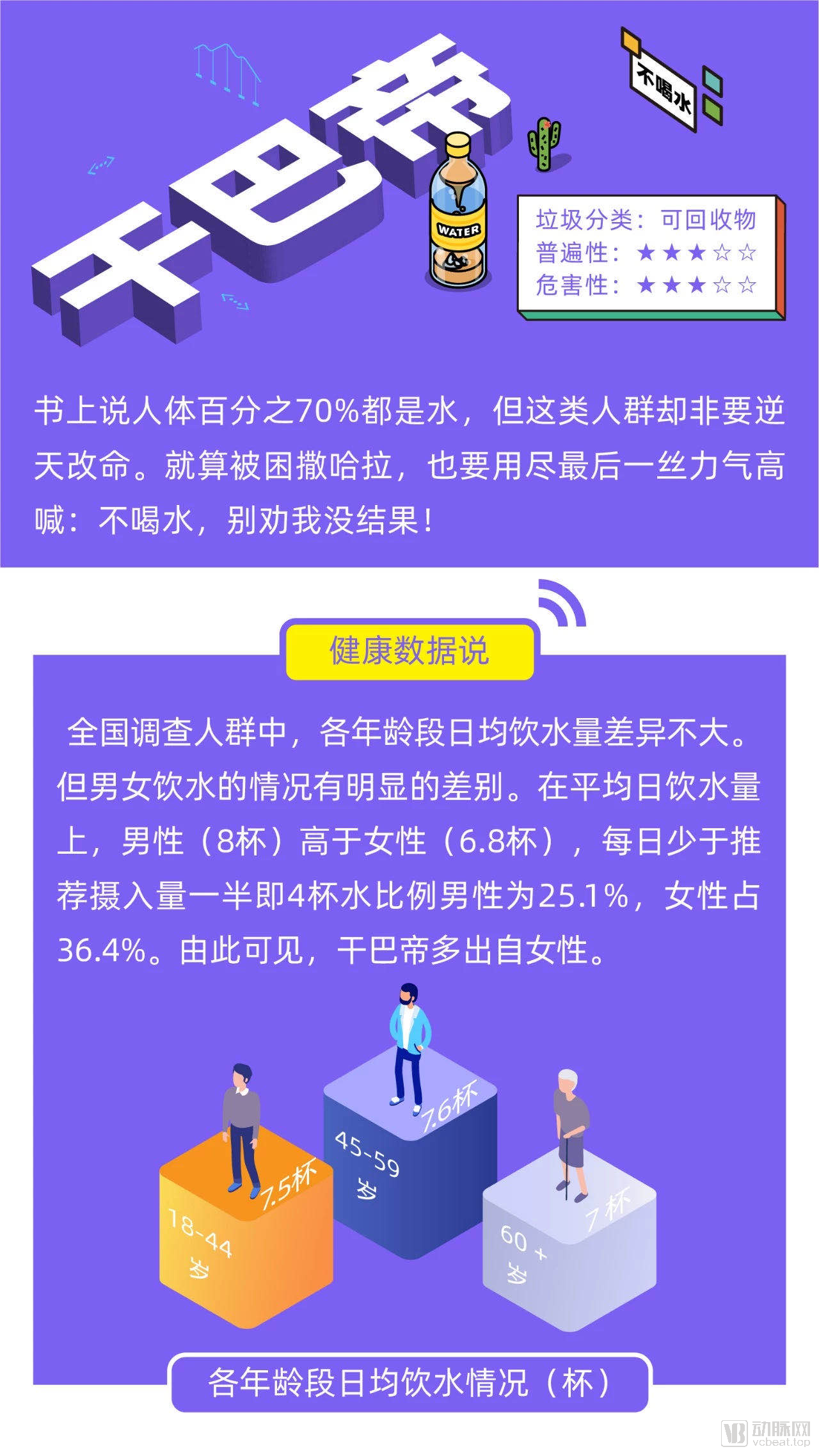
In terms of geographic distribution, the driest regions are West China and Northeast China, with Tibet taking the top spot for per capita water consumption at 14.1 cups.
Health Tips
Experts recommend a daily water intake of 1.7 liters for men and 1.5 liters for women. A loss of 2% or more of body weight in water can impair visual tracking, short-term memory, and attention. Therefore, it is essential to replenish fluids promptly upon feeling thirsty. Many young people prefer sugary beverages, which significantly increase the risk of chronic conditions such as diabetes and obesity. It is advisable to opt for light, non-sugary drinks, with plain water being the preferred choice.
Report Interpretation
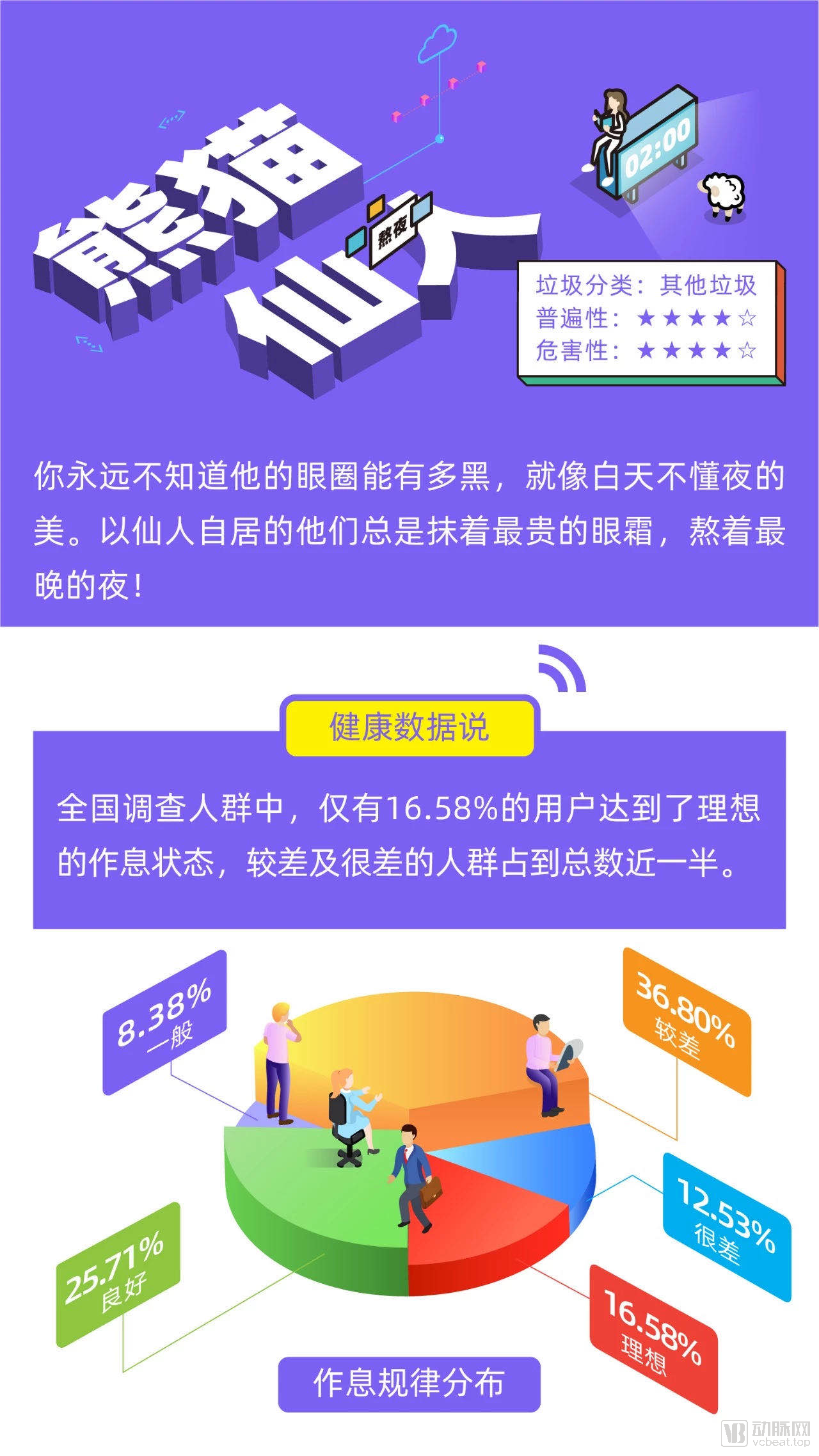
Excessive smartphone use, gaming, high work pressure, and staying up late stem from various causes. Chronic sleep deprivation can lead to dry, blurry, and distended eyes, as well as negative emotional states such as irritability, dizziness, headaches, and memory decline. By age group, individuals aged 30–39 report poor sleep quality less frequently than younger adults who have just entered the workforce. However, the proportion of people experiencing very poor sleep quality increases with advancing age.
Different occupations entail varying work schedules, which are therefore correlated with late bedtimes. Among these groups, workers, farmers, self-employed individuals, and freelancers exhibit relatively poorer sleep quality. Retirees, ranking third, experience impaired sleep primarily due to age-related natural factors affecting sleep patterns.
Health Tips
From the perspective of Traditional Chinese Medicine (TCM), sleep is an alternating process in which Yang transitions into Yin. To maintain the balance of Yin and Yang within the human body, one must adhere to this natural rhythm aligned with the laws of nature. If Yang fails to retreat into Yin, it becomes excessively consumed externally; over time, this inevitably depletes Yang Qi and impairs the generation of Yin Blood. A regular sleep-wake cycle enables the body to conserve energy more effectively, regulate body temperature, modulate emotions, and promote physical growth and brain development. It not only replenishes vitality and maintains overall health but also enhances daytime work efficiency, serving as a prerequisite for healthy living.
It is evident that unhealthy lifestyles are often the trigger for diseases. How many of the seven key risk factors apply to you? Don’t panic—Miao Health can help you implement a scientific and systematic health intervention plan, enhance your health awareness, and cultivate healthy habits, thereby preventing problems before they arise.
Care for Yourself, Start with Embracing Health! Enhance Disease PreventionConcept of Disease, to achieve early screening, early diagnosis, and early treatment. During this event, Miao Health also provided participants with free Helicobacter pylori test strips. Welcome to scan the QR code below or click the link to learn more and claim your self-test strips:

H5 Link: https://web.miaomore.com/online/activity/pages/actYearOfwords/index.html?from=groupmessage&isappinstalled=0&scene=1&clicktime=1577775839&enterid=1577775839