

Three Ministries Jointly Issue 'Guidelines for Services in Integrated Medical and Elderly Care Institutions (Trial)' to Clarify Boundaries and Promote Traditional Chinese Medicine
Recently, the National Health Commission, the Ministry of Civil Affairs, and the National Administration of Traditional Chinese Medicine jointly issued the "Guidelines for Services in Medical-Nursing Combined Institutions (Trial)" (hereinafter referred to as the "Guidelines"). The "Guidelines" clarify that medical-nursing combined institutions refer to medical institutions or elderly care institutions that possess both medical healthcare qualifications and elderly care service capabilities. These primarily include two models: elderly care institutions establishing or incorporating medical facilities, and medical institutions establishing elderly care facilities or providing elderly care services. The "Guidelines" specify detailed requirements regarding the basic standards, service content, and service processes for medical-nursing combined institutions.
Here is the full text:
Service Guidelines for Integrated Medical and Elderly Care Institutions (Trial)
Table of Contents
I. General Provisions 1
II. Basic Requirements 1
(I) Requirements for Institutional Setup 1
(II) Requirements for Institutional Department Setup, Staffing, Facilities and Equipment, and Drug Provision 2
(III) Qualification Requirements for Service Personnel 2
(4) Environmental Requirements 3
III. Service Content and Requirements 4
(I) Basic Services 4
(II) Medical Services 4
(3) Traditional Chinese Medicine Services 8
(4) Nursing Services 8
(5) Rehabilitation Services 9
(VI) Ancillary Services 11
(VII) Psychological and Mental Support Services 11
(VIII) Services for Elderly Individuals with Dementia 12
(9) Other Requirements 13
IV. Service Process and Requirements 16
(I) General Principles of Service Process 16
(II) Service Reception 16
(3) Admission Physical Examination for the Elderly 19
(IV) Assessment of Elderly Care Needs 19
(V) Assessment of Elderly Competence 19
(6) TCM Assessment 20
(7) Formulate Service Plan 20
(8) Signing of Service Agreement 20
(9) Establishing Service Records 21
(10) Provision of Integrated Medical and Elderly Care Services 21
V. Appendix 22
I. General Provisions
In order to meet the development needs of medical-nursing combined institutions in China, improve their service quality, and standardize their service content, this Guideline has been specially formulated based on extensive research and investigation, with reference to relevant standards and specifications issued by competent authorities, and in adherence to the principles of comprehensiveness, accuracy, timeliness, and practicality.
This Guideline applies to all types of integrated medical and elderly care institutions across China. Integrated medical and elderly care institutions refer to medical institutions or elderly care institutions that possess both medical healthcare qualifications and the capacity to provide elderly care services. These primarily include two models: elderly care institutions establishing or incorporating medical facilities, and medical institutions establishing elderly care facilities or providing elderly care services. Such institutions mainly provide residing elderly individuals with services including elderly care, medical treatment, nursing, rehabilitation, assistive support, and psychosocial support. The medical healthcare services and elderly care services provided by these institutions shall respectively comply with the current norms, standards, and administrative regulations governing medical healthcare services and elderly care services.
This guideline specifies the service content and requirements that medical-nursing combined institutions should provide. The service content is determined based on the current service capabilities of most medical-nursing combined institutions in China and the needs of the elderly. Medical-nursing combined institutions may expand their service content according to their qualifications and service capabilities.
The main contents of this guideline include: basic requirements, service content and requirements, and service processes and requirements.
II. Basic Requirements
(I) Requirements for Institutional Setup
1. Should possessMedical Institution Practice Licenseor with the health administrative departments (including the traditional Chinese medicine authorities, hereinafter referred to as the same)Filing, and complete the registration and filing of elderly care institutions with the civil affairs department.
2. Integrated medical and elderly care institutions providing catering services shall holdFood Business License。
(II) Requirements for Organizational Department Setup, Staffing, Facilities and Equipment, and Pharmaceutical Supplies
1.Medical Institutions in Integrated Care Facilities for the ElderlyStructure, its departmental setup, staffing, facility and equipment configuration, and pharmaceutical supplies shall, according to the type of medical institution, correspondingly comply with the requirements stipulated in the Basic Standards for Medical Institutions (Trial), Basic Standards for Rehabilitation Hospitals (2012 Edition), Basic Standards for Nursing Homes (2011 Edition), Basic Standards for Nursing Centers (Trial), Basic Standards for Rehabilitation Medical Centers (Trial), Basic Standards for Palliative Care Centers (Trial), Basic Standards for Medical Offices in Elderly Care Institutions (Trial), Basic Standards for Nursing Stations in Elderly Care Institutions (Trial), Basic Standards for Clinics, Basic Standards for Traditional Chinese Medicine (TCM) Clinics, Basic Standards for TCM (Comprehensive) Clinics, and Basic Standards for Integrated Traditional Chinese and Western Medicine Clinics.
2.Nursing Homes in Integrated Medical and Elderly Care Institutions, in terms of facility and equipment provisioning, shall comply with the requirements of national and industry standards such as the Basic Specifications for Elderly Care Institutions (GB/T 29353), the Basic Specifications for Service Quality of Elderly Care Institutions (GB/T 35796), and the Standard for Architectural Design of Elderly Care Facilities (JGJ 450). Medical-nursing combined institutions providing rehabilitation services shall be equipped with rehabilitation aids commonly used by the elderly.
(3) Qualification Requirements for Service Personnel
1.Medical PersonnelThey must hold a practicing qualification certificate issued by the relevant authorities and meet the requirements for practicing qualifications and conditions stipulated by national regulations and industry standards.
2.Medical Caregivers, Elderly CaregiversPersonnel must undergo relevant training and pass the qualification assessment before assuming their posts.
3. Hired according to service needsRehabilitation Therapist, Public Nutritionist, Psychological Counselor, Social WorkerRelevant personnel shall hold qualification certificates issued by the competent authorities.
4.Catering StaffA Class A health certificate shall be held.
(4) Environmental Requirements
1. The architectural design of newly established medical-nursing combined institutions shall comply with the requirements of the “Standard for Architectural Design of Elderly Care Facilities” (JGJ 450).
2. The buildings of medical-nursing combined institutions shall comply with the relevant requirements of the fire department and be equipped with fire-fighting facilities and equipment. The configuration of fire extinguishers shall comply with the provisions of the Code for Design of Extinguisher Distribution in Buildings (GB 50140).
3. Indoor air quality shall comply with the requirements of the Indoor Air Quality Standard (GB/T 18883); environmental noise levels shall meet the limits for Category 0 areas as specified in the Environmental Quality Standard for Noise (GB 3096); daylighting levels shall conform to the requirements for residential and medical buildings stipulated in the Standard for Daylighting Design of Buildings (GB 50033).
4. The design of signage patterns for relevant areas shall comply with the requirements of Public Information Graphical Symbols for Use on Signs—Part 6: Symbols for Health Care (GB/T 10001.6) and Graphical Symbols—Vocabulary—Part 2: Signs and Orientation Systems (GB/T 15565.2); symbols for barrier-free facilities shall comply with the requirements of Public Information Graphical Symbols for Use on Signs—Part 9: Symbols for Barrier-Free Facilities (GB/T 10001.9).
5. The building area of medical institutions within integrated medical and elderly care facilities shall comply with the requirements for building areas of various types of medical institutions as specified in the Basic Standards for Medical Institutions; the building area of elderly care institutions shall comply with the requirements of Section 6.3.1 of the Basic Norms for Service Quality of Elderly Care Institutions.
6. The configuration of facilities, equipment, and utensils in the living quarters of older adults, as well as safety and accessibility features, shall comply with the relevant provisions of standards such as the Standard for Architectural Design of Elderly Care Facilities (JGJ 450), Safety Management of Elderly Care Institutions (MZ/T 032), Basic Specifications for Elderly Care Institutions (GB/T 29353), and Code for Accessibility Design (GB 50763).
III. Service Content and Requirements
All types of integrated medical and elderly care institutions shall provide service items including, but not limited to: basic services (daily living assistance, dietary services, hygiene and cleaning services, laundry services, and cultural and recreational activities), nursing services, and psychological and mental support services. Depending on the type and qualifications of the established medical institution, they may prioritize providing other services described in this chapter. For instance, integrated medical and elderly care institutions that have established general hospitals or traditional Chinese medicine (TCM) hospitals shall provide diagnosis and treatment using both traditional Chinese and Western medicine for common and frequently occurring diseases among the elderly, regular ward rounds, referral of critically ill patients, and emergency rescue services. Integrated medical and elderly care institutions that have established hospice care centers shall provide hospice care services.
(I) Basic Services
Services such as daily living care, dietary services, cleaning and sanitation, laundry services, and cultural and recreational activities shall comply with the requirements of standards including the Basic Norms for Service Quality of Elderly Care Institutions (GB/T 35796) and the Classification and Evaluation of Elderly Care Institutions (GB/T 37276).
(II) Medical Services
1. Regular Clinic Visits
(1) Physicians shall be scheduled to conduct regular ward rounds in the rooms where elderly residents live, based on their health needs, and maintain proper records.
(2) During ward rounds, physicians shall record the physical conditions of elderly patients, such as blood pressure and heart rate, to promptly detect any changes in their clinical status.
(3) During mobile clinic visits, health guidance services may be provided to elderly individuals in need.
2. Diagnosis and Treatment of Common and Frequently Occurring Diseases in the Elderly
(1) A detailed medical history should be obtained and a thorough physical examination performed in elderly patients prior to diagnosis and treatment. During the diagnostic and therapeutic process, necessary physical examinations and auxiliary tests should be conducted.
(2) The patient’s condition, allergy history, medication history, and history of adverse reactions in elderly patients shall be assessed.
(3) Before administration, the prescription and medication shall be verified, and assistance shall be provided to elderly patients in accordance with the relevant regulations of the health administrative authorities to prevent medication errors or omissions.
(4) Institutions with the necessary conditions may provide telemedicine services to assist in diagnosis and treatment.
(5) Provide diagnosis and treatment services for common and frequently occurring diseases in the elderly, with reference to published clinical pathways and relevant diagnostic and therapeutic guidelines.
3. Emergency Medical Services
(1) Institutions with the necessary conditions shall arrange for medical personnel to be on duty 24 hours a day to provide timely emergency care services.
(2) For acute and critical conditions that exceed the facility’s capacity to manage, adhere to the principle of transferring patients to the nearest appropriate medical institution. Immediately call emergency services (120) or contact a higher-level hospital to dispatch an ambulance for transporting the elderly patient for emergency care, and notify their family members. Before the ambulance arrives, on-site medical personnel may implement necessary interventions based on the patient’s condition, such as cardiopulmonary resuscitation (CPR), airway clearance, and mask oxygen administration.
4. Critical Care Referral Services
(1) Integrated medical and elderly care institutions may establish contracted partnerships with nearby general hospitals and traditional Chinese medicine hospitals, open green channels for referral, clarify service procedures, and ensure timely and effective patient referrals.
(2) If a medical-nursing combined institution encounters technical issues that it cannot resolve during diagnosis and treatment, or if the patient’s condition exceeds the institution’s professional scope or medical capabilities, it shall obtain consent from the patient’s family members and provide timely and effective referral services.
(3) Dedicated medical personnel or service staff familiar with the patient’s condition may be arranged to accompany the patient during referral or liaise with the receiving hospital to ensure timely updates on the patient’s clinical status.
5. Palliative Care Services
(1) Healthcare professionals shall primarily provide elderly patients with humanistic care services, including pain and other symptom management, comfort care, and psychological, spiritual, and social support, in accordance with the Guidelines for Palliative Care Practice (Trial).
(2) Healthcare professionals primarily manage symptoms such as pain, dyspnea, cough, hemoptysis, vomiting, hematochezia, abdominal distension, edema, fever, anorexia, dry mouth, and insomnia in elderly patients requiring palliative care. After pharmacological intervention, closely monitor therapeutic efficacy and adverse reactions, and promptly address any abnormalities.
(3) Based on the needs of elderly patients, assist them in coping with emotional responses and seeking social support, and provide psychological support and humanistic care services, including death education. Respect patients’ values and beliefs, and protect their privacy and rights.
6. Health Management Services
(1) Health records shall be established for all elderly residents admitted to integrated medical and elderly care institutions. For those who already have health records, procedures for transfer and continuation may be organized to avoid duplication. Institutions with the necessary capabilities may establish electronic health records. Health records shall be created in accordance with the requirements of the National Basic Public Health Service Specifications (Third Edition), with additional content added as appropriate based on the specific conditions of each institution, ensuring accuracy, completeness, and timely updates. Staff members shall maintain records of medical services received by the elderly, including outpatient visits, consultations, and referrals, and include these records in their health files. Health records shall be updated promptly in response to changes in the elderly individuals’ health status.
(2) Integrated medical and elderly care institutions shall provide, either directly or by arranging for other medical institutions to provide, health examination services for the elderly at least once a year, and offer personalized health examinations based on individual needs. The results of these examinations shall be promptly communicated to the elderly individuals and their families, and shared with medical and elderly care staff to facilitate the provision of appropriate services.
(3) Provide health services such as wellness and healthcare, disease prevention, nutrition, and mental health support tailored to the health status and personalized needs of the elderly.
7. Health Education and Health Knowledge Dissemination Services
(1) Integrated medical and elderly care institutions shall provide health education and popularize health knowledge. They may produce and distribute health education materials, such as leaflets, prescriptions, and handbooks. Content shall include, but not be limited to, health education on healthy lifestyles and modifiable risk factors, covering reasonable dietary intake, weight control, appropriate physical activity, psychological balance, sleep improvement, smoking cessation and alcohol limitation, seeking medical care scientifically, and rational medication use.
(2) Set up health education bulletin boards in public activity areas for the elderly, and update them in a timely manner based on seasonal changes, disease prevalence, and the needs of the elderly.
(3) Regularly organize health education lectures for the elderly to guide them in acquiring health knowledge, mastering disease prevention measures, and developing essential health skills.
(3) Traditional Chinese Medicine Services
1. Fully leverage traditional Chinese medicine (TCM) techniques and methods to provide TCM diagnosis, treatment, and care services for common diseases, frequently occurring illnesses, and chronic conditions in the elderly.
2. Provide elderly individuals with services including TCM health status identification and assessment, consultation and guidance, and health management; implement health interventions using TCM techniques such as massage, gua sha (scraping), cupping, moxibustion, and fumigation-washing, as well as personalized lifestyle regimens, dietary adjustments, emotional regulation, and traditional physical exercises guided by TCM theories.
3. Provide rehabilitation services with traditional Chinese medicine characteristics for the elderly, and integrate them with modern rehabilitation technologies.
4. The herbal decoction services provided by medical-nursing combined institutions shall comply with the requirements of the "Management Specifications for Herbal Decoction Rooms in Medical Institutions."
(4) Nursing Services
1. Nursing services provided to the elderly shall be implemented in accordance with the "Guidelines for Geriatric Nursing Practice (Trial)."
2. Adhere to the verification system and comply with the safety principles of standard precautions; for certain services, also adhere to the principles of disinfection, isolation, and aseptic technique, and provide nursing care to older adults in accordance with medical orders.
(5) Rehabilitation Services
1. Physical Therapy
(1) Physical therapy includes, but is not limited to, therapeutic exercise and physical agent modalities.
(2) Before implementing physical therapy, rehabilitation personnel need to assess the elderly's physical function through body shape assessment, muscle strength assessment, sensory assessment, coordination assessment, cardiovascular assessment, etc., and formulate a rehabilitation treatment plan.
(3) Rehabilitation professionals may employ exercise therapy techniques, such as manual training and equipment-based training, to maintain and restore joint dysfunction in the elderly caused by multiple factors including tissue adhesion and muscle spasm.
(4) Rehabilitation personnel may employ physical agent therapies, such as electrotherapy, phototherapy, magnetotherapy, ultrasound therapy, cryotherapy, thermotherapy, and pressure therapy, for the prevention and treatment of diseases.
(5) Rehabilitation personnel shall provide physical therapy rehabilitation services to the elderly in accordance with the relevant requirements of the "Specifications for Common Rehabilitation Therapy Techniques (2012 Edition)."
2. Occupational Therapy
(1) Occupational therapy includes, but is not limited to: fitting of assistive devices for activities of daily living, use of ambulatory aids, selection and use of wheelchairs, and fabrication and use of orthoses.
(2) Before implementing occupational therapy, rehabilitation professionals need to assess the elderly's occupational dysfunction through evaluations of activities of daily living, hand function, perceptual function, and cognitive function, and then develop a rehabilitation treatment plan.
(3) Rehabilitation personnel can improve the daily living and work capabilities of older adults through training in activities of daily living, recreational and leisure activities, hand function, and perceptual function.
(4) Rehabilitation personnel need to guide and assist the elderly in the correct use of ambulatory aids such as canes, walkers, braces, and wheelchairs.
(5) Rehabilitation personnel shall provide occupational therapy rehabilitation services to the elderly in accordance with the relevant requirements of the "Standard Operating Procedures for Common Rehabilitation Treatment Techniques (2012 Edition)."
(6) Ancillary Services
1. Ancillary services include, but are not limited to: monitoring changes in the daily living conditions of older adults; assisting or guiding older adults in the use of assistive devices; collecting and transporting laboratory specimens; accompanying older adults to medical appointments and assisting them with supportive nursing care tasks.
2. If service personnel observe any changes in the daily living conditions of elderly individuals, they shall promptly notify medical staff.
3. Service personnel shall assist in the collection and submission of laboratory specimens in accordance with medical orders, promptly retrieve test result reports, and deliver them to medical staff.
4. During medical accompaniment, attention shall be paid to the safety of the elderly, and their guardians shall be informed of the consultation status in a timely manner. Upon completion of the medical visit, the caregiver shall promptly inform the elderly person or their guardian of the medical instructions, including medication dosage, administration method, and frequency, and complete the handover with other service personnel.
(7) Psychological and Mental Support Services
1. Psychological and mental health support services include, but are not limited to: environmental adaptation, emotional counseling, psychological support, crisis intervention, and emotional regulation.
2. It shall be undertaken by psychological counselors, social workers, medical personnel, or medical and elderly care attendants who have received training in psychology-related fields.
3. Necessary environments, facilities, and equipment for psychological or psychiatric support services shall be provided.
4. Assistance should be provided to elderly residents newly admitted to the facility to help them familiarize themselves with the environment and integrate into communal life.
5. Care providers shall understand and monitor the psychological and mental status of older adults, promptly communicate with them upon detecting any abnormalities, and inform third parties. When necessary, professional personnel such as medical staff and social workers shall be engaged to assist in handling the situation or to facilitate referral to specialized medical institutions.
6. Institutions with the necessary resources may regularly organize volunteers to provide services for older adults, facilitating their contact and interaction with the broader society; and encourage older adults to participate in volunteer activities within their capacity.
7. Coordination and supervision shall be conducted to ensure that relevant third parties regularly visit the elderly and maintain contact with them.
(8) Services for Elderly Individuals with Dementia
1. For elderly individuals with dementia in need, basic services, medical services, traditional Chinese medicine services, nursing care, rehabilitation services, assistive services, and psychosocial support services may be provided in accordance with the service contents and requirements outlined earlier in this guideline.
2. For institutions accommodating elderly individuals with dementia, appropriate safety precautions shall be implemented for these residents, including but not limited to:
—Differentiate functional areas through color, sound, lighting, and thematic decorations; use items familiar to the elderly as concrete identifiers at room entrances.
—Provide effectively restricted safe wandering paths, using colors, sounds, thematic decorations, and other elements preferred or familiar to the elderly as wayfinding guides.
— Service premises shall be equipped with intelligent facilities and equipment such as access control systems or electronic positioning devices, and electronic surveillance shall be installed in public areas. Institutions with the necessary conditions may provide devices such as anti-wandering bracelets to prevent elderly individuals from getting lost.
—Entrances and exits that pose hazards to elderly individuals with dementia should be obscured; windows and large glass panels should feature collision-warning signs or barriers to prevent accidental entry or impact.
—Supervise the food, medications, and personal belongings brought by elderly individuals with dementia; isolate hazardous items such as sharp objects, toxic substances, cleaning agents, flammable and explosive materials, and electrical appliances to prevent harm to the elderly.
—Implement protective restraint for elderly patients with dementia who exhibit behaviors such as harming others, self-harm, or property destruction; document the start and end times, reasons, and the physical and mental status of the patient, and remove the protective restraint promptly based on the clinical situation.
3. Institutions with the necessary resources shall provide cognitive rehabilitation services for elderly individuals with dementia, developing achievable cognitive function rehabilitation plans based on their cognitive status, physical functioning, and personal interests, including but not limited to:
— Conduct training in memory, orientation, attention, calculation, executive function, and language skills;
—Conduct training in activities of daily living (ADLs), including eating, grooming, personal hygiene, and toileting;
— Conduct sensorimotor training that facilitates the improvement of cognitive function.
4. Dynamic observation of emotional or psychological changes in elderly individuals with dementia should be conducted to identify underlying causes, accompanied by timely communication. Caregivers should frequently use directive and encouraging language, providing appropriate explanations and reassurance. For elderly individuals with dementia experiencing emotional or psychological issues, professional assistance should be sought when necessary, or they should be referred to specialized medical institutions for emotional counseling, psychological consultation, and crisis intervention.
5. Correctly recognize the behavioral and psychological symptoms of dementia (BPSD) in elderly individuals with dementia, provide them with tolerance and respect, and eliminate inappropriate communication and care practices that are prone to triggering behavioral problems.
(9) Other Requirements
1. Behavioral Requirements for Service Personnel
(1) The code of conduct for medical personnel shall comply with the requirements of the Code of Conduct for Practitioners in Medical Institutions.
(2) The code of conduct for medical care workers and elderly care workers shall comply with the requirements of national laws, regulations, industry standards, and other relevant provisions.
(3) During the provision of services, emphasis shall be placed on protecting the privacy and rights of elderly individuals.
2. Service Safety Requirements
(1) In accordance with the Safety Requirements for Patient Activity Areas and Seating/Lying Facilities in Medical Institutions (WS 444), Safety Management for Elderly Care Institutions (MZ/T 032), Basic Norms for Service Quality of Elderly Care Institutions (GB/T 35796), and Classification and Evaluation of Elderly Care Institutions (GB/T 37276), medical-nursing combined institutions shall establish corresponding safety management systems and risk prevention mechanisms to mitigate safety hazards.
(2) Medical-nursing combined institutions shall establish and improve emergency systems and working mechanisms for responding to both routine and sudden crises, clarify the responsibilities of relevant departments, build emergency response teams, and ensure early reporting and handling of emergencies.
(3) Medical-nursing combined institutions shall conduct fire drills and emergency plan drills at least once every six months; carry out safety education and training at least once per quarter; organize fire prevention inspections at least once per month; and perform daytime and nighttime fire prevention patrols no less than twice each day.
(4) When providing medical and health services and elderly care services, staff shall adhere to the standards, specifications, guidelines, and relevant health standards mentioned in this Guide during operational procedures to ensure service safety.
3. Requirements for the Integration of Medical and Elderly Care Services
(1) Integrated medical and elderly care institutions shall establish medical staff, medical caregivers, elderly care assistants, management personnel, and related support staffCollaborative WorkMechanism.
(2) Medical-nursing combined institutions shallClearly specify the indications for “medical” and “elderly care” services.If an elderly person’s health condition is relatively stable and requires a focus on “care” services, daily residential care services should be provided. If an elderly person’s health condition requires a focus on “medical” services, inpatient medical services should be provided.
(3) Integrated medical and elderly care institutions shall, in accordance with the needs of older adults,Daily Residential Care and Inpatient Medical ServicesTwo distinct needs require clearly defined management pathways and the establishment of information systems to ensure accurate data transition and timely updates during the interchange between “medical care” and “elderly care.”
(4) Integrated medical and elderly care institutions may establish a health information management system for the elderly,Institutions with the necessary resources may also establish appointment-based diagnosis and treatment systems, tiered diagnosis and treatment systems, and telemedicine systems to enable interconnected sharing of health information for the elderly., to achieve the informatization management of health records for the elderly.
(5) If medical institutions within integrated elderly care and medical service facilities also provide services to populations outside the facility, they shallEstablish a green channel for elderly patients to provide convenient services such as registration, consultation, payment, and medication pickup., and implement preferential policies related to medical services for the elderly.
(6)Clarifying the Boundaries Between Medical Care and Elderly Care“Yi” refers to preventive healthcare, disease diagnosis and treatment, medical nursing, medical rehabilitation, and palliative care, while “Yang” pertains to daily life assistance, emotional support, and comprehensive services.
4. Infection Control Requirements within the Facility
(1) Medical-nursing combined institutions shall strengthen the prevention and control of healthcare-associated infections in accordance with the requirements of the Measures for the Administration of Hospital Infection Control.
(2) Hand hygiene for staff shall comply with the requirements of the "Specification for hand hygiene of healthcare workers" (WS/T 313).
(3) Medical-nursing combined institutions shall collect contaminated materials at designated locations, avoid counting such materials in elderly residents’ living areas, and ensure dedicated vehicles and routes for transportation.
(4) Clothing for the elderly should be washed by category. Clothing contaminated with blood, body fluids, excreta, or secretions, as well as clothing belonging to elderly individuals with infectious diseases, should be transported in sealed containers, washed separately, and disinfected.
(5) The implementation of TCM medical techniques shall comply with the requirements of the Guidelines for Prevention and Control of Infections Associated with Traditional Chinese Medicine Medical Techniques (Trial).
5. Service Quality Requirements
(1) The new incidence rate of Stage II or higher pressure ulcers among elderly inpatients shall be less than 5%.
(2) The compliance rate for issued medical orders and prescriptions shall be no less than 95%, and the compliance rate for medical record documentation shall be 100%.
IV. Service Process and Requirements
(I) General Principles of Service Process
1. The specific service workflow of integrated medical and elderly care institutions includes service reception, admission physical examination for the elderly, assessment of elderly nursing needs, assessment of functional capacity of the elderly, traditional Chinese medicine (TCM) assessment (for institutions qualified to provide TCM services), formulation of service plans, signing of service agreements, establishment of service records, and provision of integrated medical and elderly care services. See Figure 1 for the specific service workflow.
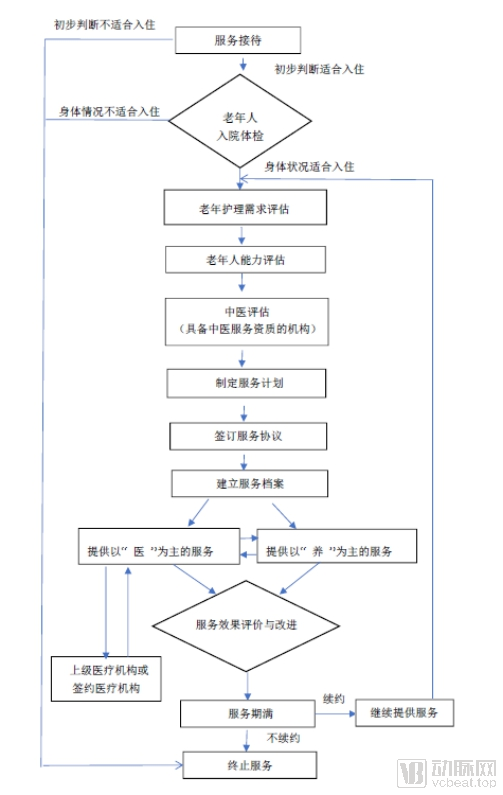
Figure 1. Service Process of Integrated Medical and Elderly Care Institutions
2. This service process is recommended; specific procedures may be appropriately adjusted based on actual service conditions.
(II) Service Reception
Establish a service reception platform to provide the following services:
——Understand and document the basic information and service needs of elderly clients;
—Preliminarily assess whether an older adult is suitable for institutional care based on their basic information;
——Introduction to the services offered by the institution;
——Match suitable service personnel for service recipients;
—Provide timely feedback on customer service requests.
(3) Admission Physical Examination for Elderly Patients
Elderly individuals shall undergo pre-admission medical examinations conducted by the medical institution within a combined medical and elderly care facility. These examinations typically include routine blood tests, urinalysis, stool analysis, blood pressure measurement, electrocardiogram (ECG), liver and kidney function tests, chest X-ray, and ultrasound. Alternatively, they may present a medical examination report issued by another qualified medical institution within the past month, covering the aforementioned items. The combined medical and elderly care facility reserves the right to deny admission to elderly applicants whose health conditions are deemed unsuitable for residence in the facility.
(IV) Assessment of Geriatric Care Needs
Medical institutions within integrated medical and elderly care facilities shall conduct assessments of elderly care needs for resident seniors in accordance with the requirements set forth in the *Notice on Launching Assessments of Elderly Care Needs and Standardizing Services* (Guo Wei Fa [2019] No. 48). In principle, the assessment results shall remain valid for six months following the senior’s formal admission to the facility. During the validity period, if there are changes in the senior’s physical condition, functional capacity, or disease status, or upon expiration of the validity period, the medical institution shall promptly conduct a reassessment.
(5) Assessment of Functional Capacity in the Elderly
Elderly care institutions within integrated medical and elderly care facilities shall assess admitted older adults in accordance with the "Assessment of Elderly Capacity" (MZ/T 039). Based on activities of daily living, mental status, sensory and communication abilities, and social participation, elderly capacity is classified into four levels: fully capable, mildly disabled, moderately disabled, and severely disabled. After formal admission to the institution, older adults shall undergo assessment every six months in the absence of significant changes; immediate assessment shall be conducted when special circumstances arise that lead to changes in their capacity.
(6) TCM Assessment (Institutions with Qualifications for TCM Services)
Medical institutions within integrated medical and elderly care facilities shall, with reference to the requirements for Traditional Chinese Medicine (TCM) health management services for the elderly as stipulated in the National Basic Public Health Service Specifications (Third Edition), conduct TCM health status identification and assessment for resident elderly individuals. Based on the assessment results, they shall formulate TCM health regimen service plans. The TCM health status identification and assessment includes, but is not limited to, TCM constitution identification.
(7) Develop a Service Plan
Develop targeted service plans for older adults based on the results of their health checkups, nursing needs assessments, functional capacity evaluations, and Traditional Chinese Medicine (TCM) assessments.
(8) Signing of Service Agreement
Sign a service agreement with the elderly person (or their agent) in accordance with the service plan. The main terms include, but are not limited to:
——Institution name, address, legal representative or principal person in charge, and contact information;
—Name, address, identification, and contact information of the elderly person (or their agent) and emergency contact;
——Rights and Obligations of the Parties;
— Service content and service delivery methods;
— Service term and location;
—Conditions for Amendment, Rescission, and Termination of the Agreement;
— Liability for breach of contract;
—Determination of liability for accidental injuries and methods for dispute resolution;
——Other contents agreed upon by the parties through consultation.
(9) Establish service records
Timely compile, categorize, and archive documents, records, agreements, and other materials generated during the service delivery process to establish service files for older adults. The archival materials include, but are not limited to:
——Relevant materials for elderly health records;
——Assessment Report on Care Needs of the Elderly;
— TCM Assessment Report (issued by an institution qualified to provide TCM services);
— Service Schedule;
— Records of various medical, health, and elderly care services;
—— Service Agreement.
(10) Provide integrated medical and elderly care services
1. Based on the needs of service recipients, medical personnel and related care staff shall provide elderly individuals with integrated medical and healthcare services as well as elderly care services, while ensuring service quality.
2. Timely follow up on the progress of service and record it in the archives.
3. During the provision of services, appropriately adjust or modify service content based on the elderly individual’s physical health status and service needs. Where conditions permit, establish a two-way referral system with higher-level medical institutions or contracted medical providers to ensure continuity of care for the elderly.
4. Medical and health services provided within integrated medical and elderly care institutions shall strictly comply with relevant laws, regulations, and normative documents, implement core systems for medical quality and safety management, and ensure the safety of medical and health services.
5. Upon expiration of the service term, medical and nursing staff shall determine whether to continue providing services to the elderly based on their physical health status and individual needs. If services are not continued or are terminated for other reasons, medical and nursing staff as well as service personnel shall properly complete service termination records or arrange for handover of referral work, thereby concluding the services.
V. Appendix
Relevant Standards and Specifications Cited
GB/T 18883 "Indoor Air Quality Standard"
GB 50140 "Code for Design of Extinguisher Distribution in Buildings".
GB/T 10001.6 "Public Information Graphical Symbols for Use on Signs" Part 6: Symbols for Health Care
GB 3096 "Environmental Quality Standard for Noise"
GB/T 10001.9 "Public Information Graphical Symbols for Use on Signs—Part 9: Symbols for Accessible Facilities"
GB/T 15565.2 "Graphical symbols—Vocabulary—Part 2: Signage and wayfinding systems"
WS/T 313 “Standard for Hand Hygiene of Healthcare Workers”
GB 50763 "Code for Design on Accessibility"
GB/T 29353 "Basic Specifications for Elderly Care Institutions"
MZ/T 032 “Safety Management for Elderly Care Institutions”
WS/T 367 "Regulation of disinfection technique in healthcare settings".
GB 50033 "Standard for Daylighting Design of Buildings".
MZ/T 039 “Assessment of Elderly People’s Capabilities”
WS 444 "Safety Requirements for Patient Activity Areas and Sitting/Lying Facilities in Medical Institutions"
GB/T 35796 "Basic Specifications for Service Quality of Elderly Care Institutions"
JGJ 450 “Standard for Architectural Design of Elderly Care Facilities”
GB/T 37276 “Classification and Evaluation of Elderly Care Institutions”
Ministry of Health. "Measures for the Administration of Hospital Infection." 2006.
Ministry of Health. Basic Standards for Clinics. 2010.
Ministry of Health. Basic Standards for Nursing Homes (2011 Edition). 2011.
Ministry of Health. "Basic Standards for Rehabilitation Hospitals (2012 Edition)." 2012.
Ministry of Health. "Specifications for Common Rehabilitation Therapy Techniques (2012 Edition)." 2012.
Ministry of Health. Code of Conduct for Practitioners in Medical Institutions. 2012.
National Health and Family Planning Commission. Basic Standards for Medical Offices in Elderly Care Institutions (Trial). 2014.
National Health and Family Planning Commission. Basic Standards for Nursing Stations in Elderly Care Institutions (Trial). 2014.
National Health and Family Planning Commission. Basic Standards for Hospice Care Centers (Trial). 2017.
National Health and Family Planning Commission. Guidelines for Palliative Care Practice (Trial). 2017.
National Health and Family Planning Commission. "Basic Standards for Rehabilitation Medical Centers (Trial)." 2017.
National Health and Family Planning Commission. Basic Standards for Nursing Centers (Trial). 2017.
National Health and Family Planning Commission, National Administration of Traditional Chinese Medicine. Basic Standards for Traditional Chinese Medicine Clinics. 2017.
National Health and Family Planning Commission, State Administration of Traditional Chinese Medicine. Basic Standards for Traditional Chinese Medicine (Comprehensive) Clinics. 2017.
National Administration of Traditional Chinese Medicine. Guidelines for the Prevention and Control of Infections Associated with Traditional Chinese Medical Techniques (Trial). 2017.
National Health and Family Planning Commission. "National Basic Public Health Service Specifications (Third Edition)." 2017.
National Health and Family Planning Commission. "Guidelines for Geriatric Nursing Practice (Trial)." 2018.
General Office of the National Health Commission
Source:http://www.gov.cn/zhengce/zhengceku/2020-01/01/content_5465777.htm