2019 China Mental Health Internet Medical Services Industry White Paper
With the rapid development of the internet, the “Internet + Healthcare” model continues to evolve. Compared with general medical specialties such as internal medicine, surgery, gynecology, and pediatrics, psychiatric and psychological disorders are best suited to the internet healthcare model. Mental health disorders are currently regarded as chronic conditions, typically managed through a combination of pharmacotherapy and psychotherapy. Diagnosis generally does not rely on biochemical tests or other ancillary examinations; instead, it can be largely determined based on clinical symptoms and patient-reported complaints. Given the prolonged treatment course, internet-based approaches significantly improve consultation efficiency, reduce time costs, and enhance the healthcare experience for patients requiring follow-up visits. Accordingly, VCBeat and Haoxinqing Internet Hospital jointly analyzed the current state of the mental health industry and Haoxinqing’s annual data report to gain insights into industry development trends.
From 2010 to 2019, internet healthcare platforms primarily focused on general practice light consultations, appointment registration, medical information services, and patient education. However, there was a lack of professional, medical-grade online services for specialized fields, particularly for patients with psychiatric and psychological disorders. Therefore, enhancing disease management and diagnostic and therapeutic capabilities for specialized conditions, adhering to whole-course management, and implementing refined management have become critical.
“2019 White Paper on China’s Internet-Based Mental Health Services Industry” provides a comprehensive analysis of the current state of mental health development in China from four perspectives: the status quo and challenges of mental and psychological issues, prospects for the development of China’s mental health sector, analysis of physicians’ behavior on internet platforms, and analysis of users’ behavior on internet platforms. Jointly released by Haixinqing Mental Health Research Institute and VCBeat, this report aims to stimulate industry reflection and progress through an in-depth analysis of the mental health sector, thereby raising societal awareness of mental and psychological disorders.
I. Current Status and Challenges of Mental and Psychological Disorders
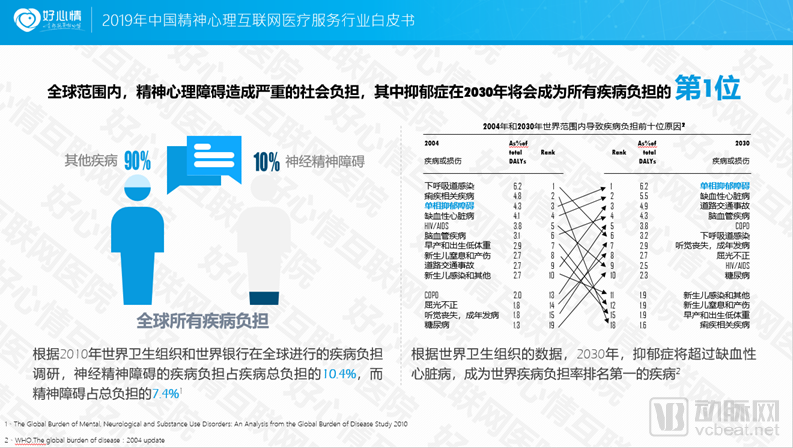
According to the World Health Organization, neuropsychiatric disorders currently account for 10% of the global burden of disease, with mental disorders alone contributing 7.4%. Furthermore, the WHO projects that by 2030, depressive disorders will surpass ischemic heart disease to become the leading cause of disease burden worldwide.
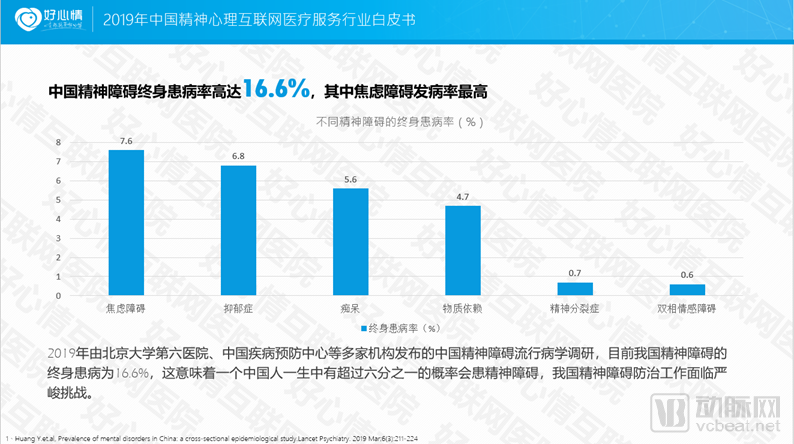
The prevalence of mental and psychological disorders in China is also significant. The findings from the China Mental Health Survey, led by Peking University Sixth Hospital and the Chinese Center for Disease Control and Prevention, indicate that the lifetime prevalence of mental disorders in China is as high as 16.6%, with anxiety disorders having the highest lifetime prevalence at 7.6%. This means that one in six people in China will develop a neuropsychiatric disorder at some point in their lives.
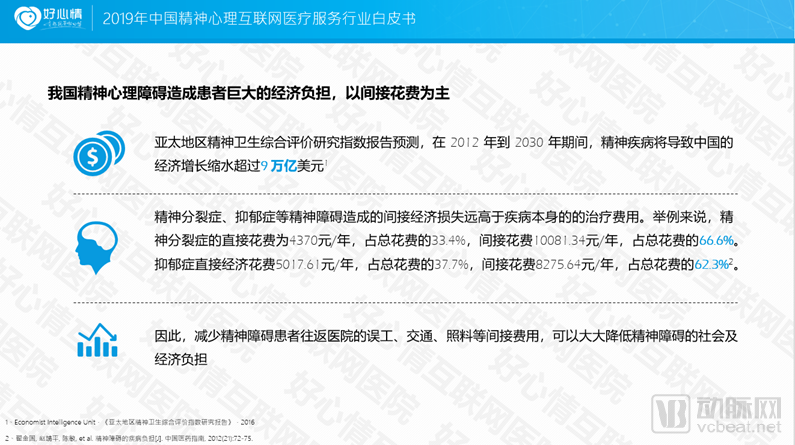
Furthermore, mental and psychological disorders impose a substantial economic burden on China. Studies predict that from 2012 to 2030, these disorders will cause China’s economic growth to shrink by more than $9 trillion. Indirect treatment costs, including those related to lost productivity, transportation, and caregiving, constitute the primary expenditure for patients with mental and psychological disorders. Reducing these indirect treatment expenses could significantly alleviate the financial burden on patients with mental disorders.
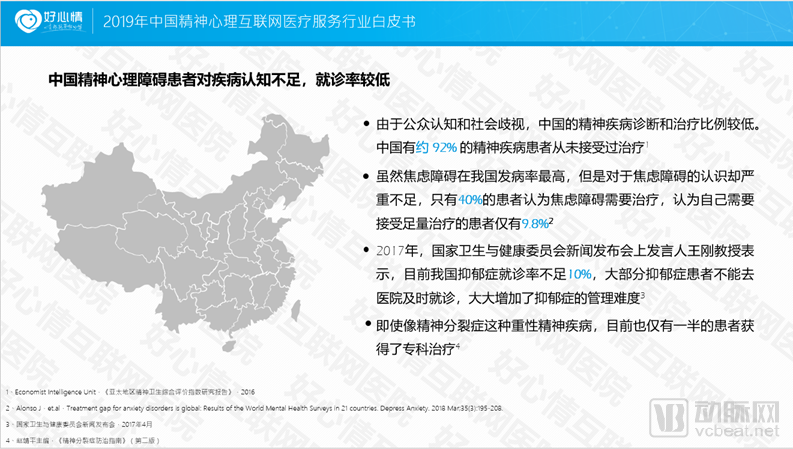
Currently, the consultation rate and patient awareness regarding mental and psychological disorders in China are significantly lower than those in developed countries, with approximately 92% of patients never having received treatment. For conditions such as anxiety disorders and depressive disorders, the majority of patients believe that specialized care is unnecessary. Even for severe mental illnesses like schizophrenia, only half of the patients currently receive specialized treatment. Patient education on mental and psychological disorders in China continues to face severe challenges.
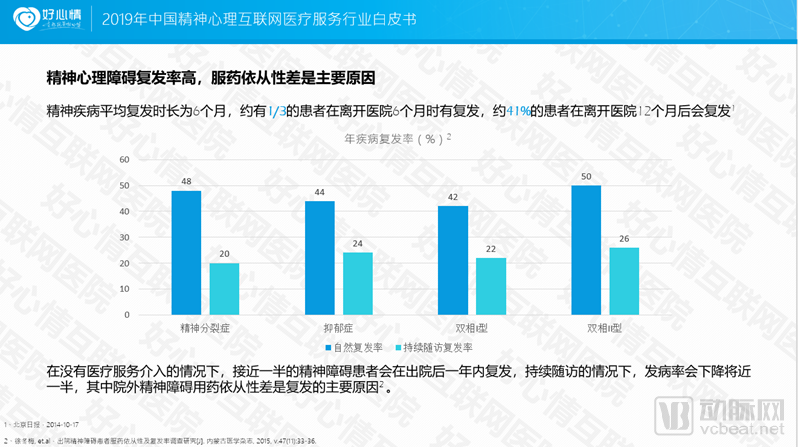
Relapse in mental and psychological disorders represents a major challenge in disease management. The average time to relapse is six months, with poor medication adherence being the primary cause of recurrence. Studies have shown that continuous follow-up of patients with mental and psychological disorders can reduce the relapse rate by approximately half compared to those without such follow-up.
Furthermore, a correspondence published in The Lancet Psychiatry by Professor Hu Shaohua and colleagues stated that the current treatment of mental and psychological disorders in China is characterized by an emphasis on treatment over rehabilitation. Consequently, many patients with mental disorders are unable to return to their pre-illness lives after discharge, often due to residual symptoms and adverse drug reactions.
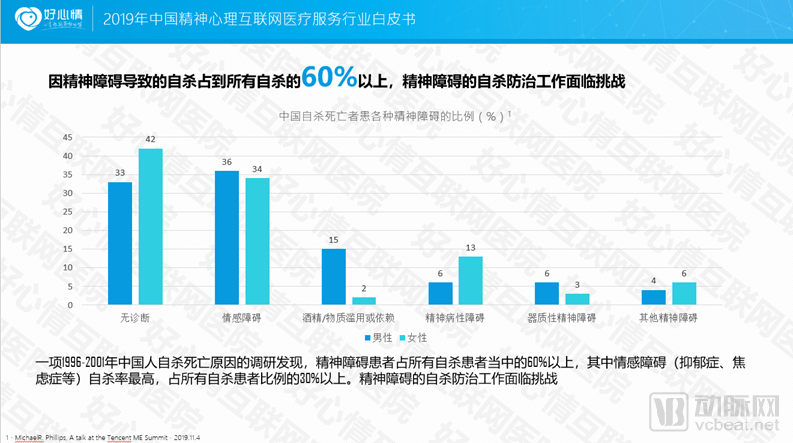
Currently, suicides attributed to mental disorders still account for more than 60% of all suicide cases. Among these, mood disorders are a leading cause, responsible for over 30% of all suicides. Therefore, suicide prevention and intervention efforts for individuals with mental disorders remain a critical public health priority.
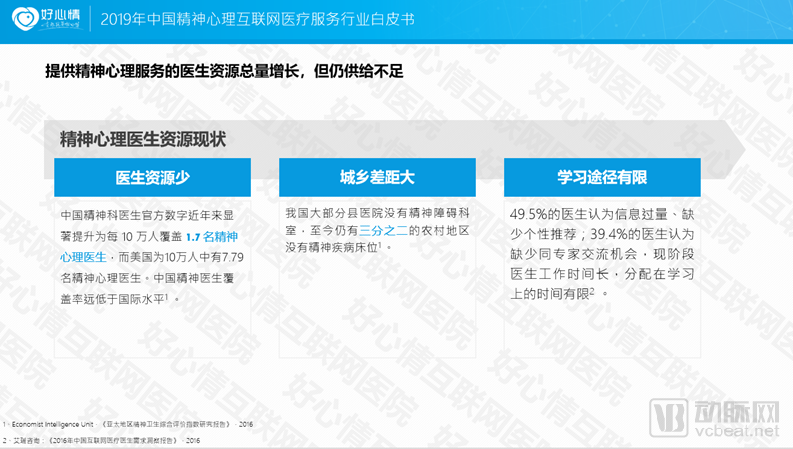
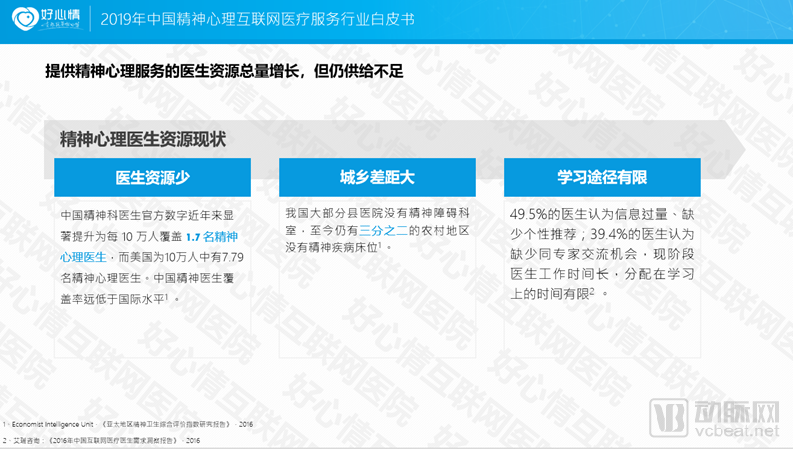
Currently, there are approximately 38,000 psychiatrists and mental health specialists across China; however, the supply remains critically insufficient given the large number of patients with mental and psychological disorders. China has only 1.7 specialist psychiatrists per 100,000 people, compared to 7.79 per 100,000 in the United States. Furthermore, most county-level hospitals in China lack specialized psychiatric departments, and two-thirds of rural areas have no hospital beds dedicated to mental health care.
In 2016, the State Council issued the Outline of the “Healthy China 2030” Plan, elevating “Healthy China” to a national strategy. In view of the severe situation currently posed by mental and psychological disorders, the Outline states: “Strengthen interventions for common mental disorders and psychological and behavioral problems, such as depression and anxiety disorders, and intensify efforts in the early detection and timely intervention of psychological issues among key populations. Enhance the reporting, registration, treatment, and assistance management for patients with severe mental disorders. Comprehensively promote community-based rehabilitation services for mental disorders. Improve the capacity and level of intervention in psychological crises during emergencies. By 2030, significantly enhance the prevention and control of common mental disorders and the identification and intervention of psychological and behavioral problems.”
In July 2019, the State Council issued the "Opinions on Implementing the Healthy China Action," which put forward four major guiding recommendations for mental health construction. It proposed that by 2022 and 2030, residents' mental health literacy levels would increase by 20% and 30%, respectively, and the upward trend in the incidence of psychological disorders would be slowed. The four major guiding recommendations included improving the social psychological service network, strengthening the training of mental health professionals, establishing a comprehensive management mechanism for mental health, and enhancing community-based rehabilitation for individuals with mental disorders.
II. Development and Prospects of Internet-Based Mental Health Care in China
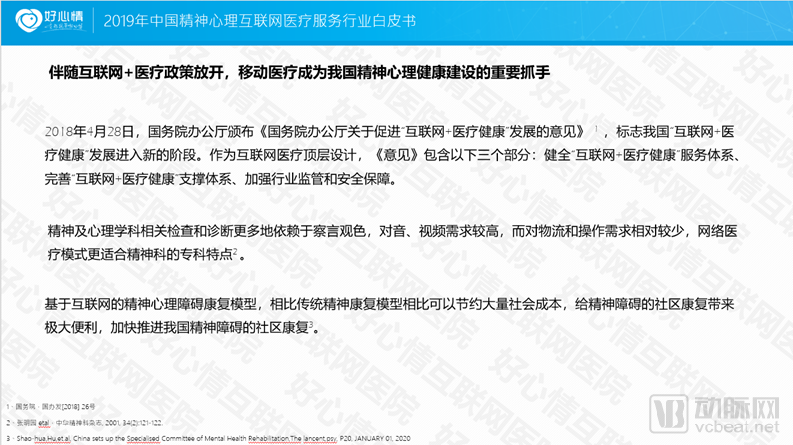
In April 2018, the General Office of the State Council issued the “Opinions on Promoting the Development of ‘Internet + Medical Health,’” marking a new stage in the development of China’s “Internet + Medical Health” sector. Given that examinations and diagnoses in psychiatry and psychology rely heavily on behavioral observation and thus have high demands for audio and video capabilities, while requiring relatively less logistical support and hands-on intervention, the online medical model is particularly well-suited to the specialized characteristics of psychiatry. Furthermore, compared with traditional psychiatric rehabilitation models, internet-based rehabilitation models for mental and psychological disorders can significantly reduce social costs, greatly facilitate community-based rehabilitation for individuals with mental disorders, and accelerate the advancement of such community rehabilitation efforts in China.

Managing patients with mental disorders via the internet can significantly reduce their indirect treatment expenses. According to research by the Haoxinqing platform, the monthly indirect treatment cost for internet-based disease management of mental disorders is only RMB 325, whereas traditional disease management incurs indirect costs as high as RMB 1,032. Overall, opting for internet-based disease management can reduce patients’ total treatment costs by 50%.
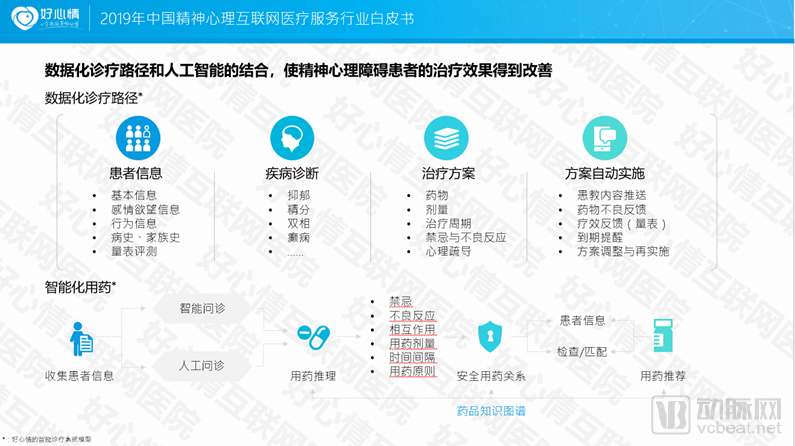
The integration of data-driven clinical pathways with artificial intelligence can improve treatment outcomes for patients with mental and psychological disorders, match them with the most suitable treatment plans based on big data, assist physicians in making effective therapeutic decisions, and alleviate the burden of disease management for patients.
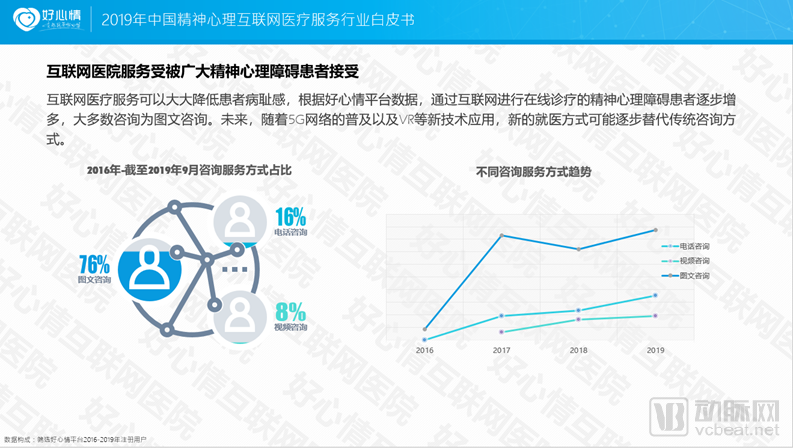
Follow-up management of patients with mental and psychological disorders via the Internet can significantly reduce their sense of stigma. Consequently, in recent years, the number of patients with mental and psychological conditions opting for online consultations has been rising annually. Currently, however, text-and-image-based consultations remain the predominant mode. It is believed that in the near future, with the widespread adoption of 5G networks and the application of emerging technologies such as virtual reality (VR), new remote video-based medical consultation models may gradually replace text-and-image consultations, becoming a new choice for patients.
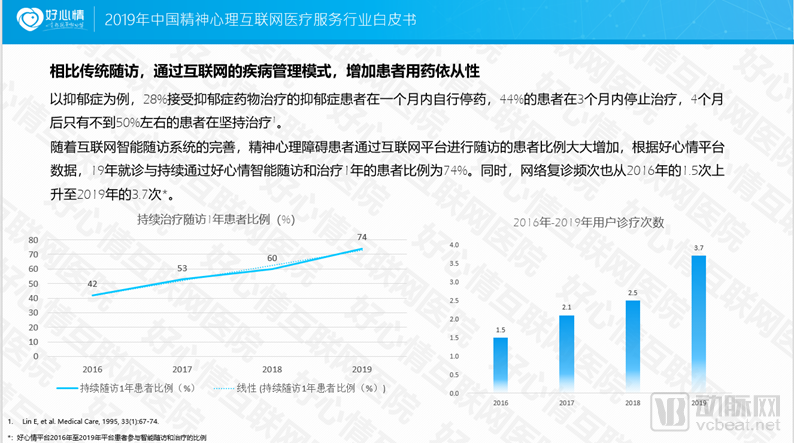
Poor medication adherence among patients with mental and psychological disorders poses significant challenges to treatment. Taking depression as an example, only about 50% of patients remain adherent to their medication regimen after four months, and nearly one-third discontinue treatment within the first month. However, internet-based follow-up can substantially improve medication adherence. In 2019, approximately 74% of patients with mental and psychological disorders continued their follow-up care through the Haoxinqing Intelligent Follow-up System, resulting in an annual average of 3.7 follow-up visits per patient on the Haoxinqing platform.
In addition, AI technology is increasingly being applied in the healthcare industry, holding particular significance and potential for mental disorders that still lack effective diagnostic and therapeutic approaches. Semantic technologies and knowledge graphs can analyze data from social media platforms to issue early warnings of high-risk suicidal behaviors, thereby enabling effective suicide intervention.
From August 2016 to March 2019, Haixinqing leveraged online artificial intelligence and semantic technologies to identify and timely intervene in hundreds of psychiatric patients with suicidal ideation.
Meanwhile, Haoxinqing is developing an intelligent diagnostic system based on facial and speech recognition for conditions such as depression, Parkinson’s disease, and Alzheimer’s disease, with preliminary research and development expected to be completed by 2020.
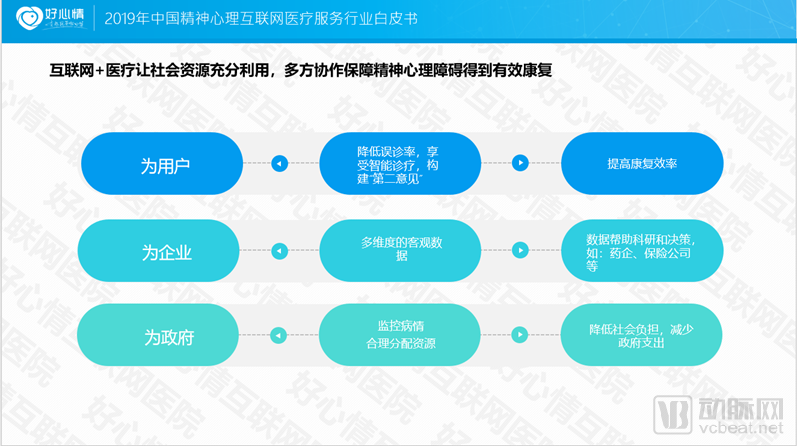
“Internet + Healthcare” enables more rational utilization of social resources. For users, it helps doctors and patients select the most appropriate treatment plans, thereby improving disease recovery rates. For enterprises, it provides more objective data to support pharmaceutical companies, insurance firms, and others in making more effective decisions. For the government, it offers reliable data to facilitate the rational allocation of relevant resources, thus reducing societal burden and government expenditures.
III. Report on Physician and User Behavior on Internet-Based Mental Health Medical Platforms
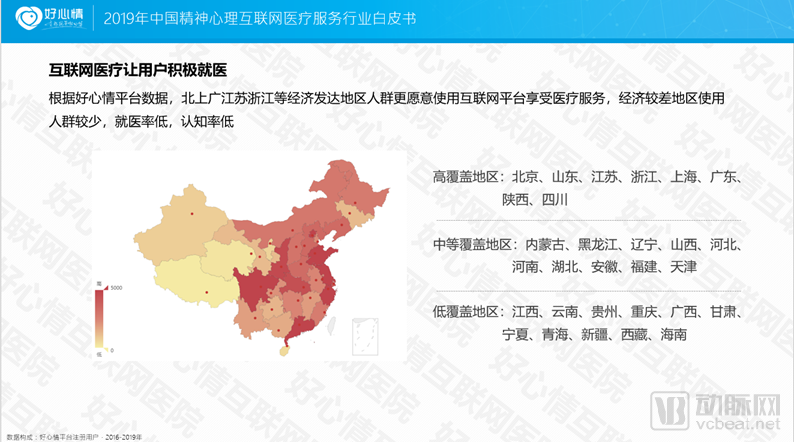
According to data from the Haoxinqing platform, residents in economically developed regions such as Beijing, Shanghai, Guangzhou, Jiangsu, and Zhejiang are more inclined to use internet platforms for medical services, whereas fewer people in less economically developed regions such as Yunnan, Guizhou, Xinjiang, and Tibet utilize these platforms, reflecting lower levels of awareness.
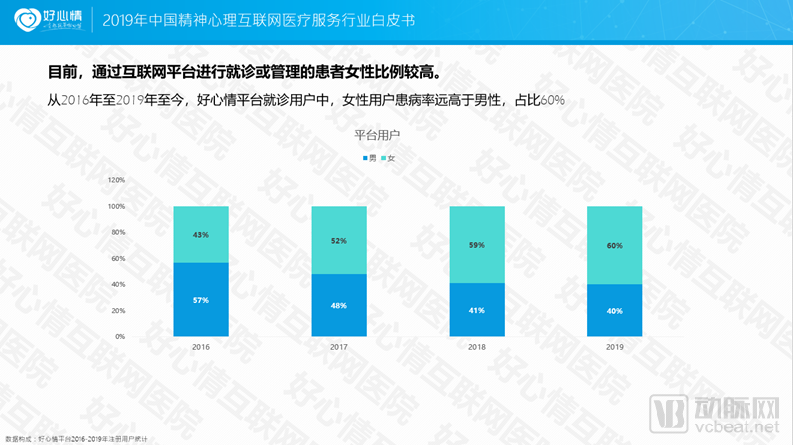
Additionally, the proportion of female patients with mental and psychological disorders who choose internet platforms for medical consultations is significantly higher than that of males, reaching as high as 60%.
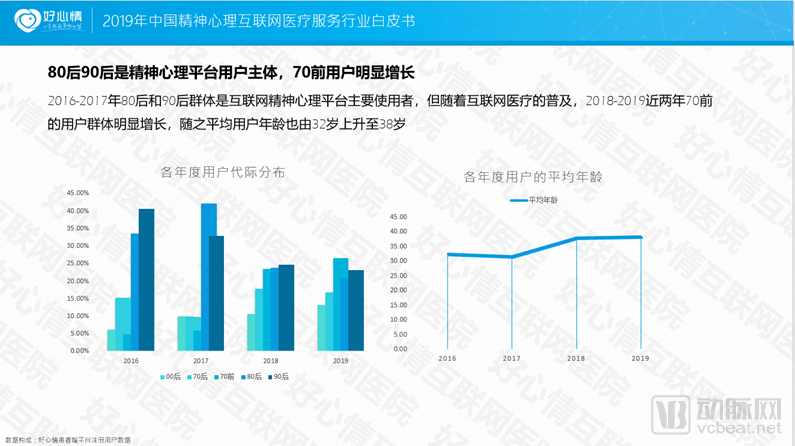
Young people are the primary users of online platforms for medical consultations. However, with the widespread adoption of the internet, individuals born in the 1970s and 1960s are increasingly turning to these platforms for disease management. In the future, we believe that patients across all age groups will manage their health conditions via the internet.
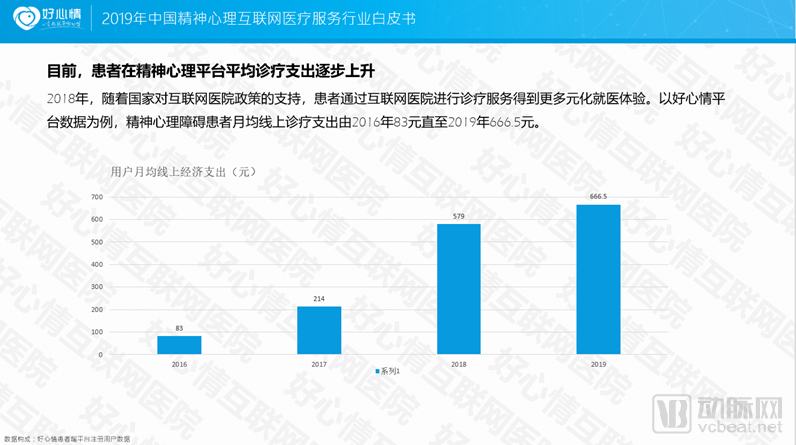
In 2018, with national policy support for internet hospitals, patients experienced more diversified diagnosis and treatment services on online platforms. Consequently, patient spending on internet hospital platforms increased significantly. For example, on the Haoxinqing platform, the average monthly online consultation expenditure for patients with mental and psychological disorders rose from RMB 83 in 2016 to RMB 666.5 in 2019.
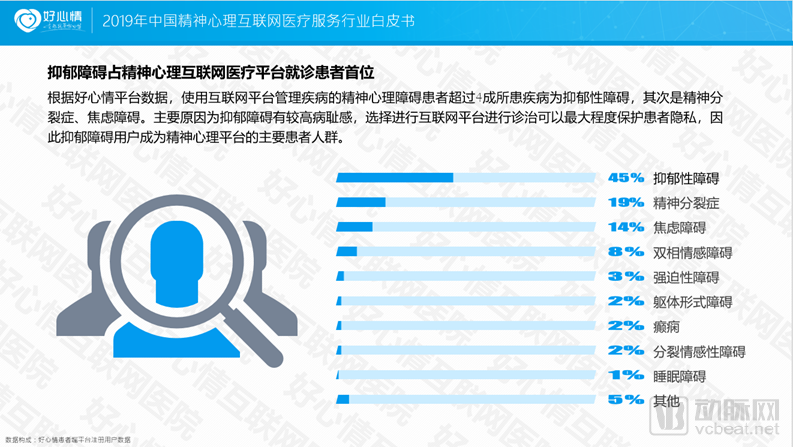
Depressive disorders rank first among patients seeking care on online mental health platforms. According to data from the Haoxinqing platform, over 40% of patients with mental and psychological disorders who use internet-based platforms for disease management suffer from depressive disorders, followed by schizophrenia and anxiety disorders. The primary reason is that depressive disorders carry a significant stigma; therefore, patients choose online platforms for diagnosis and treatment to maximize privacy protection. As a result, individuals with depressive disorders have become the predominant patient population on mental health platforms.

The age distribution of patients with various mental and psychological disorders who choose to seek medical consultation via internet platforms is generally similar. Among them, schizophrenia is more prevalent in young and middle-aged adults, while anxiety disorders are more common in middle-aged individuals.
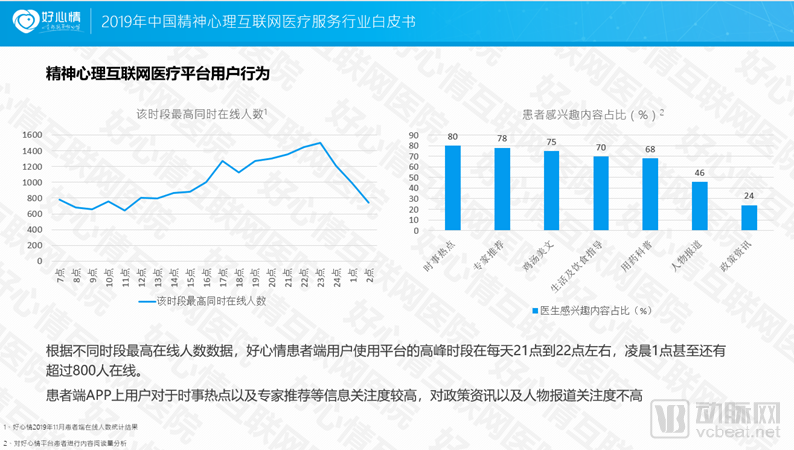
According to usage data from the Haixinqing patient-side app, platform activity peaks around 10:00 PM for most users, with many patients continuing to log in as late as 1–2 AM. In terms of content preferences, patients show a stronger inclination toward news on current events and expert-recommended information, while exhibiting relatively lower interest in policy inquiries and profile features.
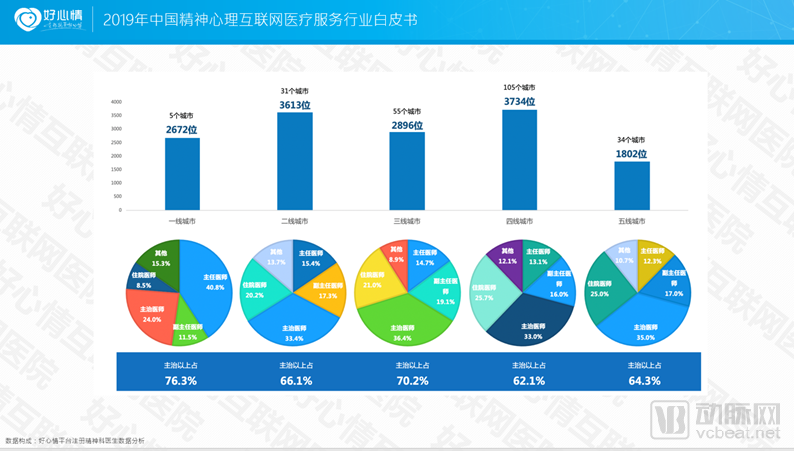
According to data from the Haoxinqing platform, the distribution of physicians is relatively balanced. Attending physicians constitute the main workforce practicing in internet hospitals, while associate chief physicians and chief physicians in first-tier cities also account for a significant proportion.
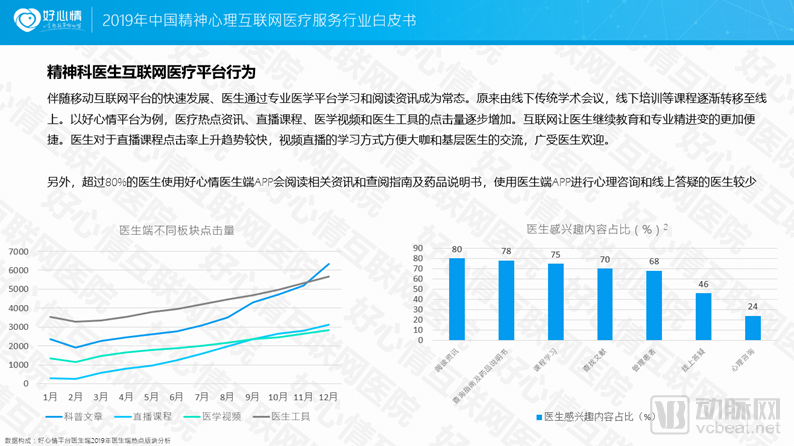
With the rapid development of mobile internet platforms, it has become commonplace for physicians to study and read professional information via specialized medical platforms. Traditional offline academic conferences and training programs are gradually shifting online. Taking the Haoxinqing platform as an example, click-through rates for trending medical news, live-streamed courses, medical videos, and physician tools have been steadily increasing. The internet has made continuing medical education and professional advancement more convenient for physicians. There is a rapid upward trend in the click-through rates for live-streamed courses; this video-based learning format facilitates interaction between leading experts and grassroots physicians, making it widely popular among the medical community.
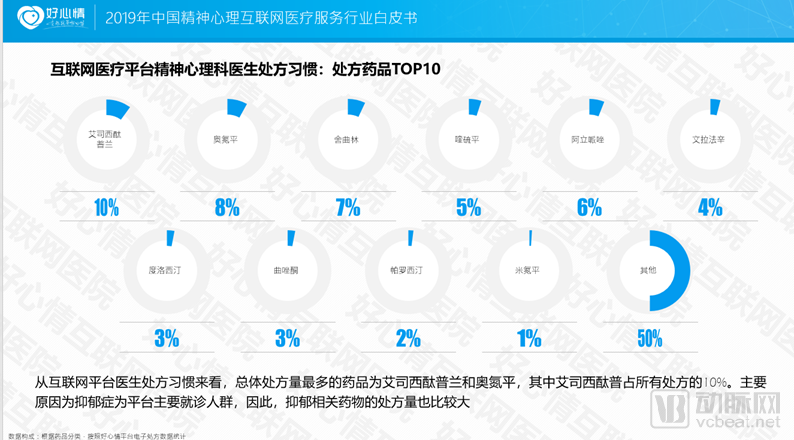
Based on internet physician prescription data, escitalopram and olanzapine accounted for a significant share of prescriptions, representing 10% and 8% of all prescriptions, respectively. This is primarily because patients with depression constitute the main population seeking treatment on internet platforms.
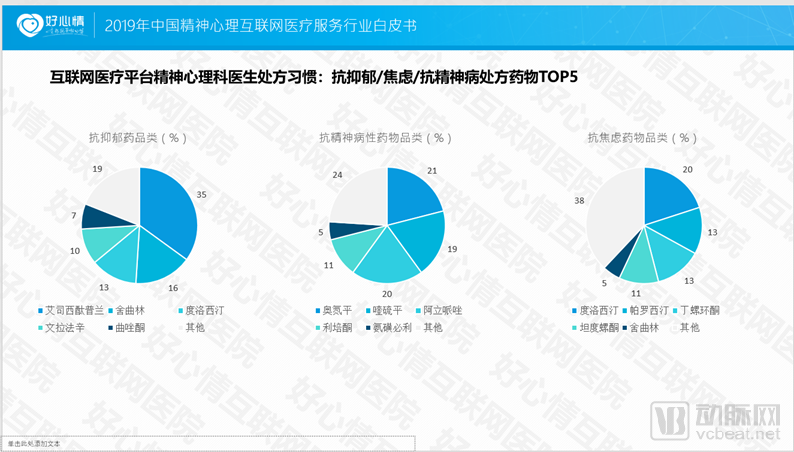
An analysis of prescription data across various drug categories reveals that escitalopram, olanzapine, and duloxetine have the highest prescription volumes within their respective therapeutic classes. This indicates broad acceptance of these three products by physicians and patients in China, primarily attributable to their superior efficacy and favorable safety profiles with fewer adverse reactions.
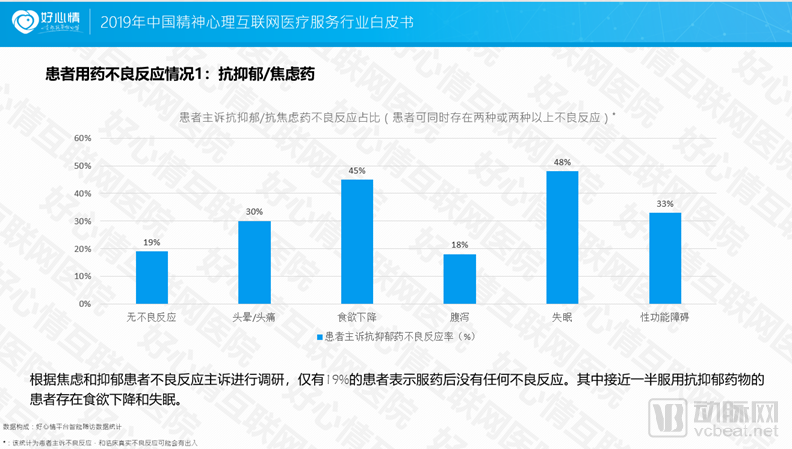
Adverse drug reactions are one of the primary reasons for poor medication adherence among patients with mental disorders. According to patient self-reports, only 19% of patients taking antidepressants or anxiolytics reported experiencing no adverse effects after medication. The majority of patients reported experiencing two or more types of adverse reactions, with the most common being decreased appetite and insomnia.
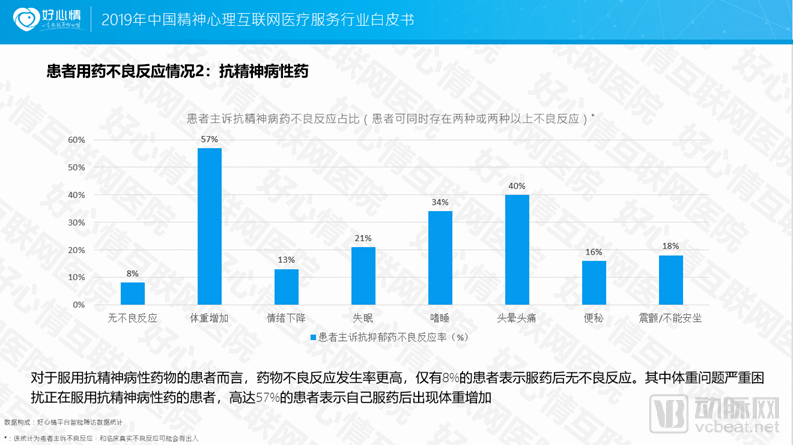
Only 8% of patients taking antipsychotic medications reported no adverse effects. Among those who did experience side effects, weight gain was the most distressing concern. Additionally, adverse reactions such as headache, dizziness, somnolence, and insomnia occurred at relatively high rates. The adverse effects of antipsychotic drugs significantly impair patients’ quality of life and represent an urgent issue that needs to be addressed.
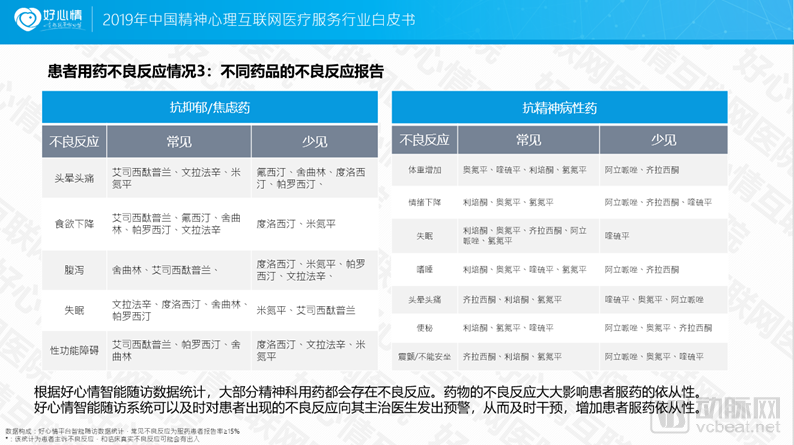
According to data from the Haixinqing Intelligent Follow-up System, most psychiatric medications are associated with adverse reactions. These adverse effects significantly impair patients' quality of life and constitute a major barrier to medication adherence. The Haixinqing Intelligent Follow-up System can promptly alert treating physicians to any adverse reactions experienced by patients, enabling timely intervention and thereby improving medication adherence.
Data Sources for This Report
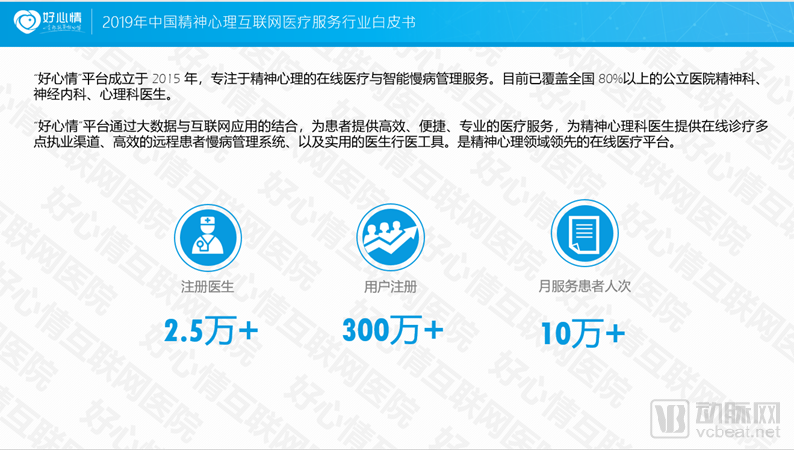
“HaoXinQing” platform was established in 2015, focusing on online medical care and intelligent chronic disease management services for mental health. HaoXinQing’s products include the user-side APP, the doctor-side APP, the internet hospital service account, and a full product matrix of hospital SaaS systems, providing professional services to the mental health industry.
Currently, it covers over 80% of psychiatrists, neurologists, and psychologists in public hospitals across China. By integrating big data with internet applications, the “Hao Xinqing” platform provides patients with efficient, convenient, and professional medical services. It offers mental health specialists channels for online diagnosis and treatment as part of multi-site practice, an efficient remote chronic disease management system for patients, and practical clinical tools for physicians. It is a leading online healthcare platform in the field of mental health.