

YuceBio and CEO Gao Zhibo: A Key Partner for Next-Generation Immuno-Oncology, Leading the Industry in Tumor Neoantigen Detection
Cancer immunotherapy has undergone transformative changes in recent years. Six PD-1 monoclonal antibodies have been successively approved in China; two CAR-T cell therapy products have received global approval; and personalized cancer vaccines are advancing rapidly. This series of developments has propelled cancer immunotherapy from obscurity to the global spotlight, while also bringing companion diagnostics for cancer immunotherapy into prominence.
Molecular testing has transformed disease classification models and driven advancements in therapeutic approaches. Cancers with different histopathological subtypes require differentiated radiotherapy regimens and chemotherapeutic agents. Molecular subtyping based on driver gene mutations has accelerated the precise application of targeted therapies, while immune subtyping is poised to enhance the efficacy of immunotherapies, cancer vaccines, and adoptive cell therapies. Starting with PD-L1 biomarker testing, an increasing number of researchers in tumor immunotherapy have recognized the critical importance of immune diagnostics. Tumor immune diagnostics enable more precise classification of cancers from perspectives such as tumor genomics, host immune status, and the immune microenvironment, thereby helping physicians gain a deeper understanding of the disease and assisting patients in identifying optimal treatment strategies.
As one of the earliest companies in China to enter the field of tumor immunodiagnostics, arguably no other domestic company has more authority in this area than Yuce Bio. Established in 2015, Shenzhen Yuce Biological Technology Co., Ltd. (Yuce Bio) has deeply cultivated the field of tumor immuno-diagnosis and therapy, particularly accumulating extensive data and experience in tumor neoantigen detection, and has initially achieved product commercialization.
At the VCBeat “2019 Top 100 Future Healthcare Companies” Digital Pathology and Precision Diagnostics Forum, Dr. Gao Zhibo, Founder and CEO of Yuce Bio, delivered an insightful presentation titled “Current Status and Trends in Precision Immuno-Oncology Diagnosis and Treatment.” Building on this presentation, VCBeat engaged in an in-depth dialogue with Dr. Gao to explore the future direction of companion diagnostics for cancer immunotherapy.
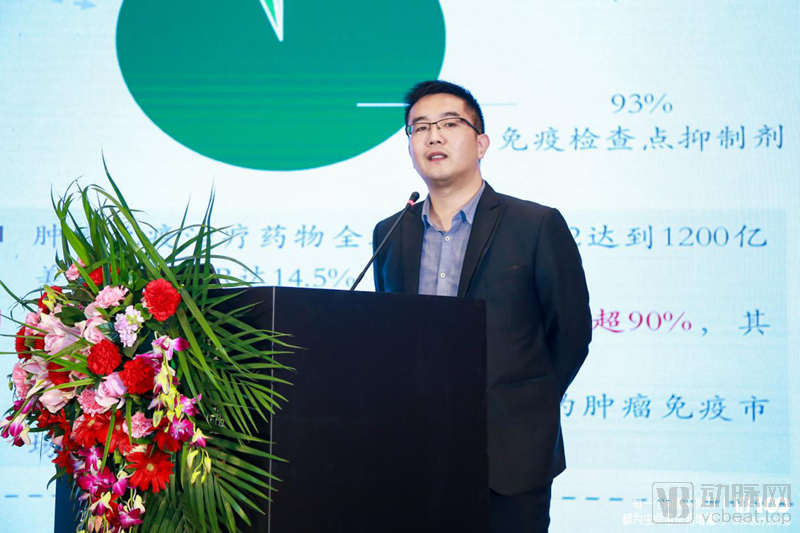
Dr. Gao Zhibo, Founder and CEO of Yuce Biological
In his speech, Gao Zhibo stated that the logic of immunotherapy can be broadly categorized into two types: immune normalization and immune enhancement. According to the cancer-immunity cycle theory, tumor immunity involves key steps such as the release of neoantigens, activation of antigen-presenting cells and T cells, T cell infiltration, and the recognition and killing of tumor cells.
Throughout the immune cycle, a malfunction at any step can impair the normal functioning of the immune system. Therefore, restoring immune homeostasis is a critical approach to achieving effective immunotherapy, a principle underlying the mechanism of existing PD-1/PD-L1 inhibitors. In contrast, personalized vaccines and cell therapies primarily aim to achieve therapeutic effects by enhancing immune responses.
Personalized immunotherapy products face three key technical bottlenecks: target selection, delivery systems, and overcoming the immunosuppressive microenvironment. “Currently, the core issue addressed by PD-1/PD-L1 inhibitors is the reversal of the immunosuppressive microenvironment; companies involved in therapeutic product development are focusing more on how to build effective delivery systems. What Yuce Bio is doing is providing assistance to these companies and institutions in the area of target selection,” said Gao Zhibo.
Tumor Neoantigens
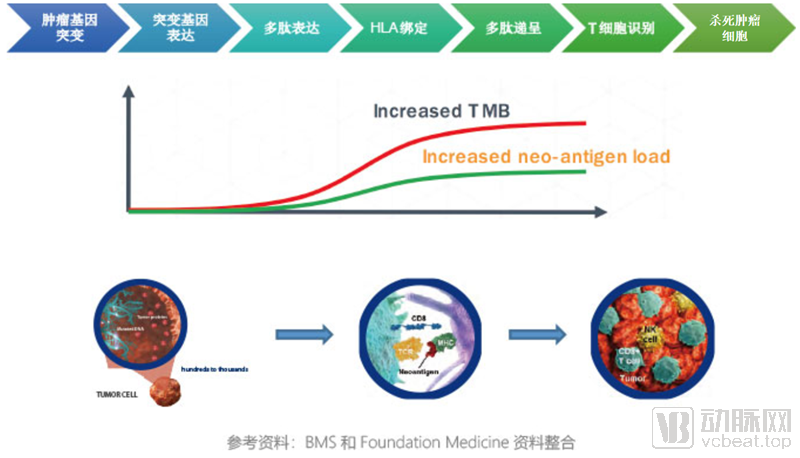
For personalized diagnosis and treatment, tumor neoantigens generated by mutations are undoubtedly ideal target candidates. Compared with other targets in cells, tumor neoantigens exhibit excellent specificity and immunogenicity. In the past two years, driven by breakthroughs in detection technologies and their high specificity, tumor neoantigens have garnered widespread attention across the entire industry.
“Cancer is a class of diseases caused by genetic mutations. The most significant immunological difference between tumor cells and normal host cells lies in tumor neoantigens. These peptides, newly generated as a result of genomic mutations, are the most immunogenic antigens,” said Gao Zhibo.
To date, the greatest challenge in neoantigen detection lies in the imperfection of related algorithms and workflows. The development of a bioinformatics algorithm for predicting tumor neoantigens, particularly with the integration of artificial intelligence technologies, critically requires sufficient training and validation data to demonstrate that the algorithm can indeed identify immunogenic neoantigens in patients.
Gao Zhibo believes that “the greatest challenge in neoantigen testing stems from the lack of standardized validation and limited volumes of validation data. The accuracy of test results generated under such constrained conditions is relatively limited, thereby restricting the development of downstream industries. Therefore, if we can centralize validation efforts on platforms like Shenzhen Yuce Biological Technology Co., Ltd., it will help us rapidly elevate our testing capabilities to international leading standards, truly enabling industrial-scale therapeutic applications.”
Research on tumor neoantigens has become a global hotspot, yet the scarcity of data remains a major obstacle in this field. This challenge is not confined to China; researchers worldwide are actively seeking additional data sources for tumor neoantigen studies.
Against this backdrop, the Tumor Neoantigen Selection Alliance (TESLA) was established. Shenzhen Yuce Biological Technology Co., Ltd. is the only company in China that has been deeply involved in the work of the TESLA alliance.
TESLA is an international neoantigen detection consortium, whose members include top-tier global academic institutions, biotechnology companies, and select multinational pharmaceutical firms. From melanoma to non-small cell lung cancer (NSCLC) and subsequently other cancer types, TESLA has conducted multiple rounds of algorithm-related research, with Shenzhen Yuce Biological Technology Co., Ltd. participating in nearly the entire scope of TESLA’s research efforts.
TESLA leverages core hospitals to provide patient samples, with testing data generated by a central laboratory. Each participating institution submits its analytical results based on its proprietary algorithms, forming a consolidated dataset comprising results from over 20 institutions. The alliance then conducts unified experimental validation on this aggregated dataset, and evaluates the specificity and sensitivity of each institution’s algorithm based on the corresponding validation outcomes.
Through this operational model, TESLA not only facilitates exchanges in the field of neoantigen research but also provides data support to neoantigen research institutions. Meanwhile, Shenzhen Yuce Biological Technology Co., Ltd. has integrated into the global neoantigen research ecosystem through TESLA, thereby enhancing its future development with a more international perspective.
Gao Zhibo told us that Yuce Bio had already begun research related to tumor neoantigens before the alliance was established. Joining TELSA signifies that Yuce Bio’s technological capabilities are now on par with those of the world’s top-tier institutions and enterprises (TOP 3). Its ability to establish a foothold on such an international research platform also indirectly demonstrates Yuce Bio’s outstanding capabilities in tumor neoantigen detection.
“Yuce Biological highly values this opportunity for international exchange and is working closely with the Alliance, hoping to introduce the testing and validation standards established by the Alliance to the Chinese market,” said Gao Zhibo.
Companion diagnostics for PD-1 monoclonal antibodies currently rely primarily on PD-L1 as the biomarker. However, single tumor immune molecular biomarkers exhibit lower sensitivity and specificity compared to targeted therapy biomarkers. Consequently, in recent years, a series of biomarkers—including Tumor Mutational Burden (TMB) and Microsatellite Instability (MSI)—have been developed, emerging as new options for tumor immunodiagnosis.
“TMB was highly anticipated in early 2019, with many expecting it to enter clinical practice rapidly. However, subsequent experimental results revealed a mixed picture: while TMB demonstrated some stratification efficacy in certain cases, its performance was suboptimal in other trials,” said Gao Zhibo.
As research on tumor immune diagnostic biomarkers continues to deepen, it is increasingly recognized that single-biomarker testing—whether for currently popular TMB or already approved PD-L1 and MSI—is becoming insufficient to meet the need for identifying patients who will benefit from tumor immunotherapy. In contrast, the combined use of multiple biomarkers may yield greater advances in this area.
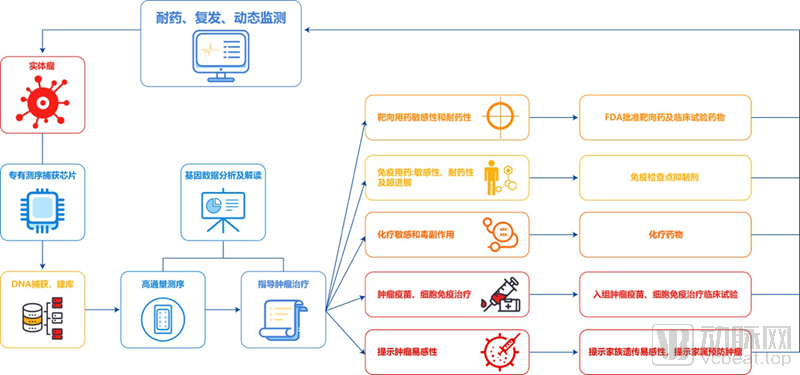
Therefore, in its product design, Yuce Biological Technology extensively covers a wide range of tumor-related biomarkers. In addition to several high-profile markers, its product portfolio includes HLA, tumor mutational burden (TMB), drug-resistance mutations, hyperprogression-associated mutations, and lymphocyte distribution within the tumor microenvironment.
YuceOne Plus®Whole-Genome Sequencing for Precision Oncology
Yuce Bio's Testing ProductsYuceOne Plus®Upon its initial completion in 2017, the product incorporated all established and potential immune-related biomarkers. Subsequently, real-world data accumulated through the later-stage Ladder Plan was leveraged to validate product performance and determine clinically meaningful thresholds.
Based on its research into tumor neoantigens, Shenzhen Yuce Biological Technology Co., Ltd. has proposed the novel concept of TNB (Tumor Neoantigen Burden). TNB can better identify which specific step in the immune process is impaired, determine whether patients can overcome their inherent limitations to immunotherapy, and guide precise combination drug regimens. As a metric that directly reflects the immunogenicity of tumor surface antigens, TNB can be regarded, to some extent, as defining the future of immuno-diagnosis.
In addition, Yuce Biological Technology is actively identifying and validating novel immunotherapy biomarkers, having already achieved phased milestones. The combined use of these biomarkers with more established markers, such as tumor mutational burden (TMB), will better stratify patients likely to respond to immunotherapy.
“The exploration of biomarkers in the field of tumor immunotherapy is currently at a rather uncertain stage. Previously studied biomarkers have largely focused on monotherapy, and their efficacy in combination immunotherapies cannot yet be guaranteed. This means that most biomarkers may face questions about their future development,” said Gao Zhibo.
Particularly in the field of tumor neoantigens, although there are currently some software tools available for neoantigen detection, these tools are temporarily limited to research applications and have not yet demonstrated sufficient effectiveness in practice. The accuracy of detection remains a key bottleneck hindering the clinical application of tumor neoantigens.
Therefore, as a tumor immunodiagnostics company with a global perspective, Shenzhen Yuce Biological Technology Co., Ltd. has both the obligation and the capability to promote cooperation and development in China’s tumor immunity field.
Yuce Bio is currently promoting its CDMO business model to provide upstream detection and validation services for neoantigen research institutions in China. On one hand, Yuce Bio leverages its world-class technology to help these institutions gain a better understanding of tumor neoantigens; on the other hand, the concentration of research data on Yuce Bio’s platform enables the company to further refine and iterate its detection algorithms and models.
Currently, Yuce Bio has established strategic collaborations with more than 20 clinical institutions and pharmaceutical companies, and multiple clinical trials are underway.
“Ladder Project” is a flagship research initiative launched by Yuce Bio in 2017, aiming to advance the precision of oncology immuno-diagnosis and treatment in China through multi-party collaborations with clinical institutions and pharmaceutical companies. Academician Zhan Qimin, Director of the Peking University Health Science Center, serves as the Chairman of the Expert Advisory Committee for the Ladder Project. Leveraging China’s abundant clinical resources in tumor immunotherapy and building on a profound understanding of the interactions between the human immune system and tumor cells, the project utilizes genomic research, big data analytics in bioinformatics, and artificial intelligence to promote the development and application of tumor immunotherapy-specific antigens and biomarkers based on clinical data.
Yuce Bio aims to serve as a central laboratory in the research and development of biomarkers related to immunotherapy. Through the Tian Ti Program, it collaborates with leading principal investigators (PIs) in immunology and major pharmaceutical companies in China to collect biomarker data based on clinical applications, thereby further exploring the clinical value of these biomarkers.
In terms of clinical application promotion, Shenzhen Yuce Biological Technology Co., Ltd. (Yuce Bio) has attempted to promote its products in top-tier tertiary hospitals across China through academic outreach. The medical community remains somewhat confused about companion diagnostic products for tumor immunotherapy. However, physicians at leading tertiary hospitals possess stronger professional capabilities and a deeper understanding of biomarkers, enabling them to better appreciate the clinical value delivered by Yuce Bio’s products. As drug prices decline and an increasing number of immunotherapies gain approval and launch in China, many patients undergoing immunotherapy will shift toward lower-tier healthcare facilities along with the decentralization of immunotherapy services. Consequently, the future market potential for immunodiagnostics remains substantial.
Through various collaborations, Yuce Bio has accumulated patient data from approximately 3,000 cases, with the core portion derived from cohort studies conducted in partnership with pharmaceutical companies, leading to the identification of numerous novel biomarkers with significant potential for future applications.
“Yuce Bio has always benchmarked itself against Personalis, which positions itself as a ‘next-generation immunotherapy partner.’ This aligns precisely with Yuce Bio’s mission: to promote the robust development of precision immuno-diagnosis and treatment in China, which will remain Yuce Bio’s consistent strategic goal,” said Gao Zhibo.