

Sexual Wellness Makes Its CES Debut as Wearable Health Tech Steals the Spotlight: Highlights from CES 2020

Samsung Electronics
South Korea's largest electronics manufacturing company

NightWatch
Surveillance Equipment Vendor

AerBetic
Medical Device Developer

Lora DiCarlo
Health Product Manufacturer

OhMiBod
Health Product Manufacturer

Triple W Japan
Medical Device Developer

Reliefband Technologies
Developer of Digital Wearable Medical Devices

Myant
Wearable Technology R&D Provider
From January 7 to January 10 (U.S. West Coast time), the annual CES International Consumer Electronics Show (hereinafter referred to as CES) was held in Las Vegas, USA. CES has always been a major event in the global consumer technology sector and a testing ground for innovators and breakthrough technologies. CES 2020 featured more than 4,400 exhibiting companies, including 1,200 startups.
In addition to traditional consumer electronics (CE), this year’s CES also placed significant emphasis on 5G, artificial intelligence, autonomous driving, and digital health. According to the Consumer Technology Association (hereinafter referred to as CTA), the health sector has been the fastest-growing category at CES in recent years. This year, a total of 145 companies from the health sector exhibited, representing a 25% increase compared to 2019.
As CES draws to a close, what novel health products were showcased at this year’s event, and what trends do they reflect? VCBeat (WeChat ID: vcbeat) has compiled and organized the information into this article.
Sexual Health Makes Its Official CES Debut, Marking Unprecedented Gender Equality
One of the biggest selling points of CES 2020 was the first-time allowance for public display of sexual health products. This was not an arbitrary decision, but rather one linked to the sensational incident that occurred at CES 2019.
At CES 2019, Lora DiCarlo’s Osé sexual wellness device concept was accepted for exhibition and won an award in the Robotics and Drones category for its innovative design. This is a significant honor for any startup.
However, a month later, on the eve of CES 2019, the situation changed. The Consumer Technology Association (CTA), the organizer of CES, announced that it was rescinding Lora DiCarlo’s award and banning the company from exhibiting. In its explanation to Lora DiCarlo, the CTA clarified the reasons for its decision, stating that Osé was “immoral, obscene, indecent, profane, or otherwise not in alignment with the CTA’s vision for the show.”
Haddock, the founder of Lora DiCarlo, subsequently published an open letter accusing “sexism at CES of stifling innovation” and arguing that “there is a significant double standard when it comes to discussions of sex and sexual health.” The incident sparked widespread controversy and drew extensive coverage from authoritative media outlets, including the BBC and Time magazine.
In fact, the CTA, organizer of CES, is not entirely unrelated to sexual health. From 1998 to 2011, CES and the Adult Entertainment Expo (hereinafter referred to as AEE) were always held concurrently in adjacent exhibition halls. It has been a common practice for many attendees to visit the AEE out of curiosity while attending CES. CES has long sought to distance itself from the AEE and finally succeeded in prompting the AEE to reschedule its event to take place several weeks after CES.
Nevertheless, CES has not imposed a complete ban on sexual health products incorporating new technologies. For instance, it previously permitted sexual health device manufacturer OhMiBod and Naughty America, a producer of specialized VR content, to exhibit at the show.
Under public pressure, the CTA decided in May 2019 to reinstate the award previously granted to Lora DiCarlo. In July, the CTA announced that CES 2020 would, for the first time, permit the exhibition of sexual wellness products. As a precautionary measure, this was designated as a one-time pilot decision. Additionally, CES established a definition for exhibited “sexual wellness products”: they must incorporate new technologies and demonstrate innovativeness.
“CTA will continue to evolve and persist in creating an inclusive, friendly, and welcoming experience for everyone,” said Karen Chupka, Senior Executive Vice President of CES.
Meanwhile, CES will also partner with the women’s rights organization The Female Quotient—which will exhibit at CES to promote gender equality. Of course, to prevent inappropriate nudity in attire, CES has also introduced a new dress code.
Moreover, to facilitate female attendees, CES partnered with Elvie, which provided breast pumps and temporary storage services for lactating women. According to statistics from Milk Stork, an online breast milk freezing service under Elvie, 44% of women avoided attending large industry conferences due to the lack of appropriate facilities at such events.
Compared to previous years, this year’s CES has made significant efforts toward gender equality. Whether sexual health products will continue to be featured at CES in the future is a topic worth watching closely at next year’s event.
Lora DiCarlo Baci/Onda
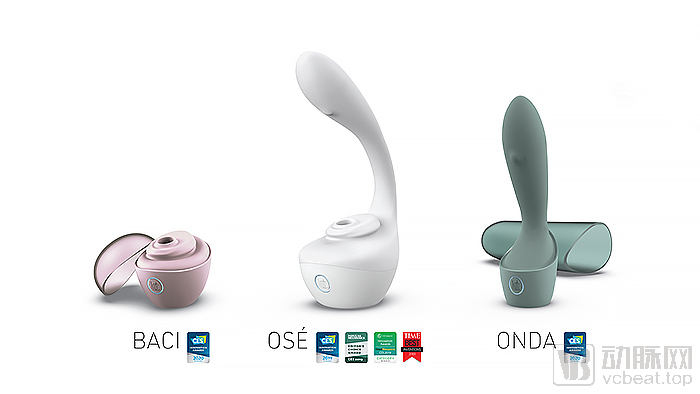
Building on the award-winning Osé from CES 2019, Lora DiCarlo has developed two additional microrobotic smart health products designed for women and the LGBTQ+ community. Following in its predecessor’s footsteps, these products have once again won awards in the Robotics and Drones category. Their primary function is to promote sexual health, thereby improving sleep and alleviating stress: Baci simulates lips and tongue, while Onda is the first handheld device to simulate fingers.
Morari Medical Wearable Devices
Morari Medical Unveils Concept Demonstration of What Is Claimed to Be the First Wearable Device for Treating Premature Ejaculation (PE) in Men. Premature ejaculation is the most common male sexual dysfunction, affecting approximately 30% of men. Due to privacy concerns, most men with this condition are reluctant to seek medical attention, and there have been no new treatment options in this field for over two decades. Morari Medical, in collaboration with San Diego Sexual Medicine, will begin testing the product in the first quarter of 2020, with a formal launch expected in 2021.
OhMiBod blueMotion NEX|3
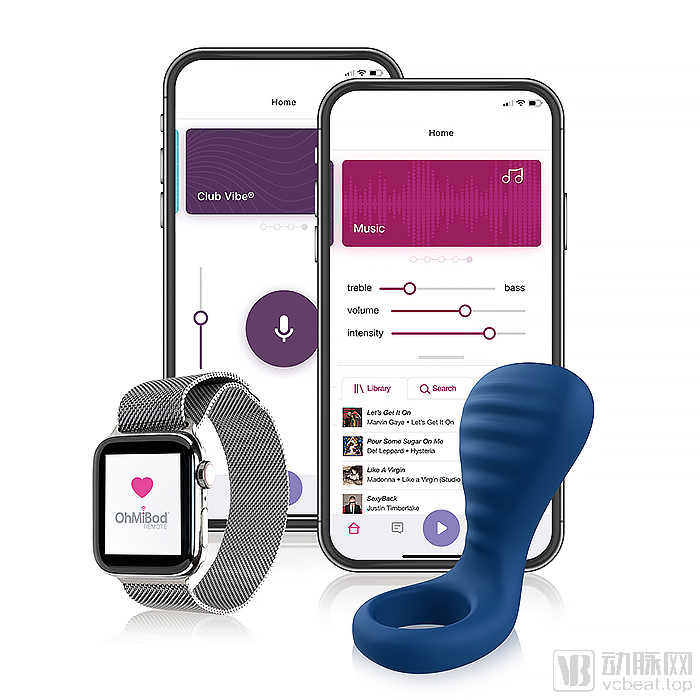
OhMiBod is no stranger to CES, having become the first sexual wellness exhibitor in the event’s history back in 2010. The all-new blueMotion NEX|3 smart wellness product redefines the traditional vibrating ring. By introducing a novel Extended Touch design—featuring a silicone contact surface with raised textures—it significantly enhances the user experience. Additionally, it can sync via Bluetooth with AirPods or Bluetooth speakers, automatically aligning its vibration patterns with the rhythm of the music.
Wearable Health Products Shine, with Health Monitoring and Non-Invasive Technologies as Hotspots
As a category spanning consumer electronics and healthcare, the dazzling array of wearable devices has always been one of the highlights at CES, and this year was no exception. Huami, a leading enterprise in the wearables sector, not only launched new smartwatches during CES but also introduced headphones with heart rate monitoring capabilities, bringing health concepts to audio devices. Meanwhile, several startups also showcased their new wearable products.
Based on the wearable health devices showcased at this year’s CES, vital sign monitoring remains a key focus. However, as sensor technology continues to mature, the range of detectable physiological signals has expanded beyond traditional metrics such as heart rate and blood pressure. New applications debuted at CES include using ultrasound to monitor bladder fullness and analyzing exhaled breath to assess blood glucose levels.
The application scenarios based on these data are also becoming increasingly diverse, extending from single sports scenarios to in-depth medical and healthcare applications, such as epilepsy prevention and antiemesis; assisting individuals with disabilities in urination or helping diabetic patients monitor blood glucose levels, among others.
Wearable devices themselves are continuously evolving. With the gradual maturation of non-invasive biosensors, the concept of non-invasive monitoring was prominently showcased at this year’s CES. Meanwhile, power systems leveraging bio-thermoelectric principles have introduced novel approaches to addressing the persistent challenge of powering wearable devices. These technological innovations are also expanding wearables into broader applications; for instance, in-ear and over-ear wearable devices, as well as smart clothing, have now become a reality.
AerBetic Non-Invasive Wearable Blood Glucose Monitoring Device
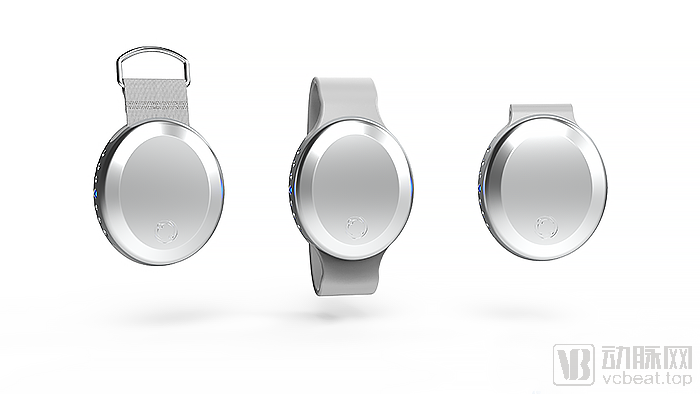
Just as trained dogs can keenly detect the unique body odor emitted by patients with diabetes, AerBetic’s non-invasive smartwatch can do the same. This product utilizes nano-scale gas sensors to identify blood glucose levels based on the user’s exhaled breath. During initial use, a blood glucose meter may be required to calibrate the measurements. As the number of tests increases, the accuracy of the device gradually improves. Once significant fluctuations in the user’s blood glucose levels are detected, the device alerts the user via flashing LEDs and pushes the test results and alarm notifications to pre-designated caregivers through its mobile app.
Huami Amazfit PowerBuds/T-Rex
Amazfit PowerBuds are Huami’s first true wireless professional sports earbuds. Unlike other true wireless earbuds, the PowerBuds continue to emphasize health functionality. Equipped with a PPG heart rate sensor, they monitor heart rate during exercise. The product also provides real-time voice broadcasts of key metrics such as heart rate, pace, and time, thereby offering feedback on the user’s exercise status and alerting them to potential risks like excessively high heart rate.
The Amazfit T-Rex outdoor smartwatch features 14 professional sports modes and a built-in PPG heart rate sensor for continuous, high-precision 24-hour heart rate monitoring. Like the PowerBuds, it also includes an alert function for excessively high heart rates.
Triple W Dfree Wearable Bladder Ultrasound Detection
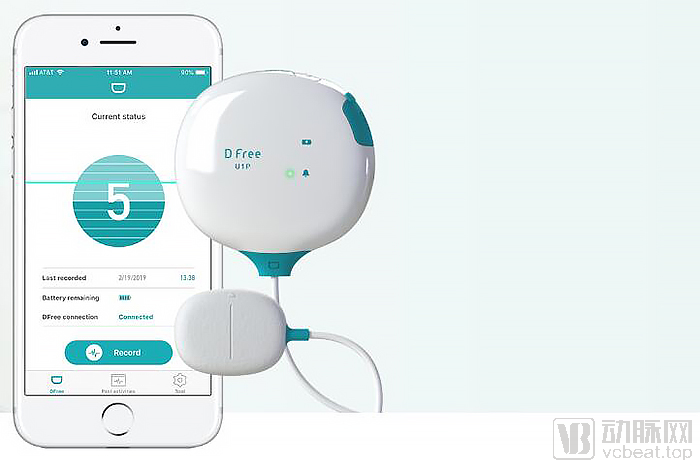
Following its CES award win in 2019, Triple W’s Dfree, a solution designed for individuals with specific disabilities, continues to make an appearance at this year’s CES. This non-invasive, patch-style wearable device utilizes ultrasound technology to monitor bladder fullness, predicting when the user needs to use the restroom and sending notifications to their mobile device as needed.
Reliefband Travel Non-Invasive Wearable Anti-Nausea Device
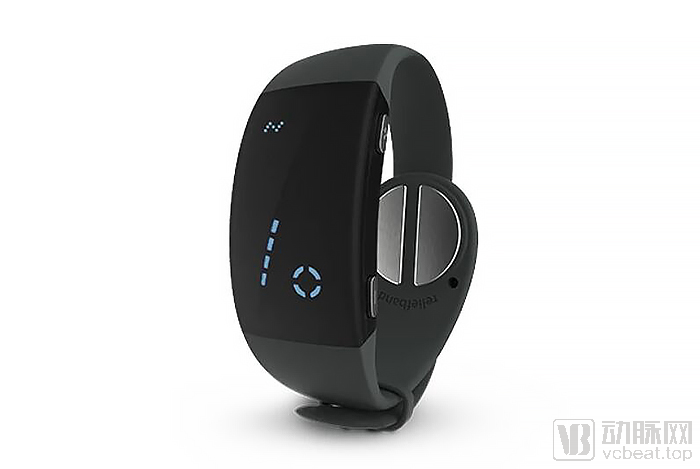
Reliefband Technologies, a wearable device company, has launched the non-invasive Reliefband Travel wristband, which, when used with hypoallergenic conductive gel, helps users prevent or alleviate symptoms such as anxiety, hangovers, migraines, motion sickness, chemotherapy-induced nausea, and morning sickness. The company also showcased a prototype version of the Reliefband Sport, designed to work in conjunction with the Apple Watch.
NightWatch Wearable Epilepsy Monitor
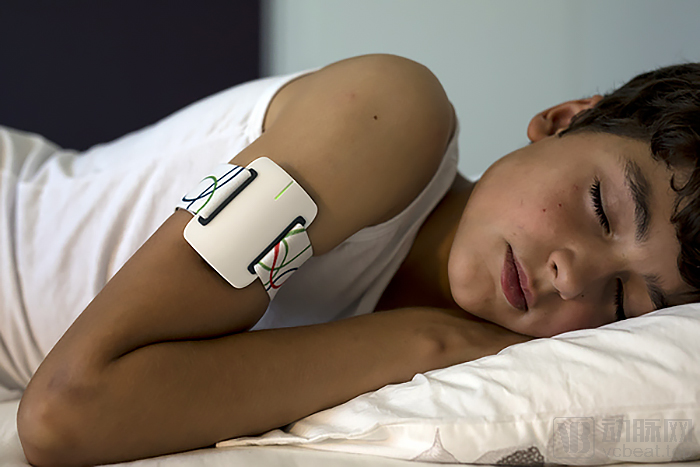
NightWatch showcased its wearable epilepsy detection device. This armband monitor tracks heart rate and body movements during sleep to detect seizures, including tonic seizures, tonic-clonic seizures, hypermotor seizures, and clustered myoclonic seizures. Once the system suspects a seizure, it sends an alert to designated caregivers via a base station wirelessly paired with the armband.
Matrix Mother Bracelet
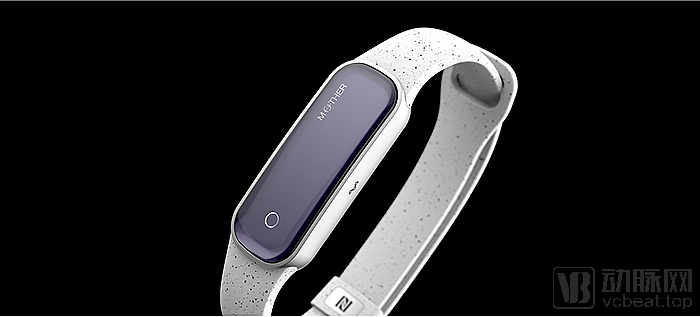
A major pain point for wearable devices is the frequent need for charging, which often causes users to forget about their existence. The Matrix Mother wristband claims to be “charge-free”—it features thermoelectric generation and conversion capabilities, allowing it to continuously power the device using body heat. The Mother can monitor user data such as calorie expenditure, physical activity, and sleep patterns. Matrix has also released an SDK, enabling third-party software developers to directly access the data collected by the device.
Matrix has also partnered with Mediroom, which operates 284 sites in Japan. Mediroom will leverage the Mother bracelet to provide services to its members, enabling continuous monitoring of their physical conditions.
Myant Skinn Smart Underwear
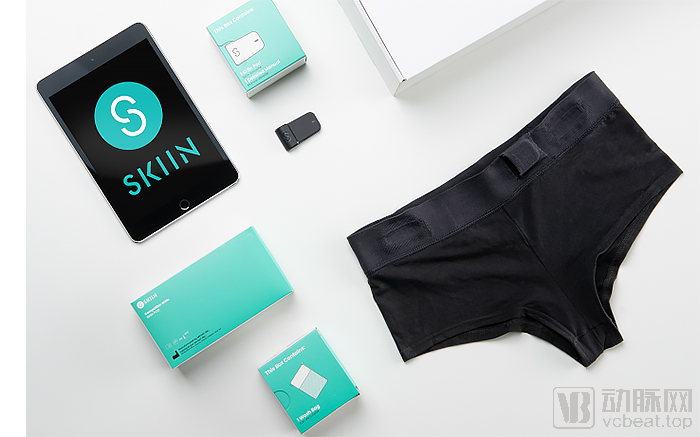
Myant, a pioneer in smart textiles, launched Skiin smart underwear and won the CES 2020 Innovation Award. By embedding ECG and other sensors into the underwear, Skiin can monitor the wearer’s heart rate, respiratory rate, body temperature, and sleep status, and transmit vital sign data to family members or doctors via an app.
Xenoma e-skin Smart Clothing
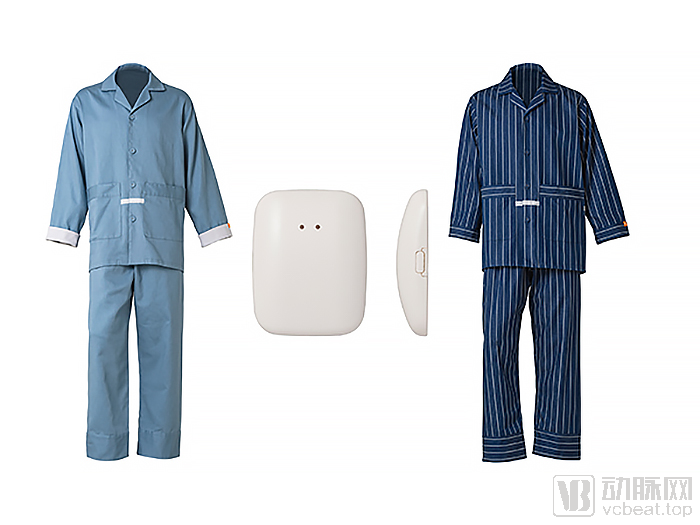
Xenoma’s e-skin smart garments are similar to Myant Skiin, as both embed sensors into clothing to monitor users’ physiological data. However, e-skin features fall-detection alerts. Furthermore, compared with Myant Skiin’s focus on everyday wear, most of Xenoma e-skin’s products exhibit a more professional orientation.
Valencel Blood Pressure Sensor System
Many well-known wearable devices are utilizing Valencell’s wearable sensors. Valencell’s newly launched blood pressure sensor integrates PPG and inertial sensors, making it suitable for integration into headphones, hearing aids, or smartwatches. Valencell is also collaborating with Sonion, an expert in microacoustics and micromechanics, to optimize the size, power consumption, and cost of existing sensors, thereby developing new in-ear and over-ear products. It is believed that a large number of headphones or hearing aids with vital sign monitoring capabilities will soon hit the market.
Additionally, Valencel has launched a calibration-free blood pressure (BP) sensor for wearable devices, which can identify 89% of hypertension cases and delivers BP readings with an error of only around 8 mmHg on qualified datasets.
Home Health Holds Immense Potential: Prevention Is Better Than Cure
A major theme of this year’s CES is “Smart Home.” In fact, health is closely intertwined with the home environment. Compared to the reactive use of various medical devices for treatment after illness occurs, it is clearly more scientific to prevent disease by cultivating healthy lifestyle habits within the daily home setting.
Based on the lifestyle and health products showcased at this year's CES, smart devices hold broad prospects in home healthcare. Empowered by technology, nearly every seemingly ordinary household item—from toothbrushes to mirrors and beds—can serve health-related purposes.
In this process, the Internet of Things (IoT) will play a decisive role; it is no exaggeration to say that without IoT, smart homes would be nothing but castles in the air. The future development level of IoT and its corresponding sensors will determine the heights that home health can achieve. Meanwhile, the rapid introduction of 5G will also provide a significant boost to smart healthy homes in the future.
Huami Amazfit HomeStudio
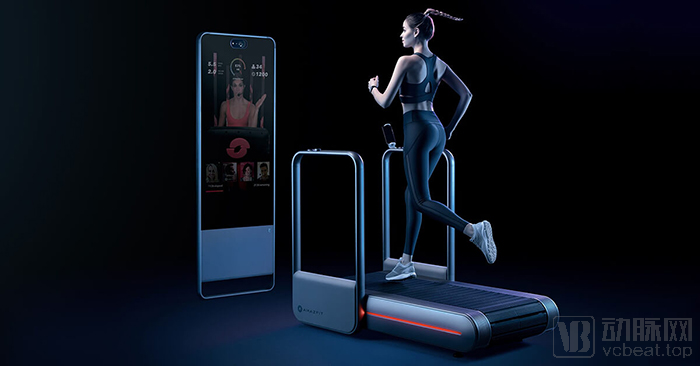
Amazfit HomeStudio is an experimental laboratory product exploring the future form of smart home gyms, primarily consisting of the Smart Gym Hub and Amazfit AirRun.
Smart Gym Hub is a 56-inch oversized floor-standing mirror with a built-in 43-inch HD display that syncs with wearable devices to transmit vital sign data. Users can not only observe their movements and access training plans and videos, but also gain clearer insights into their workout performance through displayed metrics such as exercise duration, heart rate, distance covered, and calories burned, enabling them to formulate more rational subsequent training plans.
The Smart Gym Hub features a built-in 3D ToF system, comprising a ToF camera and an infrared camera, which accurately identifies user exercise postures through 3D modeling and provides real-time correction of improper movements, thereby enhancing workout quality and reducing the risk of injury.
The Amazfit AirRun treadmill features an extra-large effective running area and a wave-like shock absorption system that protects the knees. It can be folded within 5 seconds, saving 80% of floor space. It also supports heart rate synchronization with wearable devices and variable-speed running linked to app-based workout courses.
CareOS Poseidon Smart Bathroom Mirror
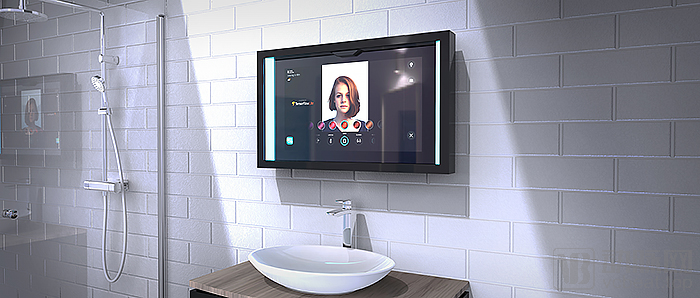
Poseidon is the first customizable smart bathroom mirror (including frame appearance and material, system interface, and dimensions) with built-in CareOS. It features 360-degree virtualization, AR/VR, and magnification capabilities, enabling users to track skin conditions or facial details in daily life to detect early signs of disease. It can also monitor weight trends and provide dietary recommendations, as well as conduct regular vision checks to help prevent myopia. Additionally, it offers health education functions, guiding users through proper brushing techniques or wellness exercises.
Sleep Number Climate360 Smart Bed
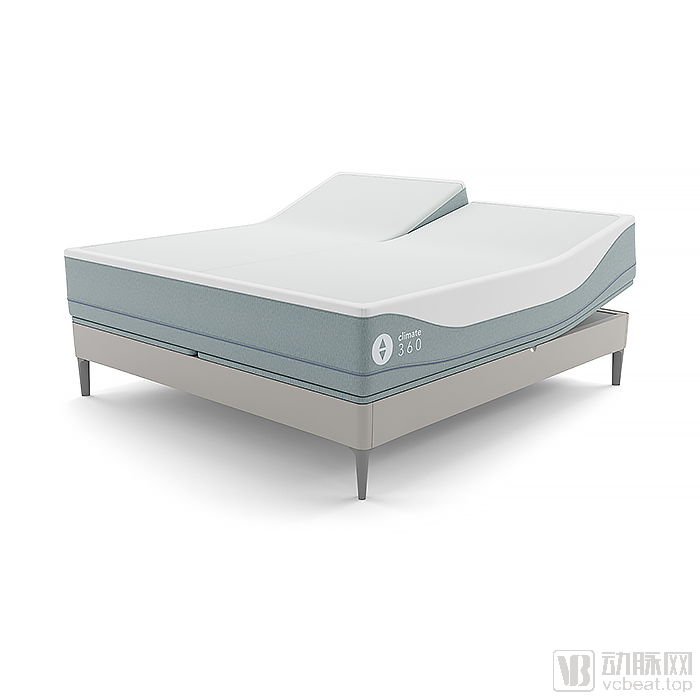
The Sleep Number Climate360 smart bed offers personalized temperature regulation based on individual user profiles, with a cooling capacity of up to 12 degrees and a heating capability reaching up to 38°C. The Climate360 initially warms both sides of the bed to facilitate rapid sleep onset, then employs a ventilation system to slightly cool the user’s body, thereby helping to sustain deep sleep for as long as possible. Both sides feature independently adjustable height and firmness levels to provide a more comfortable sleeping environment.
Based on a study of 25 million sleep segments from Climate360 Smart Bed test users, this product increases high-quality sleep time by 15 minutes per night, amounting to nearly 100 hours annually.
In addition, Sleep Number has made a donation to the Mayo Clinic, primarily to support sleep research focused on cardiovascular disease.
Oral-B iO Smart Toothbrush
Backed by six years of data-driven research, the Oral-B iO has secured 250 patents and features a frictionless linear magnetic drive motor that operates more quietly and with greater energy efficiency. Equipped with intelligent pressure sensing technology, it automatically adjusts motor frequency in response to gripping pressure, thereby safeguarding gums and tooth enamel.
Oral-B iO features seven modes to meet personalized needs. The connected app provides users with scientifically guided brushing techniques within two minutes. Statistics show that all Oral-B iO users experienced improved gum health within one week, with a six-fold increase in plaque removal along the gumline. Additionally, 83% of gingivitis patients transitioned from an unhealthy to a healthy state within six weeks.
Colgate Plaqless Pro Smart Toothbrush
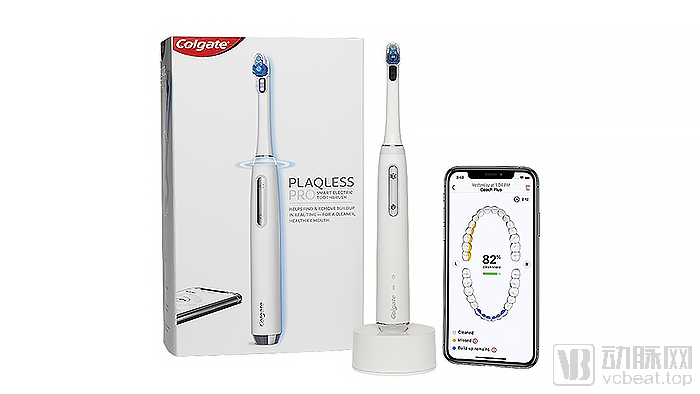
The Colgate Plaqless Pro smart toothbrush employs advanced optical sensor technology to detect and remove biofilm that accumulates in the oral cavity. The Plaqless Pro provides real-time, precise feedback on oral conditions and offers personalized brushing guidance.
Zibrio SmartScale
The Zibrio SmartScale employs a highly sensitive algorithm that requires users to stand on it for just 60 seconds to measure bilateral foot balance. It then provides a balance score via its accompanying app, thereby assessing postural stability and fall risk. Zibrio believes that once individuals become aware of balance issues in their feet, they can take notice and work to improve them.
Above Care Flow-EZ
Dialysis patients, who account for only 0.25% of the U.S. population, consume 5% of annual healthcare expenditures. Meanwhile, long-term dialysis can lead to progressive narrowing and even thrombotic occlusion of arteriovenous fistulas specifically created for dialysis access; each year, 40% of dialysis patients experience stenosis of their vascular access, while 20% develop thrombosis.
There is currently no definitive solution to this problem; the only approach is early detection and timely management. In the United States, the average cost for treating vascular stenosis is $3,000, while thrombus treatment can cost up to $8,000. If complete occlusion occurs and cannot be resolved, necessitating the creation of a new arteriovenous fistula, the cost may reach $50,000.
Flow-EZ, which can be connected to smartphones, monitors the degree of stenosis in dialysis access within seconds by performing fluid dynamics analysis on blood flow combined with AI-based predictions, and notifies healthcare institutions of the results. According to statistics, its accuracy in predicting thrombosis is as high as 97%.
Olive Smart Ear Intelligent Hearing Aid
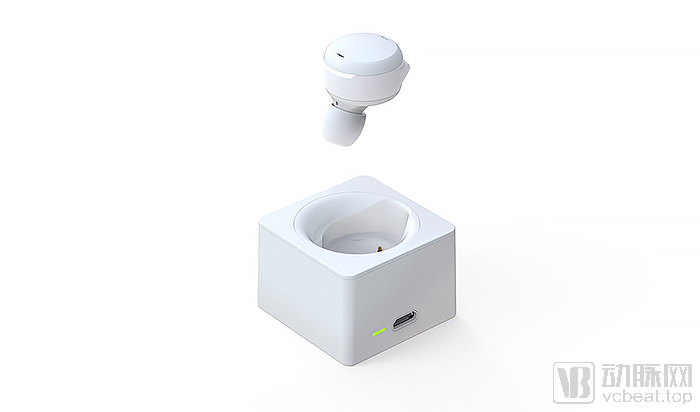
Olive Union’s Smart Ear smart hearing aid features an automatic tuning algorithm combined with Wide Dynamic Range Compression (WDRC) technology to deliver clear sound input. It selectively captures high-frequency sounds common in daily life, such as human speech and television audio, and allows users to customize these settings. This ensures that users can hear the sounds they need most without being disturbed by ambient noise. Users can easily configure the device via a mobile app.
Huami Amazfit ZenBuds Smart Sleep Aid Noise-Masking Earbuds
Amazfit ZenBuds are Huami’s first smart noise-masking earbuds designed to aid sleep. They help users fall asleep by playing soothing soundscapes and automatically pause playback once sleep is detected. Featuring an ergonomic design, they monitor sleeping positions and sleep quality, generating detailed sleep analysis reports. The Amazfit ZenBuds offer up to 12 hours of battery life on a single charge, with the charging case providing seven additional full charges.
Infant and Toddler Health Products Await Development, with Caregiving Monitoring as the Key Focus
Compared to health products for adults, those targeting infants and children were relatively scarce at CES. On one hand, infants and children have fundamentally different characteristics from adults, making product definitions and designs intended for adults ill-suited to meet pediatric needs. On the other hand, health products for infants and children are subject to exceptionally high standards, posing significant demands on corporate capabilities.
Infant care and monitoring products accounted for the majority of infant, toddler, and child health offerings at this year’s CES. First-time parents have an inherent demand for such devices. Moreover, products that successfully assist babies in falling asleep—such as smart baby swings—hold immense market potential. Once you become a parent, you will deeply understand the saying, “A sleeping baby is the cutest baby.”
Based on the characteristics of children, innovative approaches have also been introduced into pediatric health products. For instance, children’s affinity for television programs has been leveraged to deliver amblyopia treatment. Nevertheless, there remains significant room for growth in health devices designed for infants and young children.
Pampers Lumi Baby Monitoring System
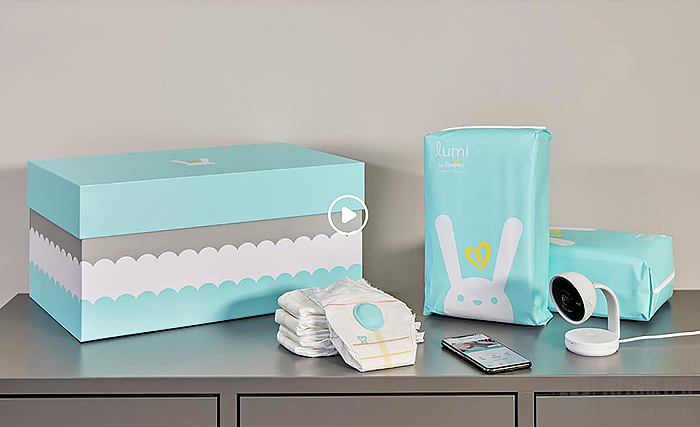
Pampers’ Lumi all-in-one baby monitoring system consists of a 1080p camera, patch-style sensors that detect infant activity, and a mobile app. The camera features wide-angle and night-vision capabilities and can monitor indoor temperature and humidity. The patch-style sensors are designed to be used with Lumi diapers to record the infant’s sleep duration and quality, generating corresponding logs within the app. Parents can monitor their baby’s status in real time via the app and make advance arrangements based on the generated sleep habit data.
Nanit Sleeping Bag
The Nanit Sleeping Bag, a belt-style wearable device, is primarily used in conjunction with the Nanit Plus baby monitor camera—the camera focuses on the unique pattern on the belt to monitor the infant’s breathing and sleep status in real time.
4moms mamaRoo Sleep Smart Baby Bassinet
This smart infant car seat offers five rocking modes—simulated car ride, kangaroo hop, swing, sway dance, and water ripple float—to help babies fall asleep faster and sleep longer.
Philips Baby+
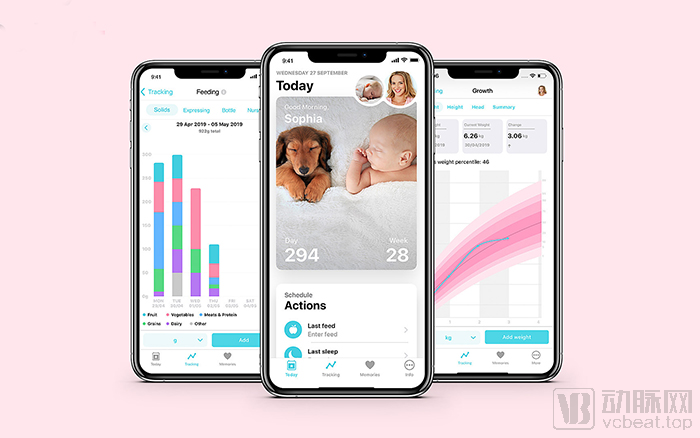
Philips Baby+ is a free application that enables new parents to record and track their infant’s growth and development from birth to one year of age, while providing care advice tailored to this stage. It is highly practical for first-time parents with no prior experience.
NovaSight CureSight Pediatric Amblyopia Therapy Device
Amblyopia impairs the normal development of vision in one eye in children and is the leading cause of vision loss in this population. Patients with amblyopia gradually become accustomed to relying more on their unaffected eye, resulting in a feedback loop that fails to improve the condition. Traditional treatment involves patching the healthy eye to force the brain to use the amblyopic eye. However, adherence to this therapy is poor, particularly among children, who are more likely to refuse to wear an eye patch.
CureSight requires patients to wear a pair of special glasses and then watch TV content on the NovaSight tablet, relying on cutting-edge artificial intelligence and eye-tracking technology to blur the instantaneous gaze position of the viewer's dominant eye, forcing the brain to switch to using the amblyopic eye.
CureSight incorporates dozens of video content sources, such as Netflix, Amazon Prime, and Disney Channel. In a recent clinical study involving 20 children, it achieved a treatment adherence rate of 95%, which is undoubtedly a boon for the approximately 3% of the global population affected by amblyopia.
Knox Medical Diagnostics Aluna Portable Spirometer
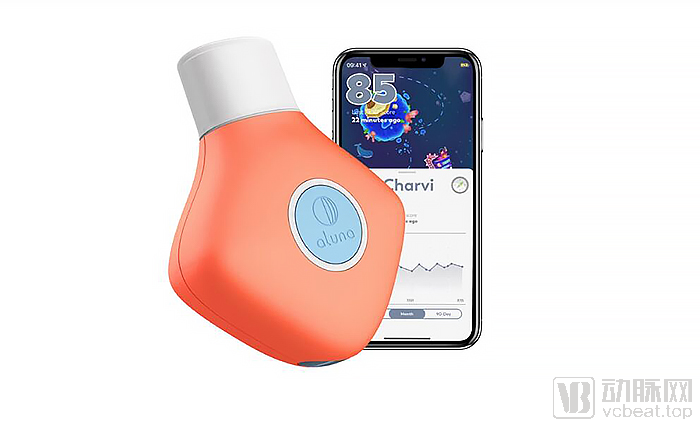
Knox Medical Diagnostics' Aluna portable spirometer is designed for pediatric asthma, integrating with a gaming app to measure real-time lung capacity. This approach makes testing more acceptable to children and enables real-time sharing of results with doctors or family members.
AI at CES: From Chronic Disease Management to Home Hub
AI-powered health devices are not uncommon at CES, but given the consumer electronics focus of the event, the AI technologies showcased primarily center on categories such as health management. For instance, Samsung’s Ballie AI robot boasts a wide range of application scenarios.
The ubiquity of artificial intelligence is also a trend at CES, where AI’s empowerment across nearly all industries is evident. Specifically in healthcare, this trend is showcased by AI’s enablement of digital pathology and the potential of AI-powered prosthetics to disrupt the prosthetic industry.
Samsung Ballie AI Robot
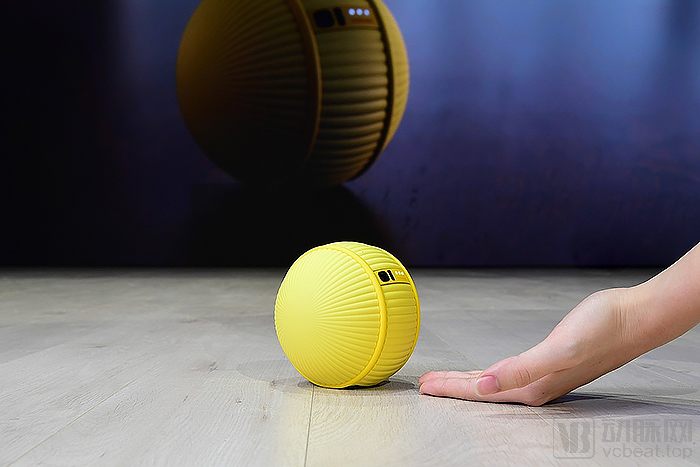
Samsung’s AI-powered spherical robot, Ballie, evokes scenes from science fiction films and was a hot topic on the first day of CES 2020. Samsung defines Ballie as a hub for connecting smart home devices, leveraging its onboard artificial intelligence to autonomously learn and adapt to users’ lifestyle habits while controlling home appliances. Currently, Ballie can serve as a fitness assistant in the health sector, but with technological maturation, it holds promise for extremely broad application scenarios in the future.
Bosch Vivascope AI Cell Analysis Platform
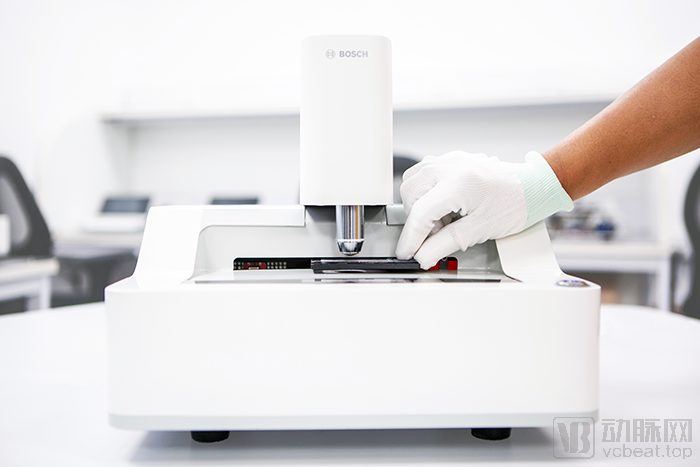
The Bosch Vivascope Cell Analysis Platform is a leader in the field of digital pathology. It generates digital images from biological samples and utilizes edge computing artificial intelligence algorithms to detect sample abnormalities, providing reference data for physician diagnosis. Trained on 30,000 images and 9 million isolated cell points, the AI can decompose individual cells into 165 high-definition features and complete the assessment within 15 minutes, offering pathological analysis for over 30 diseases to pathologists.
This platform is internet-enabled and supports data exchange for remote analysis. It features simple operation and a built-in battery, making it highly suitable for remote use or deployment in remote areas.
BrainRobotics AI Prosthetics

BrainRobotics’ AI-powered prosthetic limb could represent a revolution in the field. This AI-enhanced prosthetic enables mutual learning and adaptation between the device and the user. Equipped with eight multi-channel electromyography (EMG) sensors at the wrist, it can process muscle signals transmitted from the arm. With a sampling rate of 4,000 Hz, it achieves over 95% accuracy in recognizing at least ten types of hand movements.
The product is still in the testing phase, but testers have reportedly succeeded in playing piano pieces with the prosthetic limb. Its price is expected to range from $10,000 to $15,000. Thanks to its modular design, only faulty modules need to be replaced rather than the entire unit. Both in terms of performance and price, this AI-powered prosthetic limb is well worth watching.
Fourth Paradigm ZhiNing Chronic Disease Management All-in-One Machine
Fourth Paradigm showcased the Zhining Chronic Disease Management All-in-One Machine at CES. Guided by intelligent voice instructions, users can complete over 20 routine health checkup indicators, including height, weight, and blood pressure, within five minutes. Through expanded capabilities, it can further test items such as bone mineral density, biochemical markers, and routine urinalysis, significantly simplifying the physical examination process. The results are analyzed by an artificial intelligence system trained on a large-scale database of metabolic disease samples, which performs chronic disease prediction and intervention analysis to provide professional health management reports, thereby achieving end-to-end prevention and management of chronic diseases.
Neutrogena Skin360 AI
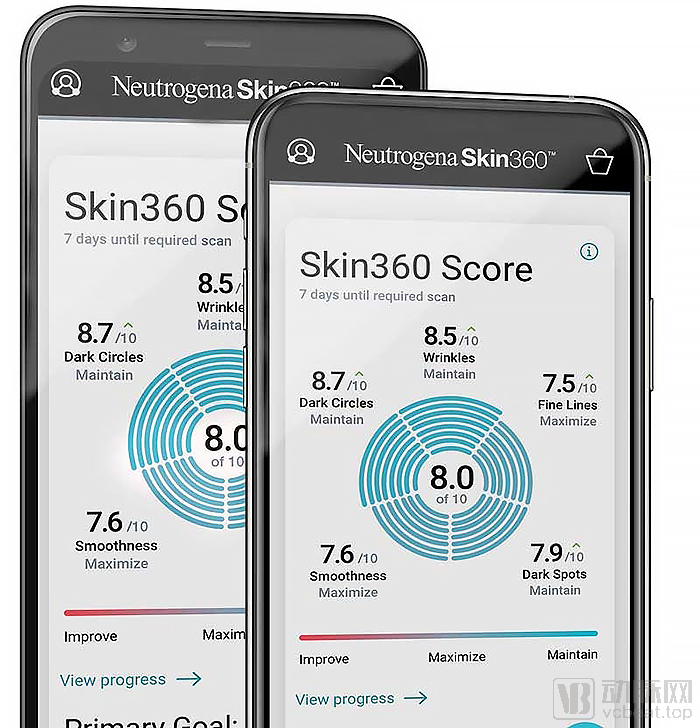
Renowned skincare brand Neutrogena has launched Skin360, an artificial intelligence tool. By simply taking a selfie with a smartphone, users can have their facial skin analyzed across 100,000 pixel points. Skin360 evaluates and scores the user’s skin based on more than 2,000 factors across five key dimensions. This AI system has been trained and validated on data from 10,000 real individuals, building a comprehensive database to enhance its understanding of human skin.
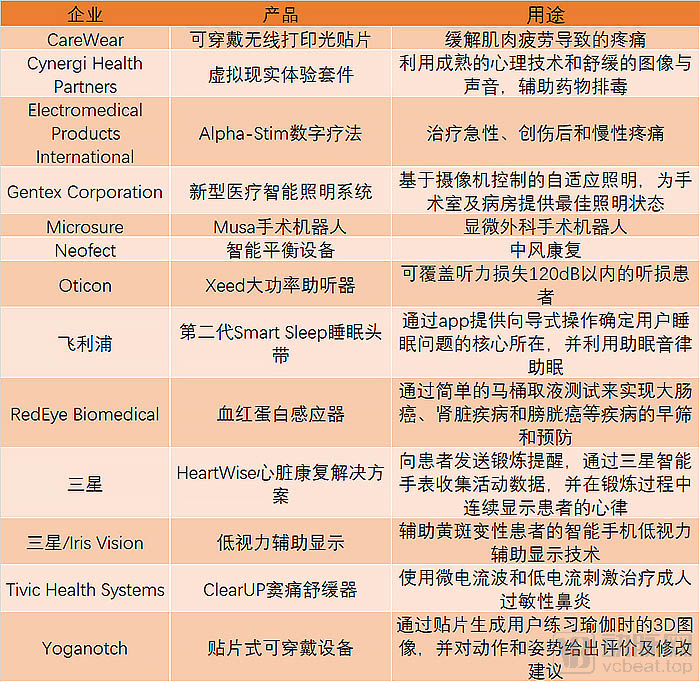
Other Health Products Showcased at CES 2020
Final Thoughts
CES 2020 saw an abundance of health-related products emerge. Whether it was smart sexual wellness products making their mainstream debut, wearable health devices with expanded monitoring capabilities, a dazzling array of home health products, the ubiquitous integration of AI and healthcare, or innovations in children’s health products, the advancements were nothing short of breathtaking—CES remains well-deserved as a feast of health innovation.
Admittedly, the downturn in the consumer electronics industry in recent years has had a direct impact on CES. However, as the Consumer Technology Association (CTA) has stated, CES has been striving to adapt and evolve. The rapid expansion of health-related companies and products at CES serves as clear evidence of this effort, while also highlighting the promising future of the healthcare industry. Undoubtedly, next year’s CES may further align with this trend, potentially making health-focused products a new centerpiece of the event.