

Xiaodoumiao Releases the '2019 White Paper on Chinese Parents’ Attitudes and Behaviors Toward Childhood Vaccination'

Vaccines serve as a protective barrier, shielding humanity from diseases. They have safeguarded countless individuals against infectious diseases, particularly young children with immature immune systems. Vaccination enhances children's immunity, ensuring their healthy growth and development. Immunization is crucial to the health of future generations and holds significant importance for disease prevention and control in China.
As a leading platform in the “vaccination + internet” sector, Xiaodoumiao currently provides one-stop childhood vaccination services to over 23 million parents. Since 2015, Xiaodoumiao has conducted annual industry surveys and published the White Paper Series on Chinese Parents’ Attitudes and Behaviors Toward Childhood Vaccination, which has garnered significant social attention and provided valuable reference materials for government agencies, enterprises, practitioners, and parents involved in vaccination. Xiaodoumiao remains committed to continuing this beneficial work and collaborating with all sectors of society to promote the healthy development of China’s vaccination initiatives.
With the improvement of China's economic development, the enhancement of universal healthcare coverage, and the deepening of public education on vaccines, what is the current level of vaccine knowledge among parents? How do parents perceive vaccine vaccination? What is their satisfaction with the vaccination process? Are there differences in vaccine acceptance and satisfaction with the vaccination process among parents from different regions, educational backgrounds, and income levels? What factors do parents consider when choosing non-EPI (Category II) vaccines? Through precise population surveys and data analysis, this report provides data-backed insights into these industry-related questions.
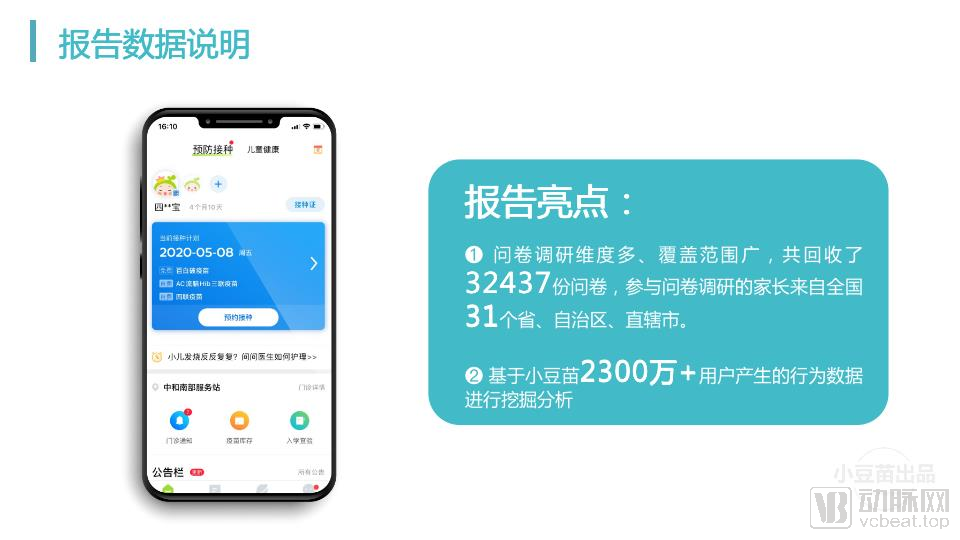
In December 2019, the Xiaodoumiao app conducted a thematic survey, with 32,437 parents from across China completing the questionnaire. Additionally, Xiaodoumiao performed in-depth insight analysis on the vaccination behavior data of its 23 million parent users on the platform, resulting in the “White Paper on Chinese Parents’ Attitudes and Behaviors Toward Childhood Vaccination in 2019.”
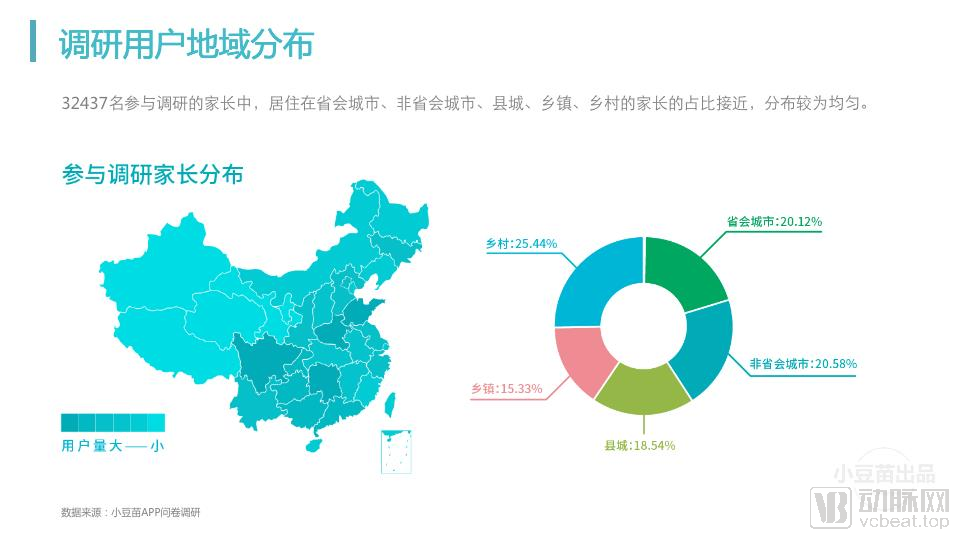
Among the 32,437 parents who participated in the survey, the proportions of those residing in provincial capital cities, non-provincial capital cities, county towns, townships, and rural areas were similar, indicating a relatively uniform distribution.
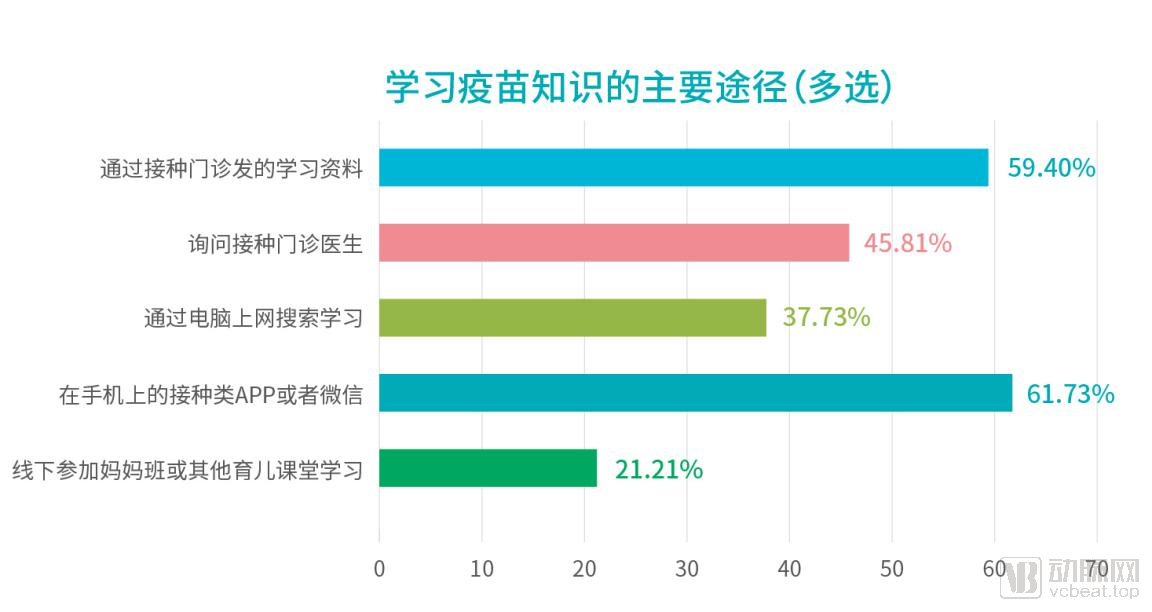
(1) Mobile internet has become the primary channel for parents to acquire knowledge about vaccination.
Survey results indicate that over 60% of parents primarily acquire vaccination knowledge through mobile vaccination apps or science popularization WeChat official accounts, demonstrating that mobile internet has surpassed other traditional vaccine education channels to become the primary source for parental learning on vaccination.
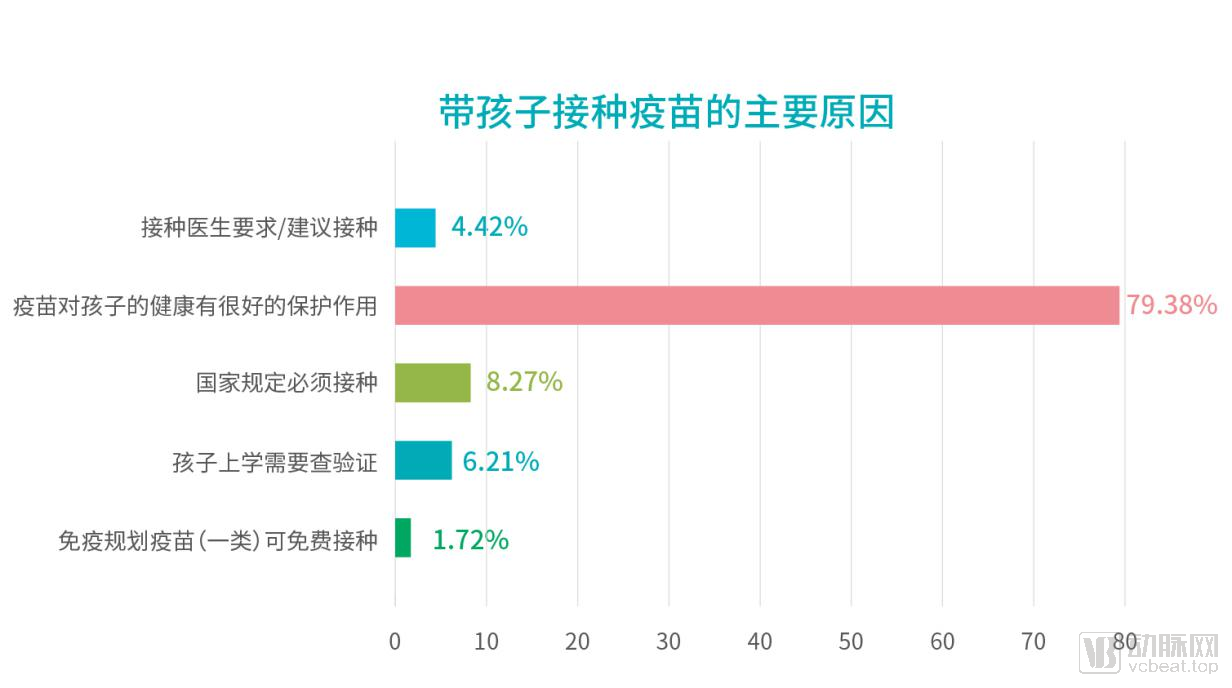
(2) Parents have a high level of recognition for the effectiveness of vaccination.
Nearly 80% of parents correctly recognize the protective role of vaccination in safeguarding their children's health.
(3) Parents’ awareness of the Vaccine Administration Law needs to be improved.
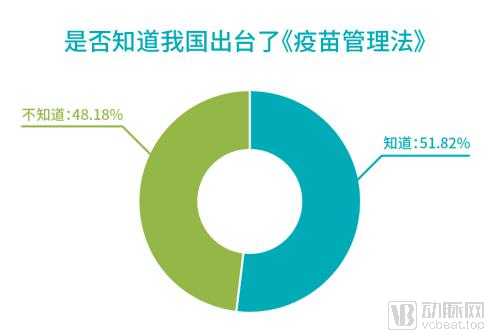
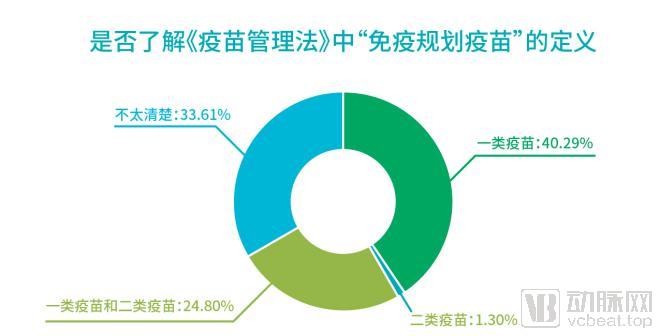
Nearly half of parents are unaware that the Vaccine Administration Law has been enacted, and only about 40% of parents have an accurate understanding of “immunization program vaccines” as defined in the Vaccine Administration Law.
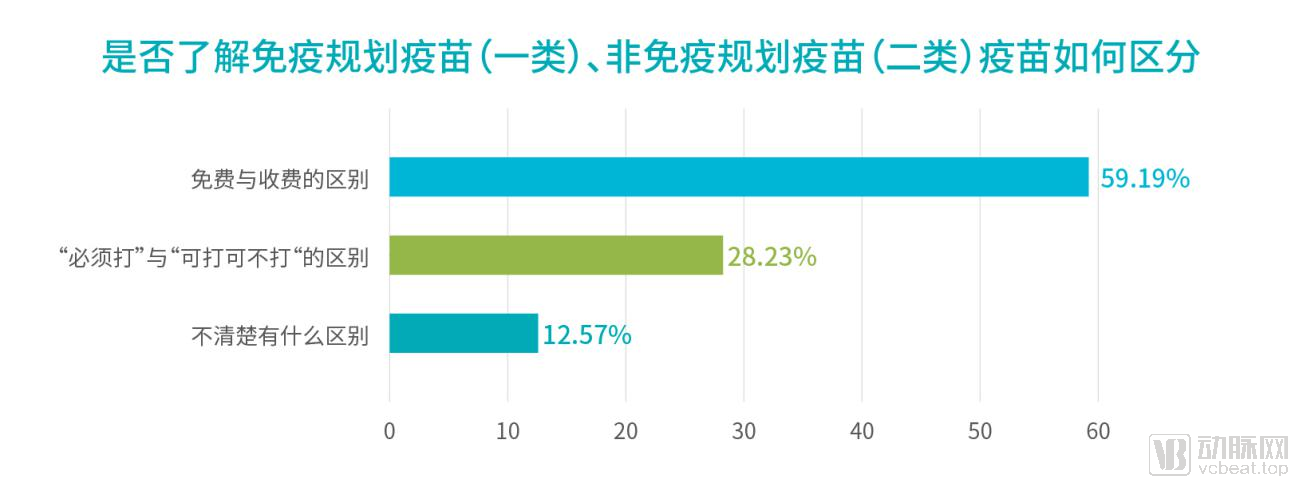
(4) Approximately 40% of parents are unable to accurately distinguish between National Immunization Program vaccines (Category I) and non-National Immunization Program vaccines (Category II).
The survey shows that nearly 60% of parents accurately know how to distinguish between National Immunization Program (Category I) vaccines and non-National Immunization Program (Category II) vaccines, while approximately 40% of parents have misconceptions about or are unclear on the classification criteria.
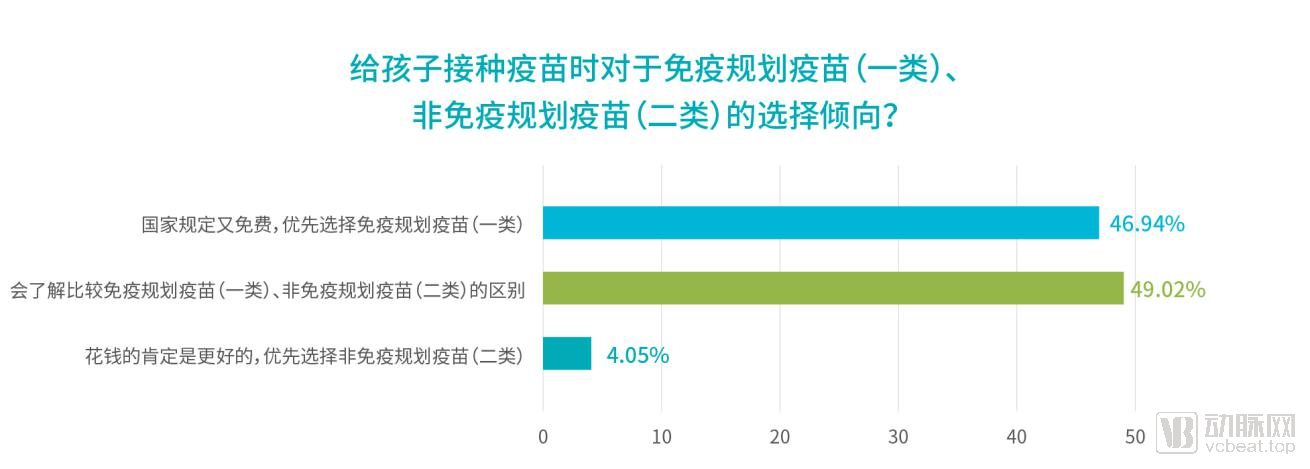
(1) Parents show a significantly stronger preference for vaccines included in the National Immunization Program (Category I) than for non-program vaccines (Category II).
Approximately 46% of parents explicitly stated they would prioritize National Immunization Program vaccines (Category I), about 49% indicated they would compare the differences between the two types before making a decision, and only around 4% explicitly stated they would prioritize non-National Immunization Program vaccines (Category II).
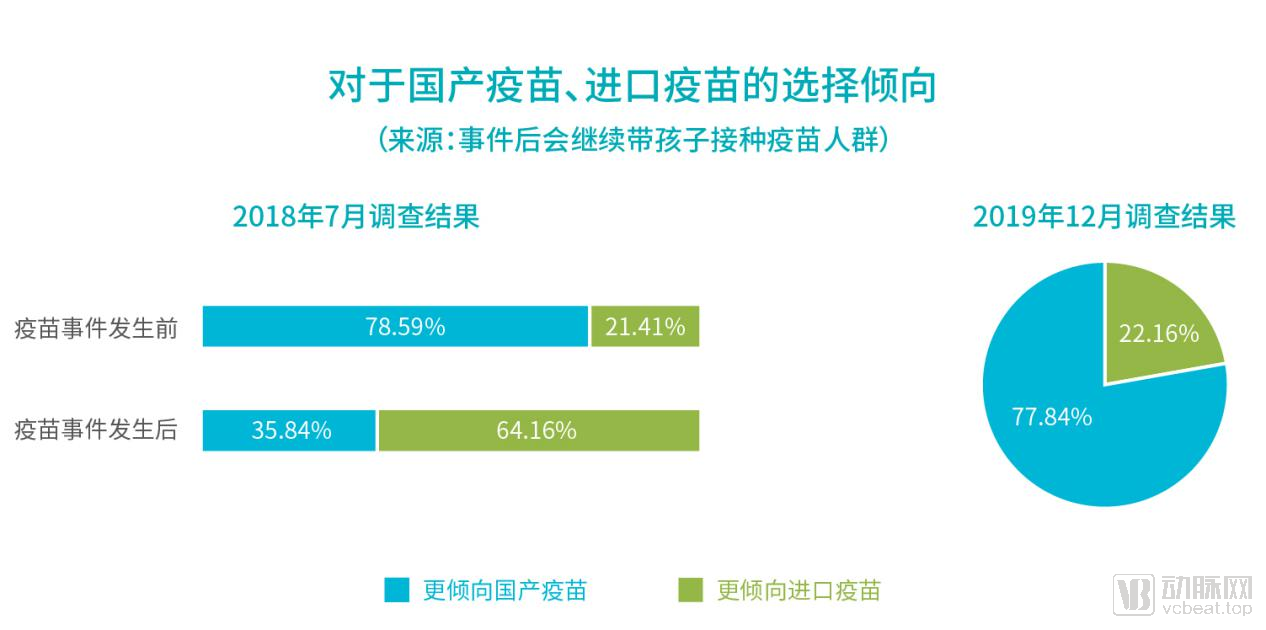
(2) Parental confidence in domestically produced vaccines has largely recovered to the level seen before the outbreak of the “Changchun Changsheng vaccine incident.”
According to the "Big Data Report on Changes in Parents' Vaccination Attitudes and Behaviors Before and After the Vaccine Incident," released by Xiaodoumiao Research on July 30, 2018, the proportion of parents who preferred domestically produced vaccines dropped from 78.59% to 35.84% due to the impact of the "Changchun Changsheng Vaccine Incident." However, this survey found that the proportion of parents preferring domestically produced vaccines has rebounded to 77.84%, indicating that Chinese parents' confidence in domestically produced vaccines has basically recovered to the level before the outbreak of the "Changchun Changsheng Vaccine Incident."
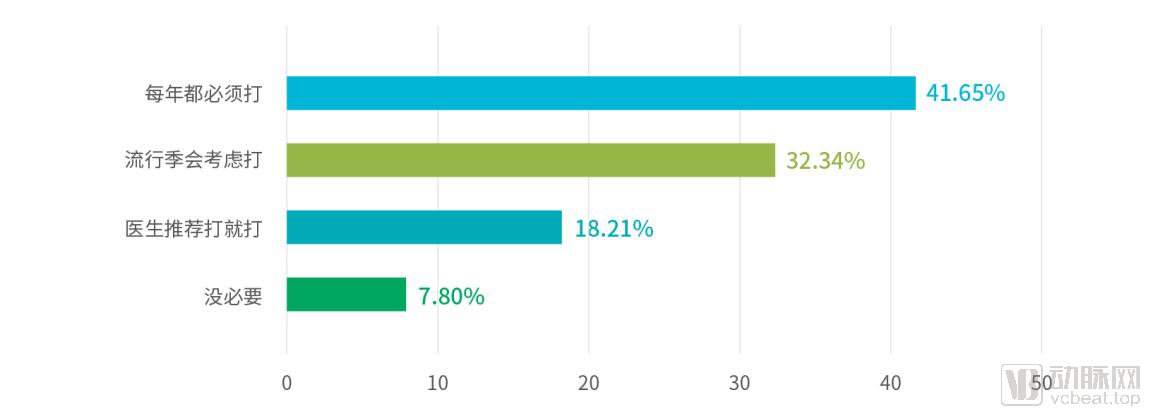
(3) Over 40% of parents believe that it is necessary to vaccinate their children against influenza every year
With rising health awareness, demand for influenza vaccines has increased significantly this year compared to previous years. A questionnaire survey revealed that over 40% of parents believe it is essential to vaccinate their children against influenza annually, while fewer than 8% consider such vaccination unnecessary.
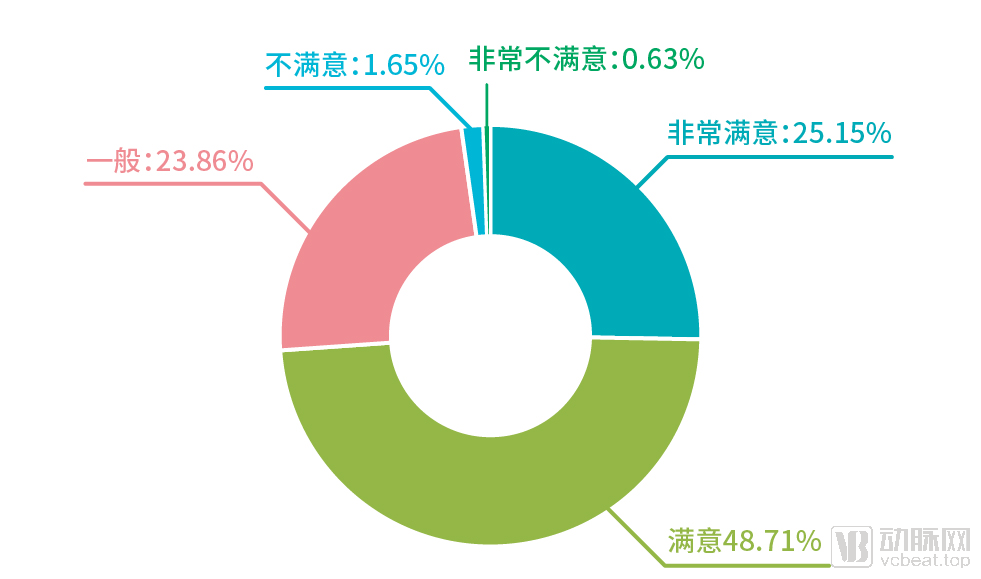
(1) 74% of parents expressed satisfaction with the services provided throughout the entire vaccination process.
Regarding the overall evaluation of the current end-to-end vaccination service, approximately 74% of parents expressed satisfaction, while only about 2% reported dissatisfaction.
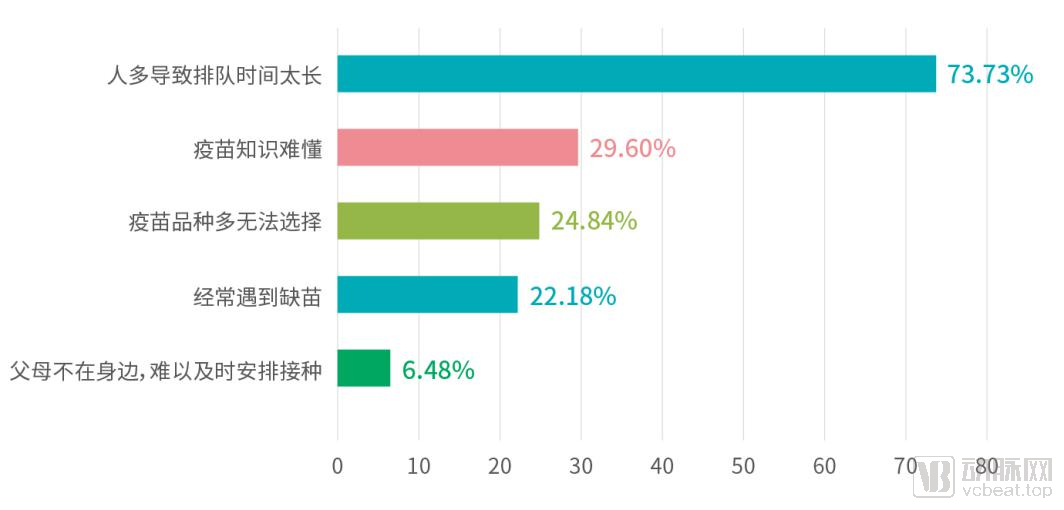
(2) Excessive waiting time is the primary factor affecting parental satisfaction with the vaccination service process.
Throughout the entire vaccination process, approximately 74% of parents reported that "excessive waiting times" were their primary concern, making it the most significant factor affecting satisfaction with the vaccination service. Approximately 30% of parents cited "difficulty in understanding vaccine-related information" as their main concern.
(3) Approximately 77% of parents have encountered vaccine shortages
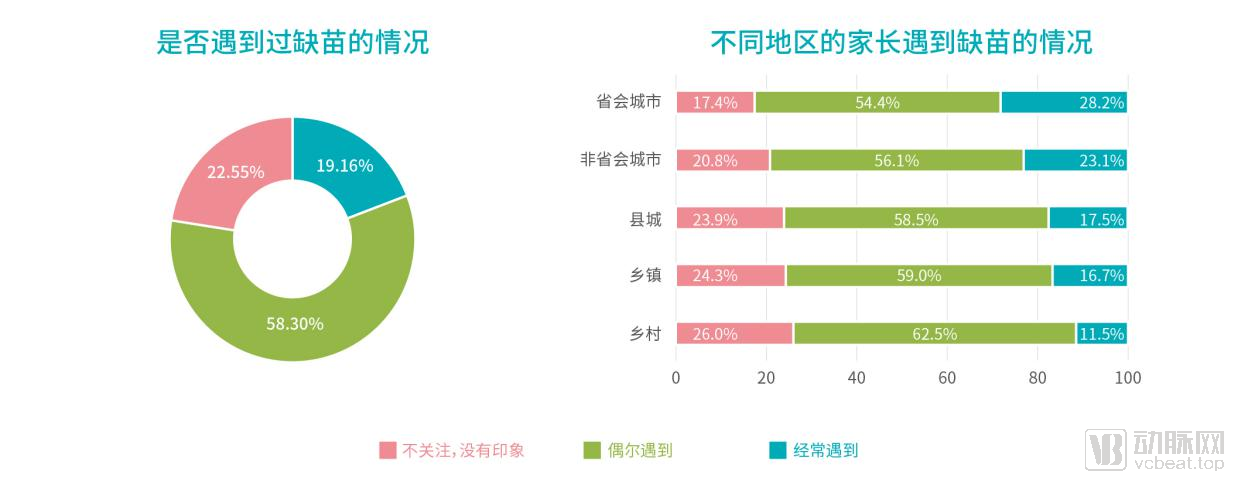
A survey revealed that approximately 77% of parents have encountered vaccine shortages, with about 19% reporting frequent occurrences. Regional analysis indicated that in more economically developed areas, a higher proportion of parents reported frequently encountering vaccine shortages; specifically, 28.2% of parents in provincial capital cities stated they often faced such issues.
(4) Parents have a strong demand for digitalization of the vaccination service process
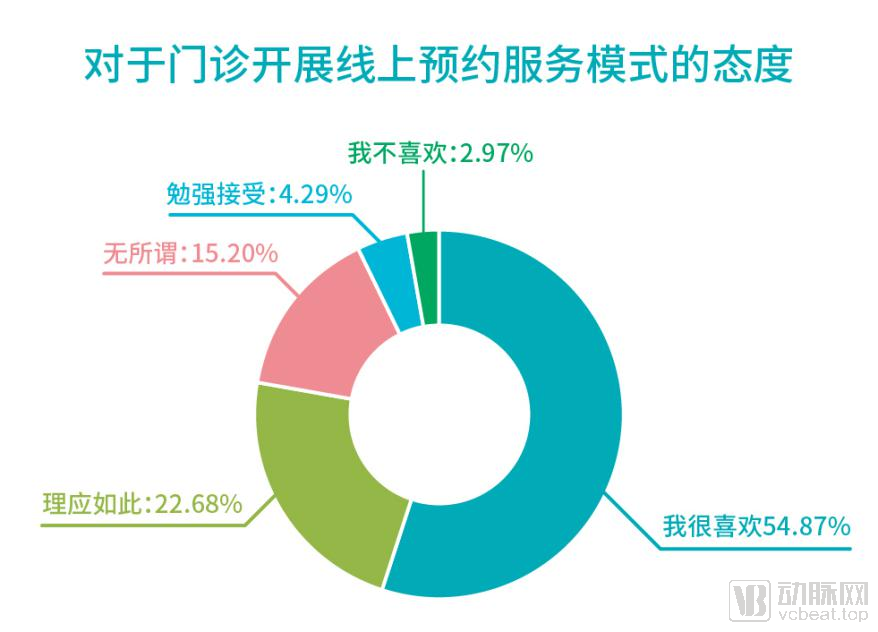
Survey results indicate that approximately 78% of parents welcome the appointment-based vaccination model and express a strong demand for digitalization throughout the vaccination service process.
(1) Timeliness of vaccination has improved significantly compared with 2018.
Compared with the findings of the 2018 White Paper on Chinese Parents’ Attitudes and Behaviors Toward Child Vaccination, the timely vaccination rate for children increased from 56.23% in 2018 to 66.8%, while the proportion of children with vaccination delays exceeding 20 days decreased from 17.83% to 11.41%.
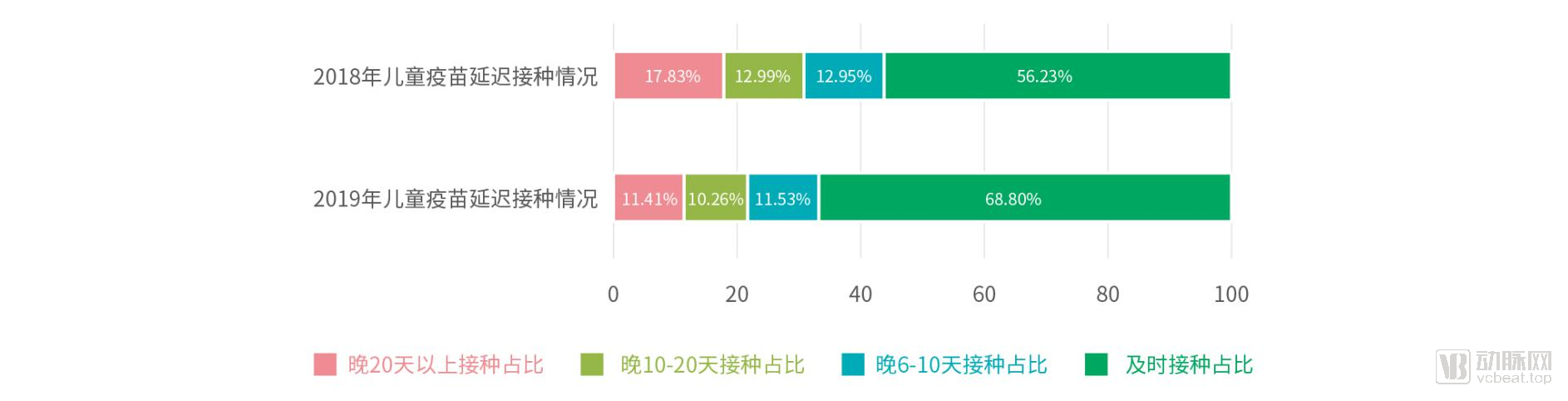
(Definition of “timely vaccination”: receiving the next scheduled dose on the date recommended by the local immunization schedule or within 5 days thereafter)
(2) The popularity of non-EPI vaccines (Category II) has increased significantly
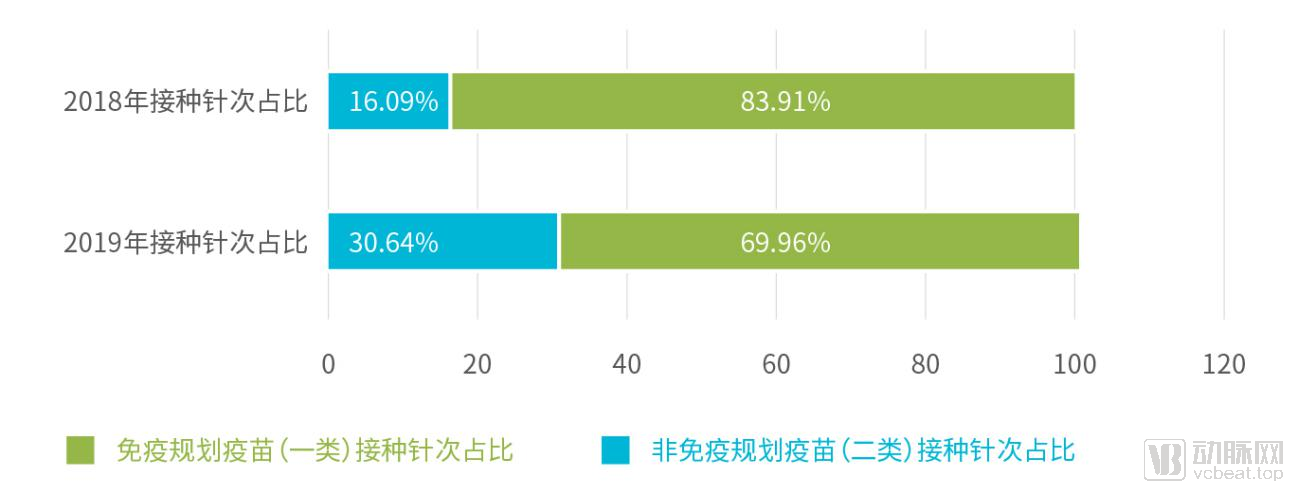
In 2019, the proportion of non-EPI (Category II) vaccine doses among children vaccinated by Xiaodoumiao users exceeded 30%, rising from 16.09% in 2018 (source: "White Paper on Chinese Parents' Attitudes and Behaviors Toward Childhood Vaccination in 2018") to 30.64%, indicating a significant increase in the popularity of non-EPI (Category II) vaccines.
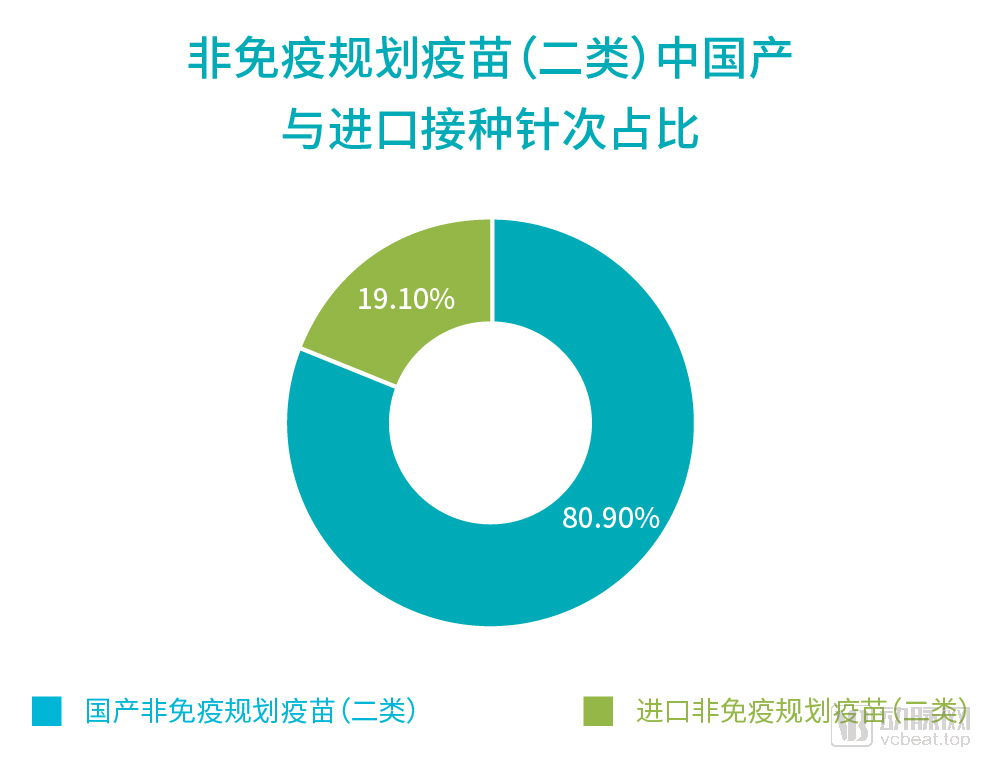
(3) Among the total number of doses administered for non-EPI vaccines (Category II), domestically produced vaccines accounted for 80.9%.
In 2019, among the total number of doses of non-EPI (Category II) vaccines selected by parents nationwide through the Xiaodoumiao platform for their children, domestically produced vaccines accounted for 80.9%, indicating a high level of recognition and trust in Chinese-made vaccines among parents.
(4) The Hib vaccine retained its position as the non-immunization program (Category II) vaccine with the highest number of doses administered, while the polio vaccine rose to second place.
The top five non-EPI (Category II) vaccines by vaccination volume in 2019 were, in order: Haemophilus influenzae type b (Hib) vaccine, inactivated poliovirus vaccine (IPV), inactivated enterovirus 71 (EV71) vaccine, freeze-dried live attenuated varicella vaccine, and split-virion influenza vaccine. In 2019, the emergence of vaccine-derived poliovirus prompted the national government to activate an emergency response mechanism and launch a supplementary immunization campaign for polio. As a result, the ranking of inactivated poliovirus vaccine rose to second place among non-EPI (Category II) vaccines by vaccination volume in 2019.
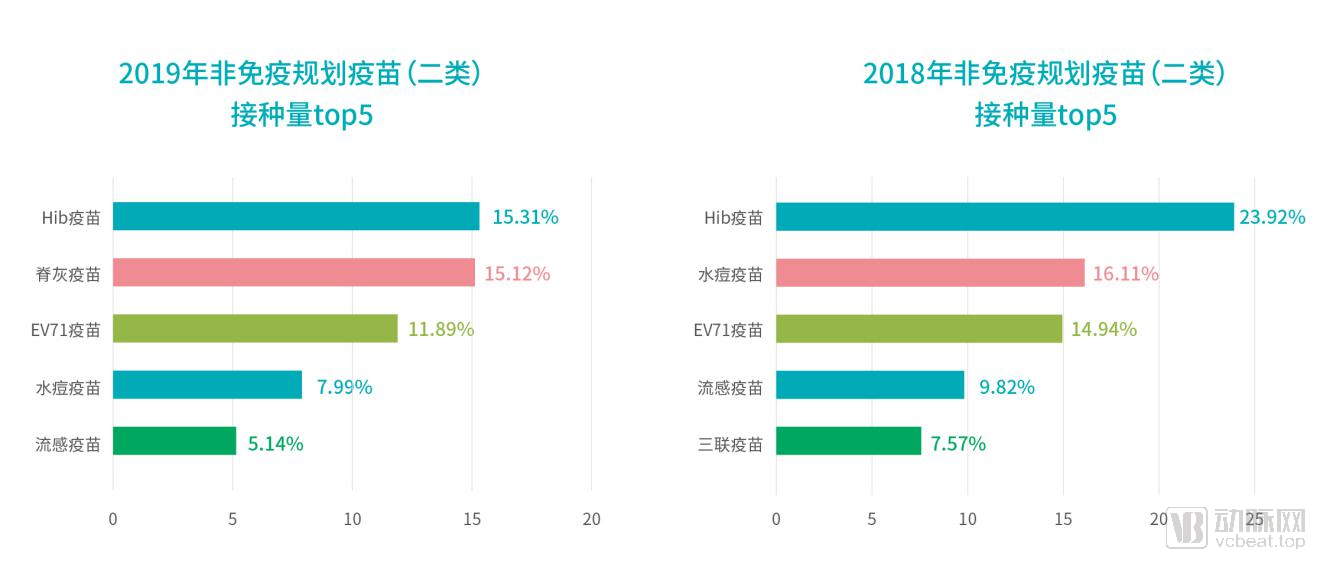
(Data source: Xiao Dou Miao Big Data Platform, "2018 White Paper on Chinese Parents' Attitudes and Behaviors Toward Childhood Vaccination")
Appendix:
In addition to the above survey results, the White Paper further segmented the 32,437 participating parent respondents by dimensions such as geographic region, educational attainment, and annual household income. It conducted multi-dimensional cross-analysis and comparisons in conjunction with various survey questions, thereby deriving insights into the attitudes of different parental groups toward various aspects of childhood vaccination. The full version of the “2019 White Paper on Chinese Parents’ Attitudes and Behaviors Toward Childhood Vaccination” can be downloaded as follows:
Search for and follow the WeChat Official Account “Vaccine Xiaodoumiao,” then reply with “White Paper 2019” to obtain the download link.