

Bioceltech Therapeutics Files IPO Prospectus: Pioneering Allogeneic CAR-T Innovator Led by Co-Developer of the World’s First FDA-Approved CAR-T Therapy
In the early 1990s, while pursuing his graduate studies at Peking University Third Hospital, Dr. Xu Zhongwei conducted research on suicide gene therapy for gastric cancer using retroviral vectors (the HSV-TK/GCV system). This was among the earliest studies in China to apply retroviruses for tumor gene therapy. Concurrently, he actively initiated clinical research on adoptive immune cell therapy for patients with advanced-stage cancer. The surprisingly encouraging therapeutic outcomes profoundly convinced him that immune cell therapy would become an effective approach for tumor treatment. “That experience left a deep impression on me; immune cell therapy indeed pulled some patients with advanced tumors back from the brink of death, granting them a narrow escape,” recalled Dr. Xu Zhongwei. He envisioned that combining genetic engineering with cell therapy would significantly enhance the specificity and efficacy of treatment. Thus, a dream was born...
“It was still difficult in China at that time to clarify the underlying mechanisms of these technologies and conduct in-depth research.” These questions, uncertainties, and aspirations continually weighed on Dr. Xu Zhongwei. He ultimately decided to abandon his decade-long medical career. In 1996, among several overseas research invitations he received, Dr. Xu chose to go to Japan to pursue research on CAR-T-CEA technology, becoming one of the earliest Chinese scientists worldwide engaged in CAR-T development.
Over the following two decades, Dr. Xu Zhongwei pursued his doctoral studies and conducted postdoctoral research at the University of Bern in Switzerland and Columbia University, focusing on tumor gene therapy, glycosylation signaling, and the mechanisms of tumor metastasis. In 2005, Dr. Xu was recruited by Carl June, known as the “father of CAR-T,” to join his team at the University of Pennsylvania, where he led early research and development efforts in autologous CAR-T cell therapy and served as a key originator of CD19-CAR-T (CTL019). In 2012, the cellular drug based on the world’s first “CAR-T cell immunotherapy,” which Dr. Xu helped design and develop, became the first CAR-T therapy approved by the FDA for market launch.
With over a decade of clinical practice and more than 20 years of experience in translational medicine research, complemented by academic pursuits in Japan, Europe, and the United States, Dr. Xu Zhongwei has come to recognize the critical importance of identifying breakthroughs that integrate basic science with clinical research. “The development of clinical medicine, or rather translational medicine, is often not a linear progression but rather driven by reverse thinking—namely, a reverse biomedical model that starts with problems identified in clinical settings and then seeks solutions,” stated Dr. Xu Zhongwei. He further noted, “Future medical treatments, particularly in oncology, will increasingly shift toward comprehensive therapies centered on immunotherapy, which will require even greater guidance from this reverse biomedical model.” The collection of large-scale clinical data plays a significant role in summarizing trends and guiding the future development of medical technologies.
In 2015, Dr. Xu Zhongwei returned to China, assembled a team, and initiated research on a targeted cell therapy platform based primarily on CAR-T and CAR-NK technologies. In 2017, Dr. Xu founded Bioceltech, serving as its Chairman and Chief Scientist. Located in the Peking University Healthcare Industrial Park within the Zhongguancun Life Science Park, Bioceltech focuses on the development of allogeneic CAR-T therapies, including HLA-haploidentical allogeneic CAR-T therapy and universal CAR-T therapy. At its inception, the company secured seed funding from Anlong Fund.
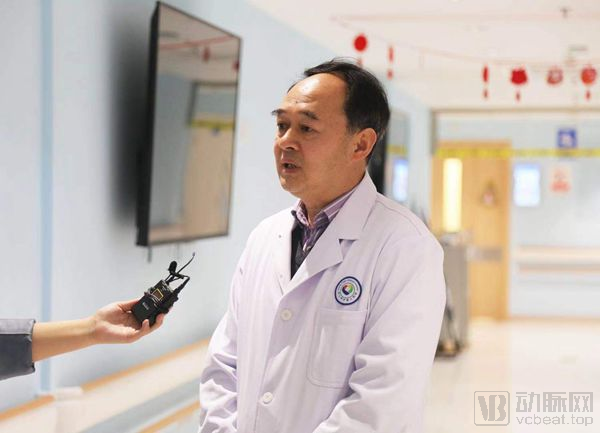
Dr. Xu Zhongwei
The company’s core team comprises senior experts in immune cell therapy from renowned U.S. centers, such as the University of Pennsylvania, and well-known multinational corporations like GSK. Its drug review and QA teams consist of former regulatory specialists from the NMPA and FDA, who possess over a decade of practical experience in the review and regulation of biologics, including immune cell therapies, both domestically and internationally. They are well-versed in the biologics review processes of regulatory authorities such as the U.S. FDA and China’s NMPA, and have provided technical consultation for the formulation of national technical guidelines on cell therapy.
CAR-T therapy has brought hope to many patients with hematologic malignancies. However, in special cases—such as infants and young children, elderly patients over the age of 70, or those who have undergone chemotherapy or radiotherapy—the quantity and quality of their T cells may fail to meet the requirements for effective CAR-T cell therapy, thereby causing them to lose treatment opportunities. Allogeneic CAR-T therapy is one application of “reverse medicine.”
In 2016, Dr. Xu Zhongwei’s team pioneered the application of an HLA-haploidentical allogeneic CAR-T regimen in Beijing, successfully treating patients with relapsed/refractory acute lymphoblastic leukemia. This approach has been recognized by the industry as the “Beijing Protocol” for allogeneic CAR-T therapy.
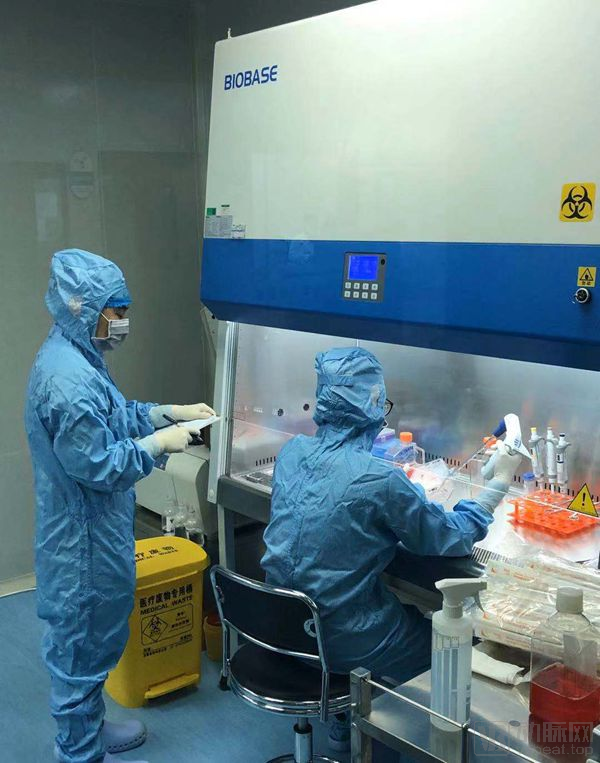
Laboratory
The standard approach for CAR-T therapy involves extracting T cells from the patient’s peripheral blood, followed by ex vivo culture and genetic engineering to enable them to recognize and attack specific cancer cells, before infusing the genetically modified T cells back into the patient. In HLA-haploidentical allogeneic CAR-T regimens, T cells are sourced from healthy parents, children, or siblings of the patient. These T cells undergo modification or engineering at the cellular and protein levels prior to being infused back into the patient.
Currently, the overall clinical complete response rate for HLA-haploidentical allogeneic CAR-T therapy conducted in collaboration with partner hospitals such as Daopei Hospital, Beijing Children’s Hospital, and Kyoto Children’s Hospital has exceeded 90%.
In addition, the company is also engaged in the research and development of non-gene-edited universal CAR-T/-NK cell therapies, as well as iPSC-CAR-T therapy (induced pluripotent stem cell-derived CAR-T). “Theoretically, universal CAR-T therapies can be prepared by extracting immune cells from any healthy individual,” stated Dr. Xu Zhongwei. Overall, the company’s pipeline focuses on hematologic malignancies. Currently, the company offers both allogeneic and autologous CAR-T therapies for hematologic malignancies (such as leukemia and lymphoma); autologous CAR-T cell therapy for solid tumors (such as ovarian cancer, pancreatic cancer, gastric cancer, and glioblastoma); and non-specific immunotherapies using NK cells and other immune cells for various solid tumors. The company is advancing clinical studies of allogeneic CAR-T therapies via different technological approaches and preparing Investigational New Drug (IND) applications in the United States.
In the area of lentivirus preparation and external services, Bioceltech has established an international-standard cGMP clinical-grade lentivirus production workshop along with a quality control and management system, in strict accordance with the rigorous requirements of the U.S. FDA and China’s CFDA. The company is also equipped with large-scale lentivirus production facilities. In addition to meeting its own needs, Bioceltech provides contract research organization (CRO) services to pharmaceutical companies and research institutions with lentivirus production requirements. The company’s independently developed immune function evaluation system not only provides pre- and post-treatment immune function analysis for clinical patients but also serves healthy and sub-healthy populations.
Currently, Bioceltech is undergoing a new round of financing to advance the international and domestic IND filings for clinical trials, among other initiatives.